

Hylomyrma virginiae
- Scientific Name
- Hylomyrma virginiae
- Tribe
- Pogonomyrmecini
- Subfamily
- Myrmicinae
- Author
- Ulysséa, 2021
- Distribution
- Found in 1 countries
Hylomyrma virginiae Overview
Hylomyrma virginiae is an ant species of the genus Hylomyrma. It is primarily documented in 1 countries , including Ecuador. Detailed taxonomic data and occurrence records can be further explored via authoritative databases such as AntWeb or the Global Biodiversity Information Facility (GBIF).
Hylomyrma virginiae
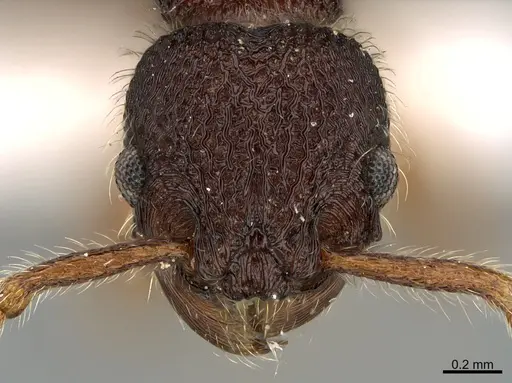
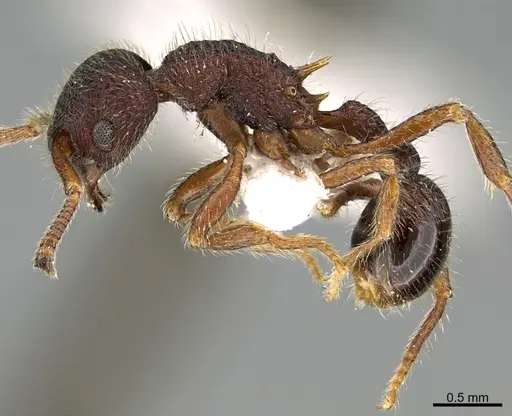
Hylomyrma virginiae is a medium-sized tropical ant species native to northwestern South America, specifically Ecuador and western Colombia. Workers measure 4.94-5.20 mm in total length, while queens are larger at 5.58-6.40 mm [1]. The species was named in 2021 after Virginia Leone Bicudo, a pioneering Brazilian psychoanalyst [1]. These ants have a shiny integument with distinctive striation patterns, their head and mesosoma feature vermicular to vermiculated-areolated striae, while the postpetiole and first gastral segment show longitudinal and anastomosed striations [1]. They inhabit tropical rainforests and bamboo plantation areas at elevations between 250-850 meters, typically collected from leaf-litter suggesting they nest in fallen logs, rotten wood, or natural cavities in soil [1][2]. This is a rarely collected species with most specimens coming from Limoncocha, Ecuador.
Quick Summary
- Difficulty: Medium
- Origin & Habitat: Tropical rainforests and bamboo (Guadua) plantation areas in Ecuador and western Colombia, at elevations 250-850 m [1][2]. Collected in leaf-litter, suggesting nesting in fallen logs, rotten wood, or soil cavities [2].
- Colony Type: Colony structure is unconfirmed. Based on typical Hylomyrma patterns, likely single-queen colonies.
- Size & Growth:
- Queen:{.size-link} 5.58-6.40 mm [1]
- Worker:{.size-link} 4.94-5.20 mm [1]
- Colony: Unknown, limited collection data available
- Growth: Moderate, inferred from typical tropical Myrmicinae patterns
- Development: 6-10 weeks, estimated based on related tropical Myrmicinae species (Development time is estimated, actual timeline may vary based on temperature and conditions)
- Antkeeping:
- Temperature: Keep at 24-28°C, these are tropical ants from warm, humid forests. A gentle temperature gradient allows workers to self-regulate.
- Humidity: High humidity required, think damp rainforest floor. Keep nest substrate consistently moist but not waterlogged. Provide a water tube for drinking access.
- Diapause: Likely minimal or no true diapause given tropical origin. Some reduction in activity during cooler months may occur.
- Nesting: Natural nesting occurs in fallen logs, rotten wood, and soil cavities. In captivity, a naturalistic setup with soil substrate and hiding spots works well. Y-tong or plaster nests with moisture retention are suitable alternatives.
- Behavior: Behavior is not directly documented, but Hylomyrma species are generally not aggressive. Workers are medium-sized and should be manageable in captivity. Escape risk is moderate, standard formicarium barriers should suffice. Workers have relatively large eyes (10 ommatidia) suggesting possible nocturnal or crepuscular foraging patterns [1].
- Common Issues: limited availability, this is a rarely kept species in the antkeeping hobby, humidity control is critical, too dry causes colony decline, tropical species may struggle in air-conditioned environments, wild-caught colonies may have parasites given limited collection data, slow colony growth may frustrate beginners
Housing and Nest Setup
Hylomyrma virginiae naturally nests in fallen logs, rotten wood, and natural cavities within the superficial soil layers of tropical forests [2]. For captivity, a naturalistic setup with a deep soil substrate works best, this mimics their natural environment and helps maintain the high humidity they require. Use a mixture of soil and organic matter like coco fiber or peat to create a substrate that retains moisture well. Provide hiding structures like cork bark, small pieces of wood, or leaf litter on the surface. Alternatively, a Y-tong or plaster nest with a moisture reservoir can work, but ensure the chambers are appropriately sized for workers that are around 5mm. A test tube setup can work for founding colonies, but be prepared to move them to a larger setup as the colony grows.
Temperature and Humidity
As a tropical species from Ecuador and Colombia, Hylomyrma virginiae requires warm and humid conditions. Maintain temperatures between 24-28°C, avoiding drops below 22°C for extended periods. A heating cable on one side of the nest creates a temperature gradient that allows ants to self-regulate. Place the heating element on top of the nest to avoid evaporating moisture too quickly. Humidity should be high, the nest substrate should feel consistently damp but never waterlogged. Mist the outworld occasionally and ensure a water tube is always available. These ants come from tropical rainforests where humidity is consistently high, so avoid dry environments or air-conditioned rooms. [1]
Feeding and Diet
The specific diet of Hylomyrma virginiae has not been documented. Based on typical Myrmicinae behavior and their habitat in leaf-litter, they likely forage for small invertebrates and may tend aphids for honeydew. In captivity, offer a varied diet including protein sources like small crickets, mealworms, or fruit flies twice weekly. Sugar water, honey, or commercial ant nectar should be available constantly. Given their tropical origin and likely omnivorous diet, a balanced approach works well. Observe what your colony prefers and adjust accordingly. Always remove uneaten prey after 24-48 hours to prevent mold.
Colony Development
Queens measure 5.58-6.40 mm and are significantly larger than workers at 4.94-5.20 mm [1]. The development timeline from egg to worker is not directly documented, but based on typical tropical Myrmicinae patterns, expect 6-10 weeks at optimal temperature around 26°C. First workers (nanitics) will likely be smaller than mature workers. Growth rate is moderate, this species is not known for particularly fast or slow colony development. Colonies likely remain relatively small in captivity given the limited colony size data from the wild. Patience is key with this species.
Behavior and Temperament
Hylomyrma virginiae has not been extensively studied for behavioral traits, but the genus is not known for particularly aggressive behavior. Their relatively large eyes (10 ommatidia in workers,13-14 in queens) suggest they may be more visually-oriented than many ants, possibly with nocturnal or crepuscular foraging patterns [1]. Workers are medium-sized at about 5mm and should be manageable in captivity. Standard escape prevention measures like fluon barriers and tight-fitting lids should suffice for this species. They will likely establish nest sites in darker, humid areas of their enclosure and may be less active during daylight hours.
Frequently Asked Questions
How long does it take for Hylomyrma virginiae to have first workers?
The exact timeline is not documented, but based on typical tropical Myrmicinae development, expect first workers (nanitics) in approximately 6-10 weeks when kept at optimal temperatures around 24-28°C.
What do Hylomyrma virginiae ants eat?
While not specifically documented, they likely accept standard ant foods: protein like small crickets, mealworms, or fruit flies offered 1-2 times weekly, and constant access to sugar sources like honey, sugar water, or commercial ant nectar.
What temperature do Hylomyrma virginiae need?
Keep them warm at 24-28°C. These are tropical ants from Ecuador and Colombia, so they need consistently warm conditions. Avoid temperatures below 22°C.
Are Hylomyrma virginiae good for beginners?
This species is rated as Medium difficulty. While not overly aggressive, they have specific humidity and temperature requirements typical of tropical species. They are also rarely available in the antkeeping hobby.
How big do Hylomyrma virginiae colonies get?
Colony size is not well-documented due to limited collection data. Based on their size and habitat, colonies likely remain moderate, probably under a few hundred workers at maximum.
Do Hylomyrma virginiae need hibernation?
Likely no true hibernation is required. As a tropical species from Ecuador and Colombia, they experience minimal seasonal temperature variation. Some reduction in activity during cooler months may occur, but a full diapause is not necessary.
Can I keep multiple Hylomyrma virginiae queens together?
Colony structure (monogyne vs polygyne) has not been documented for this species. Until more information is available, it is not recommended to combine unrelated queens.
What humidity level do Hylomyrma virginiae require?
High humidity is essential, think damp rainforest floor. Keep the nest substrate consistently moist but not waterlogged.
Where does Hylomyrma virginiae come from?
This species is native to northwestern South America, specifically Ecuador and western Colombia. They inhabit tropical rainforests and bamboo plantation areas at elevations between 250-850 meters.
Report an Issue
The current care sheet is based fully on literature. See inconsistencies, or something that's incorrect? Please , it will be resolved after review from an admin. Contributing to the blogs tab also helps providing information, to make us be able to further improve the caresheets. Thank you for your support!
References

This caresheet is licensed under CC BY-SA 4.0 .
MCZ-ENT00525519
View on AntWeb
Literature
Loading...Loading products...