

Formica uralensis
- Scientific Name
- Formica uralensis
- Tribe
- Formicini
- Subfamily
- Formicinae
- Author
- Ruzsky, 1895
- Distribution
- Found in 8 countries
Formica uralensis Overview
Formica uralensis is an ant species of the genus Formica. It is primarily documented in 8 countries , including Germany, Denmark, Finland. Detailed taxonomic data and occurrence records can be further explored via authoritative databases such as AntWeb or the Global Biodiversity Information Facility (GBIF).
Formica uralensis
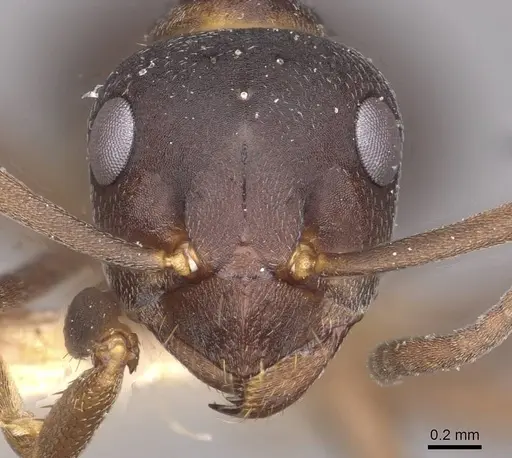
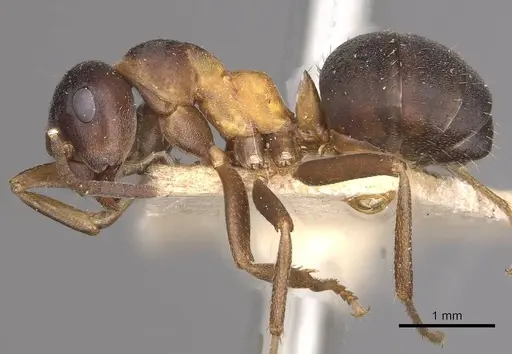
Formica uralensis is a boreal mound-building ant found across northern Europe and Siberia, recognizable by its distinctive black head and dark body with reddish-brown alitrunk and legs. Workers measure 4.5-8mm, while queens are larger at 8.5-10mm [1]. This species is unique within the genus Formica as it occupies a monotypic group, sitting as sister lineage to the exsecta group [2]. Unlike most Formica species, F. uralensis is a bog specialist in Europe, building small dome-shaped mounds from plant debris in peat bogs and mossy wetlands, while in Asia it inhabits dry steppe habitats [3][4]. The species is polygynous, meaning colonies contain multiple queens, and can form polydomous systems with multiple connected nests [5][6].
Quick Summary
- Difficulty: Medium
- Origin & Habitat: Boreal species native to northern Europe and Siberia. In Europe found in peat bogs and mossy wetlands with scattered trees, in Asia occupies dry steppe habitats [7][4]. Widely distributed across the Palaearctic from Finland and Scandinavia through Russia to Mongolia and northern China [8][9].
- Colony Type: Polygynous (multiple-queen) colonies with documented colony fission reproduction. Colonies can contain several thousand to several hundred thousand workers, with queens comprising up to 4% of adult population. New colonies form through temporary social parasitism of F. picea and through colony budding/fission [5][10].
- Colony: Optionally polygyne
- Queen: Temporary parasitic
- Size & Growth:
- Antkeeping:
- Temperature: Keep at room temperature (18-22°C). As a boreal species, they prefer cooler conditions than tropical ants and do not require heating. Avoid temperatures above 25°C.
- Humidity: High humidity required, this is a bog species. Keep nest substrate consistently moist but not waterlogged. Provide damp conditions similar to their natural peat bog habitat.
- Diapause: Yes, requires winter hibernation. Unlike F. rufa group species, they do not go deep into the nest but cluster together under peat moss or among tree roots for winter [7]. Provide 3-4 months at 5-10°C.
- Nesting: Naturalistic setup with damp substrate works best. They build dome-shaped mounds from plant material in nature. In captivity, a formicarium with moist soil/peat and materials for mound-building is ideal. Y-tong or plaster nests with good moisture retention suit them well.
- Behavior: Generally less aggressive than F. rufa group species. Workers forage for honeydew from aphids on trees and will defend their territory but are easily overwhelmed by more aggressive species like Formica sanguinea and Myrmica rubra [7]. Workers are active foragers and tend aphid colonies. They do not form the large visible foraging trails typical of red wood ants. Escape risk is moderate, use standard barrier precautions.
- Common Issues: Bog specialist requires high humidity, dry conditions will kill colonies, Cannot compete with aggressive ant species, must be kept away from other Formica, Slow colony growth compared to faster-developing species may frustrate beginners, Near-threatened species, wild collection may be illegal in some areas, source from reputable breeders, Winter hibernation is essential, colonies that are not cooled will decline
Housing and Nest Setup
Formica uralensis requires a naturalistic setup that mimics their bog habitat. Use a formicarium with a deep soil chamber (at least 10-15cm) filled with damp peat or soil mixture. The substrate should stay moist but never waterlogged, squeeze out excess water before adding. Provide materials for mound-building like small twigs, leaves, and grass stems. A Y-tong or plaster nest with a water reservoir works well for maintaining humidity. Place the nest in a cool area away from direct sunlight and heat sources. Since they are polydomous in the wild, you can provide multiple connected chambers. Outworld should include plants or structures where they can tend aphids, as honeydew is their primary food source. [5][10][3]
Feeding and Diet
In the wild, F. uralensis feeds primarily on honeydew from aphids on birch and pine trees [5][3]. They also collect honeydew from various shrubs in their territory. In captivity, provide constant access to sugar water (1:1 ratio) or honey water. For protein, offer small insects like fruit flies, small crickets, or mealworms. They are not aggressive predators but will accept small prey. Feed protein sources 2-3 times per week, and keep sugar water available constantly. They do not form the large foraging trails seen in F. rufa group, so place food near nest entrances.
Temperature and Seasonal Care
As a boreal species, F. uralensis prefers cooler temperatures than most ant species. Keep the nest at 18-22°C room temperature, no heating is needed and excessive heat is harmful. They are cold-adapted and can tolerate temperatures down to near freezing during hibernation. In winter, provide a 3-4 month diapause period at 5-10°C, such as in a garage or refrigerator. Unlike F. rufa group species, they do not hibernate deep in the nest but cluster together under insulating material [7]. During hibernation, keep the substrate slightly moist but not wet. Return to room temperature gradually in spring.
Colony Structure and Reproduction
F. uralensis forms polygynous colonies with multiple queens, sometimes up to 17 queens have been found in a single nest [3]. Queens comprise about 4% of the adult population [10]. Colonies reproduce through two methods: colony fission (where a group of workers and queens leave to form a new nest) and temporary social parasitism, where a new queen invades a host colony of F. picea before establishing her own [5][2]. This is unusual for Serviformica species. Alatae (winged reproductives) appear in nests in late June, with nuptial flights occurring July-August [5][4]. Mated queens may be adopted by existing colonies rather than founding independently.
Behavior and Defense
Workers of F. uralensis are less aggressive than typical red wood ants. They defend their territory but are easily overwhelmed by more aggressive species like Formica sanguinea and Myrmica rubra [7]. This vulnerability explains why they occupy bogs in Europe, the wet habitat excludes competitors. Workers forage individually rather than in large groups, collecting nest materials and tending aphids on nearby trees and shrubs [3]. They do not form the prominent surface trails seen in F. rufa group. The species is considered a twilight or crepuscular forager in some regions, though daytime activity has been observed [3]. They can bite but do not have a painful sting.
Conservation Status
Formica uralensis is listed as Near Threatened on the IUCN Red List [11][12]. In Europe, relict populations in France, Germany, and Poland are at high risk of extirpation [12]. The species has been extirpated from Switzerland. Their specialized bog habitat makes them vulnerable to drainage and habitat loss. If you keep this species, avoid releasing any ants outdoors, especially in regions where they are not native. Source your colony from reputable breeders rather than collecting from the wild, as wild populations are protected in many areas.
Frequently Asked Questions
Is Formica uralensis good for beginners?
Not ideal for complete beginners. They require specific humidity conditions (consistently damp bog-like substrate), must be kept cool, and need winter hibernation. Their slow growth and specialized habitat needs make them more challenging than common species like Lasius niger. However, experienced antkeepers interested in boreal species can manage them successfully.
How long does it take for Formica uralensis to produce first workers?
Based on typical Formica development, expect 6-8 weeks from egg to worker at optimal temperatures. Polygynous colonies may develop faster since multiple queens can lay eggs. Founding colonies can take longer as the queen must establish before laying eggs.
Can I keep multiple queens together in one colony?
Yes, F. uralensis is naturally polygynous, meaning colonies typically have multiple queens. Unlike species where multiple queens fight, these queens coexist peacefully. You can keep multiple foundresses together when starting a colony, or introduce additional queens to an established colony.
Do Formica uralensis need hibernation?
Yes, they require a winter dormancy period of 3-4 months at 5-10°C. This is essential for colony health and reproduction. Without proper hibernation, colonies will weaken and fail to produce alates. Provide this rest period annually, ideally in a cool garage or refrigerator.
What do Formica uralensis eat?
Their primary food is honeydew from aphids. In captivity, provide constant sugar water or honey water. For protein, offer small insects like fruit flies, small crickets, or mealworms 2-3 times per week. They are not aggressive hunters but will scavenge small prey.
How big do Formica uralensis colonies get?
Colonies can reach up to 50,000 workers in the wild [10]. In captivity, well-established colonies after several years may reach several thousand workers. Growth is moderate, expect 2-3 years to reach 500+ workers in good conditions.
Why do my Formica uralensis keep dying?
The most common causes are: 1) Dry conditions, they need consistently damp substrate, 2) Too warm, they prefer cool temperatures below 25°C, 3) Competition, they cannot coexist with aggressive ant species, 4) Improper hibernation, they need 3-4 months of cold rest. Check humidity levels first, as bog species are highly sensitive to drying.
When do Formica uralensis have nuptial flights?
Alatae appear in nests in late June, with nuptial flights occurring July-August [5][4]. If you want to catch reproductives for breeding, look for winged queens and males during these summer months.
References

This caresheet is licensed under CC BY-SA 4.0 .
CASENT0906303
View on AntWeb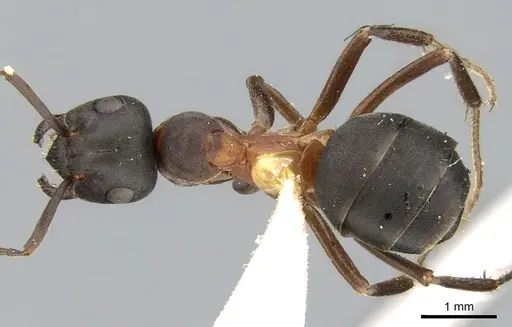
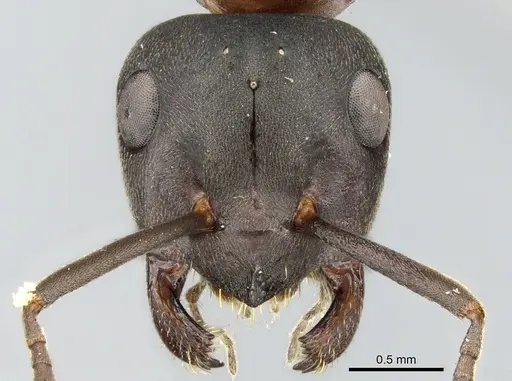
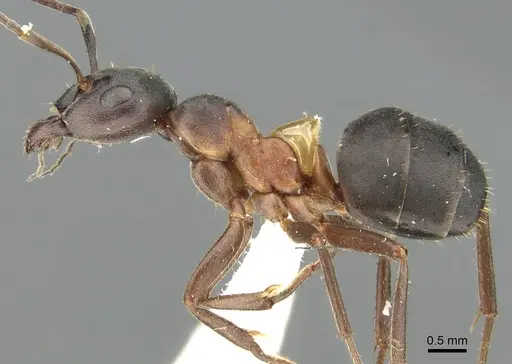
CASENT0911088
View on AntWeb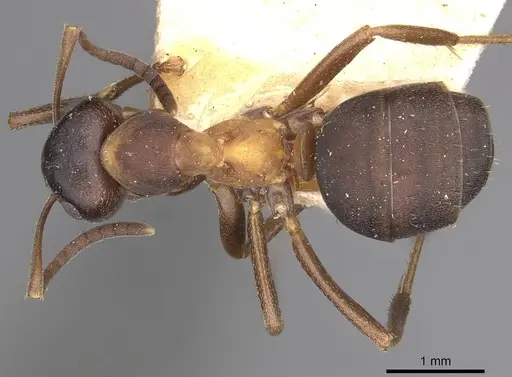
CASENT0916651
View on AntWeb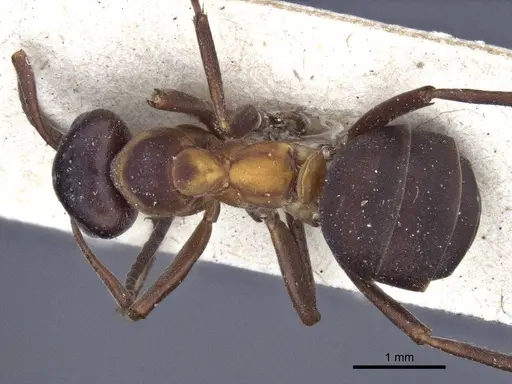
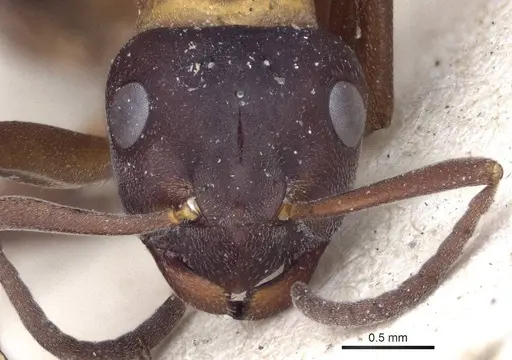
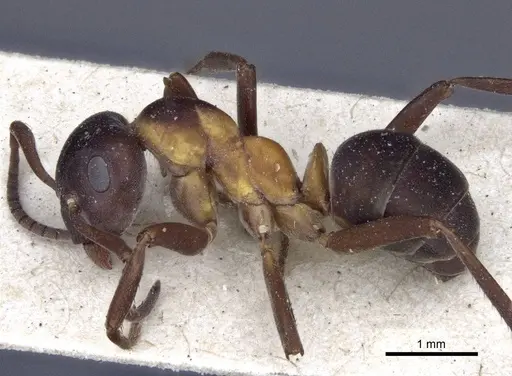
CASENT0916652
View on AntWeb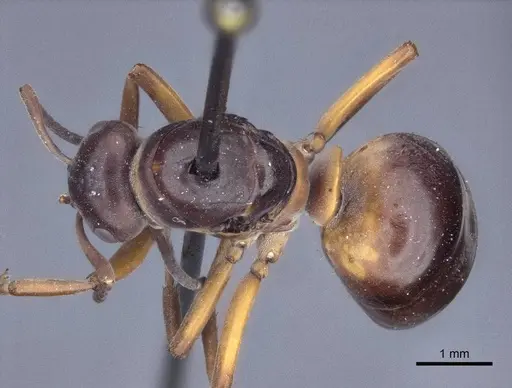
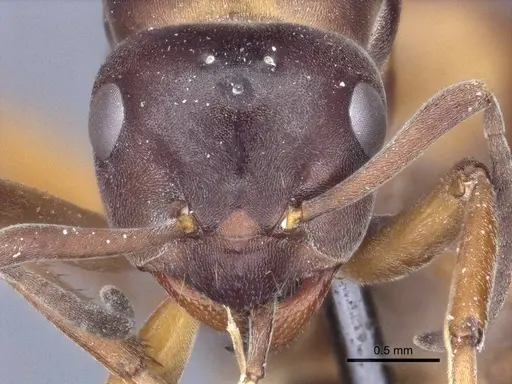
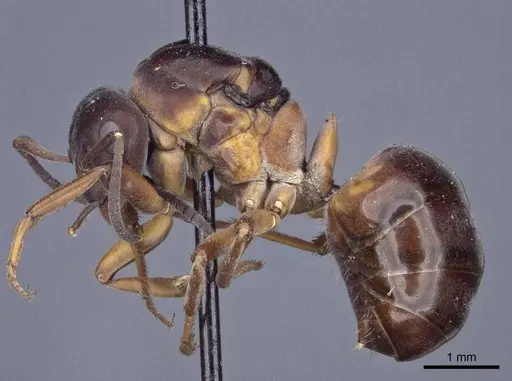
Literature
Loading...Loading products...