
Formica cunicularia exhibits a clear seasonal flight window. Peak flight activity is concentrated in June, with the overall period spanning June to July. The concentrated timeframe makes peak months critical for sightings.
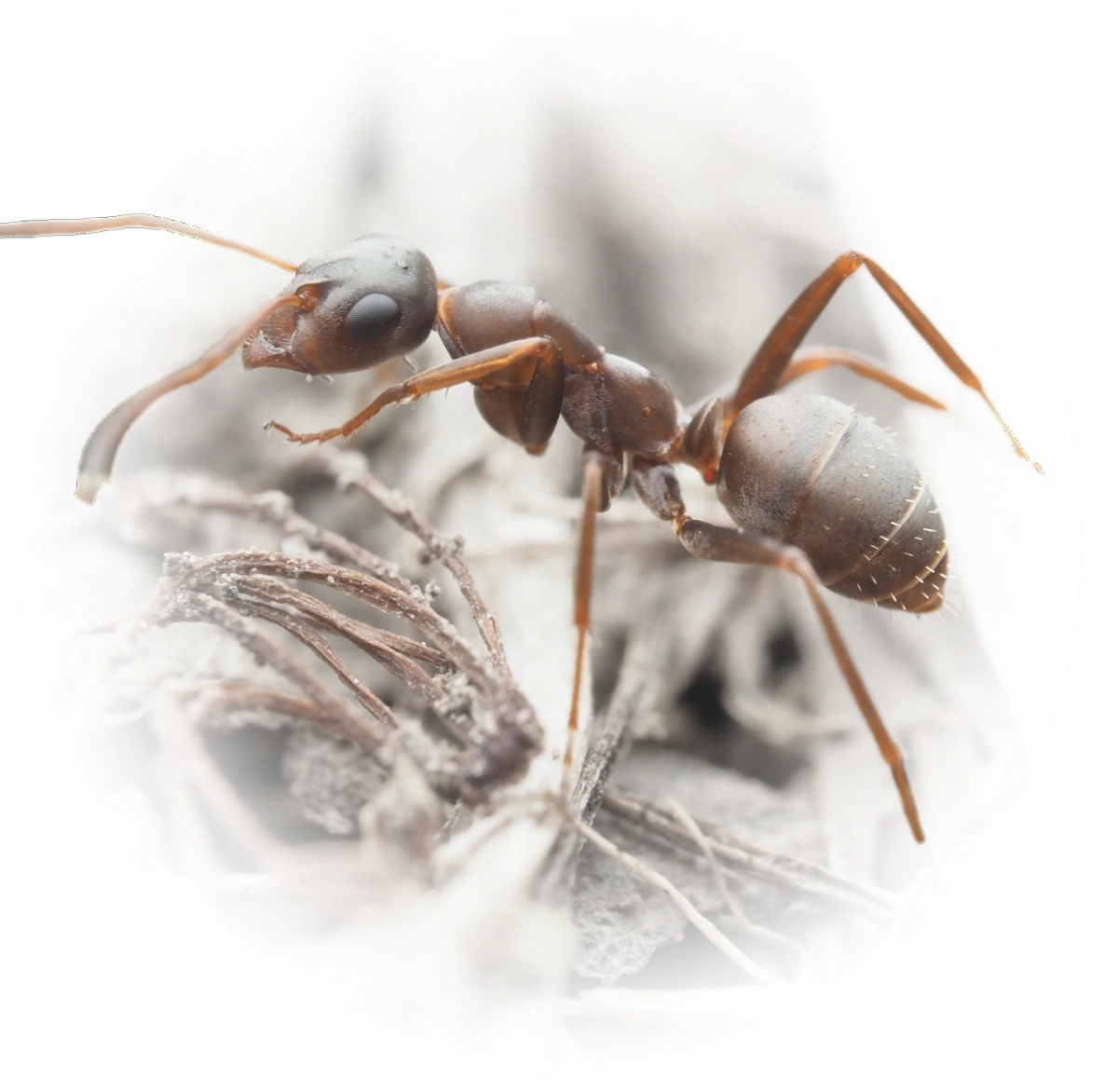
Formica cunicularia
- Scientific Name
- Formica cunicularia
- Tribe
- Formicini
- Subfamily
- Formicinae
- Author
- Latreille, 1798
- Distribution
- Found in 14 countries
- Nuptial Flight
- from June to July, peaking in June
AI Identifiable
try →
Formica cunicularia Overview
Formica cunicularia is an ant species of the genus Formica. It is primarily documented in 14 countries , including Austria, Belgium, Switzerland. Detailed taxonomic data and occurrence records can be further explored via authoritative databases such as AntWeb or the Global Biodiversity Information Facility (GBIF).
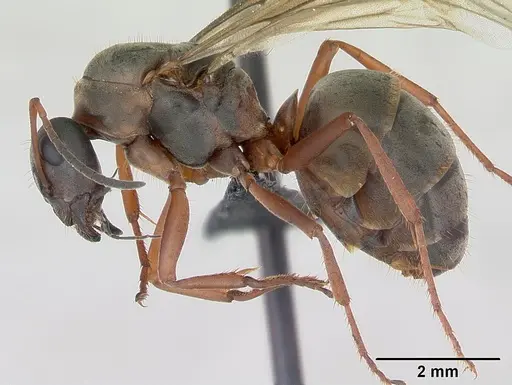
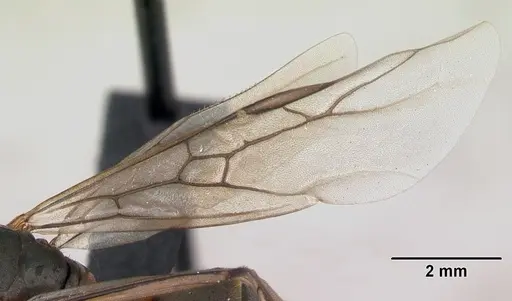
The nuptial flight of Formica cunicularia is a significant biological event, typically occurring from June to July, peaking in June. During this time, winged queens and males leave the nest to mate and establish new colonies.
Formica cunicularia
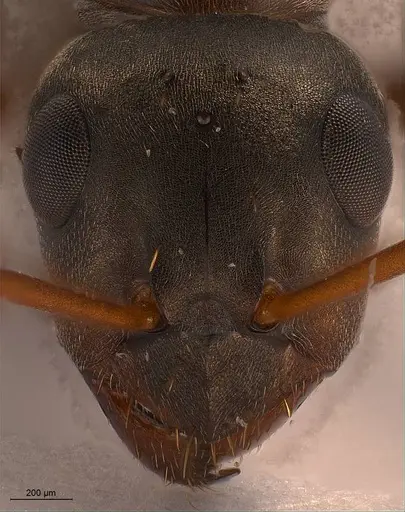
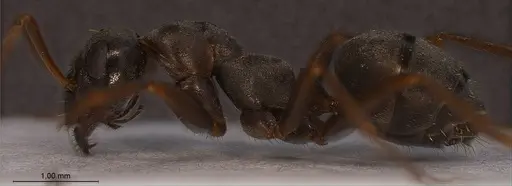
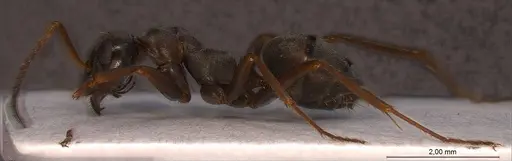
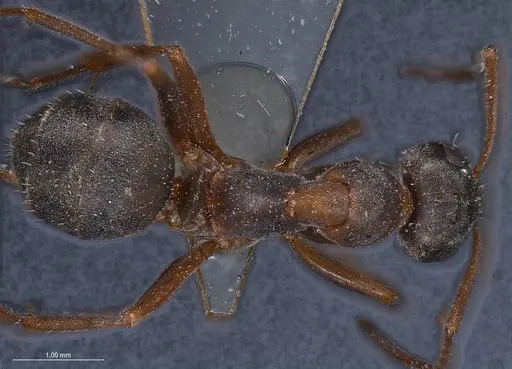
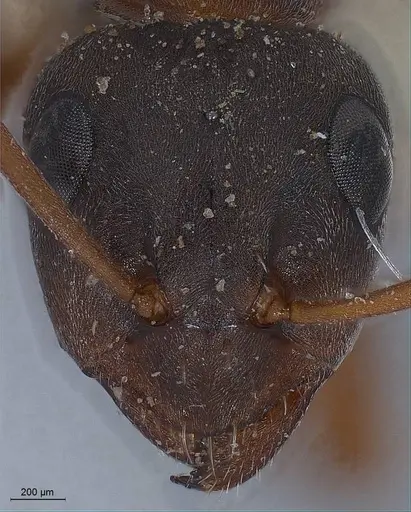
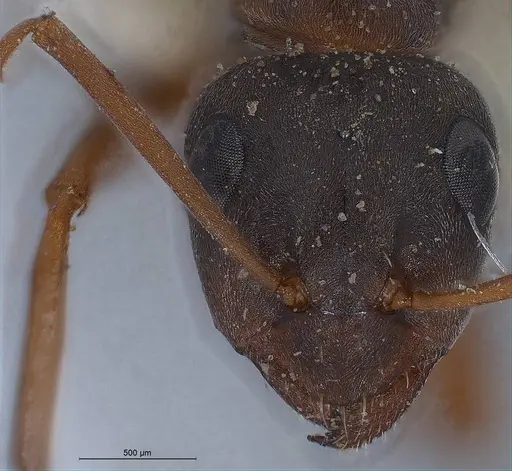
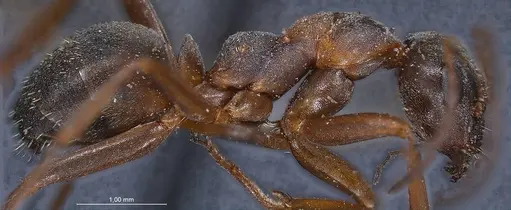
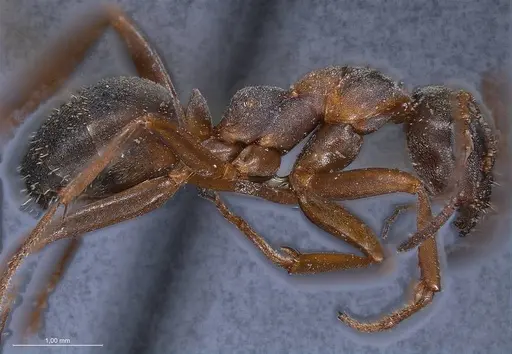
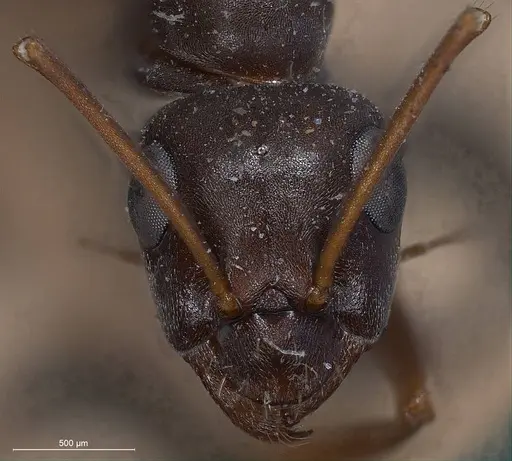
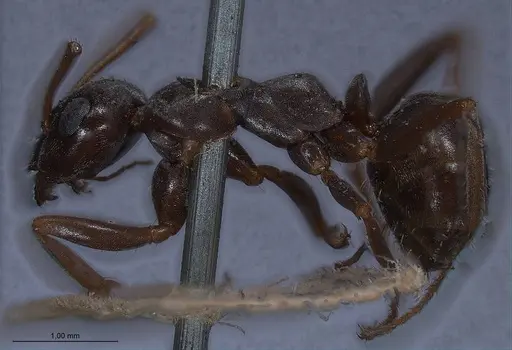
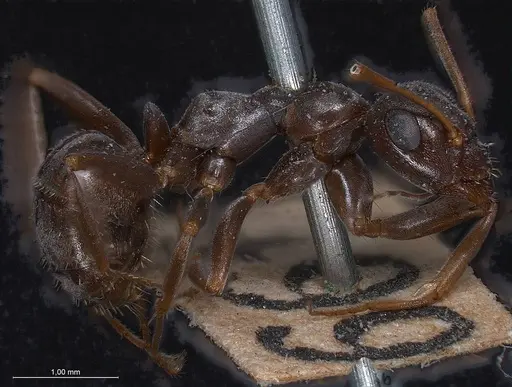
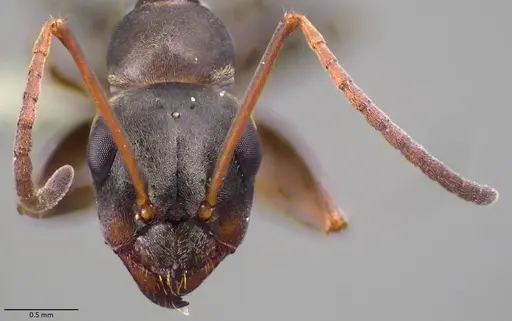
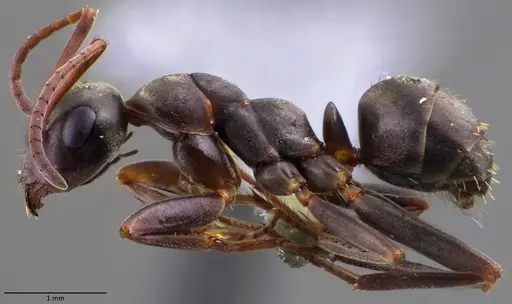
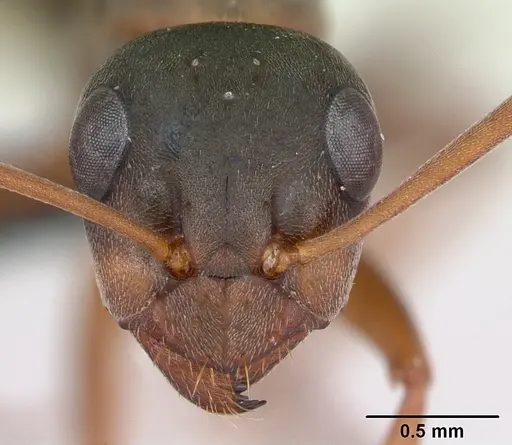
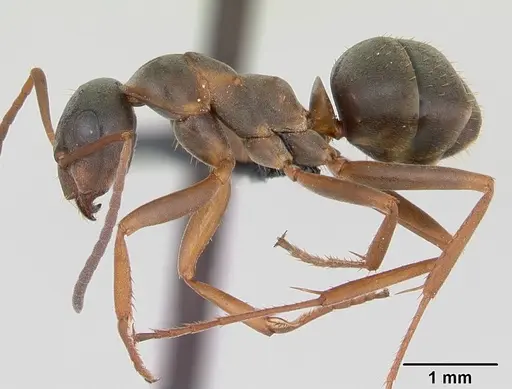
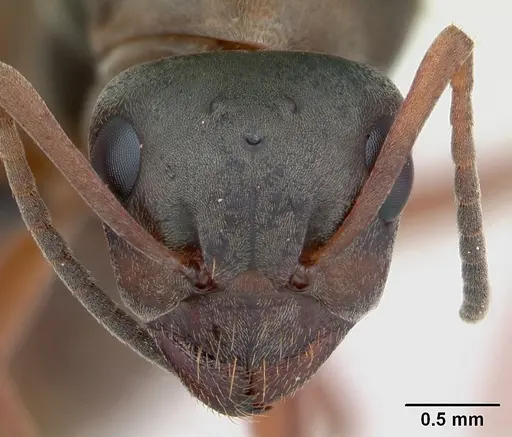
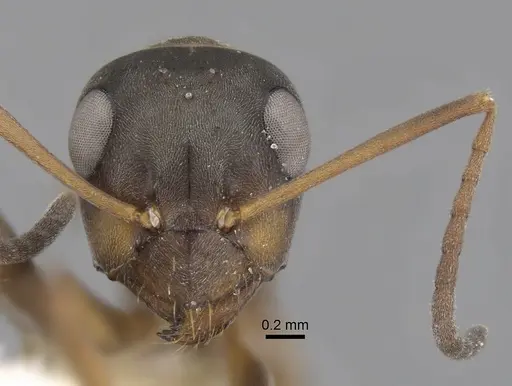
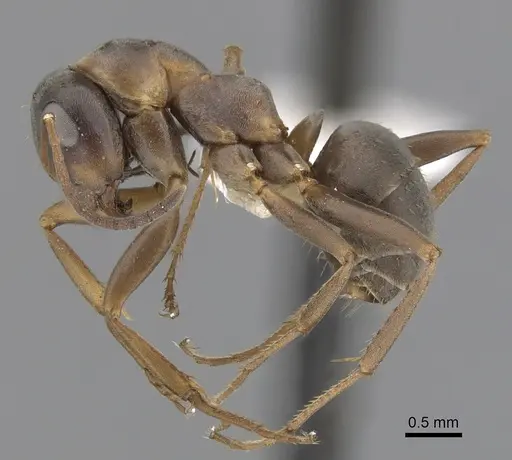
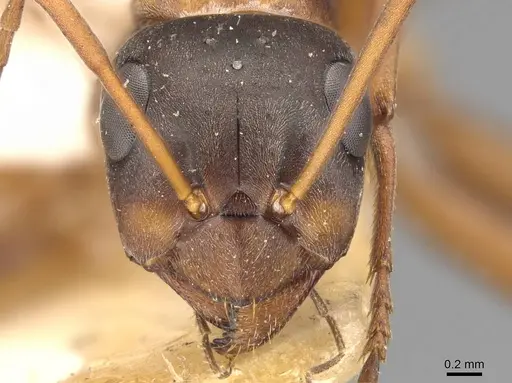
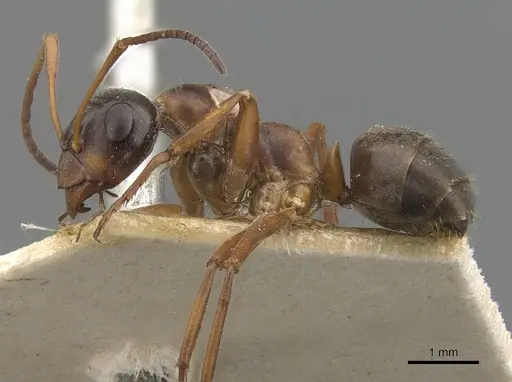
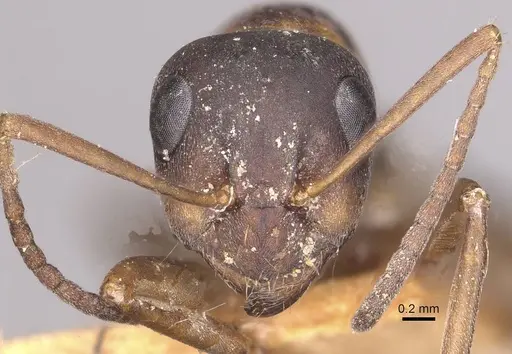
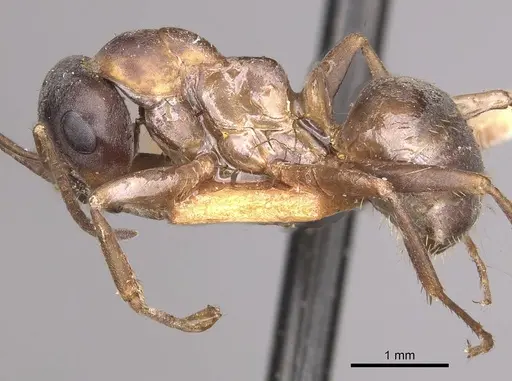
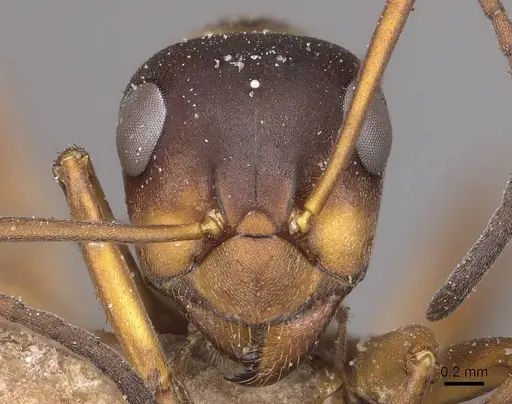
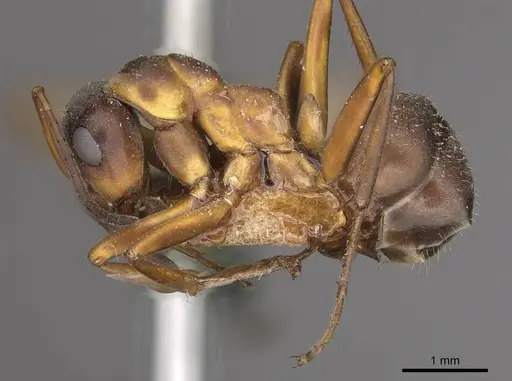
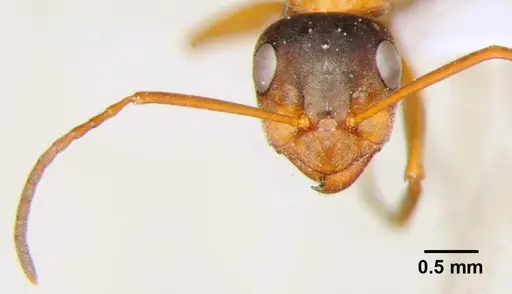
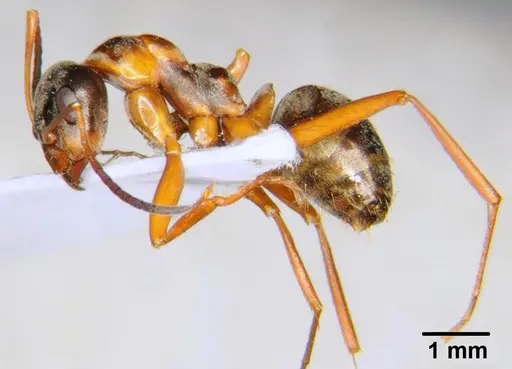
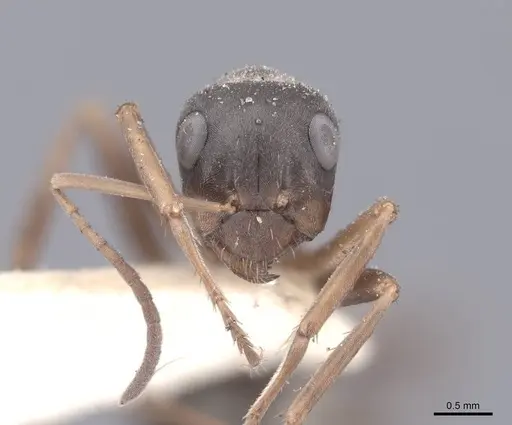
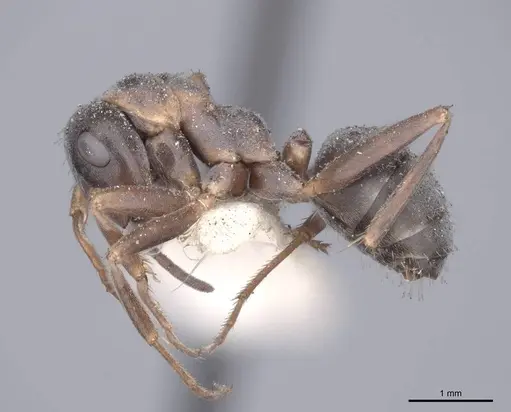
Formica cunicularia is a medium-sized ant belonging to the Formica rufibarbis group within the Serviformica subgenus. Workers measure 4-6.5mm in total length and display variable coloration, typically with a dark body and reddish patches on the head and mesosoma, though color can range from nearly all dark to predominantly reddish. This species is one of the most common ants throughout Europe, extending into North Africa and across to West Siberia. It inhabits dry to semi-dry grasslands, meadows, forest edges, and ruderal areas, nesting in soil or under stones. Colonies typically contain 1000-1800 workers and may have a single queen or multiple queens (weakly polygynous). This species serves as a common host for social parasites including the slave-making ants Polyergus rufescens and Formica sanguinea [1][2][3][4].
Quick Summary
- Difficulty: Easy
- Origin & Habitat: Europe, North Africa, and West Siberia, found from southern England and Iberia to the Urals (85°E). Prefers warm, dry, open habitats like semidry grasslands, meadows, forest edges, and ruderal areas. Tolerates a wide range from sandy dunes to limestone slopes and gypsum hills. In the wild, forages at surface temperatures up to 50°C [1][5][2].
- Colony Type: Typically monogyne (single queen) but occasionally weakly polygynous (multiple queens). Colony foundation by single gyne or through pleometrosis (multiple queens founding together). Nests are simple soil nests, sometimes with small earth mounds in areas with taller vegetation [1][5][6].
- Size & Growth:
- Queen:{.size-link} 7-10mm [7][2]
- Worker:{.size-link} 4-6.5mm [2][3]
- Colony: Typically 1000-1800 workers, up to 5000-7000 in larger capsule-type nests [1][8]
- Growth: Fast, larval development takes only 20-25 days at 25°C, nearly twice as fast as Myrmica and Leptothorax [9][6]
- Development: 6-8 weeks at optimal temperature (25-26°C) based on fast Formica development patterns [9][6] (Larvae develop very quickly compared to other ant genera. Strategy T species with fast larval development, nuptial flight period June-July.)
- Antkeeping:
- Temperature: Keep nest area at 20-26°C. This is a moderately thermophilic species that forages at surface temperatures up to 50°C in the wild. Provide a temperature gradient allowing workers to choose their preferred warmth [1][10].
- Humidity: Moderate, prefers dry to semi-dry conditions. Keep nest substrate slightly moist but not waterlogged. Provide some drier areas within the setup for workers to regulate their own humidity [1][11].
- Diapause: Yes, requires winter hibernation. Keep at 5-10°C for 2-3 months (November-February in temperate regions) to simulate natural dormancy period [2][5].
- Nesting: Simple soil nests or nests under stones work well. In captivity, use test tube setups initially, then transition to formicariums with soil or sand substrate. Y-tong (AAC) nests with dirt chambers also suitable. Avoid overly humid conditions [1][AntWiki].
- Behavior: Generally timid and non-aggressive, fleeing from conflicts with dominant ants. However, populous colonies with large workers can become aggressive when defending the nest. Not territorial, forages individually rather than defending feeding territories. Excellent runners with well-developed visual sense, allowing them to evade dominant ants like Lasius niger. May snatch prey from other ants through swift surprise attacks. Workers are primarily predatory and scavenging, also collecting honeydew from aphids and flower nectar. Low position in ant dominance hierarchies [1][12][13].
- Common Issues: colonies may fail if kept too humid, this species prefers drier conditions, wild-caught colonies can be targeted by social parasites like Polyergus rufescens, inspect queens carefully, slow founding stage, claustral queens may take weeks to lay first eggs, don't disturb prematurely, small colony sizes may be outcompeted by Lasius or other dominant ants at feeding sites, escape prevention needed, workers are fast runners and can escape through small gaps
Nuptial Flight Activity Analysis 151 observations
Flight Activity by Hour 151 observations
Formica cunicularia nuptial flight activity peaks around 12:00 during the late morning to early afternoon. Activity is spread across a 13-hour window (07:00–19:00). Times may be influenced by human observation patterns.
Housing and Nest Setup
Formica cunicularia adapts well to various captive setups. For founding colonies, a simple test tube setup with a water reservoir works well, fill the tube about 1/3 with water, plug with cotton, then add the queen. For established colonies, provide a formicarium with soil or sand substrate that allows for nest construction. This species prefers dry to moderately moist conditions, so avoid overly damp setups. A outworld (foraging area) connected to the nest chamber allows workers to forage for food. Naturalistic setups with a soil layer and hiding places like stones or bark also work. Keep the setup away from direct sunlight and vibrations during the founding stage [1][10][AntWiki].
Feeding and Diet
These ants are opportunistic feeders with a varied diet. Workers are primarily predatory and scavenging, readily accepting small insects like fruit flies, mealworms, and crickets. They also collect honeydew from aphids and will drink sugar water or honey. Offer protein foods 2-3 times per week and keep a constant sugar source available. In the wild, they forage for insects, collect honeydew from aphids, and drink flower nectar. They can be fed commercial ant foods but live prey encourages natural foraging behavior. Remove uneaten prey after 24 hours to prevent mold [1][14][15].
Temperature and Seasonal Care
Formica cunicularia is moderately thermophilic and thrives at temperatures between 20-26°C. In the wild, workers forage at surface temperatures up to 50°C, demonstrating their heat tolerance. Provide a temperature gradient within the setup so workers can self-regulate. During summer, room temperature is usually sufficient. In winter, colonies require a hibernation period of 2-3 months at 5-10°C (around 5°C is ideal). Reduce feeding during hibernation and keep the colony relatively dry. Nuptial flights occur from mid-June to early August, so timing of the hibernation period should align with natural cycles, typically hibernate from November to February [1][2][5].
Colony Growth and Development
Colonies grow relatively quickly compared to many ant species. Larval development takes only 20-25 days at optimal temperatures (25-26°C), which is nearly twice as fast as Myrmica species. First workers (nanitics) appear about 6-8 weeks after the queen lays eggs. Colonies typically reach 1000-1800 workers, with larger colonies in capsule-type nests reaching 5000-7000 individuals. The queen can live for many years, with colonies persisting for a decade or more in optimal conditions. Growth rate depends on feeding frequency and temperature, more food and warmth accelerates development [9][6][8].
Behavior and Defense
This species occupies a low position in ant dominance hierarchies and typically avoids conflict with more aggressive ants like Lasius niger. Workers are fast runners with good vision, allowing them to escape from competitors. When threatened, smaller colonies will flee, but larger colonies with many workers can defend aggressively. They are not territorial in the sense of defending feeding territories, instead, individual foragers search for food alone. Workers may steal prey from other ants through quick surprise attacks. In mixed colonies with slave-making ants (Polyergus rufescens or Formica sanguinea), workers may be enslaved and help raise parasite brood [1][12][13][16].
Frequently Asked Questions
How long does it take for Formica cunicularia to produce first workers?
First workers typically appear 6-8 weeks after the queen lays eggs, assuming optimal temperatures around 25-26°C. This species has very fast larval development, only 20-25 days from egg to pupa at warm temperatures [9][6].
Can I keep multiple Formica cunicularia queens together?
Yes, this species is facultatively polygynous, colonies can have multiple queens (weakly polygynous). However, single-queen colonies are more common. Multiple queens may coexist peacefully, especially during colony founding (pleometrosis), though some may eventually fight or leave to form new colonies [1].
What do Formica cunicularia eat?
They are opportunistic omnivores. Feed small insects (fruit flies, small crickets, mealworms) 2-3 times weekly as protein. Provide constant access to sugar water, honey, or diluted syrup. They also collect honeydew from aphids in the wild [14][15].
Do Formica cunicularia need hibernation?
Yes, they require a winter dormancy period of 2-3 months at 5-10°C. This simulates natural seasonal cycles and is important for colony health. Reduce feeding and keep the colony dry during hibernation. Hibernation is typically from November to February in temperate regions [2][5].
How big do Formica cunicularia colonies get?
Typical colonies reach 1000-1800 workers. In optimal conditions with larger capsule-type nests, colonies can grow to 5000-7000 workers. Growth depends on food availability, temperature, and queen longevity [1][8].
Are Formica cunicularia good for beginners?
Yes, this is an excellent beginner species. They are widespread, adaptable, and tolerate a range of conditions. They are not aggressive and don't require specialized equipment. The main challenges are providing proper hibernation and avoiding overly humid conditions [1][AntWiki].
Why are my Formica cunicularia dying?
Common causes include: too high humidity (they prefer dry conditions), disturbance during founding (queens need peace), poor feeding (need regular protein), or social parasitism (wild colonies may have Polyergus parasites). Check that substrate is only slightly moist, feeding is consistent, and the setup is in a quiet, dark location [1][11].
When do Formica cunicularia alates (winged ants) appear?
Nuptial flights occur from mid-June to early August, with peak activity around July 7th ± 12 days. Alates (reproductive males and females) develop in the colony and emerge for their mating flights during this period [1][2].
Report an Issue
The current care sheet is based fully on literature. See inconsistencies, or something that's incorrect? Please , it will be resolved after review from an admin. Contributing to the blogs tab also helps providing information, to make us be able to further improve the caresheets. Thank you for your support!
References

This caresheet is licensed under CC BY-SA 4.0 .
ANTWEB1008392
View on AntWeb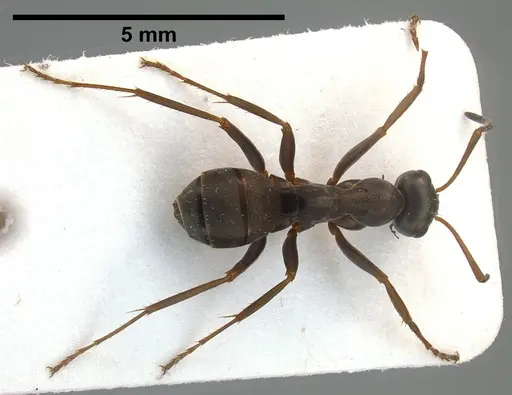

ANTWEB1008397
View on AntWeb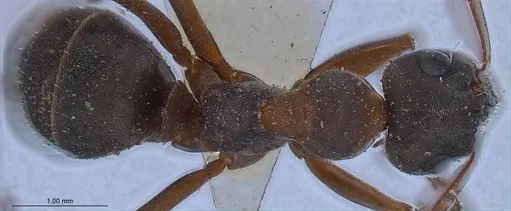
ANTWEB1008400
View on AntWeb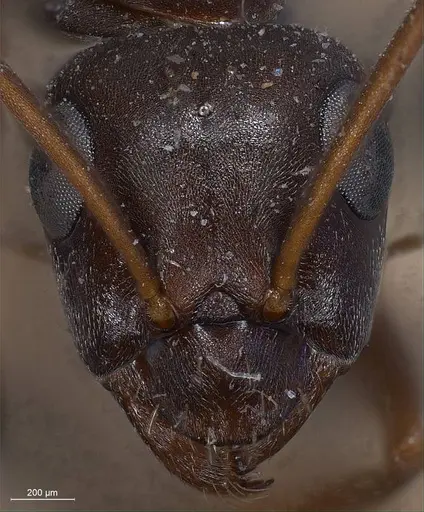
ANTWEB1060032
View on AntWeb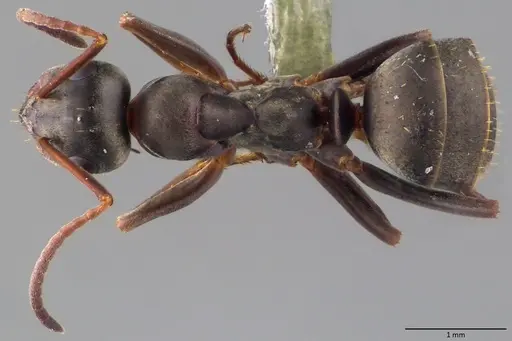
CASENT0173175
View on AntWeb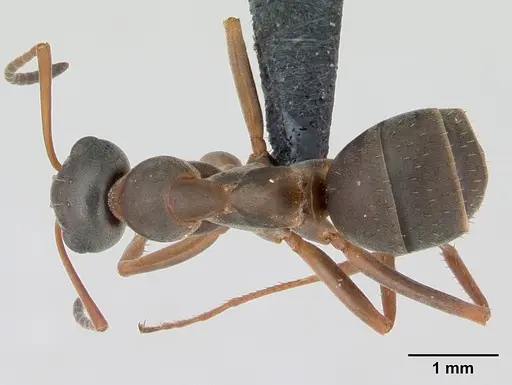
CASENT0173176
View on AntWeb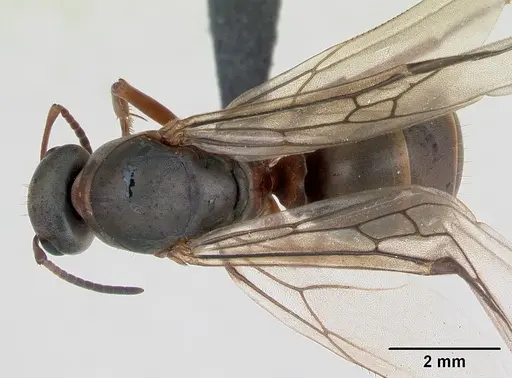
CASENT0280384
View on AntWeb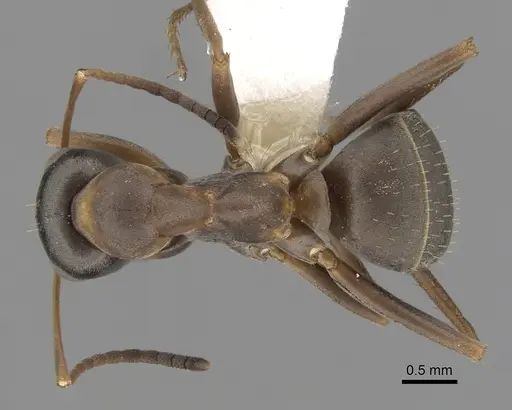
CASENT0907601
View on AntWeb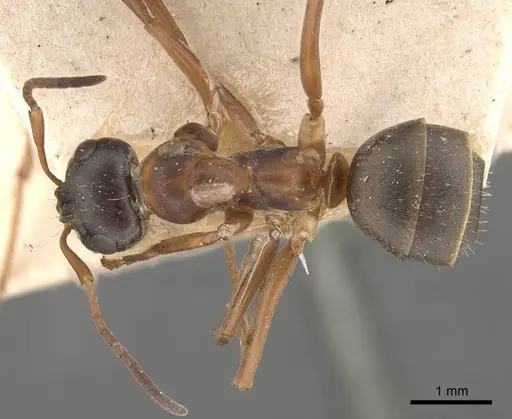
CASENT0911071
View on AntWeb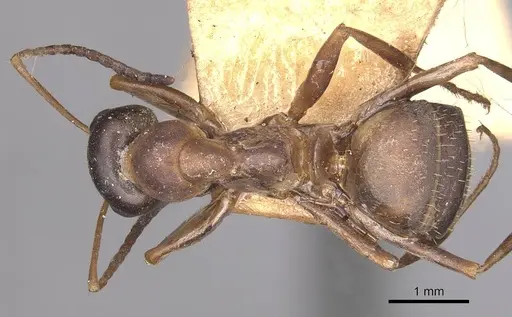
CASENT0911072
View on AntWeb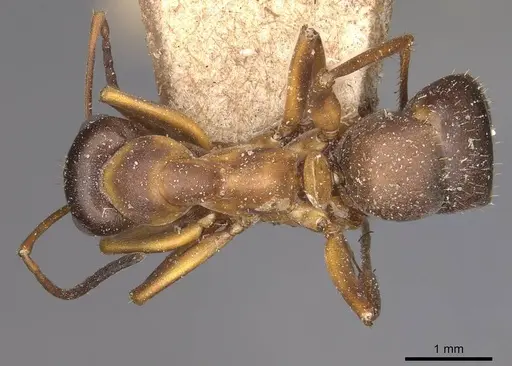
CFH000003
View on AntWeb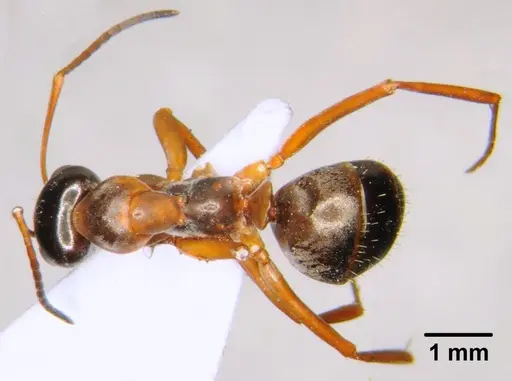
FMNHINS0000046250
View on AntWeb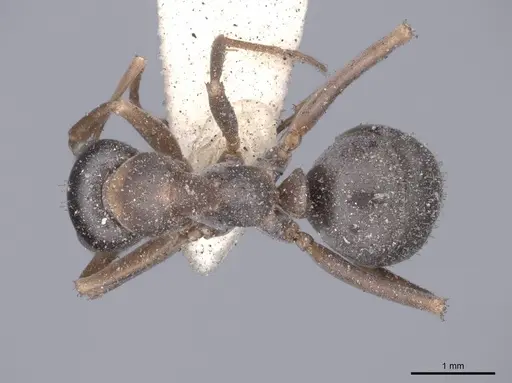
Literature
Loading...Loading products...