

Formica archboldi
- Scientific Name
- Formica archboldi
- Tribe
- Formicini
- Subfamily
- Formicinae
- Author
- Smith, 1944
- Common Name
- Skull-collecting Ant
- Distribution
- Found in 1 countries
Formica archboldi Overview
Formica archboldi (commonly known as the Skull-collecting Ant) is an ant species of the genus Formica. It is primarily documented in 1 countries , including United States of America. Detailed taxonomic data and occurrence records can be further explored via authoritative databases such as AntWeb or the Global Biodiversity Information Facility (GBIF).
Formica archboldi - "Skull-collecting Ant"
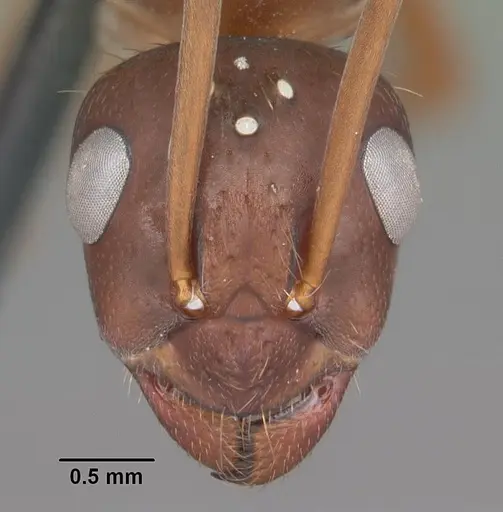
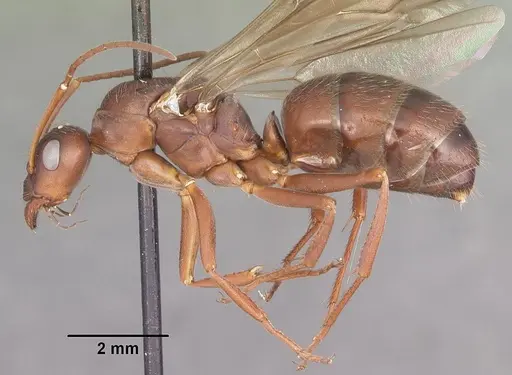
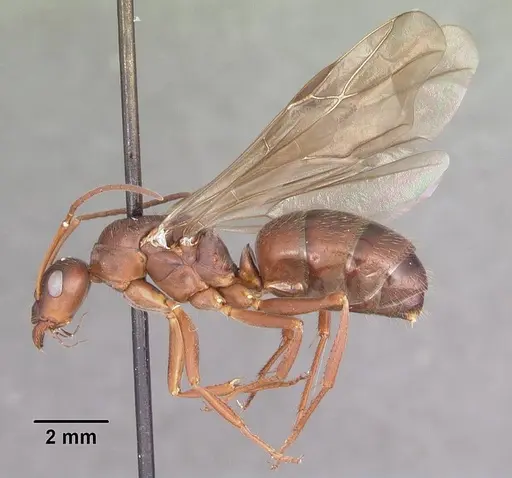
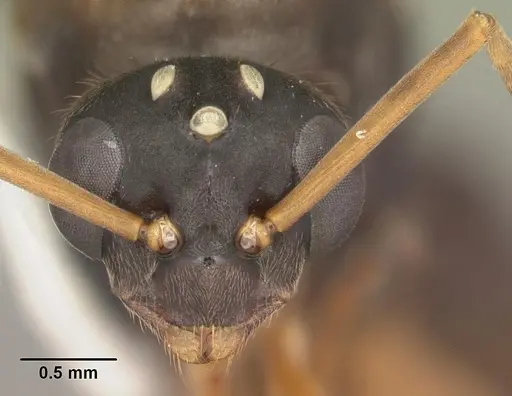
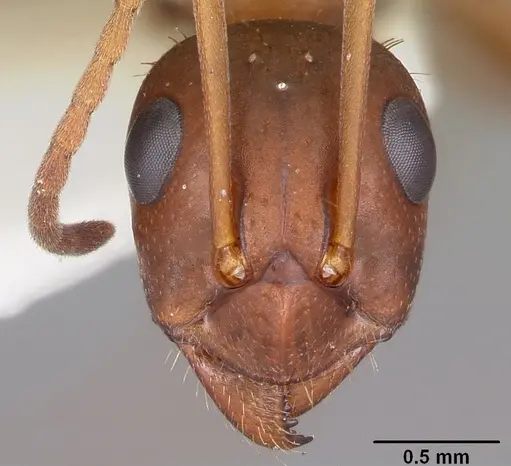
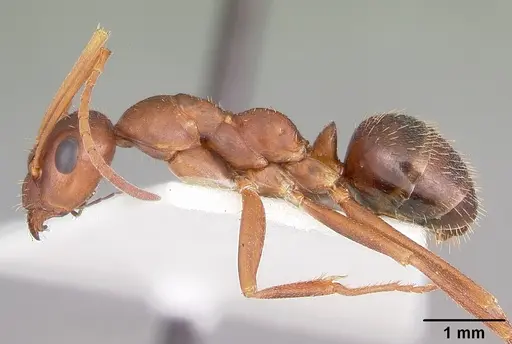
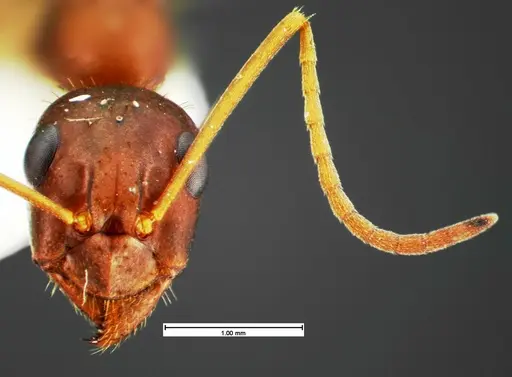
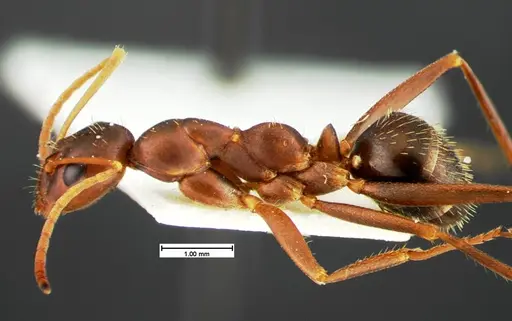
Formica archboldi is a small, dark brown to nearly black ant that belongs to the Formica pallidefulva group. It is the smallest member of its group and has the largest eyes relative to head size of any species in the group. Workers measure around 2.35mm in length with a dark reddish-brown head and gaster that appears blackish in the field, while the middle body is often slightly lighter. This species is endemic to the southeastern United States, found primarily in Florida's upland pine and scrub habitats, with populations also in Georgia and Alabama [1][2].
What makes F. archboldi truly remarkable is its specialized predation on Odontomachus trap-jaw ants, a behavior virtually unknown in other Formica species. These ants actively hunt and kill Odontomachus workers, often decapitating them, and their nests are scattered with the head capsules of their prey. Even more fascinating, F. archboldi has evolved to match the chemical signature (cuticular hydrocarbons) of the local Odontomachus species it coexists with, essentially mimicking its prey chemically [3]. This is one of the most dramatic examples of chemical mimicry in non-parasitic ants.
Quick Summary
- Difficulty: Medium
- Origin & Habitat: Endemic to Florida's upland pine sandhills and scrub habitats, also found in Georgia and Alabama. This species is highly sensitive to habitat disturbance and is considered an indicator of high natural area integrity in pine and pine-oak woodlands [1][2].
- Colony Type: Monogyne (single-queen colonies) with occasional polygyny recorded in some Florida populations. Colonies average around 500 workers [4][1].
- Colony: Optionally polygyne
- Size & Growth:
- Queen: Larger than workers, exact measurements not specified in available literature [1]
- Worker: 2.08-2.65mm (WL 2.35mm average) [2]
- Colony: Up to approximately 500 workers (average 499 ± 173 from studied colonies) [4]
- Growth: Moderate
- Development: Estimated 6-8 weeks based on typical Formica development patterns (Brood production begins in March under laboratory conditions. Development time is inferred from genus patterns as specific data is not available for this species.)
- Antkeeping:
- Temperature: Keep at room temperature around 20-24°C. As a Florida species, they tolerate warm conditions and are diurnally active even during hot summer afternoons [4].
- Humidity: Moderate humidity preferred. These ants inhabit pine sandhills and scrub habitats, so keep the nest substrate slightly moist but not waterlogged. Provide a moisture gradient so ants can self-regulate.
- Diapause: Yes. Colonies become nearly inactive during winter (November-February) without brood. Reduce temperature to around 10-15°C during this period to simulate natural conditions [4].
- Nesting: In nature, nests are located beneath wiregrass clumps, beard grass, or sedges, often at the base of shrubs or under oak-leaf litter. The entrance is typically marked with small plant fragments and grasshopper dung. In captivity, a naturalistic setup with soil and sand substrate works well, or a Y-tong/plaster nest with moderate chamber size. Keep nest chambers relatively small to match their natural nest architecture [5][1].
- Behavior: F. archboldi is a diurnal, predaceous ant that forages mainly between 8 a.m. and noon and 4 p.m. to dusk, with peak activity from April through June. They are tolerant of high temperatures and remain active even during hot summer afternoons (noon-3 pm). Workers forage solitarily but will recruit nestmates for larger prey or honeydew sources. They are specialized predators of Odontomachus trap-jaw ants, using aggressive biting and fluid spraying to immobilize prey. They also tend aphids and scale insects for honeydew. Escape risk is moderate, these are medium-sized ants but active and agile foragers. Colonies may relocate after disturbance [4][3].
- Common Issues: colonies are highly sensitive to habitat disturbance and may decline if kept in suboptimal conditions, winter dormancy is essential, colonies become nearly inactive November-February and need a cool period, no one has ever documented founding colonies in the wild, so claustral founding success in captivity is uncertain, specialized predation on Odontomachus means they may require live ant prey beyond typical insect offerings, colonies may relocate frequently if disturbed, including after raids by parasitic ants
Nest Preferences and Housing
In the wild, Formica archboldi nests beneath wiregrass clumps, beard grass, or sedges in scrub habitats. They also nest in bare soil at the base of shrubs or under oak-leaf litter. The nest entrance is often marked with a small pile of plant fragments and grasshopper dung, a useful field sign if you're trying to locate colonies. The nest architecture typically features one or two vertical shafts that converge, with chambers that are relatively small compared to the ants' body size [5][1].
For captive care, a naturalistic setup with a soil and sand mixture works well, mimicking their native pine sandhill habitat. You can also use a Y-tong or plaster nest with chambers scaled to their size, around 2-3mm passages work for these medium-small ants. Avoid overly large, open spaces in the nest, they prefer tighter chambers that match their natural architecture. Provide a moisture gradient by keeping one side of the nest slightly damp while leaving drier areas available.
Feeding and Diet
Formica archboldi is a predaceous ant with a remarkably specialized diet. While they gather honeydew from aphids and scale insects and will scavenge dead insects, they are famous for their specialized predation on Odontomachus trap-jaw ants. In laboratory tests, F. archboldi was far more effective at immobilizing Odontomachus workers than other Formica species, all workers attacked were unable to walk, with 7 out of 10 completely immobilized. They use aggressive biting on appendages and spray fluid from their gaster to subdue prey [3].
In captivity, you should offer a varied diet including: protein sources like small crickets, mealworms, and other insects, sugar water or honey as an energy source, and if possible, live ant prey (though this is obviously challenging). Their natural prey is primarily herbivorous insects and occasional Odontomachus, so focus on small insect prey. They will also tend hemipterans (aphids, scale insects) if given access to live plants, so consider including a small plant section in an outworld if possible. Feed protein 2-3 times per week and keep sugar water available constantly.
Temperature and Seasonal Care
As a Florida species adapted to warm conditions, Formica archboldi tolerates high temperatures and is diurnally active even during hot summer afternoons. Keep the nest at room temperature, ideally around 20-24°C. They are most active between 8 a.m. and noon and 4 p.m. to dusk, with peak foraging from April through June. During summer, they remain active even at noon-3 pm when temperatures are highest [4].
Winter care is critical, colonies become nearly inactive from November through February with no brood present. You must provide a diapause period by reducing temperatures to around 10-15°C. This mimics their natural seasonal cycle in north Florida where winter temperatures drop significantly. Without this cool period, colony health may decline. Brood production begins in March under natural conditions, so expect increased activity in late winter/early spring as the colony breaks dormancy.
The Odontomachus Hunter: Unique Predation Behavior
Formica archboldi has one of the most remarkable feeding behaviors documented in North American ants, specialized predation on Odontomachus trap-jaw ants. Since 1958,researchers have noted that F. archboldi nests contain numerous Odontomachus body parts, particularly head capsules. This is extraordinary because Formica ants are not typically known to be prey specialists on other ant species [3].
The hunting technique is impressive: F. archboldi workers approach Odontomachus ants, bite their appendages to immobilize them, and curl their gaster to spray fluid at the prey. In behavioral experiments, F. archboldi was dramatically more effective at immobilizing Odontomachus compared to Formica pallidefulva, all 10 workers attacked were impaired (10/10) versus only 1/10 for F. pallidefulva. After capturing prey, they retrieve the bodies into nest chambers and have been observed decapitating Odontomachus workers in laboratory colonies [3].
Even more fascinating is their chemical mimicry: F. archboldi matches the cuticular hydrocarbon profiles of the local Odontomachus species they coexist with, including O. brunneus and O. relictus. This chemical matching persists even after 7 months in laboratory isolation without exposure to trap-jaw ants. This is one of the most dramatic examples of chemical mimicry in non-parasitic ants, though researchers found the mimicry doesn't give them preferential access to Odontomachus prey, it may serve other purposes like reducing aggression from the trap-jaw ants [3].
Reproduction and Colony Dynamics
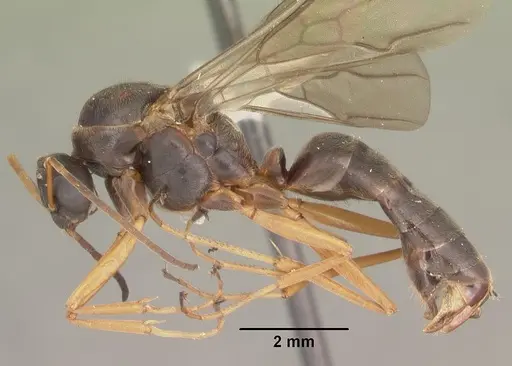
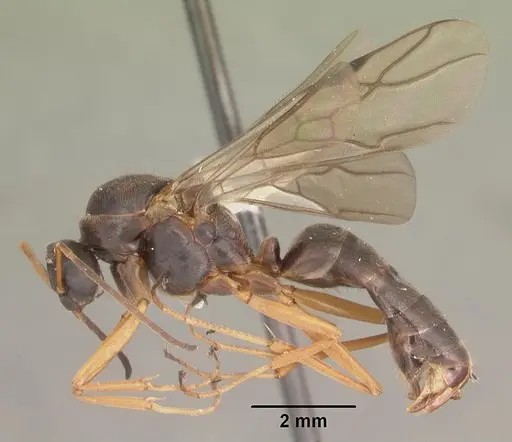
Sexual brood (alates) occurs in nests from late April through June. Unlike many ant species, F. archboldi alates are not attracted to lights, and they apparently fly in early morning around sunrise. After mating, females must quickly dealate (remove their wings) and sequester themselves, remarkably, no one has ever found a newly mated female or incipient colony in the wild, despite this being a locally abundant species [1].
Colony structure is primarily monogyne (single queen), though polygyny (multiple queens) has been recorded in some Florida populations. The average colony contains around 500 workers, with documented colonies ranging from approximately 326-672 workers. Colonies will relocate after disturbance, including after raids by the parasitic ant Polyergus lucidus. Queenless colonies in studies did not produce any brood, confirming the queen's essential role in reproduction [4].
This species is also the host of the slave-making ant Polyergus oligergus in Florida, though F. archboldi lives outside the range of most dulotic or other parasitic Formica species. Additionally, the cricket Myrmecophila pergandei commonly inhabits their nests as a myrmecophile.
Frequently Asked Questions
How long does it take for Formica archboldi to produce first workers?
Exact development time is not documented in scientific literature, but based on typical Formica genus patterns, expect approximately 6-8 weeks from egg to first worker at optimal temperature (around 20-24°C). Brood production begins in March under natural conditions, so timing depends on when your colony enters active season.
Can I keep multiple Formica archboldi queens together?
This species is primarily monogyne (single queen), but polygyny (multiple queens) has been recorded in some Florida populations. It is facultatively polygyne, meaning your colony might have one queen or potentially multiple. However, combining unrelated foundresses has not been documented, so it's safer to start with a single queen.
What do Formica archboldi eat in captivity?
Offer a varied diet including protein sources (small crickets, mealworms, other insects), sugar water or honey, and dead insects. They are specialized predators in the wild, targeting Odontomachus ants and other insects. In captivity, focus on small insect prey and sugar sources. They will also tend aphids if given access to live plants.
Do Formica archboldi need hibernation?
Yes, they require a winter dormancy period. In the wild, colonies are nearly inactive from November through February with no brood present. Reduce temperatures to around 10-15°C during this period to simulate natural conditions. Without this diapause, colony health may decline.
Are Formica archboldi good for beginners?
This species is rated as medium difficulty. While not as challenging as some exotic species, they have specific requirements: they need a winter dormancy period, are sensitive to habitat disturbance, and have specialized dietary needs. They are also not commonly available in the antkeeping hobby. If you're experienced with Formica species and can provide proper seasonal care, they can be rewarding.
Why are my Formica archboldi dying?
Common issues include: improper winter care (no diapause), too dry or too wet nesting conditions, lack of protein in diet, and stress from disturbance leading to colony relocation. This species is highly sensitive to habitat alteration in the wild, so ensure stable, appropriate conditions. Also ensure they are not being attacked by parasitic ants if kept near other colonies.
When will Formica archboldi alates appear?
Sexual brood (alates) is produced from late April through June in wild colonies. In captivity, expect alates during spring/early summer if the colony is healthy and well-established. Alates are not attracted to lights and apparently fly in early morning.
How big do Formica archboldi colonies get?
Colonies average around 500 workers, with documented colonies ranging from approximately 326-672 workers. This is moderate for a Formica species, they are not among the largest colony formers but can establish substantial populations over several years.
What makes Formica archboldi special compared to other ants?
F. archboldi is unique for its specialized predation on Odontomachus trap-jaw ants, a behavior virtually unknown in other Formica species. They actively hunt, kill, and consume these dangerous prey, even decapitating them. Even more remarkable, they chemically mimic their prey by matching the cuticular hydrocarbon profiles of local Odontomachus species. This is one of the most dramatic examples of chemical mimicry in non-parasitic ants.
References

This caresheet is licensed under CC BY-SA 4.0 .
CASENT0103921
View on AntWeb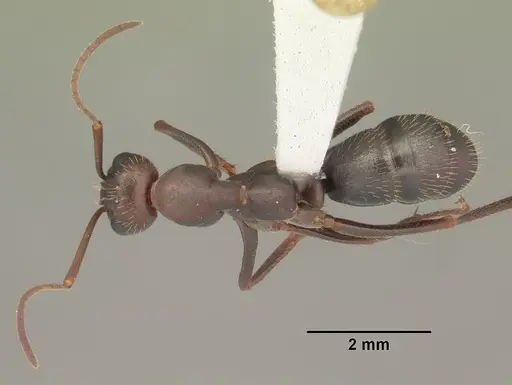
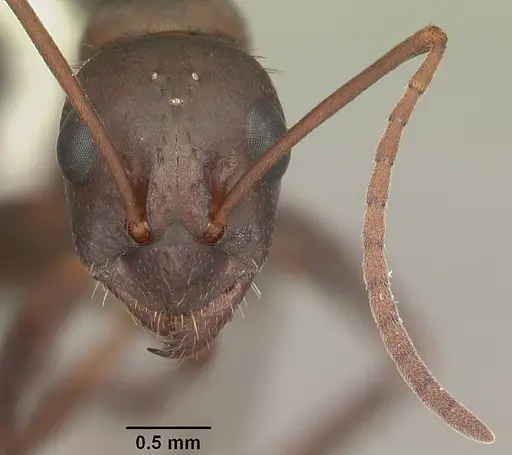
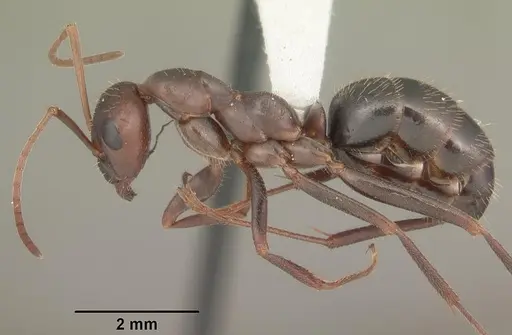
CASENT0103924
View on AntWeb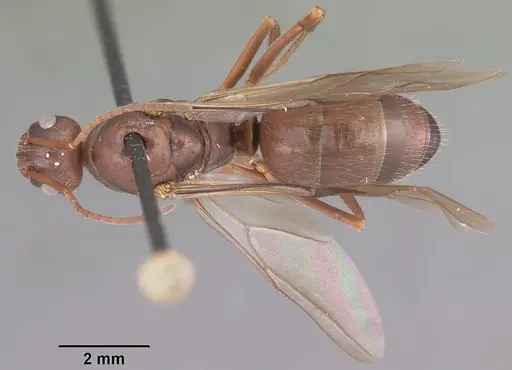
CASENT0103925
View on AntWeb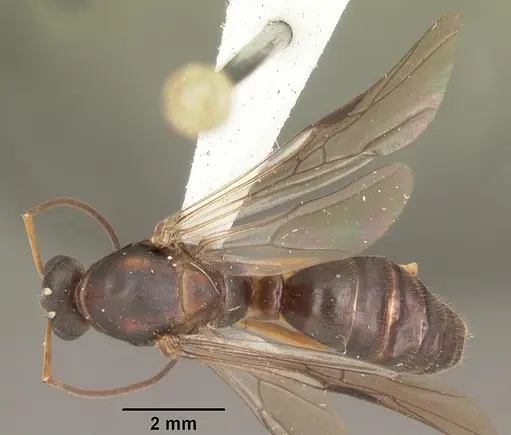
CASENT0104886
View on AntWeb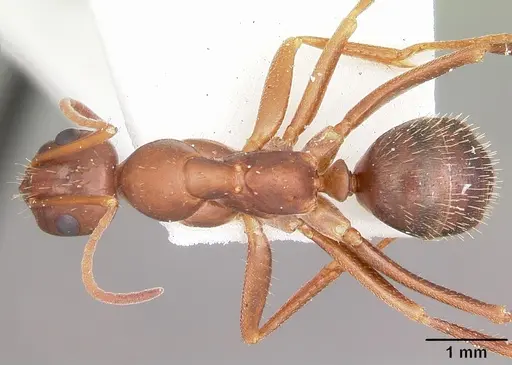
CASENT0105592
View on AntWeb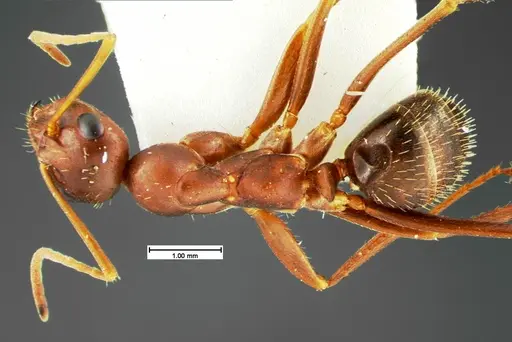
Literature
Loading...Loading products...