

Polyergus oligergus
- Scientific Name
- Polyergus oligergus
- Tribe
- Formicini
- Subfamily
- Formicinae
- Author
- Trager, 2013
- Common Name
- Florida Amazon Ant
- Distribution
- Found in 1 countries
Polyergus oligergus Overview
Polyergus oligergus (commonly known as the Florida Amazon Ant) is an ant species of the genus Polyergus. It is primarily documented in 1 countries , including United States of America. Detailed taxonomic data and occurrence records can be further explored via authoritative databases such as AntWeb or the Global Biodiversity Information Facility (GBIF).
Polyergus oligergus - "Florida Amazon Ant"
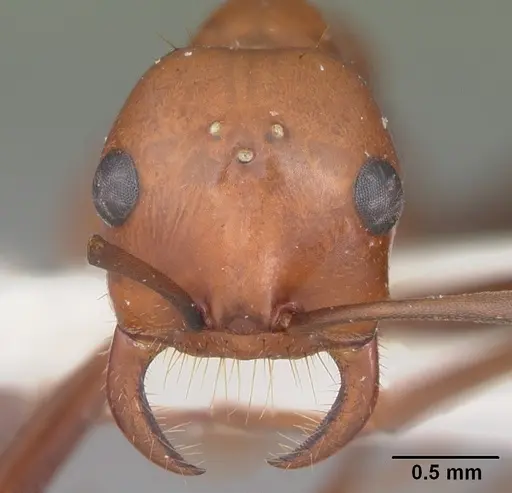
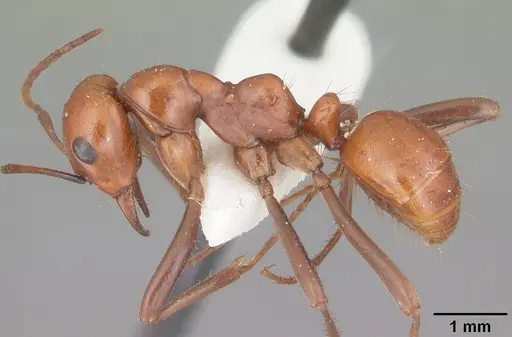
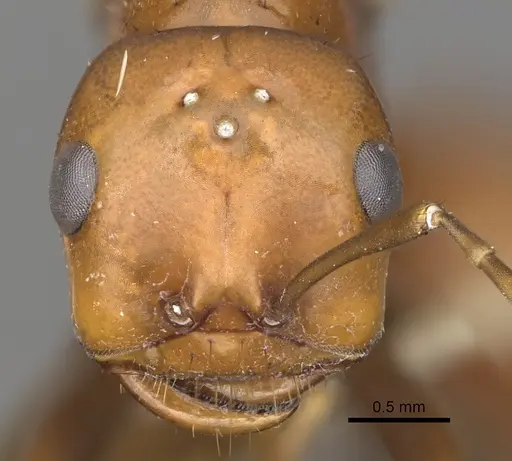
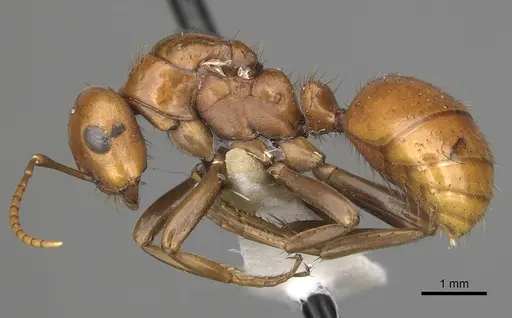
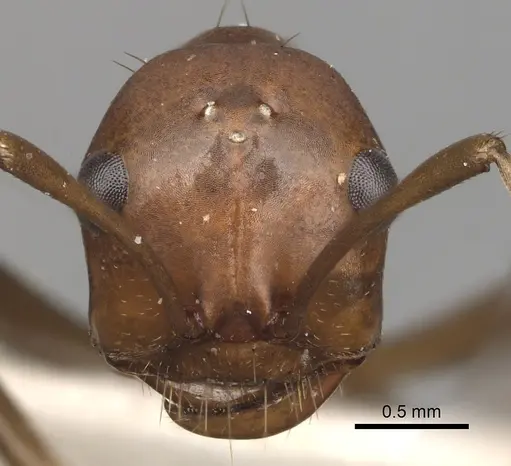
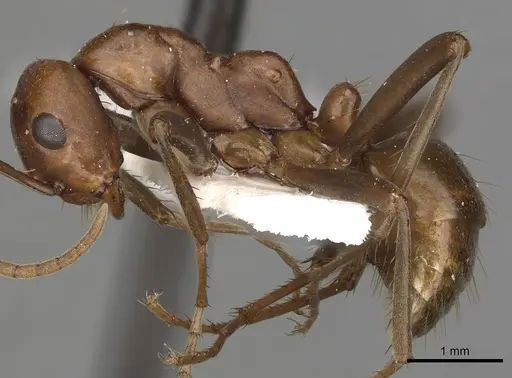
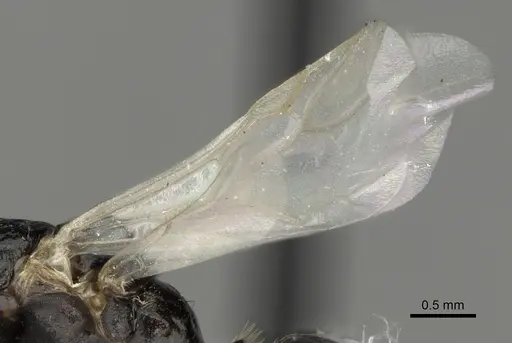
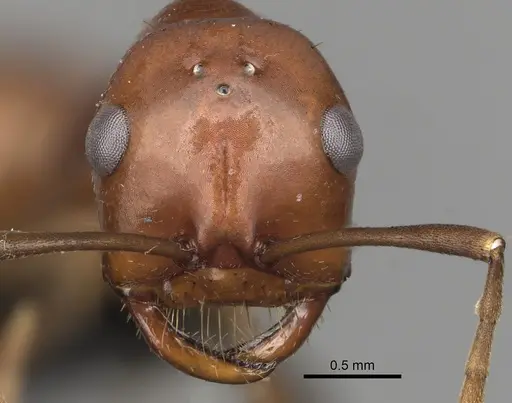
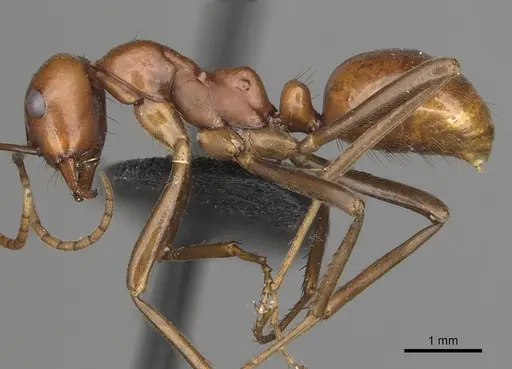
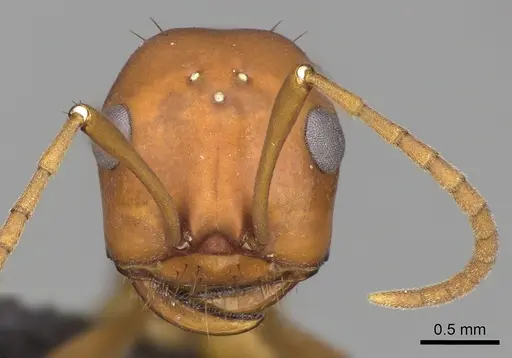
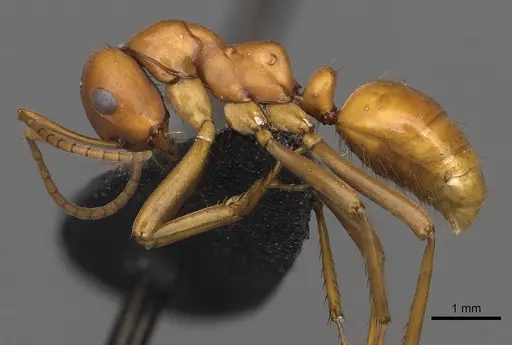
Polyergus oligergus is a small, red dulotic ant species native exclusively to Florida. These ants are slave-makers, they raid colonies of their host species, Formica archboldi, to steal pupae which they raise as workers to serve the colony. Workers are 5-6mm long with a distinctive red body and slightly darker legs. They have more hair on the head than similar species and proportionally longer hind legs. This species has the smallest worker populations of any Polyergus, mature colonies contain only around 40 workers, which is remarkably small for the genus [1].
What makes P. oligergus special is their extreme specialization. Unlike other Polyergus species that can use multiple host species, this ant relies exclusively on Formica archboldi. They've been observed conducting raids with as few as 4 raiders successfully stealing pupae from colonies with over 100 defenders, a testament to their chemical warfare abilities. This species is for experienced antkeepers only, as maintaining both the slave-maker and its host colony presents significant challenges [1].
Quick Summary
- Difficulty: Expert
- Origin & Habitat: Endemic to Florida, USA. Found in the southeastern US, this species lives in warm, humid habitats where its host Formica archboldi nests. Florida's subtropical climate provides the year-round warmth these ants need [1].
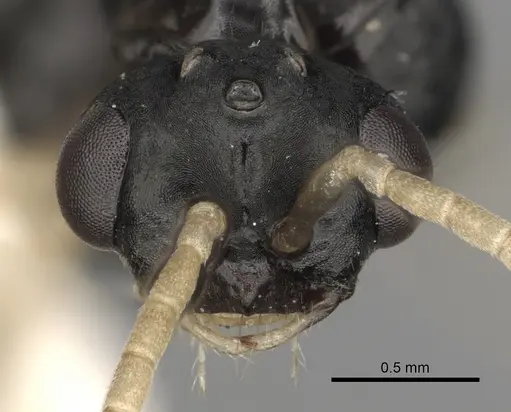
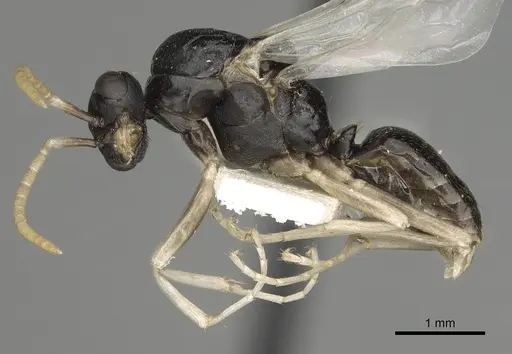
- Colony Type: Single-queen colonies (monogyne). The colony from Putnam Co., Florida contained a single, significantly larger ergatoid (wingless replacement queen) individual alongside the primary queen. Colonies are small, with only around 40 mature Polyergus workers alongside roughly 340 host workers [1].
- Colony: Monogyne
- Queen: Parasitic
- Special: Slave-making
- Size & Growth:
- Queen: Queens are significantly larger than workers, though exact measurements not specified in available literature [1].
- Worker: Workers measure 5.23-6.94mm total length, with head length 1.32-1.66mm [1].
- Colony: Mature colonies contain approximately 40 Polyergus workers (the smallest of any Polyergus species) alongside 340+ host Formica archboldi workers [1].
- Growth: Slow, small colony size and the need to raid host colonies limits growth rate.
- Development: Unknown, no direct development data available. Based on related Polyergus species, expect 6-10 weeks at optimal temperature. (Development is complicated by the need to raid host colonies to acquire workers. The colony cannot grow without successful raids.)
- Antkeeping:
- Temperature: Keep at 24-28°C. Florida native requires warm conditions year-round. A heating cable on one side of the nest creates a temperature gradient [1].
- Humidity: Moderate to high humidity (60-80%). Florida's humid subtropical environment is the natural model. Keep the nest substrate slightly moist but not waterlogged.
- Diapause: Unlikely, as a Florida species, they do not require true hibernation. However, activity may slow during cooler winter months. Keep at reduced temperature (around 18-20°C) in winter rather than allowing full dormancy.
- Nesting: Y-tong (acrylic) nests work well for this species. The small colony size means compact chambers are appropriate. Provide a connection to an outworld for raiding behavior. Naturalistic setups with soil and leaf litter can also work if humidity is maintained.
- Behavior: Polyergus oligergus is a specialized slave-maker. Workers are not aggressive toward humans and cannot sting effectively. The main concern is escape prevention, while not the smallest ants, they are adept at finding gaps. Use fluon on nest edges and ensure all connections are secure. The most notable behavior is their raiding, they conduct coordinated raids on Formica archboldi colonies to steal pupae. These raids occur from mid-May through July in the wild. In captivity, you'll need to simulate this by providing host pupae or establishing a host colony [1].
- Common Issues: Host colony maintenance is critical, without Formica archboldi, the slave-makers cannot survive long-term, Small colony size makes them vulnerable to stress and colony collapse, Escape prevention is important, they will exploit any gaps in setup, Chemical mimicry means they may be accepted by host colonies, but establishing this relationship requires expertise, Temperature drops below 20°C can cause colony decline since they're adapted to Florida warmth
Understanding Dulotic Ants
Polyergus oligergus is a dulotic ant, meaning it's a 'slave-maker' that raids colonies of another species to steal pupae. The stolen pupae emerge as workers that serve the raiding colony instead of their own species. This is different from simply being parasitic, the slave-makers have evolved to completely depend on host workers for colony function. In the case of P. oligergus, they exclusively target Formica archboldi. This extreme specialization means you cannot keep P. oligergus long-term without also maintaining a healthy colony of their host species. The raids involve chemical mimicry, the Polyergus workers smell like Formica ants, allowing them to enter host nests undetected. A remarkable observation documented just 4 P. oligergus workers successfully raiding a colony with over 100 defenders, demonstrating how effective their chemical deception is [1].
Housing and Nest Setup
For P. oligergus, you'll need a setup that accommodates both the slave-maker colony AND a host Formica archboldi colony. A Y-tong (acrylic) nest works well for the Polyergus, keep it compact since mature colonies only reach about 40 workers. Connect the nest to an outworld where you can introduce host pupae or maintain a separate host colony. Temperature should be maintained at 24-28°C using a heating cable on one side of the nest. Humidity should be moderate (60-80%), keep the nest substrate slightly moist. Because these are small ants, escape prevention is important. Apply fluon to all nest edges and ensure tube connections are secure. The outworld can be decorated with sand and small stones to mimic their Florida habitat [1].
Feeding and Nutrition
Feeding P. oligergus is complex because they require host pupae for colony sustainability. The slave-makers themselves need protein (small insects like fruit flies, pinhead crickets, or mealworms) and sugar sources (honey water or sugar water). However, the critical component is providing Formica archboldi pupae, without these, the colony cannot maintain its worker force. In the wild, they conduct raids from mid-May through July to acquire new host workers. In captivity, you'll need to either establish a separate F. archboldi colony to raid, or periodically obtain host pupae from another source. The host colony (if you maintain one separately) will need standard Formica care: protein, sugar, and access to water. This dual-colony requirement makes this species significantly more challenging than typical antkeeping [1].
Temperature and Seasonal Care
As a Florida endemic, P. oligergus requires warm conditions year-round. Keep the nest at 24-28°C with a slight gradient allowing workers to self-regulate. A heating cable placed on top of the nest (never underneath, which causes drying) works well. Unlike temperate species, they do not require true hibernation. However, you can reduce temperatures to 18-20°C during winter months to slow activity and simulate seasonal changes, this may help with long-term colony health. In the wild, raids occur from mid-May through July, with alates (winged reproductives) flying around noon in July. If your colony produces alates, you'll need to prepare for nuptial flights. The warm Florida climate means they expect consistent warmth, sudden temperature drops can stress or kill colonies [1].
Behavior and Defense
P. oligergus workers are not particularly aggressive toward humans, they're small enough that any potential sting would be negligible. Their main defense is chemical: they produce cuticular hydrocarbons that mimic their host Formica archboldi, allowing them to enter host nests during raids undetected. The raids themselves are fascinating to observe, typically 25-38 raiders participate, though smaller raids have been documented. They approach the host nest, overwhelm the defenders (who often flee up nearby plants or hide under leaf litter), and carry off pupae. In captivity, you may observe raiding behavior if you provide host pupae in the outworld. Workers are moderately active and will forage for protein and sugar in the outworld. Escape prevention is important, while not tiny, they will find any gap in the setup [1].
Frequently Asked Questions
Can I keep Polyergus oligergus without a host colony?
No. Polyergus oligergus is an obligate dulotic species, they cannot survive long-term without access to Formica archboldi pupae. The slave-makers need host workers to function. You'll need to maintain both colonies or have a reliable source of host pupae. This makes them significantly more difficult than typical ant species and only suitable for experienced antkeepers [1][2].
How long does it take for Polyergus oligergus to produce first workers?
The exact development timeline is not documented, but based on related Polyergus species, expect 6-10 weeks from egg to worker at optimal temperature (24-28°C). However, founding colonies face additional challenges, the queen must establish a colony and successfully raid host colonies to acquire workers. This makes initial colony establishment slower and more difficult than typical ants [1].
Are Polyergus oligergus good for beginners?
No. This species is rated Expert difficulty due to the dual-colony requirement. You must maintain both the slave-maker colony AND a host Formica archboldi colony, or have a reliable source of host pupae. This complexity, combined with their Florida warmth requirements and small colony size, makes them unsuitable for beginners. Consider starting with easier species like Lasius niger or Camponotus before attempting dulotic ants.
What do I feed Polyergus oligergus?
Feed them standard ant foods: protein sources like fruit flies, small crickets, or mealworms, plus sugar sources (honey water or sugar water). However, the critical requirement is providing Formica archboldi pupae, without these, the colony cannot maintain its worker force. Either establish a host colony or obtain pupae from another source [1].
How big do Polyergus oligergus colonies get?
Surprisingly small. Mature colonies contain only about 40 Polyergus workers, the smallest of any Polyergus species. They compensate by maintaining a larger force of host workers (around 340) that they've captured. This small colony size makes them more vulnerable to stress than species with large worker populations [1].
Do Polyergus oligergus need hibernation?
No. As a Florida endemic, they don't require true hibernation. However, you can reduce temperatures to 18-20°C during winter months to slow activity. Avoid sudden temperature drops below 18°C, as this can stress or kill the colony. Their natural habitat is warm and humid year-round [1].
When do Polyergus oligergus conduct raids?
In the wild, raids occur from mid-May through July (with rare early September observations). Alates (winged reproductives) fly around noon, about 6 hours before brood raids on the same day. In captivity, you may observe raiding behavior when you introduce host pupae to the outworld, this simulates the natural raiding behavior [1].
Why are my Polyergus oligergus dying?
Common causes include: lack of host pupae (they cannot survive without host workers), temperatures below 20°C (they need Florida warmth), low humidity, stress from excessive disturbance, or colony collapse due to small population size. Review each of these factors and ensure the host colony is healthy if you're maintaining one separately. The dual-colony requirement makes troubleshooting more complex than typical ant species.
References

This caresheet is licensed under CC BY-SA 4.0 .
CASENT0104430
View on AntWeb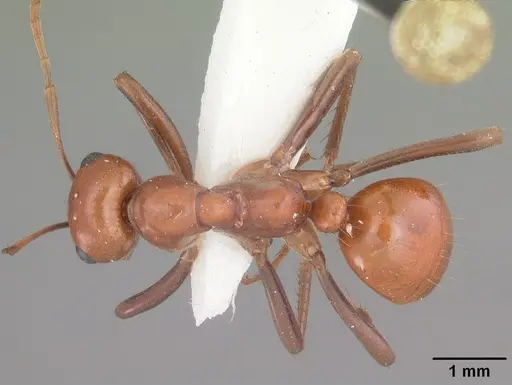
CASENT0281050
View on AntWeb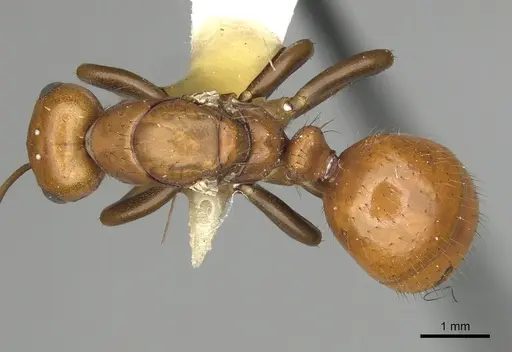
CASENT0281051
View on AntWeb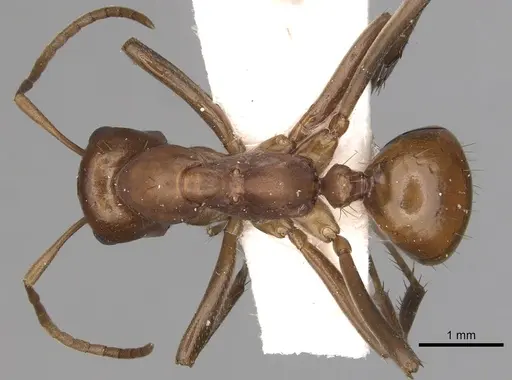
CASENT0281052
View on AntWeb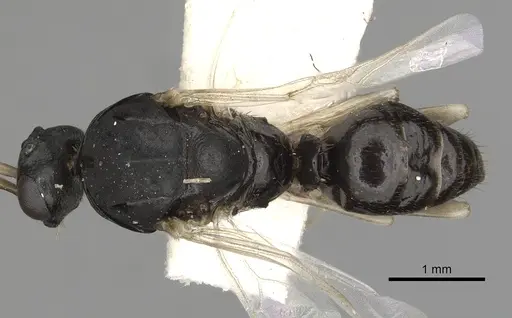
CASENT0281053
View on AntWeb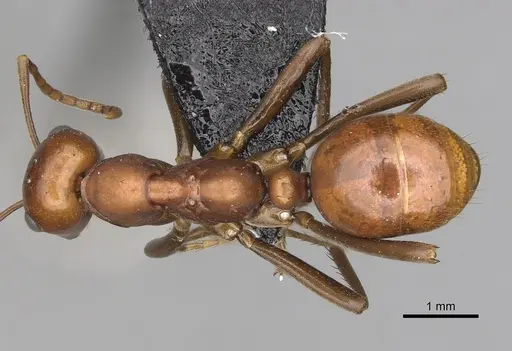
CASENT0281054
View on AntWeb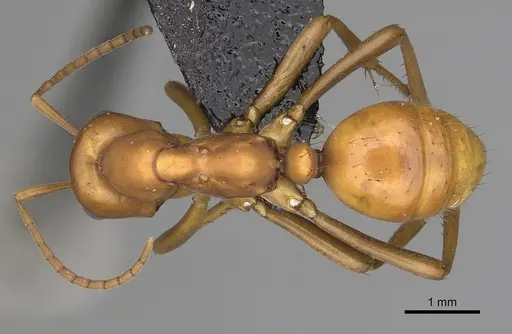
Literature
Loading...Loading products...