

Dorymyrmex pyramicus
- Scientific Name
- Dorymyrmex pyramicus
- Tribe
- Leptomyrmecini
- Subfamily
- Dolichoderinae
- Author
- Roger, 1863
- Distribution
- Found in 10 countries
Dorymyrmex pyramicus Overview
Dorymyrmex pyramicus is an ant species of the genus Dorymyrmex. It is primarily documented in 10 countries , including Argentina, Brazil, Colombia. Detailed taxonomic data and occurrence records can be further explored via authoritative databases such as AntWeb or the Global Biodiversity Information Facility (GBIF).
Dorymyrmex pyramicus
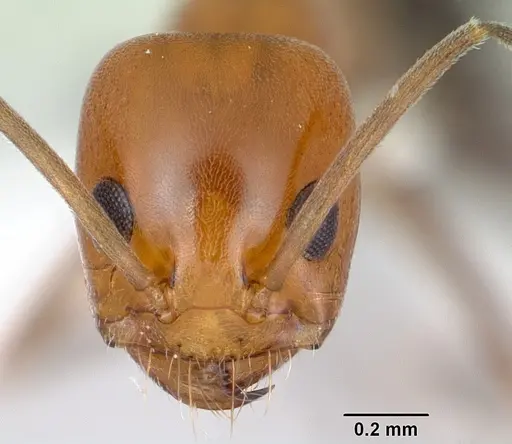
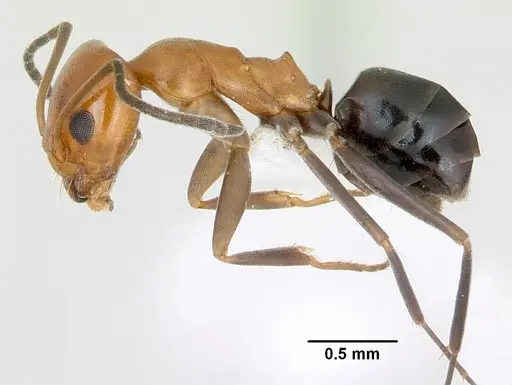
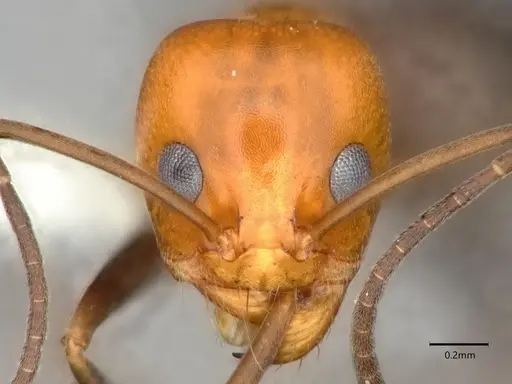
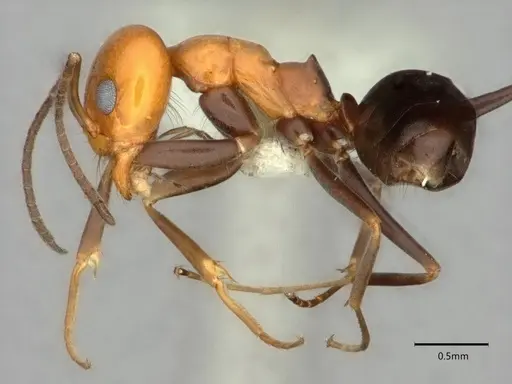
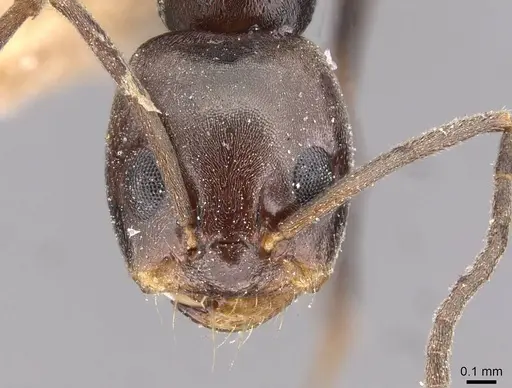
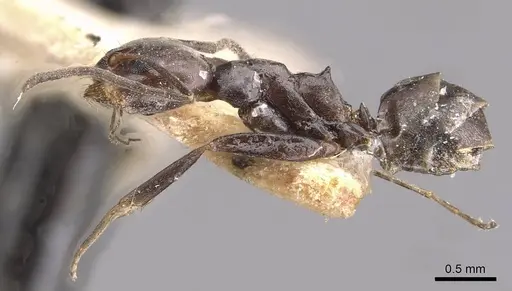
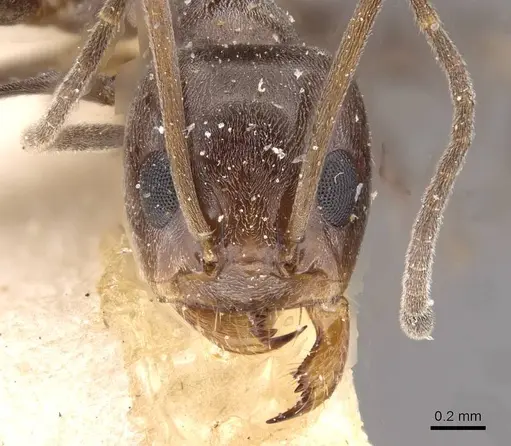
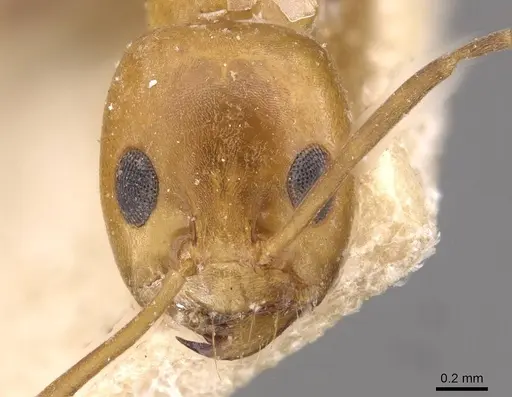
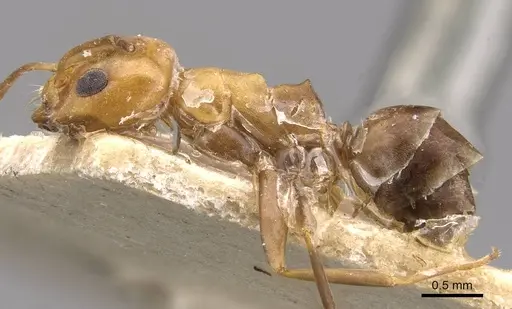
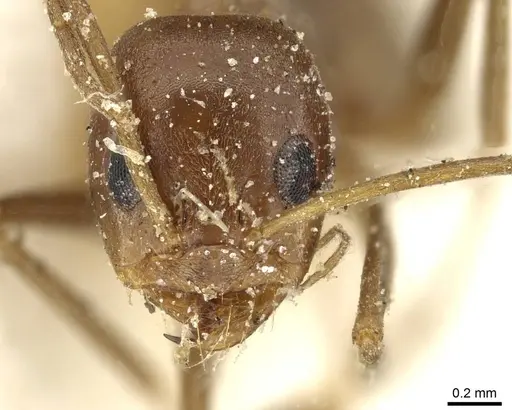
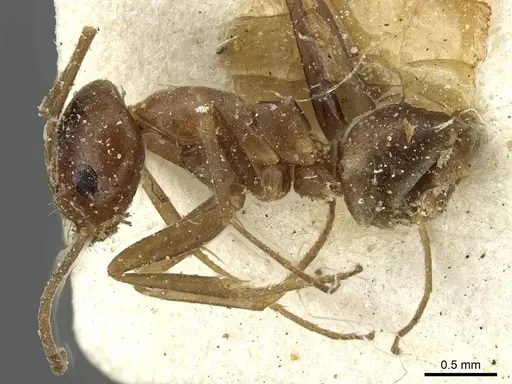
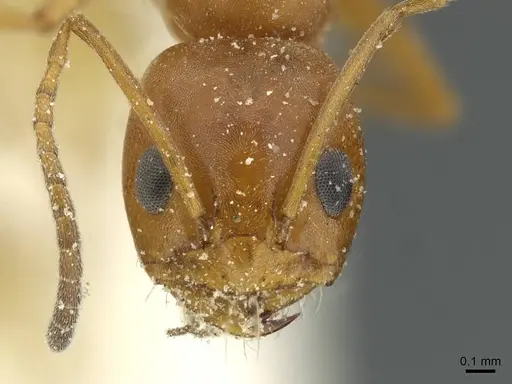
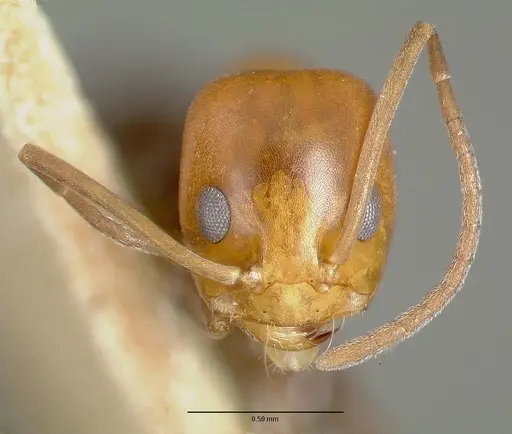
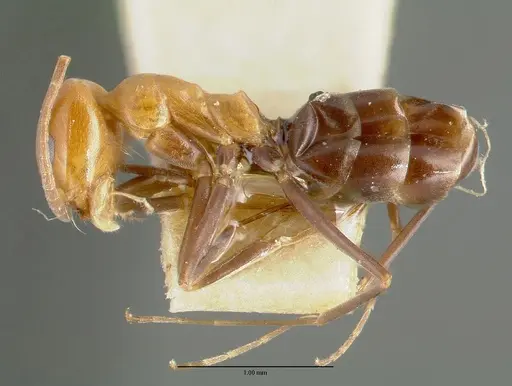
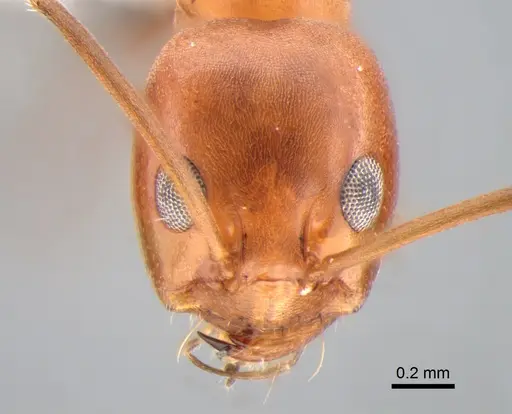
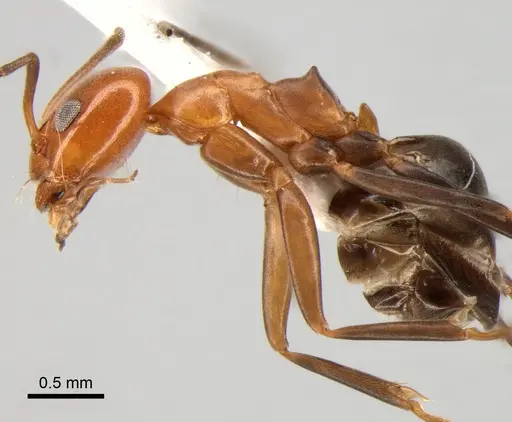
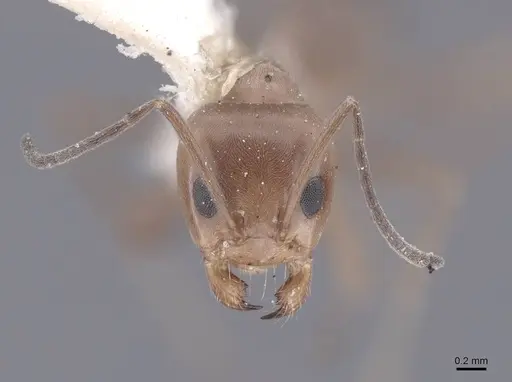
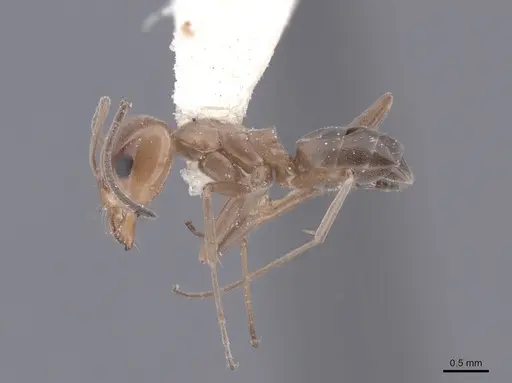
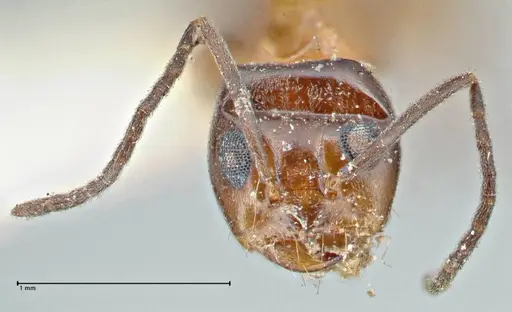
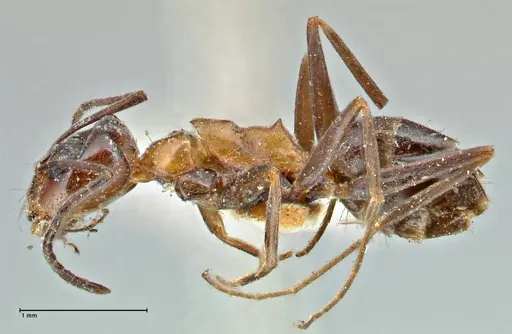
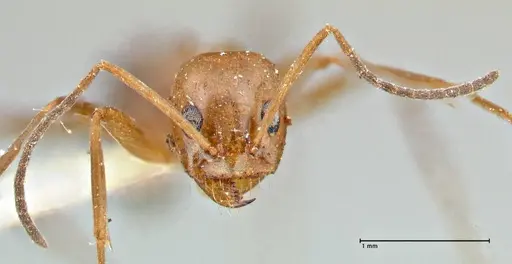
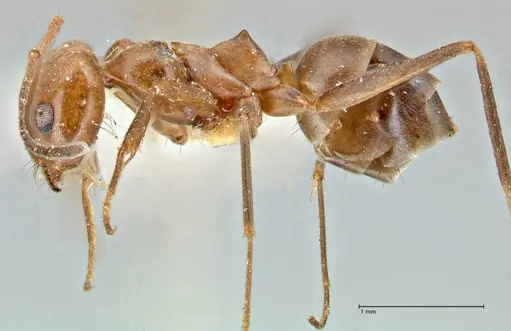
Dorymyrmex pyramicus is a small, bicolored ant native to Central and South America, with a distinctive pyramid-shaped tubercle on its rear that gives the species its common name. Workers measure 0.78-0.88mm and have reddish-yellow heads, mesosomas, and legs with a dark brown to black abdomen. Queens are larger at 1.15-1.18mm head length. This species is part of a rapidly radiating group that has caused significant taxonomic confusion with its close relative Dorymyrmex insanus, which is entirely dark-colored. The species inhabits warm, open areas across a vast range from southern North America through Central America and into South America, including the Galápagos Islands where a subspecies may be endemic. These ants are highly aggressive defenders of their territory and have developed remarkable anti-predator behaviors against army ants.
Quick Summary
- Difficulty: Medium
- Origin & Habitat: Central and South America, Cuba, Guatemala, Colombia, Brazil, Uruguay, Paraguay, Argentina, and the Galápagos Islands. Also found in Mexico and southern United States. Inhabits warm, open areas including sandy beaches, grassland, paths, and lava fields in the Galápagos. A highly thermophilic genus characteristic of open habitats associated with crop fields and abandoned agriculture [1][2].
- Colony Type: Likely monogyne (single queen) based on typical Dorymyrmex colony structure. Colonies are small [3].
- Colony: Monogyne
- Founding: Claustral
- Size & Growth:
- Queen: 1.15-1.18mm head length [1]
- Worker: 0.78-0.88mm head length [1]
- Colony: Small colonies, typically a few hundred workers based on related species and documented colony size descriptions [3]
- Growth: Moderate, inferred from typical Dolichoderinae development
- Development: Estimated 6-8 weeks at optimal temperature based on typical Dolichoderinae development patterns (Development time inferred from genus-level data, specific timeline not directly studied for this species)
- Antkeeping:
- Temperature: Warm conditions required, these are xerotherm (warmth-loving) ants that forage during the hottest hours of the day. Maintain 24-30°C with a warm gradient [3]. Avoid cool temperatures as they are highly thermophilic.
- Humidity: Moderate humidity preferred. Keep nest substrate slightly moist but not waterlogged. In the wild they nest in sandy areas that can dry out between rains.
- Diapause: Unlikely, being a tropical/subtropical species, they do not require true hibernation. However, activity may reduce in cooler months.
- Nesting: Ground-nesting species that builds deep nests (up to 1.8m) in sandy soil with small circular entrances surrounded by delicate crater-like structures [4][5]. In captivity, a naturalistic setup with sandy substrate or a Y-tong/plaster nest works well. Provide a warm, dry area with access to moisture.
- Behavior: Highly aggressive with a natural aggressiveness level of 7 out of 10 [3]. They possess strong chemical defenses and emit a pronounced odor reminiscent of butyric acid when crushed [6][7]. Workers are diurnal and forages during the hottest hours of the day. Notably, a single worker can disperse an entire army ant column by releasing alarm pheromones, the army ants panic and avoid the area [5][8]. They are opportunistic feeders that discover food quickly but do not use mass recruitment. They compete with fire ants (Solenopsis) for nesting space and food, often nesting within 3 meters of fire ant colonies [9]. Escape prevention is important due to their small size.
- Common Issues: small size means escapes are likely without fine mesh barriers, colonies are small and slow-growing which can frustrate beginners, high aggression may lead to fighting if housed with other ant species, warm temperature requirements may be difficult to maintain in cooler climates, bacterial contamination risk, they can carry pathogens in hospital settings
Nest Preferences and Housing
Dorymyrmex pyramicus is a ground-nesting species that constructs deep nests in sandy soil, sometimes reaching 1.8 meters deep [5]. The nest entrance is a small circular opening surrounded by a delicate crater of excavated earth that forms overnight [4]. In captivity, provide a naturalistic setup with sandy substrate or a Y-tong/plaster nest with chambers scaled to their small size. These ants prefer warm, open, sunny areas in the wild and will thrive under similar conditions in captivity. The nest should have a warm side (around 28-30°C) and a cooler side to allow thermoregulation. Since they are small ants, escape prevention is critical, use fine mesh and tight-fitting lids.
Feeding and Diet
These ants are opportunistic feeders with generalist diets. In the wild, they attend extrafloral nectaries of plants like Turnera subulata in Brazil and giant cacti in the Galápagos [10][2]. They also tend aphids including Aphis lugentis and Periphyllus negundinis for honeydew [11]. Additionally, they scavenge and predate on small arthropods. In captivity, offer sugar water or honey as a constant energy source, and provide protein sources like small insects (fruit flies, pinhead crickets, mealworms) regularly. They are generalist feeders but do not use mass recruitment, so place food where foragers can discover it.
Temperature and Seasonal Care
Dorymyrmex pyramicus is a highly thermophilic species that forages during the hottest hours of the day [3]. Maintain temperatures between 24-30°C, with a warm gradient allowing workers to choose their preferred temperature. They are adapted to warm climates and should not be kept cool. In the wild, they are most active in morning sampling compared to evening [12]. No true diapause is required given their tropical/subtropical distribution, but you may observe reduced activity during cooler winter months if your room temperature drops. Use a heating cable or mat on one side of the nest to maintain warmth.
Defense and Behavior
This species is notably aggressive with a high natural defensiveness level [3]. When threatened, they emit a strong, unpleasant odor from their anal glands similar to Tapinata ants [6][7]. Their most remarkable behavior is their anti-army ant defense, when a forager detects an Eciton raid, it rushes toward intruders with mandibles open, emitting an alarm pheromone. Other workers within 50-60cm respond by running toward the threat, and the army ants panic and scatter. A single Dorymyrmex worker can cause enough confusion to make an entire army ant column re-form half an hour later, leaving a large space between them and the Dorymyrmex foraging area [5][8]. They also compete successfully with fire ants and can resist raids from invasive species like Pheidole megacephala [13].
Colony Dynamics
Colonies remain small throughout their lifecycle, typically with only one queen [3]. Workers are monomorphic (all the same size) and relatively small compared to many other ant species. The colony grows gradually, and because they do not use mass recruitment, foragers discover food resources individually. This means food should be placed where foragers can easily find it. In the wild, they often nest near fire ant colonies (within 3 meters) despite being competitors, suggesting they can coexist through behavioral and chemical adaptations [9]. The species has been confused taxonomically with Dorymyrmex insanus, which is entirely black, but they can be distinguished by color and the shape of the promesonotal profile.
Frequently Asked Questions
How long does it take for Dorymyrmex pyramicus to produce first workers?
Based on typical Dolichoderinae development, expect first workers (nanitics) approximately 6-8 weeks after the queen lays eggs, assuming optimal temperatures around 26-28°C. Development time has not been specifically documented for this species.
Can I keep Dorymyrmex pyramicus in a test tube?
Yes, you can start a colony in a test tube setup. Use a small test tube with a water reservoir (cotton ball) and keep it warm (around 26-28°C). Once the colony grows beyond 20-30 workers, consider moving to a naturalistic setup with sandy substrate or a small formicarium.
Are Dorymyrmex pyramicus good for beginners?
They are of medium difficulty. While not extremely demanding, their small size requires excellent escape prevention, and they need warm temperatures year-round. Their aggressive behavior and small colony size may also be challenging for beginners expecting rapid growth.
What temperature should I keep Dorymyrmex pyramicus at?
Keep them warm at 24-30°C. These are xerotherm (warmth-loving) ants that forage during the hottest parts of the day. A heating cable on one side of the nest creates a gradient that workers will use for thermoregulation.
Do Dorymyrmex pyramicus need hibernation?
No, they do not require hibernation. Being a tropical/subtropical species, they remain active year-round if kept warm. However, if your room temperature drops significantly in winter, you may see reduced activity.
How big do Dorymyrmex pyramicus colonies get?
Colonies remain relatively small, typically reaching a few hundred workers at maturity. This is consistent with their described colony size as 'small' in research studies.
Why are my Dorymyrmex pyramicus dying?
Common causes include: temperatures too low (they need warmth), improper humidity (too dry or too wet), escape deaths due to small size, or stress from excessive disturbance. They are also sensitive to disturbance and prefer stable conditions.
Can I keep multiple queens together?
This has not been documented for this species. Dorymyrmex pyramicus is likely monogyne (single queen), so combining unrelated queens is not recommended.
What do Dorymyrmex pyramicus eat?
They are generalist opportunists. Offer sugar water or honey constantly, and provide protein (small insects like fruit flies, pinhead crickets, or mealworms) 2-3 times per week. They also attend honeydew from aphids if available.
When should I move them to a formicarium?
Move from a founding test tube to a formicarium once the colony reaches 20-30 workers or the test tube becomes crowded. A naturalistic setup with sandy substrate works well since they are ground-nesting ants.
Are Dorymyrmex pyramicus invasive?
They are not considered invasive in most regions. They are native throughout their range in Central and South America, the Galápagos, Mexico, and the southern United States. However, they have been negatively affected by invasive ants like Wasmannia auropunctata in the Galápagos.
References

This caresheet is licensed under CC BY-SA 4.0 .
CASENT0173213
View on AntWeb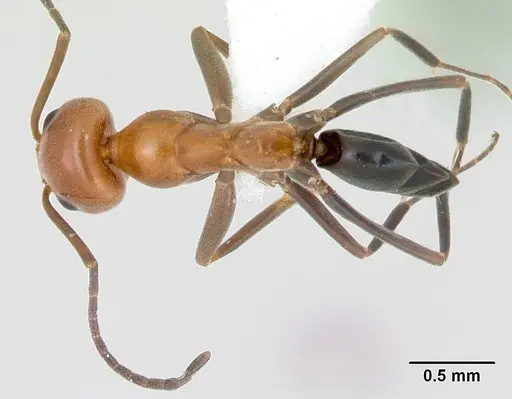
CASENT0841134
View on AntWeb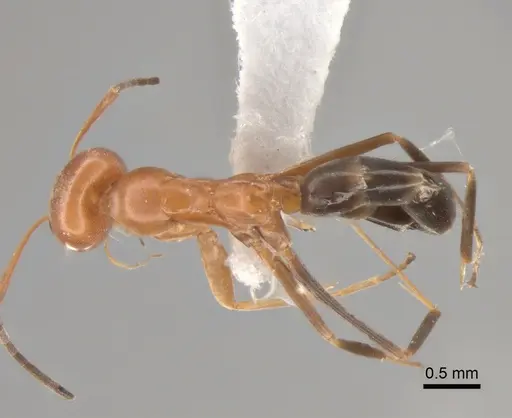
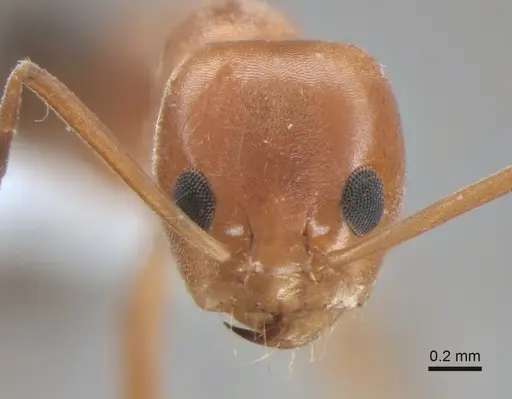
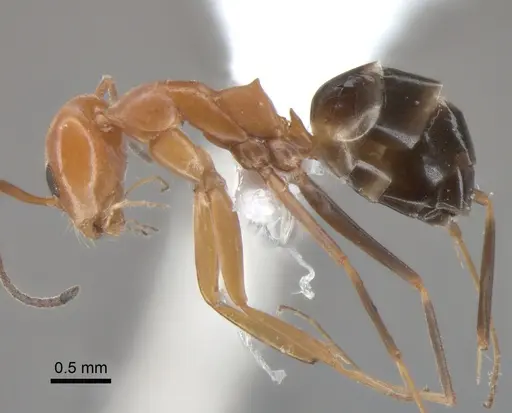
CASENT0841135
View on AntWeb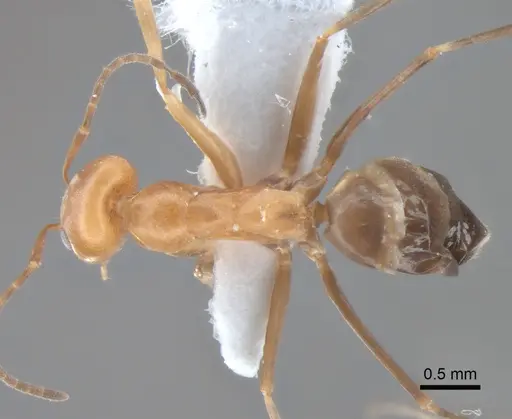
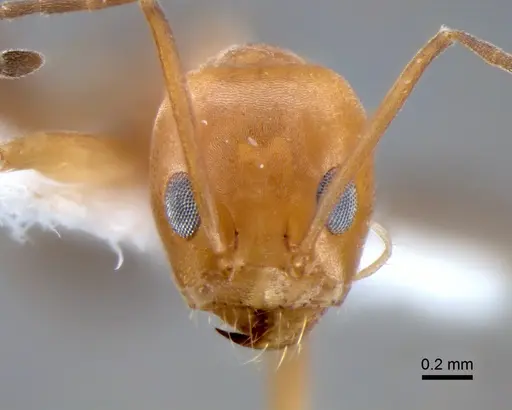
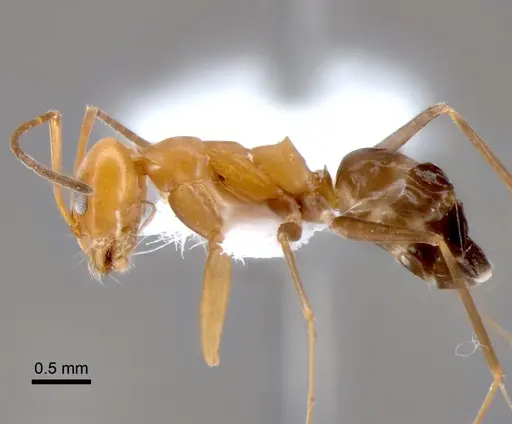
CASENT0841171
View on AntWeb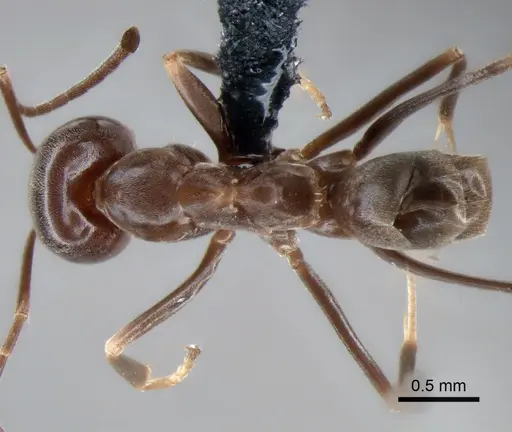
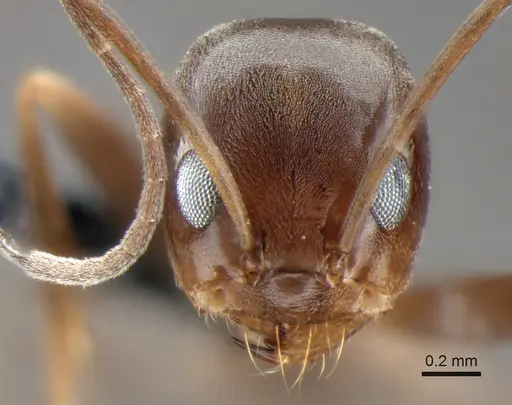
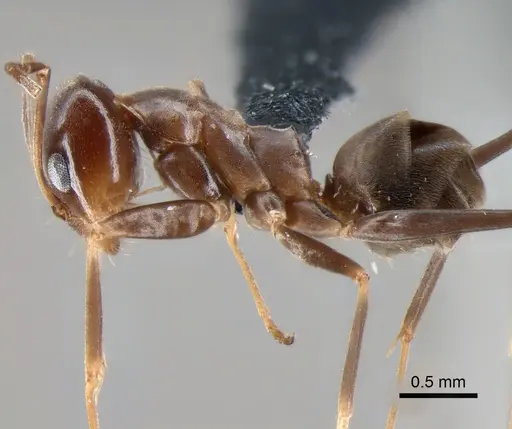
CASENT0841505
View on AntWeb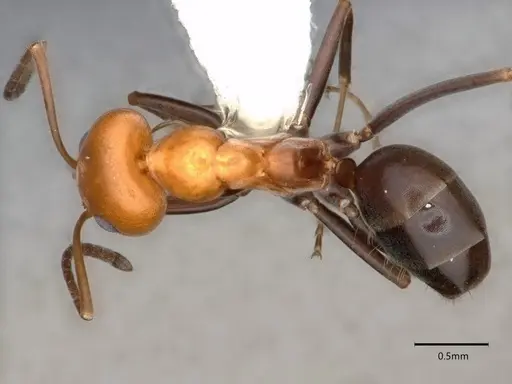
CASENT0909739
View on AntWeb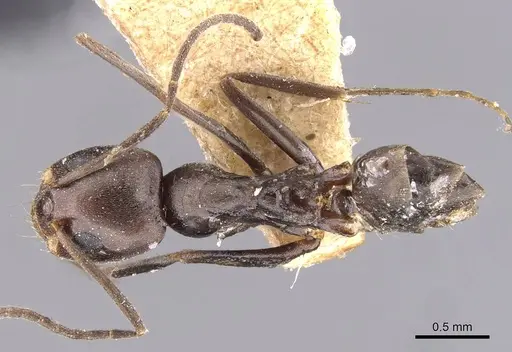
CASENT0909740
View on AntWeb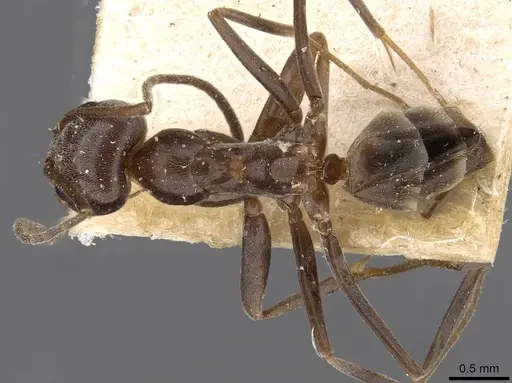
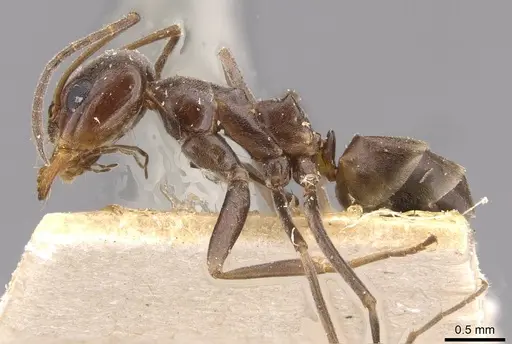
CASENT0909741
View on AntWeb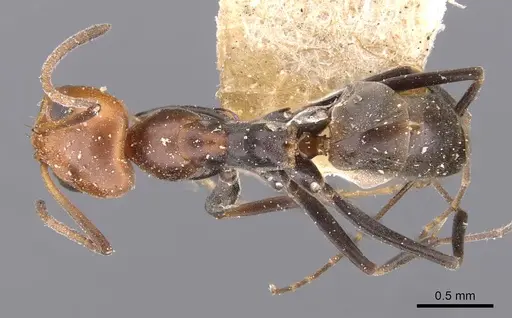
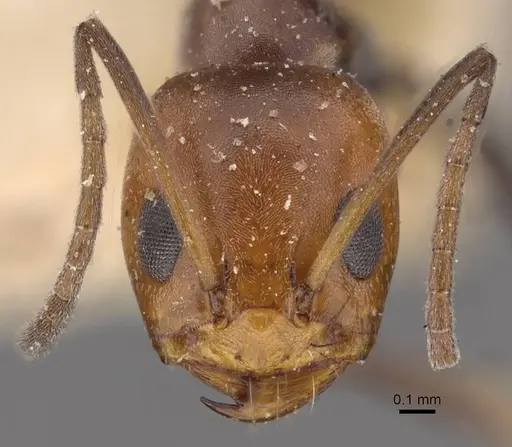
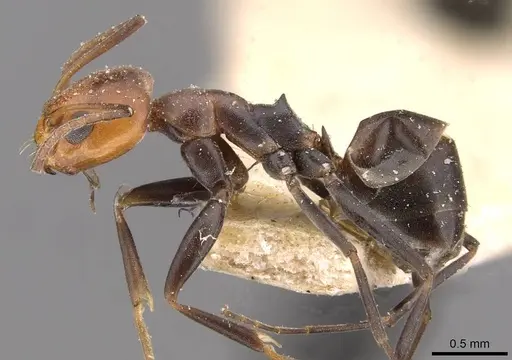
CASENT0909746
View on AntWeb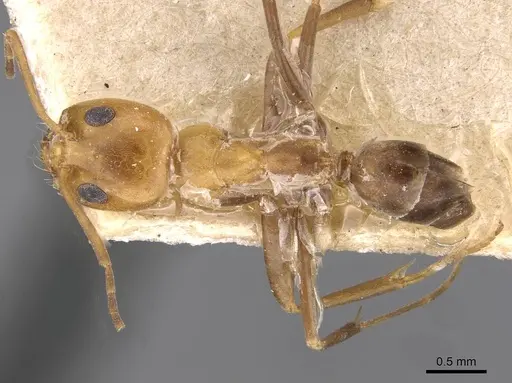
CASENT0911531
View on AntWeb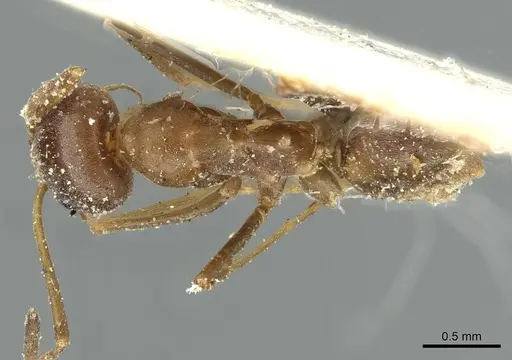
CASENT0911532
View on AntWeb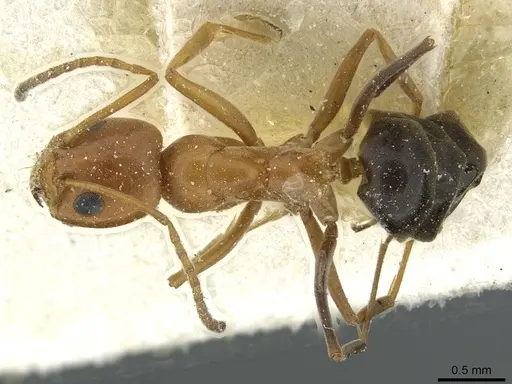
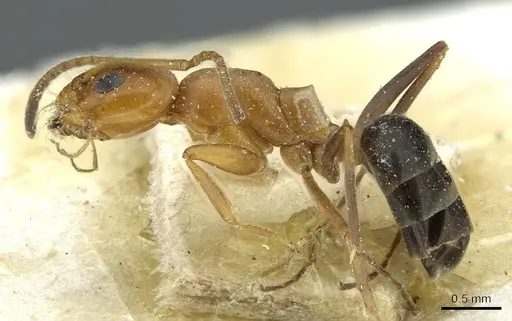
CASTYPE00448-01
View on AntWeb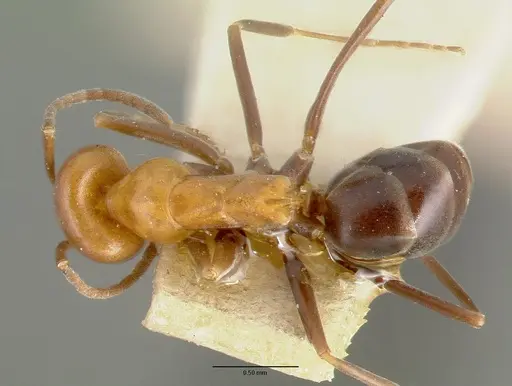
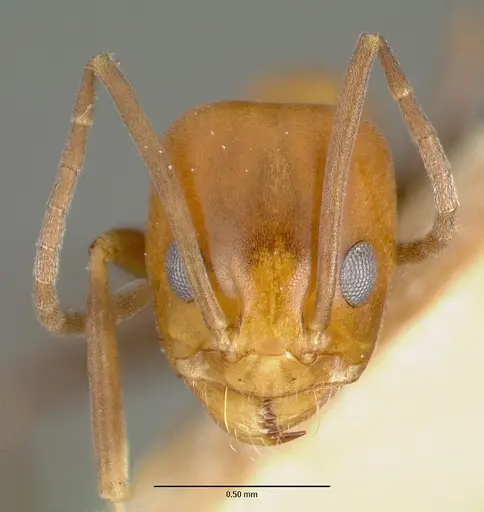
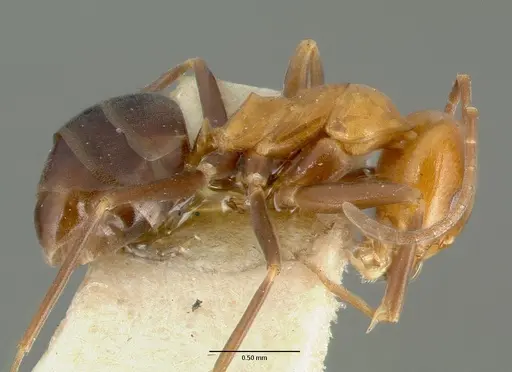
CASTYPE00448-02
View on AntWeb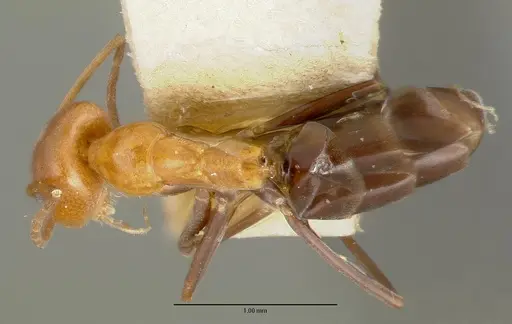
DZUP518138
View on AntWeb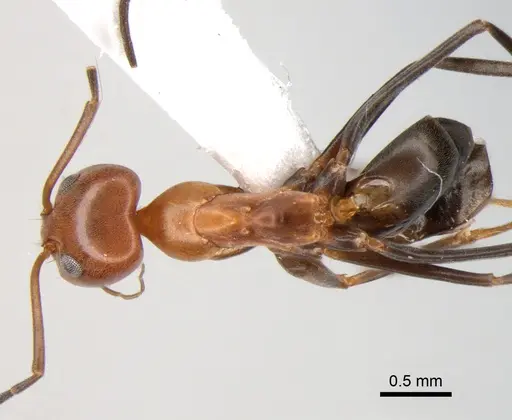
FMNHINS0000045109
View on AntWeb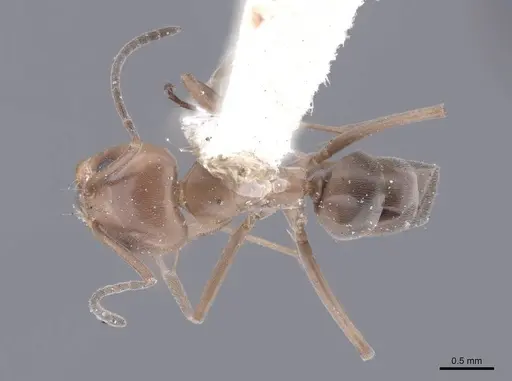
FOCOL2863
View on AntWeb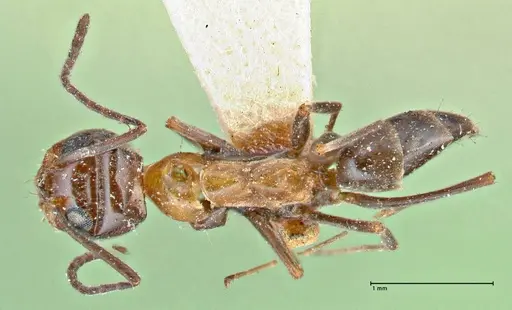
FOCOL2864
View on AntWeb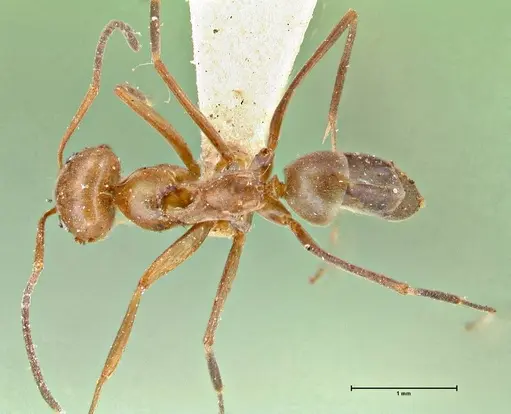
Literature
Loading...Loading products...