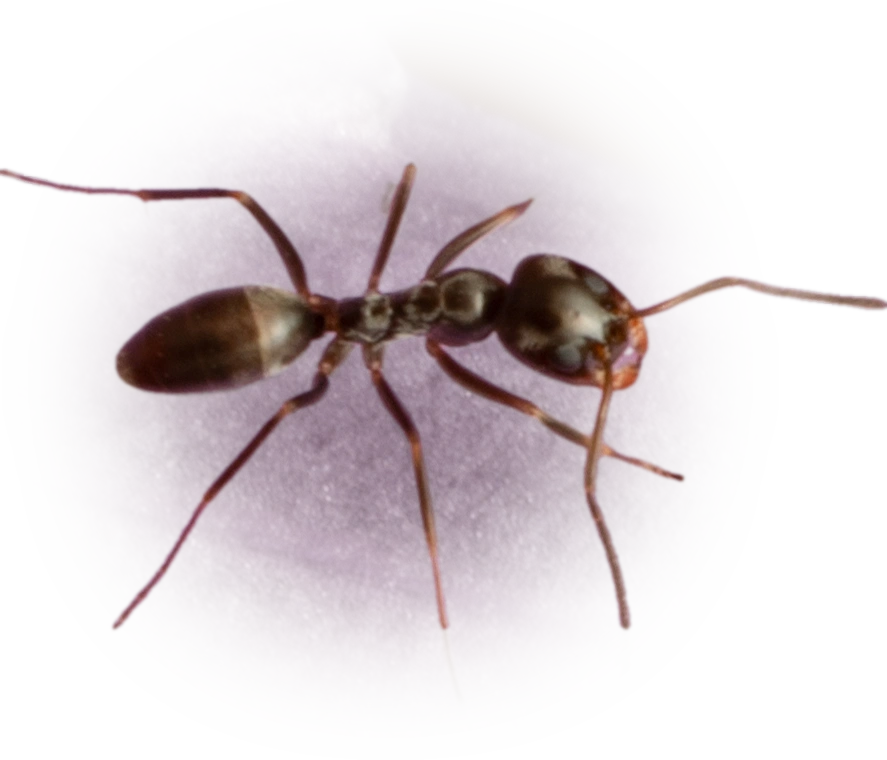

Dorymyrmex insanus
- Scientific Name
- Dorymyrmex insanus
- Tribe
- Leptomyrmecini
- Subfamily
- Dolichoderinae
- Author
- Buckley, 1866
- Common Name
- Crazy Pyramid Ant
- Distribution
- Found in 2 countries
Dorymyrmex insanus Overview
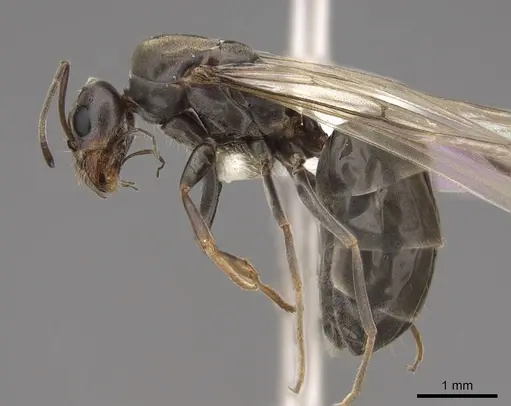
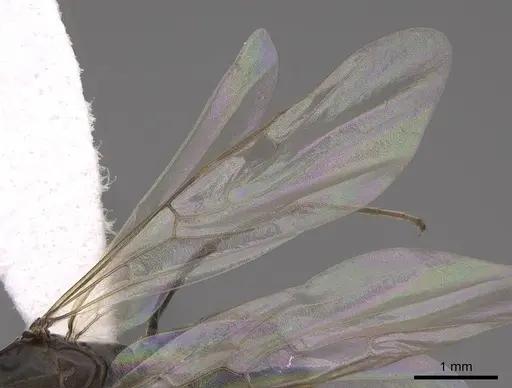
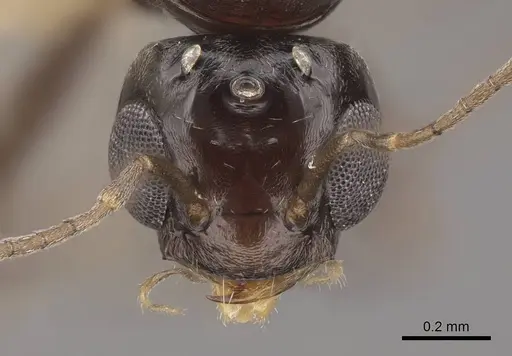
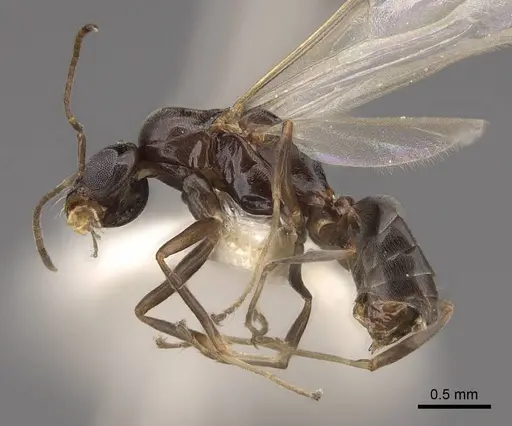
Dorymyrmex insanus (commonly known as the Crazy Pyramid Ant) is an ant species of the genus Dorymyrmex. It is primarily documented in 2 countries , including Mexico, United States of America. Detailed taxonomic data and occurrence records can be further explored via authoritative databases such as AntWeb or the Global Biodiversity Information Facility (GBIF).
Dorymyrmex insanus - "Crazy Pyramid Ant"
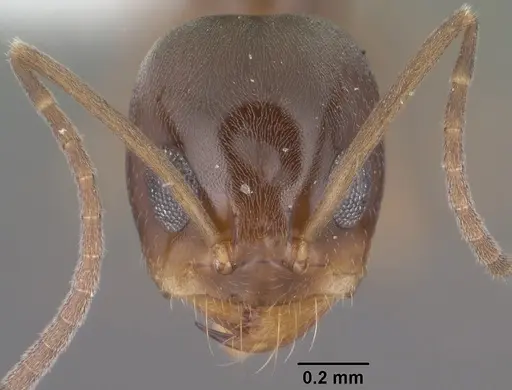
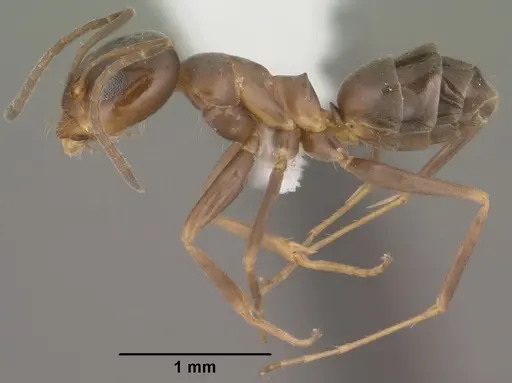
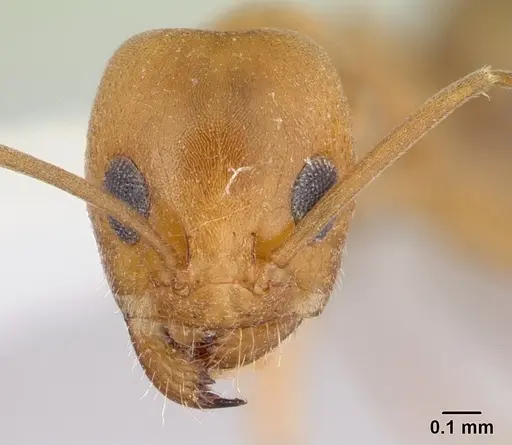
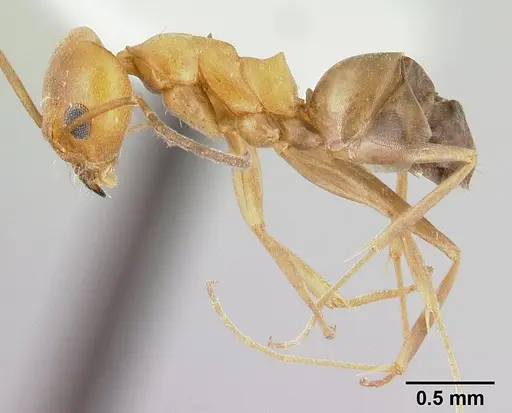
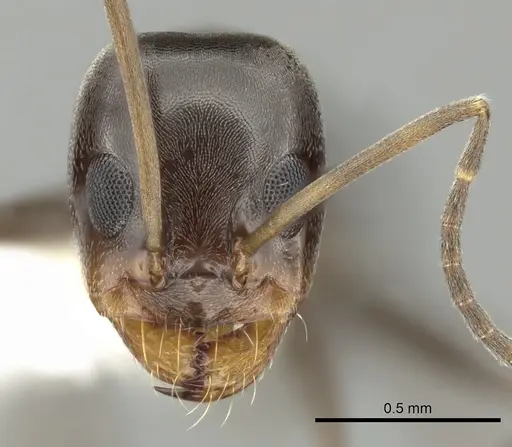
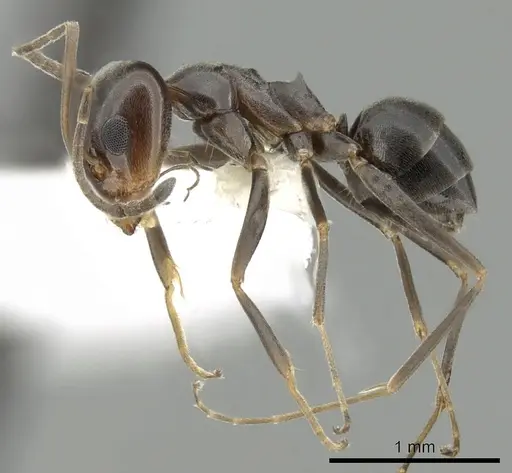
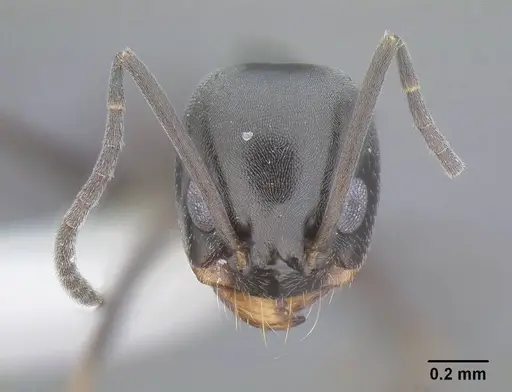
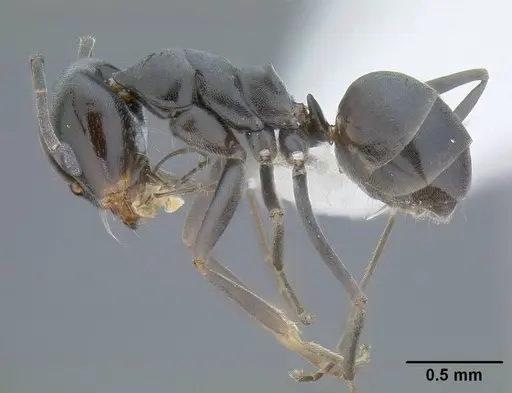
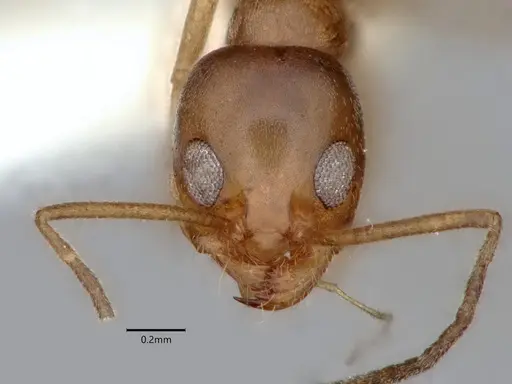
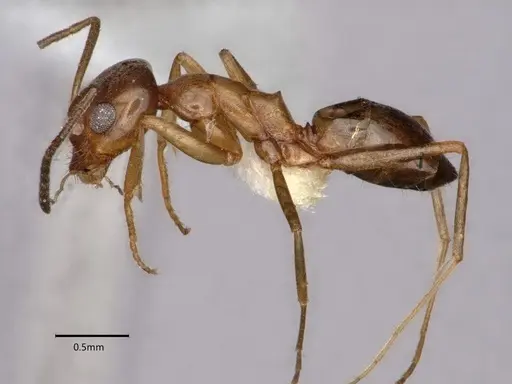
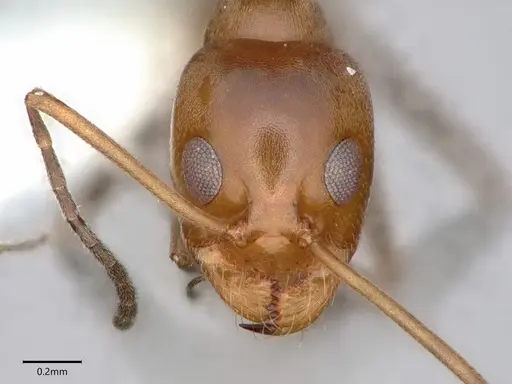
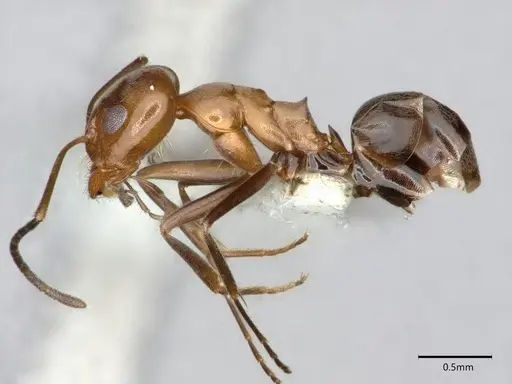
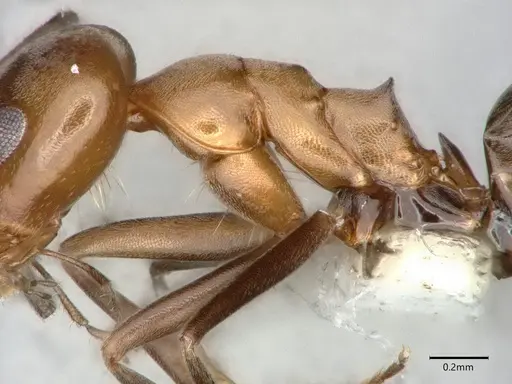
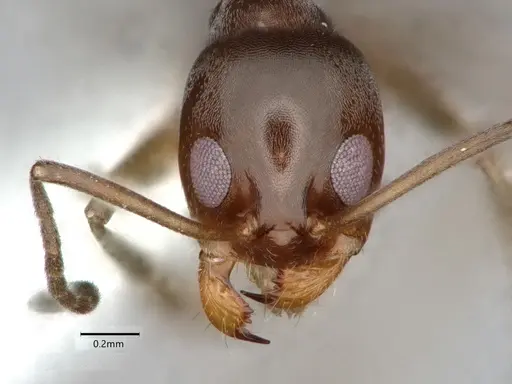
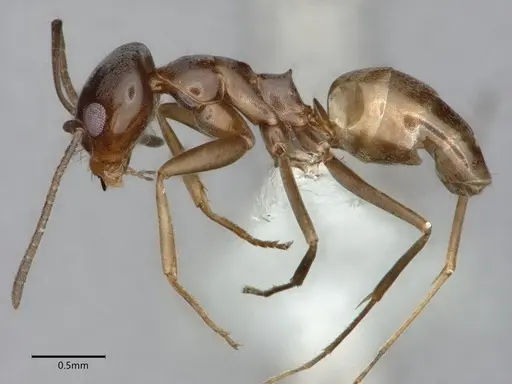
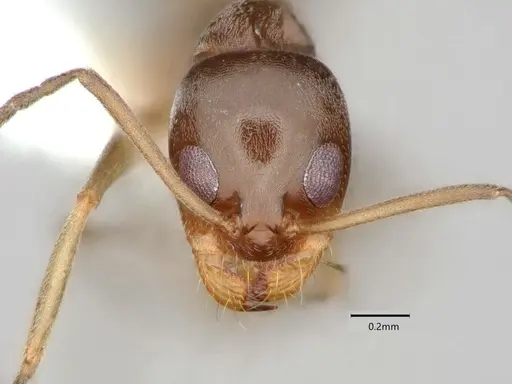
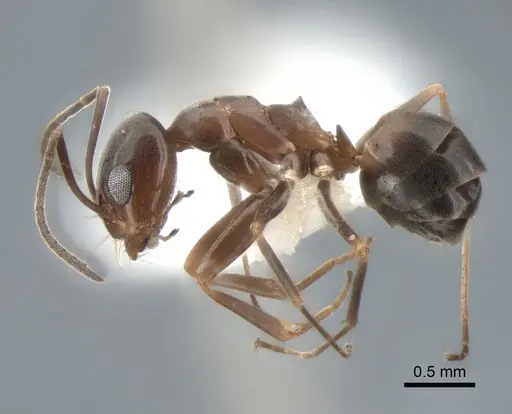
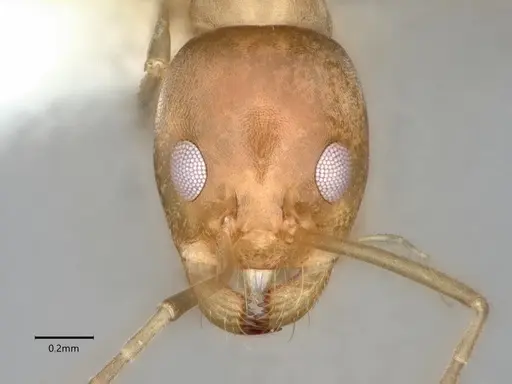
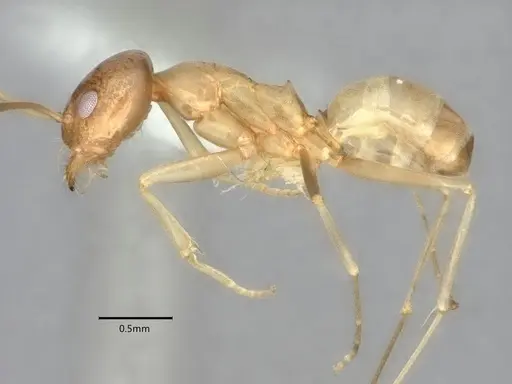
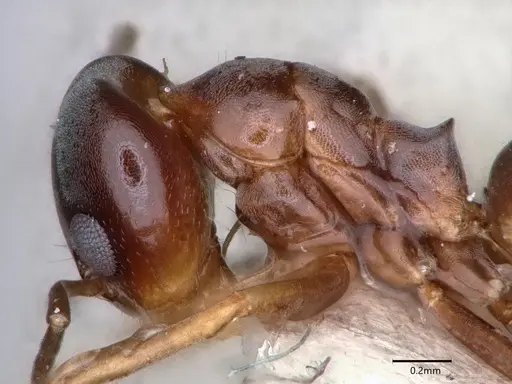
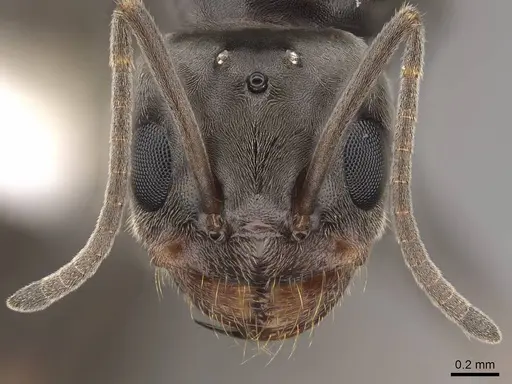
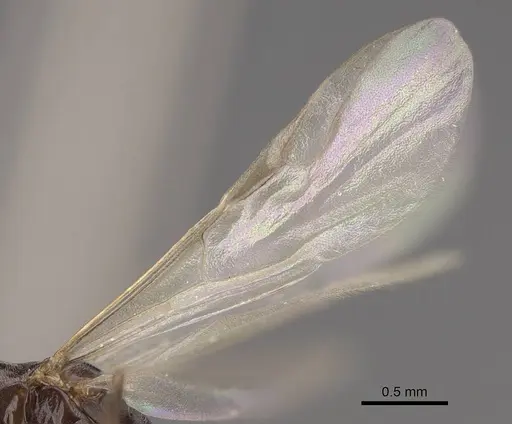
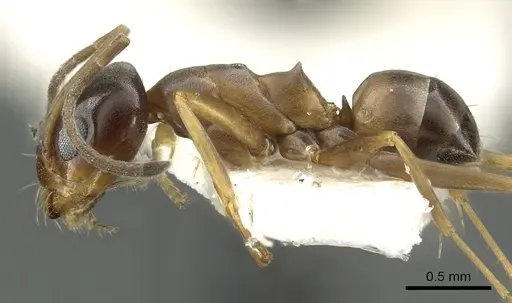
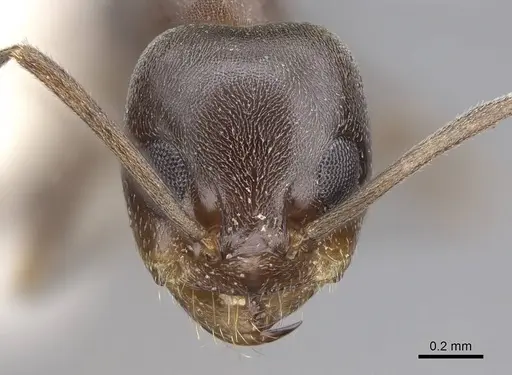
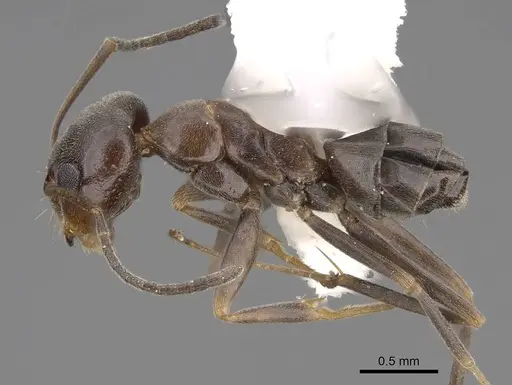
Dorymyrmex insanus is a small, dark brown to black ant native to the southwestern United States and Mexico, with populations extending through Central America into northern South America. Workers measure 2.5-3.5mm with a distinctive propodeal tubercle (a cone-shaped projection where the back of the body meets the abdomen). Their name comes from the Latin 'insanus' meaning 'mad' or 'crazy', a fitting description for their noticeably frenetic foraging activity and ability to quickly swarm over prey in large numbers [1][2].
These ants thrive in hot, dry, open habitats and are a common sight in deserts and disturbed areas throughout their range. They nest in the ground, creating small crater mounds around their entrance holes. Their colonies are relatively small but highly active, with workers forming conspicuous foraging trails even during hot midday temperatures when most other ants remain in their nests [2].
Quick Summary
- Difficulty: Easy
- Origin & Habitat: Southwestern United States (Arizona, California, Kansas) through Mexico to Central America and northern South America. Found in hot, open xeric (dry) habitats including deserts, grasslands, and disturbed areas. Nests in open ground or areas with low vegetation, creating small crater mounds [1][3][2].
- Colony Type: Single-queen (monogyne) colonies. Colonies are relatively small with typically only a few workers visible outside the nest during peak foraging times [4].
- Colony: Monogyne
- Founding: Claustral
- Size & Growth:
- Queen: Not directly measured in available literature, estimated based on genus patterns at 5-7mm. Signal: estimated.
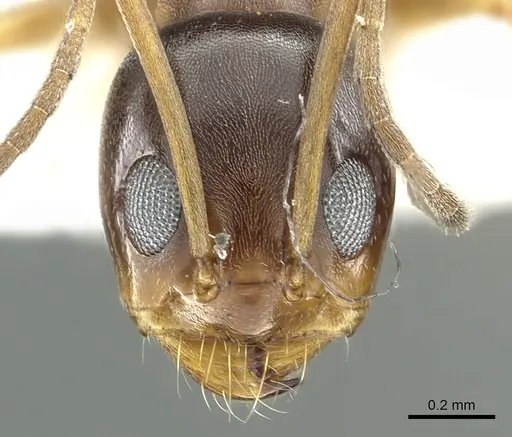
- Worker: 2.5-3.5mm [5], with more precise measurements HL 0.78-1.16mm, HW 0.70-1.00mm [1].
- Colony: Small colonies, typically only 2 workers observed outside nest during peak foraging [4]. Signal: confirmed from field observations.
- Growth: Moderate, based on typical Dorymyrmex patterns. Signal: estimated.
- Development: 6-10 weeks based on typical Dolichoderinae development at warm temperatures. Signal: estimated from genus patterns. (Development is faster in warmer conditions, these ants thrive in hot habitats and their brood develops quickly in elevated temperatures typical of their native desert environment.)
- Antkeeping:
- Temperature: Keep warm at 24-32°C. These are heat-tolerant ants native to desert environments, they tolerate and prefer temperatures that would stress many other ant species. Provide a thermal gradient so ants can choose their preferred temperature [6][2].
- Humidity: Low to moderate. Native to xeric (dry) habitats, keep nest substrate dry to slightly moist, not damp. Avoid high humidity which can cause mold problems in their enclosures. Think desert conditions, not rainforest.
- Diapause: No, these ants are active year-round in their warm native habitats. They do not require hibernation or winter dormancy [2].
- Nesting: Ground-nesting species that prefers dry, open areas. In captivity, they do well in naturalistic setups with a digging chamber or in formicariums with dry substrate. Provide sand or soil mix that drains well. They will create small crater mounds if given the opportunity [2].
- Behavior: Very active and fast-moving, live up to their 'crazy' name. Workers are opportunistic predators that quickly recruit many individuals to newly discovered food. They form long foraging trails and will readily take over insect carcasses, honeydew, and sugar sources. Generally not aggressive toward humans and rarely sting. Their small size (under 4mm) means escape prevention is important, they can squeeze through small gaps [2][7].
- Common Issues: escape prevention is critical due to their tiny size, use fine mesh barriers and tight-fitting lids, colonies are small and grow slowly, don't overfeed or the colony may not consume food before it molds, dry habitat requirements mean overwatering or excessive misting can kill them with mold, heat requirements may conflict with keeping them in air-conditioned spaces, they need warmth
Housing and Nest Setup
Dorymyrmex insanus does well in naturalistic setups that mimic their desert ground-nesting habits. Use a substrate mix that drains well, a combination of sand and soil works well. Provide a shallow water tube for drinking and keep the nest area relatively dry. Because they are small and active, ensure your enclosure has excellent escape prevention, fine mesh on any ventilation and tight-fitting lids are essential. A small formicarium with a digging chamber allows them to create their own tunnels, but they also do well in test tube setups if given proper heating [2].
Feeding and Diet
These ants are opportunistic feeders that will accept a variety of foods. In captivity, they readily consume sugar water, honey, or diluted syrup as an energy source. For protein, offer small insects like fruit flies, pinhead crickets, or mealworm pieces. They are enthusiastic scavengers and will quickly recruit to any protein source, dead insects, small prey items, or even tiny scraps. In the wild, they also tend hemipteran (aphid, scale insect) colonies for honeydew, so if you keep them long-term, providing access to honeydew-producing insects can supplement their diet [2][7].
Temperature and Heating
Heat is essential for this species. Dorymyrmex insanus is one of the most heat-tolerant ants in its range, often remaining active when other species have retreated to their nests. Keep the nest area at 26-32°C, with a cooler area available so they can regulate their body temperature. A small heating cable or heat mat on one side of the enclosure works well, just be sure to monitor temperatures and avoid overheating. If your room temperature stays above 24°C, they may do fine without additional heating, but they will be most active and grow fastest in warmer conditions [6][2].
Behavior and Foraging
Watch their foraging behavior and you'll understand why they're called crazy ants. Workers move quickly and erratically, exploring their environment with constant movement. When food is discovered, they rapidly recruit nestmates, forming visible trails of ants coming to and from the food source. They are not particularly aggressive and rarely sting, but their sheer activity level can be entertaining to watch. Their small size means they can be overlooked, but their dark coloration against lighter desert soils makes them quite visible when they emerge in force [2][1].
Colony Growth and Development
Colonies start with a single claustral queen who seals herself in a chamber and raises her first brood without leaving. The first workers (nanitics) are smaller than mature workers but quickly begin foraging to support colony growth. Growth rate is moderate, expect several months to reach 50 workers, and a year or more to reach several hundred. The colony will remain relatively small compared to species like Formica or Camponotus, but their activity level makes even small colonies engaging to watch. Queens can live for several years, so this is a long-term project [4][2].
Frequently Asked Questions
Can I keep Dorymyrmex insanus in a test tube?
Yes, test tubes work well for founding colonies. Keep the water tube small to avoid flooding, and place the setup on a warm surface or use a small heat mat to maintain temperatures around 26-30°C. Once the colony reaches 50+ workers, you can move them to a small formicarium or naturalistic setup.
How long until first workers appear?
Expect 6-10 weeks from egg to first worker at warm temperatures (around 28°C). The queen will remain sealed in her chamber while laying eggs and raising the first brood. Once workers emerge, they will take over foraging and the colony will begin growing more quickly.
What temperature do they need?
Keep them warm at 26-32°C. These are desert ants that thrive in hot conditions, they are one of the most heat-tolerant species in their range and will remain active when temperatures would stop other ant species.
Are Dorymyrmex insanus good for beginners?
Yes, they are relatively easy to care for once you understand their heat requirements. They don't need hibernation, aren't aggressive, and are forgiving of minor husbandry mistakes. The main challenges are escape prevention (due to their tiny size) and providing enough warmth.
How big do colonies get?
Colonies remain relatively small compared to many ants, typically several hundred workers at maturity. Field observations show only 2-4 foragers active at any given time, even in established colonies, though more workers are present inside the nest.
Can I keep multiple queens together?
No, Dorymyrmex insanus is monogyne, meaning each colony has only one queen. Combining unrelated queens is not recommended and would likely result in fighting. If you find a queen, set her up alone in a founding chamber.
Do they need hibernation?
No. These ants are active year-round in their warm native habitats and do not require a diapause or hibernation period. Keep them warm throughout the year.
Why are they called Crazy Ants?
Their common name comes from their erratic, fast-moving foraging behavior. The Latin species name 'insanus' means 'mad' or 'crazy', and these ants live up to that name with their frenetic movement and ability to quickly swarm over prey or threats in large numbers.
What do they eat?
They are opportunistic omnivores. Offer sugar water, honey, or diluted syrup as a constant energy source. For protein, provide small insects like fruit flies, pinhead crickets, or mealworm pieces. They will also scavenge from dead insects and vertebrate carcasses in the wild.
When should I move them to a formicarium?
Move them once the colony reaches 50-100 workers and the test tube setup becomes cramped. A small formicarium or naturalistic setup with a digging chamber works well. Make sure the new enclosure has proper escape prevention and maintains appropriate heat.
Are they invasive anywhere?
No, Dorymyrmex insanus is native to the southwestern US and Mexico, with range extending through Central America. While other Dorymyrmex species have been introduced to new areas, this species has not become invasive in non-native regions.
References

This caresheet is licensed under CC BY-SA 4.0 .
CASENT0005319
View on AntWeb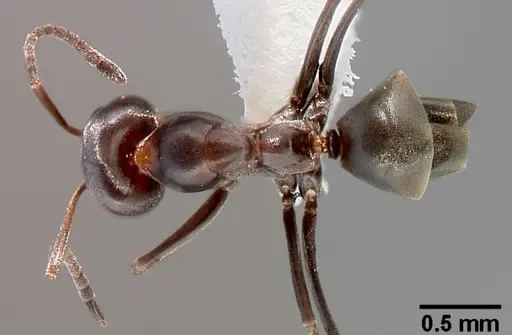
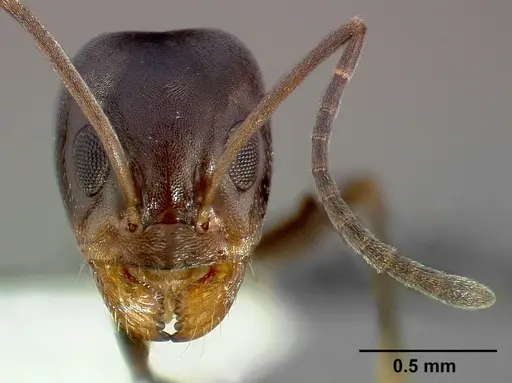
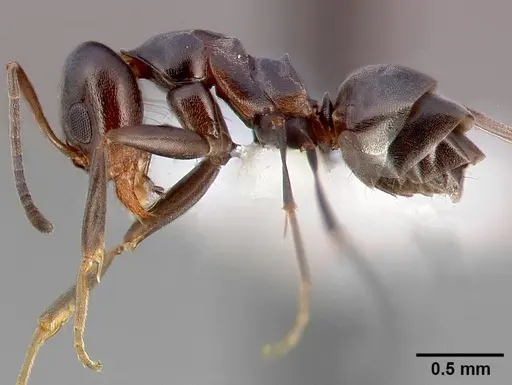
CASENT0102753
View on AntWeb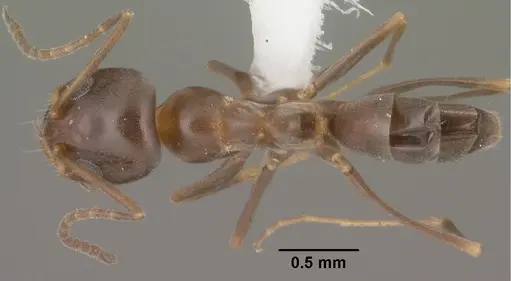
CASENT0179520
View on AntWeb
CASENT0249672
View on AntWeb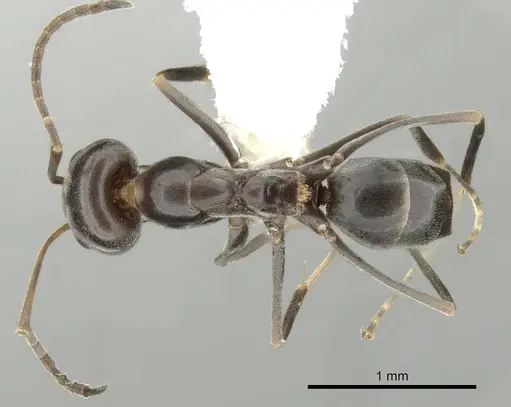
CASENT0732617
View on AntWeb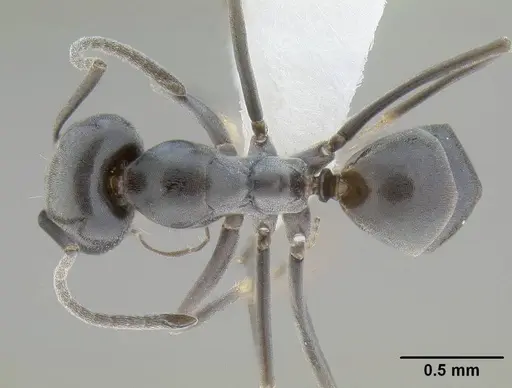
CASENT0841029
View on AntWeb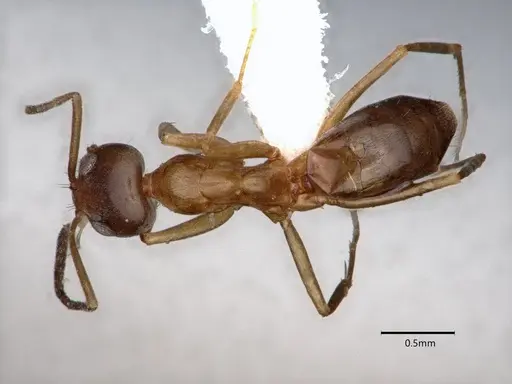
CASENT0841069
View on AntWeb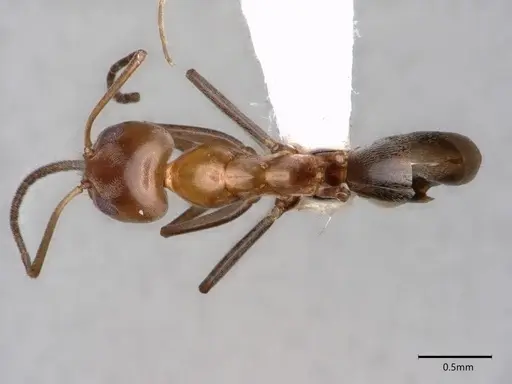
CASENT0841075
View on AntWeb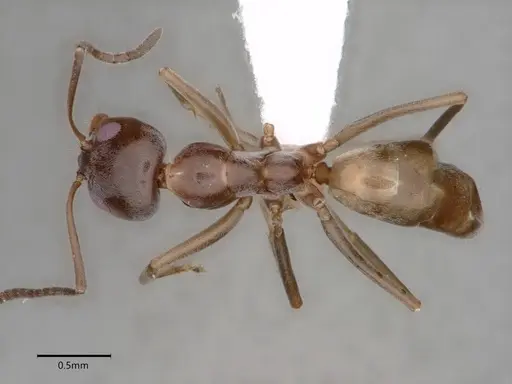
CASENT0841076
View on AntWeb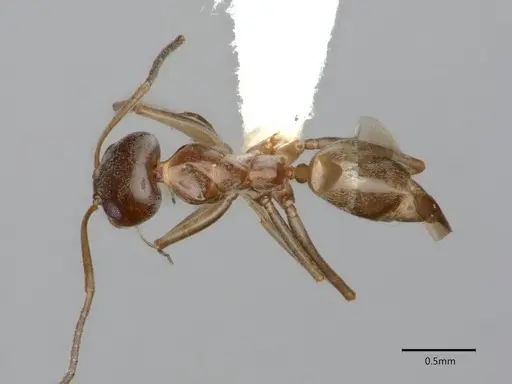
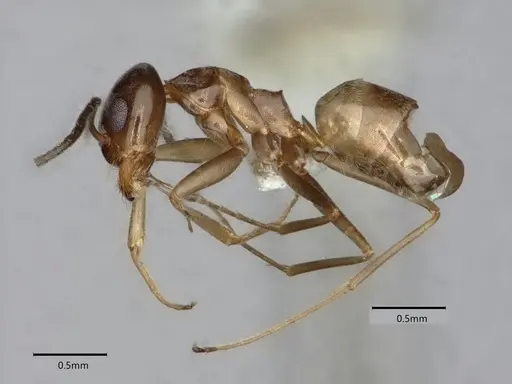
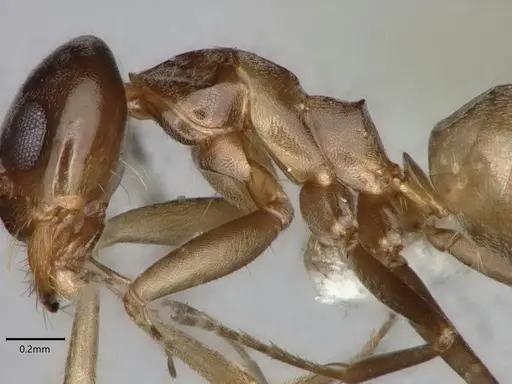
CASENT0841078
View on AntWeb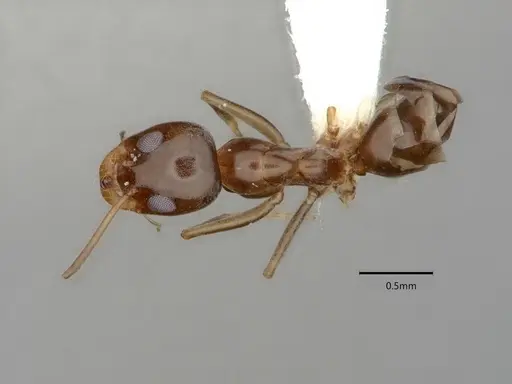
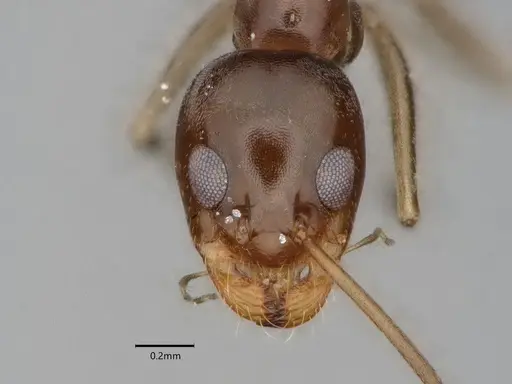
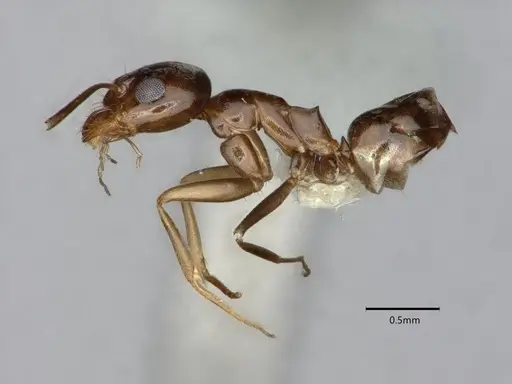
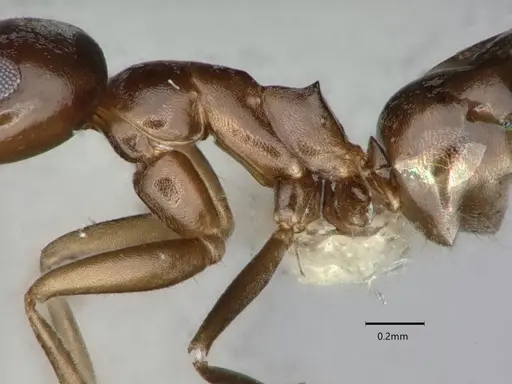
CASENT0841126
View on AntWeb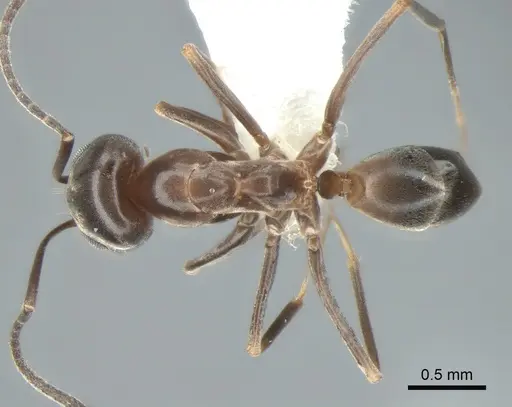
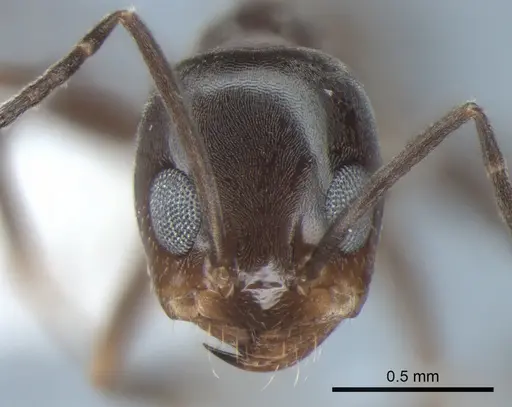
CASENT0841248
View on AntWeb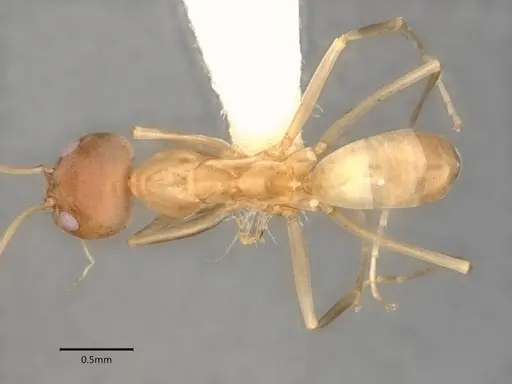
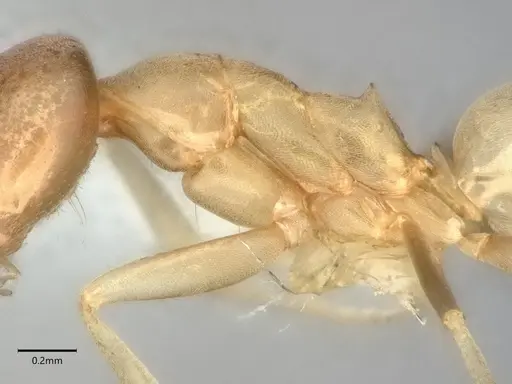
CASENT0841356
View on AntWeb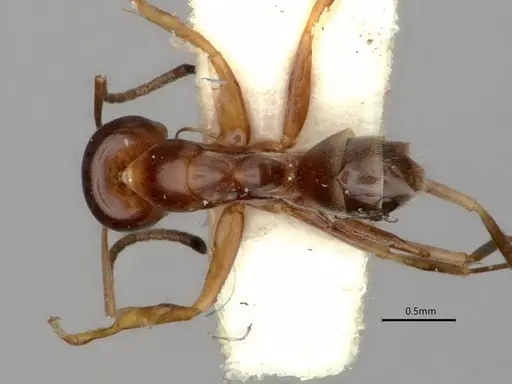
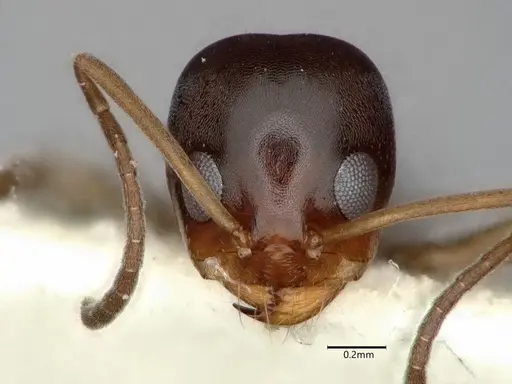
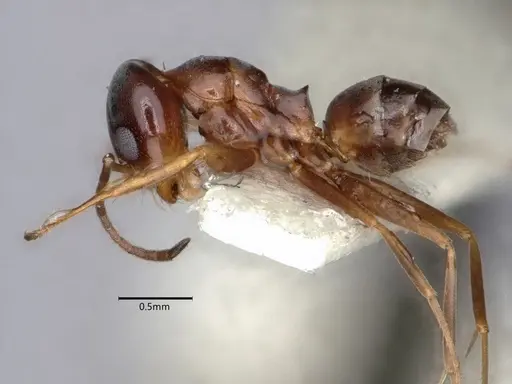
CASENT0843205
View on AntWeb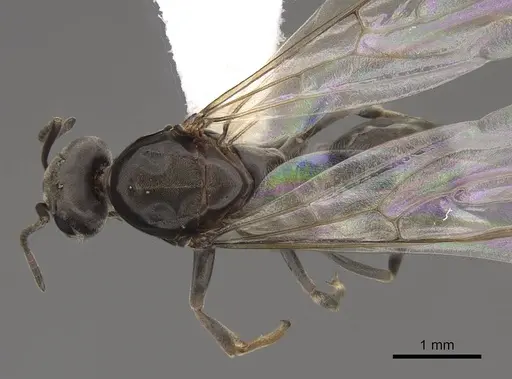
CASENT0843688
View on AntWeb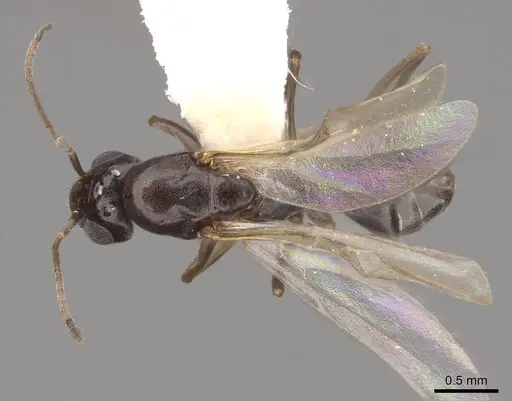
CASENT0902982
View on AntWeb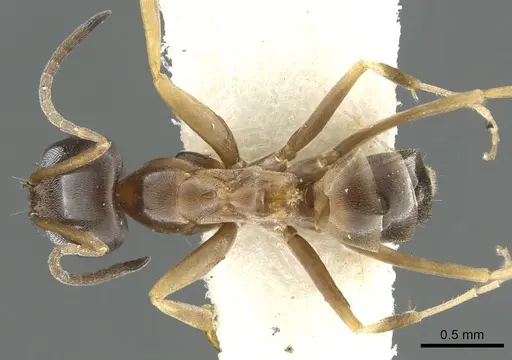
CASENT0914496
View on AntWeb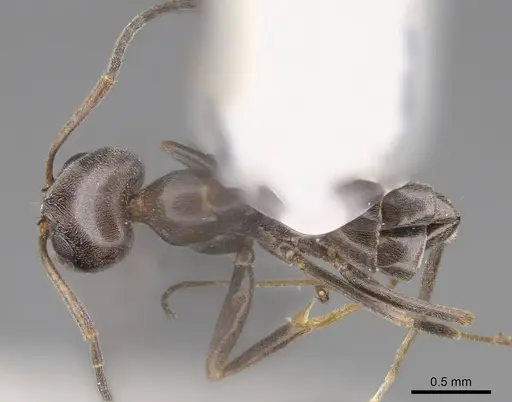
Literature
Loading...Loading products...