

Dolichoderus magnipastor
- Scientific Name
- Dolichoderus magnipastor
- Tribe
- Dolichoderini
- Subfamily
- Dolichoderinae
- Author
- Dill, 2002
- Distribution
- Found in 1 countries
Dolichoderus magnipastor Overview
Dolichoderus magnipastor is an ant species of the genus Dolichoderus. It is primarily documented in 1 countries , including Malaysia. Detailed taxonomic data and occurrence records can be further explored via authoritative databases such as AntWeb or the Global Biodiversity Information Facility (GBIF).
Dolichoderus magnipastor
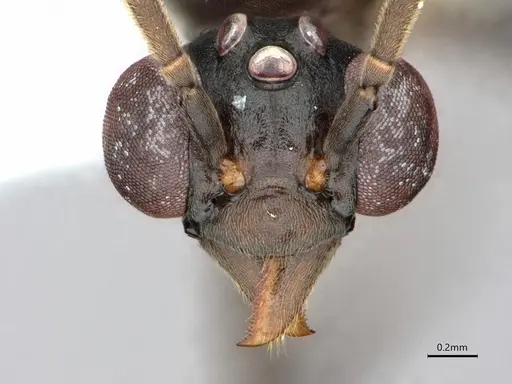
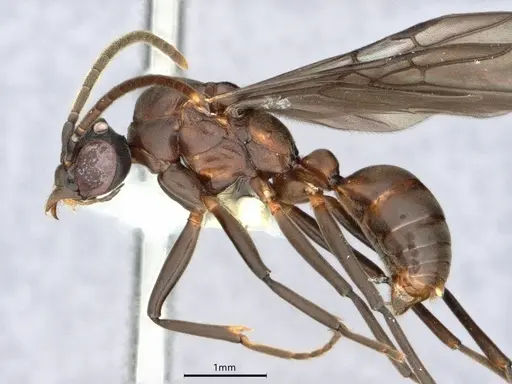
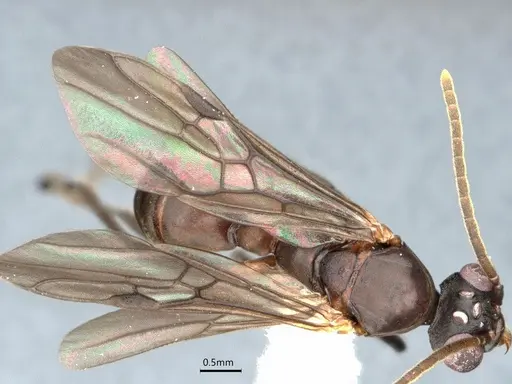
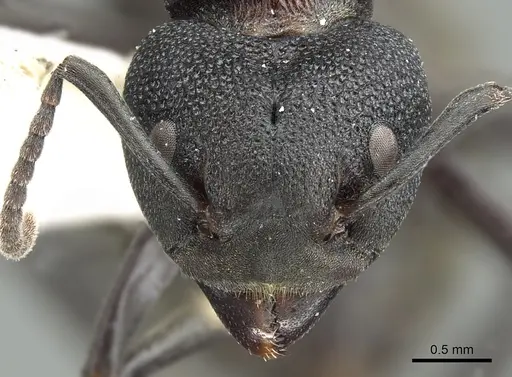
Dolichoderus magnipastor is the largest and most robust species in the Dolichoderus cuspidatus group, with workers measuring 5.53-7.70mm in total length [1]. These ants are native to Northern Borneo and inhabit the high canopy of tropical rainforests, where they form very long, highly frequented trail systems [1]. They are easily identified by their coarse areolate-rugose sculpturing on the head, a distinctive deep median superoccipital pit, and a pair of slender spine-like propodeal appendages with spatulately flattened tips [1].
This species belongs to the "herdsmen ants" group, a fascinating subset of Dolichoderus that tend mealybugs for their honeydew secretions. Dolichoderus magnipastor specifically associates with Doryphorococcus lentiginosus mealybugs and displays a unique transportation behavior where mealybugs ride on the ant's head or between the metathorax and front coxae [1]. This mutualistic relationship is essential for their diet in the wild.
Quick Summary
- Difficulty: Expert
- Origin & Habitat: Northern Borneo (Sabah, Indonesia, Malaysia), high canopy of tropical rainforests [1][2]. Found more commonly in areas with Asplenium nidus ferns and thick plant cover in the crown region [2].
- Colony Type: Colony structure is unconfirmed, queen and male are unknown [1]. Based on related Dolichoderus species, likely single-queen (monogyne) colonies with large worker populations.
- Size & Growth:
- Queen: Unknown, queen has not been described [1]
- Worker: 5.53-7.70mm total length, with head length 1.52-1.84mm and head width 1.68-2.08mm [1]
- Colony: Likely large colonies based on the species name 'magnipastor' (great herdsman) and association with extensive trail systems [1]
- Growth: Unknown, no development data available
- Development: Unknown, no direct development studies exist for this species (Development timeline unconfirmed. Based on typical Dolichoderus patterns from related species, expect several months for complete development.)
- Antkeeping:
- Temperature: Tropical species requiring warm conditions. Start around 24-28°C and maintain stable temperatures within this range. Avoid temperatures below 22°C.
- Humidity: High humidity requirements matching their rainforest canopy origin. Keep nest substrate consistently moist but not waterlogged. Provide humidity levels of 70-85% to mimic their natural environment.
- Diapause: No, as a tropical species from Borneo, they do not require hibernation or winter dormancy. Maintain consistent year-round conditions.
- Nesting: In the wild, they nest in the high canopy. For captivity, a naturalistic setup with vertical space and access to mealybugs or honeydew sources works best. Y-tong or acrylic nests with multiple chambers can work, but they need space for their large workers and trail systems.
- Behavior: Dolichoderus magnipastor is a diurnal (day-active) species that forms extensive foraging trails in the canopy [1]. They are not aggressive toward keepers but may spray formic acid when threatened. Their large size makes them relatively easy to handle, though escape prevention is still important. They are highly active foragers that require space to establish trail systems. The peculiar behavior of carrying mealybugs on their body is unique and reflects their herdsmen lifestyle [1].
- Common Issues: queen and male are unknown, making colony founding extremely difficult, no documented captive breeding exists, tropical humidity requirements can lead to mold issues if ventilation is inadequate, mealybug association means they need a constant honeydew source, this is difficult to replicate in captivity, large colony size requires significant space and resources, escape prevention is critical despite large size, they are agile climbers in the canopy environment
Natural History and Ecology
Dolichoderus magnipastor is a remarkable species endemic to Northern Borneo, where it inhabits the high canopy of tropical rainforests [1]. As a member of the Dolichoderus cuspidatus species group, these ants are known as 'herdsmen ants' due to their mutualistic relationship with mealybugs. D. magnipastor specifically associates with Doryphorococcus lentiginosus mealybugs, tending them for their honeydew secretions [1].
What makes this species particularly unique is their transportation behavior. Unlike typical ant-mealybug associations where mealybugs are simply tended at feeding sites, D. magnipastor physically carries the mealybugs, either riding on the ant's head or positioning themselves between the metathorax and front coxae [1]. This peculiar mode of transport is rare among ants and demonstrates a highly specialized mutualistic relationship.
The species forms extensive trail systems in the canopy, with workers traveling long distances to access resources. They are diurnal, meaning they are most active during daylight hours [1]. The abundance data from fogging studies (13,051 individuals) indicates this is one of the more common canopy-dwelling ants in Borneo [3].
Housing and Nest Setup
Housing Dolichoderus magnipastor presents significant challenges due to their arboreal (tree-dwelling) nature and specialized diet. Unlike ground-nesting ants, they require vertical space to simulate the canopy environment. A naturalistic setup with live plants, branches, and vertical structures works best to mimic their natural habitat.
For nesting, they will use cavities in wood or bark, similar to how they nest in tree hollows in the wild. Acrylic nests with multiple connected chambers can work, but ensure adequate ventilation to prevent mold while maintaining high humidity. The nest should be placed in the upper portion of the enclosure to reflect their canopy preference.
Because they form extensive trail systems, the outworld (foraging area) needs to be spacious. Include vertical surfaces and branches for them to explore. Escape prevention is important, while they are large ants, they are agile climbers in their natural canopy environment.
Temperature should be maintained at 24-28°C using a heating cable on one side of the nest if room temperature is insufficient. Humidity should be kept high (70-85%) with regular misting and a water source. The substrate should remain consistently moist but never waterlogged.
Feeding and Diet
In the wild, Dolichoderus magnipastor primarily feeds on honeydew produced by their tended mealybugs (Doryphorococcus lentiginosus) [1]. This makes them primarily saccharine (sugar-feeding) ants, though they likely also supplement their diet with small insects and nectar.
In captivity, replicating their natural diet is challenging. The ideal approach is to culture the specific mealybug species they associate with, though this may be difficult to obtain. As an alternative, you can offer:
- Sugar water or honey water (diluted, changed frequently), this mimics honeydew
- Live small insects (fruit flies, small crickets, mealworms) for protein
- Nectar or sugar-rich fruits as occasional treats
The key challenge is that they are specialized honeydew feeders. Without access to mealybugs or a similar honeydew source, they may not thrive long-term. Some keepers have success with constant availability of sugar water, but this is a compromise from their natural diet.
Feed sugar sources continuously (replace every 2-3 days) and offer protein prey 2-3 times per week. Remove uneaten prey to prevent mold.
Challenges in Captive Care
Dolichoderus magnipastor is an expert-level species with several factors that make captive keeping extremely difficult. First and foremost is the lack of documented captive breeding. The queen and male have never been described [1], meaning there are no established protocols for colony founding. Wild-caught colonies are the only option, and these are difficult to obtain given their canopy-dwelling nature.
The second major challenge is their specialized diet. As herdsmen ants, they depend on mealybugs for honeydew. Replicating this mutualistic relationship in captivity is difficult and requires either culturing appropriate mealybugs or providing constant sugar sources.
Third, their tropical rainforest origin means they require high humidity (70-85%) and warm temperatures (24-28°C) year-round. Maintaining these conditions without causing mold problems requires careful balance.
Finally, their large colony size and extensive trail systems require significant space. A small setup will not accommodate their natural behaviors.
For these reasons, D. magnipastor is not recommended for most antkeepers. Those with experience keeping tropical Dolichoderus species and the ability to provide specialized care may attempt keeping wild-caught colonies, but success is not guaranteed.
Related Species and Comparison
Dolichoderus magnipastor belongs to the Dolichoderus cuspidatus species group, commonly known as herdsmen ants. This group is characterized by their mutualistic relationships with mealybugs and their distinctive morphological features [1].
Within the group, D. magnipastor is the largest and most robust species, which is reflected in its scientific name ('magnus' = great, large) [1]. It can be distinguished from related species like Dolichoderus coniger by its coarse head sculpturing and the presence of slender propodeal spines with spatulate tips.
Other notable species in the genus include Dolichoderus thoracicus, which is also common in Bornean canopy habitats and often found in high abundance in studies [3]. However, D. magnipastor is unique in its specific association with Doryphorococcus lentiginosus mealybugs and its peculiar transportation behavior.
For antkeepers interested in herdsmen ants, more commonly kept species in the Dolichoderus genus may be better choices, as D. magnipastor's specialized requirements make it one of the most challenging ants to maintain in captivity.
Frequently Asked Questions
How big do Dolichoderus magnipastor workers get?
Workers are large, measuring 5.53-7.70mm in total length. Their head alone is 1.52-1.84mm wide, making them one of the largest Dolichoderus species in the cuspidatus group [1].
Can I keep Dolichoderus magnipastor in a test tube?
A test tube is not suitable for this species. They are canopy-dwelling ants that form extensive trail systems and require significant vertical space. A naturalistic setup with branches, plants, and multiple chambers is necessary to accommodate their natural behaviors.
What do Dolichoderus magnipastor eat?
They are primarily honeydew feeders, tending Doryphorococcus lentiginosus mealybugs in the wild for their sugar-rich secretions [1]. In captivity, offer sugar water or honey water continuously, along with small live insects for protein.
How long does it take for Dolichoderus magnipastor to develop from egg to worker?
This is unknown, no development studies exist for this species. Based on typical Dolichoderus patterns, expect several months for complete development, but this is only an estimate.
Are Dolichoderus magnipastor good for beginners?
No. This is an expert-level species due to multiple factors: the queen and male are unknown (no captive breeding documented), they require a specialized honeydew diet from mealybugs, they need high canopy-style housing with significant space, and they require tropical humidity and temperature conditions year-round [1].
Do Dolichoderus magnipastor need hibernation?
No. As a tropical species from Borneo, they do not require hibernation or winter dormancy. Maintain consistent year-round conditions with temperatures around 24-28°C.
How big do Dolichoderus magnipastor colonies get?
Colony size is not precisely documented, but the species name 'magnipastor' (great herdsman) references both large workers and very large colonies. They form 'very long, highly frequented trail systems' in the wild, indicating colonies of hundreds to potentially over 1000 workers [1].
Can I keep multiple queens together?
This is unknown. The colony structure has not been documented for this species, even the queen has never been described [1]. Based on related Dolichoderus species, they likely form single-queen colonies, but this is unconfirmed.
Where does Dolichoderus magnipastor live?
They are endemic to Northern Borneo, found in Sabah (Indonesia, Malaysia). They inhabit the high canopy of tropical rainforests, where they are commonly found in areas with dense plant cover including Asplenium nidus ferns [1][2].
Why is it called 'magnipastor'?
The name comes from Latin: 'magnus' means great or large, and 'pastor' means herdsman. This refers to the fact that this species has the largest workers of all known herdsmen Dolichoderus species and also forms very large colonies [1].
What makes Dolichoderus magnipastor unique?
Several things make this species unique: it is the largest and most robust species in the Dolichoderus cuspidatus group [1], it has a peculiar transportation behavior where mealybugs ride on the ant's head or between body segments [1], and it is one of the most common canopy ants in Borneo, with 13,051 individuals recorded in fogging studies [3].
References

This caresheet is licensed under CC BY-SA 4.0 .
CASENT0886017
View on AntWeb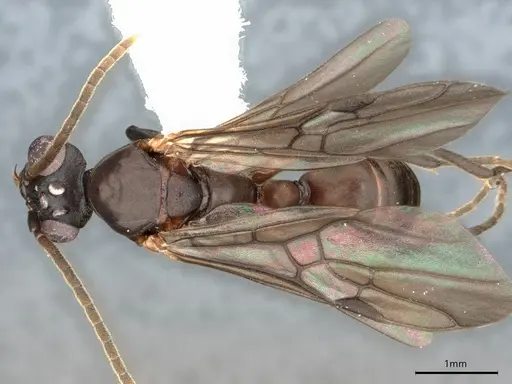
CASENT0902962
View on AntWeb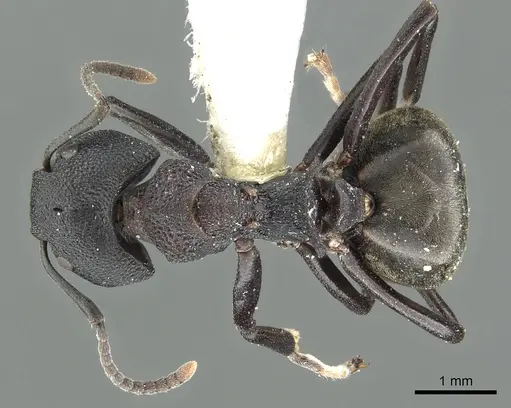
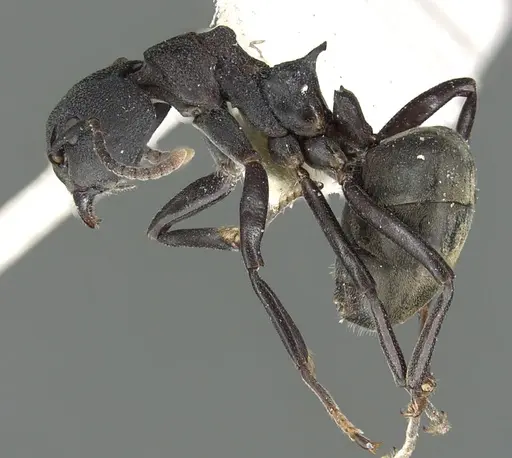
Literature
Loading...Loading products...