

Dolichoderus coniger
- Scientific Name
- Dolichoderus coniger
- Tribe
- Dolichoderini
- Subfamily
- Dolichoderinae
- Author
- Mayr, 1870
- Distribution
- Found in 1 countries
Dolichoderus coniger Overview
Dolichoderus coniger is an ant species of the genus Dolichoderus. It is primarily documented in 1 countries , including Malaysia. Detailed taxonomic data and occurrence records can be further explored via authoritative databases such as AntWeb or the Global Biodiversity Information Facility (GBIF).
Dolichoderus coniger
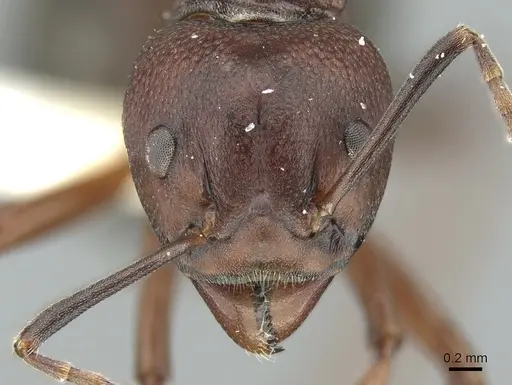
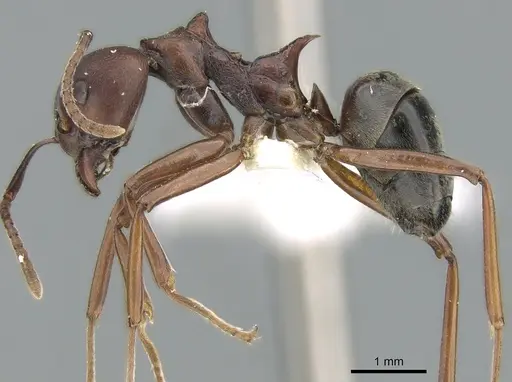
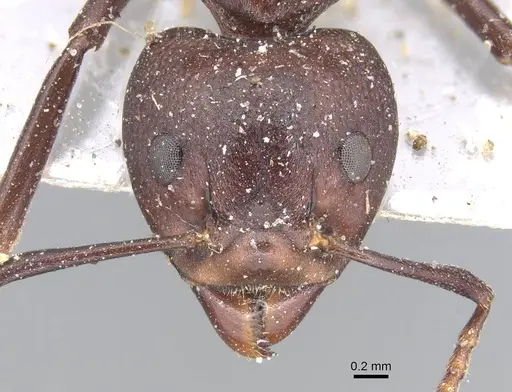
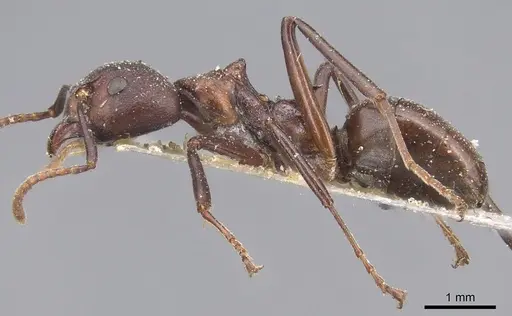
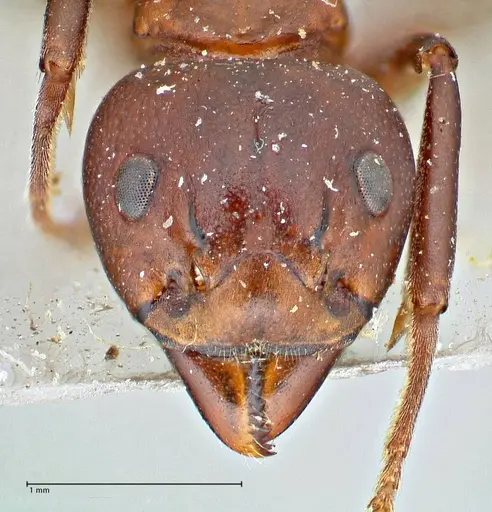
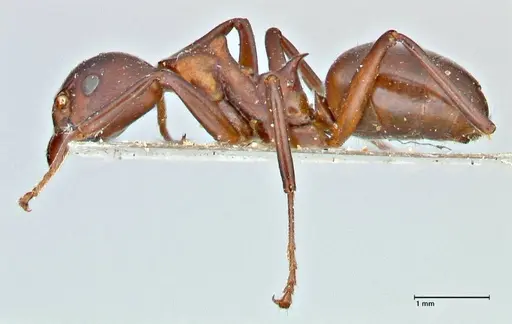
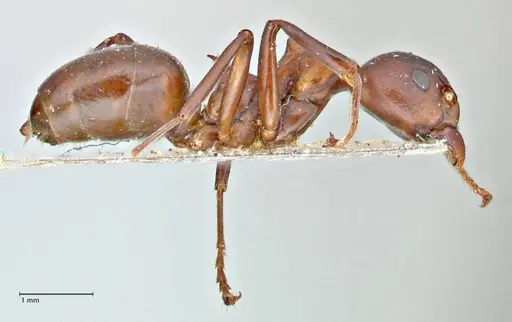
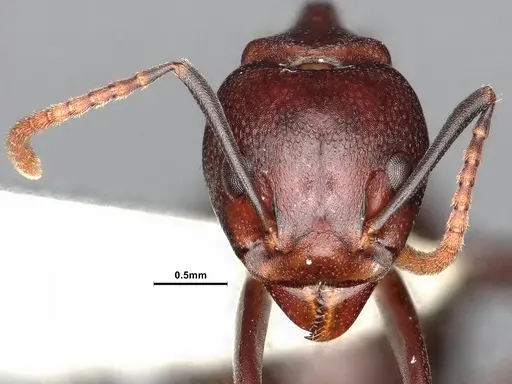
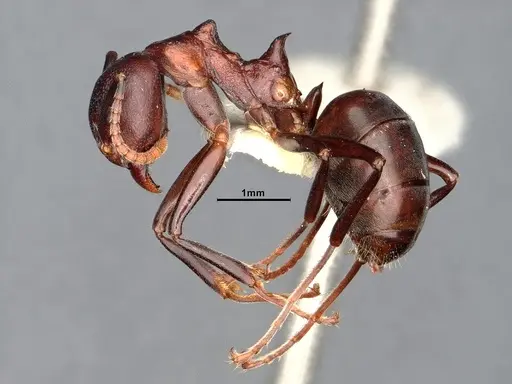
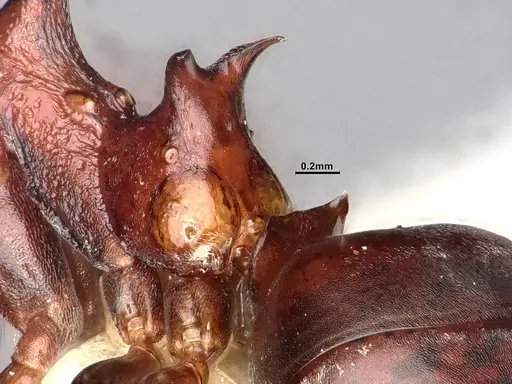
Dolichoderus coniger is a medium-sized ant native to Borneo, measuring 5.18-6.80 mm in total worker length [1]. Workers have a distinctive appearance with a finely reticulate (micro-imbricate) body surface that ranges from yellowish-brown to black, and they possess a unique pair of well-developed, slender spines on the propodeum. The mesonotum features a single cone-shaped hump without spines, which distinguishes them from related species [1]. This ant belongs to the Dolichoderus cuspidatus species group, commonly known as herdsmen ants due to their remarkable mutualistic relationship with mealybugs in the genus Malaicoccus [1].
What makes D. coniger particularly fascinating is their specialized trophobiont herding behavior. These ants actively transport mealybugs (Malaicoccus poringensis, M. eastopi, and M. kubahensis) on a regular basis, moving them between feeding sites to tend them for honeydew [1]. The Kubah population exhibits a unique defense mechanism not seen in other Dolichoderus species, they smear a sticky, yellowish-white fluid from their gaster when threatened [1]. Their colonies form long, active trails indicating substantial colony sizes.
Quick Summary
- Difficulty: Expert
- Origin & Habitat: Borneo (Sabah and Sarawak), Indonesia and Malaysia, tropical rainforest environment [1]
- Colony Type: Colony structure is unconfirmed, no documented data on queen number or colony founding
- Size & Growth:
- Queen: Undocumented, no queen measurements available
- Worker: 5.18-6.80 mm total length, with head length 1.27-1.76 mm and head width 1.28-1.86 mm [1]
- Colony: Large colonies indicated by observed long trails with high activity [1]
- Growth: Unknown, no development data available
- Development: Unconfirmed, no direct measurements. Based on typical Dolichoderus patterns from tropical regions, estimate 6-10 weeks at optimal temperature (Development timeline has not been directly studied for this species)
- Antkeeping:
- Temperature: Keep at 24-28°C, these are tropical Borneo ants requiring warm, stable conditions. A gentle gradient with a heating cable on one side allows workers to regulate their temperature
- Humidity: High humidity preferred (70-85%). These forest-floor ants from Borneo need consistently moist substrate. Keep the nest area damp but not waterlogged
- Diapause: No, as a tropical species from Borneo, they do not require hibernation. Maintain year-round warm conditions
- Nesting: In captivity, a naturalistic setup with moist substrate or a Y-tong/plaster nest works well. They prefer enclosed spaces with good humidity retention. The nomadic nature suggests they may benefit from expandable space as colonies grow
- Behavior: These ants are specialized trophobiont herders, they actively tend and transport mealybugs for honeydew. Workers are active foragers, forming long trails to collect resources. They have a unique defense mechanism: the Kubah population smears a sticky yellowish-white fluid from their gaster when threatened [1]. This chemical defense is unusual among Dolichoderus species. Escape prevention should be moderate, workers are a decent size (5-6mm) but can still climb smooth surfaces. They are not particularly aggressive toward keepers but will defend the colony using their sticky secretion.
- Common Issues: tropical species requires precise temperature control, fluctuations can stress colonies, specialized diet may be difficult to replicate, they rely heavily on trophobiont honeydew, unique defense secretion can gum up nest surfaces if colony feels threatened, wild-caught colonies may arrive with their mealybug partners, both need to be maintained, large colony size means they need significant space as they mature
Housing and Nest Setup
Dolichoderus coniger requires a setup that maintains high humidity while providing space for their large colonies. A Y-tong (acrylic) nest with moist plaster or a naturalistic setup with deep, damp substrate works well. Since they are tropical forest ants from Borneo, the nest should retain moisture without becoming waterlogged. Provide a water reservoir connected to the nest to maintain humidity over time. The outworld should be escape-proof but well-ventilated, these are active foragers that need space to patrol. Because they form long trails in the wild, consider providing multiple feeding stations in the outworld. The unique nomadic tendency suggests they may appreciate the ability to expand into new areas as the colony grows. [1]
Feeding and Diet
This species is specialized as a trophobiont herder, their primary food source is honeydew produced by mealybugs in the genus Malaicoccus [1]. In captivity, you will need to replicate this mutualistic relationship. Offer sugar water or honey water as a substitute for honeydew, but the key challenge is maintaining the mealybug partners. The ants will actively tend and transport mealybugs, so consider establishing a culture of Malaicoccus or similar mealybug species. Supplement with small insects (fruit flies, small crickets, mealworms) for protein. The Kubah population's unique defense behavior suggests stress can trigger their sticky secretion, so minimize disturbances during feeding. Fresh protein should be offered 2-3 times per week, with sugar sources constantly available.
Temperature and Seasonal Care
As a Borneo endemic, Dolichoderus coniger requires warm, stable tropical conditions year-round. Maintain temperatures between 24-28°C in the nest area. A heating cable placed on top of the nest can create the necessary warmth without overdrying the substrate. Room temperature alone is likely insufficient for most keepers, supplemental heating is recommended. These ants have no diapause requirement and should never be exposed to cool temperatures that might trigger dormancy. Humidity is equally important, aim for 70-85% relative humidity. Monitor condensation levels in the nest and adjust misting or water reservoirs accordingly. Avoid temperature fluctuations, as these tropical ants are sensitive to changes. [1]
Behavior and Defense
The most distinctive behavioral trait of D. coniger is their specialized trophobiont herding. Workers actively transport mealybugs (Malaicoccus species) to new feeding sites, caring for and protecting them in exchange for honeydew [1]. This behavior is reflected in their foraging, they form organized trails rather than scattered individual foragers. The Kubah population demonstrates a unique defense mechanism not seen in other Dolichoderus species: when threatened, workers smear a sticky yellowish-white fluid from their gaster [1]. This chemical defense can be quite effective but may also create housekeeping challenges in captivity, as the sticky substance can adhere to surfaces. Handle the colony gently to avoid triggering this defense response. Workers are not particularly aggressive toward humans but will defend the colony if provoked.
Colony Development
Dolichoderus coniger colonies can reach substantial sizes, as evidenced by the long trails with high activity observed in the wild [1]. However, specific development data (egg-to-worker timeline, nanitic worker size, etc.) has not been documented in scientific literature. Based on typical Dolichoderus genus patterns for tropical species, expect development to take approximately 6-10 weeks from egg to worker at optimal temperature. Growth rate is likely moderate to fast given the large colony sizes observed. Queens have not been described in detail, so specific measurements are unavailable. If you obtain a founding queen, expect a claustral founding (queen seals herself in and lives off stored fat) based on typical Dolichoderus patterns, though this is not confirmed for this specific species.
Ecological Niche and Range
Dolichoderus coniger is endemic to Borneo, specifically found in Sabah and Sarawak regions [1]. The limited distribution to northern Borneo is likely due to the low number of ant collections from Kalimantan (Indonesian Borneo), not a true restriction [1]. They inhabit tropical rainforest environments where they form their specialized mutualistic relationships with mealybugs. The species is part of the Dolichoderus cuspidatus species group, characterized by their propodeal spines and trophobiont-herding lifestyle. Their association with specific mealybug species (M. poringensis, M. eastopi, M. kubahensis) suggests some degree of specialization in their mutualistic relationships [1]. This makes them a scientifically interesting species for antkeepers interested in ant-plant or ant-insect mutualisms.
Frequently Asked Questions
How long does it take for Dolichoderus coniger to produce first workers?
The exact egg-to-worker timeline is unconfirmed for this species. Based on typical Dolichoderus patterns for tropical ants, expect approximately 6-10 weeks at optimal temperature (24-28°C). The lack of specific development data makes this an estimate.
What do Dolichoderus coniger ants eat?
They are specialized trophobiont herders, their primary diet is honeydew from mealybugs (Malaicoccus species) [1]. In captivity, offer sugar water or honey water, and try to maintain mealybug partners. Supplement with small insects like fruit flies or small crickets for protein.
Do Dolichoderus coniger ants need hibernation?
No. As a tropical species from Borneo, they do not require diapause or hibernation. Keep them warm year-round at 24-28°C.
Are Dolichoderus coniger good for beginners?
No. This species is rated Expert difficulty. They have specialized dietary requirements (trophobiont relationship with mealybugs), need precise tropical conditions (high humidity, warm temperatures), and their unique defense secretion can create husbandry challenges. They are best suited for experienced antkeepers.
How big do Dolichoderus coniger colonies get?
Colonies can reach large sizes, as evidenced by the long trails with high activity observed in the wild [1]. The exact maximum is unknown, but they are considered a large-colony species.
Can I keep multiple queens together?
The colony structure (monogyne vs polygyne) is unconfirmed for this species. No documented data exists on whether multiple queens can be kept together or how they establish colonies. Proceed with caution and monitor for aggression if combining unrelated queens.
What temperature range does Dolichoderus coniger need?
Keep nest temperatures between 24-28°C. These tropical Borneo ants require warm, stable conditions year-round. A heating cable on the nest can help maintain appropriate temperatures.
Why does my Dolichoderus coniger colony produce sticky residue?
This is their unique defense mechanism. The Kubah population of D. coniger smears a sticky yellowish-white fluid from their gaster when threatened [1]. This is normal behavior, minimize disturbances to the colony to prevent triggering this defense response.
What size are Dolichoderus coniger workers?
Workers measure 5.18-6.80 mm in total length, with head dimensions of 1.27-1.76 mm length and 1.28-1.86 mm width [1].
Where is Dolichoderus coniger found in the wild?
They are endemic to Borneo, specifically found in Sabah and Sarawak regions of Malaysia and Indonesia [1].
What makes Dolichoderus coniger different from other ants?
They are herdsmen ants, one of the few ant species that actively herd and transport mealybugs (Malaicoccus species) for honeydew [1]. They also have a unique defense mechanism where they smear sticky fluid from their gaster, which is unusual among Dolichoderus species.
References

This caresheet is licensed under CC BY-SA 4.0 .
CASENT0906204
View on AntWeb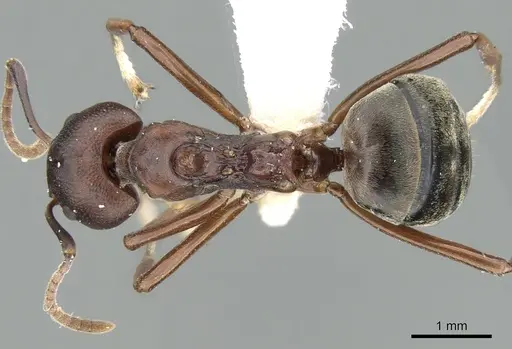
CASENT0915557
View on AntWeb
FOCOL2783
View on AntWeb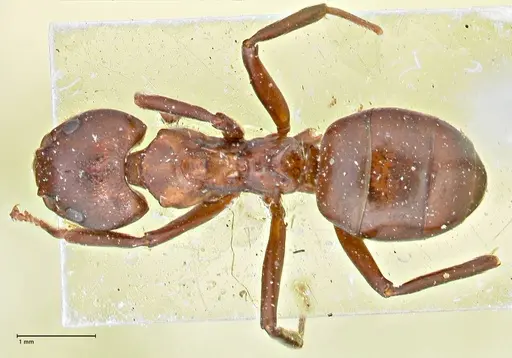
SMFHYM0008893
View on AntWeb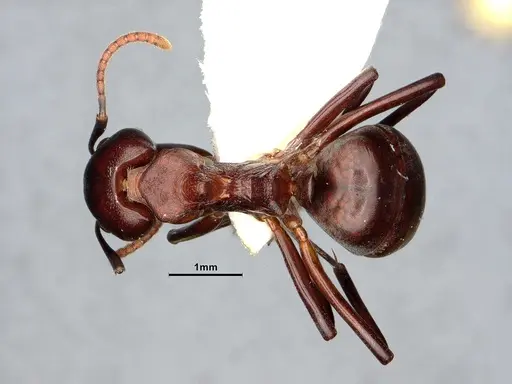
Literature
Loading...Loading products...