

Dolichoderus cuspidatus
- Scientific Name
- Dolichoderus cuspidatus
- Tribe
- Dolichoderini
- Subfamily
- Dolichoderinae
- Author
- Smith, 1857
- Distribution
- Found in 5 countries
Dolichoderus cuspidatus Overview
Dolichoderus cuspidatus is an ant species of the genus Dolichoderus. It is primarily documented in 5 countries , including Brunei Darussalam, China, Indonesia. Detailed taxonomic data and occurrence records can be further explored via authoritative databases such as AntWeb or the Global Biodiversity Information Facility (GBIF).
Dolichoderus cuspidatus
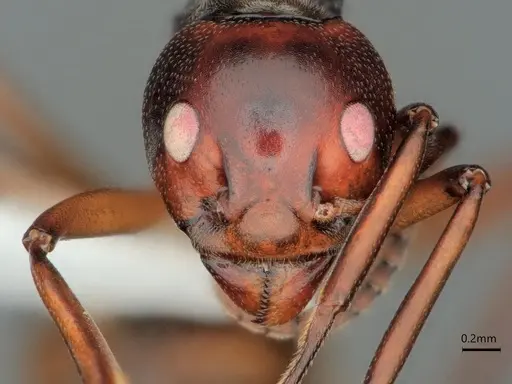
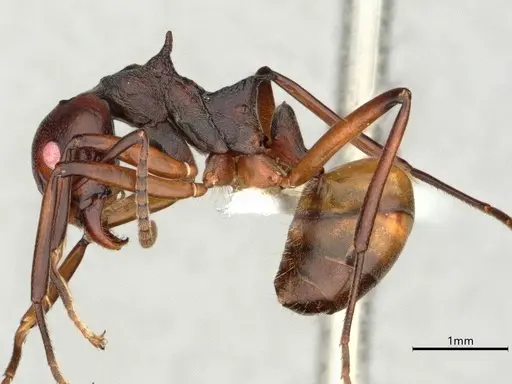
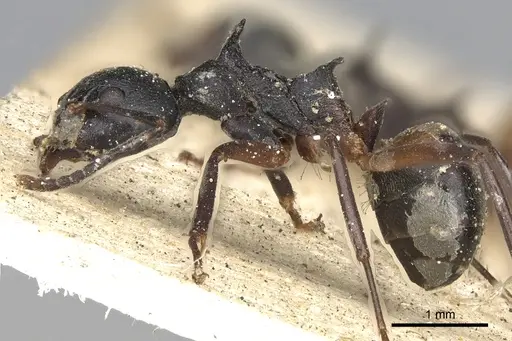
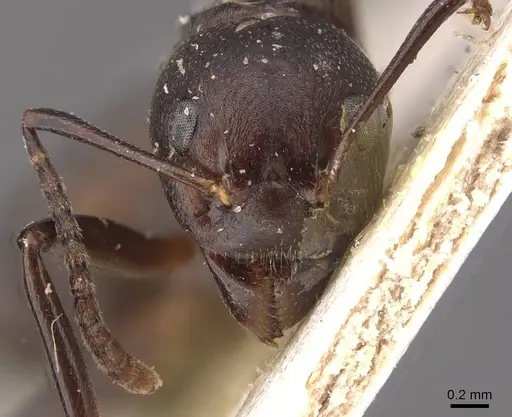
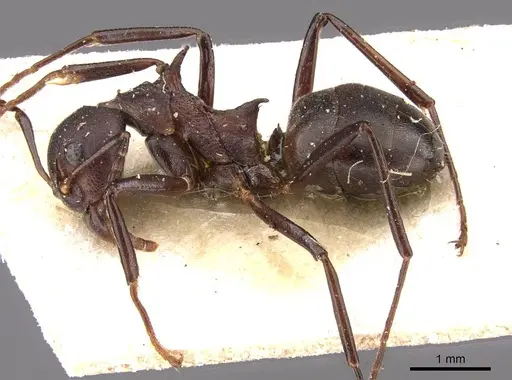
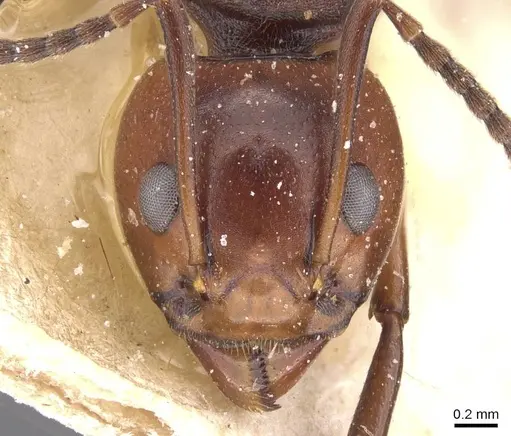
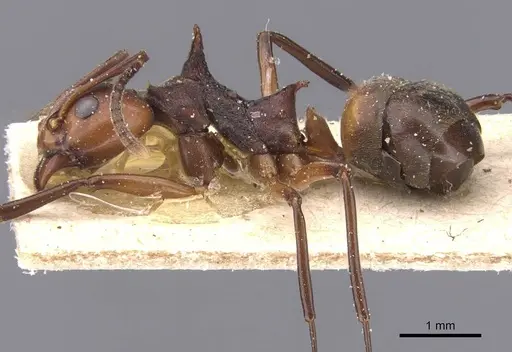
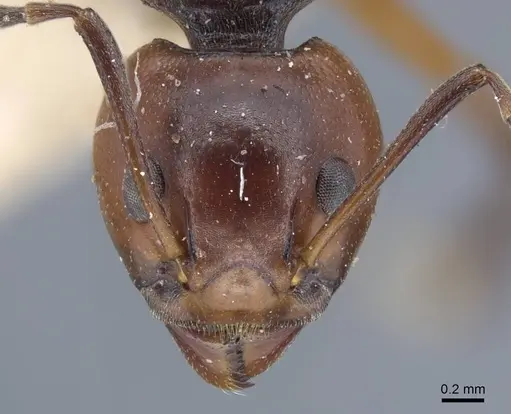
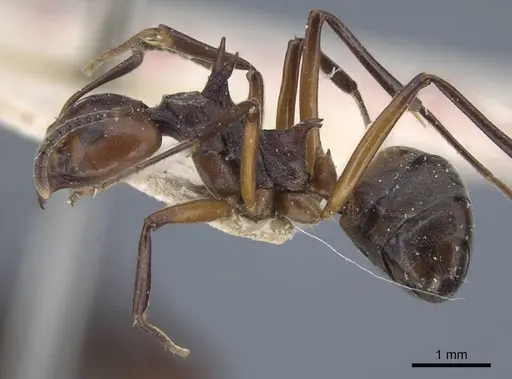
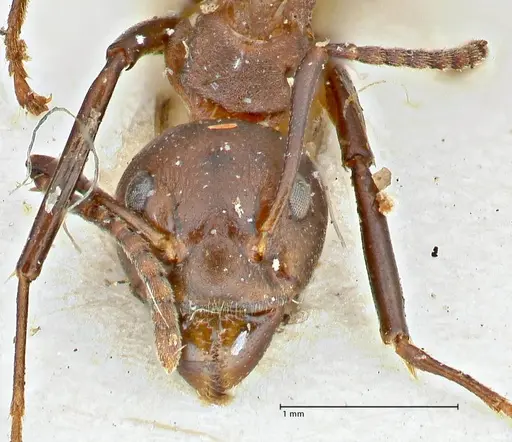
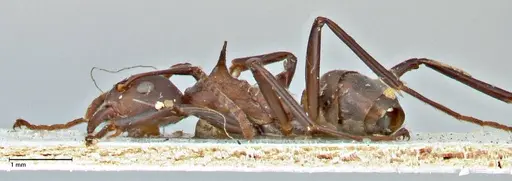
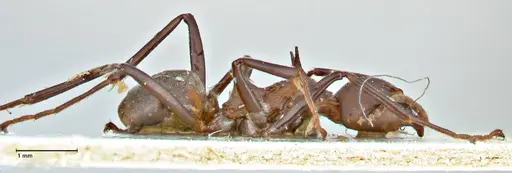
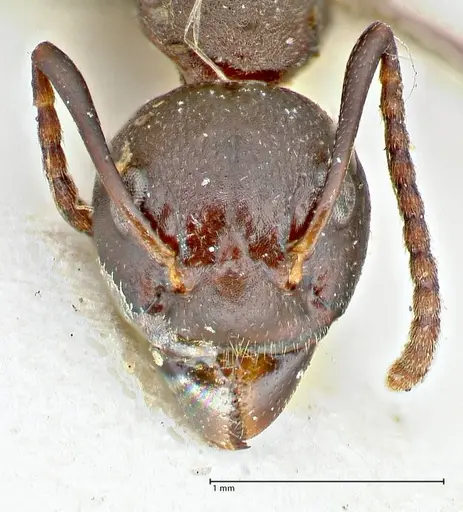
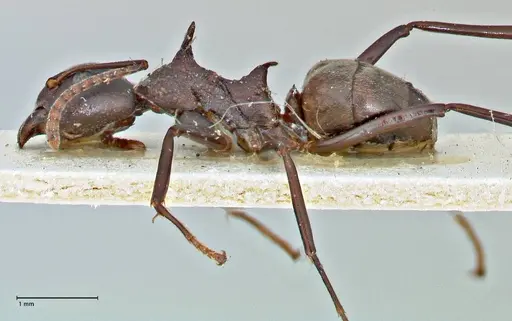
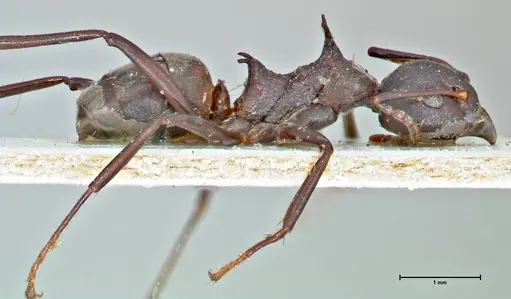
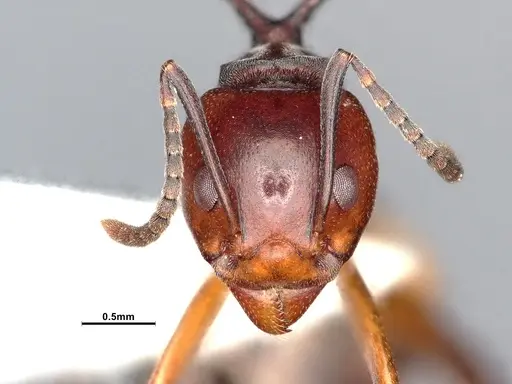
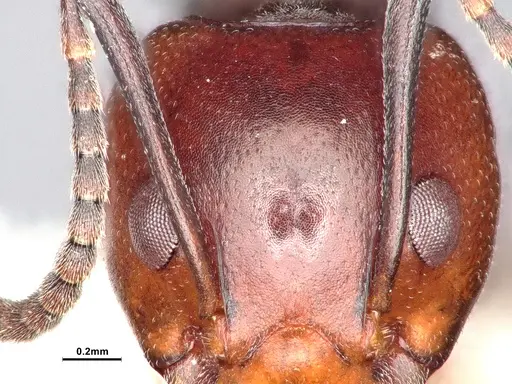
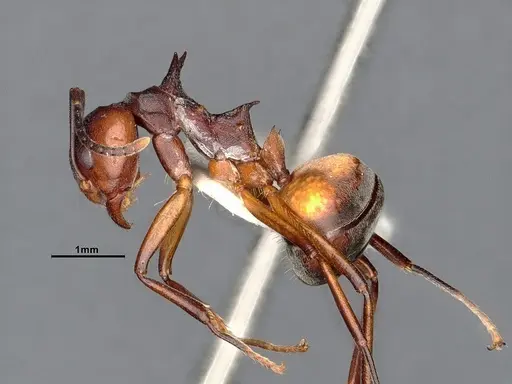
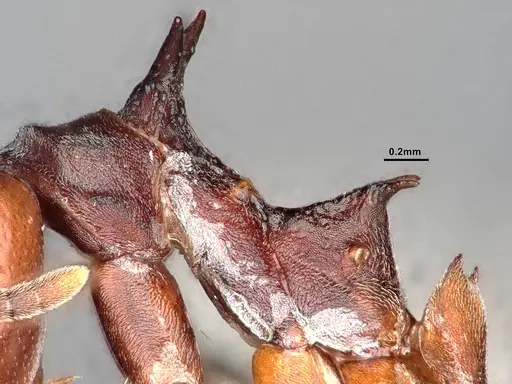
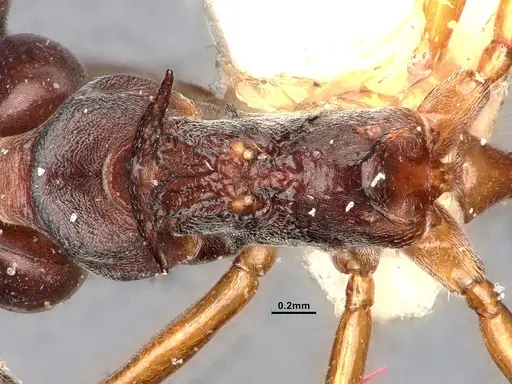
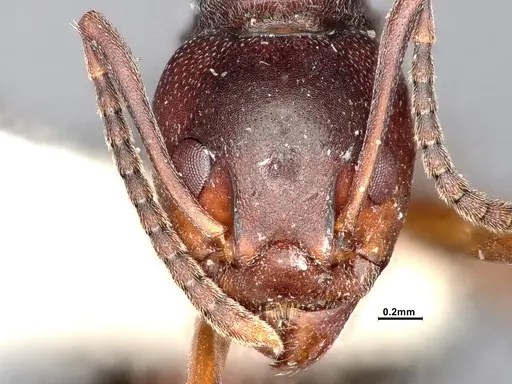
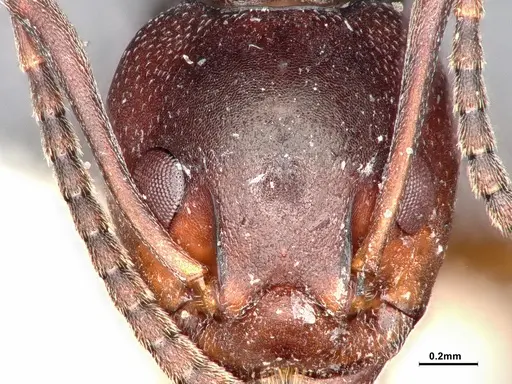
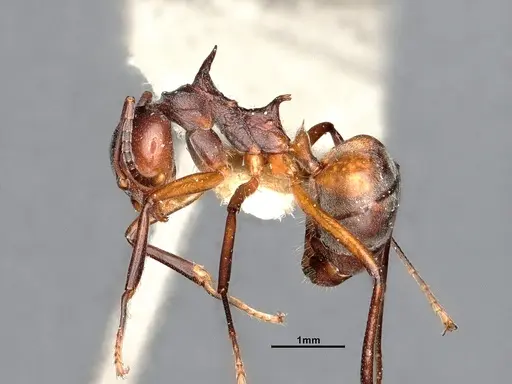
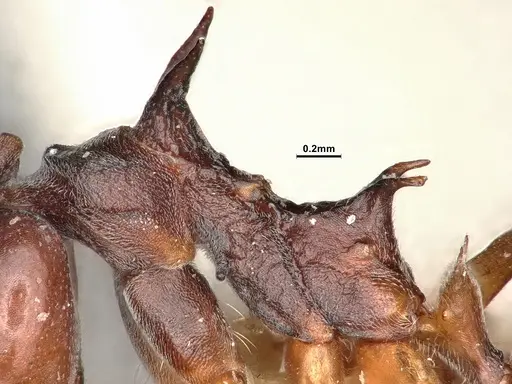
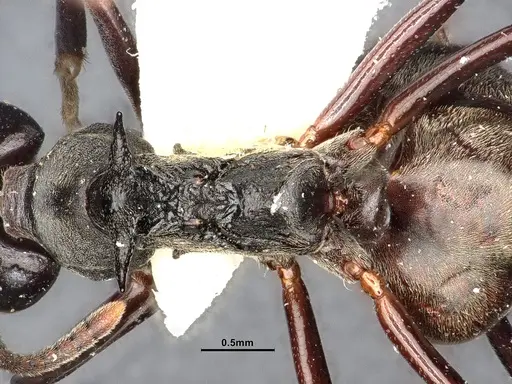
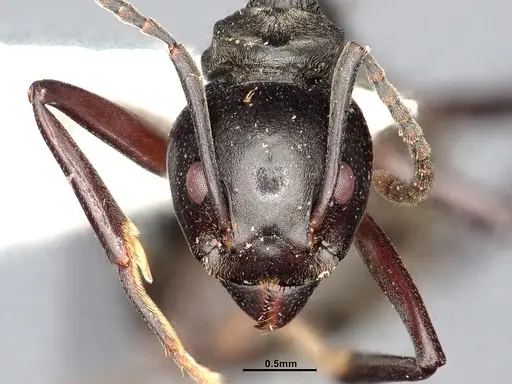
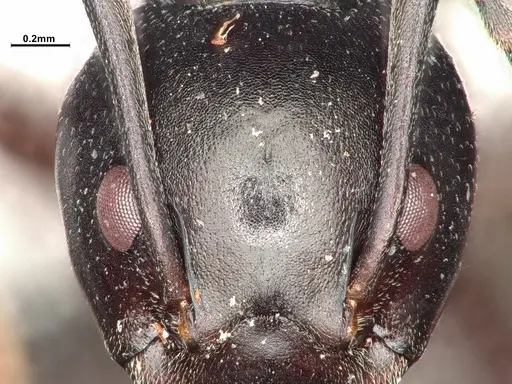
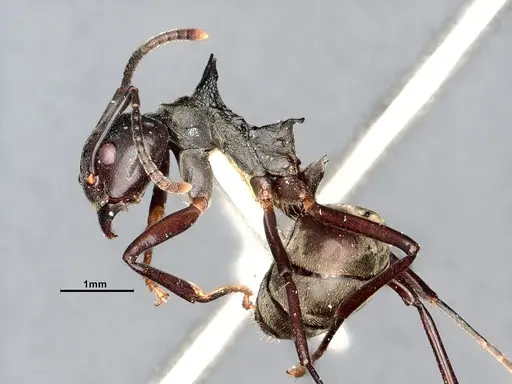
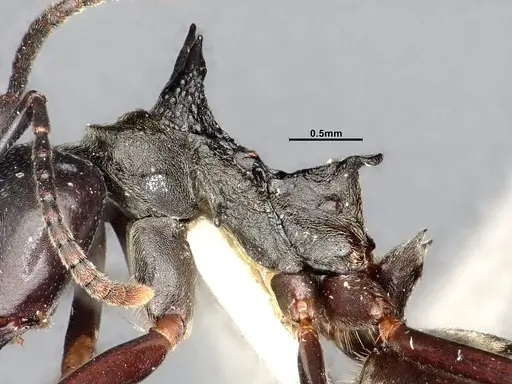
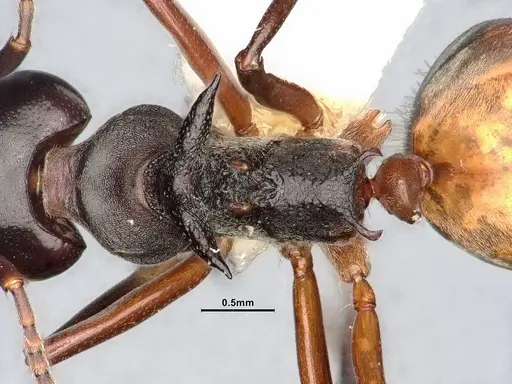
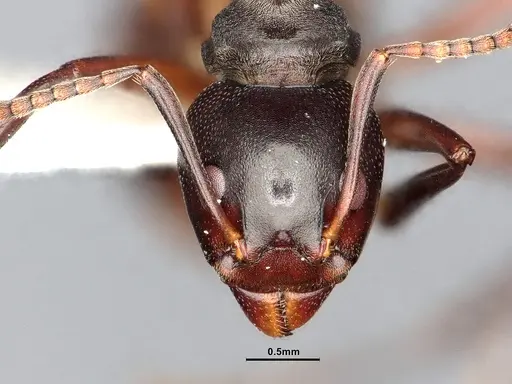
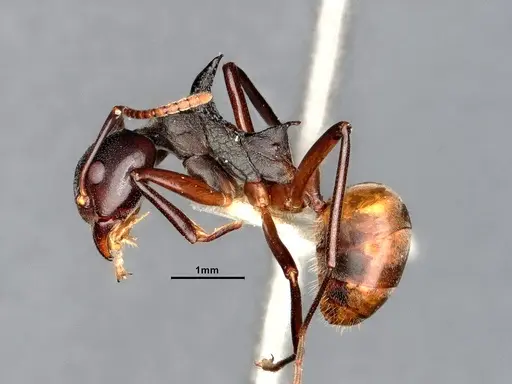
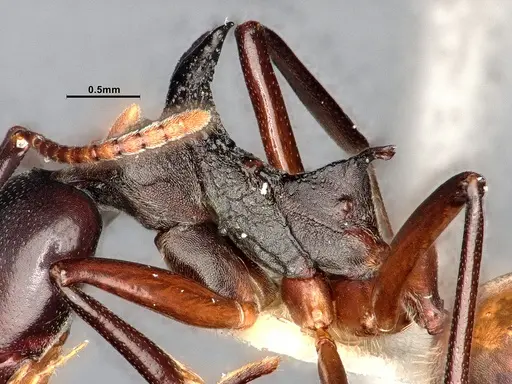
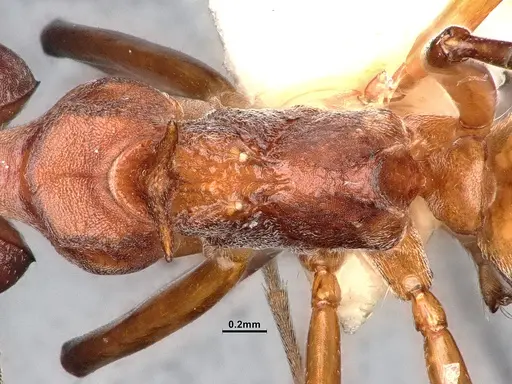
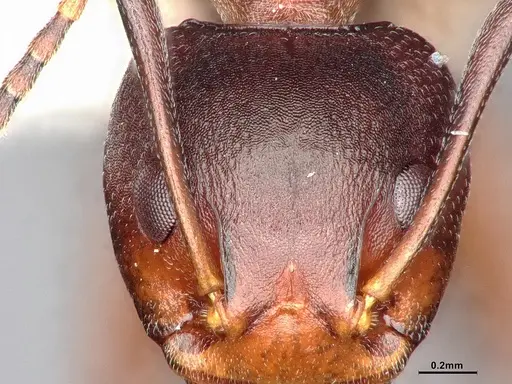
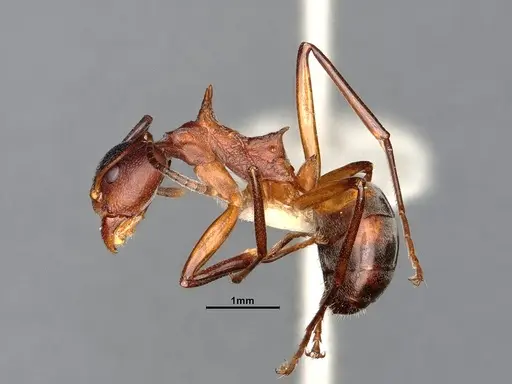
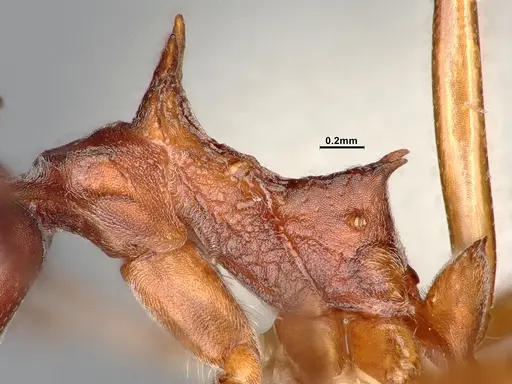
Dolichoderus cuspidatus is a medium-sized ant native to the rainforests of Southeast Asia, including Borneo, Peninsular Malaysia, and Sumatra. Workers measure 4.7-6.5mm and are easily recognized by their distinctive paired spines on the mesonotum and propodeum, which are highly variable in length and thickness across populations [1]. This species belongs to a taxonomically complex group closely related to D. furcifer and D. brevithorax. What makes D. cuspidatus truly remarkable is its lifestyle as a nomadic 'herdsman' ant, these ants cultivate honeydew-producing mealybugs (of the tribe Allomyrmococcini) and continuously move their entire colony and livestock to fresh feeding sites, abandoning permanent nest structures in favor of flexible bivouac nests [1]. Colonies are monogynous with a single wingless ergatoid queen and can grow to over 10,000 workers [1].
Quick Summary
- Difficulty: Expert
- Origin & Habitat: Southeast Asian rainforests of Borneo, Peninsular Malaysia, Sumatra, and possibly Java, from lowlands to 1,150m elevation [1][2]. Found in canopy of lowland dipterocarp forest [2].
- Colony Type: Monogynous (single ergatoid queen) colonies with over 10,000 workers [1]. Queens are ergatoid (wingless) and physogastric (reproductively active with distended abdomen).
- Colony: Monogyne
- Size & Growth:
- Queen: 7.19-8.55 mm (ergatoid queen) [1]
- Worker: 4.73-6.49 mm [1]
- Colony: Over 10,000 workers [1]
- Growth: Fast
- Development: Unknown, no direct development data available for this species (Development timeline has not been directly studied. As a tropical Dolichoderine species, development is likely 4-8 weeks at optimal temperature based on genus patterns.)
- Antkeeping:
- Temperature: Keep at 24-28°C. These are tropical rainforest ants requiring warm, stable temperatures [1]. Use a heating cable on one side of the nest to create a gentle gradient.
- Humidity: High humidity required (70-85%). Maintain consistently moist substrate, think damp rainforest conditions. Provide a water tube for drinking water.
- Diapause: No, as a tropical species, they do not require hibernation. Maintain year-round warm conditions.
- Nesting: This species is nomadic and does not form permanent nests. In captivity, they will likely form bivouac structures using available materials. Provide a naturalistic setup with multiple small chambers or a Y-tong nest with flexible layout. They may accept carton-like materials for bivouac construction [1].
- Behavior: Diurnal and highly active. These ants are specialized mealybug farmers, they transport their mealybug herds when moving to new feeding sites [1]. They show strongly developed transport behavior for mealybugs and will move the entire colony regularly. Workers are medium-sized and good climbers, escape prevention is important. They can be aggressive when defending their mealybug herds. They may follow pheromone trails of other ant species and engage in interspecific competition [3].
- Common Issues: Providing a constant honeydew source is critical, these ants are obligate mealybug farmers and may struggle without their symbiotic partners, Nomadic behavior means they may constantly try to move, provide space for relocation within the enclosure, Large colony size requires significant space and resources, not suitable for small setups, Ergatoid queens are unusual and founding behavior is poorly understood, acquiring a colony may be difficult, Tropical humidity requirements can lead to mold issues if ventilation is poor
The Herdsmen Lifestyle
Dolichoderus cuspidatus is one of the most specialized ants in the ant-keeping hobby, they are obligate farmers of honeydew-producing mealybugs in the tribe Allomyrmococcini (genera Malaicoccus, Dicranococcus, and Borneococcus) [1]. Unlike typical ant-aphid relationships where the ants simply protect and tend their honeydew sources, D. cuspidatus takes this to an extreme level. These ants are true nomads, they do not build permanent nests but instead form bivouac structures (loose aggregations) that can be freely exposed or located in cavities [1]. When the mealybugs exhaust the honeydew supply at one location, the entire colony relocates, carrying their mealybug partners with them. This behavior extends to colony reproduction, when a colony splits by fission, the mealybug partners are divided along with the ant colony to ensure the symbiosis continues uninterrupted [1]. In captivity, you will need to provide either live mealybugs or a reliable alternative honeydew/sugar source.
Housing and Nest Setup
This species presents unique challenges for housing due to its nomadic behavior. Unlike most ants that settle into a permanent formicarium, D. cuspidatus will likely attempt to form bivouac structures and may regularly relocate within their enclosure. Provide a naturalistic setup with multiple potential nesting areas, a Y-tong nest works well but allow plenty of open space for bivouac formation. They may use fragile carton-like materials for nest construction [1]. Ensure the setup includes branches, leaves, or artificial structures where they can tend mealybugs. The enclosure should be tall enough to accommodate their arboreal lifestyle, these are canopy-dwelling ants in the wild [2]. Use excellent escape prevention as workers are medium-sized and active climbers.
Feeding and Diet
D. cuspidatus is specialized to rely on honeydew from mealybugs as their primary food source [1]. In captivity, you have several options: (1) Provide live mealybugs, this is the most natural approach and matches their wild diet. Mealybugs in the tribe Allomyrmococcini (Malaicoccus, Dicranococcus, Borneococcus) are their natural partners, though other mealybug species may be accepted. (2) Offer sugar water or honey as a honeydew substitute, while they may accept these, it does not provide the complete nutrition of the natural symbiosis. (3) Supplement with small insects for protein. The key challenge is maintaining a sustainable mealybug population alongside the ant colony, this is the primary difficulty in keeping this species successfully.
Temperature and Humidity
As tropical rainforest ants from Southeast Asia, D. cuspidatus requires warm and humid conditions year-round. Maintain temperatures between 24-28°C with a gentle gradient allowing the ants to self-regulate. High humidity (70-85%) is essential, use a water tube and maintain moist substrate without waterlogging. These ants are diurnal and active throughout the day in warm conditions [1]. Do not allow temperatures to drop below 22°C for extended periods. Since they do not undergo diapause, maintain consistent conditions throughout the year.
Colony Structure and Reproduction
Colonies consist of a single ergatoid (wingless) queen that is physogastric, her abdomen becomes greatly distended for reproduction [1]. Unlike typical ants where the queen seals herself away to found a colony alone, ergatoid queens are already reproductively active and may not exhibit classic claustral founding. Colonies reproduce through fission: when large enough, the colony splits into two daughter colonies, each carrying a portion of the mealybug partners [1]. This ensures the symbiotic relationship continues with each new colony. The large colony size (10,000+ workers) means these ants require significant space and resources once established.
Frequently Asked Questions
Can I keep Dolichoderus cuspidatus in a test tube?
Test tubes are not suitable for this species. D. cuspidatus is nomadic and forms bivouac nests rather than permanent structures. They need space to move and form their loose aggregations. A naturalistic setup or Y-tong formicarium with ample roaming space is more appropriate.
What do Dolichoderus cuspidatus eat?
They are specialized mealybug farmers. In the wild, they obtain honeydew from mealybugs in the tribe Allomyrmococcini. In captivity, provide either live mealybugs (their natural partners) or sugar water/honey as a substitute. Supplement with small insects for protein.
How long until first workers in Dolichoderus cuspidatus?
The exact development timeline has not been documented. Based on typical tropical Dolichoderine development, expect approximately 4-8 weeks from egg to worker at optimal temperature (24-28°C). However, this is an estimate as specific development data is not available.
Are Dolichoderus cuspidatus good for beginners?
No. This is an expert-level species due to several challenging requirements: they need a constant honeydew source (live mealybugs), they are nomadic and don't settle in permanent nests, they require high humidity and temperature, and they form very large colonies (10,000+ workers) requiring significant space.
Do Dolichoderus cuspidatus need hibernation?
No. As a tropical species from Southeast Asian rainforests, they do not require hibernation or diapause. Maintain year-round warm (24-28°C) and humid conditions.
How big do Dolichoderus cuspidatus colonies get?
Colonies can grow to over 10,000 workers [1]. This is a very large colony size requiring significant space and resources. Plan accordingly when setting up their enclosure.
Can I keep multiple queens together?
No. This species is monogynous, colonies have a single ergatoid queen [1]. Multiple queens would likely fight. Do not attempt to combine unrelated foundresses.
When should I move Dolichoderus cuspidatus to a formicarium?
Due to their nomadic bivouac-building behavior, traditional formicaria are not ideal. A naturalistic setup with multiple potential nesting areas and branches for mealybug cultivation is preferred. They may not settle into a conventional formicarium at all.
Why are my Dolichoderus cuspidatus dying?
Common causes include: lack of honeydew source (mealybugs or sugar alternatives), temperatures below 22°C, low humidity, or stress from relocation attempts. These ants are highly specialized and may decline without their mealybug partners. Ensure warm, humid conditions and an appropriate food source.
References

This caresheet is licensed under CC BY-SA 4.0 .
CASENT0249568
View on AntWeb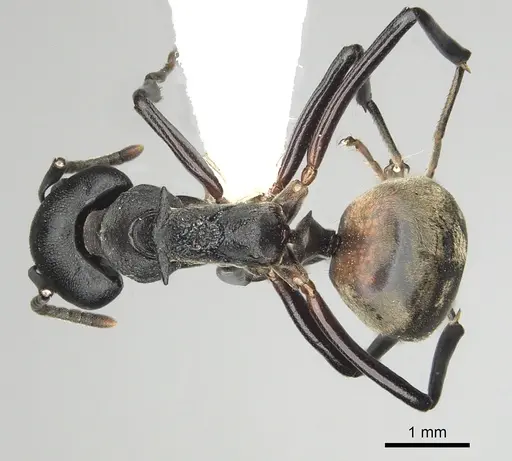
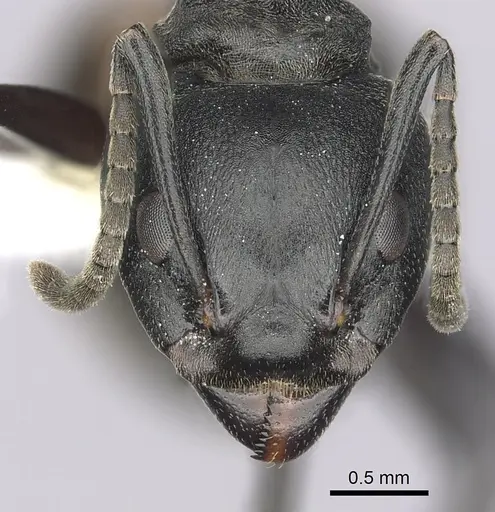
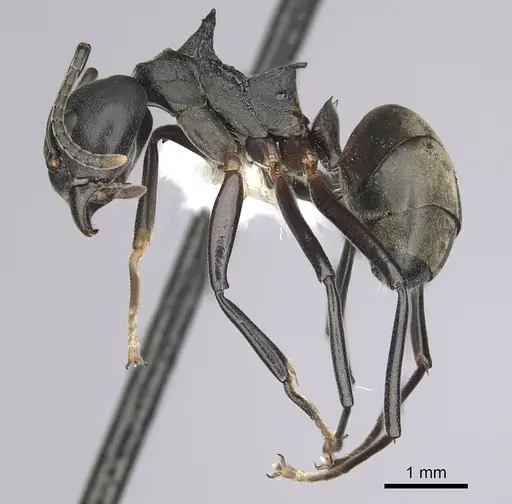
CASENT0866538
View on AntWeb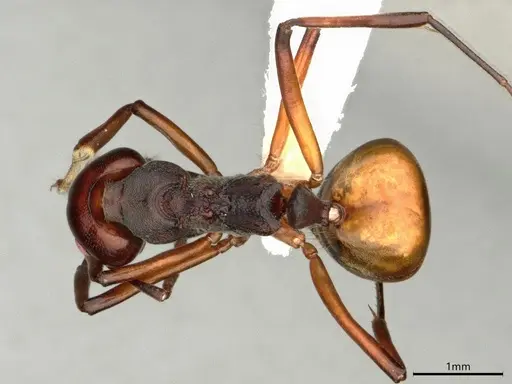
CASENT0901856
View on AntWeb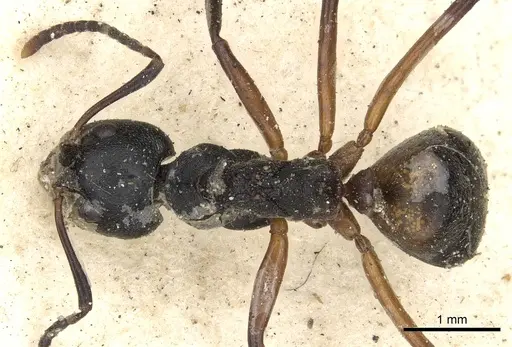
CASENT0909481
View on AntWeb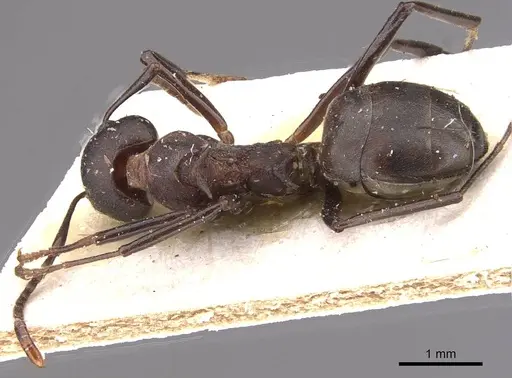
CASENT0911495
View on AntWeb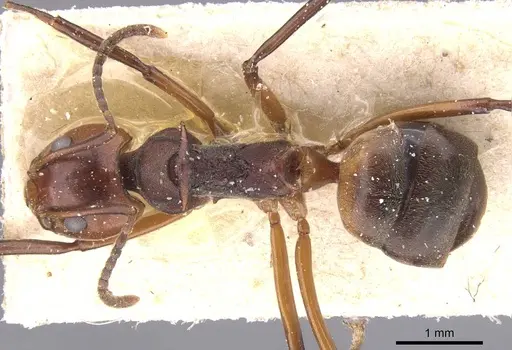
CASENT0917098
View on AntWeb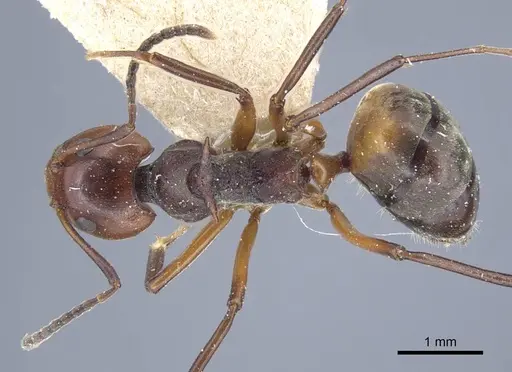
FOCOL2764
View on AntWeb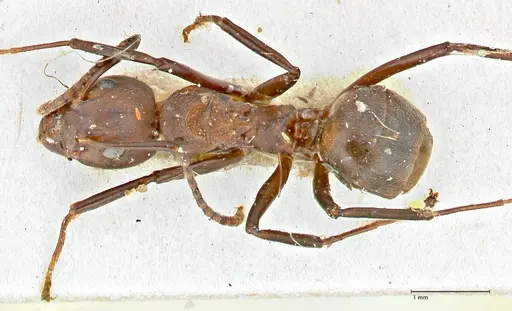
FOCOL2765
View on AntWeb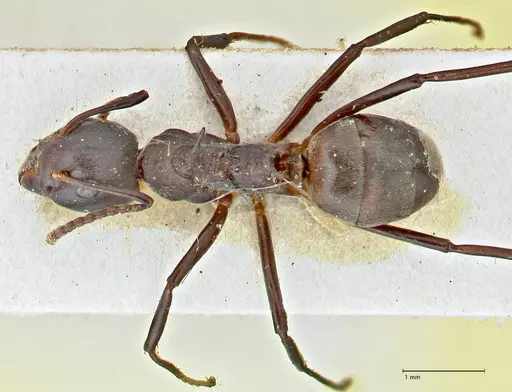
SMFHYM0008914
View on AntWeb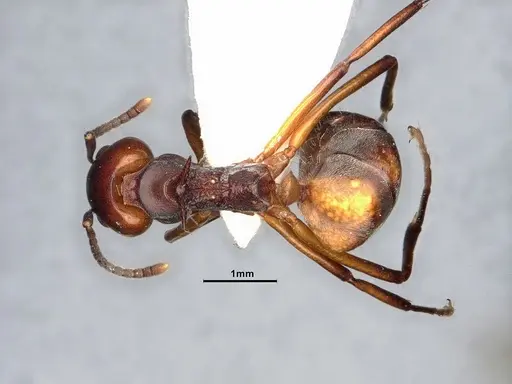
SMFHYM0008915
View on AntWeb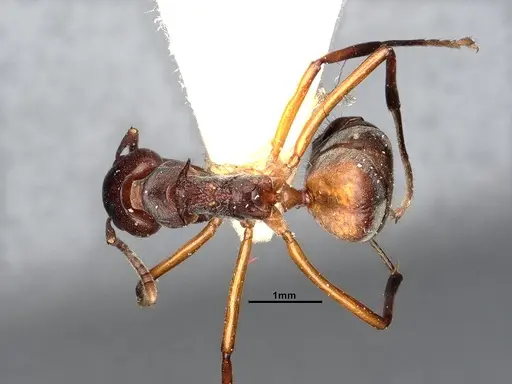
SMFHYM0008916
View on AntWeb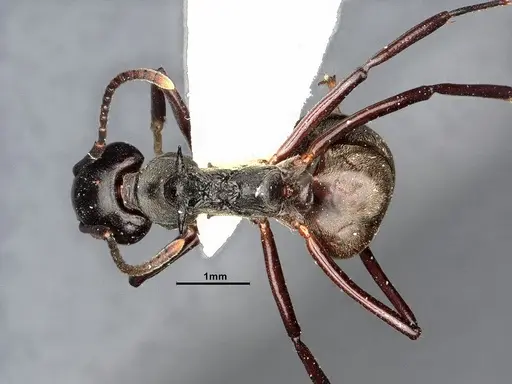
SMFHYM0008917
View on AntWeb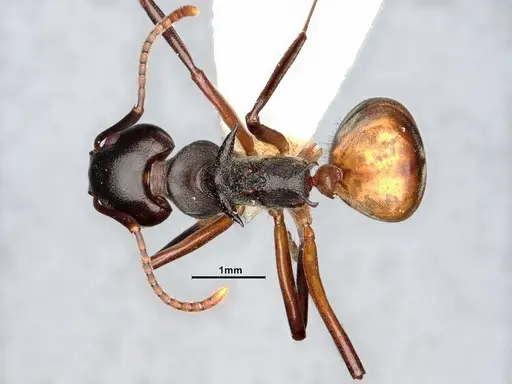
SMFHYM0008918
View on AntWeb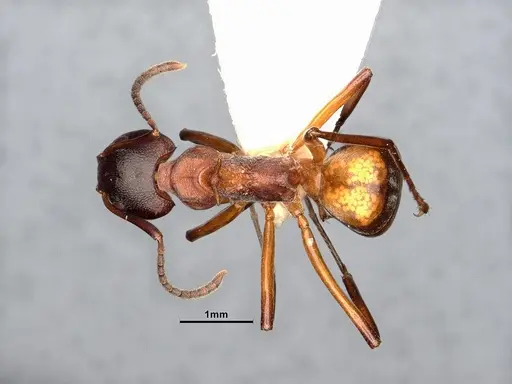
Literature
Loading...Loading products...