
Dolichoderus thoracicus shows a January to December flight window. Peak activity occurs in February, with nuptial flights distributed across 4 months.
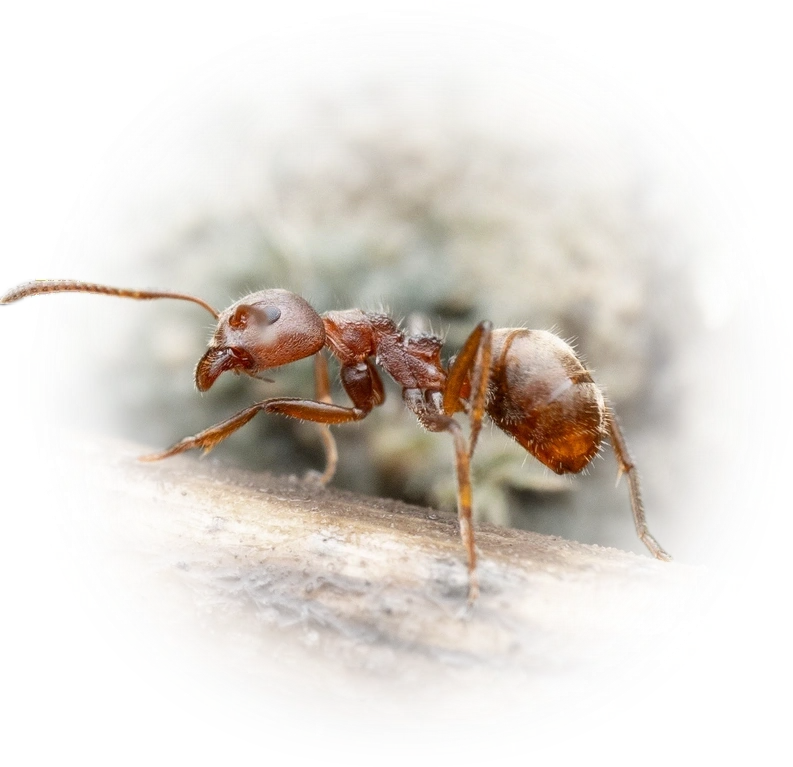
Dolichoderus thoracicus
- Scientific Name
- Dolichoderus thoracicus
- Tribe
- Dolichoderini
- Subfamily
- Dolichoderinae
- Author
- Smith, 1860
- Common Name
- Cocoa Black Ant
- Distribution
- Found in 9 countries
- Nuptial Flight
- from January to December, peaking in February
AI Identifiable
try →
Dolichoderus thoracicus Overview
Dolichoderus thoracicus (commonly known as the Cocoa Black Ant) is an ant species of the genus Dolichoderus. It is primarily documented in 9 countries , including China, Indonesia, India. Detailed taxonomic data and occurrence records can be further explored via authoritative databases such as AntWeb or the Global Biodiversity Information Facility (GBIF).
The nuptial flight of Dolichoderus thoracicus is a significant biological event, typically occurring from January to December, peaking in February. During this time, winged queens and males leave the nest to mate and establish new colonies.
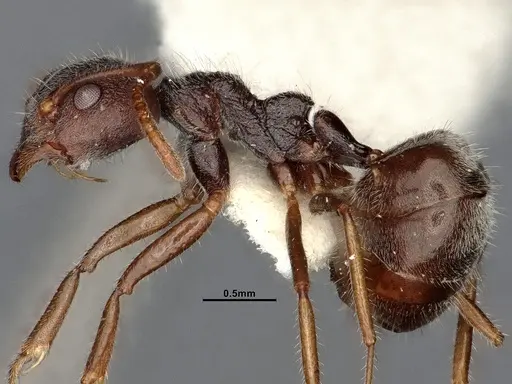
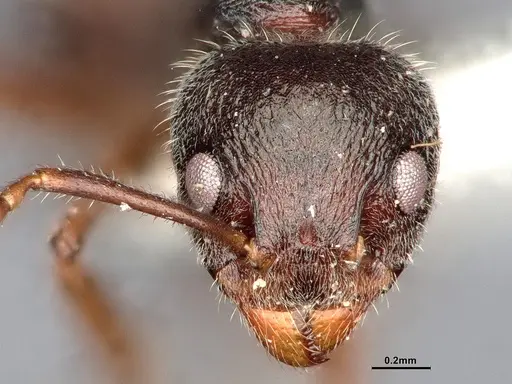
Dolichoderus thoracicus - "Cocoa Black Ant"
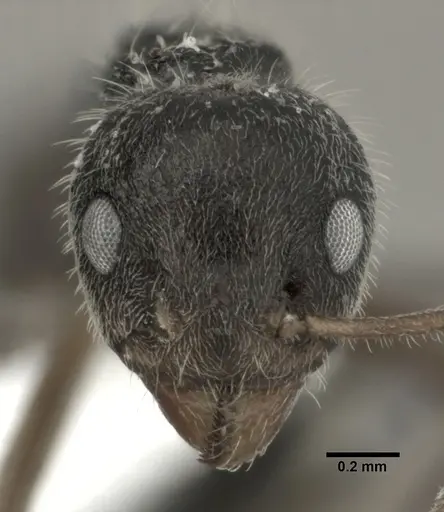
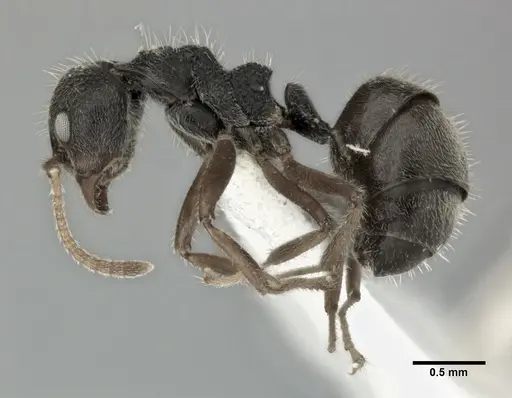
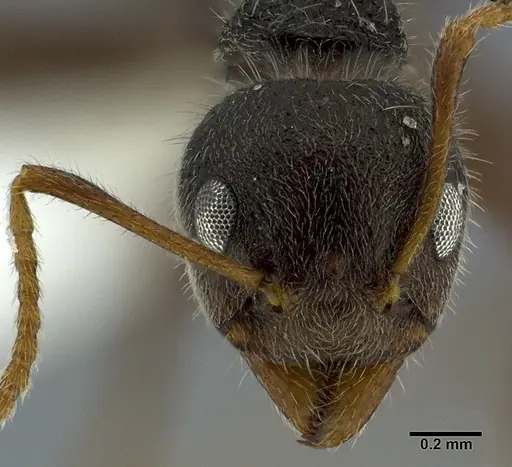
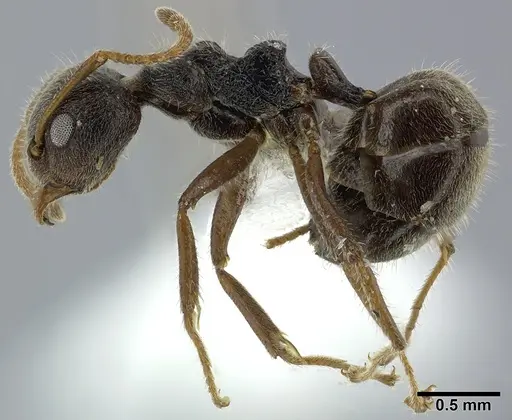
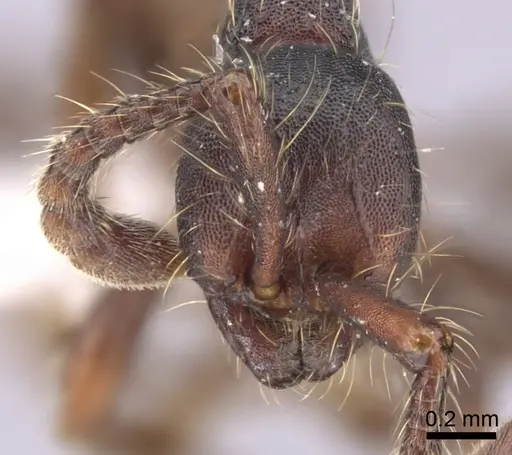
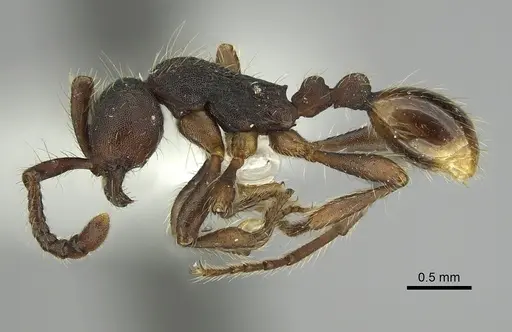
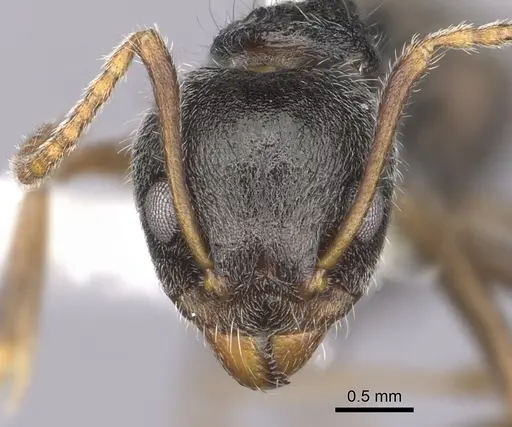
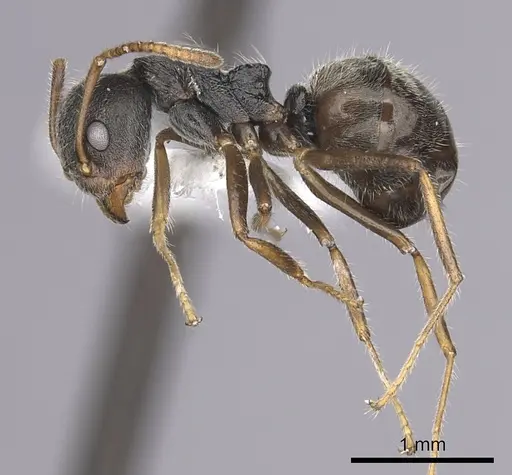
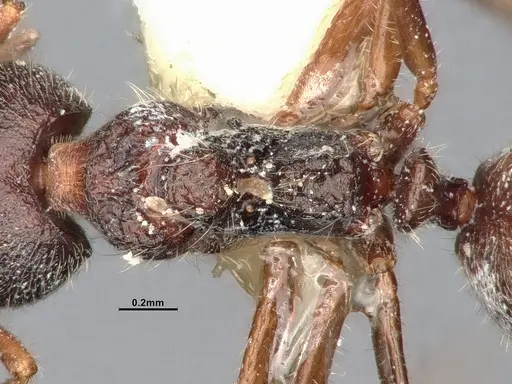
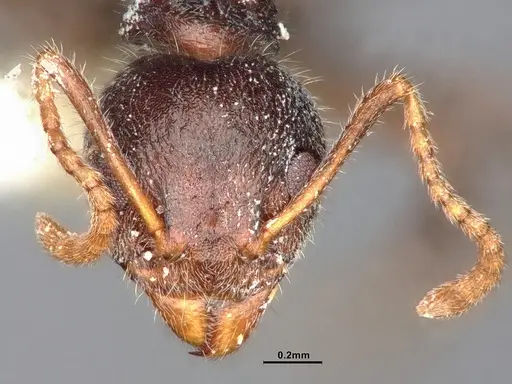
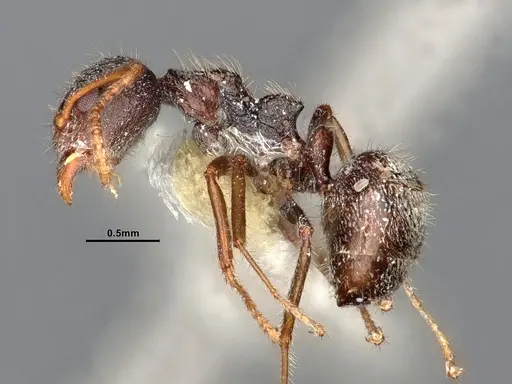
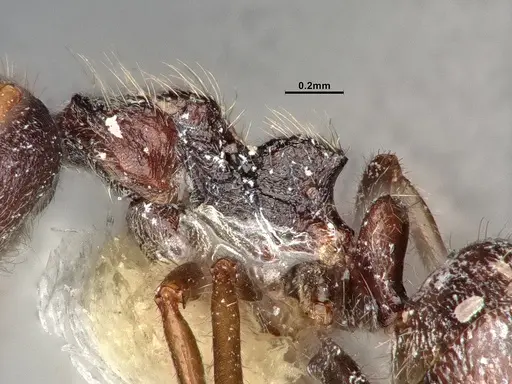
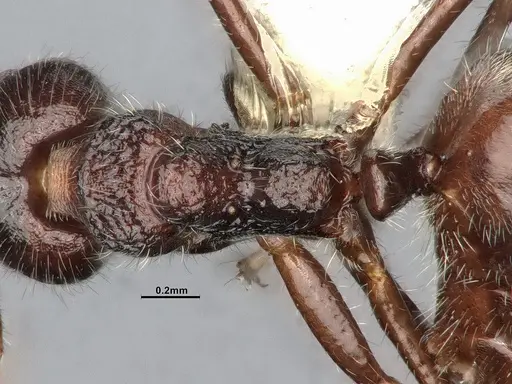
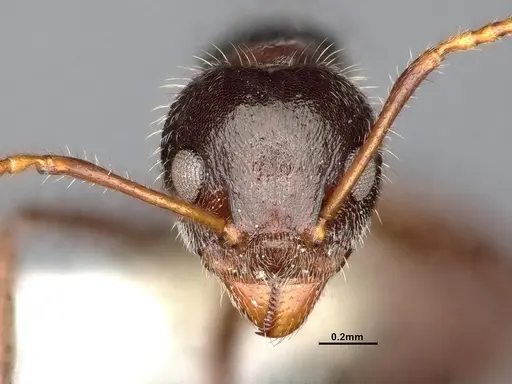
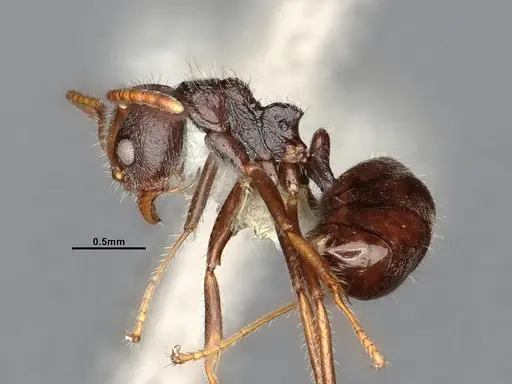
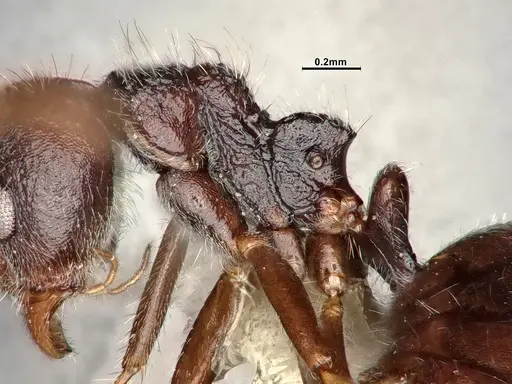
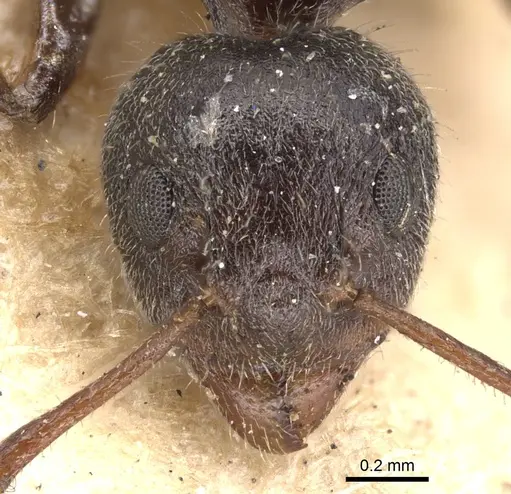
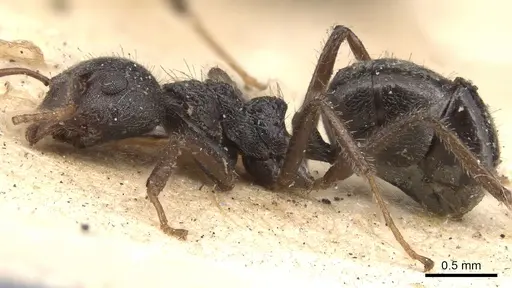
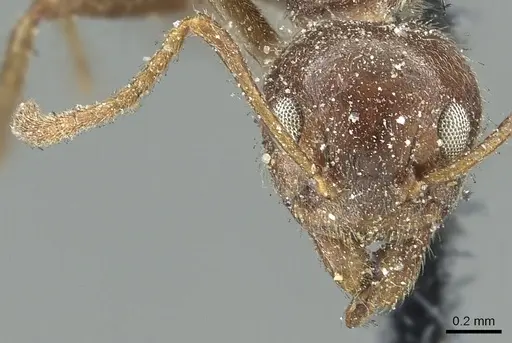
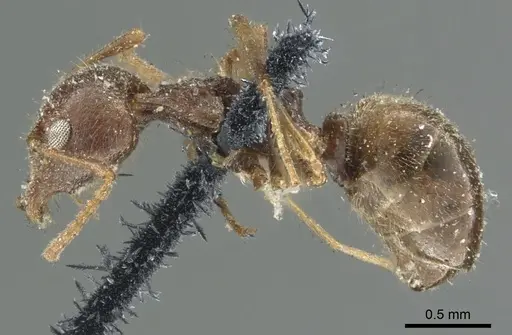
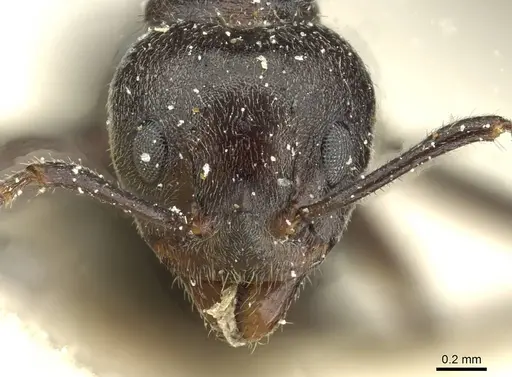
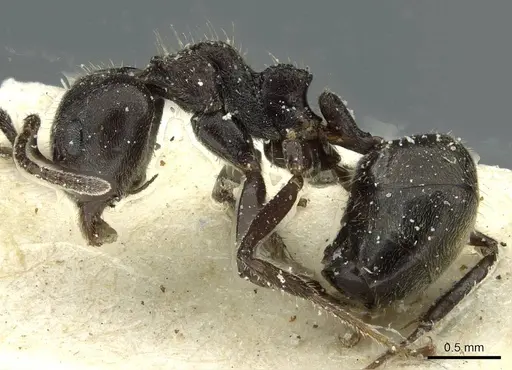
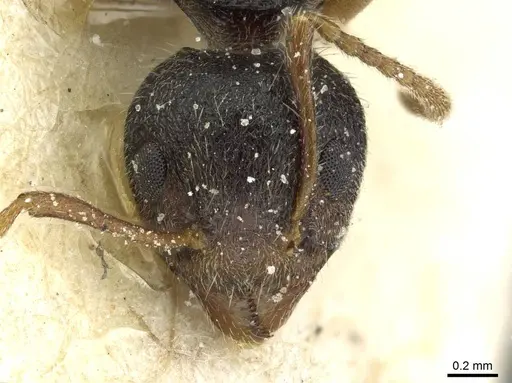
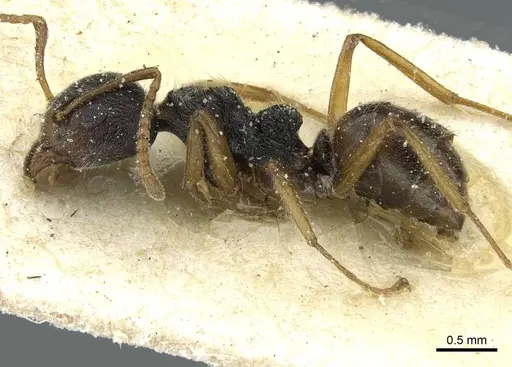
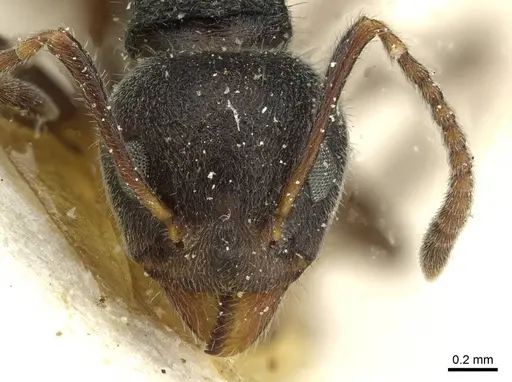
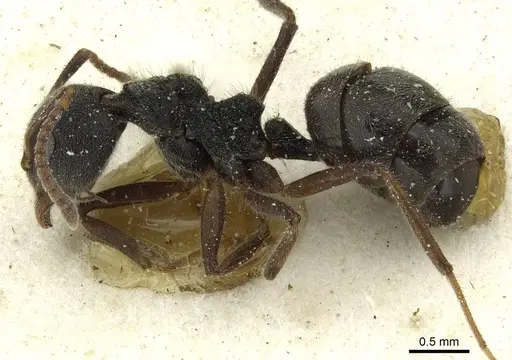
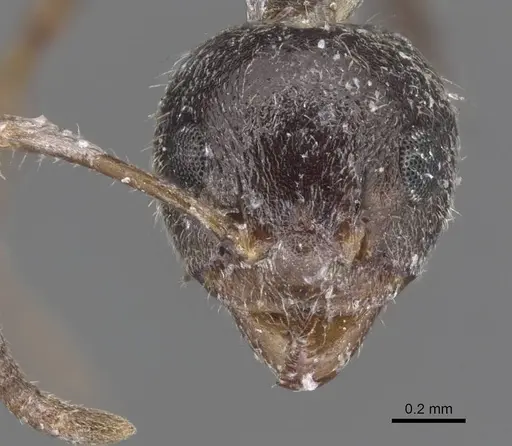
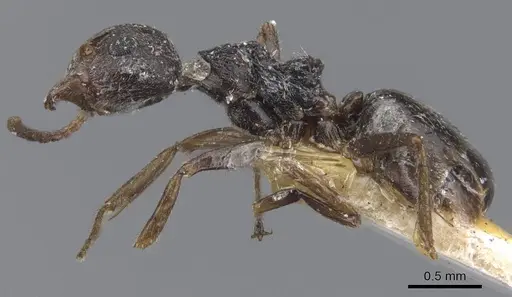
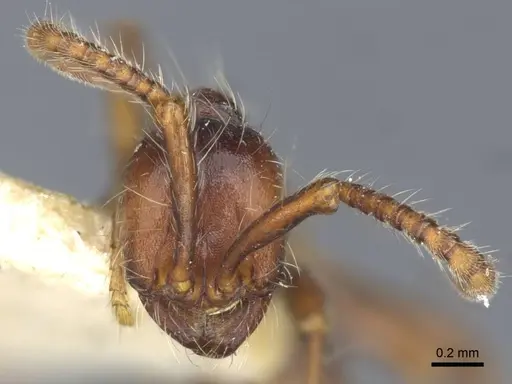
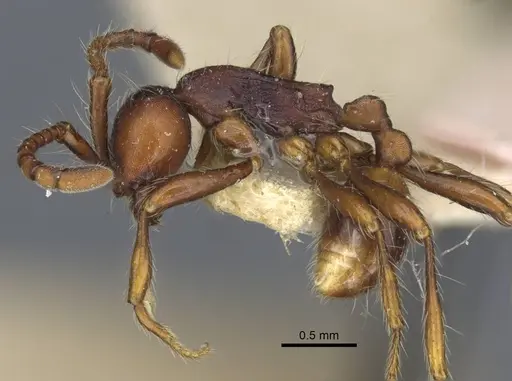
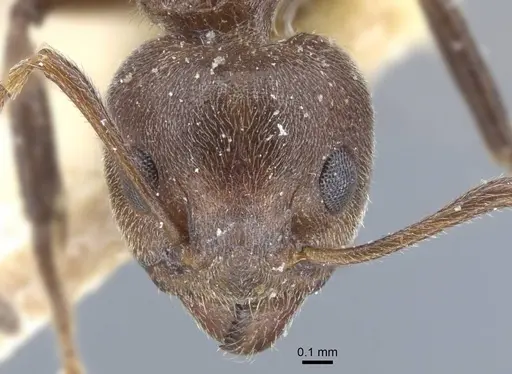
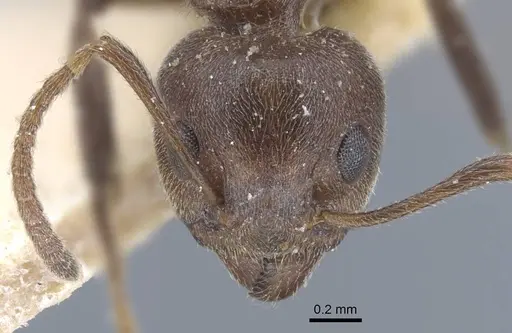
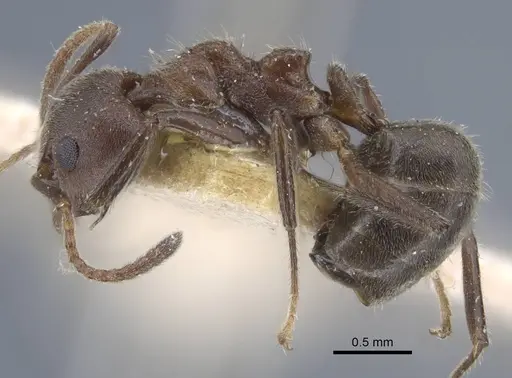
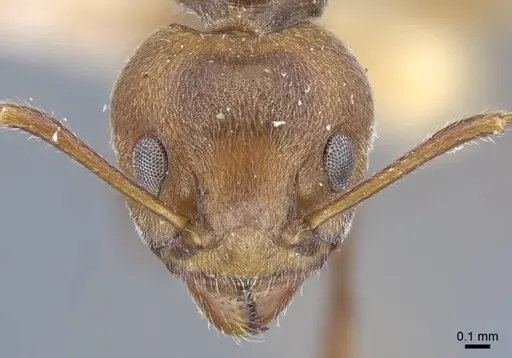
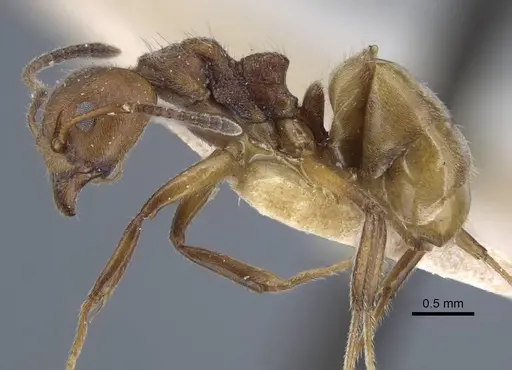
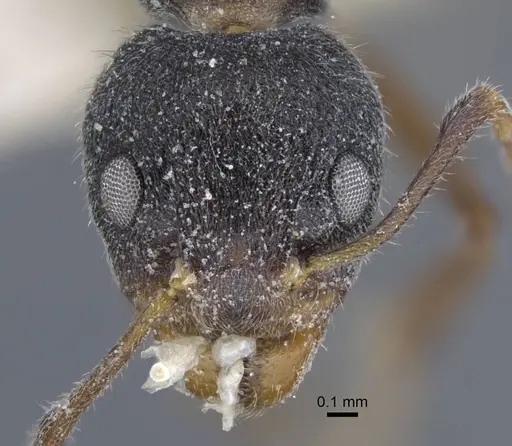
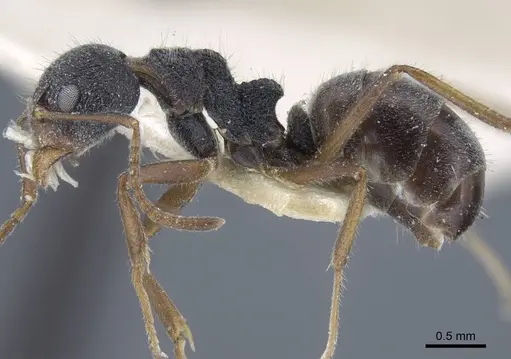
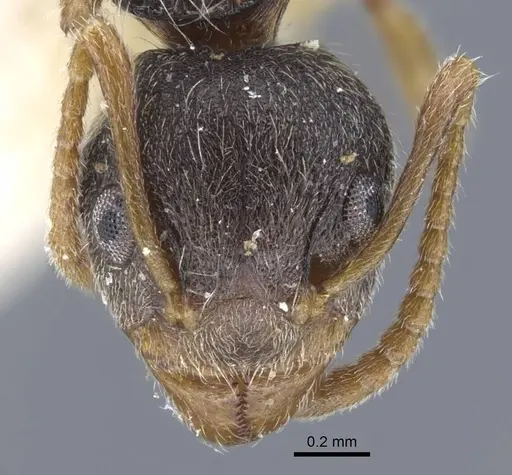
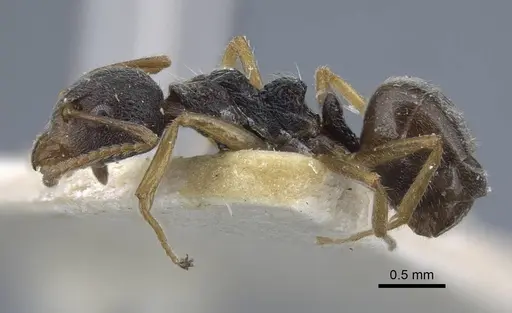
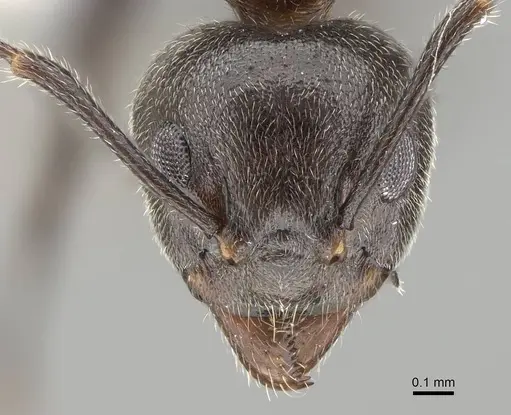
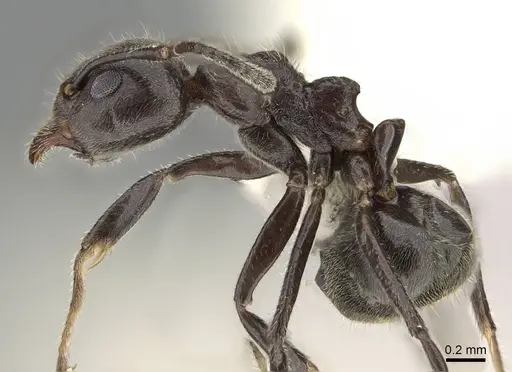
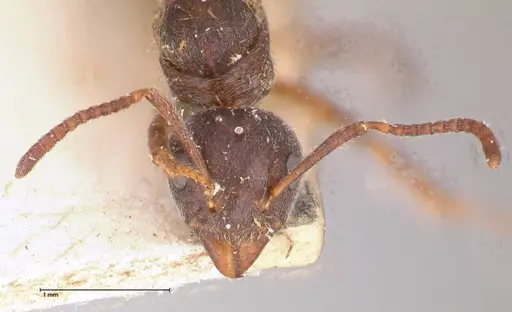
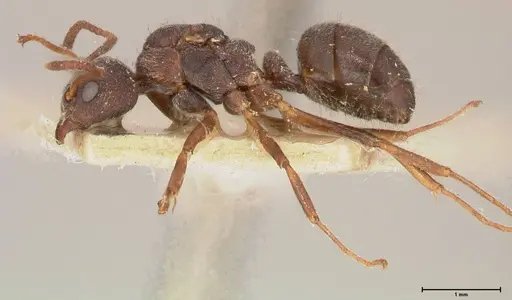
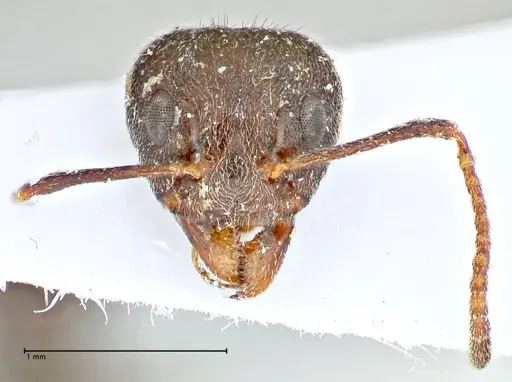
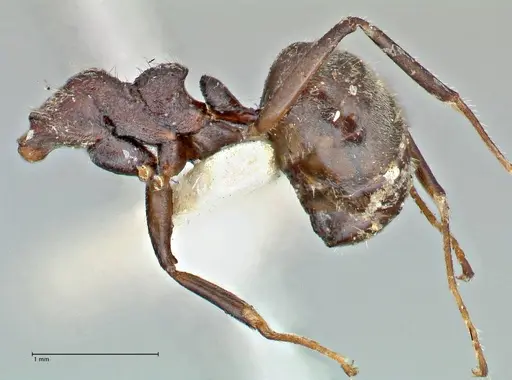
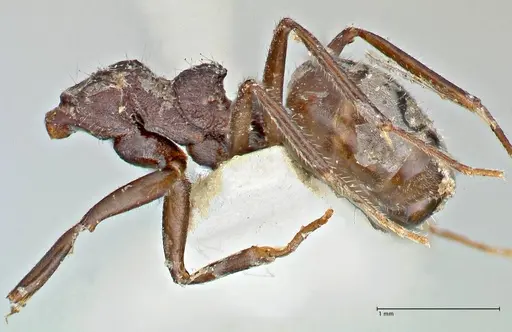
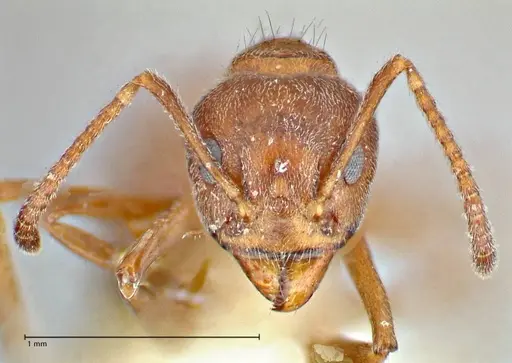
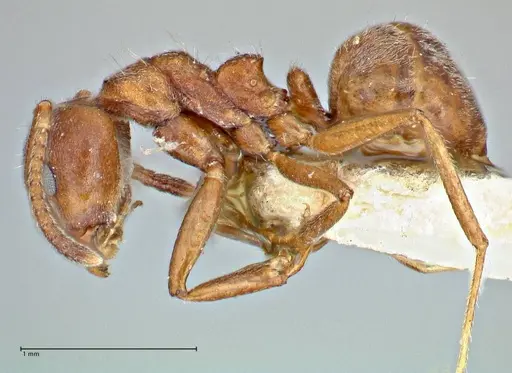
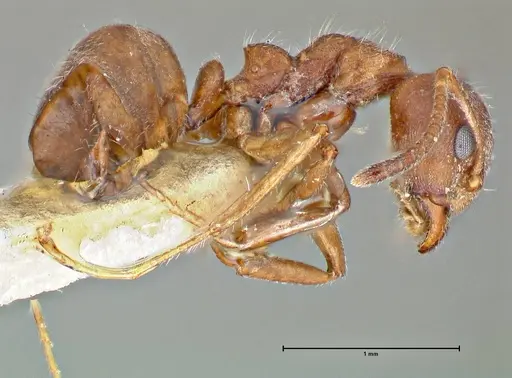
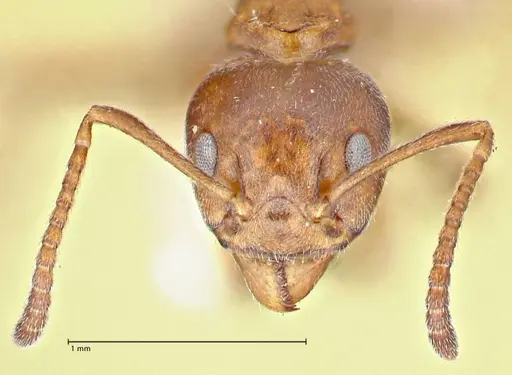
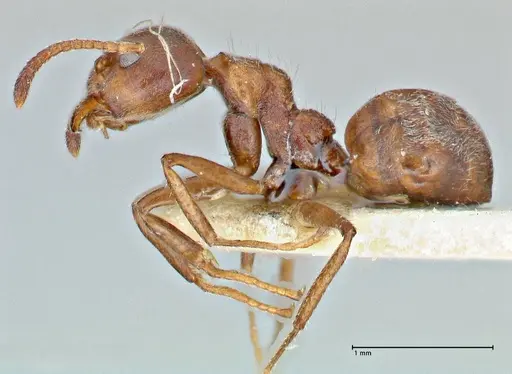
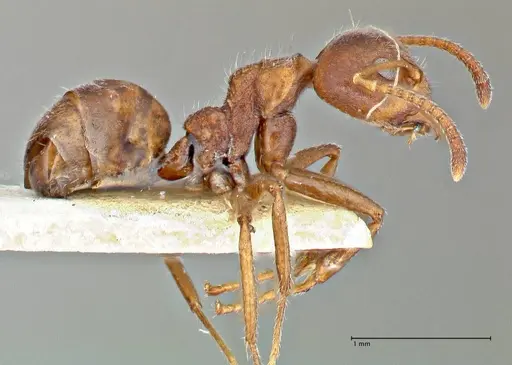
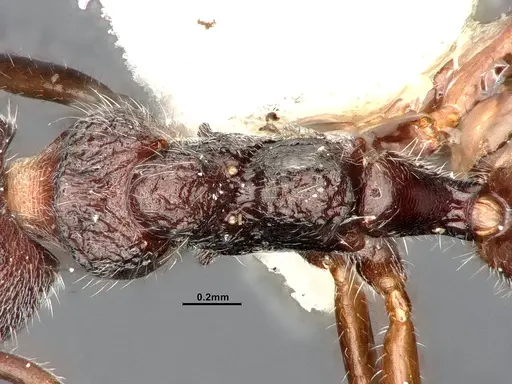
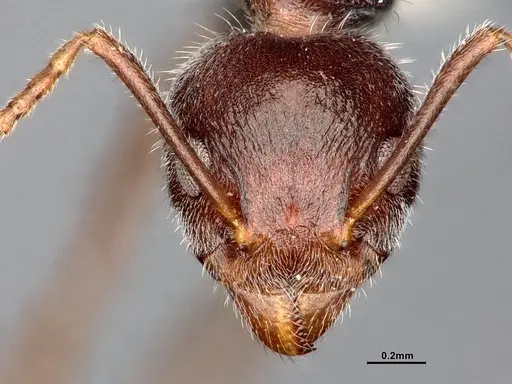
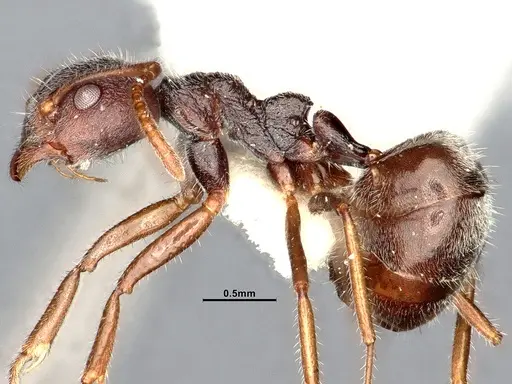
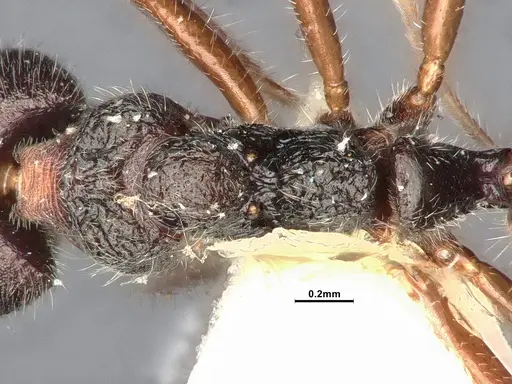
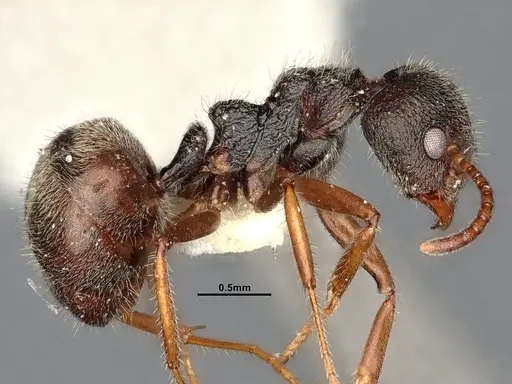
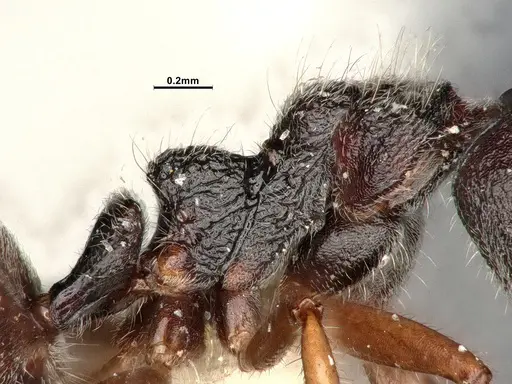
Dolichoderus thoracicus is a small to medium-sized ant species native to Southeast Asia, commonly known as the black cocoa ant due to its extensive use in cocoa plantation pest control. Workers measure 3-3.5mm and are uniformly black with a smooth, shiny body. This species belongs to the Dolichoderinae subfamily and was previously known as Dolichoderus thoracicus before being synonymized. The species is highly adaptable and occupies diverse habitats across its range, from disturbed secondary forests to agricultural areas [1][2].
What makes D. thoracicus particularly interesting is its mutualistic relationship with honeydew-producing insects like mealybugs and scale insects. These ants tend large colonies of mealybugs (especially Cataenococcus hispidus) and protect them from predators in exchange for the honeydew they produce. In some regions, they build distinctive carton pavilions to shelter their trophobionts. They are also notable for their polygynous colony structure, multiple queens can coexist in a single colony, allowing for massive populations that can span several hectares [1][3].
Quick Summary
- Difficulty: Medium
- Origin & Habitat: Native to Southeast Asia, found throughout the Oriental region from India and Sri Lanka through Thailand, Malaysia, Indonesia, Philippines, Vietnam, Laos, Cambodia to New Guinea. Also recorded in southern China (Yunnan, Guangdong, Fujian, Guangxi, Hainan) and Taiwan. Inhabits diverse environments including rainforests, rubber plantations, cocoa-coconut agroforestry, and urban areas [1][4][2].
- Colony Type: Polygynous (multi-queen) colonies with the ability to control population based on surrounding conditions. Colonies can contain multiple reproductive queens and can grow to exceptionally large sizes, documented colonies reach over 20,000 workers, and in extreme cases, household infestations in Taiwan have reached approximately 18 million individuals [5][6].
- Colony: Polygyne
- Size & Growth:
- Queen: Approximately 5-6mm (estimated based on genus patterns)
- Worker: 3-3.5mm [7][8]
- Colony: Up to 20,000+ workers in natural colonies, can reach 40,000+ individuals in optimal conditions with artificial nests [5][3]
- Growth: Fast
- Development: 6-8 weeks (estimated based on typical Dolichoderinae development at optimal tropical temperatures) (Colony growth is rapid once established, with population doubling times of approximately 2 months under good conditions. Artificial nests in cocoa plantations showed populations increasing from ~1,120 to over 40,000 individuals over 14 months [5].)
- Antkeeping:
- Temperature: Keep at 24-28°C (tropical species). They thrive in warm, stable conditions typical of their native range. Room temperature (22-26°C) is suitable, with a slight gradient allowing them to choose their preferred warmth [1].
- Humidity: Moderate to high humidity (60-80%). They prefer humid environments but need good ventilation to prevent mold. In captivity, provide a moist substrate area and a drier area for selection. Natural habitats include damp leaf litter and tree cavities [1][9].
- Diapause: No, as a tropical species, they do not require hibernation. However, they may reduce activity during cooler or drier periods [1].
- Nesting: Highly flexible nesting preferences. In captivity, they will use test tubes, acrylic nests, or naturalistic setups with leaf material. They prefer enclosed, dark spaces. Provide nesting sites that mimic their natural preferences, folded leaves, cork bark, or artificial nest structures stuffed with dried leaves work well. They are arboreal and ground-nesting [1][5].
- Behavior: Generally non-aggressive toward humans and other large animals, they lack a sting but can produce defensive secretions from their anal glands. They are highly competitive with other ant species and will defend honeydew resources aggressively. Workers are active foragers that maintain long-term trail networks. They are not escape artists due to their moderate size, but good containment is still recommended. They are primarily diurnal but can show some nocturnal activity near trophobionts [1][8][10].
- Common Issues: Competition with other ants, they compete aggressively with Oecophylla smaragdina and other beneficial ants, which can be problematic in multi-species setups, Need for honeydew sources, colonies struggle without access to honeydew-producing insects or sugar, protein-only diets are insufficient, Large colony size requires significant space and resources, small setups can become overcrowded quickly, Susceptible to entomopathogenic fungi, laboratory studies show vulnerability to fungi like Aspergillus nomius, Invasive potential, populations can explode rapidly under favorable conditions, making them difficult to control once established
Nuptial Flight Activity Analysis 139 observations
Flight Activity by Hour 139 observations
Dolichoderus thoracicus nuptial flight activity peaks around 09:00 during the morning. Activity is spread across a 23-hour window (00:00–22:00). A secondary activity peak occurs around 16:00. Times may be influenced by human observation patterns.
Feeding and Diet
Dolichoderus thoracicus is primarily a honeydew-feeding species. In nature, they derive most of their nutrition from honeydew produced by mealybugs (especially Cataenococcus hispidus), scale insects (Coccus viridis), aphids (Toxoptera aurantii), and treehoppers (Membracidae). They supplement this with nectar, pollen, and occasional protein from small insects [11][1]. In captivity, you should provide a constant sugar source (honey water or sugar water at 1:4 ratio) and regular protein offerings. Food preference tests show they strongly prefer protein-rich foods: salted fish powder and egg powder are most preferred, followed by sugar and honey [11]. Offer small insects like fruit flies, mealworms, or cricket pieces 2-3 times per week. The key to keeping this species healthy is ensuring a constant sugar source, they will decline without it. They are not aggressive predators and rarely hunt live prey [3].
Housing and Nest Preferences
This species is highly flexible in nesting preferences, which makes captive care relatively straightforward. They will nest in test tubes, acrylic nests, Y-tong nests, or naturalistic setups. In their natural habitat, they nest in hollow dead tree branches, between leaves, in ground leaf litter, and some populations build carton pavilions for their trophobionts [1]. For captive colonies, provide a dark, enclosed nesting area with some humidity. Many keepers successfull use acrylic nests or test tube setups with a water reservoir. Because they are polygynous and can form large colonies, ensure the setup has room for expansion. Adding dried leaves or cork bark pieces to the outworld can encourage natural nesting behavior. They are arboreal and will often nest in elevated positions [5][12].
Temperature and Seasonal Care
As a tropical Southeast Asian species, D. thoracicus requires warm temperatures year-round. Keep the nest area at 24-28°C. They can tolerate brief temperature drops but prolonged cool conditions will slow colony growth and may cause decline. Room temperature (22-26°C) is generally acceptable, but warmer conditions accelerate development. A small heating cable on one side of the nest can create a beneficial gradient, but avoid direct heat that could dry out the nest. No hibernation or diapause is required, this is a year-round active species. In the wild, they remain active throughout the year in tropical conditions. Monitor humidity as well, as they prefer humid environments but are susceptible to mold in stagnant conditions [1][9].
Colony Structure and Growth
D. thoracicus is polygynous, meaning colonies contain multiple queens that all reproduce. This allows for rapid colony growth and massive population sizes. A single colony can grow to 20,000-40,000+ workers under good conditions. Studies in cocoa plantations show that colonies can expand from around 1,100 individuals to over 40,000 in just 14 months when provided with artificial nesting sites [5]. The colony population composition is approximately: workers 44.6%, eggs 36.5%, pupae 9.8%, larvae 8.3%, queens 0.6%, and alates 0.1% [5]. Queens can be numerous, artificial nests have recorded over 300 queens in a single colony. New colonies can form through budding, where a group of workers and queens leave to establish a new nest site, rather than single-queen founding [1][5].
Behavior and Defense
This species is generally non-aggressive toward humans and does not sting. Like all Dolichoderinae ants, they lack a functional sting and instead rely on defensive secretions from their anal glands. When threatened, they may produce alarm pheromones and can emit a characteristic odor. They are not aggressive predators but will vigorously defend honeydew resources against other insects and ants. In interactions with other ant species, they typically use an immobile defense strategy, workers become still and open their mandibles wide when encountering aggressive competitors like the yellow crazy ant (Anoplolepis gracilipes) [8]. They maintain long-term trail networks and can forage across large areas. Workers are primarily diurnal but can show some nocturnal activity when tending hemipterans [1][10].
Ecological Role and Interactions
In their native range, D. thoracicus plays an important ecological role as a mutualist with honeydew-producing insects and as a biological control agent in agriculture. They are used in Southeast Asian cocoa plantations to control pests like the cocoa pod borer (Conopomorpha cramerella) and mirids (Helopeltis spp.). However, they can become problematic when they protect sap-sucking pests that damage crops, in citrus orchards, they are considered pests because they protect scale insects that cause fruit rotting [13][14]. They compete with the weaver ant (Oecophylla smaragdina), which is another beneficial species in agriculture. In Taiwan, they have become invasive in recent years, causing household infestations and damaging electrical equipment [6]. They are also known to be parasitized by the fungus Ophiocordyceps pseudolloydii [15].
Frequently Asked Questions
How long does it take for Dolichoderus thoracicus to produce first workers?
Based on typical Dolichoderinae development, expect first workers (nanitics) approximately 6-8 weeks after the queen lays eggs, at optimal tropical temperatures (26-28°C). Growth is faster than temperate species due to their tropical origin. Once established, colonies grow rapidly, populations can double every few months under good conditions [5].
What do Dolichoderus thoracicus eat?
They primarily feed on honeydew from mealybugs, scale insects, and aphids. In captivity, provide constant sugar water or honey water and regular protein (small insects, mealworms, or protein-based baits). Food preference tests show they strongly prefer salted fish and egg powder over sugar sources. They are not aggressive predators and need sugar for sustained energy [11].
Can I keep multiple queens together?
Yes, this species is naturally polygynous, meaning multiple queens can coexist in a single colony. This is normal for this species and you do not need to separate queens. In fact, polygynous colonies tend to grow faster and reach larger sizes than single-queen colonies [1][5].
How big do Dolichoderus thoracicus colonies get?
Colonies can become massive. Natural colonies commonly reach 20,000+ workers, and optimal conditions can support 40,000+ individuals. In extreme cases, household infestations in Taiwan have reached approximately 18 million ants. Their polygynous structure and efficient trail networks allow for such large populations [5][6].
What temperature do they need?
Keep them warm at 24-28°C. As a tropical species, they thrive in warm, humid conditions. Room temperature (22-26°C) is acceptable, but warmer conditions support faster growth. No hibernation is required, they are year-round active [1].
Are Dolichoderus thoracicus good for beginners?
They are moderate difficulty. While adaptable and resilient, they have specific dietary needs (honeydew/sugar requirement) and can grow to massive colonies requiring significant space. They are not aggressive and are interesting to watch. However, their need for constant sugar sources and potential for rapid population growth makes them better suited for keepers who can provide regular care [11][5].
What type of nest should I use?
They are flexible and will use various nest types. Test tubes, acrylic nests, Y-tong nests, or naturalistic setups all work. They prefer dark, enclosed spaces. Adding dried leaves or cork bark to the setup can encourage natural nesting behavior. Ensure the nest has some humidity but good ventilation to prevent mold [1][5].
Why are my ants dying?
Common causes include: lack of sugar source (they need constant honeydew or sugar water), too cool temperatures (below 20°C), excessive dryness, or mold from poor ventilation. They are also susceptible to competition from other aggressive ant species. Ensure they have a constant sugar source, warm temperatures, and adequate humidity [11][3].
Do they need hibernation?
No, as a tropical species, they do not require hibernation. They remain active year-round in warm, humid conditions. However, they may reduce activity slightly during cooler or drier periods in captivity [1].
How do they compare to weaver ants (Oecophylla)?
D. thoracicus and Oecophylla smaragdina occupy similar ecological niches and compete in agricultural settings. Oecophylla builds woven leaf nests and is more aggressive, while D. thoracicus tends mealybugs and builds carton pavilions. Both are beneficial in cocoa but compete with each other, farmers often try to control D. thoracicus when establishing Oecophylla for citrus pest control [13][14].
References

This caresheet is licensed under CC BY-SA 4.0 .
CASENT0246169
View on AntWeb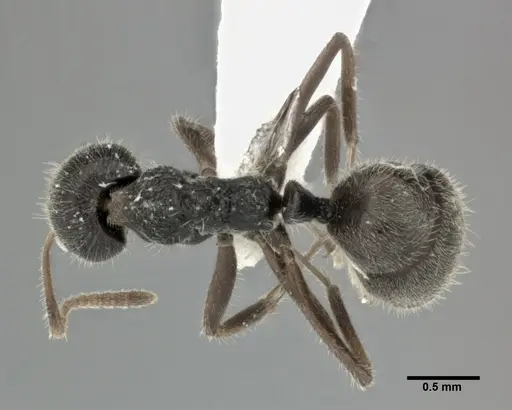
CASENT0246571
View on AntWeb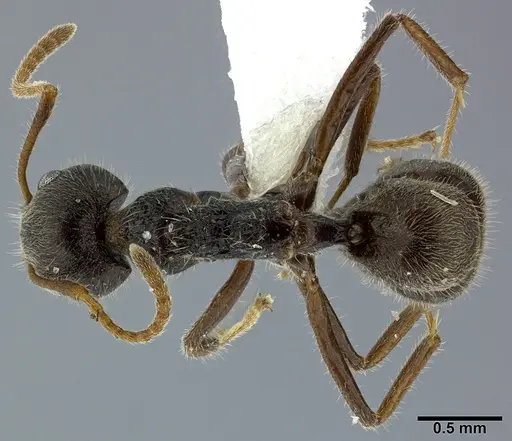
CASENT0249264
View on AntWeb
CASENT0249576
View on AntWeb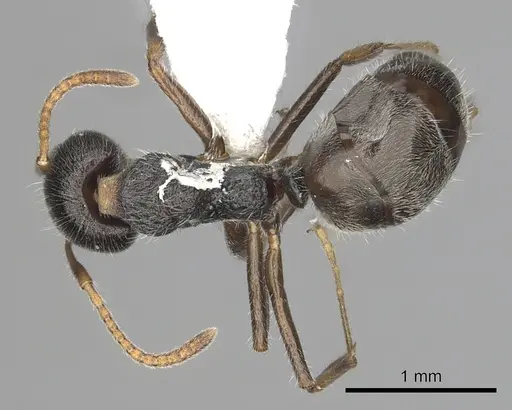
CASENT0886094
View on AntWeb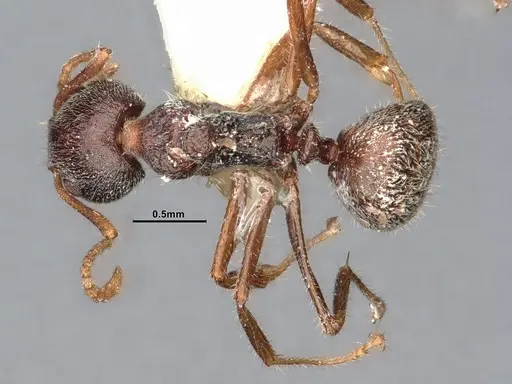
CASENT0886095
View on AntWeb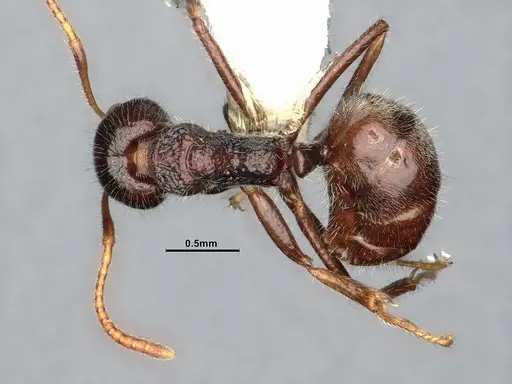
CASENT0901926
View on AntWeb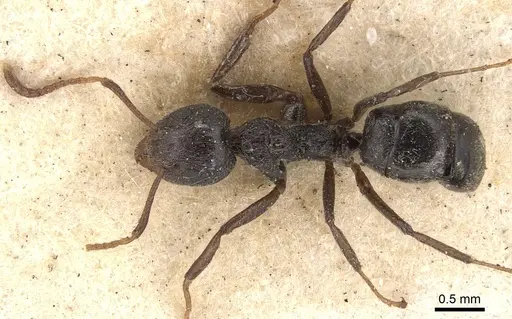
CASENT0902976
View on AntWeb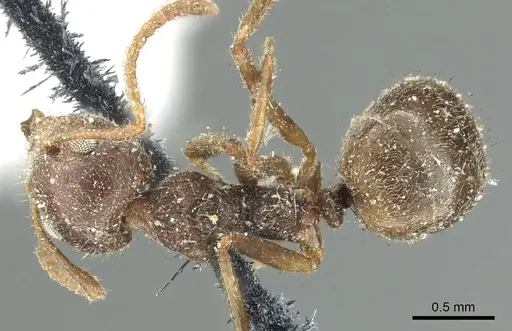
CASENT0911514
View on AntWeb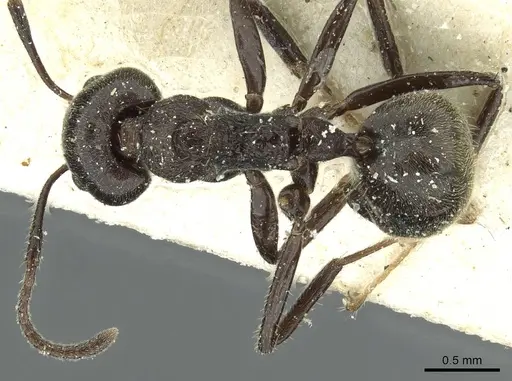
CASENT0911515
View on AntWeb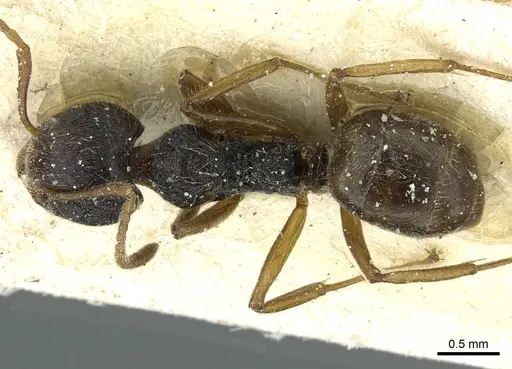
CASENT0911516
View on AntWeb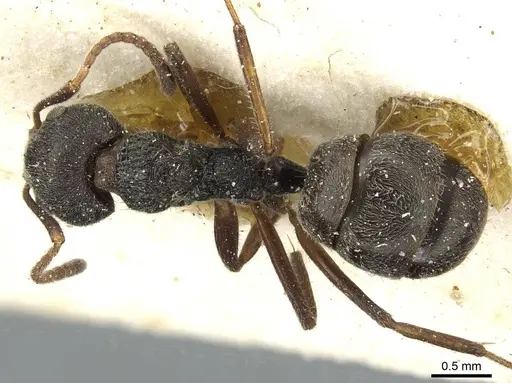
CASENT0915560
View on AntWeb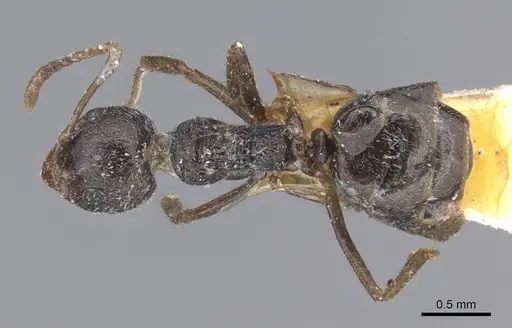
CASENT0916862
View on AntWeb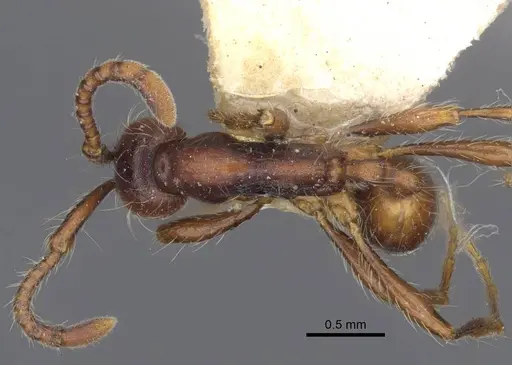
CASENT0917093
View on AntWeb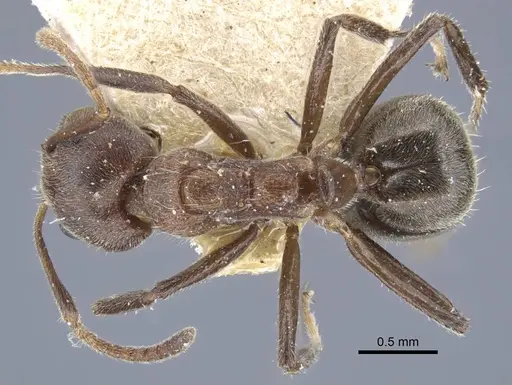
CASENT0917094
View on AntWeb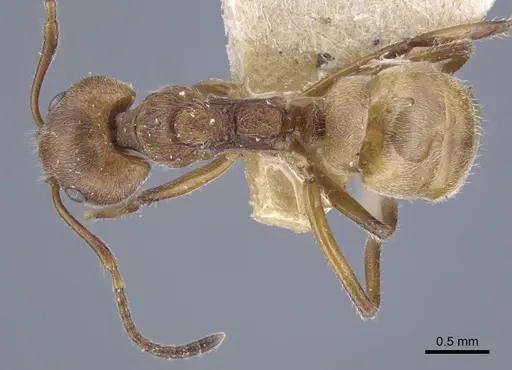
CASENT0917095
View on AntWeb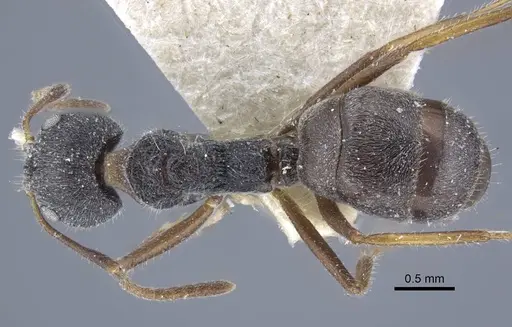
CASENT0917096
View on AntWeb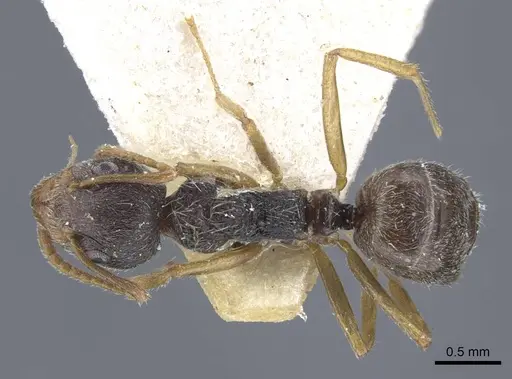
CASENT0919856
View on AntWeb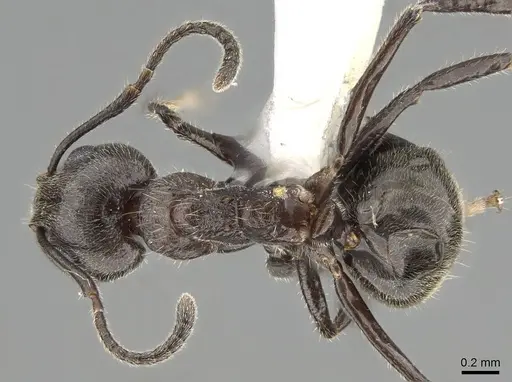
FOCOL0528
View on AntWeb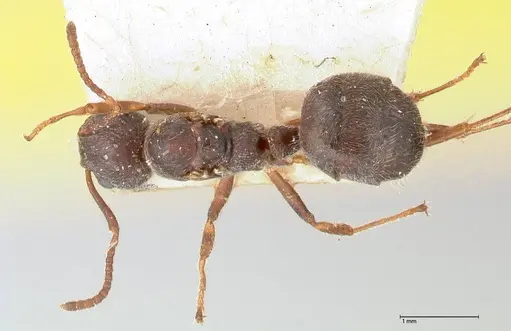
FOCOL2773
View on AntWeb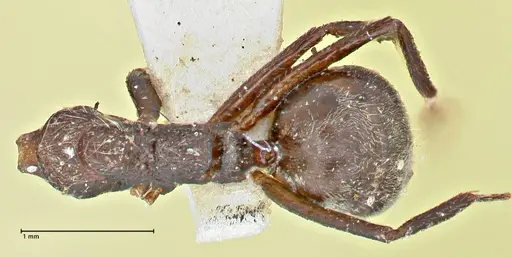
FOCOL2774
View on AntWeb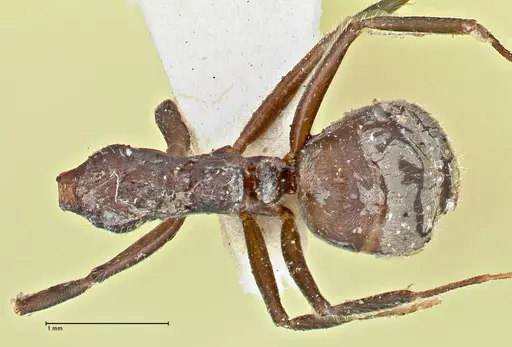
FOCOL2775
View on AntWeb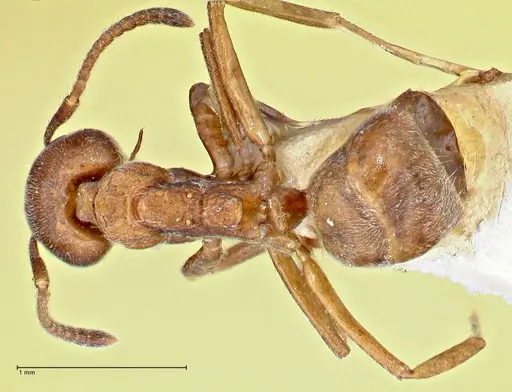
FOCOL2776
View on AntWeb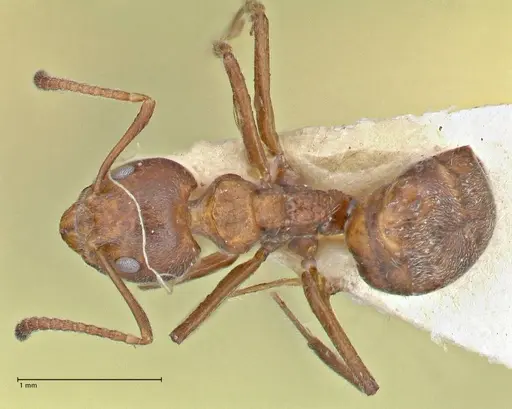
SMFHYM0008920
View on AntWeb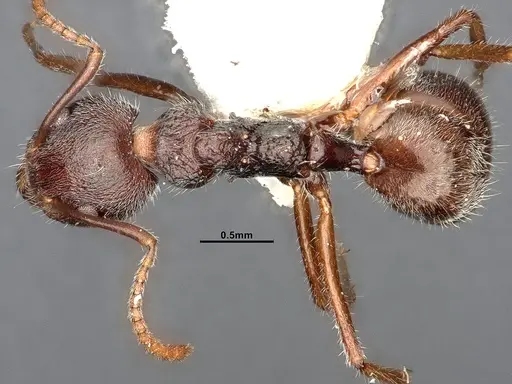
SMFHYM0008924
View on AntWeb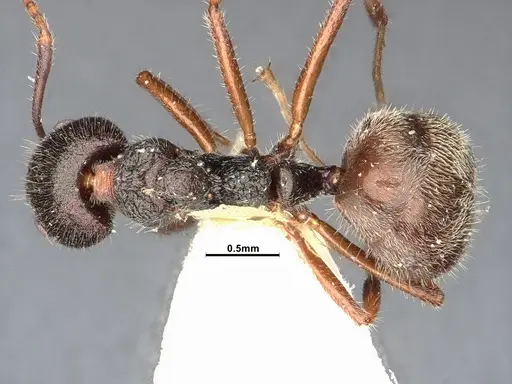
Literature
Loading...Loading products...