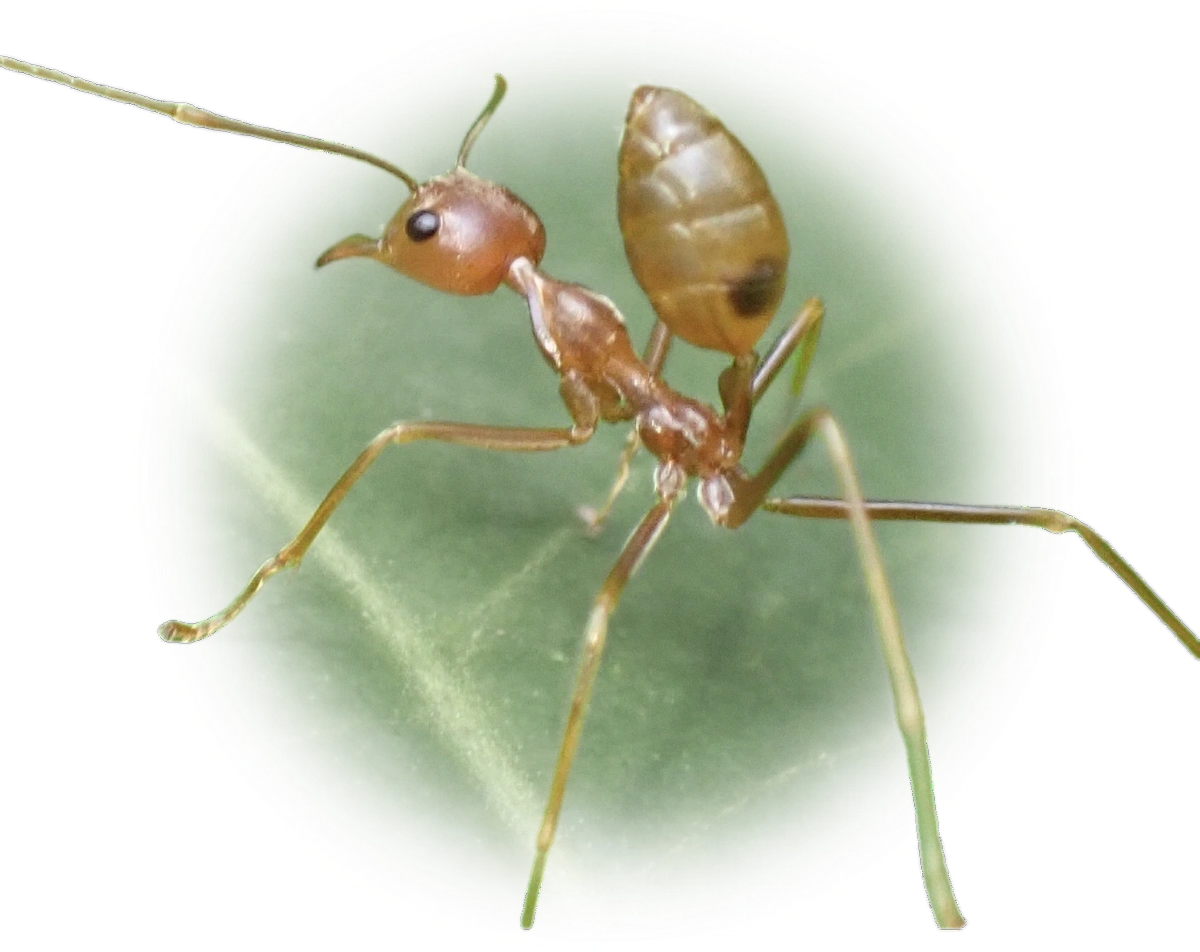
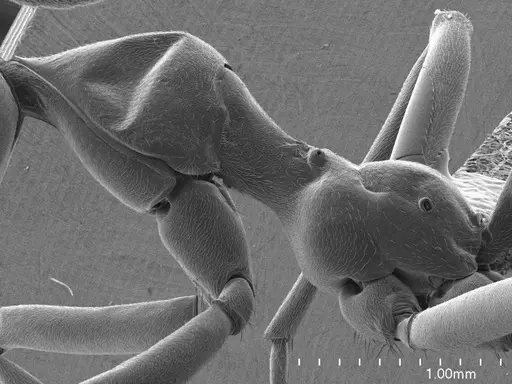
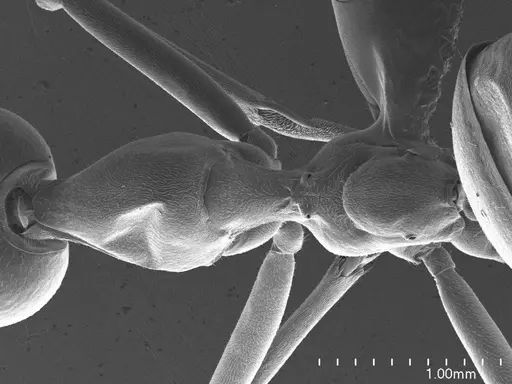
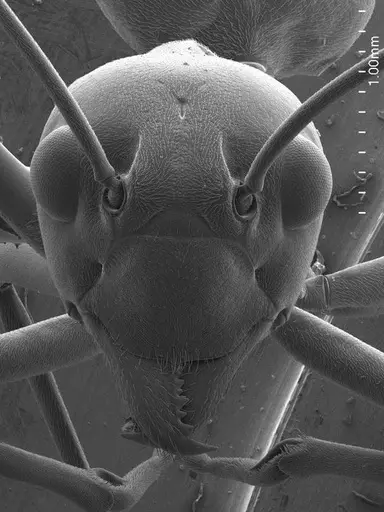
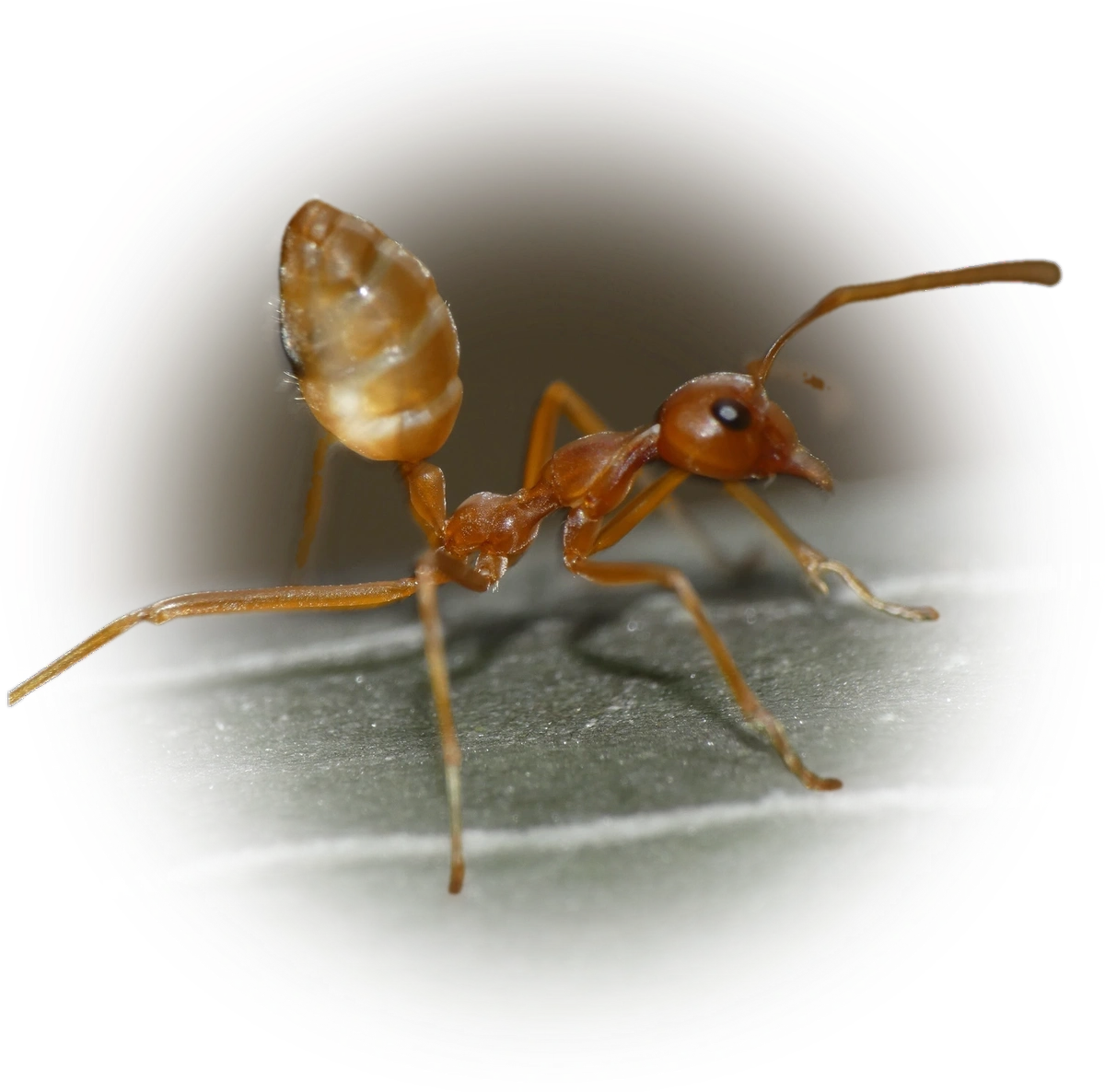
Oecophylla smaragdina - "Asian Weaver Ant"
Oecophylla smaragdina, also known as the Asian Weaver Ant or Green Tree Ant, is a striking arboreal species famed for its unique nest-building behavior. These ants construct intricate nests by weaving living leaves together using silk produced by their own larvae. Their workers are typically orange to reddish-brown, though some can have bright green gasters, while queens are generally greenish-brown. Workers exhibit polymorphism, with minor workers being 5-7mm and major workers 8-10mm, while queens are significantly larger, ranging from 16-25mm. They are highly territorial and aggressive, actively defending their colony against intruders by biting and spraying formic acid.
- Difficulty: Expert
- Origin & Habitat: Tropical Asia and Australia, extending from India through Indonesia and the Philippines to Northern Territory and Queensland in Australia. in Arboreal, found in humid tropical to subtropical forests, building nests among tree foliage..
- Colony Type: Monogyne (single queen) but can be polygynous in some Australian populations, with colonies often having multiple nests across several trees., claustral (queen seals herself in), often with pleometrosis (multiple queens founding together) in some regions, and queens can return to their natal colony. founding.
- Size & Growth:
- Queen: 15-25mm
- Worker: 5-14mm
- Colony: Large (tens of thousands to hundreds of thousands), with mature colonies potentially reaching up to half a million individuals and occupying numerous nests across multiple trees.. Fast, especially once established. growth.
- Antkeeping:
- Temperature: Nest temperature should be kept between 24-28°C, with an optimal range of 26-27°C. The outworld can range from 21-35°C..
- Humidity: Nest humidity should be high, between 50-70%, ideally 70-90%. Outworld humidity can be 30-50%..
- Diapause: Not required. Not specified at Not specified.
- Nesting: Requires a natural setup with living plants (e.g., Ficus benjamina, Pachira aquatica, Citrus plants) to allow for their unique leaf-weaving nest construction. Traditional formicaria are not suitable..
- Behavior: High (towards handler, food or other ants) aggressiveness.
- Common Issues: Escape attempts (expert climbers), Humidity fluctuations, Temperature instability, Inadequate space for nest weaving, Stress from handling, Difficulty in initial founding.
Keeping Oecophylla smaragdina, often called Asian Weaver Ants, is truly an endeavor for seasoned antkeepers. These arboreal marvels are renowned for their incredible nest-building technique, where workers meticulously pull leaves together and 'stitch' them using silk produced by their larvae. This intricate process requires a specialized setup, ideally a large vivarium or terrarium with live plants, to mimic their natural habitat and allow them to construct their signature leaf nests. Without the ability to weave, they simply cannot thrive.
Their aggressive and highly territorial nature is another key characteristic. Weaver ants fiercely defend their sprawling multi-nest colonies, biting with strong mandibles and then spraying formic acid into the wound, which can be quite painful for handlers. This behavior, while impressive in the wild as a natural pest control agent, means careful handling and robust escape prevention are paramount in captivity. They are expert climbers and will quickly exploit any vulnerability in their enclosure.
Feeding these active predators requires a consistent supply of various insects like fruit flies, crickets, and mealworms, alongside sugary liquids such as honey water or ant nectar. Their energetic colonies, which can number in the hundreds of thousands, have significant dietary needs to sustain their rapid growth and continuous nest maintenance. Ensuring a stable food source is crucial for the health and expansion of your weaver ant colony.
Unlike many temperate ant species, Oecophylla smaragdina does not require diapause, or a winter rest period, remaining active year-round. This continuous activity, combined with their fast growth rate once established, means they demand consistent attention to temperature, humidity, and food availability. Maintaining precise environmental conditions is critical, as these ants are highly sensitive to fluctuations, and any significant deviation can quickly lead to colony stress or even collapse.
Frequently Asked Questions
What makes Oecophylla smaragdina so unique among ant species?
Asian Weaver Ants are truly in a league of their own due to their incredible nest-building abilities. Unlike most ants that excavate tunnels or live in pre-existing structures, these ants meticulously weave living leaves together using silk produced by their own larvae to create elaborate, multi-chambered nests high in the trees. It’s an architectural marvel in the ant world and a sight to behold for any antkeeping enthusiast!
Are Green Tree Ants difficult to keep for a beginner antkeeper?
Absolutely. Green Tree Ants are considered an 'Expert' level species in the antkeeping hobby. Their specialized nest-building requirements, aggressive nature, and strict environmental needs mean they are not for the faint of heart or those new to the hobby. Successfully keeping them requires significant dedication and research.
What kind of enclosure is best for Oecophylla smaragdina?
Forget your typical acrylic or Ytong formicarium! Oecophylla smaragdina absolutely needs a specialized setup, typically a large vivarium or terrarium with live plants. The plants, particularly those with broad leaves like Ficus, are essential as they serve as the building blocks for their woven nests. Without leaves to weave, they cannot express their natural behaviors or thrive.
How do weaver ants build their nests with silk?
It's a marvel of cooperative behavior! Weaver ant workers form living chains to pull leaves together. Once the leaves are in position, other workers hold their own larvae in their mandibles and 'tickle' them to activate their silk glands. The larvae then release silk, which the workers use like a glue gun to 'stitch' the leaves together, forming secure nest chambers.
Do Oecophylla smaragdina sting?
No, Oecophylla smaragdina do not possess a functional sting. However, don't let that fool you! They have a very painful bite, and once they latch on with their strong mandibles, they will arch their gaster and spray formic acid into the wound, causing intense discomfort and irritation.
What do Asian Weaver Ants eat?
These ants are primarily predatory, requiring a diet rich in protein from live insects. Think fruit flies, crickets, mealworms, and other small feeder insects. They also supplement their diet with carbohydrate-rich sugary liquids like honey water, sugar water, or specialized ant nectar, and are known to tend honeydew-producing insects.
How large can an Oecophylla smaragdina colony get?
Prepare for a population explosion! Oecophylla smaragdina colonies can become incredibly large, often reaching hundreds of thousands of workers. In the wild, supercolonies can even exceed half a million individuals, spanning numerous interconnected nests across multiple trees.
Do they need a hibernation period?
No, Oecophylla smaragdina are tropical ants and do not require diapause or a hibernation period. They remain active year-round, which means consistent temperature, humidity, and food provisions are necessary to maintain their health and growth.
What is the typical size of the queen and workers?
The queen of Oecophylla smaragdina is quite impressive, typically measuring between 16-25 millimeters. Workers come in two main sizes: minor workers are around 5-7 millimeters, while major workers are larger, ranging from 8-10 millimeters. The larger major workers are responsible for foraging, defense, and nest expansion.
Are Oecophylla smaragdina used for anything by humans?
Yes, for centuries, indigenous farmers in tropical Asia have utilized Oecophylla smaragdina as a natural biological pest control agent in their orchards, particularly for citrus, cashew, and mango trees. Their aggressive territorial defense helps protect crops from a wide range of insect pests, reducing the need for chemical pesticides. Additionally, in some cultures, their larvae and pupae are harvested as a protein-rich food source.
What are the biggest challenges when keeping these ants?
The primary challenges include providing an appropriate live plant setup for nest construction, ensuring very high escape prevention due to their climbing abilities and aggressive nature, and maintaining stable tropical conditions (temperature and humidity). Their demanding dietary needs and the potential for painful bites also add to the complexity.
Can multiple Oecophylla smaragdina queens live together?
While Oecophylla smaragdina colonies are typically monogyne (single queen), some populations, particularly in Australia, have been observed to exhibit pleometrosis, where multiple queens can found a colony together, or even oligogyny, where multiple queens may coexist within a mature colony in separate nest compartments. However, for most keepers, a single queen setup is the norm.