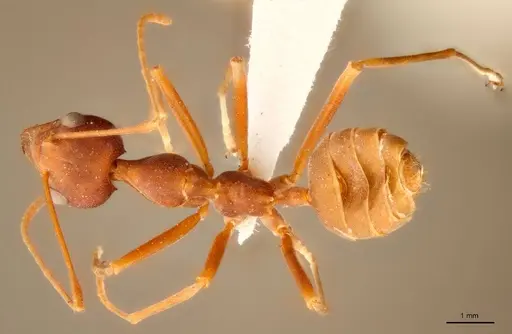
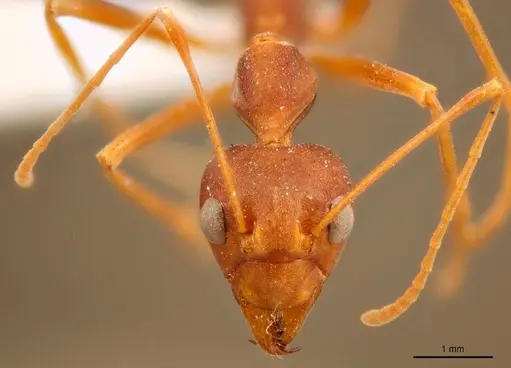
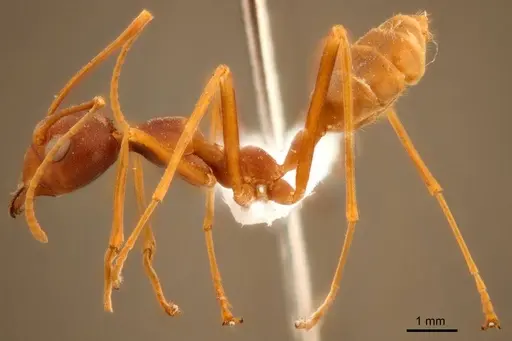
Oecophylla longinoda shows a February to March flight window. Peak activity occurs in February and March, with nuptial flights distributed across 2 months. The concentrated timeframe makes peak months critical for sightings.
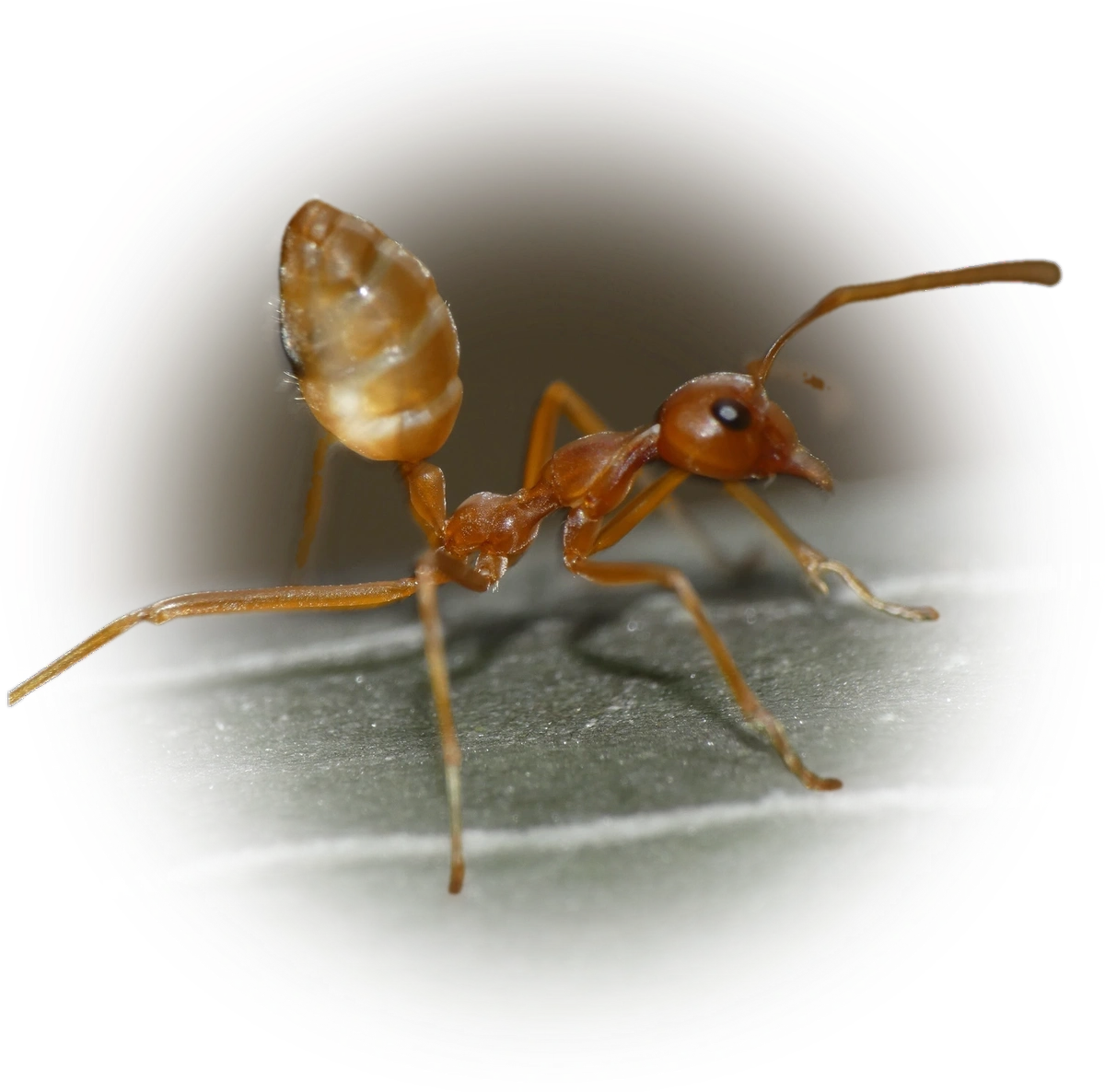
Oecophylla longinoda
- Scientific Name
- Oecophylla longinoda
- Tribe
- Oecophyllini
- Subfamily
- Formicinae
- Author
- Latreille, 1802
- Common Name
- African Weaver Ant
- Distribution
- Found in 21 countries
- Nuptial Flight
- from February to March, peaking in February
AI Identifiable
try →
Oecophylla longinoda Overview
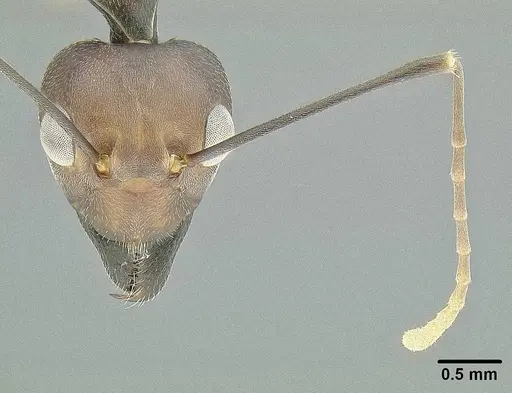
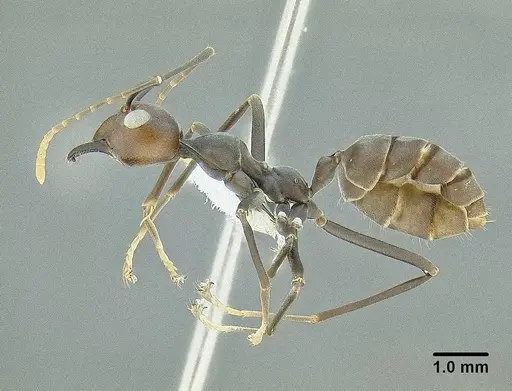
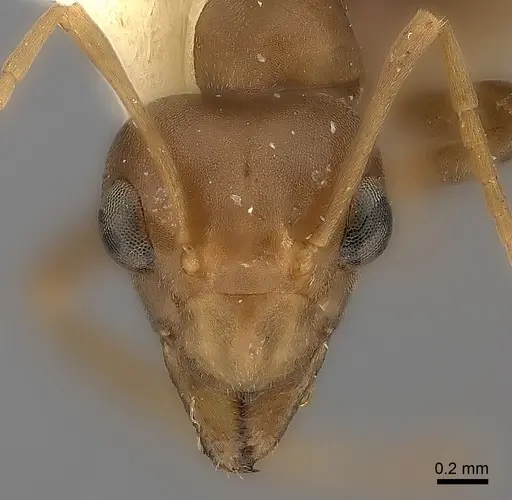
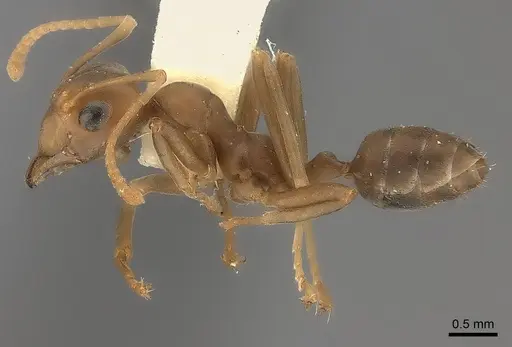
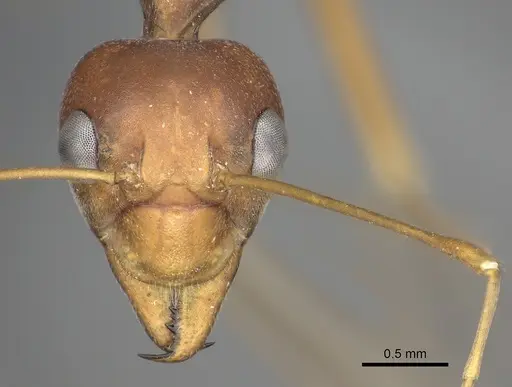
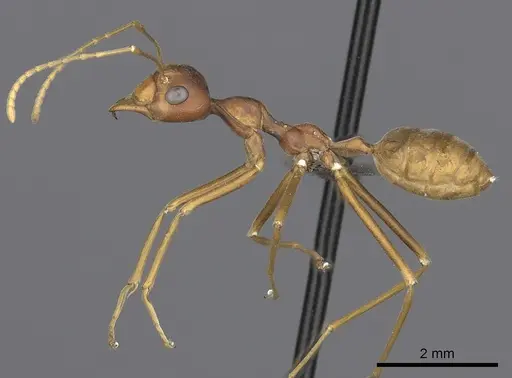
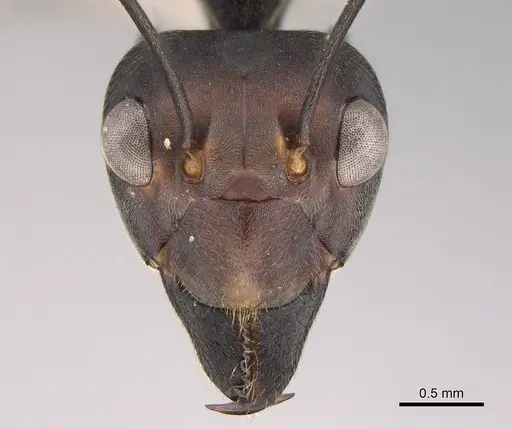
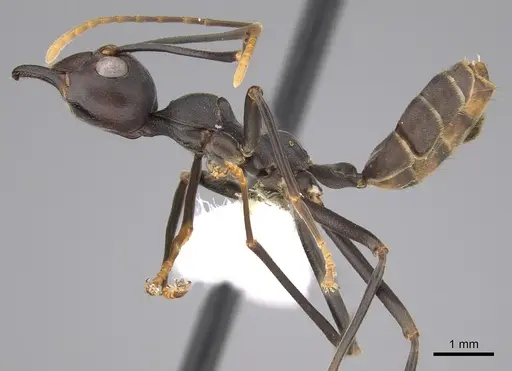
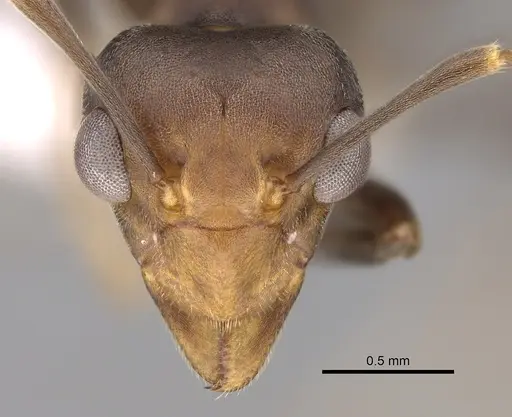
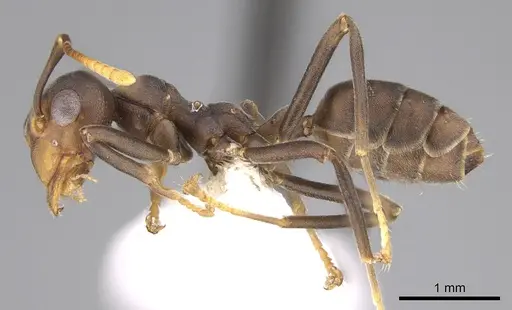
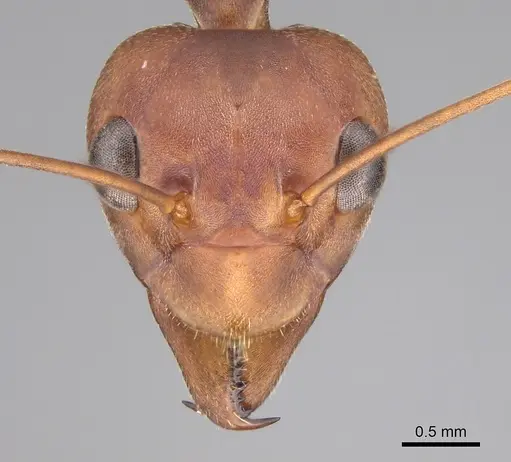
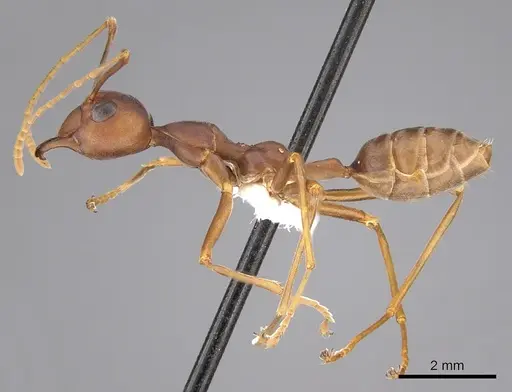
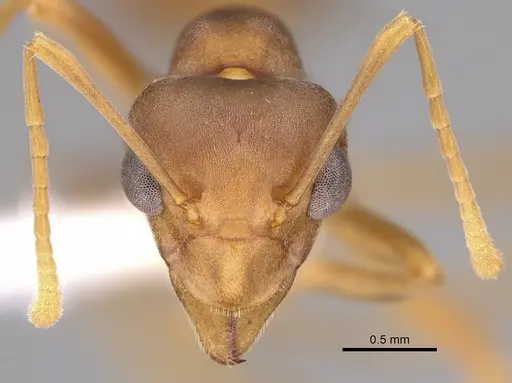
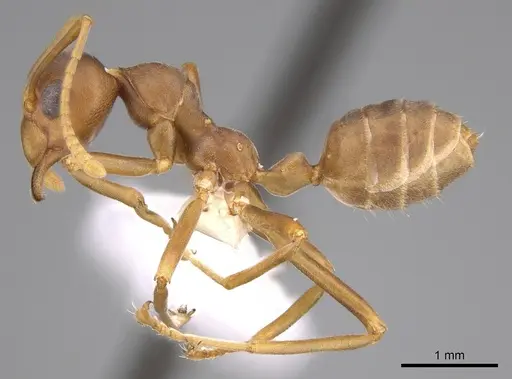
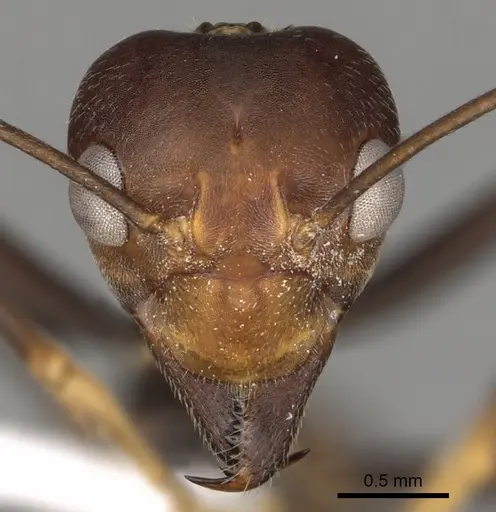
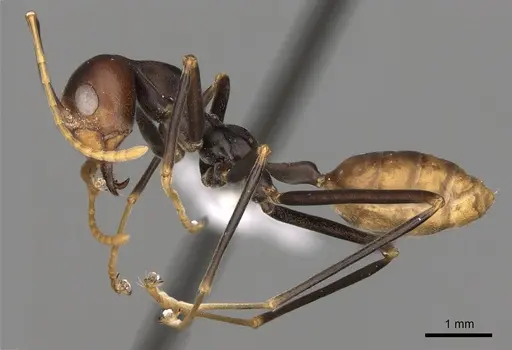
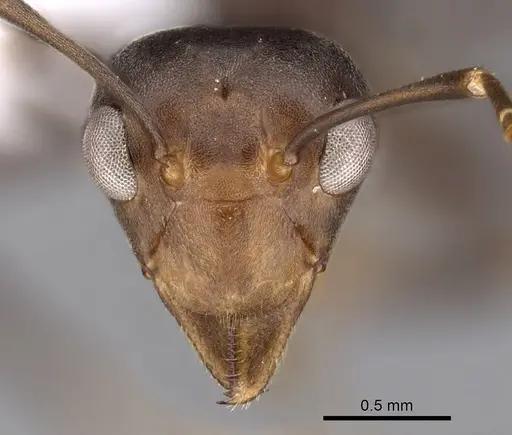
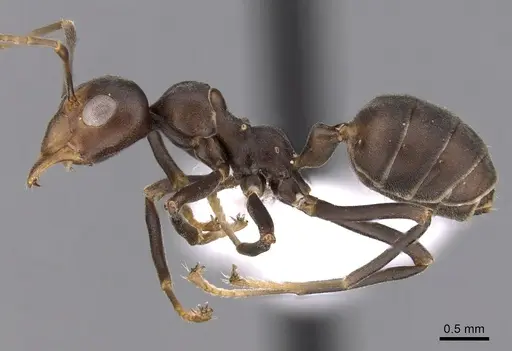
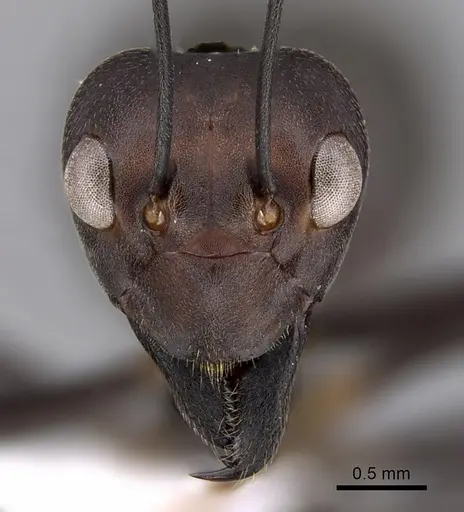
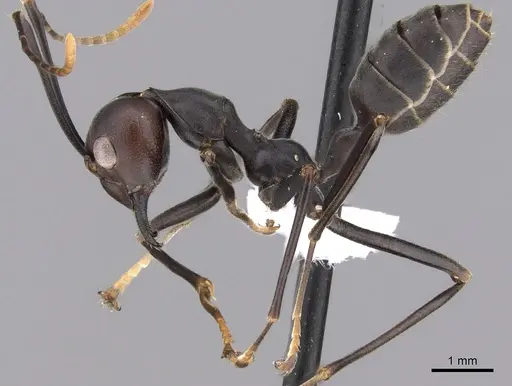
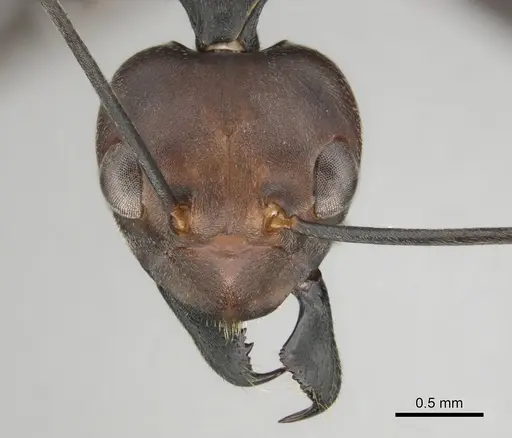
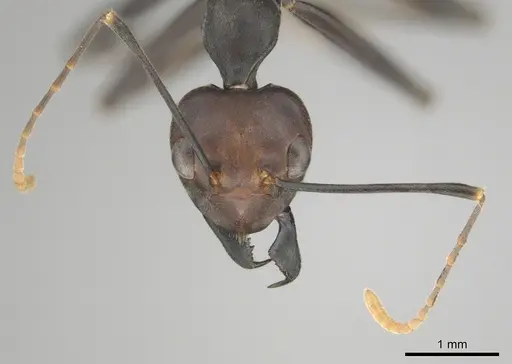
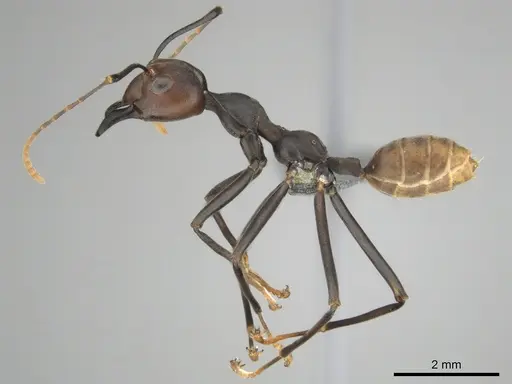
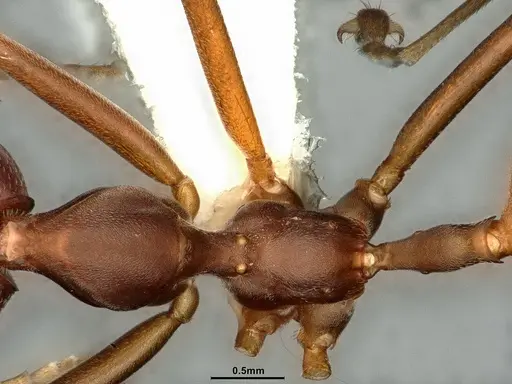
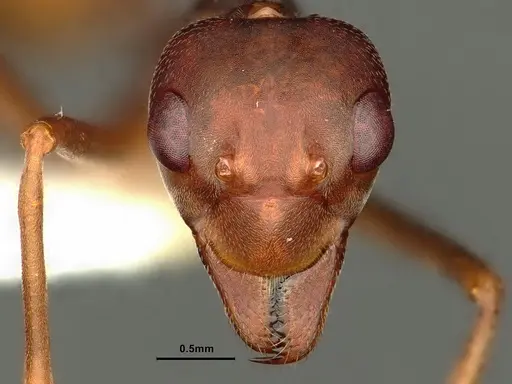
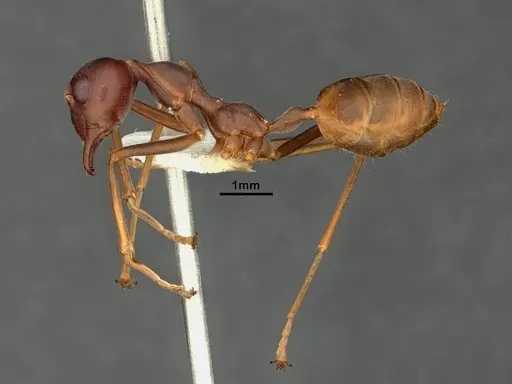
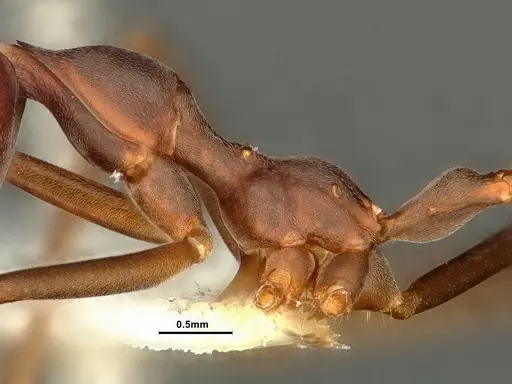
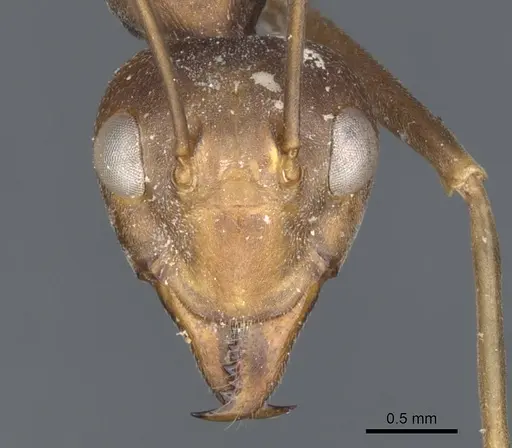
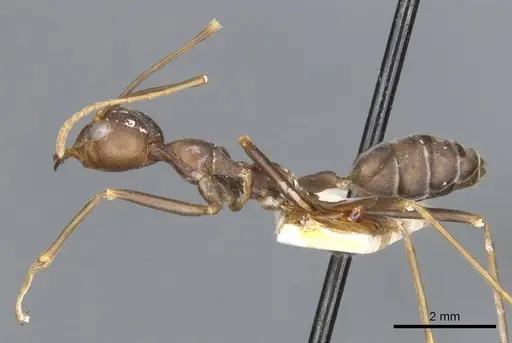
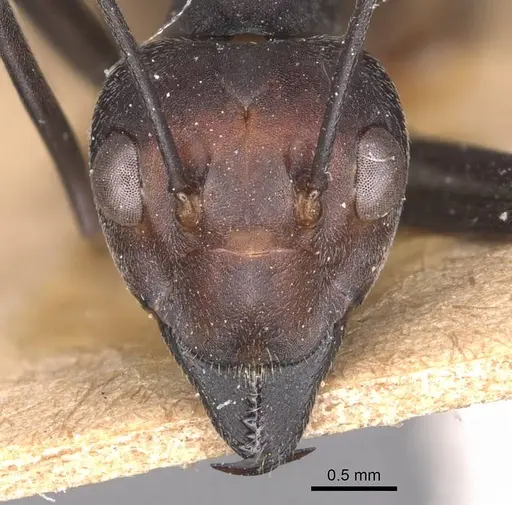
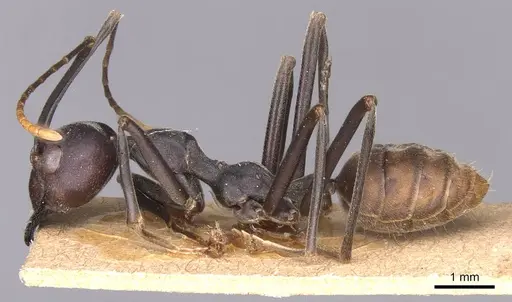
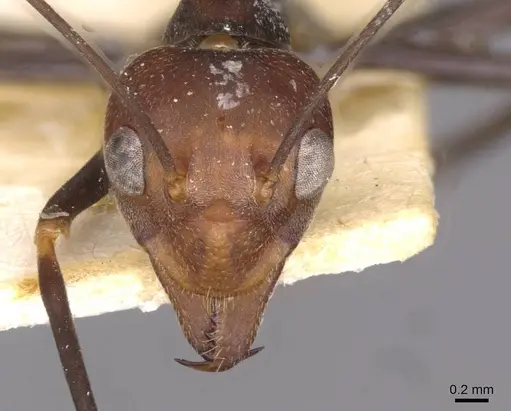
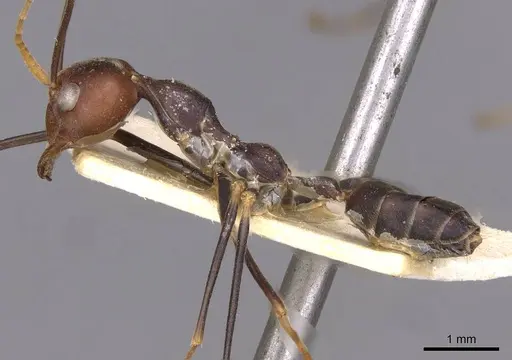
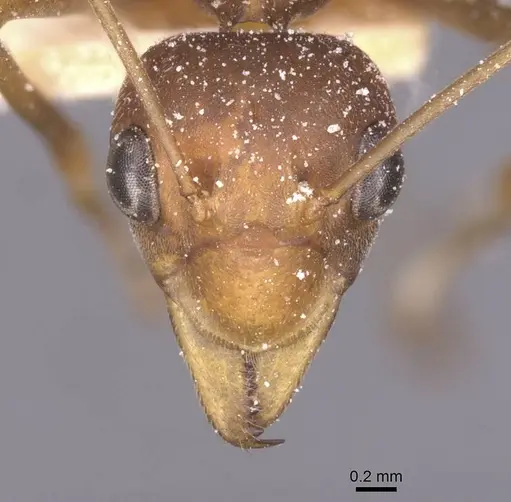
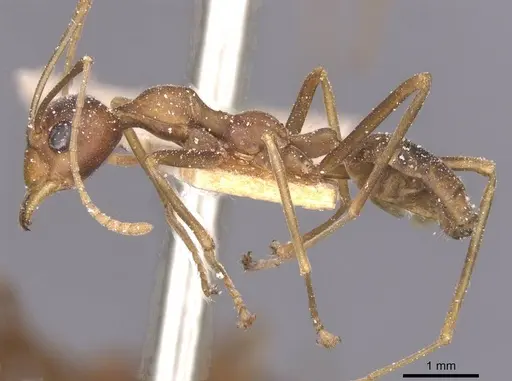
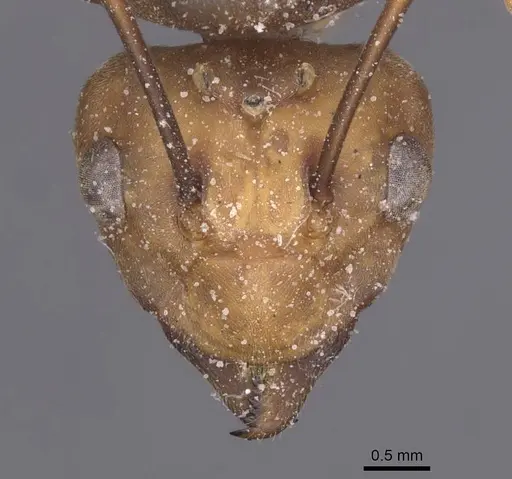
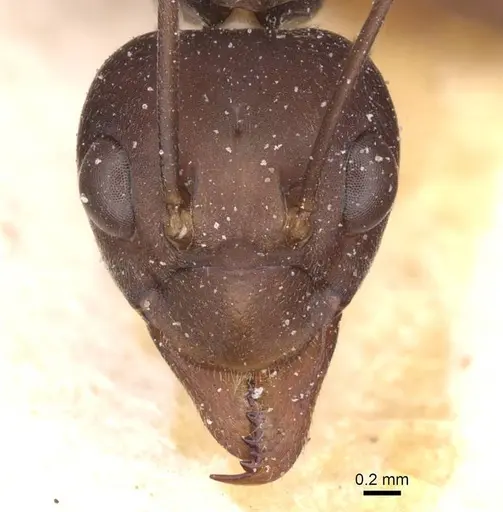
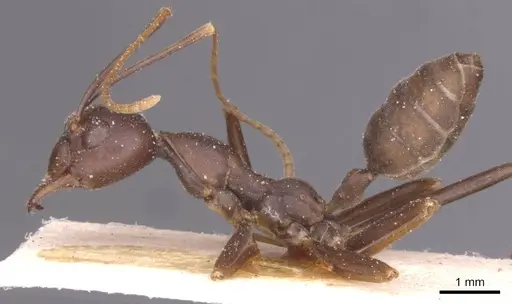
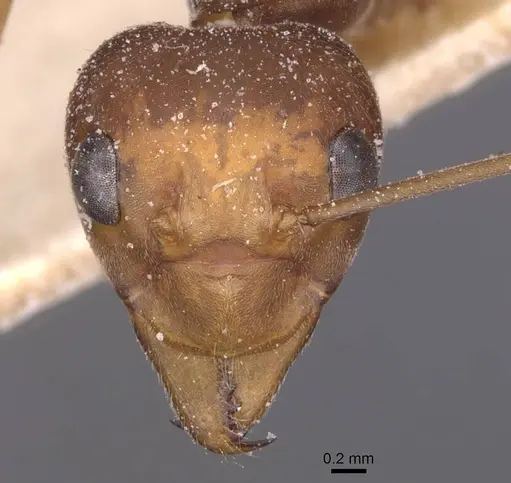
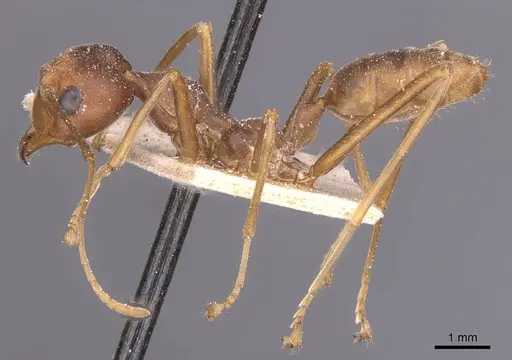
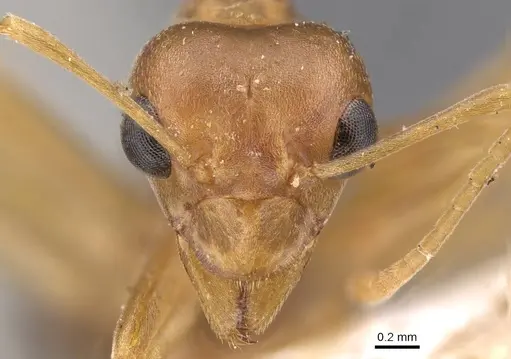
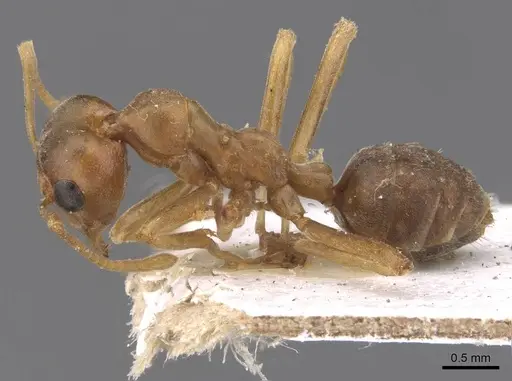
Oecophylla longinoda (commonly known as the African Weaver Ant) is an ant species of the genus Oecophylla. It is primarily documented in 21 countries , including Benin, Congo, Democratic Republic of the. Detailed taxonomic data and occurrence records can be further explored via authoritative databases such as AntWeb or the Global Biodiversity Information Facility (GBIF).
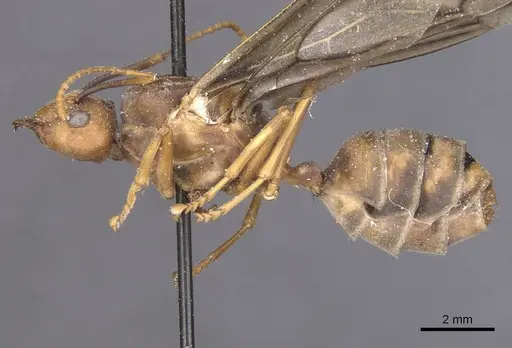
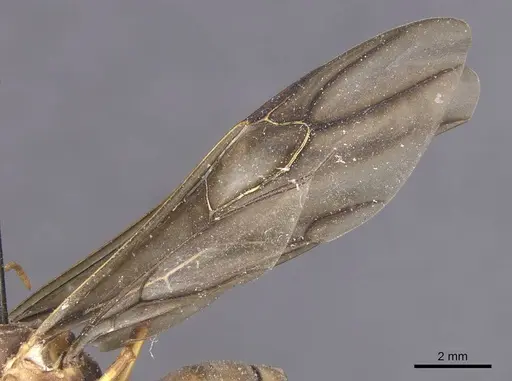
The nuptial flight of Oecophylla longinoda is a significant biological event, typically occurring from February to March, peaking in February. During this time, winged queens and males leave the nest to mate and establish new colonies.
Oecophylla longinoda - "African Weaver Ant"
The African weaver ant is one of only two living weaver ant species, famous for its nest-building behavior where workers weave living tree leaves together using silk produced by larvae [1]. These ants are arboreal, living exclusively in tree canopies across sub-Saharan Africa, where they construct pendulous bag-like nests up to half a meter in diameter by pulling leaves together and having larvae secrete silk to bind them [2]. Workers are moderately polymorphic, with major workers being the primary foragers and nest builders, while minor workers tend to brood and the queen [2]. Colonies are exceptionally aggressive and territorial, dominating forest canopies and tolerating almost no other ant species in trees they occupy [1]. This species is one of the most dominant canopy ants in African forests and is highly valued as a biological control agent in tropical tree crops like mango, cocoa, and coconut [3].
Quick Summary
- Difficulty: Medium
- Origin & Habitat: Sub-Saharan Africa, found across tropical Africa from Senegal to Kenya and down to South Africa. Arboreal species living in the canopy of tropical forests, preferring areas with dense vegetation and interconnected tree canopies [4]. Nests are built on trees in both humid forests and dry savannahs, with most nests found below 2 meters height [4].
- Colony Type: Monogynous (single queen) colonies that are polydomous (multiple nests). One colony can have up to 150 nests spanning up to 20 trees and approximately 500,000 workers [2][5]. Queens are not replaceable once established [6].
- Size & Growth:
- Queen: Large, heavy-bodied queens with massive gaster containing many ovarioles [2]
- Worker: Major workers reach about 6 mm in total length [5]
- Colony: Up to 500,000 workers [2]
- Growth: Fast
- Development: At 30°C, larvae hatch in 10 days and first workers appear 18 days later [2] (Development is very rapid at optimal temperature. Queens are highly fecund, producing hundreds of eggs per day.)
- Antkeeping:
- Temperature: Keep at 25-30°C. These are tropical ants that thrive in warm conditions [2].
- Humidity: Keep the nest substrate consistently moist but not waterlogged. Mist the plants regularly to maintain humidity [2].
- Diapause: No, being a tropical species, they do not require hibernation or winter rest [6]. Active year-round in their native range.
- Nesting: Arboreal nesters that require live plants or branches with leaves to weave into nests. In captivity, they can be kept in large mesh enclosures or naturalistic setups with potted plants. They will not nest in test tubes or standard formicariums, they need foliage to weave.
- Behavior: Extremely aggressive and territorial, they will attack almost any intruder including humans, other ants, and large prey [1]. They hunt diurnally in groups, detecting prey visually from a distance and recruiting nestmates through pheromone trails [7]. Major workers can capture prey 20-50 times their weight through cooperative hunting, even taking small vertebrates [8]. They are excellent climbers with powerful adhesive pads on their feet. They mark territories with colony-specific pheromones from rectal gland secretions [9]. Escape prevention is critical, use fluon on all rim edges as these ants are excellent climbers [2][5]. Their bites are painful due to formic acid in their venom [10].
- Common Issues: aggressive bites, workers will readily bite when defending nests or territory, causing skin irritation from formic acid, colonies require large space, polydomous nature means they need extensive enclosure with multiple nesting areas, cannot be kept in standard formicariums, they require live plants or branches to weave leaf nests, competition from invasive ants, Pheidole megacephala can displace them from territories, scale insect farming, they tend scale insects which can become pests if ant populations decline, overheating risk, nests should be protected from direct hot sunlight which can kill colonies
Nuptial Flight Activity Analysis 133 observations
Flight Activity by Hour 133 observations
Oecophylla longinoda nuptial flight activity peaks around 21:00 during the night. Activity is spread across a 16-hour window (07:00–22:00). Times may be influenced by human observation patterns.
Housing and Nest Setup
Oecophylla longinoda cannot be kept in standard test tube setups or acrylic formicariums because they are obligate arboreal nesters that must weave leaf nests. The ideal setup is a large mesh enclosure (antarium) containing potted trees or woody plants with abundant foliage. Plants like citrus, mango, or ficus work well as they provide the broad leaves these ants prefer for nest construction [4]. The enclosure should be at least 60cm tall with multiple branches to allow for polydomous nest building. Temperature should be maintained at 25-30°C with humidity around 60-80%. Provide a shallow water dish and mist the plants regularly. Lighting that encourages plant growth is essential since the ants need living foliage. The outworld should contain protein foods (insects) and sugar sources (honey water or sugar water). Escape prevention is critical, use fluon on all rim edges as these ants are excellent climbers [2][5].
Feeding and Diet
Weaver ants are generalist predators that primarily hunt insects but also supplement their diet with honeydew from scale insects they farm [1]. In captivity, feed them a varied diet including small live insects (fruit flies, crickets, mealworms), dead insects, and sugar water or honey. Research shows they strongly prefer protein-rich foods like anchovy and fish over other options [11]. They will also accept fish intestine, chicken intestine, and earthworms. Feed protein prey items 2-3 times per week, and keep sugar water available constantly. They are diurnal hunters that patrol their territory continuously during daylight hours, withdrawing to nests at night [5]. In agricultural settings, they are valued predators that control fruit flies, cocoa pests, and coconut bugs through both direct predation and territorial repulsion [3]. They also tend scale insects (Coccidae) for honeydew, protecting them from predators [4].
Temperature and Seasonal Care
As a tropical species, Oecophylla longinoda requires warm temperatures year-round. The optimal range is 25-30°C, with development fastest at around 30°C where eggs hatch in 10 days and workers emerge in 18 days [2]. They are active throughout the year in their native range with no diapause requirement [6]. In captivity, avoid temperatures below 20°C as this can slow colony development and activity. Provide a gentle heat source if room temperature falls below optimal range. They are sensitive to heat stress, direct sunlight on nests can cause death. In the wild, they reduce activity during the hottest part of the day (1-3pm) when temperatures exceed 34-37°C [12]. Humidity should be moderate to high, mimicking their forest canopy habitat. Mist the enclosure regularly and ensure plants maintain moisture.
Behavior and Defense
Oecophylla longinoda is one of the most aggressive and territorial ant species. Colonies maintain territories spanning up to 1600m² covering about 20 trees, with 'no-ant's-lands' separating them from neighboring colonies [5]. They use at least five different recruitment systems for different situations: summoning nestmates to food, new terrain, for emigration, to territorial defense, and short-range recruitment to intruders [13]. Major workers mark territories with persistent colony-specific pheromones from rectal gland secretions, these marks can be detected for up to 11 months [9]. When threatened, they employ a coordinated defense strategy: alarm pheromones excite major workers to attack while causing minor workers to remain in the nest protecting brood [14]. Their painful bites come from venom containing formic acid and undecane, which together trigger mass attack behavior [10]. They can capture prey 20-50 times their weight through cooperative hunting, with groups pulling prey apart in a spread-eagling technique [8]. This aggression extends to humans, they will readily bite when their nest is disturbed.
Colony Growth and Reproduction
Colonies start with a single claustral queen who seals herself in a leaf chamber and raises her first brood using stored fat reserves. At 30°C, eggs hatch in 10 days and workers emerge 18 days later, remarkably fast development [2]. Pleometrosis (multiple queens founding together) also occurs in the wild, though only one queen ultimately remains [2]. Mature colonies become polydomous, spreading across multiple trees with hundreds of nests. A single colony can contain up to 500,000 workers across 150 nests spanning approximately 20 trees [2]. Queens are highly fecund, producing hundreds of eggs per day, fed by major workers who regurgitate liquid food and also provide trophic eggs [5]. The colony is always monogynous, once established, the queen is not replaceable [6]. Nuptial flights occur during specific seasons depending on location, in Tanzania they coincide with the short rainy season (November-December) [15].
Weaver Ant Nest Building
The most distinctive behavior of Oecophylla longinoda is their leaf-weaving nest construction. Workers pull leaf edges together by forming chains, with each ant gripping the leaf margin and pulling [16]. When the gap is too large for a single ant, they form chains to span it. Once leaves are positioned, workers recruit mature larvae (which have functional silk glands) and hold them like shuttles between their mandibles [5]. The larvae then secrete silk threads from glands on their labium, weaving thousands of threads that bind leaves together into pendulous bag-like nests up to 0.5m in diameter [2]. This is cooperative behavior at its finest, worker larvae produce approximately 10 times more silk than male larvae [5]. The nests provide protection from rain and predators while maintaining ventilation. In captivity, provide plenty of foliage so they can exhibit this behavior. They prefer trees with broad, flexible leaves and will use an average of 12-13 leaves per nest [17].
Frequently Asked Questions
Can I keep Oecophylla longinoda in a test tube or formicarium?
No. Oecophylla longinoda is an obligate arboreal species that must weave leaf nests from living foliage. They cannot nest in test tubes, acrylic nests, or plaster formicariums. You need a mesh enclosure (antarium) with live plants or branches for them to build their characteristic woven leaf nests.
How long does it take for first workers to emerge?
At optimal temperature (around 30°C), eggs hatch in approximately 10 days and first workers emerge after about 18 days total [2]. This is remarkably fast compared to most ant species. At cooler temperatures, development will take longer.
How big do Oecophylla longinoda colonies get?
Mature colonies can reach up to 500,000 workers distributed across as many as 150 nests spanning approximately 20 trees [2][5]. However, in agricultural settings, average colony sizes are smaller and depend on crop type and climate [18].
Can I keep multiple queens together?
While pleometrosis (multiple queens founding a colony together) does occur in the wild, only one queen ultimately remains in established colonies [2]. In captivity, it is not recommended to combine unrelated foundress queens as they will likely fight. The species is functionally monogynous.
What do Oecophylla longinoda eat?
They are generalist predators that primarily eat insects, supplemented by honeydew from scale insects they farm. In captivity, offer small live insects (fruit flies, crickets, mealworms), dead insects, and sugar water or honey constantly. Research shows they strongly prefer protein-rich foods like fish and anchovy over other options [11][1].
Do they need hibernation or diapause?
No. As a tropical species, they do not require hibernation or winter rest. They remain active year-round in their native habitat [6]. Keep them warm (25-30°C) throughout the year.
Are Oecophylla longinoda good for beginners?
No. They are considered intermediate to advanced due to their specific housing requirements (need for live plants/foliage), large space needs, aggressive biting behavior, and difficulty establishing colonies. They cannot be kept in standard ant-keeping equipment. They are best suited for antkeepers interested in observing their unique leaf-weaving behavior.
Why are my weaver ants not building nests?
They need appropriate nesting material, living foliage with broad, flexible leaves. Ensure your enclosure has healthy plants with abundant leaves. They prefer certain tree species like mango, citrus, and cashew [4]. Also verify temperature (25-30°C) and humidity (60-80%) are adequate.
Report an Issue
The current care sheet is based fully on literature. See inconsistencies, or something that's incorrect? Please , it will be resolved after review from an admin. Contributing to the blogs tab also helps providing information, to make us be able to further improve the caresheets. Thank you for your support!
References

This caresheet is licensed under CC BY-SA 4.0 .
CASENT0106331
View on AntWeb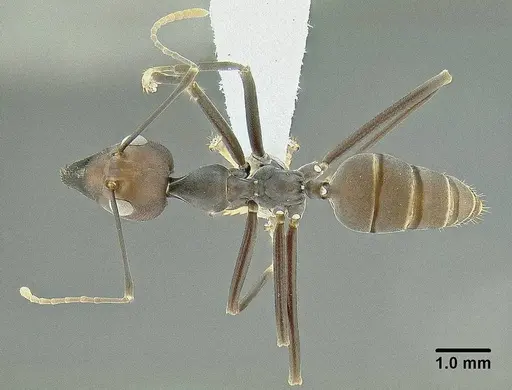
CASENT0217735
View on AntWeb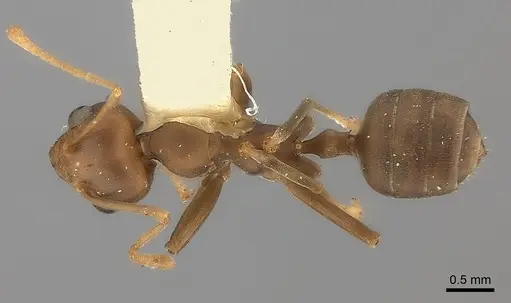
CASENT0235557
View on AntWeb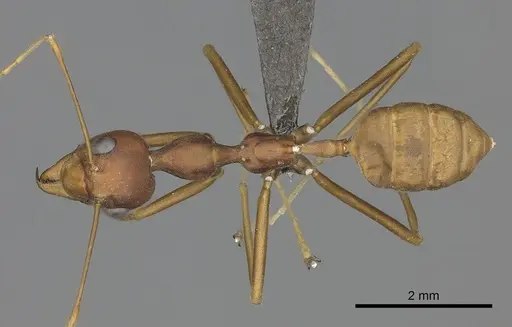
CASENT0281133
View on AntWeb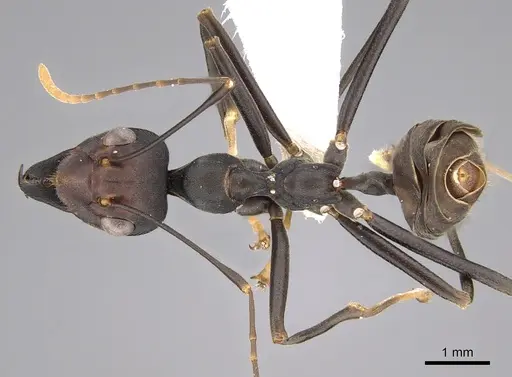
CASENT0281134
View on AntWeb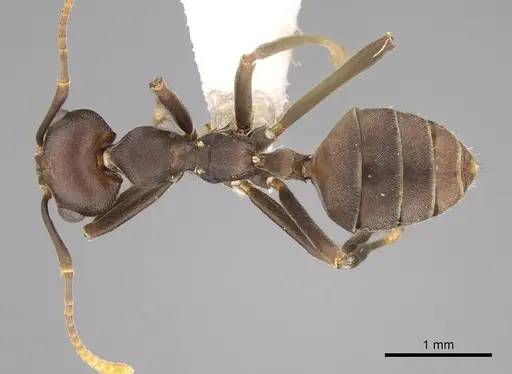
CASENT0281135
View on AntWeb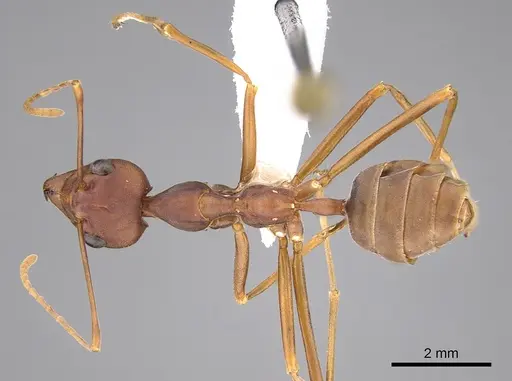
CASENT0281136
View on AntWeb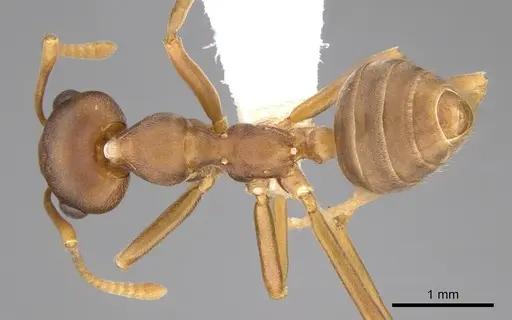
CASENT0317041
View on AntWeb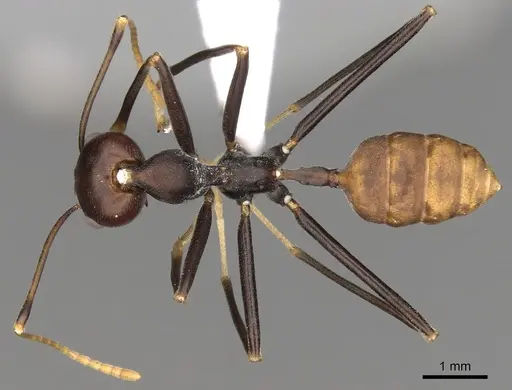
CASENT0403380
View on AntWeb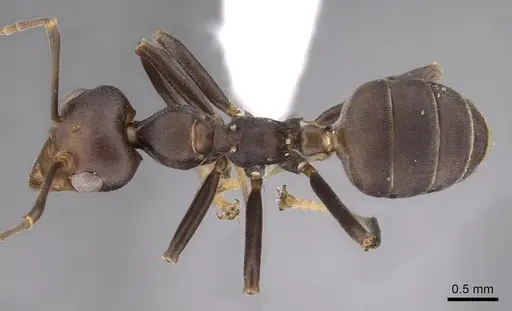
CASENT0403382
View on AntWeb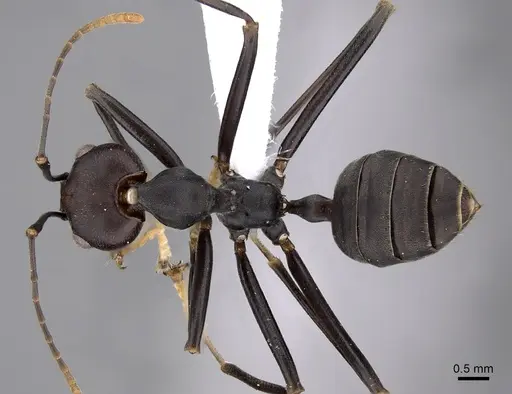
CASENT0815719
View on AntWeb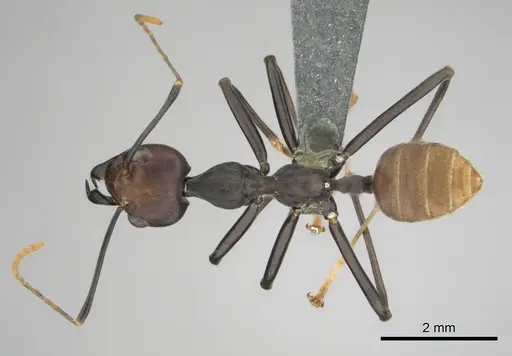
CASENT0883452
View on AntWeb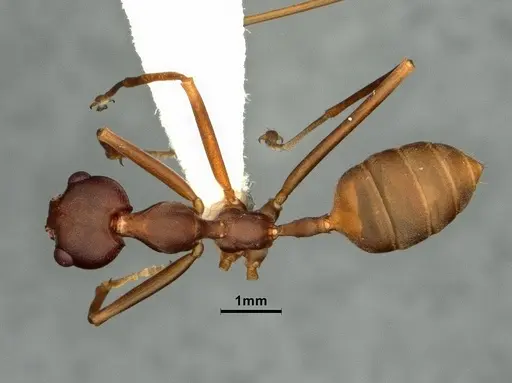
CASENT0903255
View on AntWeb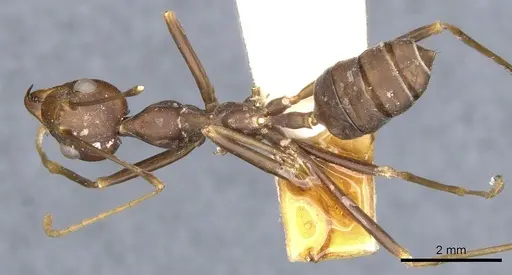
CASENT0905176
View on AntWeb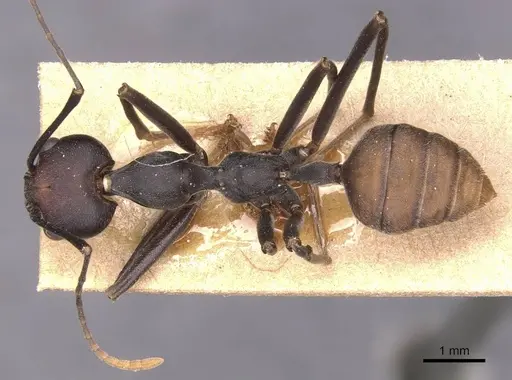
CASENT0909941
View on AntWeb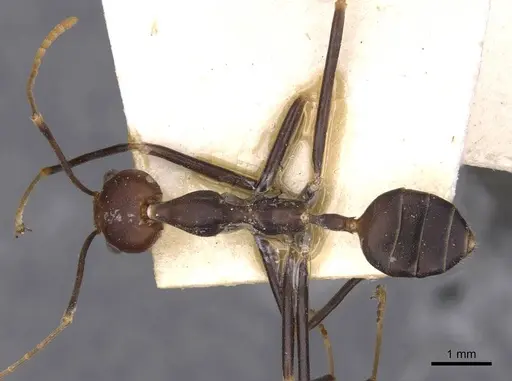
CASENT0912347
View on AntWeb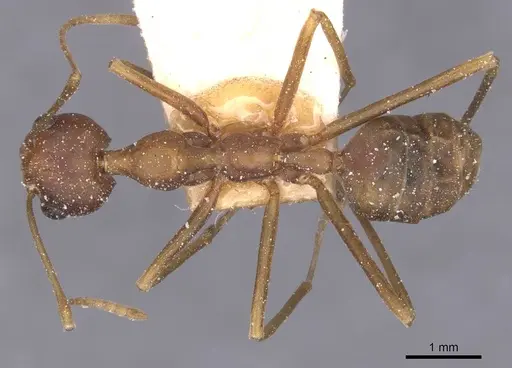
CASENT0912348
View on AntWeb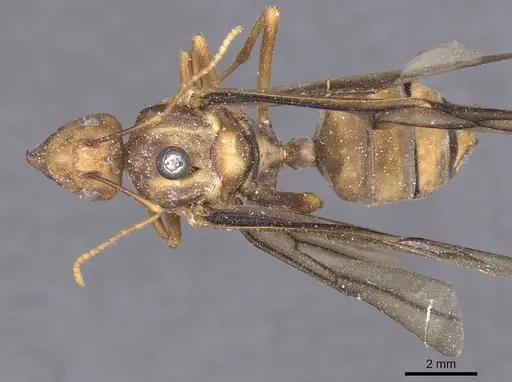
CASENT0912349
View on AntWeb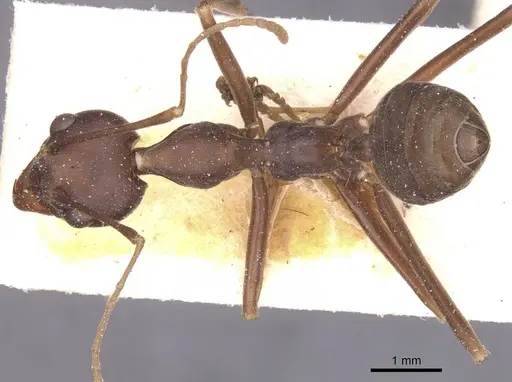
CASENT0912350
View on AntWeb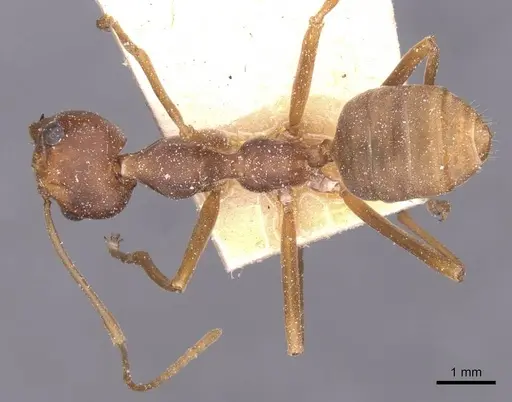
CASENT0913754
View on AntWeb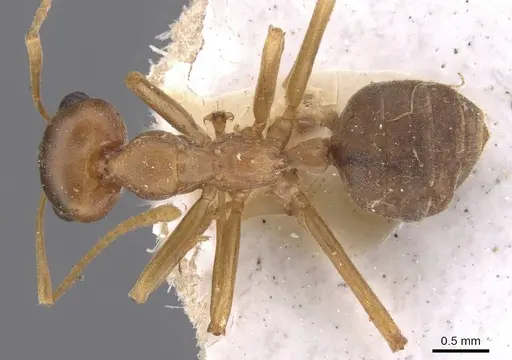
ZMUC00517992
View on AntWeb