Crematogaster longipilosa - "Long-haired Cocktail Ant"
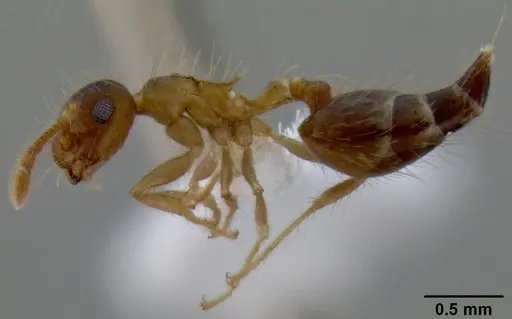
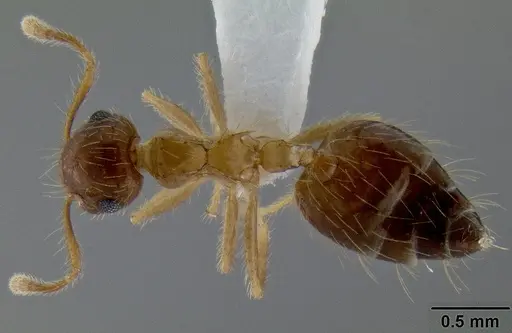
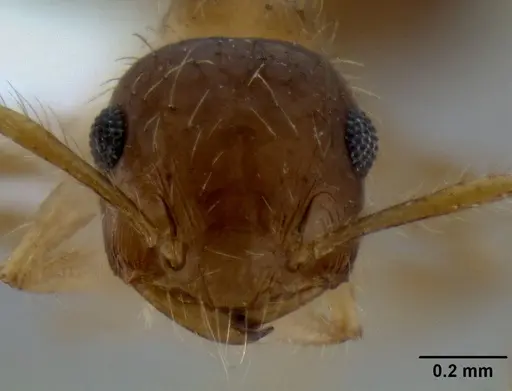
Crematogaster longipilosa is a fascinating ant species characterized by its distinctive long, erect setae (hairs) on various parts of its body, including the head, mesosoma, and gaster. Workers of this species typically range from yellow to brown in color, with all flagellar segments of their antennae being yellow. They are also easily identified by their well-developed propodeal spines on their mesosoma, which are longer than the diameter of their propodeal spiracles. Like all Crematogaster, they possess a heart-shaped gaster, which they can famously raise over their bodies when disturbed, earning them the common name 'cocktail ants' or 'acrobat ants'.
- Difficulty: Medium
- Origin & Habitat: Southeast Asia (Malaysia, Indonesia, Singapore, Thailand, Borneo) in Disturbed to developed forests, primary and mature secondary forests, nesting in soil..
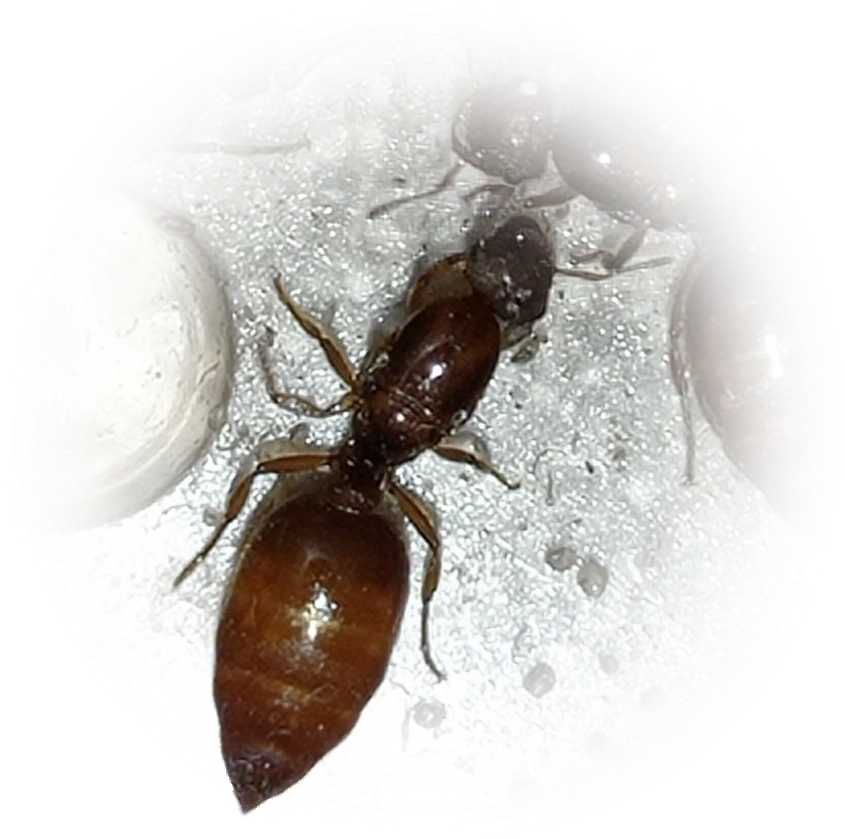
- Colony Type: Monogyne, claustral founding.
- Size & Growth:
- Queen: Not specified
- Worker: 0.6-0.8mm
- Colony: Medium (thousands). Medium to Fast growth.
- Antkeeping:
- Temperature: Maintain a temperature range of 21-25°C for optimal development, though they are adaptable. A heated section of the nest, reaching up to 27-29°C, can accelerate brood development, but avoid exceeding 30°C to prevent stress or harm..
- Humidity: These ants prefer a humidity range of 50-60%. While they can tolerate lower humidity, especially in the outworld, ensuring a consistently moist area within the nest is crucial for brood development and overall colony health. They can actively manage nest humidity by 'watering' it if conditions become too dry..
- Diapause: Not required. Not specified at Not specified.
- Nesting: In the wild, Crematogaster longipilosa nests in soil. Other Crematogaster species are known to nest in dead wood, hollow stems, or build carton nests. For captive setups, a formicarium with good ventilation and a mix of soil and sand substrate is recommended..
- Behavior: Medium (towards handler, food or other ants) aggressiveness.
- Common Issues: Mold in nest, Humidity fluctuations, Queen stress.
Crematogaster longipilosa workers are characterized by their abundant standing pilosity, meaning they have many long, erect hairs across their body, including their head, mesosoma, and gaster. These hairs are a key identifying feature, along with their distinct propodeal spines. Their body color typically ranges from yellow to brown, with consistently yellow flagellar segments on their antennae, which can help differentiate them from other Crematogaster species.
Like other 'cocktail ants', Crematogaster longipilosa can raise their heart-shaped gaster over their head and thorax when alarmed or defending their territory. This unique 'acrobatic' posture is a hallmark of the genus. This defensive behavior is often accompanied by the release of a venom produced in their metapleural gland, which can stun prey or deter intruders. The venom's effectiveness varies between different insect species.
These ants are generalist omnivores, feeding on both carbohydrates and proteins. In the wild, they consume honeydew from sap-feeding insects and small insects. In captivity, a varied diet of sugar water, honey, and various insect proteins like crickets and mealworms will ensure a healthy colony. They need a steady supply of protein for the queen's egg production and the brood's development, while workers thrive on sugar sources for energy.
Crematogaster longipilosa are found in tropical and subtropical regions, primarily in Southeast Asia. They inhabit disturbed and developed forests, nesting in the soil, and have also been observed in primary and mature secondary forests. Maintaining appropriate temperature and humidity levels that mimic their natural tropical environment is crucial for their well-being in a captive setup.
While generally monogynous (having a single queen), some Crematogaster species can exhibit polygyny (multiple queens). Their colony growth rate is considered medium to fast under optimal conditions, with colonies potentially reaching thousands of workers. Adequate space and a reliable food source are essential to support their expanding numbers.
Frequently Asked Questions
What makes Crematogaster longipilosa unique among ant species?
Crematogaster longipilosa, often called 'Long-haired Cocktail Ants,' are easily recognizable by the distinct long, upright hairs (setae) covering their body, including their head, mesosoma, and gaster. They also have prominent propodeal spines and, like all 'acrobat ants,' can lift their heart-shaped gaster in a defensive 'cocktail' posture. This unique combination of features makes them stand out in any ant collection.
Where do Crematogaster longipilosa naturally live?
These fascinating ants are native to the tropical and subtropical regions of Southeast Asia, including countries like Malaysia, Indonesia, Singapore, Thailand, and Borneo. You'll typically find them nesting in the soil within disturbed or developed forests, and they thrive in both primary and mature secondary forest environments.
Are Crematogaster longipilosa colonies difficult to keep for a new antkeeper?
Crematogaster longipilosa are rated as 'Medium' difficulty, making them a suitable challenge for antkeepers with some prior experience. While not as straightforward as beginner species, their care requirements are manageable once you understand their preferences for temperature, humidity, and diet. Consistent monitoring is key to their success.
What kind of nest setup is best for Crematogaster longipilosa?
Since these ants typically nest in soil in the wild, a formicarium that mimics these conditions is ideal. Consider setups with a mix of soil and sand substrate to replicate their natural environment. Good ventilation is also crucial to prevent mold and ensure a healthy living space. They adapt well to various artificial nests if humidity is properly managed.
What do Crematogaster longipilosa eat in captivity?
Like most ant species, Crematogaster longipilosa need a balanced diet of carbohydrates and protein. For carbs, offer sugar water or honey. For protein, small insects like crickets, mealworms, and fruit flies are excellent choices. Varying their diet will ensure they receive all necessary nutrients for a thriving colony and robust brood development.
How large can a Crematogaster longipilosa colony get?
Crematogaster longipilosa colonies can reach a considerable size, typically in the thousands of workers, classifying them as a 'Medium' to 'Large' colony. Under optimal care, their growth rate can be quite fast, so be prepared for a steadily expanding population that will require more space over time.
Do Crematogaster longipilosa sting or bite?
Yes, Crematogaster species, including longipilosa, possess a stinger. When disturbed, they can raise their gaster and spray venom rather than inject it directly like some other ants. While their bites are generally harmless to humans, the venom sprayed can cause localized irritation, pain, swelling, and redness for a day or two in some individuals. Always handle them with care.
Do these ants need a diapause (hibernation) period?
No, Crematogaster longipilosa, being a tropical species, does not require a diapause period. They thrive in consistent warm temperatures year-round. This is a key difference from many temperate ant species, making their year-round care more straightforward in terms of temperature management.
What is the typical worker size for Crematogaster longipilosa?
Workers of Crematogaster longipilosa are relatively small and monomorphic, meaning they don't have distinct size castes like majors or minors. Their body length typically ranges from 0.60 mm to 0.80 mm. Despite their small size, they are quite active and can be fascinating to observe.
How long does it take for a Crematogaster longipilosa egg to develop into a worker?
While exact times can vary depending on temperature and nutrition, the development from egg to adult worker for many Crematogaster species can be around 70 days or slightly less under ideal conditions. Maintaining consistent warmth and providing ample protein will help ensure a healthy and timely brood cycle.
Are there any common issues to watch out for when keeping Crematogaster longipilosa?
Like any ant species, Crematogaster longipilosa can face common issues such as mold growth in the nest if humidity is too high or ventilation is poor, humidity fluctuations, or queen stress if conditions are not stable. Regular cleaning of the outworld and monitoring nest conditions can prevent most problems. Ensuring a consistent water source and appropriate temperatures will also mitigate stress.
How aggressive are Crematogaster longipilosa?
These ants are generally considered to have a 'Medium' level of aggressiveness. While not overly aggressive towards handlers if undisturbed, they will certainly defend their nest and food resources vigorously against perceived threats, including other ants. Their unique gaster-raising defense is a clear indicator of their readiness to protect the colony.
Can I keep multiple queens of Crematogaster longipilosa together?
Crematogaster longipilosa is generally described as monogyne, meaning colonies are typically founded by a single queen. While some Crematogaster species can be polygynous, it's safer to assume a single queen setup for C. longipilosa unless you have specific information confirming polygyny for this exact species. Attempting pleometrosis (multiple queens founding a single colony) may lead to conflict and the loss of queens.