

Crematogaster nigrans
- Scientific Name
- Crematogaster nigrans
- Tribe
- Crematogastrini
- Subfamily
- Myrmicinae
- Author
- Forel, 1915
- Distribution
- Found in 1 countries
Crematogaster nigrans Overview
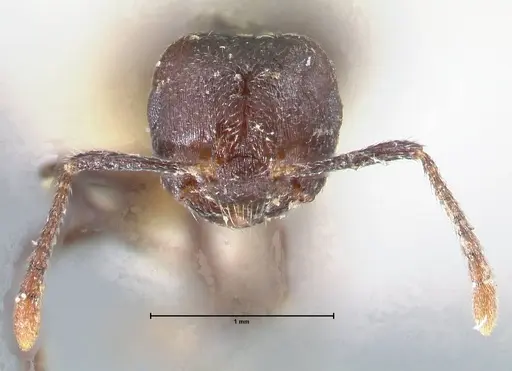
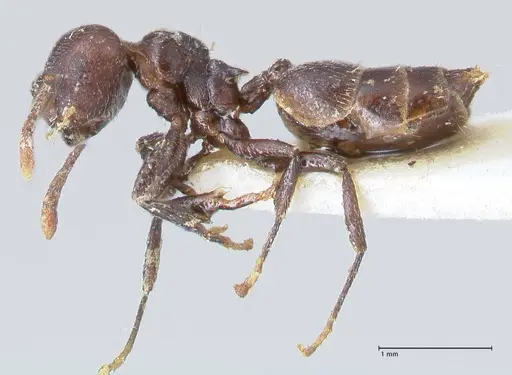
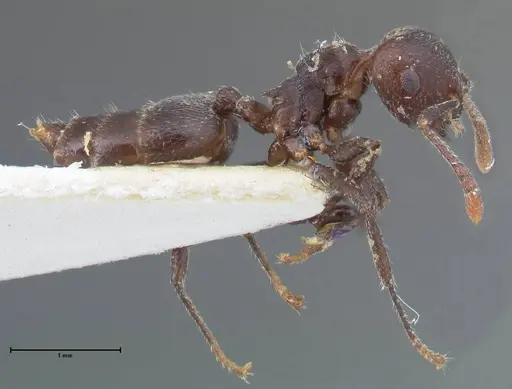
Crematogaster nigrans is an ant species of the genus Crematogaster. It is primarily documented in 1 countries , including Congo, Democratic Republic of the. Detailed taxonomic data and occurrence records can be further explored via authoritative databases such as AntWeb or the Global Biodiversity Information Facility (GBIF).
Crematogaster nigrans
Crematogaster nigrans is a small ant species native to Central Africa, specifically documented from the Democratic Republic of Congo [1]. Workers are typical of the genus, small with a distinctive heart-shaped abdomen that they can raise over their body like an acrobat, giving them their common name. The genus Crematogaster is known for their arboreal and semi-arboreal nesting habits, often found in rotting wood, under bark, or in hollow twigs in forest environments. These ants are generally active foragers that travel in trails, searching for honeydew from aphids and small insects.
Quick Summary
- Difficulty: Medium
- Origin & Habitat: Democratic Republic of Congo in Central Africa. Based on typical Crematogaster habitat preferences, they likely inhabit forest edges and woodland areas where they nest in rotting wood or under bark [1].
- Colony Type: Colony structure is unconfirmed for this specific species. Many Crematogaster species are polygynous (multiple queens per colony), but this has not been documented for C. nigrans.
- Size & Growth:
- Queen: Estimated 5-7mm based on genus patterns, not directly measured for this species
- Worker: Estimated 2-4mm based on genus patterns
- Colony: Estimated several hundred workers based on typical Crematogaster colony sizes
- Growth: Moderate, based on genus patterns
- Development: Estimated 6-8 weeks at warm temperatures based on related species, not directly studied for this species (Development time is estimated from genus-level data since no species-specific research exists)
- Antkeeping:
- Temperature: Keep around 24-28°C. These are tropical ants from Central Africa, so they need warm conditions. A heating cable on one side of the nest creates a gradient for them to regulate their temperature.
- Humidity: Moderate to high humidity (60-80%). Keep the nest substrate slightly moist but not waterlogged. Mist occasionally and provide a water source.
- Diapause: Unlikely, being a tropical species from Central Africa, they probably do not require a true hibernation period. They may show reduced activity during cooler periods.
- Nesting: Based on typical Crematogaster preferences, they do well in Y-tong (AAC) nests, plaster nests, or naturalistic setups with rotting wood pieces. They prefer enclosed spaces with some moisture.
- Behavior: Crematogaster nigrans is likely an active forager that will search for food along trails. They are generally not aggressive toward humans but will defend their nest if threatened. Workers can emit a defensive chemical when disturbed. Their small size means escape prevention is important, use fine mesh and tight-fitting barriers. They likely accept both sugar sources (honey, sugar water) and protein (small insects).
- Common Issues: tropical species needs warm conditions, cold temperatures can slow or stop brood development, small size means escapes are possible without proper barriers, limited specific data means care is based on genus patterns rather than species-specific research, overheating is a risk, avoid temperatures above 32°C, dry conditions can cause brood death, monitor humidity
Nest Preferences
Crematogaster nigrans likely prefers nesting in rotting wood, under bark, or in hollow twigs in their natural habitat. In captivity, Y-tong (AAC) nests work well because they provide the dark, enclosed spaces these ants prefer. Plaster nests or naturalistic setups with wood pieces are also suitable. The nest should have chambers small enough that the ants feel secure, not large open spaces. Keep the nest slightly moist, these ants do not tolerate completely dry conditions. A water tube or cotton wick for moisture is recommended.
Feeding and Diet
Based on typical Crematogaster feeding behavior, this species likely accepts a varied diet. Offer sugar water or honey as a constant energy source. For protein, small live insects like fruit flies, pinhead crickets, or mealworms are appropriate. They are foragers that likely collect honeydew in the wild, so sugar sources are important. Feed protein 2-3 times per week and keep sugar water available at all times. Remove uneaten prey after 24 hours to prevent mold.
Temperature and Care
As a tropical species from Central Africa, Crematogaster nigrans needs warm temperatures. Keep the nest area around 24-28°C. A small heating cable placed on one side of the nest creates a temperature gradient so ants can move to warmer or cooler areas as needed. Avoid temperatures below 20°C or above 32°C. Room temperature (around 22-25°C) may be acceptable if your home stays in this range. Monitor colony activity, if workers seem sluggish, the temperature may be too low.
Behavior and Temperament
Crematogaster ants get their common name 'acrobat ants' from their ability to raise their heart-shaped abdomen over their head and thorax. This is a defensive posture. When threatened, they may emit defensive chemicals from their abdomen. They are active foragers that likely travel in search of food trails. They are not typically aggressive toward humans but will bite if their nest is disturbed. Their small size means they can escape through tiny gaps, use fine mesh (at least 0.5mm) on any ventilation holes and ensure lid seals are tight.
Frequently Asked Questions
How long does it take for Crematogaster nigrans to produce first workers?
Based on genus-level estimates, expect first workers (nanitics) around 6-8 weeks after the queen lays eggs, assuming warm temperatures (around 26°C). This is an estimate since no species-specific development data exists.
What temperature do Crematogaster nigrans need?
Keep them warm at 24-28°C. This is a tropical species from Central Africa, so they need temperatures in the warm range. A heating cable on part of the nest creates a gradient they can use.
Can I keep Crematogaster nigrans in a test tube?
Test tubes can work for founding colonies, but you may need to move them to a proper nest (Y-tong or plaster) once the colony reaches 20-30 workers. Test tubes dry out faster, so monitor moisture levels.
Do Crematogaster nigrans ants sting?
Crematogaster ants can bite and may emit defensive chemicals, but their sting is not considered dangerous to humans. The main concern is their bite if they feel threatened.
How big do Crematogaster nigrans colonies get?
Based on typical Crematogaster colony sizes, expect several hundred workers at maturity. The exact maximum is unknown for this species.
What do Crematogaster nigrans eat?
They likely accept both sugar sources (honey, sugar water) and protein (small insects like fruit flies, pinhead crickets, or mealworms). Offer sugar constantly and protein 2-3 times per week.
Do Crematogaster nigrans need hibernation?
Probably not. Being a tropical species from Central Africa, they likely do not require a true hibernation period. They may show reduced activity in cooler conditions but no extended dormancy.
Are Crematogaster nigrans good for beginners?
This species is rated as Medium difficulty. They have specific temperature and humidity needs typical of tropical ants. The main challenges are providing warm, humid conditions and preventing escapes due to their small size.
Why are my Crematogaster nigrans dying?
Common causes include: temperatures too cold (below 20°C), dry conditions, or escapes due to inadequate barriers. Check that your setup maintains proper warmth and humidity, and verify that all potential escape routes are sealed.
Can I keep multiple Crematogaster nigrans queens together?
The colony structure is unconfirmed for this species. Many Crematogaster species are polygynous (multiple queens), but this has not been documented for C. nigrans. It is not recommended to combine unrelated foundress queens without documented evidence that they accept each other.
References

This caresheet is licensed under CC BY-SA 4.0 .
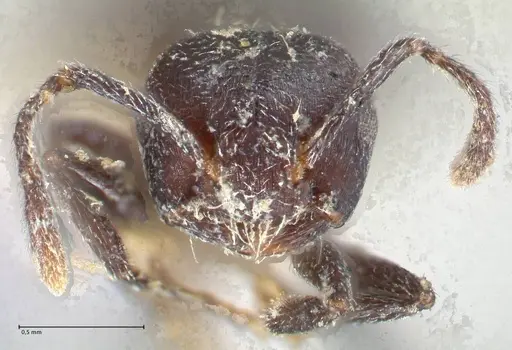
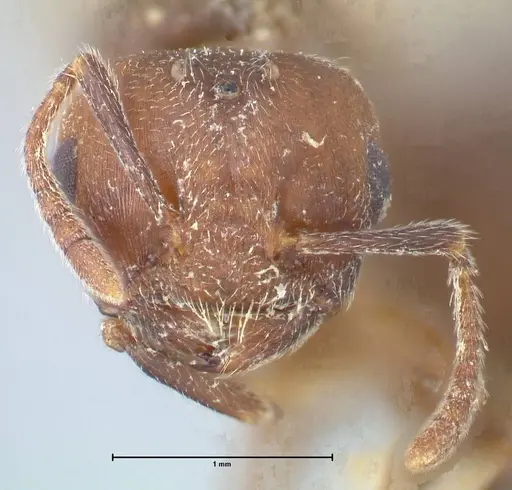
CASENT0908525
View on AntWeb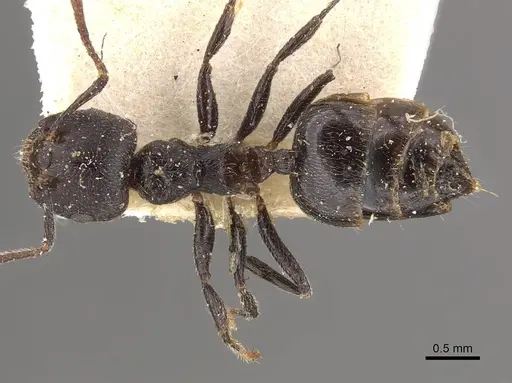
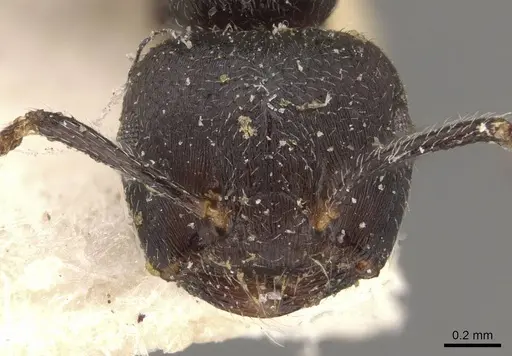
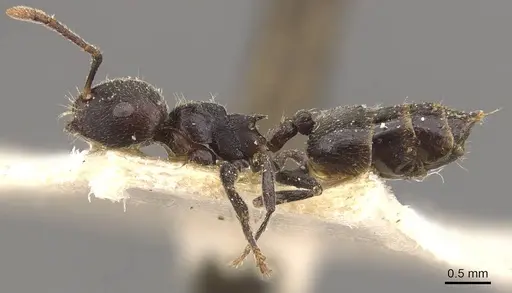
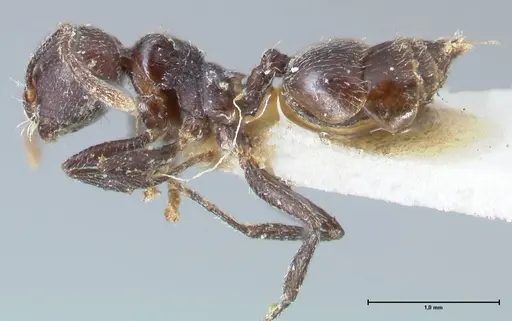
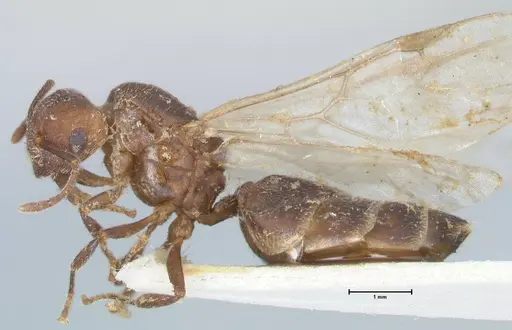
FOCOL1488
View on AntWeb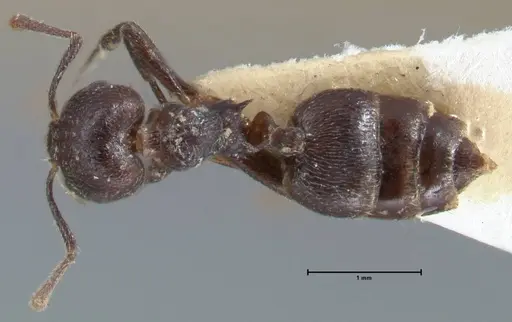
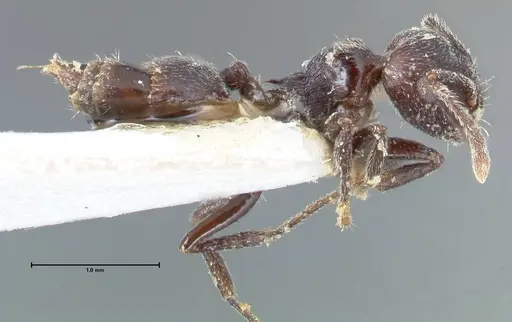
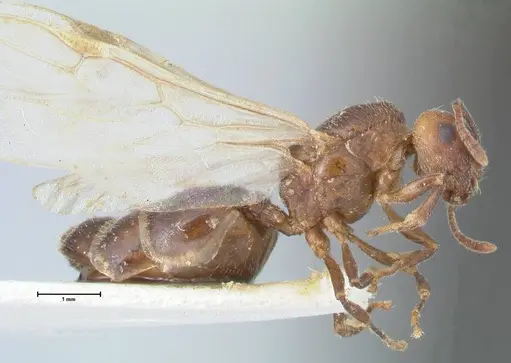
FOCOL1489
View on AntWeb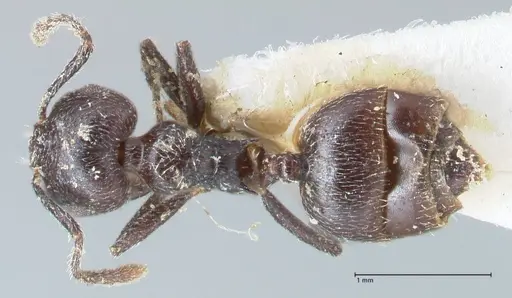
FOCOL1490
View on AntWeb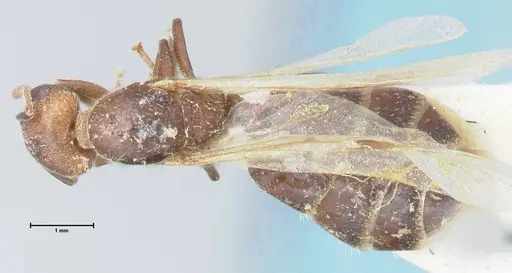
Literature
Loading...Loading products...