

Crematogaster lobata
- Scientific Name
- Crematogaster lobata
- Tribe
- Crematogastrini
- Subfamily
- Myrmicinae
- Author
- Emery, 1895
- Distribution
- Found in 1 countries
Crematogaster lobata Overview
Crematogaster lobata is an ant species of the genus Crematogaster. It is primarily documented in 1 countries , including Madagascar. Detailed taxonomic data and occurrence records can be further explored via authoritative databases such as AntWeb or the Global Biodiversity Information Facility (GBIF).
Crematogaster lobata
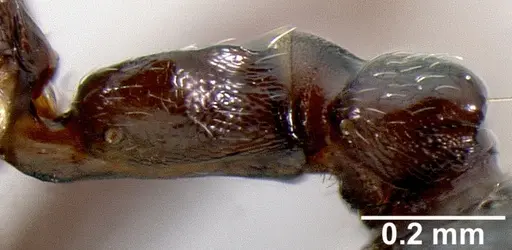
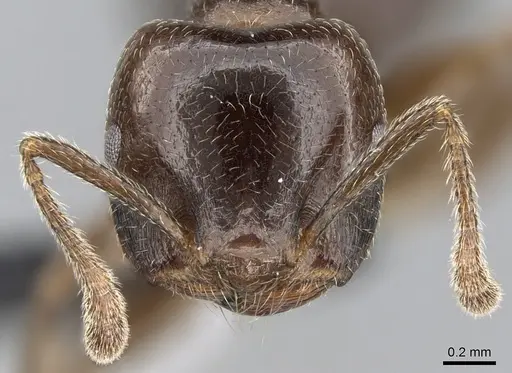
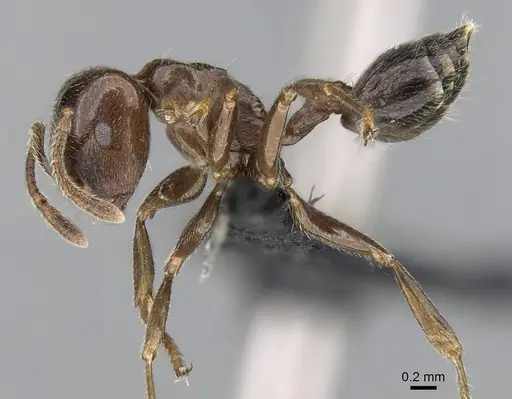
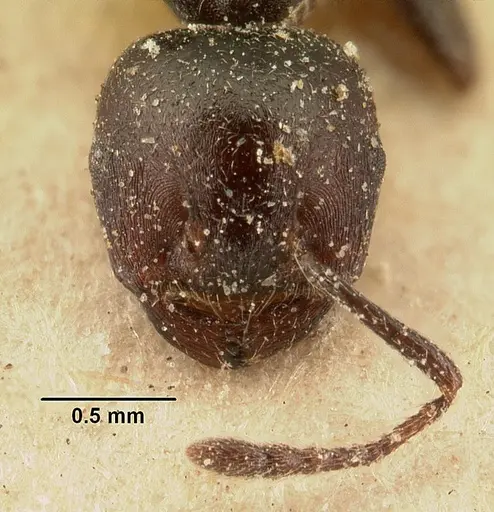
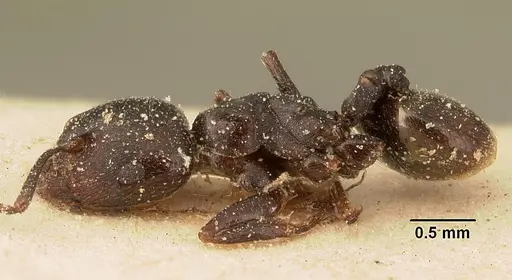
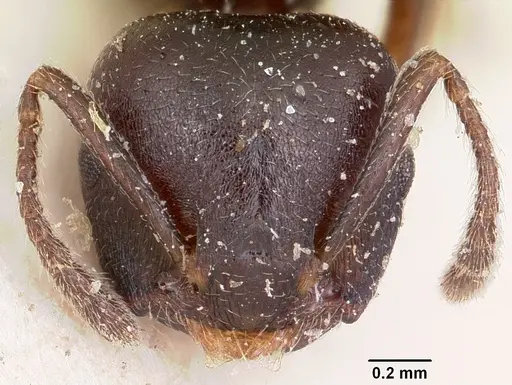
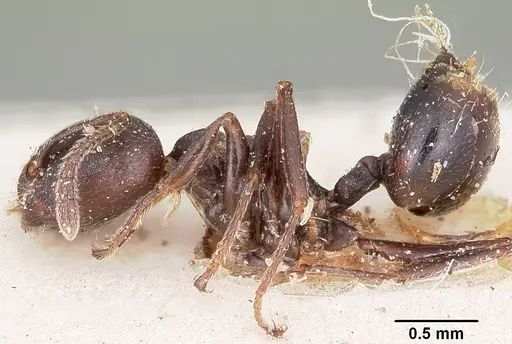
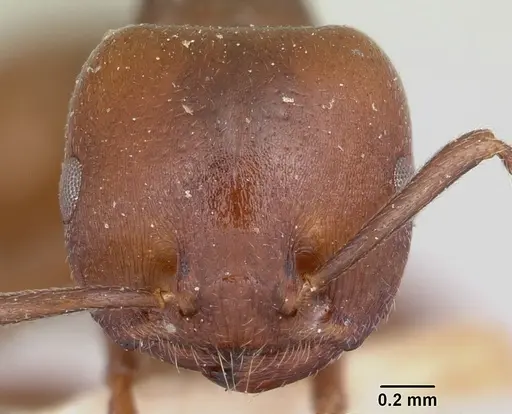
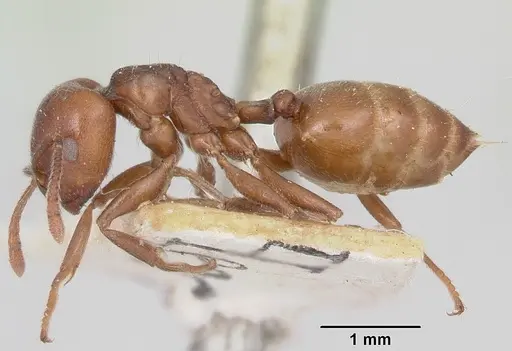
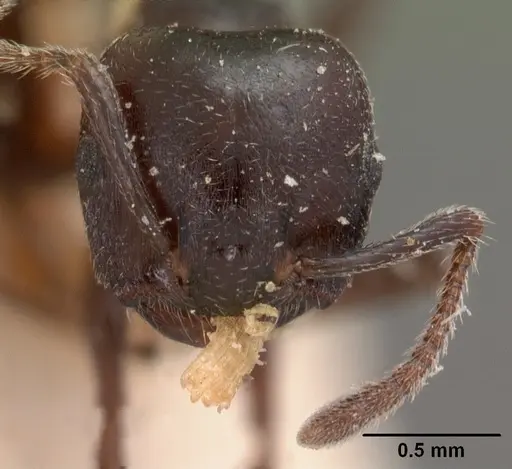
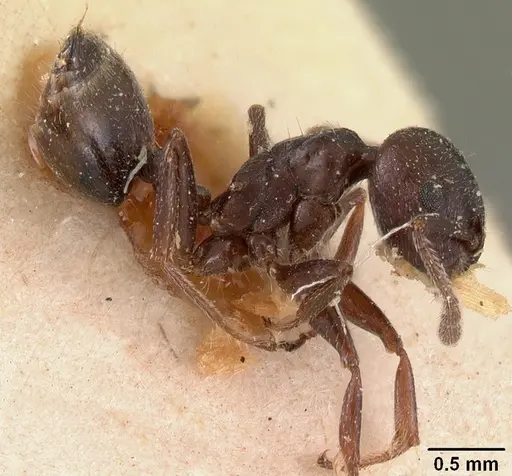
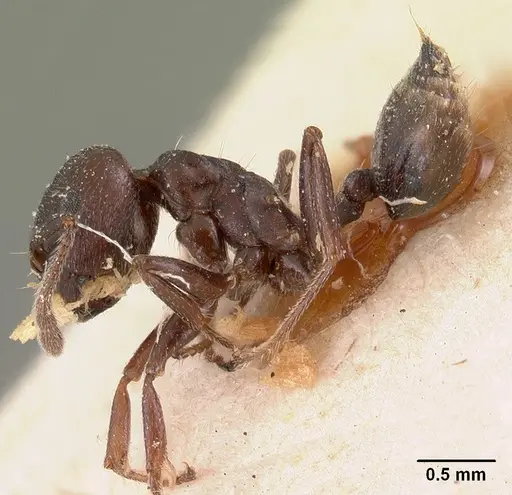
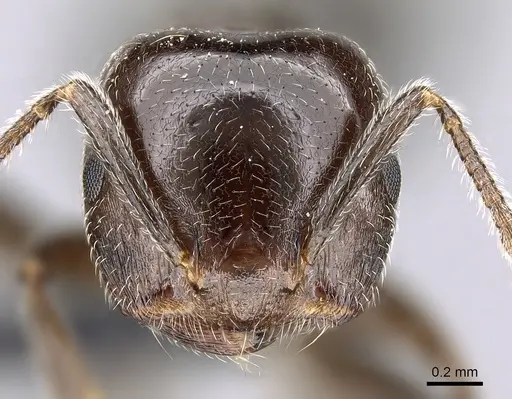
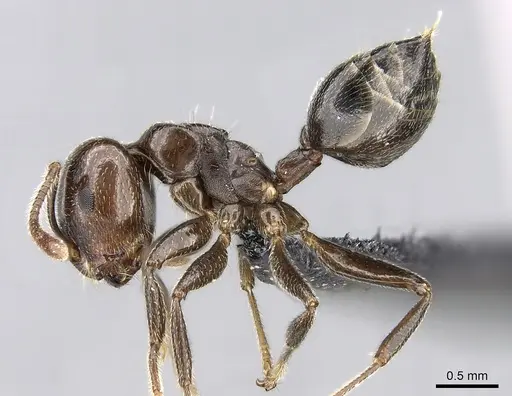
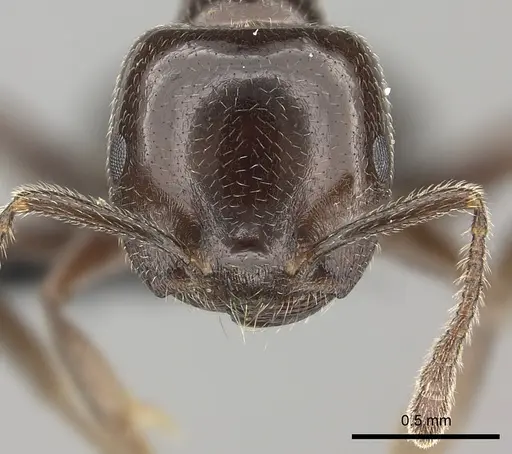
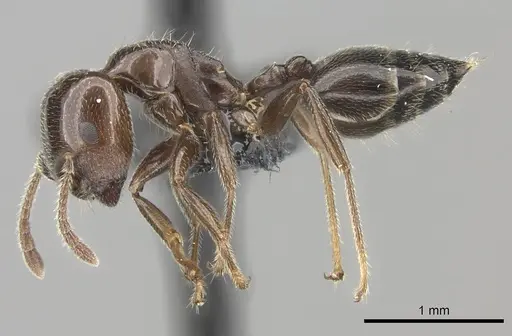
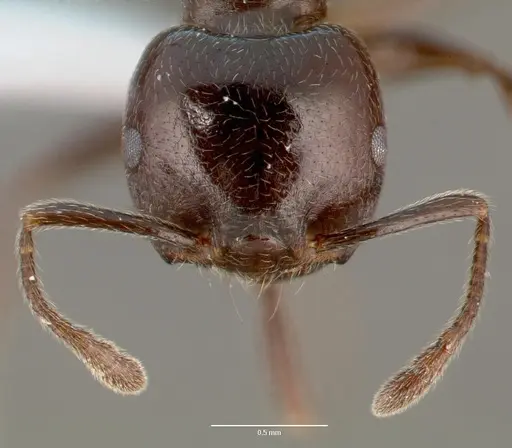
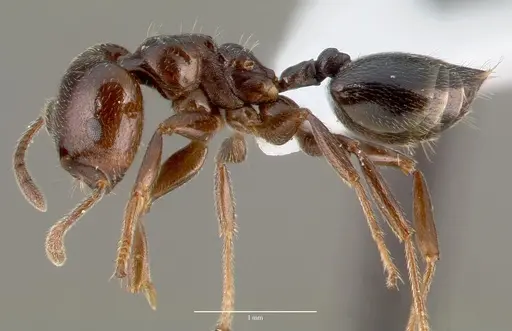
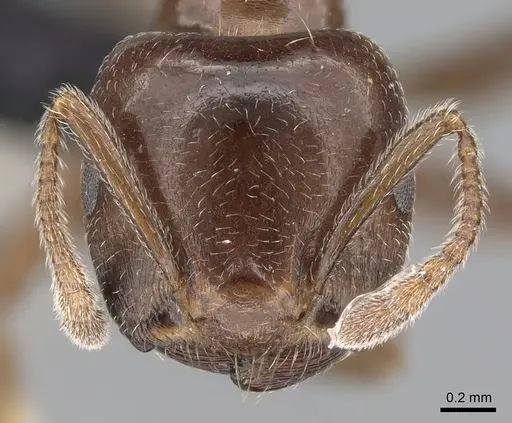
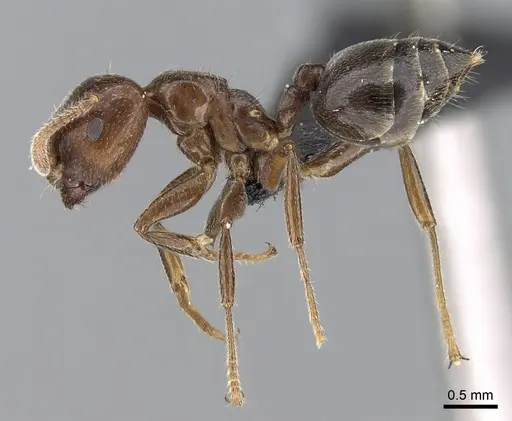
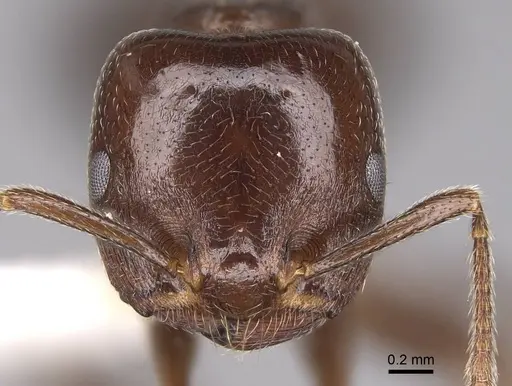
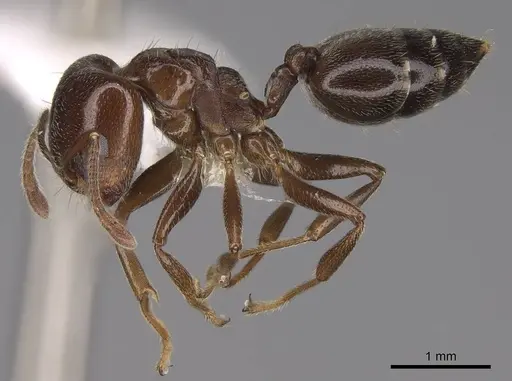
Crematogaster lobata is a small to very large polymorphic ant species native to Madagascar, known for its distinctive heart-shaped gaster that it can raise like an acrobat's balance pole when threatened. Workers measure 0.80-1.38mm in head width and show clear major/minor caste differentiation. They range from light brown to dark brown, with abdominal segments 4-7 typically being black. This species is easily recognized by its very small eyes and lack of pronotal spines. Found exclusively in the dry and littoral forests of western and northern Madagascar at elevations from sea level to 400m, with isolated records up to 770m in rainforest areas [1].
What makes C. lobata particularly interesting is its arboreal nesting behavior, unlike many ants that nest in soil, these ants make their homes in dead branches and twigs high above the ground. They are attracted to protein baits like fish during both day and night surveys, indicating flexible foraging times. This species co-occurs with several other Crematogaster species including C. dentata, C. maina, C. ramamy, C. tricolor, and C. sewellii [1].
Quick Summary
- Difficulty: Medium
- Origin & Habitat: Dry and littoral forests of western and northern Madagascar, elevations 0-400m (occasionally up to 770m in rainforest). Nests arboreally in dead branches and twigs [1].
- Colony Type: Colony structure is unconfirmed. No data available on whether they are single-queen (monogyne) or multi-queen (polygyne) colonies.
- Size & Growth:
- Queen: Unknown, queen caste has not been described in available literature
- Worker: 0.80-1.38mm head width (HW),0.86-1.42mm Weber's length (WL) [1]. Polymorphic with distinct majors and minors.
- Colony: Unknown, no colony size data available
- Growth: Unknown, no development data available
- Development: Unconfirmed, no direct development data. Based on typical Crematogaster patterns from related species, estimate 4-8 weeks at optimal temperature. (Development timeline has not been directly studied. Related Crematogaster species typically complete development in 4-8 weeks at warm temperatures.)
- Antkeeping:
- Temperature: Keep at 22-26°C. This is inferred from Madagascar's tropical climate, they are accustomed to warm conditions year-round. Provide a gentle temperature gradient so ants can self-regulate.
- Humidity: Moderate humidity around 50-70%. These ants come from dry forests but are arboreal, so they are adapted to variable conditions. Allow the nest to dry out partially between water additions.
- Diapause: No, as a Madagascar species from low elevations, they do not require true hibernation. However, they may show reduced activity during cooler periods or dry seasons. Simply reduce feeding and lower temperatures slightly (to around 18-20°C) during winter months if colony shows reduced activity.
- Nesting: Arboreal nesting species, they naturally nest in dead branches and twigs. In captivity, they do well in Y-tong (AAC) nests, plaster nests with cholla wood inserts, or naturalistic setups with vertical branching structures. Provide dead wood or cork bark pieces for them to nest in. Avoid purely horizontal setups, they prefer elevated nesting sites.
- Behavior: Crematogaster lobata is an arboreal species that forages actively both day and night. They are attracted to protein baits and likely supplement their diet with honeydew from aphids and scale insects. When threatened, they will raise their heart-shaped gaster as a defensive display, this is where the 'acrobat ant' name comes from. Workers are moderately sized and polymorphic, with larger majors capable of defending the colony. They have functional stingers but are not considered dangerous to humans. Escape prevention should be moderate, while not the smallest ants, they are agile and can climb smooth surfaces. Use standard barrier methods like fluon on test tube rims.
- Common Issues: colony structure unknown, combining unrelated queens has not been studied and is not recommended, no queen description available, wild-caught colonies may be difficult to identify with certainty, slow growth due to lack of data, keepers may struggle without development timeline benchmarks, arboreal nature requires vertical nest structures, horizontal test tube setups may not be ideal long-term, limited availability, this is a rarely kept Madagascar species with few records in the hobby
Housing and Nest Setup
Crematogaster lobata is an arboreal species, meaning they naturally nest in elevated locations like dead branches and twigs. In captivity, provide setups that reflect this arboreal lifestyle. Y-tong (AAC) nests work well because they provide dark, secure chambers. You can also use plaster nests with cholla wood or cork bark inserts to simulate their natural dead wood habitat. naturalistic setups with vertical branching structures are ideal if you want to observe more natural behavior. Avoid horizontal test tube setups for long-term housing, these ants prefer to be off the ground. Ensure the nest has some elevation in your formicarium setup. Escape prevention is important but not as critical as for tiny species, standard barriers like fluon on rim edges work well. [1]
Feeding and Diet
Based on field data showing attraction to fish baits during both day and night surveys, C. lobata is an omnivorous forager that readily accepts protein sources [1]. Feed them protein-rich foods like small insects (fruit flies, small crickets, mealworms), and occasionally offer fish or meat baits. They likely also forage for honeydew in the wild, so offer sugar sources like honey water or sugar water regularly. A balanced diet of protein insects 2-3 times per week, with constant access to sugar water, works well. Remove uneaten protein after 24-48 hours to prevent mold. These ants are active foragers with workers that will readily leave the nest to search for food, so provide foraging areas outside the nest chamber.
Temperature and Seasonal Care
As a Madagascar species from low elevations (0-400m), C. lobata prefers warm conditions. Keep the nest area at 22-26°C, with room temperature typically falling within this range in most homes. You can use a heating cable on one side of the nest to create a gentle gradient if your room runs cool. Unlike temperate species, they do not require true hibernation. However, Madagascar does have seasonal variation, the dry season (May-October) is cooler and drier. You may notice reduced activity during winter months in captivity. Simply reduce feeding frequency and allow temperatures to drop slightly to around 18-20°C during this period if the colony shows signs of slowdown. Do not cool them dramatically, they are tropical ants unaccustomed to cold. [1]
Understanding Their Arboreal Lifestyle
One of the most important aspects of keeping C. lobata is understanding they are arboreal nesters. In the wild, they occupy dead branches and twigs well above the forest floor [1]. This affects several aspects of captive care. First, they prefer干燥 but not arid conditions, being up in trees, they experience good airflow. Second, they are accustomed to variable humidity and can tolerate some drying. Third, they are good climbers and will explore vertical space. When setting up their enclosure, provide climbing structures and consider elevating the nest. In formicariums, ensure there are vertical passages and platforms. They will likely not use horizontal test tubes as primary nesting sites, provide them with proper arboreal-style housing from the start.
Colony Establishment and Growth
Since colony structure (monogyne vs polygyne) is unconfirmed for this species, establishing colonies requires careful approach. If you obtain a wild-caught colony, provide a suitable arboreal nest setup and give them time to settle. The polymorphic worker caste (majors and minors) is notable, you may see larger major workers develop as the colony grows [1]. Growth rate is unknown, so monitor your colony's progress and adjust feeding accordingly. Expect slower initial growth during the founding phase. Once established with workers, maintain consistent care with regular protein feeding. The lack of detailed development data means you will be somewhat pioneering husbandry for this species, careful observation and记录 (note-taking) will help advance our understanding.
Frequently Asked Questions
How long does it take for Crematogaster lobata to develop from egg to worker?
The exact development timeline is unconfirmed, no scientific data exists for this species. Based on typical Crematogaster genus patterns, expect approximately 4-8 weeks from egg to first worker at optimal warm temperatures (around 24-26°C). Related species in the genus typically complete development in this timeframe.
What size colony does Crematogaster lobata reach?
Colony size is unknown, no research data exists on maximum colony size for this species. As a polymorphic Crematogaster, colonies likely reach several hundred workers over time, but this is an estimate based on related species rather than confirmed data.
Do Crematogaster lobata ants sting?
Yes, Crematogaster ants have functional stingers, but they are not considered dangerous to humans. When threatened, they may raise their distinctive heart-shaped gaster as a defensive display. Their sting is mild and comparable to a mosquito bite at worst.
Can I keep multiple Crematogaster lobata queens together?
This is not recommended and has not been documented. The colony structure (monogyne vs polygyne) is unconfirmed for this species. Combining unrelated queens of this species has not been studied, and doing so risks fatal aggression between queens.
What do Crematogaster lobata eat?
They are omnivorous. Based on their attraction to fish baits in field studies, they readily accept protein sources. Feed small insects (fruit flies, pinhead crickets, mealworms) 2-3 times per week, and provide constant access to sugar water or honey. They will likely accept most standard ant foods.
Are Crematogaster lobata good for beginners?
This species is rated as Medium difficulty. While not the most challenging ant, there is limited husbandry information available since they are rarely kept in captivity. You will be somewhat pioneering care for this species. They are more suitable for antkeepers with some experience who can adapt care based on observation rather than detailed guides.
Do Crematogaster lobata need hibernation?
No, as a Madagascar lowland species, they do not require true hibernation. However, they may show reduced activity during cooler periods. If your colony slows in winter, you can reduce temperatures slightly to 18-20°C and reduce feeding, but do not force a cold dormancy.
What type of nest is best for Crematogaster lobata?
Arboreal nests work best, they naturally nest in dead branches and twigs. Y-tong (AAC) nests, plaster nests with cholla wood inserts, or naturalistic setups with vertical branching structures are ideal. Avoid horizontal test tube setups for long-term housing.
Where is Crematogaster lobata found in the wild?
They are endemic to Madagascar, found exclusively in the dry and littoral forests of western and northern Madagascar at elevations from sea level to 400m, with some records up to 770m in rainforest areas [1][2].
How big are Crematogaster lobata workers?
Workers are polymorphic, meaning they come in different sizes. Head width (HW) ranges from 0.80-1.38mm, with Weber's length (WL) from 0.86-1.42mm. Larger major workers and smaller minor workers are clearly differentiated [1].
References

This caresheet is licensed under CC BY-SA 4.0 .
CASENT0054136
View on AntWeb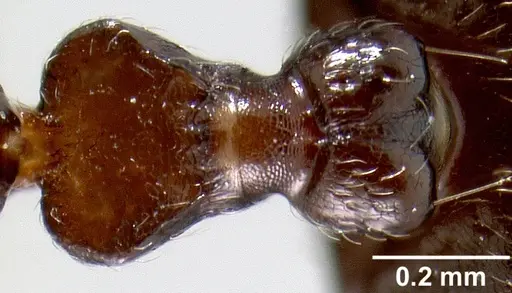
CASENT0054553
View on AntWeb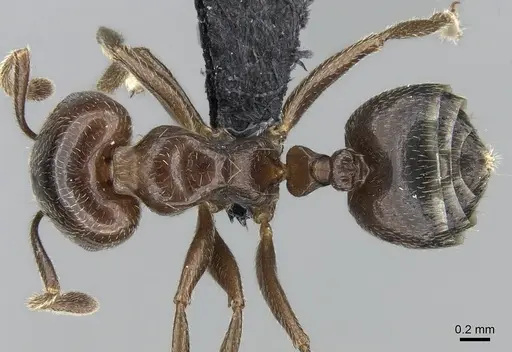
CASENT0101160
View on AntWeb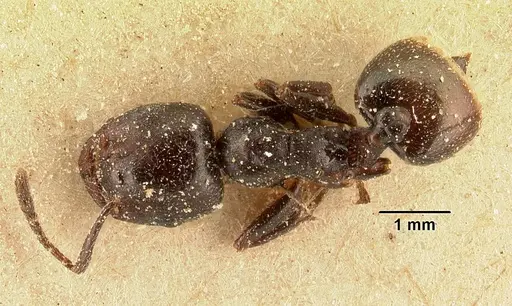
CASENT0101585
View on AntWeb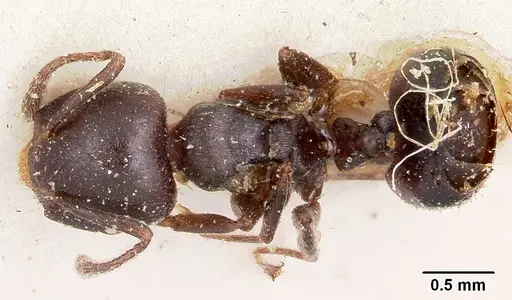
CASENT0101773
View on AntWeb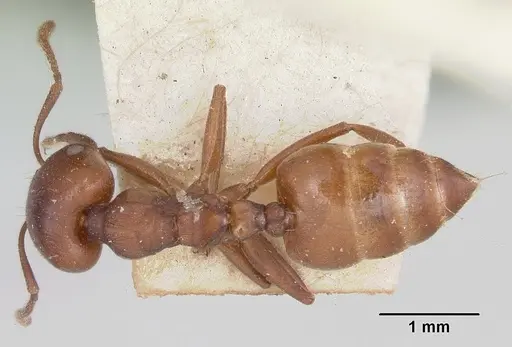
CASENT0102055
View on AntWeb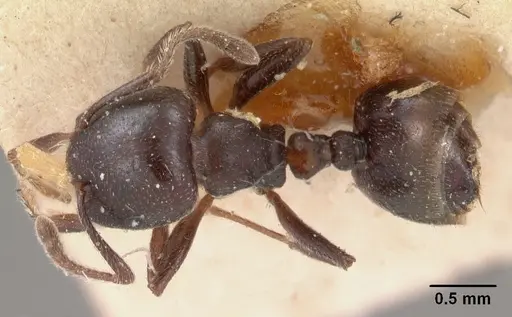
CASENT0125498
View on AntWeb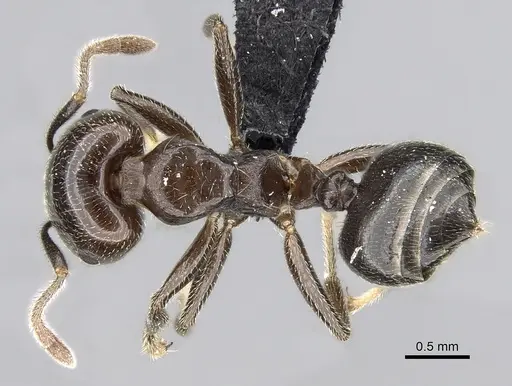
CASENT0136112
View on AntWeb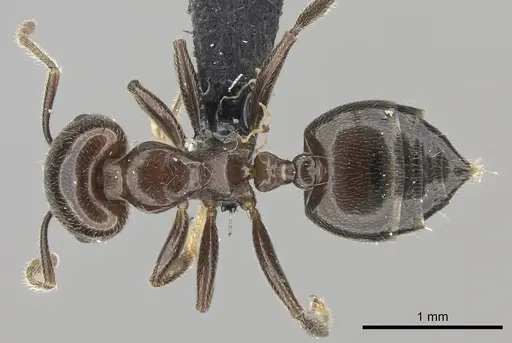
CASENT0193045
View on AntWeb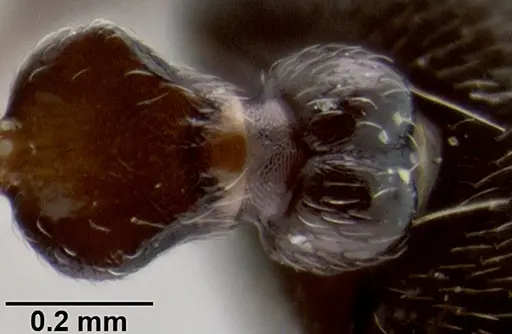
CASENT0423124
View on AntWeb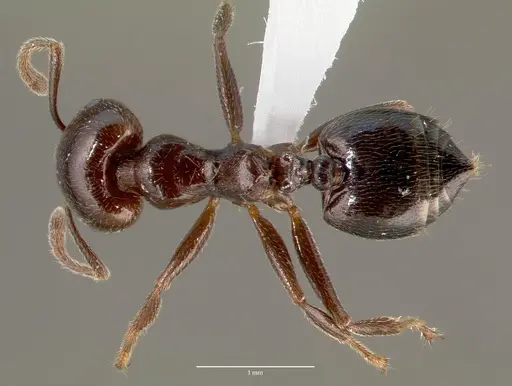
CASENT0439060
View on AntWeb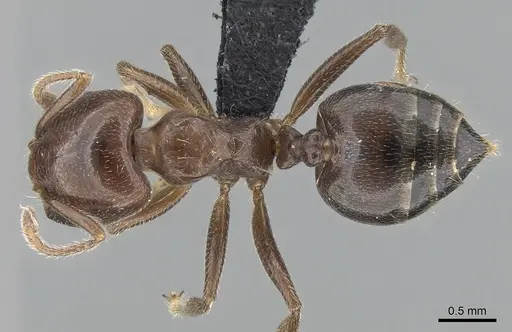
CASENT0922649
View on AntWeb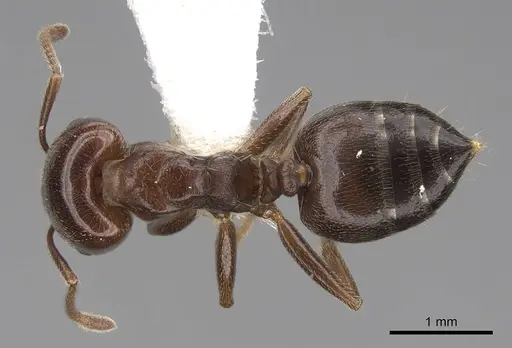
Literature
Loading...Loading products...