

Cephalotes liogaster
- Scientific Name
- Cephalotes liogaster
- Tribe
- Attini
- Subfamily
- Myrmicinae
- Author
- Santschi, 1916
- Distribution
- Found in 1 countries
Cephalotes liogaster Overview
Cephalotes liogaster is an ant species of the genus Cephalotes. It is primarily documented in 1 countries , including Argentina. Detailed taxonomic data and occurrence records can be further explored via authoritative databases such as AntWeb or the Global Biodiversity Information Facility (GBIF).
Cephalotes liogaster
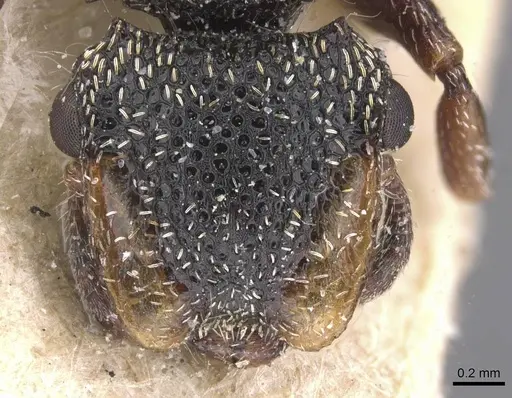
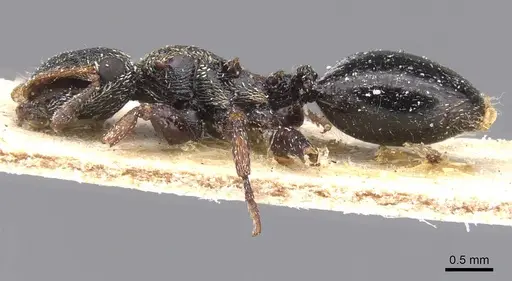
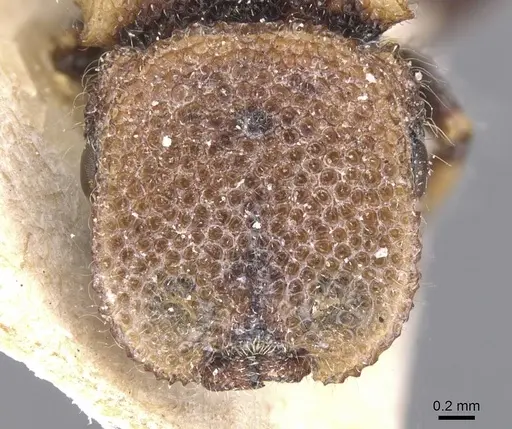
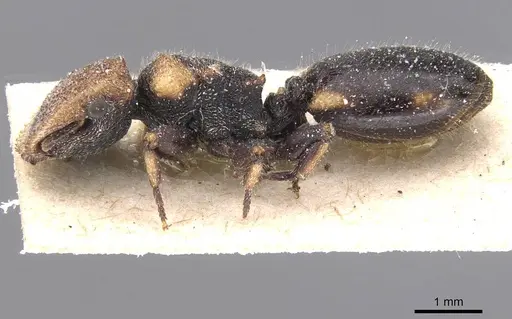
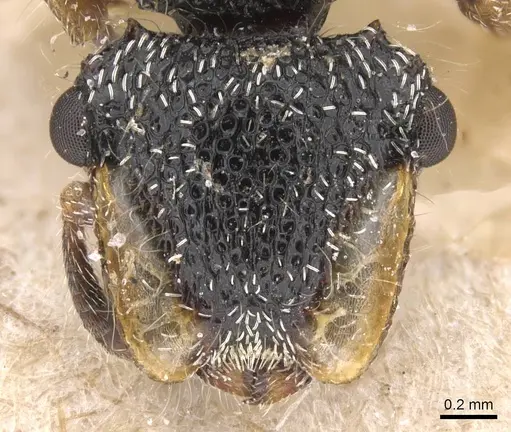
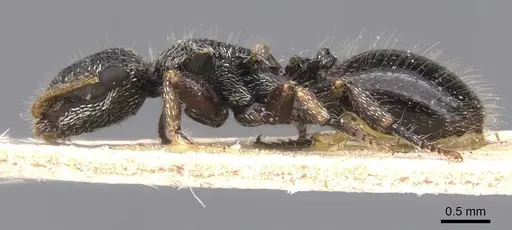
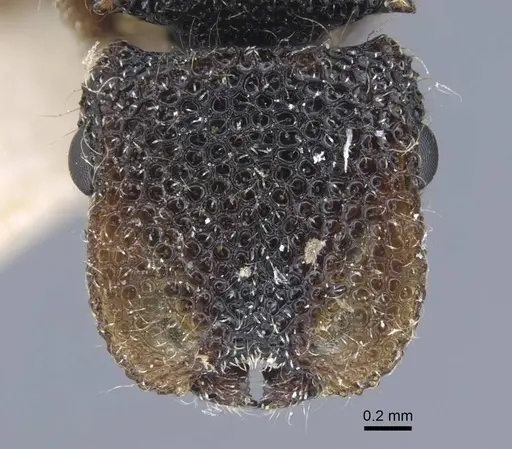
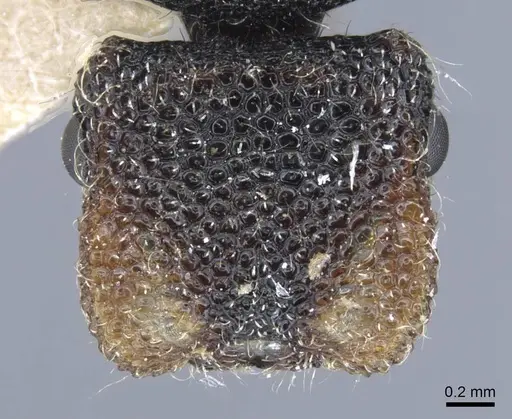
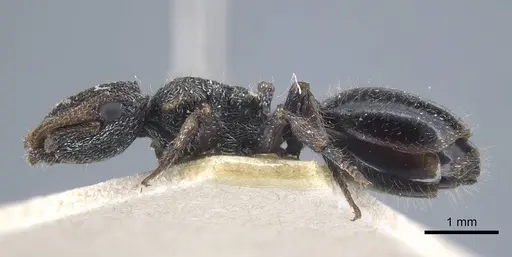
Cephalotes liogaster is a small to medium-sized ant belonging to the turtle ant genus Cephalotes, known for their distinctive flattened heads and shield-like appearance. Workers measure 4.4-5.2mm, soldiers 6.0-7.8mm, and queens 7.8-9.1mm [1]. This species belongs to the fiebrigi clade and is found only in Argentina, specifically in the Entre Ríos and Santa Fe provinces [1][2]. The species can be identified by its smaller, less protruding eyes compared to its sister species Cephalotes lanuginosus, and its notably shining gaster [1]. Soldiers and queens display yellowish-brown markings on the head disc, shoulders, and tibiae, often with four light spots on the gaster corners [1].
This species is part of a genus known for arboreal nesting habits and specialized behaviors. However, the specific biology of C. liogaster remains completely unstudied, no information exists about their colony structure, founding behavior, diet, or seasonal patterns [3]. What we know about keeping this species must be inferred from general Cephalotes genus knowledge and related species in the fiebrigi clade.
Quick Summary
- Difficulty: Expert
- Origin & Habitat: Argentina, specifically Entre Ríos and Santa Fe provinces in the Mesopotamian region [1][2]. This is a Neotropical species adapted to the subtropical climate of central Argentina.
- Colony Type: Unconfirmed, no documented colony structure exists for this species. Based on genus patterns, Cephalotes species typically form single-queen colonies, but this has not been verified for C. liogaster.
- Size & Growth:
- Queen: 7.8-9.1mm [1]
- Worker: 4.4-5.2mm [1]
- Colony: Unknown, no colony size data exists
- Growth: Unknown, no development data exists
- Development: Unknown, no direct measurements exist. Based on related Cephalotes species, estimate 6-10 weeks at optimal temperature. (This is entirely estimated from genus-level data since no species-specific development study exists.)
- Antkeeping:
- Temperature: Aim for 22-26°C, this is based on typical Cephalotes preferences and the subtropical Argentine climate they inhabit. Provide a gentle thermal gradient so ants can self-regulate.
- Humidity: Moderate to high, turtle ants typically prefer humid conditions. Keep nest substrate moist but not waterlogged, with some drier areas available.
- Diapause: Likely required, Argentine species experience seasonal temperature changes. Provide a winter rest period at 15-18°C for 2-3 months, reducing food but maintaining moisture.
- Nesting: Arboreal-nesting species by nature. In captivity, they do well in Y-tong (AAC) nests, plaster nests, or naturalistic setups with vertical structures. They prefer tight, enclosed chambers scaled to their size.
- Behavior: Generally peaceful and non-aggressive. Turtle ants are known for their slow, deliberate movements and defensive soldier caste. They are not known to sting significantly. Escape prevention is important, they can climb smooth surfaces but are not extreme escape artists like some Myrmicinae. Workers forage slowly and methodically. The soldier caste (larger workers with enlarged heads) serves as a living door, blocking nest entrances against intruders.
- Common Issues: no documented biology means all care is estimated from genus patterns, results may vary, humidity control is critical, too dry causes colony decline, too wet promotes mold, winter dormancy is likely required but timing and duration are unconfirmed for this species, slow growth and development make this species challenging for impatient keepers, wild-caught colonies may harbor unknown parasites or pathogens
Species Identification and Taxonomy
Cephalotes liogaster was originally described as Cephalotes liogaster by Santschi in 1916 from workers collected in Entre Ríos, Argentina [1]. The species was later moved through several genera before being placed in Cephalotes by de Andrade and Baroni Urbani in 1999 [1]. It was also previously known as Cephalotes lanuginosus var. fides, described in 1925,but this was synonymized with C. liogaster by Kempf in 1958 [1]. The species is a member of the fiebrigi clade, making it closely related to Cephalotes lanuginosus, Cephalotes fiebrigi, and Cephalotes bruchi [1][4]. The key identifying features are the smaller, less protruding eyes and the notably shining gaster compared to related species [1].
Distribution and Habitat
This species is known only from central Argentina, specifically the provinces of Entre Ríos and Santa Fe [1][2]. This region, known as the Argentine Mesopotamia, has a subtropical climate with distinct seasons. The area features the Paraná River basin and associated wetlands. Within this limited range, the species likely inhabits forested areas, as most Cephalotes species are arboreal or semi-arboreal, nesting in hollow twigs, branches, or tree cavities [5]. The specific microhabitat preferences within this region are unknown.
Nest Preferences and Housing
Based on general Cephalotes biology, this species nests in arboreal cavities, hollow twigs, rotting branches, and pre-formed cavities in trees. They do not dig soil nests. In captivity, Y-tong (acrylic) nests work well, providing tight chambers scaled to their size. Plaster nests can also work if kept appropriately humid. Naturalistic setups with cork bark or wooden structures mimic their natural arboreal homes. The soldier caste serves as a living door, blocking nest entrances, this behavioral trait should be accommodated in captive setups by providing appropriately sized entrance holes. Avoid test tube setups as they prefer enclosed arboreal-style nests. [3]
Feeding and Diet
The diet of Cephalotes liogaster specifically is unknown, but Cephalotes species are generally omnivorous with a preference for sugary liquids and protein. In captivity, offer sugar water or honey water as a constant energy source. For protein, provide small insects, mealworms, or other appropriate prey. Some Cephalotes species also consume fungus or plant materials, but this has not been documented for C. liogaster. Feed protein sources 2-3 times per week, and ensure sugar water is always available. Remove uneaten prey after 24-48 hours to prevent mold. [3]
Temperature and Seasonal Care
Based on the subtropical Argentine climate of their range, aim for temperatures in the 22-26°C range. Provide a thermal gradient so ants can self-regulate, this is especially important for colony health. A heating cable on one side of the nest can create this gradient. During the Argentine winter (roughly May-August), temperatures in their natural range drop significantly. Provide a diapause period at 15-18°C for 2-3 months, reducing activity but maintaining moisture. Do not let them experience freezing temperatures. The exact duration and timing of dormancy is unconfirmed but highly likely given their geographic origin. [3]
Behavior and Colony Structure
Cephalotes ants are known for their unique soldier caste, workers with enlarged, shield-like heads that function as living doors to protect the colony. This species likely has a similar soldier caste (6.0-7.8mm) alongside smaller workers (4.4-5.2mm) [1]. The genus is generally peaceful, with colonies focusing on defense rather than aggression. Workers move slowly and methodically when foraging. The exact colony structure (monogyne vs polygyne) is unconfirmed for this species, but single-queen colonies are typical for the genus. Queens are notably larger (7.8-9.1mm) and have distinctive yellow markings on the head disc and gaster [1].
Frequently Asked Questions
How long does it take for Cephalotes liogaster to produce first workers?
The egg-to-worker timeline is completely unconfirmed for this species. Based on related Cephalotes species, expect approximately 6-10 weeks at optimal temperature (around 24-26°C). This is an estimate only, no specific development data exists.
What do Cephalotes liogaster ants eat?
While not specifically documented, Cephalotes species are omnivorous. Offer sugar water or honey water constantly, and provide protein (small insects, mealworms) 2-3 times weekly. This is based on genus-level information.
Are Cephalotes liogaster good for beginners?
No, this species is not recommended for beginners. The complete lack of documented biology means all care is estimated from genus patterns. Additionally, turtle ants have specific arboreal nesting requirements that differ from typical ant-keeping setups.
What temperature do Cephalotes liogaster need?
Aim for 22-26°C based on their Argentine origin and typical Cephalotes preferences. Provide a thermal gradient so ants can choose their preferred temperature. During winter, a diapause at 15-18°C is likely needed.
Do Cephalotes liogaster need hibernation?
Yes, a winter rest period is likely required given their origin in central Argentina where temperatures drop significantly in winter. Provide 2-3 months at 15-18°C, reducing food but maintaining moisture.
Can I keep multiple Cephalotes liogaster queens together?
This has not been documented. Based on typical Cephalotes behavior, single-queen colonies are standard. Do not attempt combining unrelated queens without specific evidence this species tolerates polygyny.
What size nest do Cephalotes liogaster need?
Use a nest with tight, small chambers scaled to their worker size (4-5mm). Y-tong nests or plaster nests work well. They prefer arboreal-style setups with enclosed chambers rather than open test tube setups.
How big do Cephalotes liogaster colonies get?
Maximum colony size is unknown, no colony size data exists for this species. Based on related Cephalotes species, colonies likely reach several hundred workers at most.
Why is my Cephalotes liogaster colony dying?
Without documented biology, diagnosing issues is difficult. Common problems likely include: incorrect humidity (too dry or too wet), inappropriate temperature, lack of winter dormancy, or poor nutrition. Review basic Cephalotes husbandry and adjust conditions gradually.
References

This caresheet is licensed under CC BY-SA 4.0 .
CASENT0912603
View on AntWeb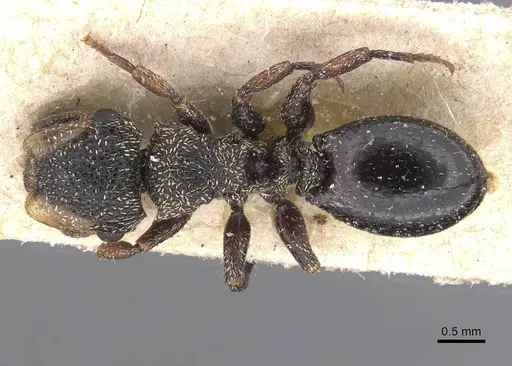
CASENT0912604
View on AntWeb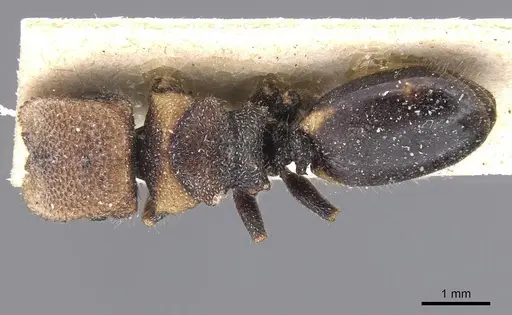
CASENT0912605
View on AntWeb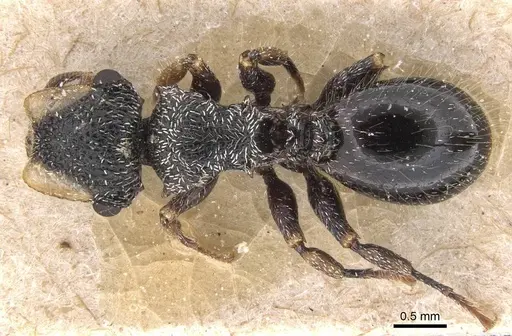
CASENT0917087
View on AntWeb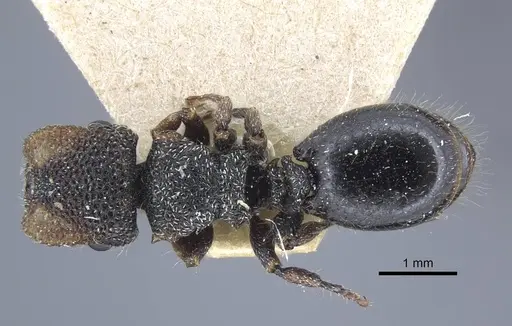
Literature
Loading...Loading products...