

Cephalotes lanuginosus
- Scientific Name
- Cephalotes lanuginosus
- Tribe
- Attini
- Subfamily
- Myrmicinae
- Author
- Santschi, 1919
- Distribution
- Found in 1 countries
Cephalotes lanuginosus Overview
Cephalotes lanuginosus is an ant species of the genus Cephalotes. It is primarily documented in 1 countries , including Paraguay. Detailed taxonomic data and occurrence records can be further explored via authoritative databases such as AntWeb or the Global Biodiversity Information Facility (GBIF).
Cephalotes lanuginosus
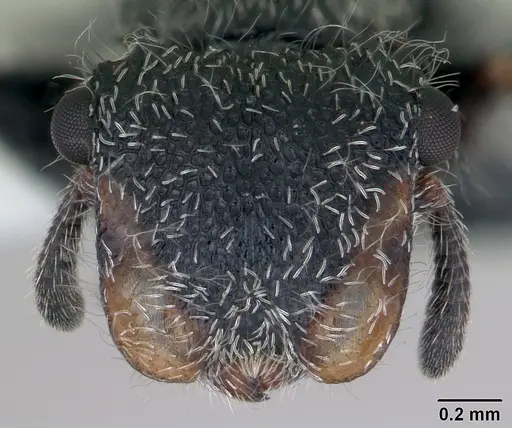
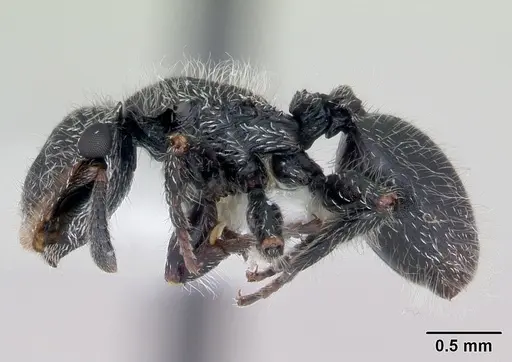
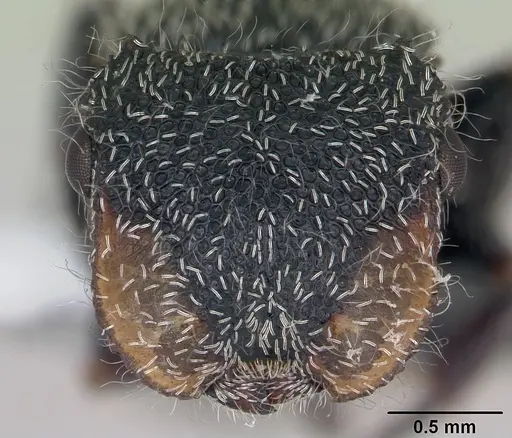
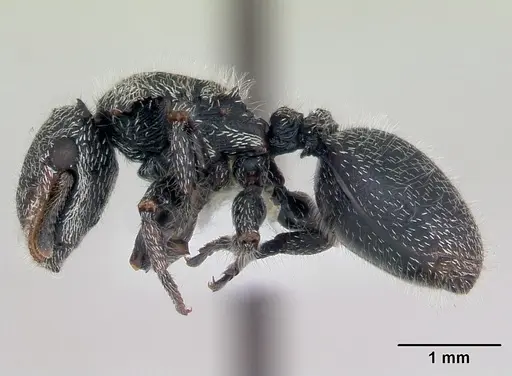
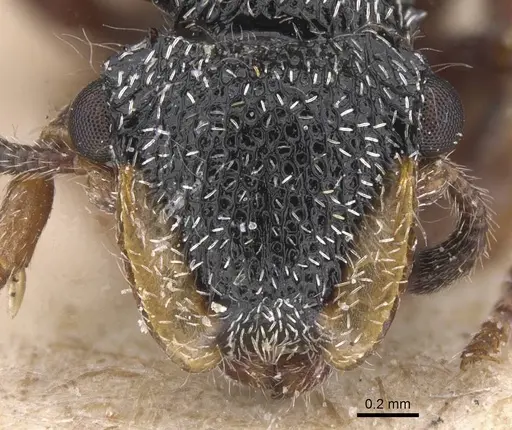
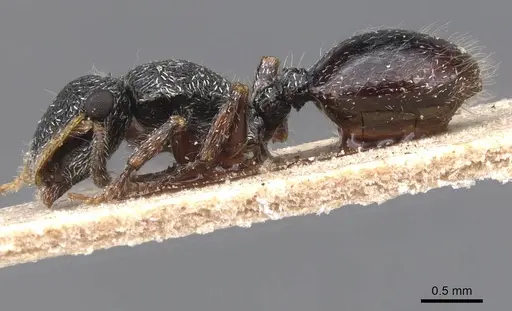
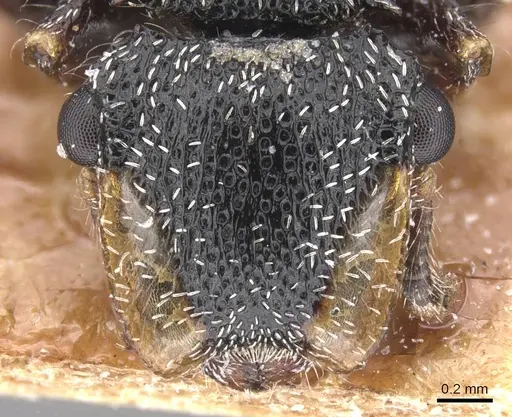
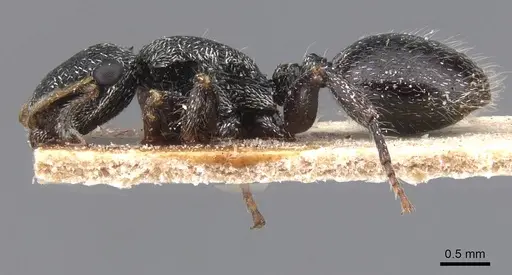
Cephalotes lanuginosus is a small to medium-sized turtle ant native to the lowland forests of Argentina and Paraguay. Workers measure 4.3-5.0mm, soldiers 6.5-8.0mm, and queens 8.7-9.3mm. They are entirely black with distinctive yellow-orange frontal carinae (the shield-like plate covering their head), and have the characteristic flattened, shield-shaped head that gives turtle ants their name. This species belongs to the fiebrigi clade and can be distinguished from its close relative C. liogaster by its larger, more protruding eyes and subopaque gaster [1].
What makes C. lanuginosus special is its membership in the Cephalotini tribe, these ants are known for their peaceful nature, avoiding aggressive interactions with other ant species. They are omnivorous, feeding on nectar, pollen, and other organic matter, and often forage on the ground despite being canopy-dwelling ants [2]. Their unique morphology includes specialized soldiers with enlarged heads that can block nest entrances, and they can form impressive living chains or bridges using their specialized feet.
Quick Summary
- Difficulty: Medium
- Origin & Habitat: Native to the lowland forests (bosque bajo) of Argentina and Paraguay in South America [3]. They nest in fallen trunks and decaying wood in forest habitats [2].
- Colony Type: Colony structure is not well documented in scientific literature. Based on typical Cephalotes behavior, they likely establish single-queen colonies, though some Cephalotes species can have multiple queens. Further research needed on specific colony structure for this species.
- Colony: Monogyne
- Founding: Claustral
- Size & Growth:
- Queen: 8.7-9.3mm [3]
- Worker: 4.3-5.0mm [3]
- Colony: Unknown, typical Cephalotes colonies reach several hundred workers
- Growth: Moderate, based on typical Myrmicinae development
- Development: Estimated 6-10 weeks at optimal temperature, based on typical Attini development patterns [2] (Development time is inferred from related Cephalotes species. Actual timing may vary based on temperature and conditions.)
- Antkeeping:
- Temperature: Keep at 22-26°C. They come from temperate to subtropical Argentina and Paraguay, so room temperature within this range works well. A gentle heat gradient allows them to self-regulate.
- Humidity: Moderate humidity around 50-70%. These ants naturally nest in decaying wood which provides some moisture but is not saturated. Keep the nest substrate moderately moist but allow some drying between waterings.
- Diapause: Likely yes, based on their origin in temperate Argentina, they probably need a winter rest period. Reduce temperature to around 15-18°C for 2-3 months during winter.
- Nesting: Best kept in naturalistic setups with decaying wood or cork bark, as they naturally nest in fallen trunks. Y-tong (acrylic) nests with narrow chambers also work well. They prefer dark, enclosed spaces and will readily occupy pre-made tunnels in wood or plaster.
- Behavior: These are peaceful ants that avoid conflict with other species, they are not aggressive and rely on their defensive morphology (soldiers with blocking heads) rather than stinging. Workers are active foragers that descend to the ground to search for food. They are moderate escape artists, their small size (4-5mm workers) means they can slip through small gaps, so use fine mesh and tight-fitting lids. They accept a varied diet including sugar sources, proteins, and will forage actively. Colonies show interesting collective behavior when defending their nest.
- Common Issues: escape prevention is critical, their small worker size means they can squeeze through tiny gaps, colonies may be slow to establish, patience is needed during founding phase, wild-caught colonies may carry parasites that can decimate captive colonies, overheating can be fatal, avoid temperatures above 30°C, too much moisture causes mold problems, balance humidity carefully
Housing and Nest Preferences
Cephalotes lanuginosus does best in naturalistic setups that mimic their natural habitat in fallen trunks. You can use cork bark setups, wooden formicaria, or Y-tong (acrylic) nests with narrow chambers. They prefer dark, enclosed spaces and will readily occupy pre-made tunnels. A naturalistic terrarium with soil, decaying wood pieces, and moss works excellently, this allows them to create their own chambers in suitable materials. The nest area should be kept dark (cover the glass with a dark cloth or use a nest with limited visibility) as these are cavity-nesting ants that prefer darkness. Provide an outworld area for foraging that is easy to clean. [2][3]
Feeding and Diet
As omnivorous ants in the Cephalotini tribe, C. lanuginosus accepts a varied diet. They feed on nectar and sugar sources (honey water, sugar water, ripe fruit) and protein (small insects like fruit flies, small crickets, mealworms). In nature, they collect nectar and pollen in some cases and are omnivorous [2]. Feed them a drop of honey or sugar water 2-3 times per week, and offer small protein prey once or twice weekly. Remove uneaten prey after 24 hours to prevent mold. They are active foragers that will readily search for food in the outworld. Fresh fruit pieces (especially sweet fruits) are often readily accepted.
Temperature and Seasonal Care
Keep your colony at 22-26°C. They come from Argentina and Paraguay, which have temperate to subtropical climates with distinct seasons. Room temperature in this range works well, if your room is cooler, a heating cable on one side of the nest can create a gentle gradient. Never exceed 30°C as this can be fatal. During winter (roughly November-February in the Northern Hemisphere), reduce temperature to around 15-18°C to simulate their natural seasonal cycle. This winter rest period helps maintain colony health and may trigger reproductive behavior in spring. Monitor your colony's activity levels, if they become sluggish, they may need warmer conditions. [3]
Behavior and Colony Dynamics
Cephalotes lanuginosus is a peaceful species that avoids aggressive interactions with other ants [2]. Their main defense is the soldier caste, individuals with enlarged heads that can physically block nest entrances. Workers are active foragers that descend from canopy areas to the ground to search for food. Colonies grow moderately, expect several hundred workers at maturity. The soldiers are larger (6.5-8mm) and serve as defenders. Queens are significantly larger (8.7-9.3mm) and remain in the nest after founding. These ants show interesting collective behaviors and will work together to defend their colony. They are not known for stinging and pose no danger to humans.
Growth and Development
Colony development follows typical Myrmicinae patterns. After the claustral founding phase (where the queen seals herself in and raises first workers alone), expect first workers (nanitics) to emerge in about 6-10 weeks under optimal conditions. These initial workers are typically smaller than normal workers. Growth rate is moderate, colonies may take 1-2 years to reach several hundred workers. The presence of soldiers typically appears as the colony grows larger, usually when the colony reaches 50+ workers. Provide stable conditions (consistent temperature, humidity, and food) for best growth. Avoid disturbing the nest during the founding phase as this can cause queen stress or abandonment.
Frequently Asked Questions
How long does it take for Cephalotes lanuginosus to produce first workers?
Expect first workers (nanitics) in about 6-10 weeks after the queen lays eggs, assuming optimal temperature around 24°C. This is typical for Attini species. The exact timing depends on temperature and colony health.
What do Cephalotes lanuginosus ants eat?
They are omnivorous. Offer sugar sources like honey water or sugar water 2-3 times per week, and protein like small insects (fruit flies, pinhead crickets, mealworms) 1-2 times per week. They also accept sweet fruits.
What temperature do Cephalotes lanuginosus need?
Keep them at 22-26°C. They come from temperate Argentina and Paraguay, so they can tolerate cooler conditions than tropical species. A range of 22-26°C is ideal for colony growth.
Do Cephalotes lanuginosus need hibernation?
Yes, likely. Based on their origin in temperate Argentina, they probably need a winter rest period. Reduce temperature to 15-18°C for 2-3 months during winter (roughly November-February).
What is the best nest type for Cephalotes lanuginosus?
Naturalistic setups with decaying wood or cork bark work best, as they naturally nest in fallen trunks. Y-tong (acrylic) nests with narrow chambers are also suitable. They prefer dark, enclosed spaces.
How big do Cephalotes lanuginosus colonies get?
Based on typical Cephalotes species, colonies likely reach several hundred workers at maturity. Growth is moderate, expect 1-2 years to reach significant numbers.
Are Cephalotes lanuginosus good for beginners?
They are rated as medium difficulty. They are more challenging than common species like Lasius or Camponotus due to their specific nesting requirements and slower growth. Some experience with antkeeping is helpful.
Can I keep multiple Cephalotes lanuginosus queens together?
Not recommended. While colony structure is not well documented for this species, Cephalotes are typically single-queen (monogyne) species. Combining unrelated queens has not been documented and may result in fighting.
Why are my Cephalotes lanuginosus escaping?
Their small worker size (4-5mm) makes them excellent escape artists. Use fine mesh (at least 0.5mm) on all openings, tight-fitting lids, and apply fluon or other barriers to prevent escapes. Check all connections and seams regularly.
When should I move Cephalotes lanuginosus to a formicarium?
Wait until the colony has at least 20-30 workers and is actively foraging in the outworld. Moving too early can stress the queen. A good indicator is when the test tube or founding setup becomes crowded.
Is Cephalotes lanuginosus invasive anywhere?
No, they are native to Argentina and Paraguay in South America. They have not been documented as invasive in other regions. Never release captive colonies into non-native areas.
References

This caresheet is licensed under CC BY-SA 4.0 .
CASENT0173685
View on AntWeb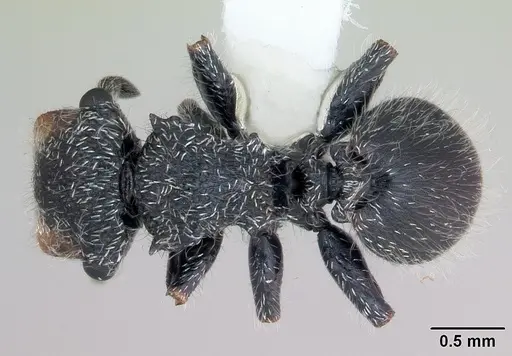
CASENT0173686
View on AntWeb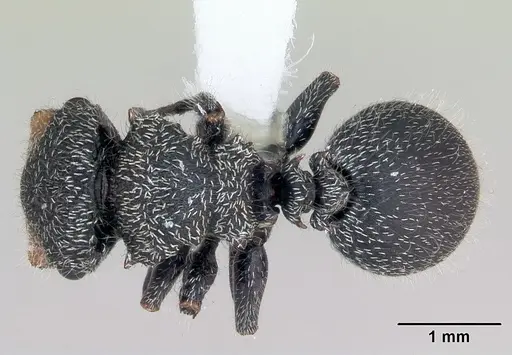
CASENT0912606
View on AntWeb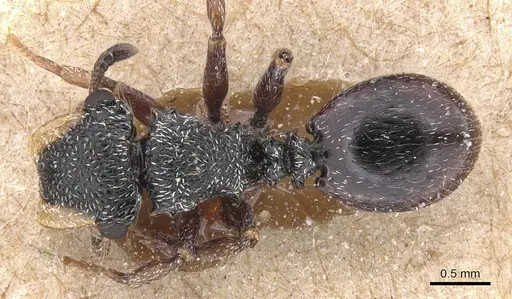
CASENT0912607
View on AntWeb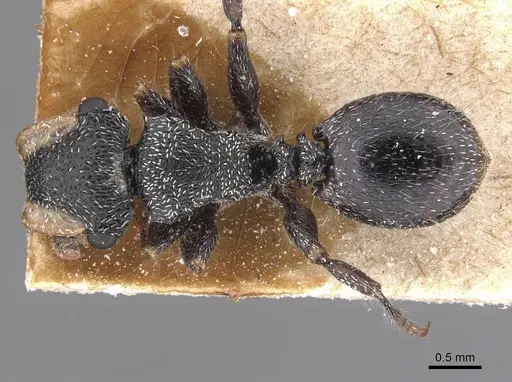
Literature
Loading...Loading products...