

Cephalotes fiebrigi
- Scientific Name
- Cephalotes fiebrigi
- Tribe
- Attini
- Subfamily
- Myrmicinae
- Author
- Forel, 1906
- Distribution
- Found in 2 countries
Cephalotes fiebrigi Overview
Cephalotes fiebrigi is an ant species of the genus Cephalotes. It is primarily documented in 2 countries , including Argentina, Paraguay. Detailed taxonomic data and occurrence records can be further explored via authoritative databases such as AntWeb or the Global Biodiversity Information Facility (GBIF).
Cephalotes fiebrigi
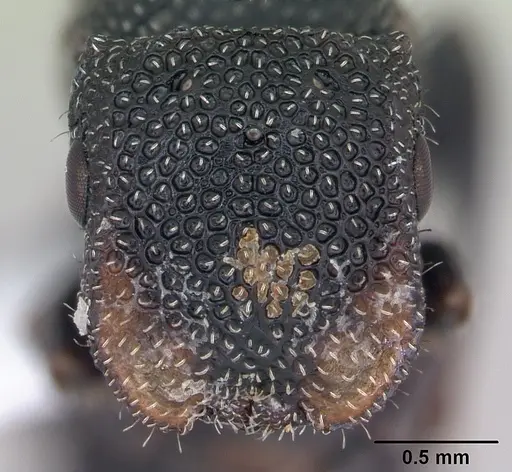
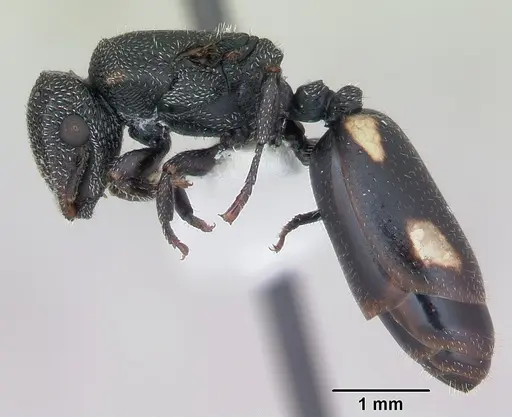
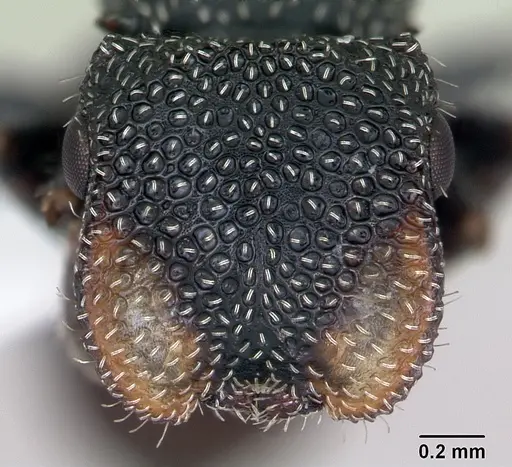
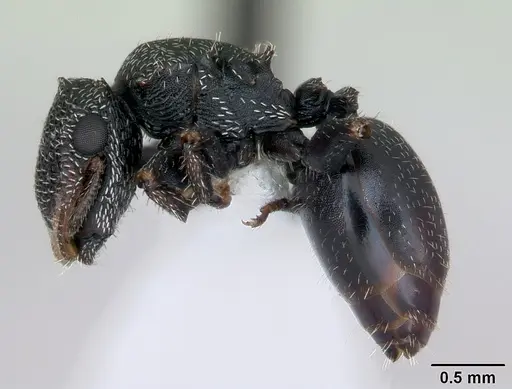
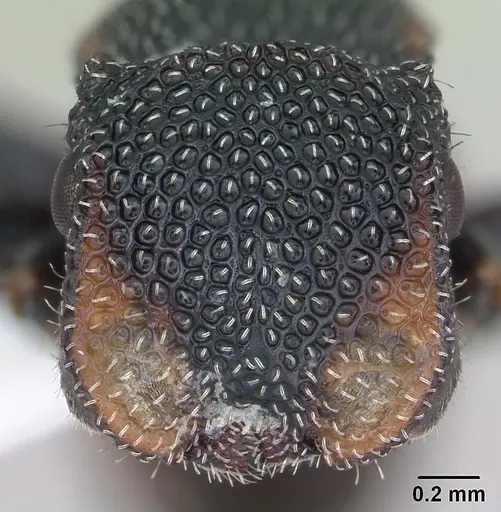
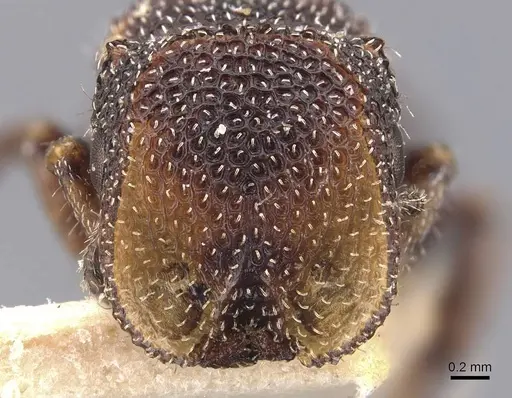
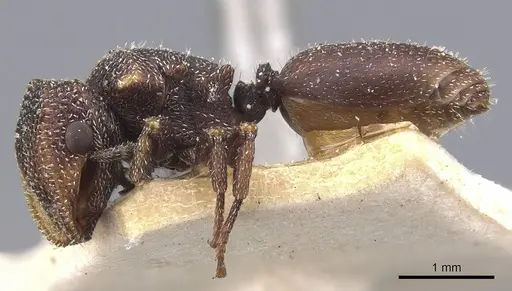
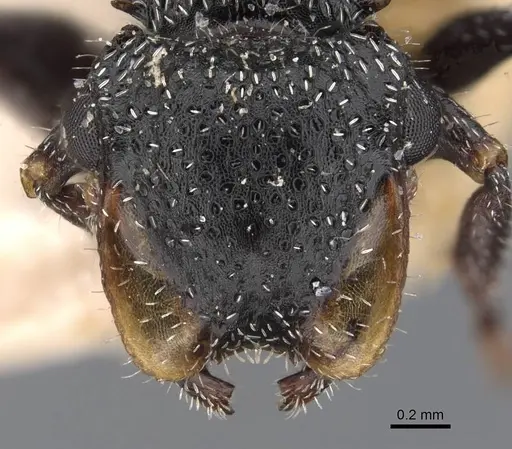
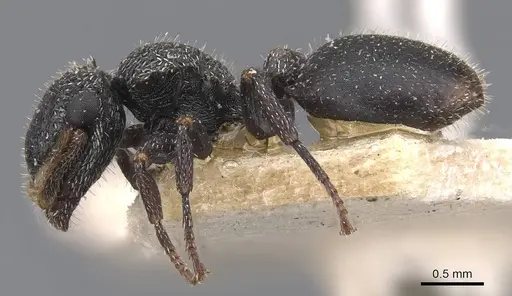
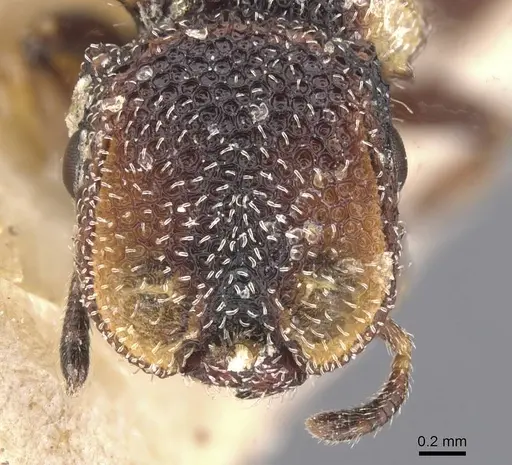
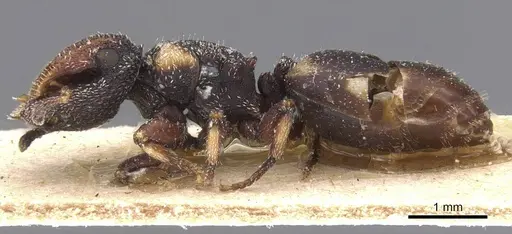
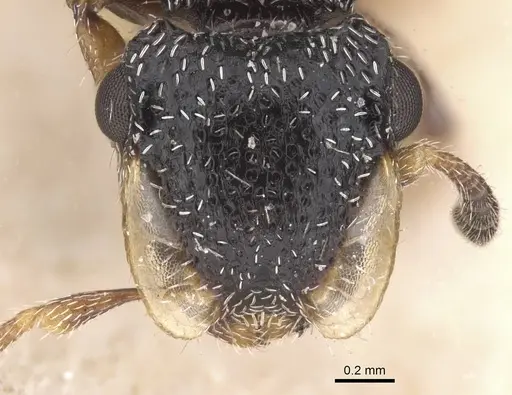
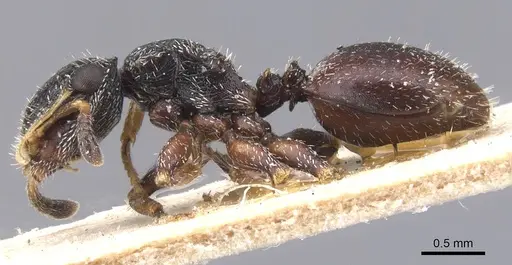
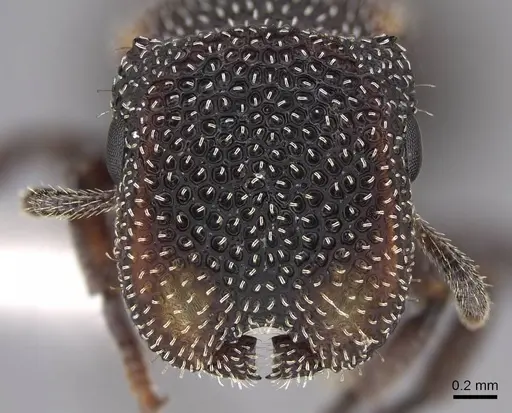
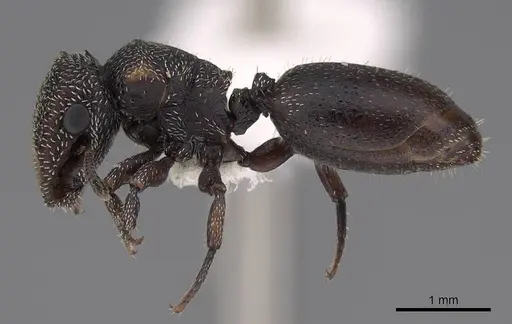
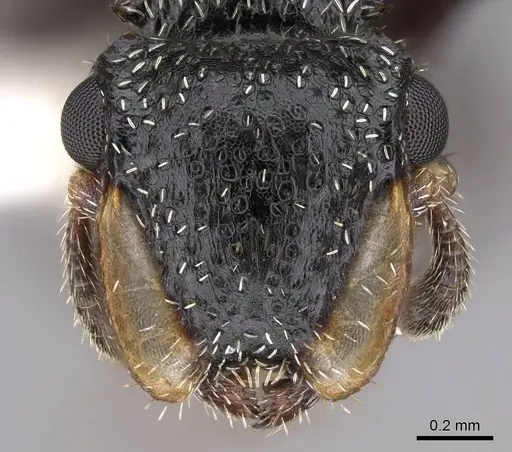
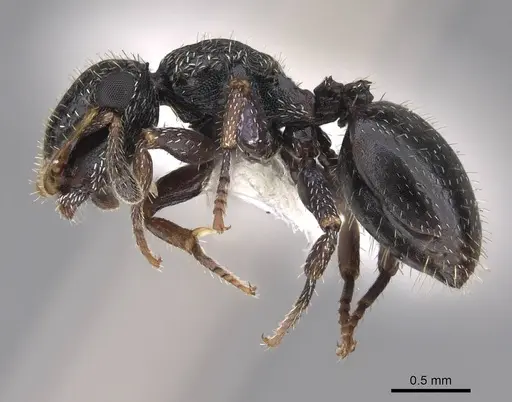
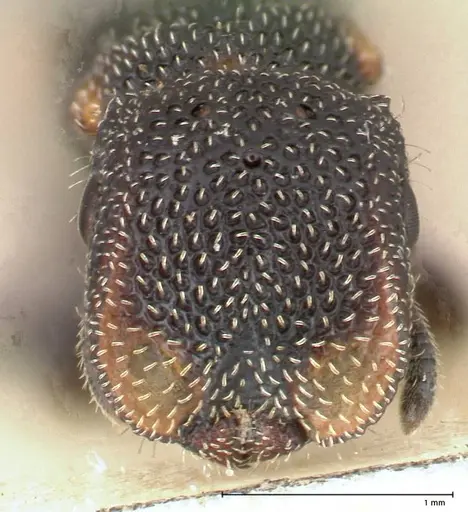
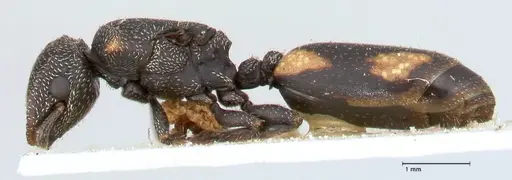
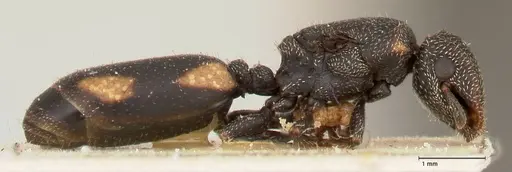
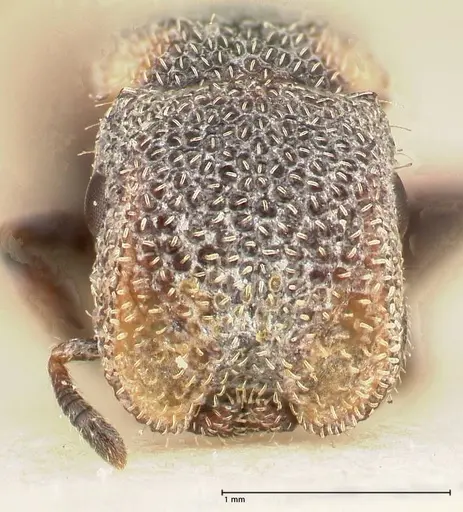
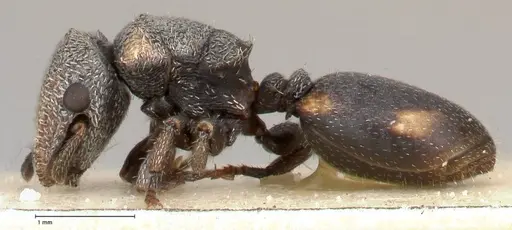
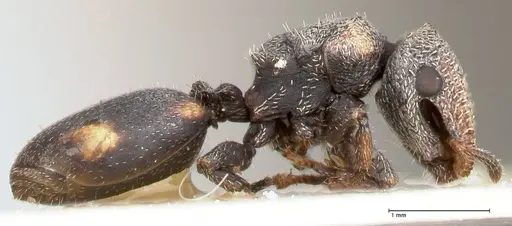
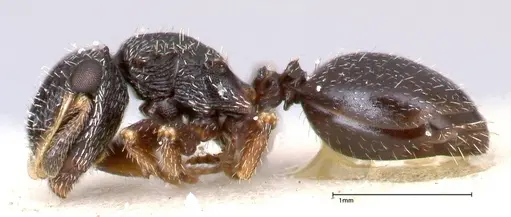
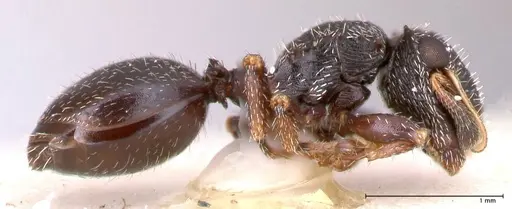
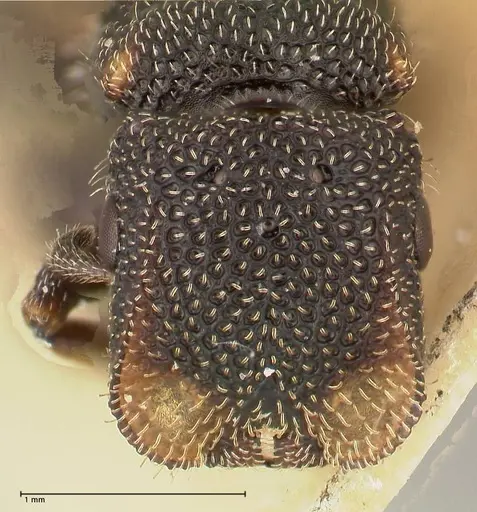
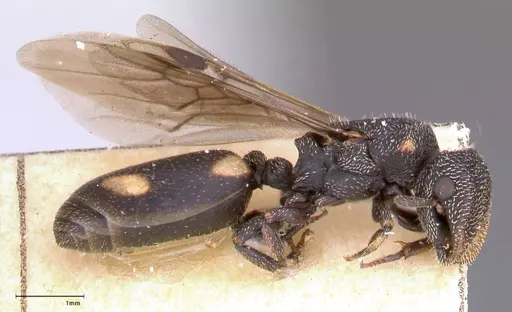
Cephalotes fiebrigi is a small to medium-sized turtle ant native to the Neotropical region, found in Paraguay, Argentina, and Brazil [1][2]. Workers measure 3.9-4.9mm, soldiers are larger at 5.8-6.5mm, and queens reach 7.5-7.9mm [3]. The species is distinguished by its dense, erect, truncate body hairs that set it apart from its sister species Cephalotes guayaki [3]. Like other turtle ants, they have a distinctive flattened head disc in soldiers and a smooth, polished appearance. The head disc in soldiers is more elongate with coarse reticulate-rugose sculpture, and the body is black with yellowish-ferruginous markings including spots on the gaster [3].
This species belongs to the fiebrigi clade within the genus Cephalotes [1]. Turtle ants are arboreal nesters, typically inhabiting hollow twigs, dead branches, and rotting wood in forest canopies. They are known for their unique gliding ability, soldiers can orient themselves and glide back to tree trunks if they fall from the forest canopy [3].
Quick Summary
- Difficulty: Medium
- Origin & Habitat: Neotropical region, Paraguay, Argentina, and Brazil. They inhabit forest canopies, nesting in hollow twigs, dead branches, and rotting wood [1][2][3].
- Colony Type: Monogyne (single queen) colonies, typical for the genus Cephalotes. Colony size is moderate, likely reaching several hundred workers based on related species [3].
- Colony: Monogyne
- Founding: Claustral
- Size & Growth:
- Queen: 7.5-7.9mm [3]
- Worker: 3.9-4.9mm [3]
- Colony: Likely several hundred workers based on related Cephalotes species
- Growth: Moderate, based on typical Cephalotes development patterns
- Development: Estimated 6-8 weeks at optimal temperature based on genus-level data for Cephalotes (Development time is estimated from typical Cephalotes patterns since specific data for this species is unavailable. Tropical origin suggests moderate to fast development.)
- Antkeeping:
- Temperature: Keep at 24-28°C, these are tropical ants that prefer warm, stable conditions
- Humidity: Moderate to high humidity (60-80%). They prefer damp forest canopy conditions. Keep nest substrate moist but not waterlogged
- Diapause: Unlikely, as tropical ants, they probably do not require a true diapause period. May show reduced activity in cooler months
- Nesting: Arboreal specialists. Provide hollow twigs, branches, or a naturalistic setup with wood pieces. Y-tong nests or plaster nests with small chambers work well. They need tight, appropriately-sized chambers scaled to their small worker size
- Behavior: Generally peaceful and non-aggressive. Workers are active foragers that patrol trees and vegetation in search of honeydew, small insects, and other food sources. They do not have a stinger but may bite if threatened. Escape prevention is important, their small size means they can slip through small gaps. They are arboreal by nature so they will explore vertical spaces and climb well
- Common Issues: limited biological data means care is based on genus-level knowledge rather than species-specific studies, small worker size requires fine mesh barriers for escape prevention, arboreal nature means they need climbing structures and vertical space, tropical humidity requirements can lead to mold issues if ventilation is poor, slow colony growth compared to some common species may frustrate beginners
Nest Preferences and Housing
Cephalotes fiebrigi is an arboreal species that naturally nests in hollow twigs, dead branches, and rotting wood in forest canopies [3]. In captivity, you should replicate these conditions as closely as possible. Y-tong (acrylic) nests work well, especially with narrow chambers scaled to their small worker size. Plaster nests or naturalistic setups with wood pieces also work. The key is providing appropriately-sized chambers, turtle ants prefer tight-fitting spaces rather than large open areas. Include some vertical climbing structures in the outworld since they are arboreal by nature. Test tube setups can work for founding colonies, but transfer to a more naturalistic or Y-tong setup once the colony reaches 20-30 workers. Ensure escape prevention is excellent since their small size allows them to slip through tiny gaps. Use fine mesh on any ventilation holes.
Feeding and Diet
Turtle ants are generalist foragers that feed on honeydew from aphids and scale insects, small insects, and other protein sources. In captivity, offer a varied diet including sugar water or honey as an energy source, and protein sources like small crickets, mealworms, fruit flies, or other small insects. Feed protein 2-3 times per week and keep sugar water available constantly. They are not specialized predators like some ant species, so a balanced diet of sugars and protein works well. Remove uneaten prey after 24-48 hours to prevent mold. Fresh fruit occasionally accepted but not required. [3]
Temperature and Seasonal Care
As a Neotropical species from Paraguay, Argentina, and Brazil, Cephalotes fiebrigi prefers warm conditions. Keep the nest area at 24-28°C for optimal colony health and development. A heating cable on one side of the nest can create a gentle gradient, but avoid overheating. Room temperature in most homes (22-25°C) is often suitable. They do not require true hibernation like temperate species, but may show slightly reduced activity during cooler periods. Avoid temperatures below 20°C for extended periods. Maintain moderate to high humidity (60-80%) to replicate their forest canopy habitat. Use a water reservoir in test tube setups or mist the nest area regularly, but ensure good ventilation to prevent mold buildup. [1][2]
Behavior and Colony Dynamics
Cephalotes fiebrigi forms monogyne colonies with a single queen. The colony will develop through the typical stages: queen lays eggs, eggs develop into larvae, larvae pupate, and emerge as workers. Soldiers (larger workers with flattened head discs) develop in larger colonies and serve defensive and territorial roles. Workers are active foragers that patrol vegetation and tree bark in search of food. They do not have a stinger but can deliver a mild bite if threatened. The species is generally peaceful and not aggressive toward keepers. Colonies grow moderately, expect several months to reach significant worker numbers. The soldiers' distinctive head disc is used for blocking nest entrances, a common defensive adaptation in the genus. [3]
Growth and Development
Specific development data for Cephalotes fiebrigi is not available, but based on genus-level patterns, expect the following timeline: eggs hatch in 1-2 weeks, larvae develop over 3-4 weeks, pupation takes 2-3 weeks, and first workers emerge 6-8 weeks after egg-laying at optimal temperature (around 26°C). First workers (nanitics) are typically smaller than mature workers. Growth rate is moderate, colonies may take 6-12 months to reach 50-100 workers under good conditions. Larger colonies can reach several hundred workers. The soldier caste appears once the colony reaches a certain size threshold, typically around 50+ workers. Patience is key with this species as they do not grow as quickly as some common ant species.
Frequently Asked Questions
How long does it take for Cephalotes fiebrigi to produce first workers?
Expect first workers approximately 6-8 weeks after the queen lays eggs, at optimal temperature around 26°C. This is based on typical Cephalotes development patterns since specific timing for this species is not documented.
What do Cephalotes fiebrigi ants eat?
They are generalists that accept sugar sources (honey water, sugar water) and protein (small insects like fruit flies, crickets, mealworms). Feed protein 2-3 times per week and keep sugar water available constantly. Remove uneaten prey after 24-48 hours.
Are Cephalotes fiebrigi good for beginners?
They are rated as medium difficulty. While not the hardest species, the limited species-specific biological data means care is based on genus knowledge. They require arboreal-style housing, good escape prevention, and patience as colonies grow moderately slowly. Experienced antkeepers or dedicated beginners will do well.
What temperature do Cephalotes fiebrigi need?
Keep them warm at 24-28°C. They are tropical ants from Paraguay, Argentina, and Brazil, so they prefer warm, stable conditions. Room temperature (22-25°C) in most homes is often suitable, but slightly warmer is better for active growth.
Do Cephalotes fiebrigi need hibernation?
No, they do not require true hibernation. As tropical ants, they do not enter diapause. They may show slightly reduced activity during cooler months but no special winter treatment is needed.
How big do Cephalotes fiebrigi colonies get?
Based on related species, colonies likely reach several hundred workers at maturity. Growth is moderate, expect 6-12 months to reach 50-100 workers under good conditions.
Can I keep multiple Cephalotes fiebrigi queens together?
No, this is a monogyne (single queen) species. Only one queen should be kept per colony. Multiple unrelated queens will fight.
Why are my Cephalotes fiebrigi dying?
Common causes include: temperatures below 20°C, low humidity, poor escape prevention (they are small and can escape), mold from excessive moisture with poor ventilation, or stress from too frequent disturbances. Check that temperature is in the 24-28°C range, humidity is moderate (60-80%), and that you are not overhandling the colony.
References

This caresheet is licensed under CC BY-SA 4.0 .
CASENT0173678
View on AntWeb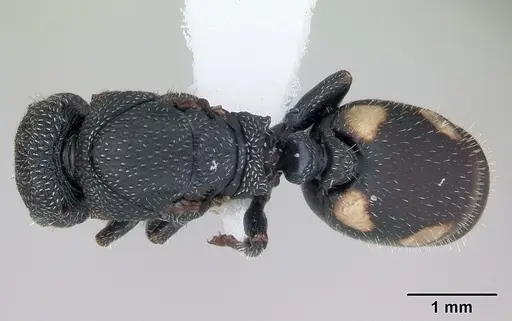
CASENT0173679
View on AntWeb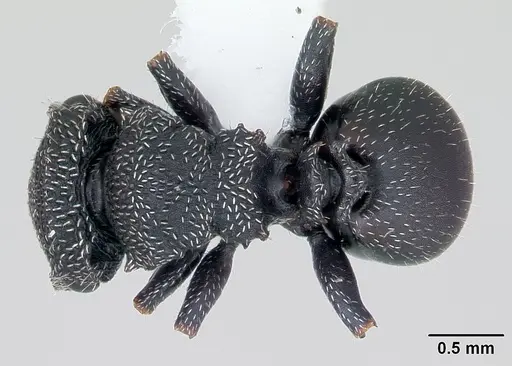
CASENT0173680
View on AntWeb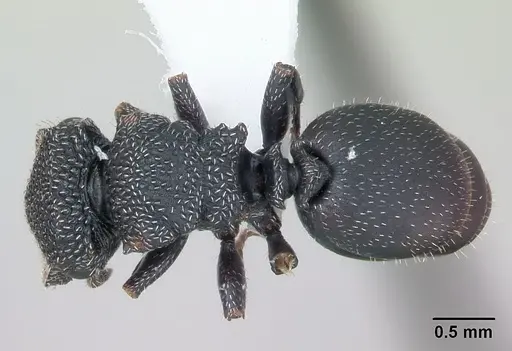
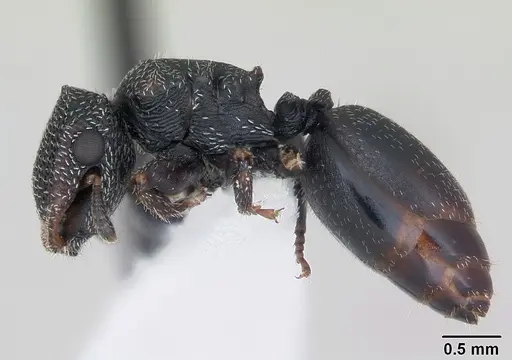
CASENT0909289
View on AntWeb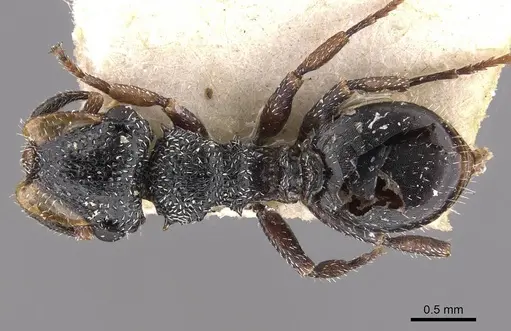
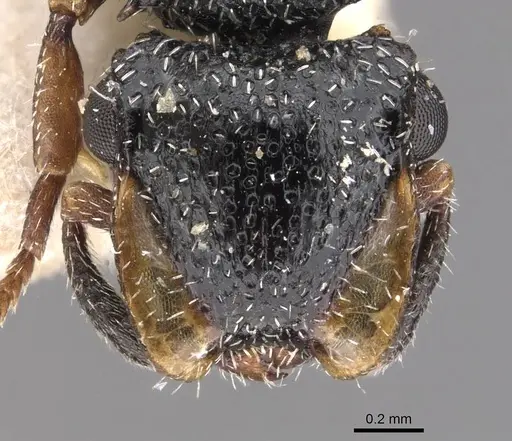
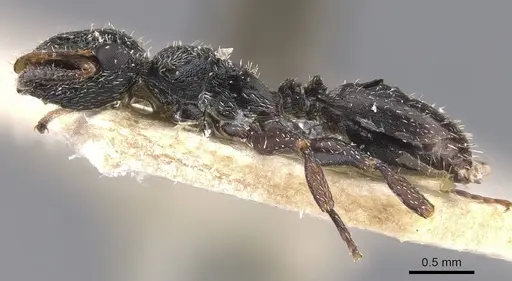
CASENT0909290
View on AntWeb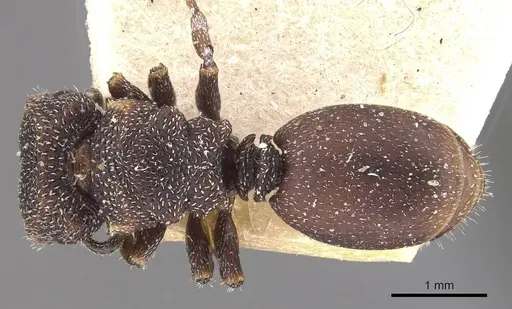
CASENT0909291
View on AntWeb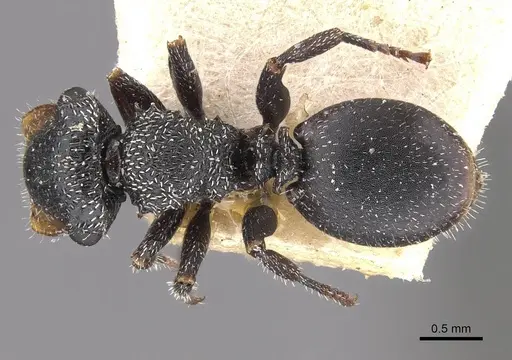
CASENT0912595
View on AntWeb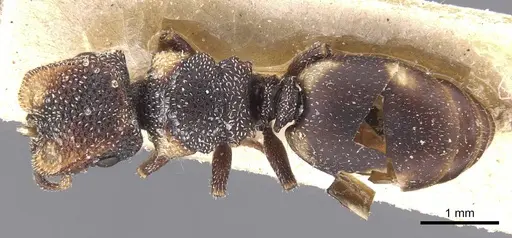
CASENT0912596
View on AntWeb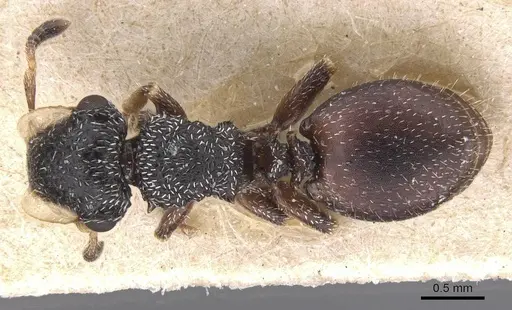
CASENT0922538
View on AntWeb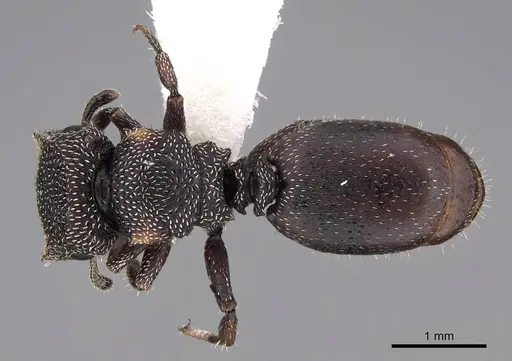
CASENT0922539
View on AntWeb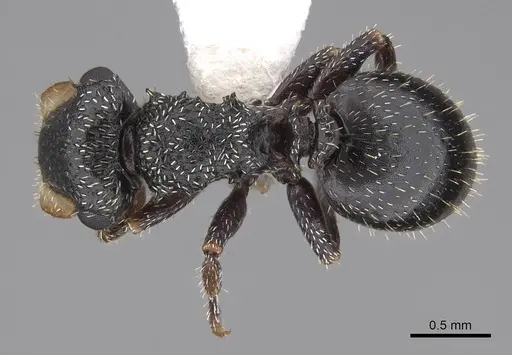
FOCOL0666-1
View on AntWeb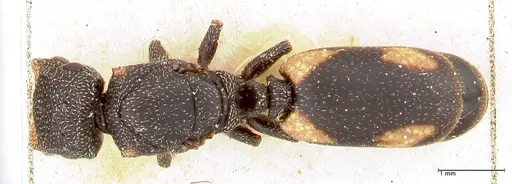
FOCOL0666-2
View on AntWeb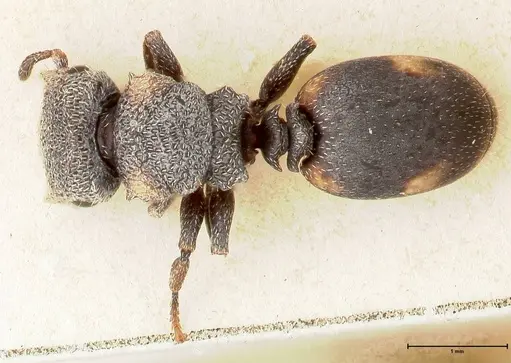
FOCOL0666-3
View on AntWeb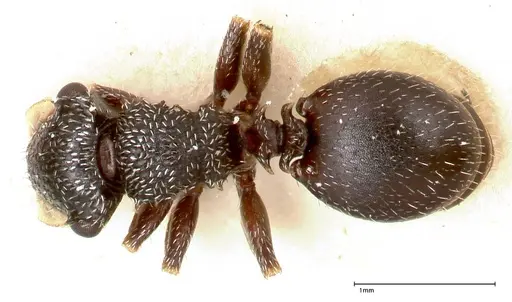
FOCOL0666-4
View on AntWeb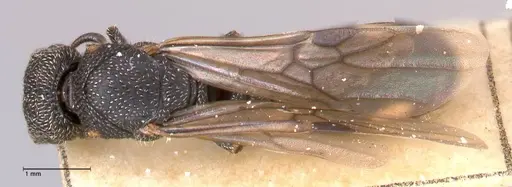
Literature
Loading...Loading products...