

Cephalotes guayaki
- Scientific Name
- Cephalotes guayaki
- Tribe
- Attini
- Subfamily
- Myrmicinae
- Author
- De Andrade, 1999
- Distribution
- Found in 1 countries
Cephalotes guayaki Overview
Cephalotes guayaki is an ant species of the genus Cephalotes. It is primarily documented in 1 countries , including Paraguay. Detailed taxonomic data and occurrence records can be further explored via authoritative databases such as AntWeb or the Global Biodiversity Information Facility (GBIF).
Cephalotes guayaki
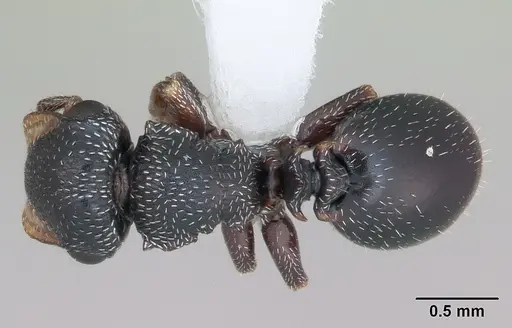
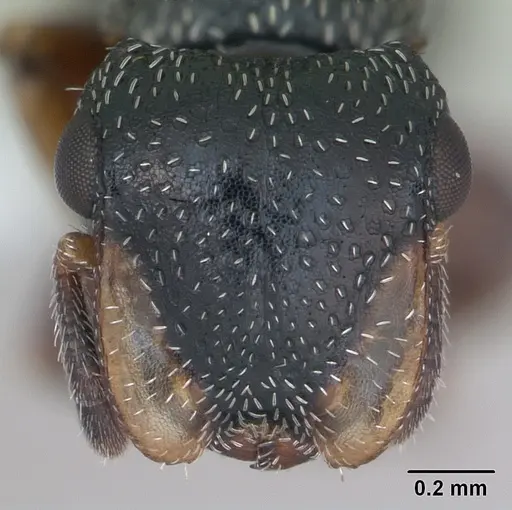
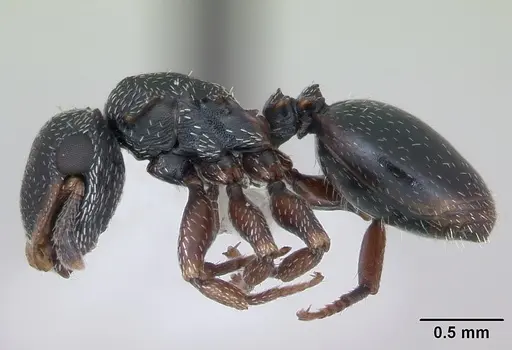
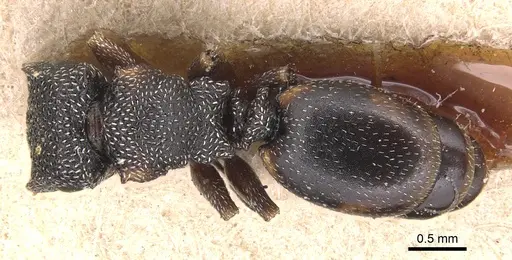
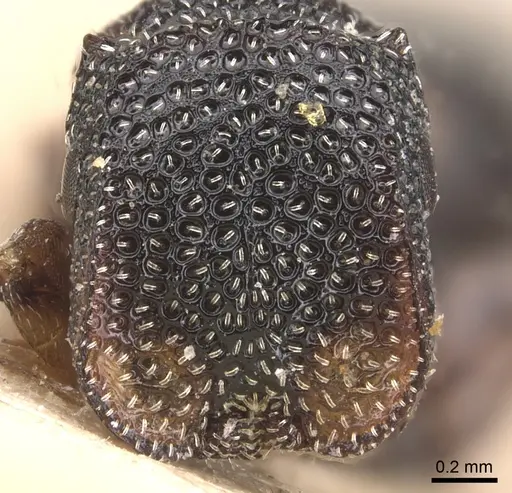
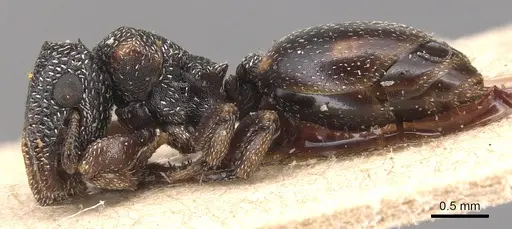
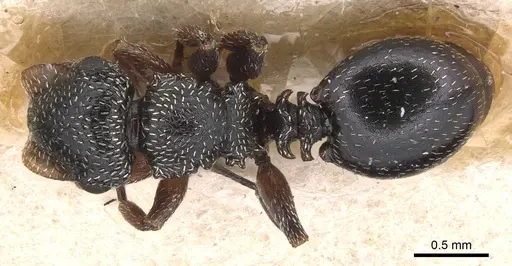
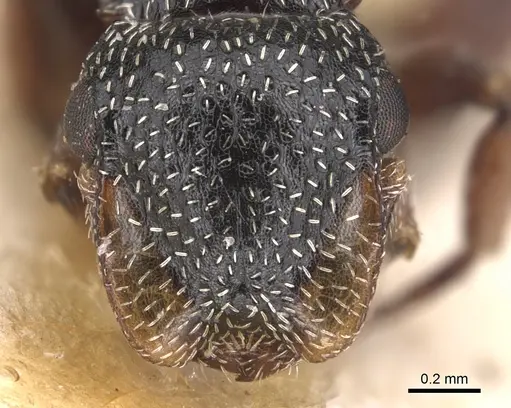
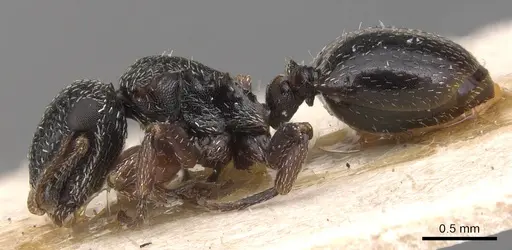
Cephalotes guayaki is a small to medium-sized turtle ant native to the southern Amazon basin in Brazil and Paraguay. Workers measure 3.74-3.88mm with a distinctive flattened head and body covered in sparse erect hairs. Soldiers are larger at 4.76-5.56mm with characteristic pronotal spines and orange-ferruginous leg markings. Queens reach about 6.12mm. This species belongs to the fiebrigi clade within the turtle ant genus and is endemic to Paraguay, known only from a few collections in the Concepción and Neembucú departments [1][2].
As a turtle ant, C. guayaki is arboreal, nesting in hollow twigs, branches, and tree cavities in forest habitats. The genus Cephalotes is known for their unique defense behaviors and soldier castes that use their modified heads to block nest entrances. This species shows the typical turtle ant pattern of yellow spots on the gaster. Little is documented about their specific biology in the wild, but they are expected to share general Cephalotes traits of colony foundation in pre-existing cavities and omnivorous foraging [3].
Quick Summary
- Difficulty: Medium
- Origin & Habitat: Southern Amazon basin, Brazil (Mato Grosso do Sul) and Paraguay. Found in forest habitats, typically arboreal in hollow twigs and tree cavities [2][3].
- Colony Type: Colony structure is unconfirmed. Most Cephalotes species are monogyne (single queen) but some can have multiple queens. The presence of a distinct soldier caste suggests larger, established colonies with defensive specialization [3].
- Colony: Monogyne
- Founding: Claustral
- Size & Growth:
- Queen: 6.12mm [3], estimated from type specimen
- Worker: 3.74-3.88mm [3]
- Colony: Unknown, typical Cephalotes colonies reach several hundred workers [3]
- Growth: Moderate, inferred from genus patterns
- Development: 6-10 weeks, estimated based on related Cephalotes species (Development time is unconfirmed for this specific species. Related turtle ants typically take 6-10 weeks from egg to worker at optimal temperatures.)
- Antkeeping:
- Temperature: Keep around 24-28°C. These are Neotropical ants from the southern Amazon region, so they prefer warm conditions. A gentle thermal gradient allows workers to regulate their temperature [3].
- Humidity: Moderate to high humidity (60-80%). Arboreal nesters prefer humid conditions but not saturated. Provide a moist nest substrate while ensuring good ventilation to prevent mold [3].
- Diapause: Unconfirmed, likely minimal or no true diapause given their tropical origin. Some reduction in activity during cooler months may occur.
- Nesting: Arboreal setup works best, hollow twigs, bamboo sections, or acrylic nests with narrow chambers. Y-tong (AAC) nests with tight-fitting chambers mimic their natural tree-cavity nesting. Provide climbing structures and branches in the outworld [3].
- Behavior: Turtle ants are generally calm and non-aggressive. Workers forage for honeydew, nectar, and small insects. The soldier caste uses their modified heads to block nest entrances as a defensive adaptation. They are not known to sting and pose no danger to keepers. Escape risk is moderate, use standard mesh barriers but they are not particularly prone to escaping like some tiny species [3].
- Common Issues: limited species-specific data means care is extrapolated from genus patterns, wild-caught colonies may have parasites or diseases not yet characterized, arboreal nesting requires specific setup, standard soil nests may not be ideal, small colony size at founding makes them vulnerable to stress, humidity control is important, too dry causes desiccation, too wet causes mold
Housing and Nest Setup
Cephalotes guayaki is an arboreal species that naturally nests in hollow twigs, branches, and tree cavities. In captivity, provide a setup that mimics these conditions. A Y-tong (AAC) formicarium with narrow chambers works well, turtle ants prefer tight-fitting spaces rather than open areas. You can also offer natural alternatives like bamboo sections or hollow wood pieces placed in an outworld. The nest should have multiple connected chambers connected by small tunnels. In the outworld, provide climbing structures like branches, twigs, or vertical surfaces since these ants naturally walk on foliage and tree bark. A test tube setup can work for founding colonies, but transfer to a more naturalistic arboreal setup once the colony reaches 20-30 workers [3].
Feeding and Diet
Like other Cephalotes species, C. guayaki is omnivorous with a preference for carbohydrate sources. Feed them sugar water, honey, or diluted maple syrup regularly, these should be available at all times in the outworld. For protein, offer small insects like fruit flies, pinhead crickets, or mealworm pieces. Turtle ants also collect honeydew from aphids if available. Feed protein sources 2-3 times per week, and replace sugar feeds every 2-3 days to prevent fermentation. Remove any uneaten prey after 24 hours to maintain cleanliness. Some keepers report that Cephalotes accept fruit and seeds, but insects and sugar remain the primary diet [3].
Temperature and Humidity
As a Neotropical species from the southern Amazon basin, C. guayaki prefers warm conditions. Keep the nest area at 24-28°C, with a slight gradient if possible. A small heating cable on one side of the nest can help maintain warmth, but avoid direct heat that could dry out the nest. For humidity, aim for 60-80% relative humidity. Arboreal ants prefer humid conditions but need good ventilation to prevent mold growth. Monitor condensation levels, some moisture is good, but standing water or excessive condensation indicates too wet. Mist the outworld occasionally rather than flooding the nest. Reduce feeding and activity expectations if temperatures drop below 20°C [3].
Colony Development
The founding queen will seal herself into a suitable cavity and lay eggs without foraging, this is claustral founding, typical of the genus. She will survive on stored fat reserves while raising the first brood. First workers (nanitics) will be smaller than normal workers and may take 6-10 weeks to emerge, depending on temperature. After the first workers eclose, the colony grows gradually. The soldier caste develops in larger, established colonies, these are larger workers with modified heads used for defense. Colony growth is moderate, and you can expect a healthy colony to reach several hundred workers over 1-2 years under good conditions. Avoid disturbing the founding queen excessively, turtle ants are sensitive during the founding stage [3].
Behavior and Defense
Cephalotes guayaki is a calm, non-aggressive species. Workers go about their business without major defensive displays unless threatened. The soldier caste (larger workers with modified heads) serves a defensive role, they can block nest entrances with their flattened heads to protect the colony. This is a passive defense strategy rather than active aggression. These ants do not sting and pose no danger to keepers. Foraging occurs primarily at night or during twilight hours, though they may be active during the day as well. They are not particularly aggressive toward other ant species but will defend their nest if provoked. Escape prevention should be standard, they are not known escape artists but use mesh barriers on formicarium openings [3].
Frequently Asked Questions
How long does it take for Cephalotes guayaki eggs to become workers?
The exact timeline is unconfirmed for this species, but based on related Cephalotes species, expect 6-10 weeks from egg to first worker at optimal temperatures (24-28°C). The first workers (nanitics) will be smaller than normal workers. Colony growth is gradual after that.
What do Cephalotes guayaki ants eat?
They are omnivorous with a preference for carbohydrates. Provide constant access to sugar water, honey, or maple syrup. For protein, offer small insects like fruit flies, pinhead crickets, or mealworm pieces 2-3 times per week. They may also accept honeydew from aphids.
Can I keep Cephalotes guayaki in a test tube?
Test tubes work for founding colonies, but this arboreal species will thrive better in a setup with climbing structures and narrow chambers. Once the colony reaches 20-30 workers, consider moving them to a Y-tong nest or naturalistic setup with bamboo/twigs.
What temperature do Cephalotes guayaki need?
Keep them warm at 24-28°C. As Neotropical ants from Brazil and Paraguay, they prefer warm conditions. A gentle thermal gradient allows workers to regulate their temperature by moving between warmer and cooler areas.
How big do Cephalotes guayaki colonies get?
Colony size is unconfirmed for this specific species, but typical Cephalotes colonies reach several hundred workers over 1-2 years. The presence of a distinct soldier caste indicates larger, established colonies.
Are Cephalotes guayaki good for beginners?
They are rated as Medium difficulty. While generally hardy once established, the limited species-specific data means care must be extrapolated from genus patterns. They are calm and interesting to watch, but require warm, humid arboreal-style housing.
Do Cephalotes guayaki need hibernation?
Unlikely, as a tropical species from the southern Amazon, they probably do not require a true diapause. You may see reduced activity during cooler months, but no formal hibernation setup is needed. Keep temperatures consistent year-round.
What type of nest is best for Cephalotes guayaki?
Arboreal-style nests work best, Y-tong (AAC) formicariums with narrow chambers, or naturalistic setups with hollow twigs/bamboo. They prefer tight-fitting chambers and need climbing structures in the outworld. Avoid large, open soil-based setups.
Why are my Cephalotes guayaki dying?
Common causes include: temperature too low (below 20°C), humidity too dry or too wet (aim for 60-80%), mold from poor ventilation, stress during founding stage, or parasites from wild-caught colonies. Ensure warm, humid conditions with good airflow and minimal disturbance.
References

This caresheet is licensed under CC BY-SA 4.0 .
Literature
Loading...Loading products...