

Cephalotes bruchi
- Scientific Name
- Cephalotes bruchi
- Tribe
- Attini
- Subfamily
- Myrmicinae
- Author
- Forel, 1912
- Distribution
- Found in 3 countries
Cephalotes bruchi Overview
Cephalotes bruchi is an ant species of the genus Cephalotes. It is primarily documented in 3 countries , including Argentina, Bolivia, Plurinational State of. Detailed taxonomic data and occurrence records can be further explored via authoritative databases such as AntWeb or the Global Biodiversity Information Facility (GBIF).
Cephalotes bruchi
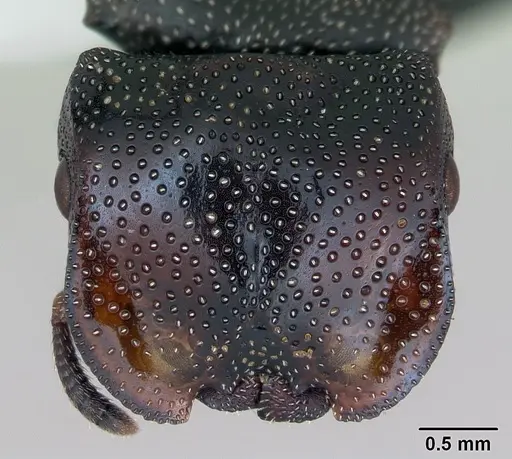
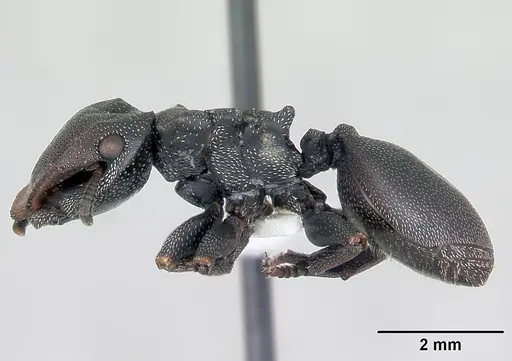
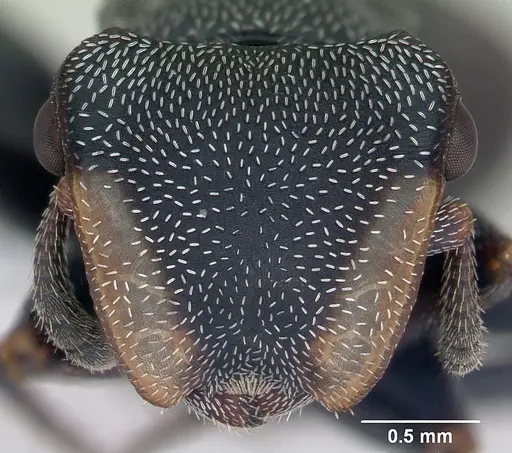
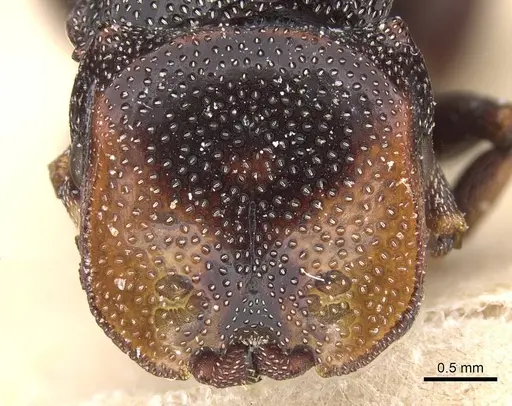
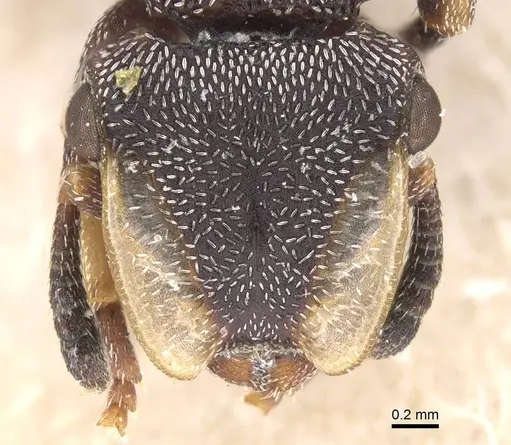
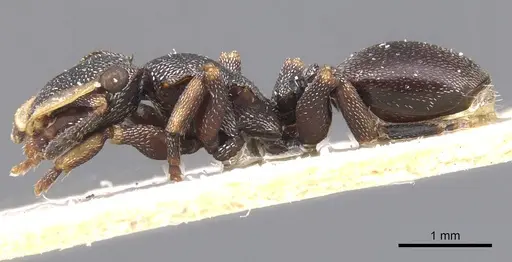
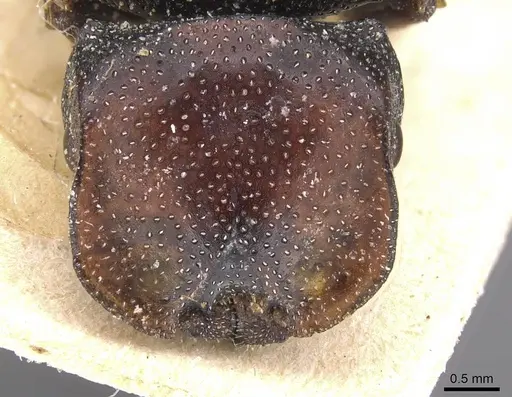
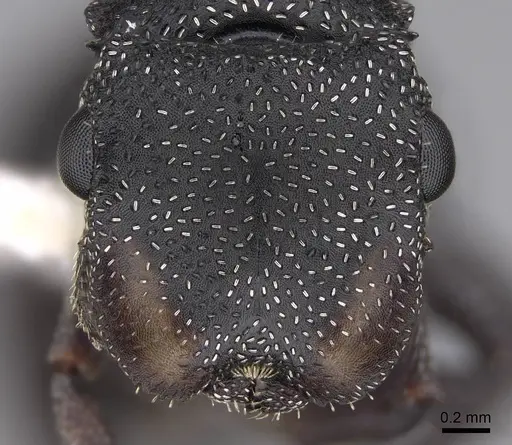
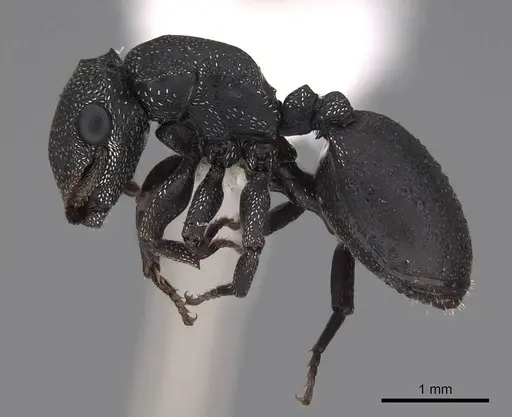
Cephalotes bruchi is a distinctive Neotropical turtle ant native to the Chacoan region of South America, found in Argentina, Brazil, Paraguay, and Ecuador. Workers measure 5.1-6.0mm with a black body and pale frontal carinae, while the soldier caste reaches 8.4-10.6mm with a broad, shield-like head. Queens are the largest at 11-12.6mm. This species belongs to the bruchi clade within the fiebrigi species group and is exclusively Chacoan in distribution, having evolved in the dry forest regions of southern South America [1][2]. The most notable feature is the soldier's massive head with its distinctive disc, these ants are sometimes called 'turtle ants' due to their ability to block nest entrances with their armored heads, creating a living door to protect the colony.
Quick Summary
- Difficulty: Medium
- Origin & Habitat: Chacoan region of South America, Argentina, Brazil, Paraguay, and Ecuador. Found in forest fragments and transition areas, particularly in dead wood and tree cavities [3][2].
- Colony Type: Monogyne (single queen) colonies. Soldiers serve as living door guards, blocking nest entrances with their shield-like heads.
- Colony: Monogyne
- Founding: Claustral
- Size & Growth:
- Queen: 11-12.6mm
- Worker: 5.1-6.0mm
- Colony: Estimated several hundred to a few thousand workers based on genus patterns
- Growth: Moderate, typical for Cephalotes species
- Development: Estimated 8-12 weeks based on genus patterns for tropical species (Development time is inferred from related Cephalotes species, specific data for C. bruchi is unavailable)
- Antkeeping:
- Temperature: Keep at 24-28°C. These are tropical ants from the Chacoan region that prefer warm, stable temperatures. A heating cable on one side of the nest creates a suitable gradient.
- Humidity: Moderate humidity around 60-75%. Provide a moist nest chamber but ensure good ventilation to prevent mold. The Chacoan region has seasonal rainfall patterns.
- Diapause: No, these are tropical ants that do not require hibernation. Maintain consistent temperatures year-round.
- Nesting: Arboreal nesters in nature, they inhabit hollow twigs, branches, and tree cavities. In captivity, they do well in Y-tong (AAC) nests or plaster nests with narrow chambers scaled to their size. Provide dead wood or cork bark pieces for a naturalistic setup.
- Behavior: Peaceful temperament but defensive soldiers block nest entrances. Workers forage along established trails, collecting honeydew and small prey. They are not aggressive toward keepers but will defend the nest vigorously. Escape prevention is important, they can climb smooth surfaces but are not particularly fast or acrobatic. Their main defense is the soldier caste physically blocking access points.
- Common Issues: colonies may decline if humidity is too low, they need consistent moisture in the nest, soldiers may damage themselves if the nest chambers are too small or poorly designed, poor ventilation leads to mold which can devastate colonies, wild-caught colonies may carry parasites that are difficult to treat in captivity, slow growth compared to more common ants may lead to keeper impatience and overfeeding
Nest Preferences and Housing
Cephalotes bruchi is an arboreal species that naturally nests in hollow twigs, dead branches, and tree cavities. In the wild, they have been collected from fallen mature trees in forest environments. For captive care, Y-tong (acrylic) nests work well, or you can use a plaster nest with appropriately sized chambers. The key is providing chambers that match their body size, not too large, as they prefer tight spaces. A naturalistic setup with cork bark or pieces of dead wood mimics their natural habitat best. The soldier caste will position themselves at nest entrances, using their shield-like heads to block access, this is their primary defense mechanism. Make sure any nest design allows soldiers to position themselves properly at entry points. [1][3]
Feeding and Diet
Like other Cephalotes species, C. bruchi is omnivorous with a preference for carbohydrate sources. They collect honeydew from aphids and scale insects in nature, and will readily accept sugar water, honey, or diluted syrup in captivity. For protein, offer small insects like fruit flies, small crickets, and mealworms. They are not aggressive hunters but will scavenge or take small prey. Feed them a few times per week, provide a constant sugar source (like a cotton ball soaked in sugar water) and offer protein prey every 2-3 days. Remove any uneaten prey after 24 hours to prevent mold. Fresh fruit slices can also be accepted occasionally.
Temperature and Seasonal Care
As Chacoan region ants, Cephalotes bruchi prefers warm temperatures in the range of 24-28°C. The Chaco region experiences seasonal variation, but these ants do not enter true diapause, they simply reduce activity during cooler periods. Maintain consistent warmth year-round for optimal colony health and growth. Use a heating cable or mat on one side of the nest to create a temperature gradient, allowing ants to self-regulate by moving between warmer and cooler areas. Avoid temperatures below 20°C for extended periods, as this can weaken the colony. Room temperature within this range is acceptable if your home stays consistently warm. [2]
Soldier Defense Behavior
The most fascinating aspect of Cephalotes bruchi is their soldier caste. Soldiers have massively enlarged heads with a flat, disc-like front that they use as a living door. When a threat approaches the nest, soldiers position themselves at entrance points and literally block the opening with their shield-like heads. This 'phragmosis' behavior is rare among ants and gives the genus its 'turtle ant' common name. In your colony, you may observe soldiers stationed at nest entrances, particularly when the colony is disturbed. This is normal defensive behavior, do not force them away from these positions. The soldiers are specialized defenders and should be allowed to perform their role. A healthy colony will have a significant soldier population that increases as the colony grows. [1]
Colony Growth and Development
Cephalotes bruchi colonies grow at a moderate pace compared to many tropical ants. A newly mated queen will found her colony claustrally, sealing herself in a chamber and living off her stored fat reserves until the first workers (nanitics) emerge. The first generation is typically small, with workers being smaller than mature workers. As the colony grows, soldiers begin to appear, their development is triggered by colony size and resource availability. Expect the first workers within 2-3 months under optimal conditions, with the soldier caste appearing once the colony reaches several dozen workers. Colonies can eventually reach several thousand individuals, with a substantial soldier contingent for defense.
Frequently Asked Questions
Is Cephalotes bruchi a good ant for beginners?
Cephalotes bruchi is rated as medium difficulty. While not the hardest species, it does require specific conditions, warm temperatures, proper humidity, and appropriate nesting sites. They are slower growing than many common species, which can test beginner patience. If you're new to antkeeping, consider starting with a more established species like Lasius or Camponotus before trying turtle ants.
How long does it take for Cephalotes bruchi to produce first workers?
Based on related Cephalotes species, expect first workers (nanitics) to emerge around 8-12 weeks after the queen lays eggs, assuming optimal temperatures around 26°C. This is slower than many common ants, so patience is required during the founding stage.
Can I keep multiple Cephalotes bruchi queens together?
No. Cephalotes bruchi is monogyne, meaning colonies have a single queen. Combining unrelated queens will result in fighting. Only attempt multi-queen arrangements if you have specific guidance from experienced breeders with this species.
What do Cephalotes bruchi eat?
They are omnivorous with a preference for carbohydrates. Offer sugar water, honey, or diluted syrup as a constant food source. For protein, provide small insects like fruit flies, small crickets, or mealworms a few times per week. They will also accept small amounts of fresh fruit.
Do Cephalotes bruchi need hibernation?
No. As tropical ants from the Chacoan region, they do not require hibernation. Maintain warm temperatures year-round (24-28°C) for optimal colony health. They may reduce activity slightly during cooler periods but do not enter diapause.
When should I move Cephalotes bruchi to a formicarium?
Keep newly caught or purchased queens in a simple test tube setup for the founding stage. Once the colony reaches 50-100 workers and you see consistent activity, you can transition them to a more elaborate nest. However, Cephalotes often do well in the same setup for longer than other species, they are arboreal and prefer tight spaces, so don't rush to move them.
Why are my Cephalotes bruchi dying?
Common causes include: low humidity (they need consistent moisture), temperatures below 20°C, poor ventilation causing mold, or stress from too-frequent disturbances. Check your setup first. Wild-caught colonies may also carry parasites that are difficult to treat in captivity.
How big do Cephalotes bruchi colonies get?
Based on genus patterns, mature colonies likely reach several hundred to a few thousand workers. The soldier population increases with colony size, eventually comprising a significant portion of the workforce for defense.
What makes Cephalotes bruchi special?
They belong to the exclusive Chacoan clade and have remarkable soldier castes with shield-like heads used as living doors. This phragmosis defense is rare among ants and makes them fascinating to observe. Their distribution is limited to the dry forests of southern South America.
References

This caresheet is licensed under CC BY-SA 4.0 .
CASENT0173666
View on AntWeb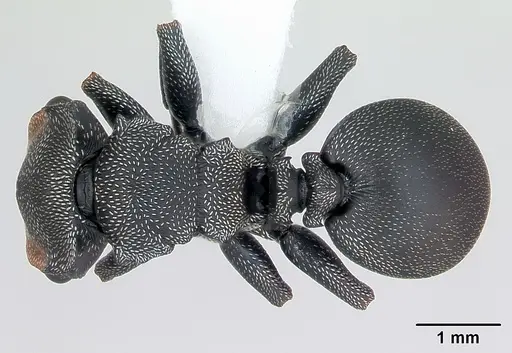
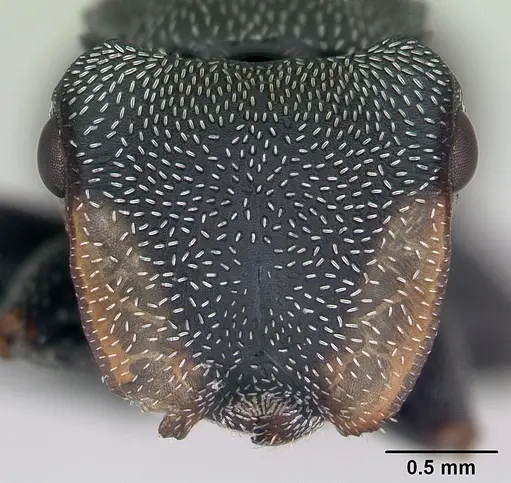
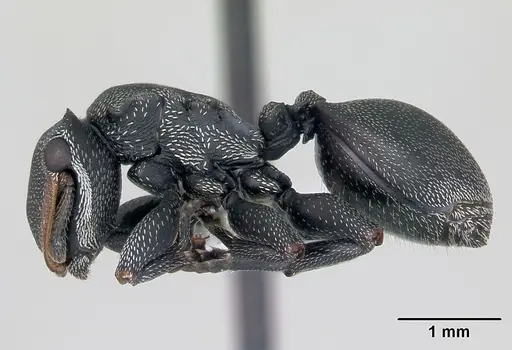
CASENT0173667
View on AntWeb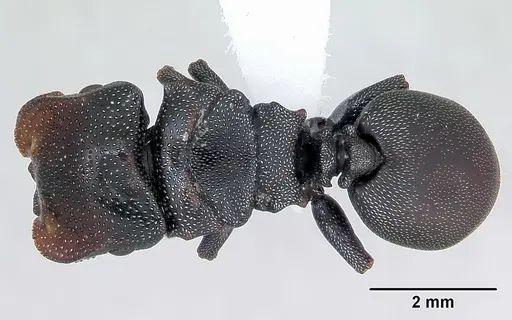
CASENT0173668
View on AntWeb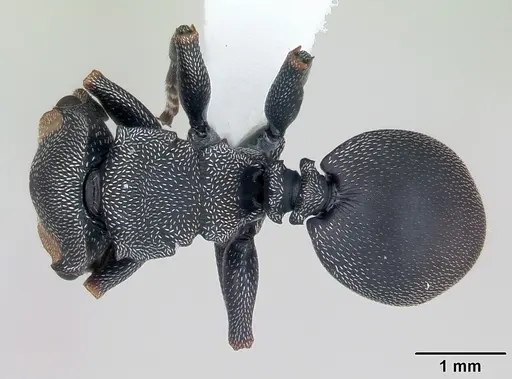
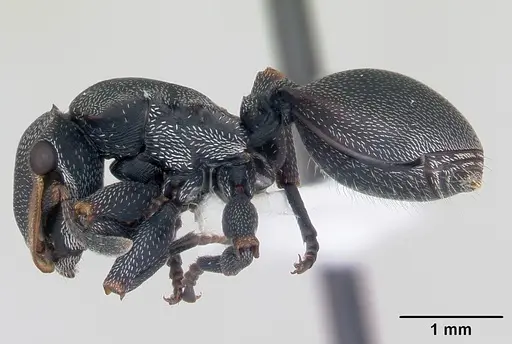
CASENT0909281
View on AntWeb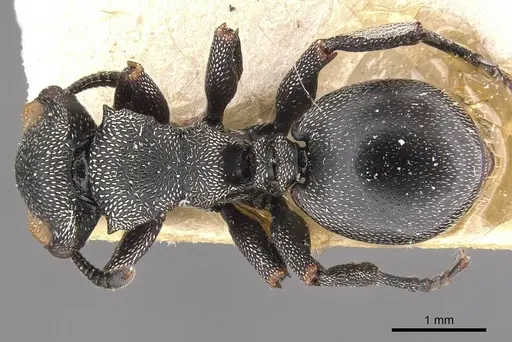
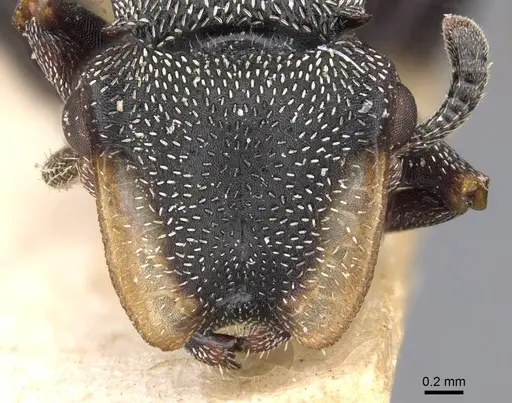
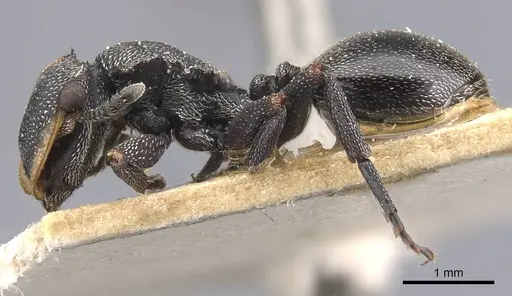
CASENT0912591
View on AntWeb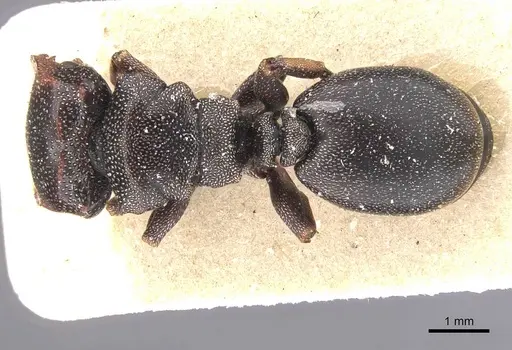
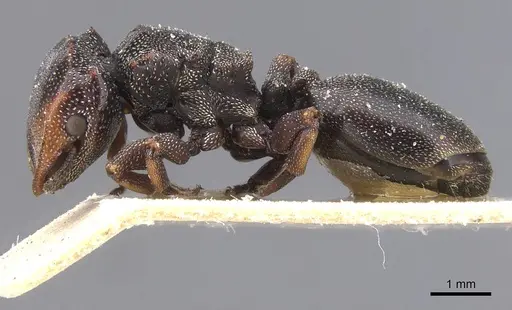
CASENT0912592
View on AntWeb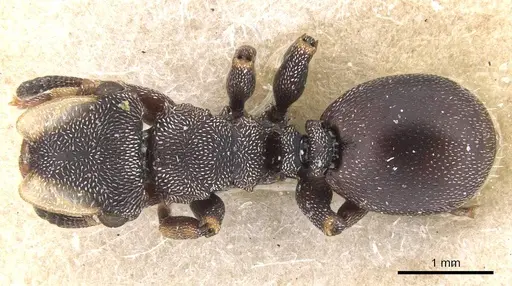
CASENT0912593
View on AntWeb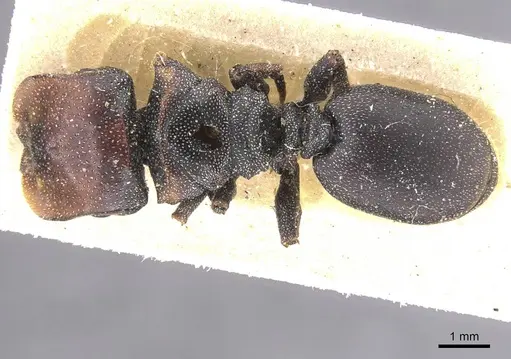
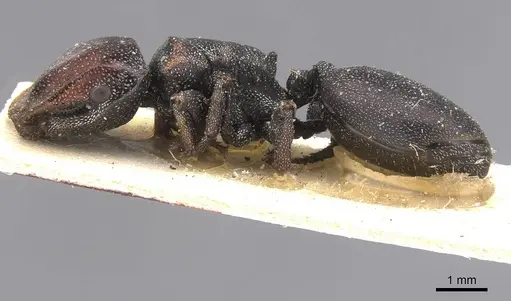
CASENT0922533
View on AntWeb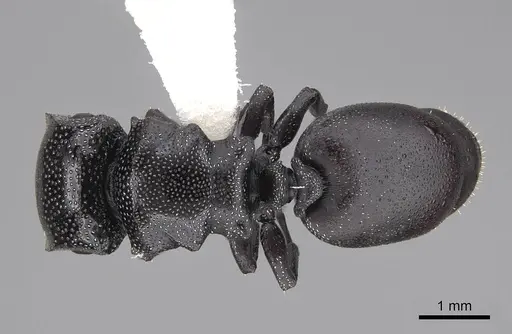
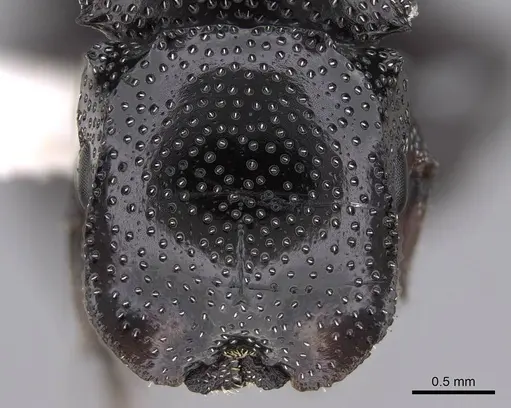
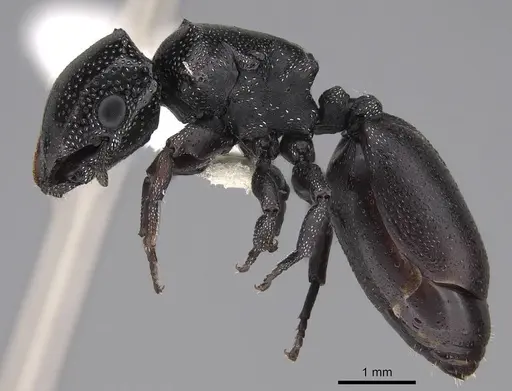
CASENT0922534
View on AntWeb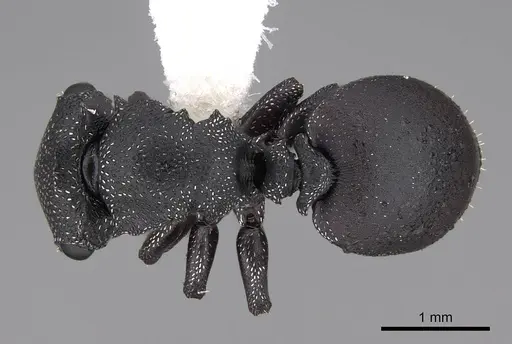
Literature
Loading...Loading products...