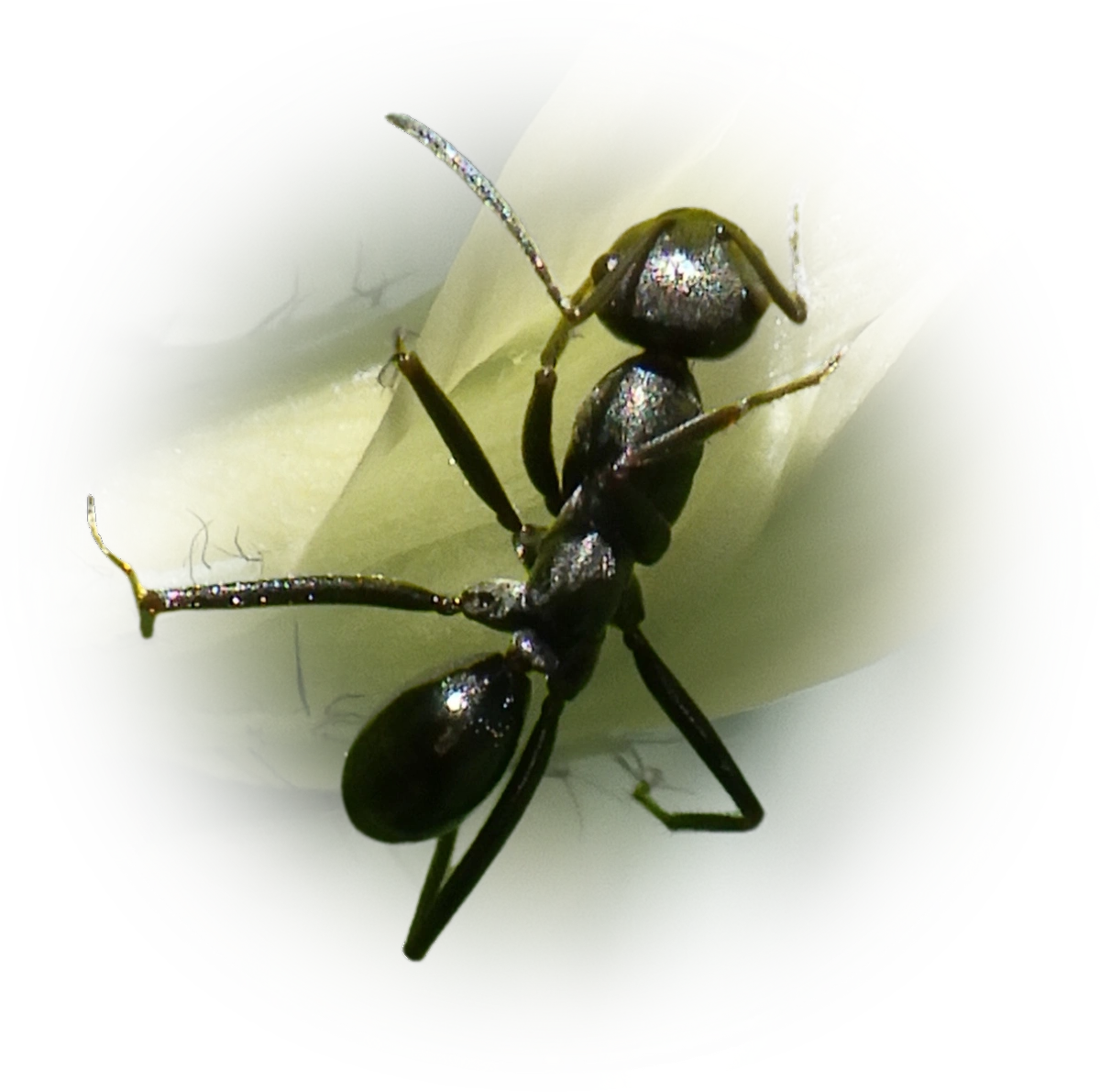
Cataglyphis bergiana - "Berg's Desert Ant"
Cataglyphis bergiana, often called Berg's Desert Ant, is a fascinating ant species hailing from the arid and semi-arid regions of Central Asia. These ants are remarkable for their incredible adaptations to extreme heat and their lightning-fast movements across open terrain. You'll observe a distinct size variation among the workers, a phenomenon known as polymorphism, where different sized workers might take on specialized roles within the colony, contributing to the colony's overall efficiency in their harsh environment. Their unique ability to navigate using the sun and other visual cues is truly a marvel to witness.
- Difficulty: Medium
- Origin & Habitat: Central Asia (Afghanistan, Iran, Kazakhstan, Kyrgyzstan, Turkmenistan) in Arid and semi-arid zones, deserts, open habitats, and sun-exposed areas. They are highly thermophilic, thriving in extremely hot conditions..
- Colony Type: Monogyne, claustral founding.
- Size & Growth:
- Queen: 10-15mm
- Worker: 4-9mm
- Colony: Medium (thousands). Medium to Fast growth.
- Antkeeping:
- Temperature: These desert dwellers thrive in warmth. Maintain a nest temperature between 28-32°C. For the outworld, they can tolerate and even benefit from higher temperatures, mimicking their natural foraging conditions, up to 40-50°C for short periods. Providing a temperature gradient is key for their comfort and health..
- Humidity: Low humidity is crucial for Cataglyphis bergiana. Aim for 30-40% relative humidity in the nest area, with a drier outworld. Excess humidity can quickly lead to mold and other issues in their dry-adapted setup..
- Diapause: Required. 2-3 months at 15-20°C.
- Nesting: Being hypogaeic (underground nesters), they require a deep, dry, and sandy substrate. Materials like Ytong, natural sand setups, or acrylic nests with a generous substrate layer are highly recommended to allow for their natural digging behaviors and accommodate their colony structure..
- Behavior: Medium to High (towards other ants and defensively around the nest) aggressiveness.
- Common Issues: Humidity fluctuations leading to mold in the nest, Heat stress if temperature gradients are not properly managed or if temperatures are too low, Escape artists due to their speed and activity, Overfeeding leading to waste accumulation or mites, Colony stalling if environmental conditions are not optimal or diet is insufficient.
Cataglyphis bergiana ants are true masters of heat. They possess extraordinary thermal tolerance, allowing them to forage during the scorching midday heat when most other insects are forced to seek shelter. Replicating this high-temperature foraging environment in their outworld can encourage natural behaviors and provide an engaging spectacle for the antkeeper. However, always ensure a cooler area is available within the nest for the queen and brood, as prolonged exposure to extreme heat without respite can be detrimental to the colony's health.
These desert ants are renowned for their incredible navigational abilities. They utilize the sun as a compass, along with visual landmarks, to find their way back to the nest after long foraging excursions. Providing a spacious outworld with varied textures or a few small, immovable objects can give them cues, though their primary navigation relies on light cues and an internal 'pedometer.' Observing their swift, straight-line returns to the nest after exploring is one of the most captivating aspects of keeping this species.
Expect a colony of Cataglyphis bergiana to be incredibly active and fast-moving. Their rapid pace, especially when startled or on the hunt for food, makes them prone to escapes if security measures aren't top-notch. Ensure your formicarium has robust escape prevention, such as Fluon or a very secure lid, to prevent these speedy foragers from making an unscheduled dash around your home. Their agility on smooth surfaces like glass or acrylic is limited, so they might struggle with vertical climbs on slick walls, but their ground speed is impressive.
Cataglyphis ants are primarily opportunistic scavengers and insectivores in their natural habitat. In captivity, they will readily accept a varied diet of feeder insects like crickets, mealworms, and roaches, along with a consistent supply of sugar water or honey solutions. It's best to offer dead or pre-killed insects to avoid potential injury to the ants and to prevent prey from hiding within the outworld. Adjust feeding frequency based on colony size and consumption to avoid mold growth, which can be a common issue in humid environments.
While generally not aggressive towards handlers unless provoked, Cataglyphis bergiana workers can be quite assertive, especially when defending their nest from other ant species or during territorial disputes. Some species within the Cataglyphis genus exhibit a 'nasty neighbor' effect, showing heightened aggression towards nearby conspecific colonies. This defensive behavior is typically focused around the nest entrance. If you plan to house multiple ant colonies, ensure ample separation to prevent any unwanted conflicts or stress for your colony.
The polymorphic worker caste of Cataglyphis bergiana means your colony will feature workers of varying sizes, from smaller minors to larger majors. This diversity in size can be visually appealing and reflects the division of labor within the colony. Providing sufficient space for growth and a diverse diet can help ensure the development of these different worker sizes, contributing to a robust and healthy colony.
Frequently Asked Questions
What kind of enclosure is best for Berg's Desert Ants?
For Cataglyphis bergiana, a setup that mimics their arid, underground habitat is ideal. Consider a deep sand setup in an acrylic or glass enclosure, or a Ytong nest with a large outworld. They need plenty of dry, open space for foraging and a deep substrate for tunneling. Ensuring good ventilation while maintaining low humidity is key.
How often should I feed my Cataglyphis bergiana colony?
These desert ants are active foragers! Offer them protein (feeder insects like crickets, roaches, mealworms) a few times a week, adjusting based on the colony's size and appetite. Always provide a consistent source of sugar water or honey solution. It's better to offer slightly less and ensure it's fully consumed to prevent mold.
Do Cataglyphis bergiana need a diapause period?
Yes, given their origin in temperate desert regions with seasonal temperature fluctuations, a diapause or cool-down period is beneficial for their long-term health and reproductive cycle. Aim for 2-3 months at around 15-20°C. This doesn't need to be a deep hibernation, but a noticeable reduction in temperature. [Diapause information inferred]
Are these ants aggressive towards other ant species or handlers?
While Cataglyphis bergiana aren't typically aggressive towards handlers unless severely provoked, they can be quite assertive towards other ant species, especially when defending their nest. They exhibit a strong territorial instinct around their nest entrance. Keep them isolated from other colonies to prevent conflicts.
What are the ideal temperature and humidity ranges for their nest?
For optimal health and brood development, maintain the nest temperature for your Cataglyphis bergiana colony between 28-32°C. The humidity should be kept quite low, ideally in the 30-40% range. Their outworld can be much hotter, mimicking their natural foraging conditions, even exceeding 40°C for short periods.
How fast do Cataglyphis bergiana colonies grow?
Cataglyphis bergiana colonies typically exhibit a medium to fast growth rate once established. Their growth is highly dependent on consistent warmth, proper nutrition, and a suitable, low-humidity environment. With ideal conditions, you'll see a steady increase in worker numbers. [Colony growth rate inferred]
Do Berg's Desert Ants have different types of workers?
Absolutely! Like many species in the Cataglyphis genus, Berg's Desert Ants display worker polymorphism. This means your colony will have workers of various sizes, ranging from smaller minor workers to larger major workers. This size variation is a natural part of their colony structure and contributes to their efficiency.
What are common problems when keeping Cataglyphis bergiana?
Keeping the humidity consistently low is a common challenge, as high humidity can lead to mold and stress for these desert-adapted ants. Ensuring they have a proper temperature gradient, with a warm nest and a hot outworld, is also crucial. Their incredible speed makes them adept escape artists, so secure setups are essential. Overfeeding can also lead to issues like mites or unwanted mold growth. [12, Common issues inferred]
Are Cataglyphis bergiana good for beginner antkeepers?
Given their specific requirements for high temperatures, low humidity, and their fast, sometimes aggressive nature, Cataglyphis bergiana are generally considered a 'Medium' difficulty species. They are better suited for antkeepers who have some experience with maintaining specific environmental parameters. However, their unique behaviors make them a very rewarding species to keep. [Difficulty rating inferred]
What do Cataglyphis bergiana ants eat in the wild?
In their natural desert habitats, Cataglyphis bergiana are primarily opportunistic scavengers and insectivores. They actively search for dead arthropods that have succumbed to the heat. This diet can be replicated in captivity by offering various feeder insects.