

Cataglyphis emeryi
- Scientific Name
- Cataglyphis emeryi
- Tribe
- Formicini
- Subfamily
- Formicinae
- Author
- Karavaiev, 1911
- Distribution
- Found in 2 countries
Cataglyphis emeryi Overview
Cataglyphis emeryi is an ant species of the genus Cataglyphis. It is primarily documented in 2 countries , including Afghanistan, Turkmenistan. Detailed taxonomic data and occurrence records can be further explored via authoritative databases such as AntWeb or the Global Biodiversity Information Facility (GBIF).
Cataglyphis emeryi
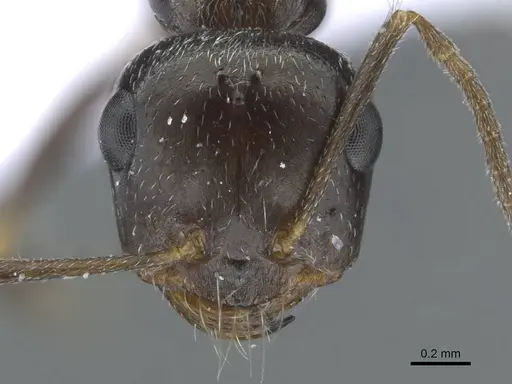
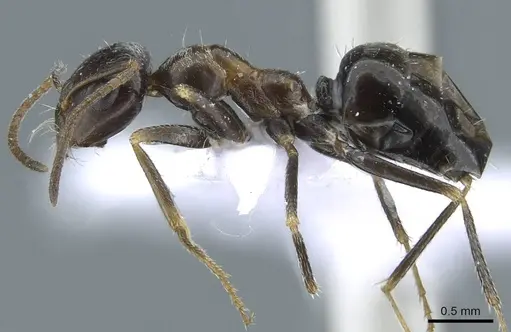
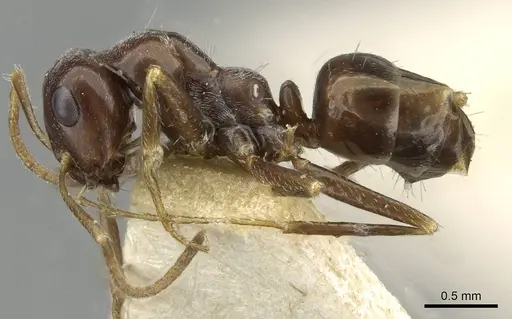
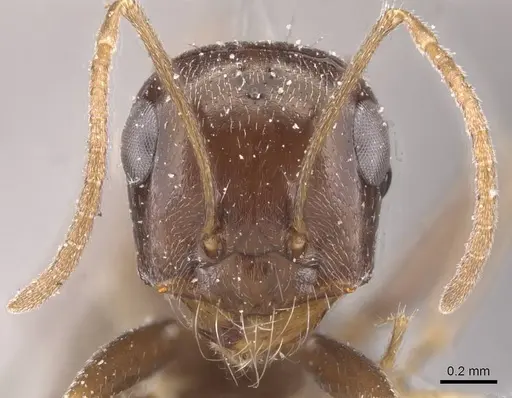
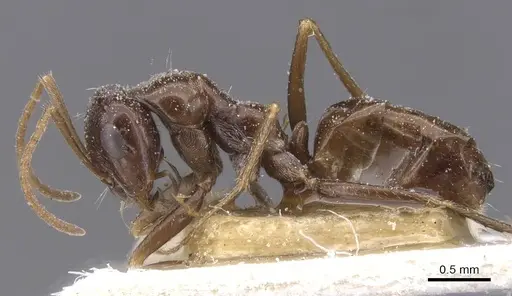
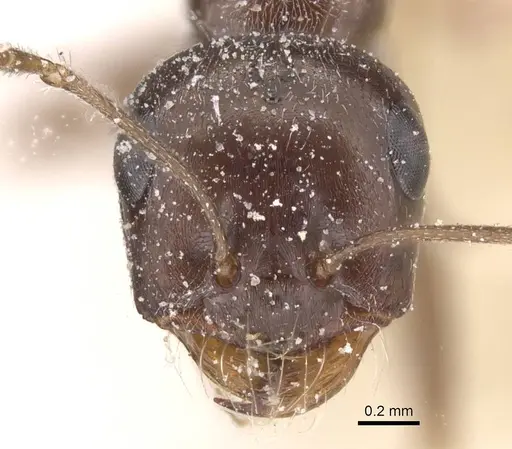
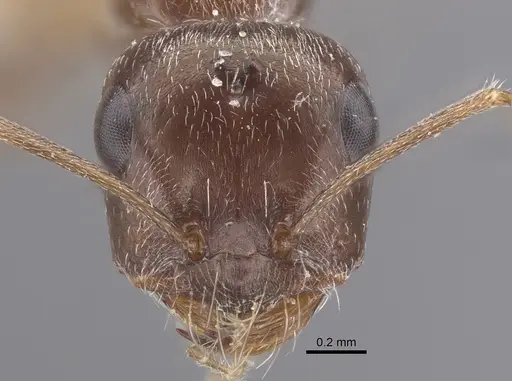
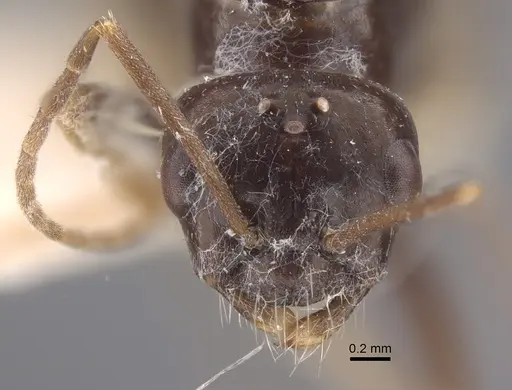
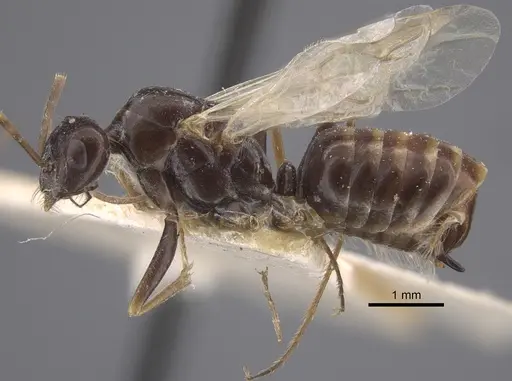
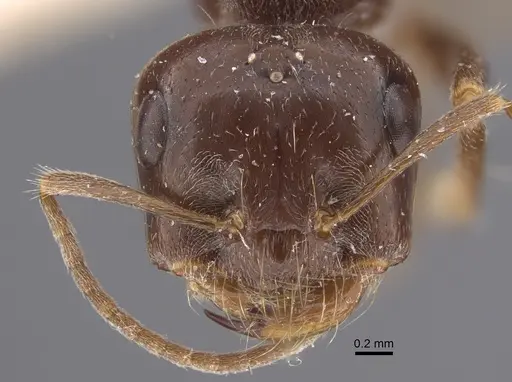
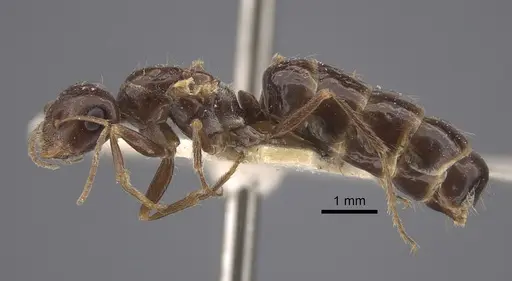
Cataglyphis emeryi is a small to medium-sized desert ant belonging to the pallida-group, found across Central Asia from Turkmenistan to Iran and Kazakhstan. Workers measure 3.5-5mm with a uniformly brown or dark brown coloration. They have a massively constructed mesosoma and in profile show a high propodeal dorsum meeting the declivity at a distinct obtuse angle. Their petiole has a scale, and they characteristically hold their abdomen horizontally. This species is an indicator species for central desert habitats and serves as an important prey item for desert reptiles like the plate-tailed gecko. Unlike many Formica-group ants, C. emeryi shows non-claustral independent colony founding, meaning queens must leave the nest to forage during the founding stage.
Quick Summary
- Difficulty: Medium
- Origin & Habitat: Central Asian desert to montane habitats, found in Turkmenistan, Iran, Afghanistan, Kazakhstan, and Nepal. In Iran, they inhabit villages in moderate rainfall, montane areas [1]. They are an indicator species for central desert habitats [2].
- Colony Type: Single-queen colonies (monogyne). Queens use non-claustral independent colony founding, meaning they must leave the nest to forage during the founding stage rather than sealing themselves away [3].
- Colony: Monogyne
- Founding: Semi-claustral
- Size & Growth:
- Queen: Estimated 6-8mm based on genus patterns
- Worker: 3.5-5mm [4]
- Colony: Unknown, likely moderate colonies typical of desert Cataglyphis
- Growth: Moderate
- Development: Estimated 6-10 weeks based on related Cataglyphis species (Development time is estimated from genus-level data since species-specific timing has not been documented)
- Antkeeping:
- Temperature: Keep at 24-30°C. These are desert-adapted ants that prefer warm conditions. A heating cable on one side of the nest creates a suitable gradient [4].
- Humidity: Low to moderate. They are desert ants, keep the nest relatively dry with just a small water source. Avoid damp conditions that would cause mold.
- Diapause: Yes, they likely require a winter rest period (diapause) of 2-3 months at 10-15°C, typical for Central Asian species.
- Nesting: In nature they nest in vertical shafts with connected chambers, sometimes opening to surface galleries [4]. In captivity, a Y-tong (AAC) or plaster nest works well. Provide a dry to moderately humid nest chamber with a connection to an outworld for foraging.
- Behavior: These are active foragers adapted to desert conditions. They are omnivores and scavengers, common diet strategy in desert ecosystems with low primary productivity [5]. They form mutualistic relationships with aphids like Cinara palaestinesis and Cinara pini, feeding on honeydew [6][7]. Workers are moderately aggressive when defending the nest. Escape risk is moderate, use standard barrier methods.
- Common Issues: non-claustral founding means queens must hunt, claustraphobia will kill founding queens if sealed in, desert species prone to mold in overly humid nests, keep conditions dry, small colony size at founding makes colonies vulnerable to stress, wild-caught colonies may carry parasites that can devastate captive colonies, slow growth during founding phase can lead to keeper abandonment
Nest Preferences and Setup
In the wild, Cataglyphis emeryi nests in vertical shafts (trunks) with connected chambers. Sometimes the main tunnel doesn't connect directly to the entrance but opens to a surface gallery instead [4]. For captive care, a Y-tong (acrylic) or plaster nest works well. These ants prefer dry to moderately humid conditions, avoid the damp setups suitable for forest ants. The nest should have chambers scaled to their 3.5-5mm worker size. Connect the nest to a foraging area (outworld) where they can hunt and scavenge. Because they are non-claustral, the queen will need access to the foraging area during founding to hunt for food.
Feeding and Diet
Cataglyphis emeryi is an omnivore and scavenger, which is a common diet strategy in desert ecosystems where primary productivity is low [5]. They also form mutualistic relationships with aphids, specifically Cinara palaestinesis and Cinara pini, feeding on honeydew [6][7]. In captivity, offer a varied diet: protein sources like small insects (fruit flies, small crickets, mealworms), and sugar sources like sugar water or honey. Their desert adaptation means they can handle periods without food, but regular feeding supports colony growth. Feed protein 2-3 times per week and keep sugar water available constantly.
Temperature and Seasonal Care
As desert-adapted ants from Central Asia, Cataglyphis emeryi prefers warm conditions. Keep the nest area at 24-30°C. A heating cable placed on one side of the nest creates a temperature gradient that allows the ants to regulate their own temperature. During winter, they require a diapause (winter rest) period of 2-3 months at 10-15°C, which is typical for ants from temperate and Central Asian regions. This winter rest helps trigger reproductive cycles and supports colony health. Reduce feeding during diapause and keep the colony in a cool location like an unheated garage or basement. [4]
Colony Founding and Development
Unlike most Formicinae which are claustral (queen seals herself in and lives off stored fat), C. emeryi uses non-claustral independent colony founding [3]. This means the queen must leave the nest to hunt for food during the founding stage, she cannot survive on stored reserves alone. This is a critical point for keepers: do NOT seal a founding queen in a claustrarium or she will die. Provide her with a small hunting chamber connected to a tiny foraging area with prey available. The founding colony will grow slowly at first as the queen raises her first workers (nanitics) through repeated hunting trips. Once the first workers emerge, they take over foraging and the colony growth accelerates.
Behavior and Temperament
These are active foragers adapted to the harsh desert environment. Workers are moderately aggressive when defending the nest but not excessively so. They are fast-moving and alert. Their natural history as desert scavengers means they are good at locating food sources and will readily take both protein and sugar. They hold their abdomen horizontally, which is a distinctive behavioral trait of this species [8]. They are indicator species for central desert habitats, meaning they are adapted to harsh, dry conditions and can tolerate temperature extremes within their range. Escape risk is moderate, standard barrier methods like fluon on container edges work well.
Ecological Role
Cataglyphis emeryi plays an important ecological role in its native habitat. It is an indicator species for central desert habitats in Iran with a high indicator value of 41.7 [2]. The species forms mutualistic relationships with aphids, particularly Cinara species on pine trees, feeding on honeydew [6][7]. This makes them part of the aphid-ant mutualistic network that influences ecosystem dynamics. They also serve as prey for desert predators, they have been identified as a prey item for the Bedriaga's plate-tailed gecko (Teratoscincus bedriagai) in Iran [9]. Their role as both mutualist and prey item highlights their position in the desert food web.
Frequently Asked Questions
How long does it take for Cataglyphis emeryi to get their first workers?
The exact timeline has not been documented for this species, but based on related Cataglyphis species, expect 6-10 weeks from egg to first worker at optimal temperature (around 26-28°C). The founding phase takes longer than claustral species because the queen must hunt repeatedly.
Can I keep Cataglyphis emeryi in a test tube setup?
Test tubes are not ideal for this species during founding because they are non-claustral, the queen needs access to hunt for food. Use a small setup with a founding chamber connected to a tiny foraging area with live prey available. Once established, a Y-tong or plaster nest works well.
What do Cataglyphis emeryi eat?
They are omnivores and scavengers. Offer small insects (fruit flies, pinhead crickets, small mealworms) as protein 2-3 times per week, and keep sugar water or honey available constantly. They also naturally tend aphids for honeydew.
Do Cataglyphis emeryi need hibernation?
Yes, as Central Asian desert ants they require a winter rest period (diapause). Keep them at 10-15°C for 2-3 months during winter. Reduce feeding and move them to a cool location like an unheated garage or basement.
Are Cataglyphis emeryi good for beginners?
This species is rated as Medium difficulty. The main challenge is their non-claustral founding, new keepers often make the mistake of sealing the queen in, which kills her. Once past founding, they are relatively straightforward desert ants. Not ideal for absolute beginners but manageable for those with some antkeeping experience.
How big do Cataglyphis emeryi colonies get?
The maximum colony size has not been documented, but based on related Cataglyphis species, expect several hundred workers. They are not among the largest Cataglyphis species but form moderate-sized colonies.
Why is my founding queen dying?
The most common cause is claustraphobia, if you sealed the queen in a claustrarium, she cannot hunt and will die. Non-claustral queens MUST have access to a hunting area with live prey. Also check that the setup is not too humid, as these are desert ants prone to mold.
Can I keep multiple Cataglyphis emeryi queens together?
This species is monogyne (single-queen colonies). Combining unrelated queens is not recommended and has not been documented. In the wild, colonies have one queen that founds the colony independently.
What temperature is best for Cataglyphis emeryi?
Keep nest temperatures at 24-30°C. They are desert-adapted and prefer warmth. A heating cable on one side of the nest creates a gradient. Avoid temperatures below 20°C for extended periods except during hibernation.
References

This caresheet is licensed under CC BY-SA 4.0 .
CASENT0910230
View on AntWeb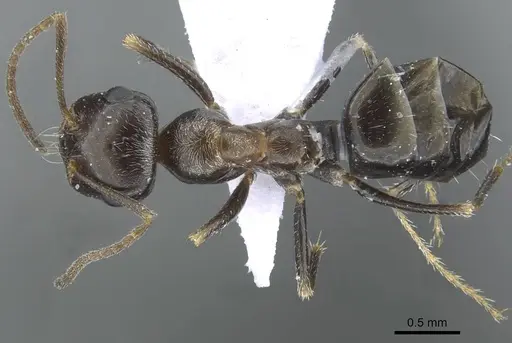
CASENT0911110
View on AntWeb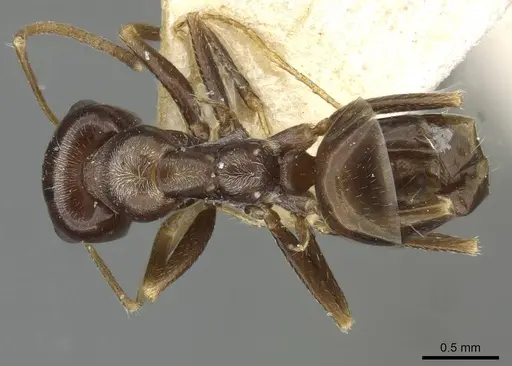

CASENT0912192
View on AntWeb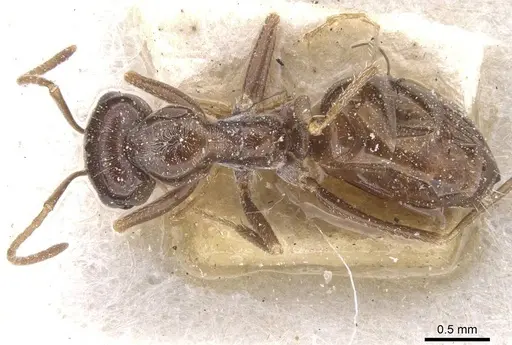
CASENT0912193
View on AntWeb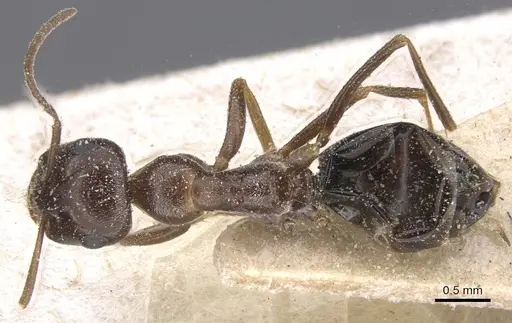

CASENT0917345
View on AntWeb


CASENT0917346
View on AntWeb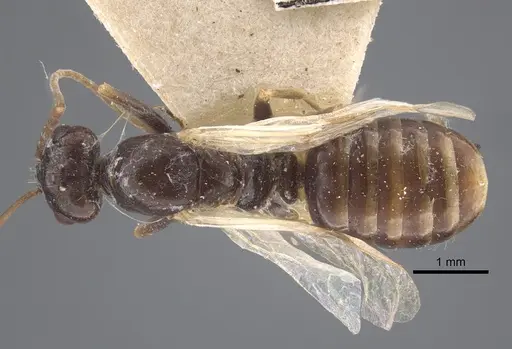

CASENT0917347
View on AntWeb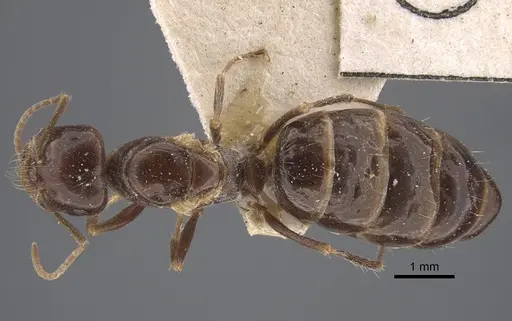

Literature
Loading...Loading products...