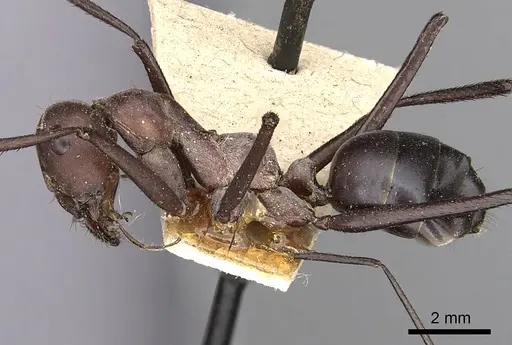
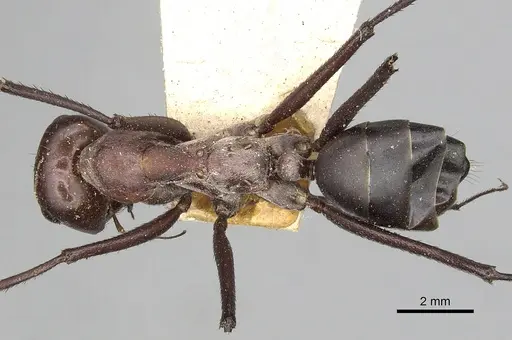
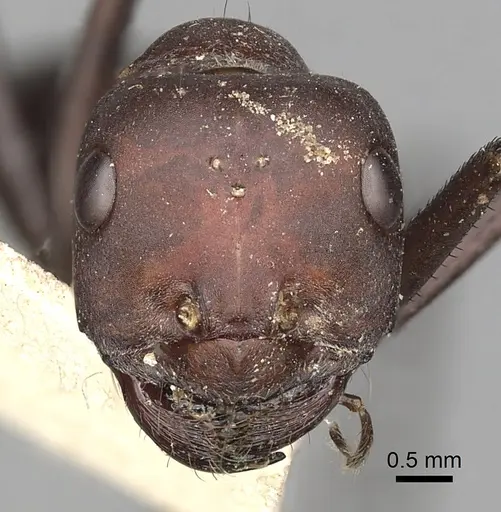
Cataglyphis longipedem - "Long-legged Desert Ant"
Cataglyphis longipedem is a fascinating desert ant, well-known for its impressive adaptations to extreme heat. These ants feature a sleek body and remarkably long legs, which help them navigate scorching surfaces. Workers can be quite polymorphic, displaying a range of sizes within a single colony. They are primarily solitary foragers, renowned for their incredible speed and ability to operate during the hottest parts of the day when other creatures seek shade. Their unique navigational skills, relying on the sun and an internal 'path integrator', allow them to journey far for food and return directly to their nest.
- Difficulty: Medium
- Origin & Habitat: Palaearctic Region (India, Iran, Kazakhstan, Kyrgyzstan, Turkmenistan, Uzbekistan, Russia) in Arid and semi-arid zones, including sandy deserts and dry forests with moderate rainfall. They thrive in open, exposed habitats..
- Colony Type: Monogyne (single queen), though the Cataglyphis genus is known for diverse reproductive strategies, including parthenogenesis in some species., semi-claustral (queen forages for initial resources) founding.
- Size & Growth:
- Queen: 10-15mm
- Worker: 5-10mm
- Colony: Large (tens of thousands). Medium to Fast growth.
- Antkeeping:
- Temperature: These desert ants thrive in warm conditions, ideally kept with a temperature gradient ranging from 28°C to 35°C in the foraging area. High temperatures are crucial for their metabolism and activity. Prolonged exposure to temperatures below 25°C can stress the colony..
- Humidity: Low humidity is key. Aim for 30-50% in most of the nest, with a small hydration area that offers slightly higher humidity (e.g., 60-70%) for the queen and brood. Excessive humidity can lead to mold and stress..
- Diapause: Not required. Not specified at Not specified.
- Nesting: They prefer dry, well-ventilated nests that allow for deep excavation. Sand-based setups, acrylic nests with large chambers, or even gypsum nests with a very dry side are suitable. Good ventilation is crucial to prevent condensation..
- Behavior: High (towards other ant species or foreign conspecifics, especially near the nest) aggressiveness.
- Common Issues: Over-humidity leading to mold or fungal growth, Insufficient heating or lack of temperature gradient, Lack of adequate foraging space, Escape due to fast-moving workers, Colony stalling if environmental parameters are not met.
One of the most remarkable traits of Cataglyphis longipedem, and indeed the entire Cataglyphis genus, is their incredible tolerance to extreme heat. These desert dwellers are active during the midday sun, when ground temperatures can soar well above 50°C. They've evolved fascinating physiological and behavioral adaptations, such as 'cooling-off' breaks where they periodically stop to dissipate excess heat, allowing them to forage for insects that have succumbed to the scorching temperatures. Providing a robust heat source and a spacious outworld that allows for temperature gradients is absolutely essential for their well-being in captivity.
Their navigation skills are legendary in the antkeeping world. Unlike many ant species that rely heavily on pheromone trails, Cataglyphis longipedem are solitary foragers. They use a sophisticated 'path integration' system, combined with celestial cues like the sun's position, to dead-reckon their way back to the nest in a straight line, even after complex, zigzagging foraging trips. In a formicarium, this means they will actively explore their outworld, and while they might not lay strong trails, they will quickly learn the layout of their enclosure.
Cataglyphis longipedem colonies exhibit a noticeable degree of aggression, particularly when it comes to nest defense. While they might appear skittish or flighty during foraging, they can become quite territorial around their nest entrance. Encounters with other ant species, or even foreign Cataglyphis colonies, will often result in aggressive interactions. When setting up their habitat, consider creating a secure outworld that minimizes stress from external disturbances and ensures no other ant species can accidentally enter.
Worker polymorphism is common within this species, meaning you'll see workers of varying sizes within your colony. Larger workers tend to be more heat-tolerant and might be more active during hotter periods or undertake riskier foraging expeditions. This size variation is a natural and healthy sign of a thriving Cataglyphis colony, allowing them to perform a diverse range of tasks effectively within their unique environment.
Frequently Asked Questions
What's the best way to heat a Cataglyphis longipedem setup?
For these heat-loving desert ants, a heating cable or mat placed under one side of the formicarium, or on the back wall of the outworld, is ideal. This creates a thermal gradient, allowing your colony to choose their preferred temperature. Aim for a hot spot around 35°C to mimic their natural habitat, but ensure there are cooler areas for them to retreat to if needed. Consistent high temperatures are crucial for their brood development and overall activity.
How do I maintain low humidity for Cataglyphis longipedem?
Maintaining low humidity is critical. For most of the nest, aim for 30-50% relative humidity. You can achieve this by using porous substrates like dry sand and ensuring excellent ventilation in your setup. A small, localized hydration area, like a test tube or a small sponge, can be offered for drinking and a slightly more humid spot for the queen and young brood, but avoid saturating large portions of the nest.
Are Cataglyphis longipedem good for beginners?
While captivating, Cataglyphis longipedem are generally considered a 'Medium' difficulty species. Their strict environmental requirements, especially concerning temperature and humidity, mean they aren't the most forgiving for newcomers. If you're new to antkeeping, it might be wise to start with a more tolerant species before diving into the specialized care these desert ants require.
What do Cataglyphis longipedem eat?
Like many ant species, they have a varied diet. In the wild, they scavenge for dead insects. In captivity, offer a mix of insect protein (like small crickets, mealworms, or fruit flies) and sugary solutions (such as sugar water, honey water, or ant-specific syrups). Ensure protein is provided regularly for growing larvae, and sugar for worker energy. Always remove uneaten food quickly to prevent mold.
Do they need a large outworld?
Absolutely! Cataglyphis longipedem are highly active, solitary foragers. They need a spacious outworld to simulate their vast desert foraging grounds. A large outworld encourages natural foraging behaviors, provides ample exploration space, and allows for the necessary temperature gradients they prefer. The more space, the better they'll feel and display their impressive speed.
Will Cataglyphis longipedem sting or bite?
Cataglyphis longipedem, belonging to the Formicinae subfamily, do not possess a functional sting. Instead, they defend themselves by spraying formic acid. While generally harmless to humans in small amounts, direct contact with their defensive spray can cause mild irritation if it gets into eyes or open wounds. Their bites are usually not painful to humans, but their strong mandibles can pinch.
Do they require diapause?
No, a traditional cold diapause is generally not required for Cataglyphis longipedem. As desert ants, their activity patterns in the wild are more influenced by extreme heat or food availability rather than cold winters. Maintaining consistent warm temperatures year-round is usually appropriate for this species in captivity. They may naturally reduce activity if conditions are not optimal, but it's not a true hibernation.
How often should I feed my Cataglyphis longipedem colony?
Feeding frequency depends on the colony size and growth rate. For smaller colonies, offer food every 2-3 days. Larger, actively growing colonies might require daily offerings, especially of protein. Observe how quickly they consume food and adjust accordingly. It's better to offer smaller amounts more frequently than to overfeed and risk mold or waste.
Can I keep multiple queens of Cataglyphis longipedem together?
Cataglyphis longipedem are typically monogyne, meaning colonies are founded and maintained by a single queen. Attempting to introduce multiple queens together will likely result in conflict, with the queens fighting until only one remains. It's best to keep them as single-queen colonies to ensure stability and reduce stress.
What kind of lighting do Cataglyphis longipedem prefer?
These ants are accustomed to bright, open environments. While they don't have specific lighting requirements beyond ambient room light, a strong light source in their outworld, combined with the heat lamp, can encourage natural foraging behaviors and simulate their sunny natural habitat. Avoid direct, intense spotlights unless it's part of a carefully managed heat setup, as too much direct light without proper heat can be stressful.