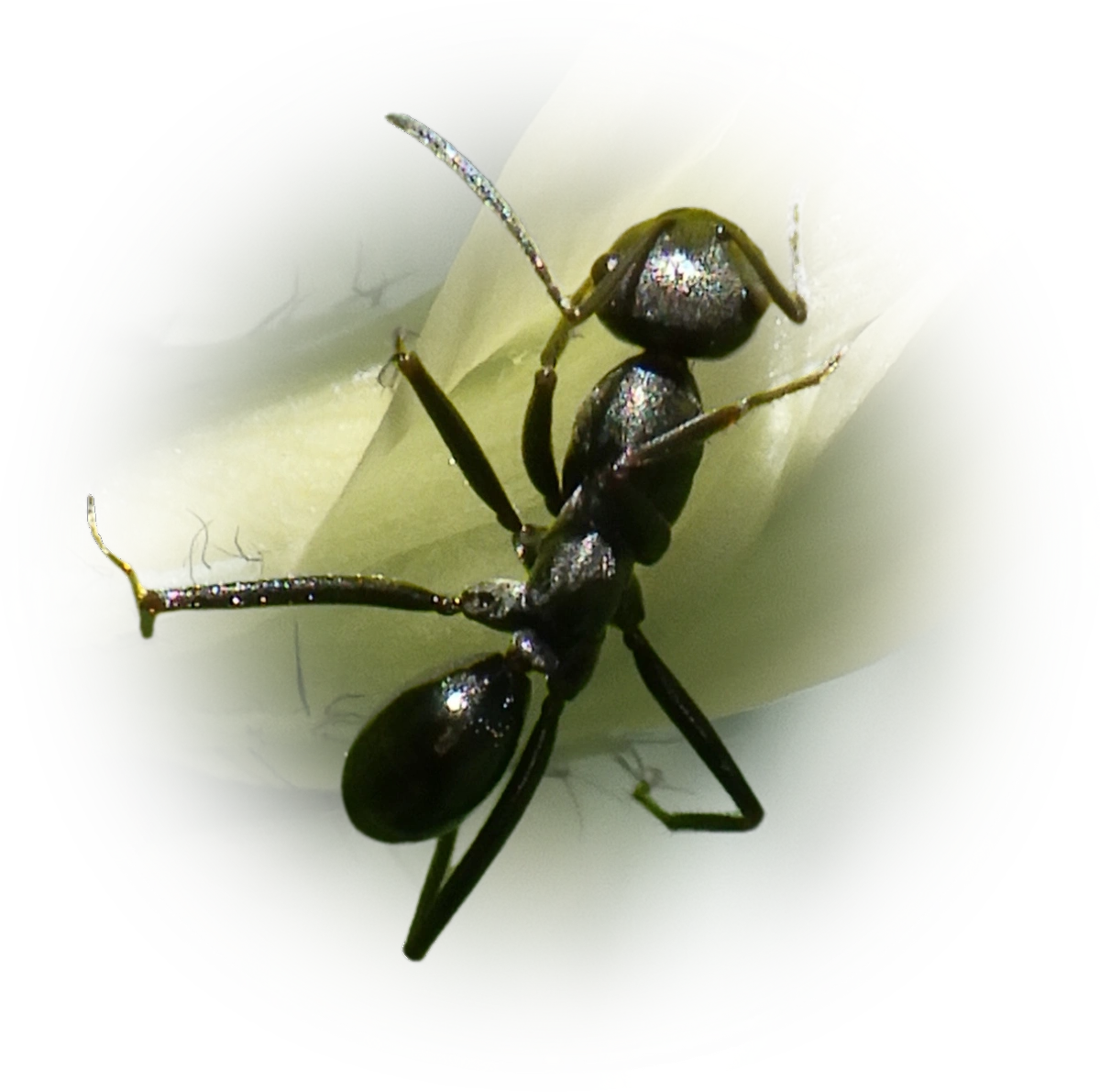

Cataglyphis aenescens
- Scientific Name
- Cataglyphis aenescens
- Tribe
- Formicini
- Subfamily
- Formicinae
- Author
- Nylander, 1849
- Distribution
- Found in 12 countries
Cataglyphis aenescens Overview
Cataglyphis aenescens is an ant species of the genus Cataglyphis. It is primarily documented in 12 countries , including Azerbaijan, China, Greece. Detailed taxonomic data and occurrence records can be further explored via authoritative databases such as AntWeb or the Global Biodiversity Information Facility (GBIF).
Cataglyphis aenescens
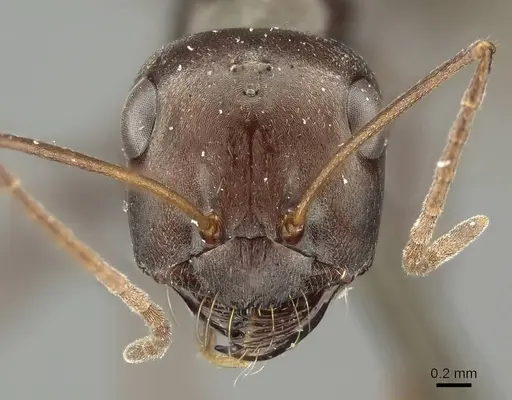
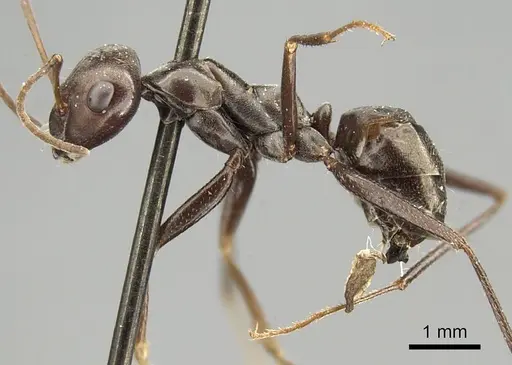
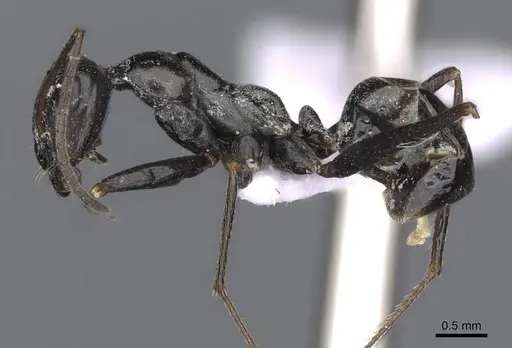
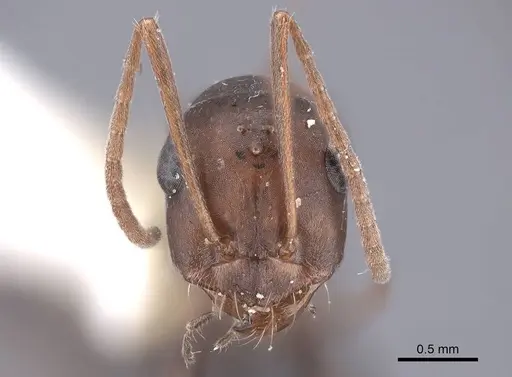
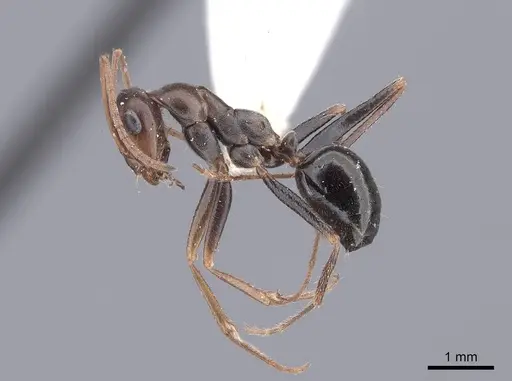
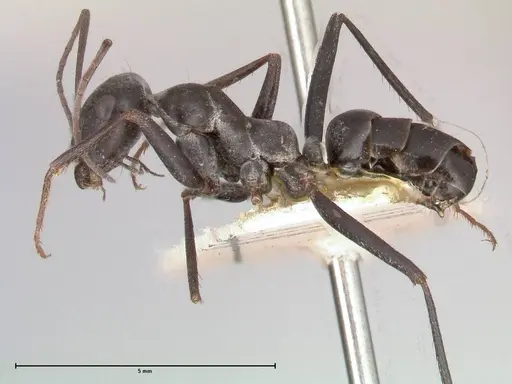
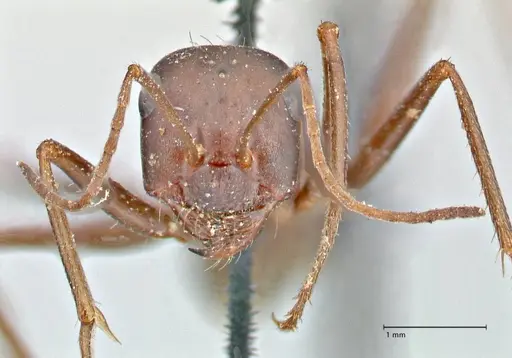
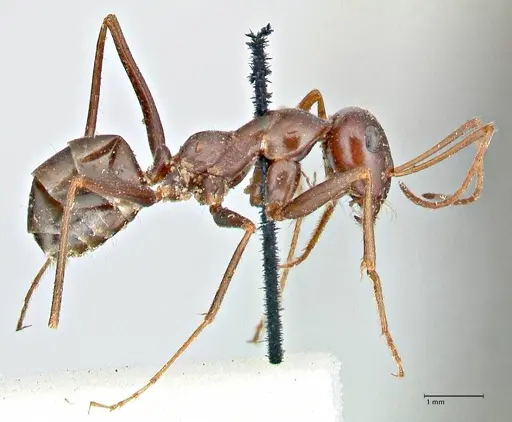
Cataglyphis aenescens is a large, fast-moving desert ant found across the Palaearctic region from southeastern Europe through Central Asia to Mongolia. Workers are predominantly dark brown to black with a slightly raised gaster and long legs adapted for rapid movement across hot sand [1]. This species is a classic steppe inhabitant, nesting in soil in areas with sparse vegetation and tolerating extreme temperatures that would disable most other ant species [2]. Queens are chunky at around 9mm, while workers are smaller and built for speed [3]. Colonies are monogynous (single-queen) with typically 600-1000 workers [1][4]. What makes this species remarkable is its foraging strategy, these ants hunt individually over desert ground at the hottest times of day, using sophisticated navigation that combines dead-reckoning with landmark recognition [5].
Quick Summary
- Difficulty: Medium
- Origin & Habitat: Native to steppe and desert regions across the Palaearctic, from the Balkans through Central Asia to Mongolia and northern China. In Russia and Ukraine, they inhabit dry steppe areas with sparse vegetation [6]. Found in sandy habitats, desert grasslands, and open steppe zones [7].
- Colony Type: Monogynous (single-queen) colonies with approximately 600-1000 workers [1][4]. Nests are built in soil with one or rarely two entrance shafts reaching depths up to 1.5 meters [1].
- Colony: Monogyne
- Founding: Claustral
- Size & Growth:
- Queen: ~9mm [3]
- Worker: Estimated 4-6mm based on cursor group patterns [4]
- Colony: 600-1000 workers [1][4]
- Growth: Moderate, estimated based on related species in cursor group
- Development: Estimated 6-10 weeks at optimal temperature based on genus patterns (Development time inferred from related Cataglyphis species, they are moderate growers compared to faster tropical species)
- Antkeeping:
- Temperature: Keep nest area at 25-32°C. These ants are heat specialists, in the wild they forage at surface temperatures up to 55°C [2]. Provide a temperature gradient so they can self-regulate. Room temperature (20-24°C) is acceptable but they will be more active with supplemental warmth.
- Humidity: Low to moderate. These are desert-adapted ants that prefer dry conditions. Keep nest substrate slightly moist but allow it to dry between waterings. Avoid high humidity, aim for 40-60% ambient humidity.
- Diapause: Yes, requires winter hibernation. Keep at 5-10°C for 2-3 months during winter (roughly November-February in the Northern Hemisphere). This mimics their natural cycle in temperate regions [6].
- Nesting: Soil nests work best, they excavate chambers naturally. In captivity, a naturalistic setup with compact soil or a Y-tong/plaster nest with dry to slightly moist conditions works well. Avoid overly damp substrates. Provide deep substrate (at least 10cm) if possible for natural tunneling behavior.
- Behavior: These ants are strict diurnal foragers, they never forage at night [5]. Workers hunt individually rather than in groups, scanning for dead arthropods and small prey on the desert floor. They are fast runners with excellent vision and navigation abilities. Workers show strong site-fidelity, using the same foraging routes repeatedly [5]. They use dead-reckoning (vector navigation using the sun and sky patterns) combined with landmark recognition to find their way [8]. They are not aggressive toward keepers but will flee rapidly if threatened. Escape prevention is important, they move quickly and can slip through small gaps.
- Common Issues: colonies often fail during hibernation if kept too wet, ensure dry winter conditions, slow growth means beginners may overfeed or lose patience, wild-caught colonies may have parasites that kill them in captivity, test tubes can flood if water reservoirs are too large, these desert ants prefer dry nests, high temperature requirements can be challenging to maintain consistently
Housing and Nest Setup
Cataglyphis aenescens does well in naturalistic setups that mimic their natural soil nests. A deep soil-based formicarium works best, they are active excavators and will create their own tunnel systems. The substrate should be sandy and well-draining, kept slightly moist but never waterlogged. These desert ants prefer dry conditions, so allow the substrate to dry between waterings. If using a Y-tong or acrylic nest, ensure proper drainage and avoid excessive moisture. Provide a temperature gradient across the nest using a heating cable on one side, aim for 25-32°C in the warm zone. The outworld should be spacious enough for foraging, these ants run fast and need room to move. Escape prevention is critical since they are quick and can squeeze through small gaps, use tight-fitting lids and fine mesh barriers. [1][2]
Feeding and Diet
In the wild, Cataglyphis aenescens is primarily a scavenger, feeding mainly on dead arthropods and insects [5]. They also consume small xerophilic snails and will hunt live insects when available. Plant material and flower nectar make up a smaller portion of their diet. In captivity, offer protein sources like small crickets, mealworms, and dead insects 2-3 times per week. They can accept sugar water or honey as an energy source, though protein is more important for their natural scavenging lifestyle. Remove uneaten prey after 24 hours to prevent mold. Unlike some ants, they do not tend aphids extensively, though they will occasionally collect honeydew [9].
Temperature and Seasonal Care
These are true heat specialists. In their natural habitat, foragers are active at surface temperatures from 22°C up to an incredible 55°C [2][5]. In captivity, maintain nest temperatures between 25-32°C for optimal activity and brood development. A heating cable on one side of the nest creates a gradient allowing self-regulation. During summer months, they are highly active diurnally, you will see workers foraging during the warmest parts of the day. In winter (roughly November-February), they require a hibernation period at 5-10°C with minimal disturbance. Keep the nest dry during hibernation to prevent colony loss. The hibernation period is essential for colony health in temperate regions and mimics their natural seasonal cycle [6].
Foraging and Activity Patterns
Cataglyphis aenescens is strictly diurnal, workers never forage at night [5]. They leave the nest individually rather than in mass foraging raids, scanning the desert floor for dead insects and small prey. Each worker shows strong site-fidelity, typically running the same route throughout its foraging career. They navigate using dead-reckoning (vector navigation using the sun and sky polarization patterns) combined with landmark piloting [8]. Maximum foraging distance is around 10 meters from the nest [5]. Workers are incredibly fast, this is why they are sometimes called 'runner ants.' In captivity, provide a spacious outworld and scatter prey items to encourage natural foraging behavior. They will readily take sugar water but protein-rich foods are essential for colony growth.
Colony Development
Colonies are monogynous, meaning they have a single queen who is the sole egg-layer [6]. A mature colony contains approximately 600-1000 workers [1]. The founding queen seals herself in a claustral chamber and raises the first brood alone without foraging, she survives on stored body fat until the nanitic (first) workers emerge. Development from egg to worker takes an estimated 6-10 weeks at optimal temperature, based on related species patterns. The first workers (nanitics) are smaller than normal workers but quickly begin foraging to support colony growth. Growth is moderate, colonies do not explode in numbers like some tropical species but steadily expand over several years. Queens can live for many years, with colonies persisting for decades in the wild.
Unique Navigation and Learning Behavior
One of the most fascinating aspects of Cataglyphis aenescens is their sophisticated navigation system. Like other Cataglyphis species, they perform 'learning walks' when first leaving the nest, circular walks that help them memorize visual landmarks around the nest entrance [10][11]. These walks include both 'voltes' (small circular walks without stopping) and 'pirouettes' (full or partial body rotations with stopping phases). The longest stopping phases during pirouettes are directed toward the nest entrance, helping the ant memorize its homeward direction [11]. They use dead-reckoning to return to the nest after complex foraging routes, combining knowledge of direction and distance traveled. They also use visual landmarks from the surrounding landscape. This makes them fascinating to watch in captivity as they establish and remember foraging routes.
Frequently Asked Questions
How long does it take for Cataglyphis aenescens to produce first workers?
Expect first workers (nanitics) to emerge 6-10 weeks after the queen lays eggs, at optimal temperature. This is an estimate based on related Cataglyphis species since specific development timing for this species is not documented. The queen will have been sealed in her founding chamber for several weeks before eggs appear.
What temperature do Cataglyphis aenescens need?
Keep the nest at 25-32°C. These are heat-loving desert ants that naturally forage at temperatures up to 55°C. A heating cable on part of the nest creates a gradient. Room temperature alone (20-24°C) is acceptable but they will be more active with supplemental warmth.
Do Cataglyphis aenescens need hibernation?
Yes, they require a winter rest period. Keep the colony at 5-10°C for 2-3 months during winter (roughly November-February). This mimics their natural seasonal cycle in temperate regions and is essential for colony health. Keep conditions dry during hibernation.
How big do Cataglyphis aenescens colonies get?
Mature colonies reach 600-1000 workers [1][4]. This is moderate compared to some ants that can have tens of thousands of workers. Growth is steady but not explosive, colonies take several years to reach full size.
What do Cataglyphis aenescens eat?
They are primarily scavengers, eating dead arthropods and insects. Offer small crickets, mealworms, and other insects 2-3 times per week. They will also accept sugar water or honey as an energy source. Protein is essential for brood development.
Can I keep multiple Cataglyphis aenescens queens together?
No. This species is monogynous, colonies have a single queen. Combining unrelated queens is not recommended and will likely result in fighting. Only keep one queen per colony.
Are Cataglyphis aenescens good for beginners?
They are medium difficulty. The main challenges are providing proper heat, managing humidity (they prefer dry conditions), and ensuring escape prevention since they are fast runners. Their fascinating foraging behavior makes them rewarding to keep once you understand their needs.
When do Cataglyphis aenescens alates (reproductives) appear?
Nuptial flights occur from mid-May to early June in their natural range (Western Kopetdag) [1]. In captivity, sexual brood (alates) typically appears in spring or early summer as part of the seasonal cycle, several years after colony founding.
Why is my Cataglyphis aenescens colony dying?
Common causes include: too much moisture (they prefer dry nests), temperatures too low, improper hibernation, or parasites from wild-caught colonies. Check that the nest is not overly damp, temperatures are in the 25-32°C range, and ensure you provided a proper winter rest period. Wild-caught colonies often carry parasites that can decimate the colony.
References

This caresheet is licensed under CC BY-SA 4.0 .
ANTWEB1008059
View on AntWeb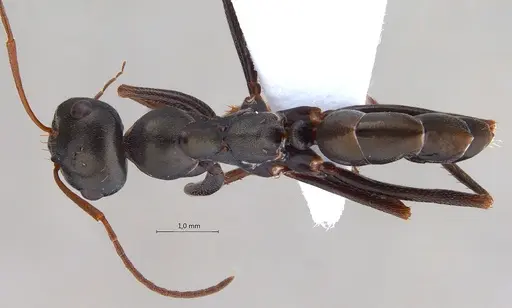
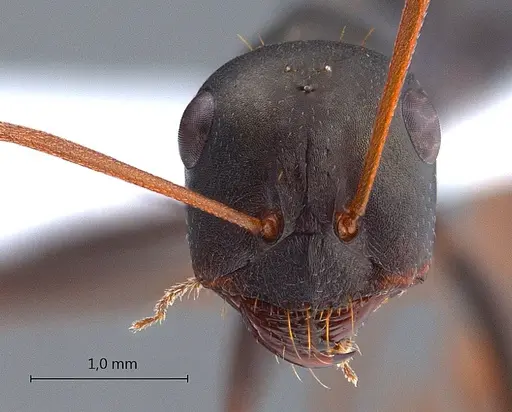
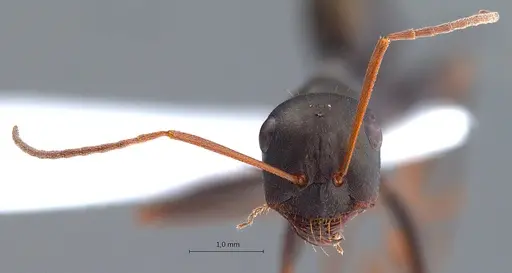
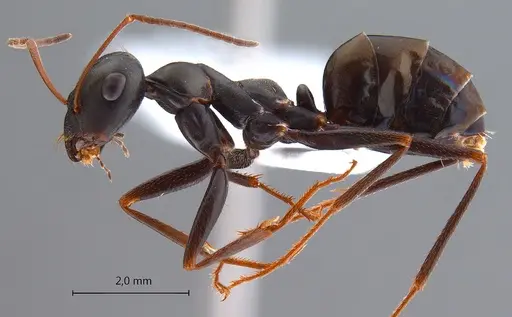
CASENT0102116
View on AntWeb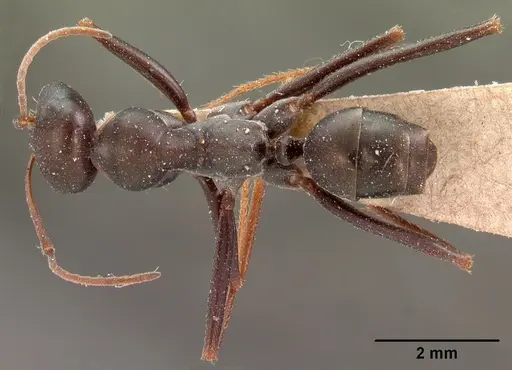
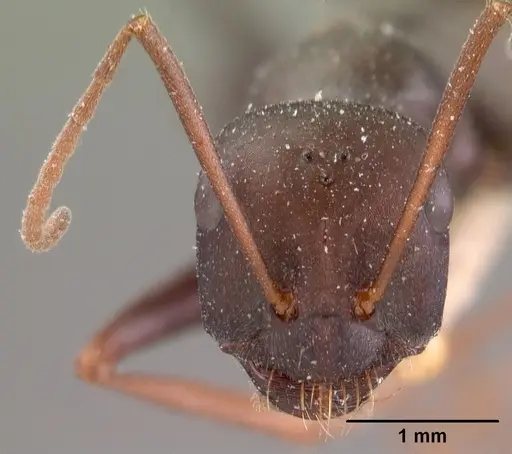

CASENT0823289
View on AntWeb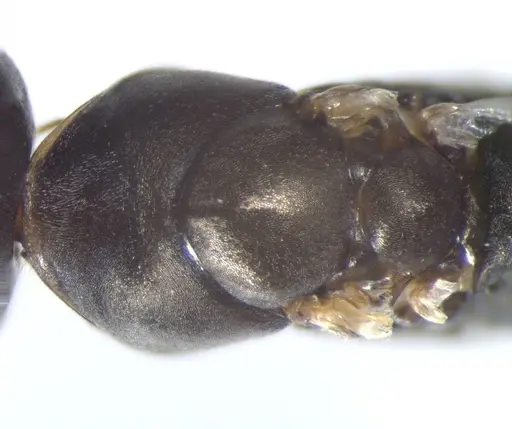
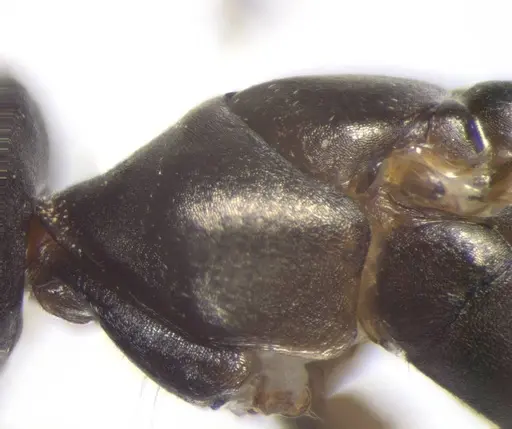
CASENT0823291
View on AntWeb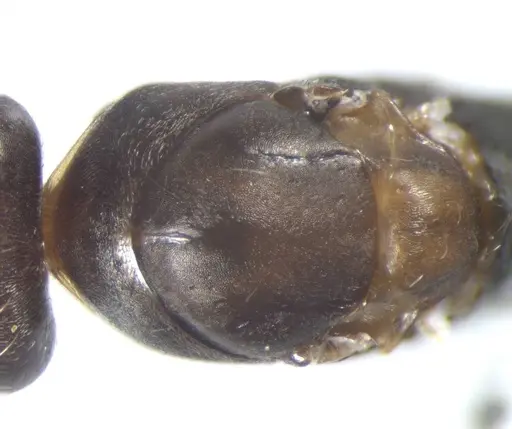
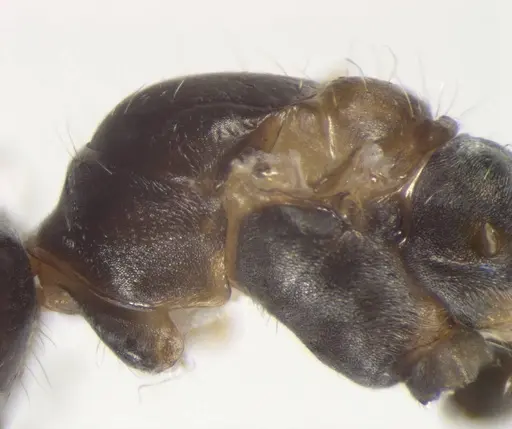
CASENT0906291
View on AntWeb
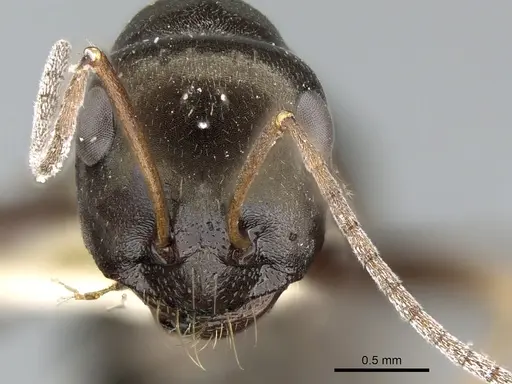

CASENT0911107
View on AntWeb
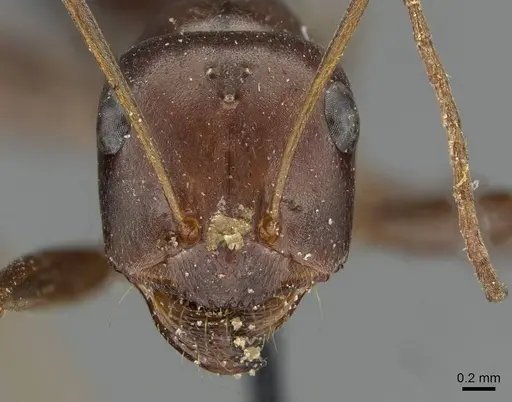

CASENT0911108
View on AntWeb
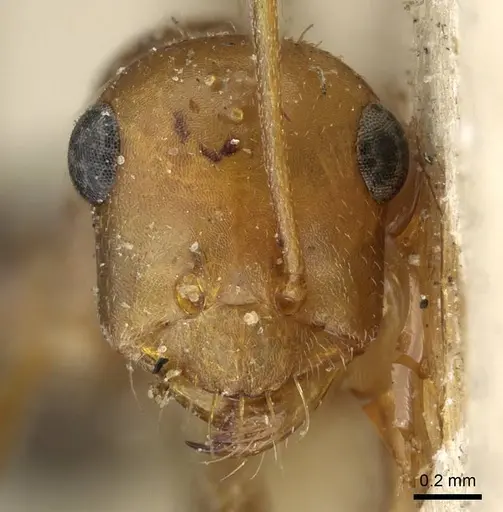
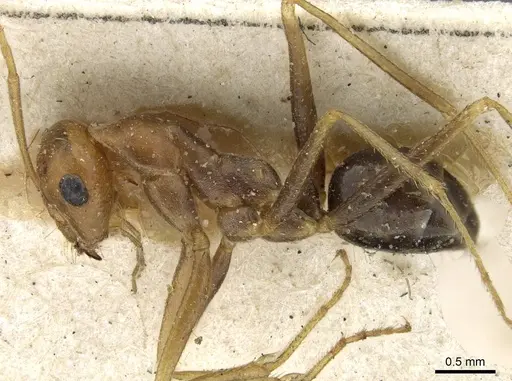
CASENT0911109
View on AntWeb
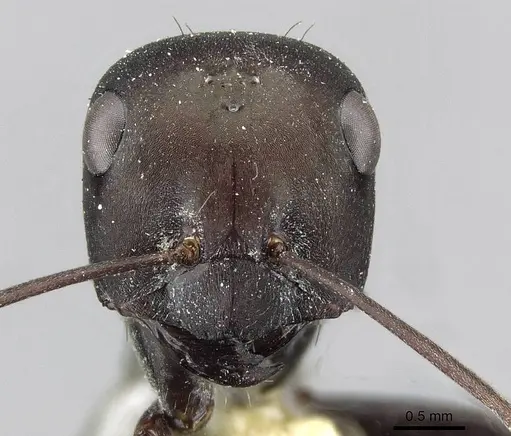
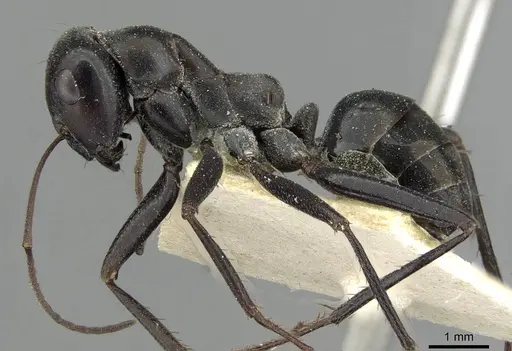
CASENT0912171
View on AntWeb
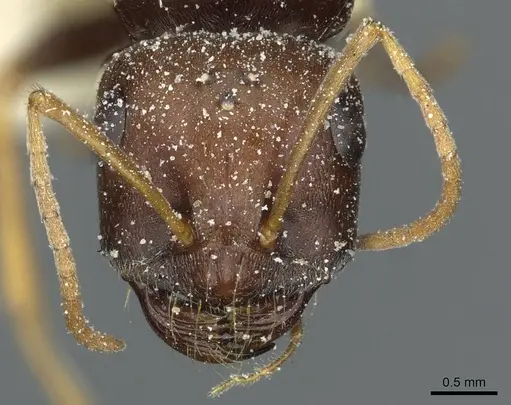
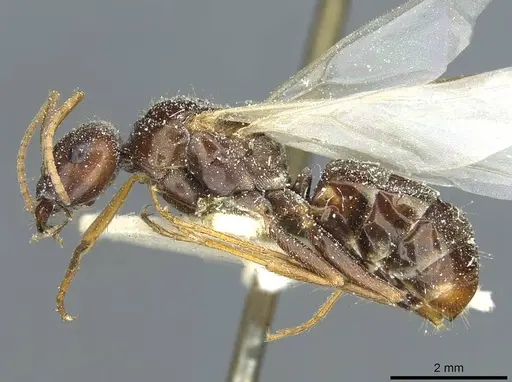
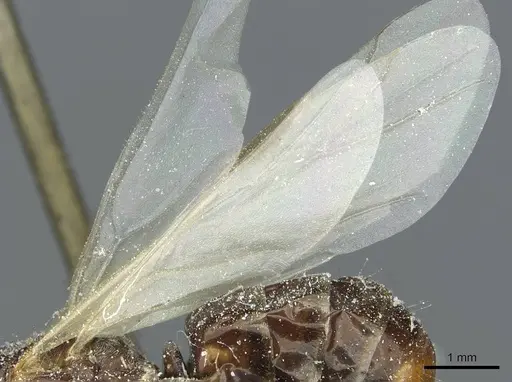
CASENT0915624
View on AntWeb
CDA000107
View on AntWeb

FMNHINS0000046226
View on AntWeb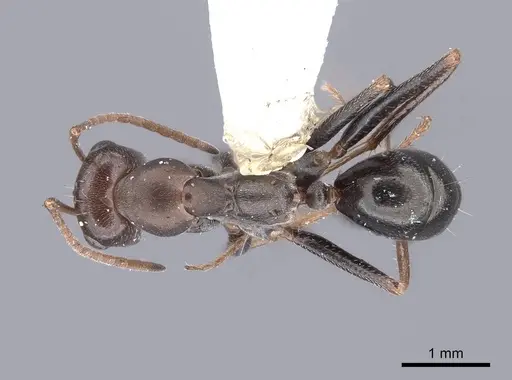
FOCOL0551
View on AntWeb

FOCOL0552
View on AntWeb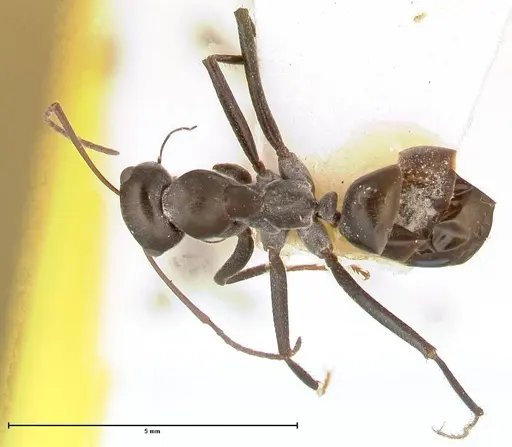
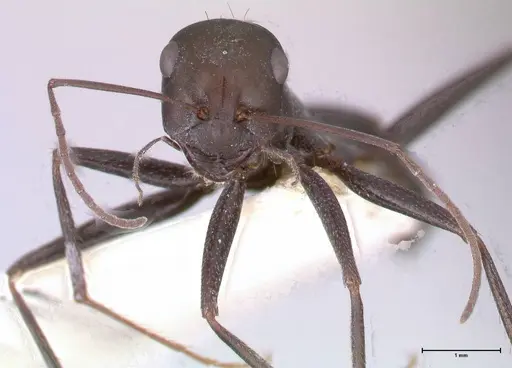

FOCOL0553
View on AntWeb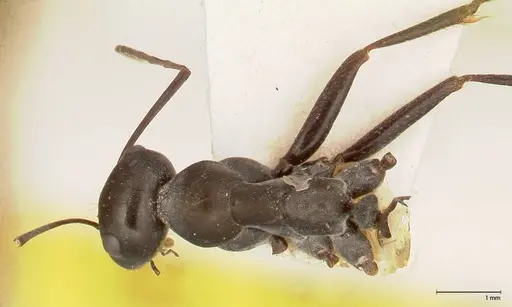
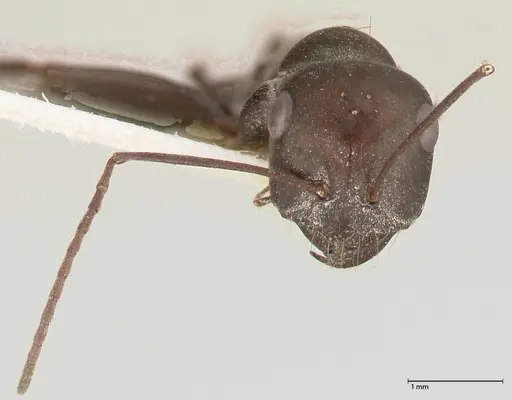
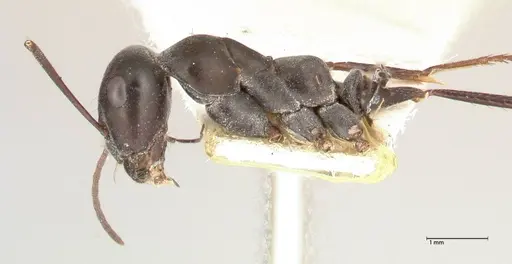
FOCOL2754
View on AntWeb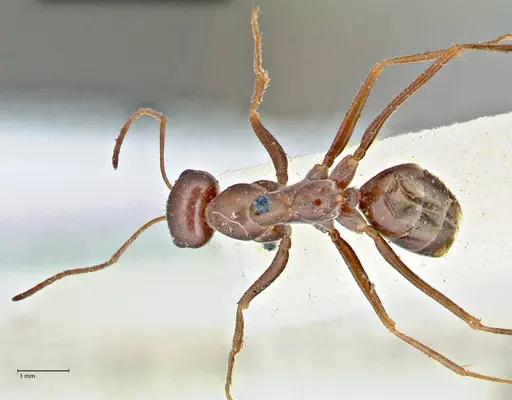


FOCOL2755
View on AntWeb

Literature
Loading...Loading products...