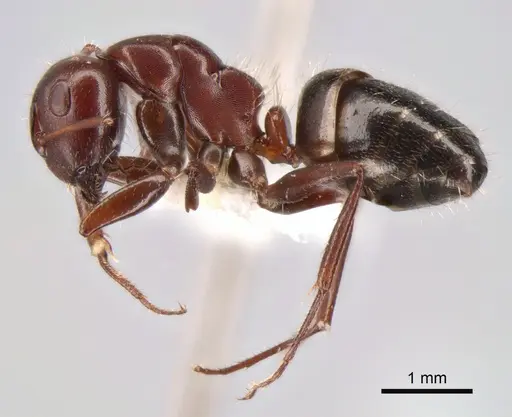
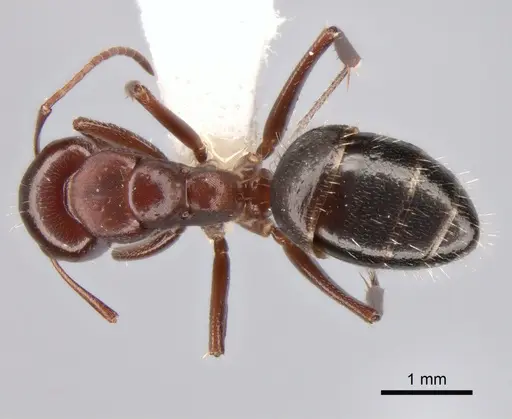
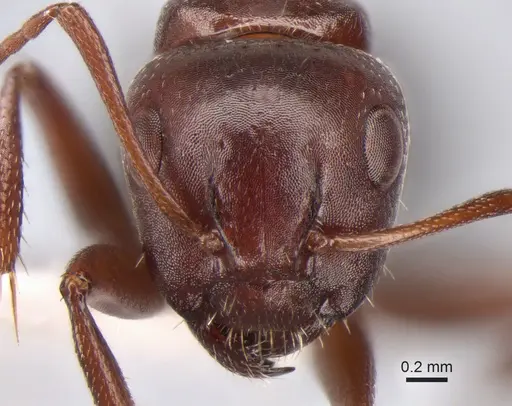
Camponotus semirufus - "Oriental Carpenter Ant"
The Camponotus semirufus is a fascinating member of the large carpenter ant genus, known for its polymorphic worker caste, meaning workers come in various sizes, from smaller minors to larger majors. While specific detailed descriptions for C. semirufus are limited, most Camponotus species often exhibit a blend of black and reddish-brown coloration. These ants are robust and exhibit behaviors typical of carpenter ants, making them an engaging species for ant enthusiasts. Expect to see a clear division of labor among the different sized workers as your colony grows.
- Difficulty: Medium
- Origin & Habitat: Palaearctic Region (China, Kazakhstan, Kyrgyzstan, Turkmenistan, Uzbekistan) in Dry habitats including saxual and tamarix thickets, building nests primarily in the soil, though many Camponotus species are also known to nest in wood..
- Colony Type: Monogyne, claustral founding.
- Size & Growth:
- Queen: 14-18mm
- Worker: 6-14mm
- Colony: Large (tens of thousands). Slow growth.
- Antkeeping:
- Temperature: Camponotus semirufus thrives in warm conditions. Maintain a temperature range of 24-28°C (75-82°F) for optimal development and activity. Providing a temperature gradient within the nest is beneficial, allowing the ants to choose their preferred warmth..
- Humidity: These ants prefer a moderately dry environment, with around 50% humidity in the main nest area. It's crucial to maintain a consistent moisture source, like a test tube water reservoir or a hydrated section in a formicarium, to prevent desiccation, but avoid overly wet conditions that can lead to mold..
- Diapause: Required. 3-4 months at 8-13°C.
- Nesting: In their natural habitat, they nest in soil. In captivity, they adapt well to various artificial nests such as acrylic, ytong, or even naturalistic setups that mimic soil or wood galleries. Ensure the nest provides enough space for their growth and allows for a humidity gradient..
- Behavior: Medium (towards handler, food or other ants) aggressiveness.
- Common Issues: Mold in nest, Colony stalling (due to slow growth), Humidity fluctuations, Overfeeding leading to waste, Queen stress (due to disturbance).
Keeping Camponotus semirufus requires a good deal of patience, as their colony growth rate is notably slow, especially in the initial stages. While a queen may lay eggs relatively quickly, the entire process from egg to adult worker can take up to 10 weeks. Don't be discouraged if your founding queen seems to be taking her time establishing her first nanitics; this is perfectly normal for the Camponotus genus. Providing a stable, warm environment and minimizing disturbances will greatly aid in their early development.
Like many temperate ant species, Camponotus semirufus requires a period of diapause, often mistakenly called hibernation. This crucial resting phase typically lasts for 3-4 months during the colder parts of the year, ideally between 8-13°C. This diapause is vital for the queen's health and the long-term vitality of the colony, mimicking their natural winter conditions. Preparing your colony for diapause involves ensuring they are well-fed beforehand, especially with sugars, to build up their reserves.
These carpenter ants are omnivores, thriving on a varied diet of both sugary liquids and insect protein. For the sugar component, honey water, sugar water, or fruit pieces work well. Protein sources are essential for the queen's egg-laying and larval development; small insects like fruit flies, crickets, and mealworms are excellent choices. It's important to offer small amounts regularly and remove any uneaten food promptly to prevent mold growth in the outworld, which can be detrimental to your colony's health.
When setting up a nest for Camponotus semirufus, consider their preference for a moderately dry environment with a localized moisture source. While they build nests in soil in the wild, artificial setups like acrylic formicariums with hydration systems or even test tube setups with a water reservoir can work perfectly. The key is to provide a thermal gradient so the ants can self-regulate, moving brood to warmer or cooler areas as needed. Heating cables or mats placed under one side of the nest can achieve this effectively.
Frequently Asked Questions
How long does it take for a Camponotus semirufus colony to get its first workers (nanitics) from the queen's first eggs?
For Camponotus semirufus, it typically takes about 7 to 10 weeks for the first batch of eggs to develop into adult workers. Patience is a virtue with these carpenter ants!
Do Camponotus semirufus ants need a diapause (hibernation) period?
Yes, as a Palaearctic species, Camponotus semirufus requires a diapause period. This usually lasts 3-4 months at cooler temperatures, typically between 8-13°C (46-55°F), to ensure the long-term health and productivity of the queen and colony.
What should I feed my Camponotus semirufus colony?
These ants are omnivores and thrive on a diet of sugary liquids like honey water or sugar water, and protein sources such as small feeder insects like fruit flies, mealworms, or crickets. Remember to offer a variety and remove uneaten food promptly to prevent mold.
Are Camponotus semirufus ants aggressive?
Camponotus ants, including semirufus, generally have a medium level of aggression. They can be territorial and will defend their nest and brood, often biting when threatened, though they do not possess a sting.
What is the ideal temperature and humidity for keeping Camponotus semirufus?
Maintain a temperature between 24-28°C (75-82°F) with a gradient in the nest. For humidity, aim for around 50% in the main nest area, ensuring a separate water source for hydration to avoid excessive dampness.
What kind of nest setup is best for Camponotus semirufus?
While they naturally nest in soil, Camponotus semirufus adapt well to acrylic, ytong, or even naturalistic wood-based formicariums. Key factors are providing ample space for growth, good ventilation, and a reliable hydration system to maintain a humidity gradient.
Why is my Camponotus semirufus colony growing so slowly?
Slow growth is a common characteristic of many Camponotus species due to their larger individual size and longer developmental cycles. Ensure optimal temperature, consistent feeding, and minimal disturbance to encourage steady growth.
Can Camponotus semirufus workers bite?
Yes, carpenter ants like Camponotus semirufus workers are capable of biting, especially the larger majors, and can also spray formic acid into the bite, which can be irritating. Always handle your setup with care.
How large can a Camponotus semirufus colony get?
With proper care and over several years, a Camponotus semirufus colony can grow quite large, potentially reaching tens of thousands of workers, showcasing an impressive division of labor.
Is it true that Camponotus ants don't actually eat wood?
That's correct! Despite their common name 'carpenter ants', Camponotus ants excavate wood to create their nests but they do not actually consume or digest the wood. Their diet consists of sugars and proteins.