

Camponotus caryae
- Scientific Name
- Camponotus caryae
- Subgenus
- Myrmentoma
- Tribe
- Camponotini
- Subfamily
- Formicinae
- Author
- Fitch, 1855
- Common Name
- Walnut Carpenter Ant
- Distribution
- Found in 1 countries
Camponotus caryae Overview
Camponotus caryae (commonly known as the Walnut Carpenter Ant) is an ant species of the genus Camponotus. It is primarily documented in 1 countries , including United States of America. Detailed taxonomic data and occurrence records can be further explored via authoritative databases such as AntWeb or the Global Biodiversity Information Facility (GBIF).
Camponotus caryae - "Walnut Carpenter Ant"
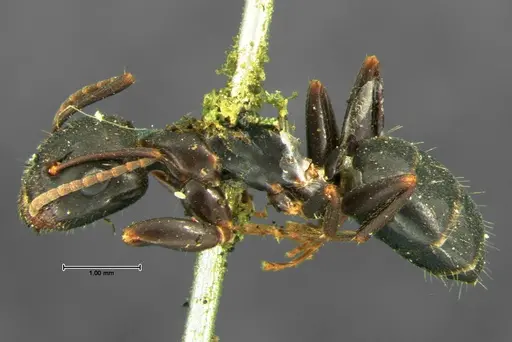
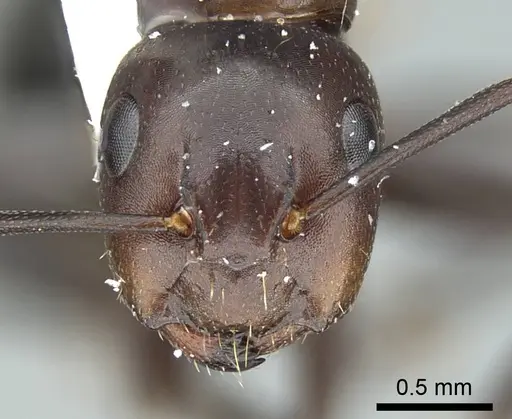
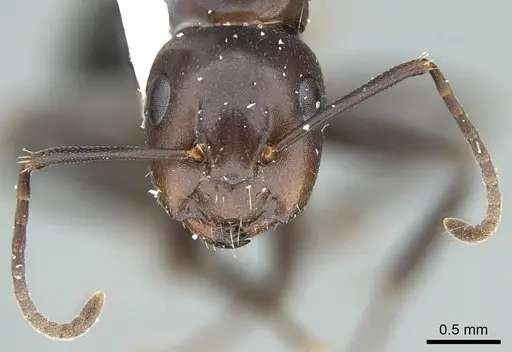
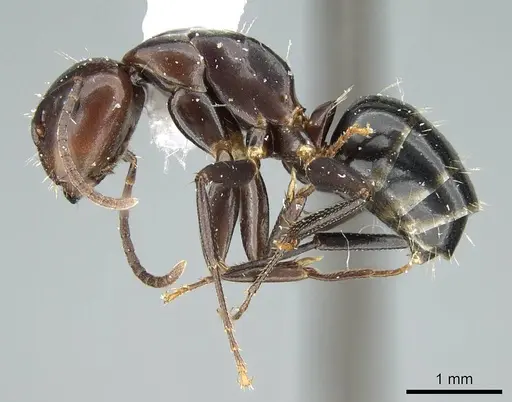
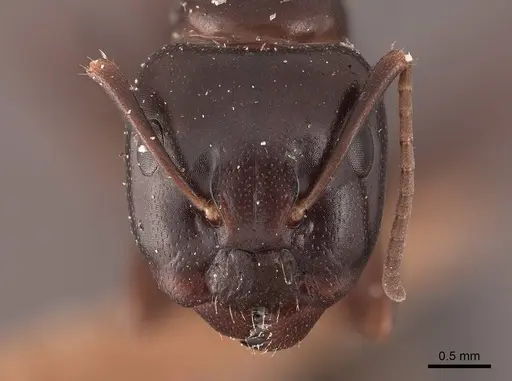
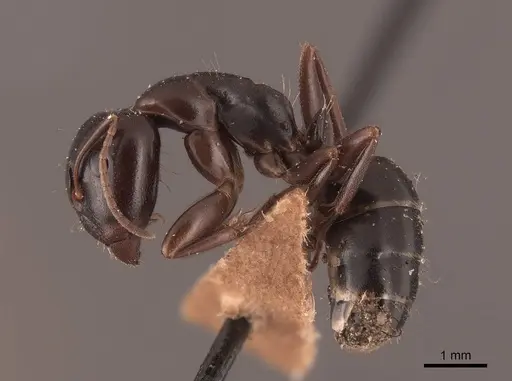
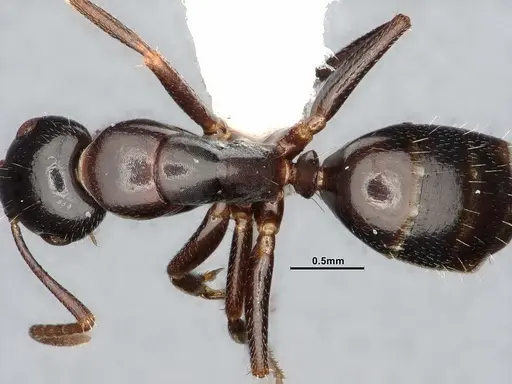
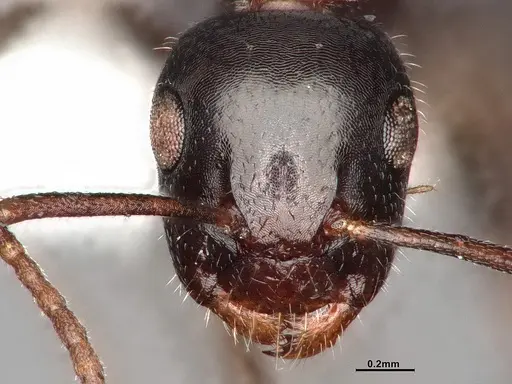
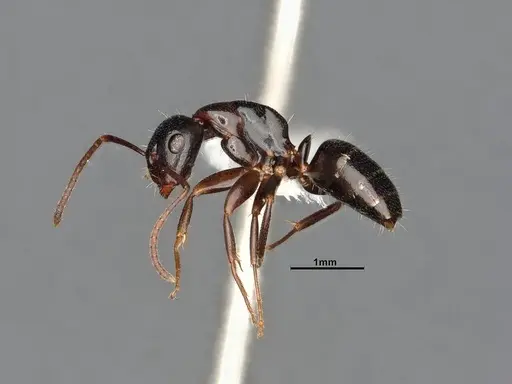
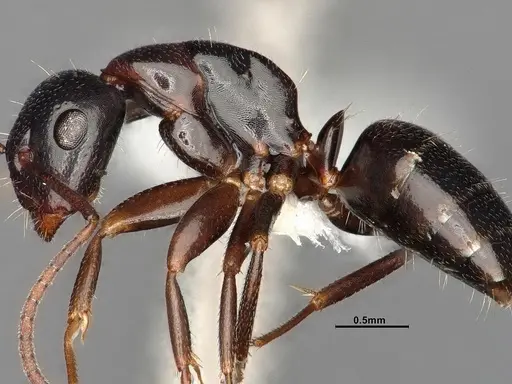
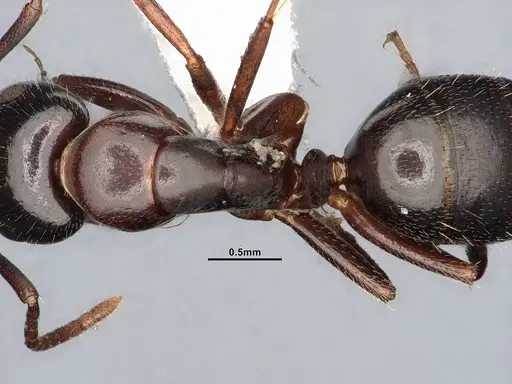
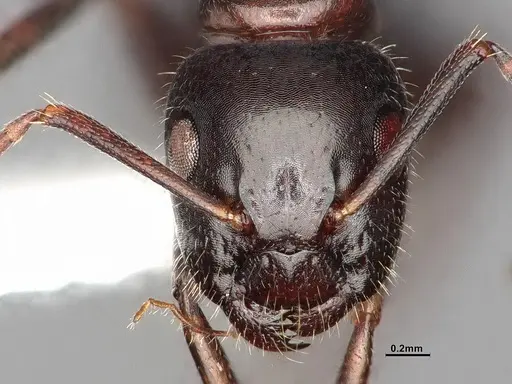
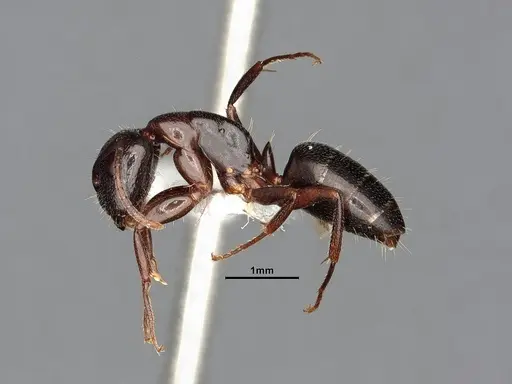
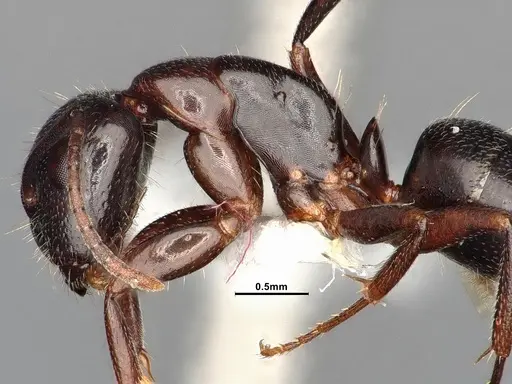
Camponotus caryae is a medium-sized carpenter ant native to eastern North America. Workers measure 4-7.8mm and are typically dark brown to black, sometimes with reddish-brown mottling on the head and alitrunk. This species is distinguished by numerous erect hairs on the face (gena and malar areas) and clypeus. Queens are larger and similarly colored. This is one of the few arboreal ant species in New England, nesting exclusively in dead wood, tree cavities, and under bark of hardwoods like hickory, walnut, and oak [1][2].
This is a rare and elusive species throughout its range. Unlike many carpenter ants, C. caryae is strictly arboreal, it forages on tree trunks and major limbs but has never been observed foraging on the ground. Colonies are small, typically found in twigs, bark cavities, and decaying wood. When disturbed, these shy ants drop from the tree and remain motionless rather than aggressive defense [2][3].
Quick Summary
- Difficulty: Medium
- Origin & Habitat: Eastern North America, Quebec and New York south to Florida, west to Michigan, Ohio, Indiana, Illinois, and into northern Mexico. Found in hardwood forests, particularly oak-hickory woodlands. Strictly arboreal, nesting in dead branches, tree cavities (especially old beetle burrows), and under bark of mature hickory, walnut, and oak trees [2][1][4].
- Colony Type: Single-queen (monogyne) colonies. Colonies are small, typically with fewer than a few hundred workers. No ergatoid replacement reproductives have been documented for this species [2].
- Colony: Monogyne
- Founding: Claustral
- Size & Growth:
- Queen: Larger than workers, likely 10-12mm (estimated from related Camponotus species)
- Worker: 4.0-7.8mm [2][1]
- Colony: Small colonies, likely under 500 workers based on field observations [2][3]
- Growth: Moderate, typical for Camponotus genus
- Development: 6-10 weeks at optimal temperature (inferred from Camponotus genus patterns) (Development time estimated from related carpenter ant species. Lower temperatures will slow development significantly.)
- Antkeeping:
- Temperature: Keep at room temperature (20-24°C). They tolerate cooler conditions than tropical species, reflecting their temperate origin. A slight temperature gradient allows workers to choose their preferred zone.
- Humidity: Moderate humidity. These forest ants prefer damp but not wet conditions. Provide a water tube for drinking and ensure the nest substrate doesn't dry out completely.
- Diapause: Yes, these temperate ants need a winter rest period. Reduce temperature to 10-15°C for 3-4 months during winter, mimicking natural seasonal cycles.
- Nesting: Arboreal nesting preference. Use a wooden nest or formicarium with wood pieces, cork, or similar materials. They do well in nests that mimic tree cavity conditions, dark, with narrow passages. Test tube setups work for founding colonies.
- Behavior: Shy and passive temperament. When disturbed, workers drop from the tree and remain motionless rather than attacking. Forages up and down tree trunks, not on the ground. Workers collect pollen and nectar from flowers in addition to hunting small insects. Moderate escape risk, use standard barriers. Not aggressive but may bite if handled roughly [2][5].
- Common Issues: small colony size means slow population growth, beginners may lose patience, strictly arboreal nature means they need vertical space and climbing surfaces, rare in the wild so wild-caught colonies are uncommon, they remain motionless when disturbed which can make them hard to spot, cold sensitivity, avoid temperatures below 15°C outside of hibernation
Housing and Nest Setup
Camponotus caryae is an arboreal species that naturally nests in dead wood, tree cavities, and under bark. In captivity, provide a nest that mimics these conditions. Wooden formicaria, cork nests, or setups with wooden blocks work well. The nest should be dark, these ants prefer dim conditions. For founding colonies, a test tube setup with a small piece of wood or cork inside works fine. Avoid fully artificial acrylic nests if possible, as they prefer wood-based materials. Since they naturally live in tree cavities, provide some vertical climbing space and branches or cork pieces in the outworld [2][6].
Feeding and Diet
Like other carpenter ants, C. caryae is omnivorous. Workers have been observed feeding on pollen and nectar from flowers in the wild, so they accept sugar sources. Feed them sugar water, honey, or diluted maple syrup as a carbohydrate source. For protein, offer small insects like fruit flies, small mealworms, or cricket pieces. They are not specialized predators, so any standard ant protein foods work. Feed protein 2-3 times per week and keep sugar water available at all times. Remove uneaten food after 24-48 hours to prevent mold [2].
Temperature and Seasonal Care
These temperate ants prefer moderate temperatures around 20-24°C. They can tolerate cooler conditions than tropical species, reflecting their northern distribution. During the active season (spring through fall), room temperature is ideal. In winter, they require a diapause period, reduce temperatures to 10-15°C for 3-4 months. This mimics their natural cycle and is important for colony health and reproduction. Place the colony in a cool location like a basement or garage during hibernation. Do not feed during diapause but ensure some moisture is available [2][7].
Behavior and Handling
C. caryae is one of the shyer carpenter ant species. When disturbed on their tree, they drop and remain motionless rather than attacking. This passive defense means they are unlikely to bite aggressively, but they may fall and be hard to find. They are strictly arboreal, they never forage on the ground, so their outworld should include climbing structures. Workers forage up and down tree trunks, so provide vertical surfaces. They are not aggressive colony defenders but will tend brood carefully. Their small colony size and passive nature make them interesting but less dramatic than some other carpenter ants [2][5].
Growth and Development
Colony growth is moderate but slow initially. As with all Camponotus species, the founding queen seals herself in a chamber (claustral founding) and raises the first workers (nanitics) alone on stored fat reserves. First workers are smaller than mature workers. Colonies remain small, likely under 500 workers even at maturity. This is typical for the species, large colonies with thousands of workers are not expected. Growth rate depends on temperature, with optimal development around 22-24°C. Expect 6-10 weeks from egg to first worker at warm room temperature [2].
Frequently Asked Questions
How long does it take for Camponotus caryae to produce first workers?
Expect 6-10 weeks from egg to first worker at optimal temperature (around 22-24°C). This is typical for Camponotus species. The queen will seal herself in and raise the first brood alone using stored fat reserves.
Can I keep Camponotus caryae in a test tube?
Yes, test tubes work well for founding colonies. Provide a small piece of cork or wood inside for them to nest in. Once the colony reaches 20-30 workers, consider moving to a wooden formicarium or naturalistic setup with branches.
What do Camponotus caryae eat?
They are omnivorous. Feed sugar water or honey for carbohydrates, and small insects (fruit flies, small mealworms) for protein. They also accept pollen and nectar in the wild, so flower-derived sugars are natural for them.
Do Camponotus caryae need hibernation?
Yes, these temperate ants need a winter rest period. Reduce temperature to 10-15°C for 3-4 months during winter. This diapause is important for colony health and mimics their natural seasonal cycle.
Are Camponotus caryae good for beginners?
They are moderate difficulty. Their small colony size and slow growth require patience, but their simple care requirements and passive temperament make them manageable for beginners willing to wait for colony development.
Why is my Camponotus caryae colony not growing?
Check temperature (should be 20-24°C), feeding frequency (protein 2-3 times weekly, sugar always available), and ensure the queen is still laying eggs. Small colony size is normal for this species, they never reach the thousands of workers that some carpenter ants achieve.
When do Camponotus caryae alates appear?
Males and females (alates) appear in late summer, typically August to September. This is when reproductive castes mature and prepare for nuptial flights.
References

This caresheet is licensed under CC BY-SA 4.0 .
CASENT0103652
View on AntWeb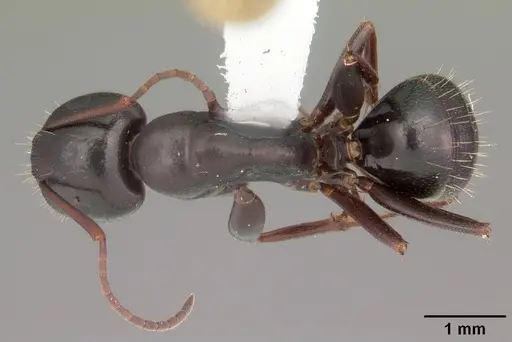
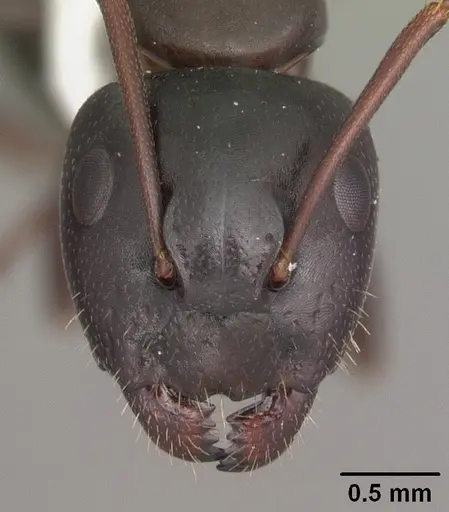
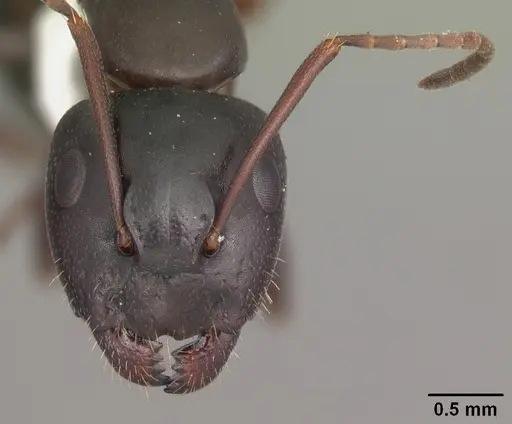
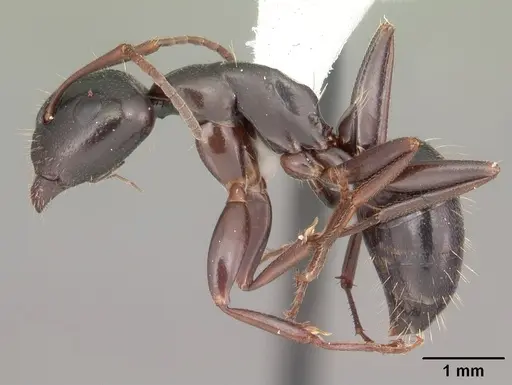
CASENT0105674
View on AntWeb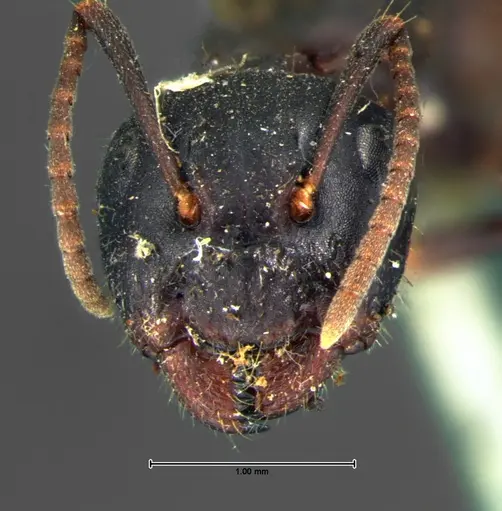
CASENT0914444
View on AntWeb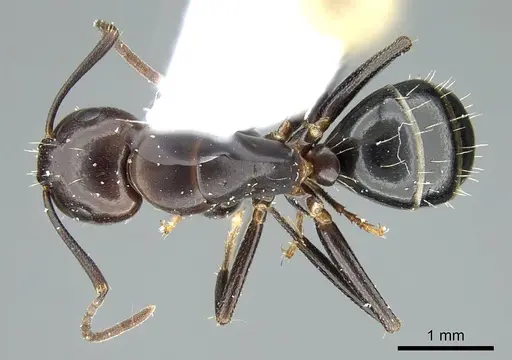
FMNHINS0000045723
View on AntWeb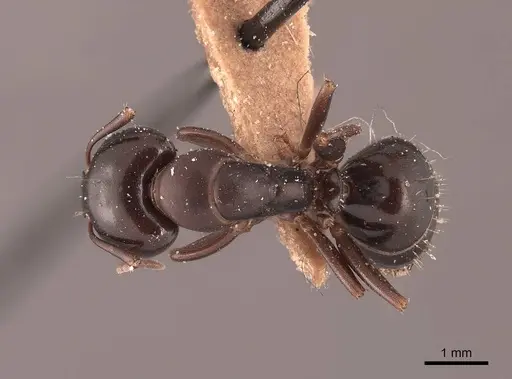
MEM211546
View on AntWeb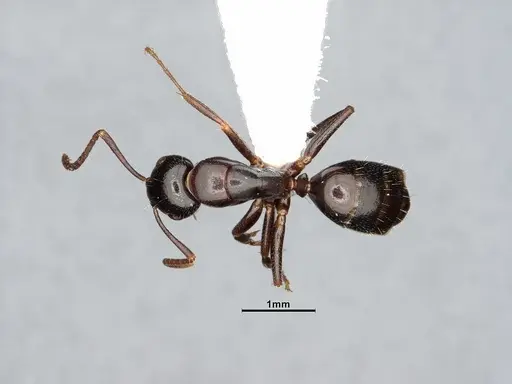
MEM249446
View on AntWeb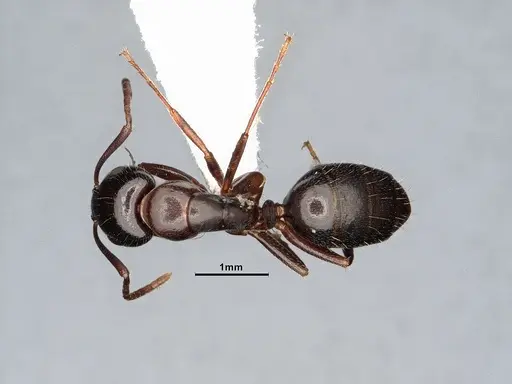
Literature
Loading...Loading products...