

Camponotus cillae
- Scientific Name
- Camponotus cillae
- Subgenus
- Tanaemyrmex
- Tribe
- Camponotini
- Subfamily
- Formicinae
- Author
- Forel, 1912
- Distribution
- Found in 1 countries
Camponotus cillae Overview
Camponotus cillae is an ant species of the genus Camponotus. It is primarily documented in 1 countries , including Venezuela, Bolivarian Republic of. Detailed taxonomic data and occurrence records can be further explored via authoritative databases such as AntWeb or the Global Biodiversity Information Facility (GBIF).
Camponotus cillae
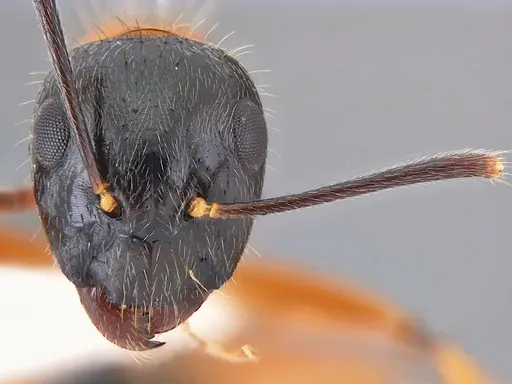
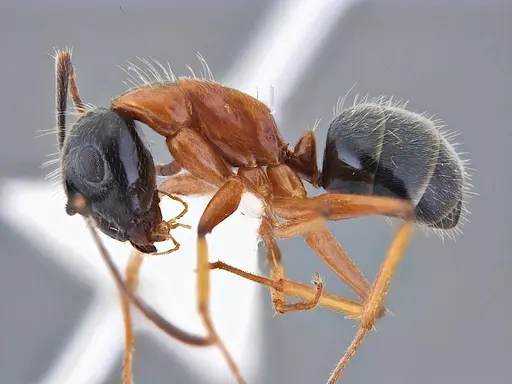
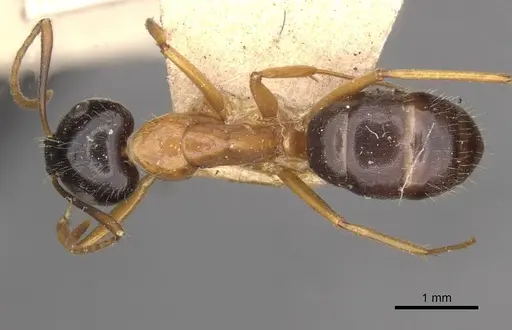
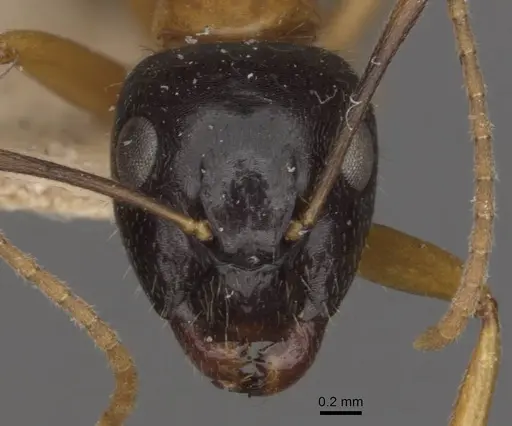
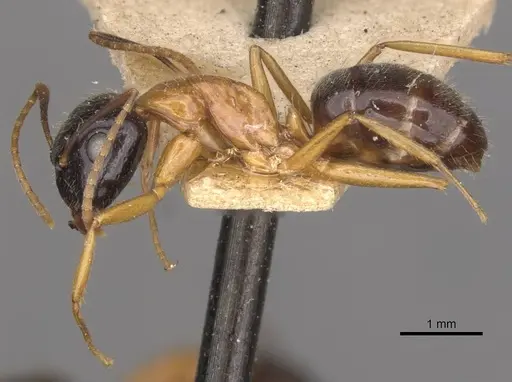
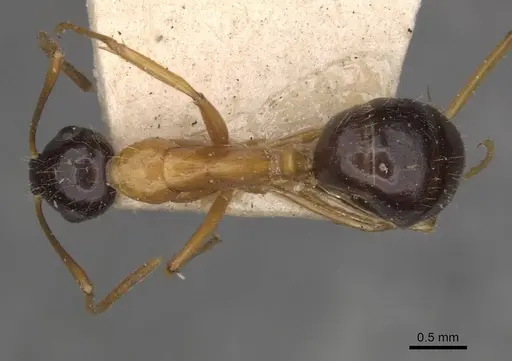
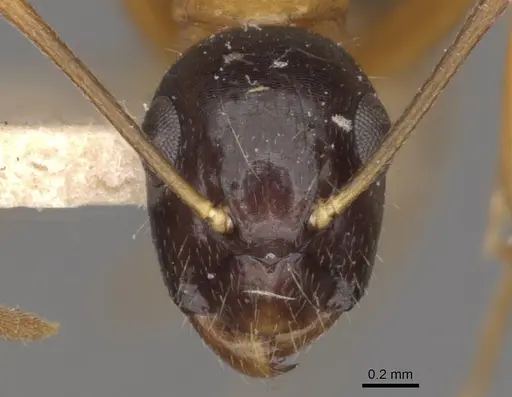
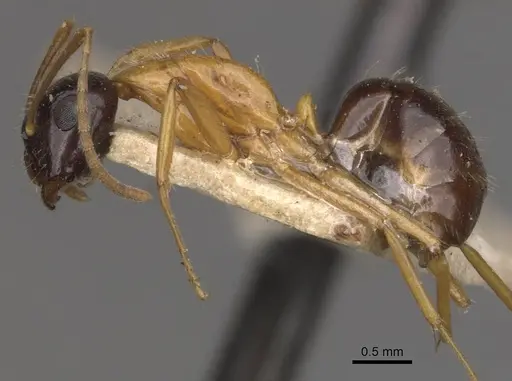
Camponotus cillae is a small to medium-sized ant species native to the Neotropical region, found across Brazil, Colombia, Peru, and Venezuela. Workers are bicolored with a black head and gaster contrasting against a reddish mesosoma, and they have a distinctive heart-shaped head. This species belongs to the subfamily Formicinae and the genus Camponotus, which is one of the most widespread ant genera globally. In the wild, they nest in rotten trunks, under stones, and in forest litter at elevations between 170-1800 meters [1][2].
The biology of this species remains largely unstudied in the scientific literature. However, based on typical Camponotus behavior, they are generalist patrollers that recruit workers massively when they discover abundant food sources. They are omnivorous and maintain mutualistic relationships with membracids (treehoppers), similar to related species like Camponotus renggeri. Their small size and cryptic nesting habits make them a challenging but rewarding species for experienced antkeepers interested in Neotropical ants [3].
Quick Summary
- Difficulty: Medium
- Origin & Habitat: Neotropical region, Brazil (São Paulo, Botucatu), Colombia (Boyacá), Peru, and Venezuela. Found in humid tropical rainforests and seasonal semidecidual forests at elevations 170-1800m. Nests in rotten trunks, under stones, and in forest litter [2][1].
- Colony Type: Colony structure is unconfirmed. Based on typical Camponotus patterns, likely single-queen (monogyne) colonies, though this has not been directly documented for this species.
- Colony: Monogyne
- Founding: Claustral
- Size & Growth:
- Queen: Estimated 12-15mm based on typical Camponotus queen size range, not directly measured for this species
- Worker: Small workers, approximately 4-7mm based on genus patterns [1]
- Colony: Unknown, typical Camponotus colonies can reach several thousand workers, but this species may remain smaller given its small worker size
- Growth: Moderate, typical Camponotus growth rate
- Development: Estimated 6-8 weeks at optimal temperature based on typical Camponotus development (Development time is not directly studied for this species. Estimates based on related Camponotus species in similar tropical habitats.)
- Antkeeping:
- Temperature: Keep around 24-28°C. This species comes from tropical/subtropical regions, so warmth is important. A heating cable on one side of the nest can create a gentle gradient
- Humidity: Moderate to high humidity (60-80%). They naturally occur in humid tropical forests and forest litter. Keep the nest substrate moist but not waterlogged, with some drier areas available [2]
- Diapause: Unlikely to require true diapause. As a tropical species, they do not experience cold winters. However, a slight reduction in temperature during what would be winter months (around 20-22°C) may be beneficial
- Nesting: In captivity, they do well in Y-tong (AAC) nests, plaster nests, or naturalistic setups with rotten wood/corner. They naturally nest in rotten trunks and under stones, so providing wood-based nest materials mimics their natural habitat. Tight chambers scaled to their small worker size work best [3].
- Behavior: These ants are generalist foragers and patrollers. Workers will recruit nestmates massively to abundant food sources. They are not particularly aggressive but will defend their colony if threatened. Their small size means they can escape through tiny gaps, excellent escape prevention is essential. They are primarily nocturnal or crepuscular foragers in the wild [3][1].
- Common Issues: escape prevention is critical, their small size allows them to squeeze through the tiniest gaps, biology is poorly documented, so some care parameters are estimates based on genus patterns, wild-caught colonies may have parasites or diseases that can wipe out the colony in captivity, slow initial colony growth is common with Camponotus, beginners may lose patience, humidity control is important, too dry and brood dies, too wet and mold becomes a problem
Housing and Nest Setup
Camponotus cillae does well in several nest types. Y-tong (acrylic) nests work excellently because you can control humidity precisely. Plaster nests with water reservoirs are also suitable, as they allow you to maintain consistent moisture. Naturalistic setups with rotten wood or cork bark can mimic their natural environment, they naturally nest in rotten trunks in the wild. Whatever nest you choose, ensure chambers are appropriately sized for their small workers. They do not need large, elaborate nests, compact chambers work better. The outworld should have a reliable barrier (fluon or similar) because their small size makes them excellent escape artists. [3][2]
Feeding and Diet
Like most Camponotus species, C. cillae is omnivorous. They accept sugar sources readily (honey water, sugar water, ripe fruit) and protein foods like insects (fruit flies, small crickets, mealworms). In the wild, they have been observed feeding on honey and likely tend membracids for honeydew, similar to related species. Feed them a varied diet: offer protein 2-3 times per week and keep a constant sugar source available. Remove uneaten prey after 24-48 hours to prevent mold. They are not picky eaters, but variety helps maintain colony health. [3][2]
Temperature and Heating
As a Neotropical species from Brazil, Colombia, Peru, and Venezuela, C. cillae needs warm conditions. Keep the nest at 24-28°C for optimal brood development. Room temperature may be sufficient if your home is naturally warm, but most keepers use a heating cable or heat mat on one side of the nest to maintain these temperatures. Place the heating element on top of the nest, not underneath, to avoid drying out the substrate too quickly. Create a temperature gradient so ants can choose their preferred warmth. Avoid temperatures below 20°C for extended periods. [1][2]
Humidity Management
This species comes from humid tropical forests, so moderate to high humidity is important. Aim for 60-80% relative humidity in the nest. In Y-tong nests, keep the water reservoir filled but not overflowing. In plaster nests, the substrate should feel damp to the touch but never waterlogged. Mist the nest occasionally, but watch for condensation buildup which can drown brood. Allow some areas to dry out slightly so ants can self-regulate. Good ventilation helps prevent mold while maintaining humidity. [2]
Colony Founding
Queens are likely claustral, meaning they seal themselves in a chamber and raise the first brood using stored fat reserves. The founding process takes several months, expect 6-10 weeks before eggs hatch into larvae, then another 4-6 weeks for larvae to develop into workers (nanitics). During this time, the queen needs complete darkness and minimal disturbance. Do not feed the founding queen, she will not eat and may abandon or eat her brood if stressed. Once the first workers (nanitics) emerge, you can begin offering tiny amounts of sugar water.
Seasonal Care
As a tropical species, C. cillae does not require true hibernation or diapause. However, slight seasonal variations may occur naturally. In winter months, you might reduce temperatures slightly to around 20-22°C, but this is not required. The colony will likely remain active year-round if kept warm. Do not expose them to temperatures below 15°C. They may be less active during cooler periods, which is normal. Maintain consistent humidity year-round. [2]
Behavior and Temperament
Camponotus cillae workers are small but active and vigilant. They patrol their territory and recruit nestmates massively when they find good food sources. They are not particularly aggressive toward keepers but will bite if their nest is threatened. Workers are primarily nocturnal or crepuscular in the wild, so you may see more activity in the evening hours. They are not stingers, their main defense is biting. Their small size makes them quick and sometimes nervous, but they settle well in captivity once established. [3][1]
Frequently Asked Questions
How long does it take for Camponotus cillae to produce first workers?
Expect 6-10 weeks from egg to first worker (nanitic) at optimal temperature (24-28°C). This is typical for Camponotus species. The queen will lay eggs within the first week or two after mating, then eggs develop through larval and pupal stages before emerging as workers.
What do Camponotus cillae ants eat?
They are omnivorous. Offer sugar water or honey constantly, and protein foods like fruit flies, small crickets, or mealworms 2-3 times per week. They likely also accept honeydew in captivity. Remove uneaten prey after 24-48 hours.
Are Camponotus cillae good for beginners?
This species is rated as Medium difficulty. While not the hardest species, their care requirements (warmth, humidity control, escape prevention) require some experience. The main challenge is that their biology is poorly documented, so some parameters are estimates. Beginners should start with more common species first.
What temperature do Camponotus cillae need?
Keep nest temperatures between 24-28°C. They come from tropical regions and need warmth for proper brood development. A heating cable on one side of the nest can help maintain these temperatures.
Can I keep multiple Camponotus cillae queens together?
Not recommended. This species is likely monogyne (single queen). Combining unrelated foundress queens has not been documented for this species and would likely result in fighting. Start with one queen per colony.
When should I move Camponotus cillae to a formicarium?
Wait until the colony has at least 20-30 workers before moving to a formicarium. The founding stage and early growth should happen in a test tube setup. Moving too early can stress the colony. Once they have established workers, you can connect a formicarium to their test tube setup.
Why are my Camponotus cillae escaping?
Their small size makes them excellent escape artists. Use excellent escape prevention: apply fluon or similar barriers to all edges, use fine mesh for any ventilation, and ensure all lids fit tightly. Check for tiny gaps around water tubes and feeding ports.
Do Camponotus cillae need hibernation?
No, they do not require true hibernation. As a tropical species from Brazil and surrounding countries, they do not experience cold winters. You may reduce temperatures slightly in winter (to around 20-22°C), but this is optional.
How big do Camponotus cillae colonies get?
The maximum colony size is not documented for this species. Based on typical Camponotus patterns, colonies likely reach several hundred to a few thousand workers. Their small worker size suggests they may stay smaller than large Camponotus species.
What humidity level do Camponotus cillae need?
Keep humidity at 60-80%. They naturally occur in humid tropical forests. The nest substrate should feel damp but never waterlogged. Good ventilation helps prevent mold while maintaining moisture.
Is Camponotus cillae aggressive?
They are not particularly aggressive toward keepers. Workers will defend the nest if threatened but their primary response is to retreat or bite minimally. They are more likely to flee than attack. They are active foragers but not territorial aggressors.
References

This caresheet is licensed under CC BY-SA 4.0 .
Literature
Loading...Loading products...