
Camponotus renggeri exhibits a clear seasonal flight window. Peak flight activity is concentrated in November, with the overall period spanning October to December.
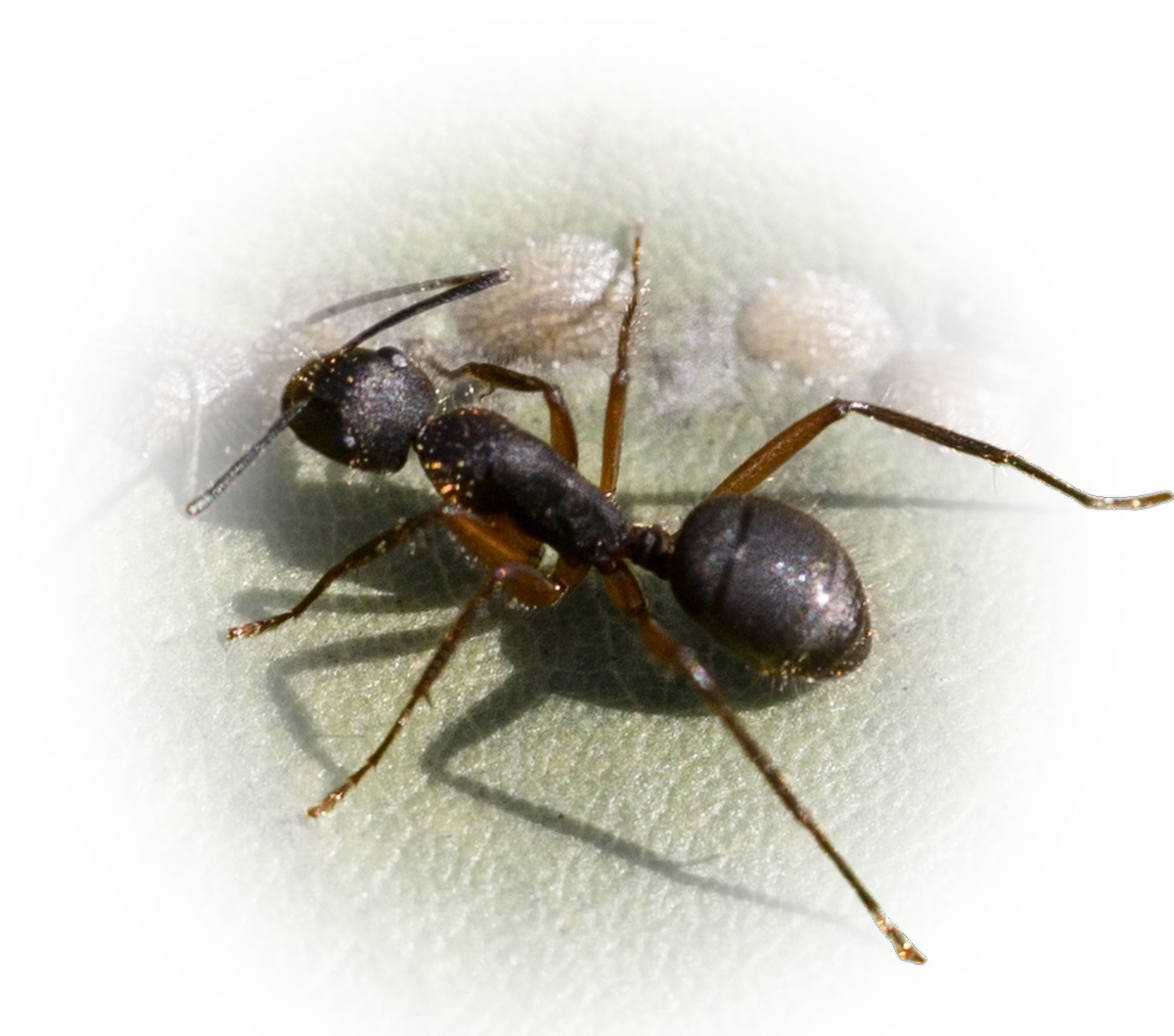
Camponotus renggeri
- Scientific Name
- Camponotus renggeri
- Subgenus
- Myrmothrix
- Tribe
- Camponotini
- Subfamily
- Formicinae
- Author
- Emery, 1894
- Distribution
- Found in 8 countries
- Nuptial Flight
- from October to December, peaking in November
AI Identifiable
try →
Camponotus renggeri Overview
Camponotus renggeri is an ant species of the genus Camponotus. It is primarily documented in 8 countries , including Argentina, Bolivia, Plurinational State of. Detailed taxonomic data and occurrence records can be further explored via authoritative databases such as AntWeb or the Global Biodiversity Information Facility (GBIF).
The nuptial flight of Camponotus renggeri is a significant biological event, typically occurring from October to December, peaking in November. During this time, winged queens and males leave the nest to mate and establish new colonies.
Camponotus renggeri
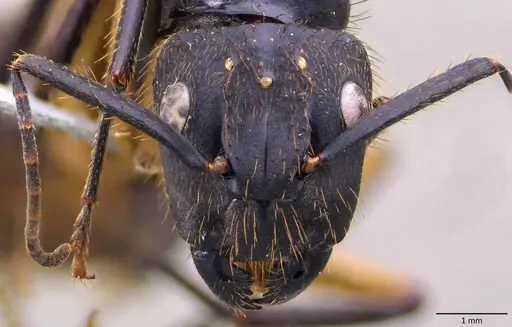
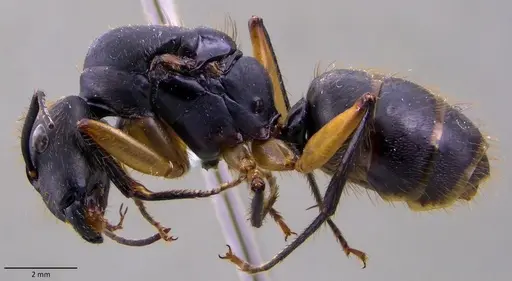
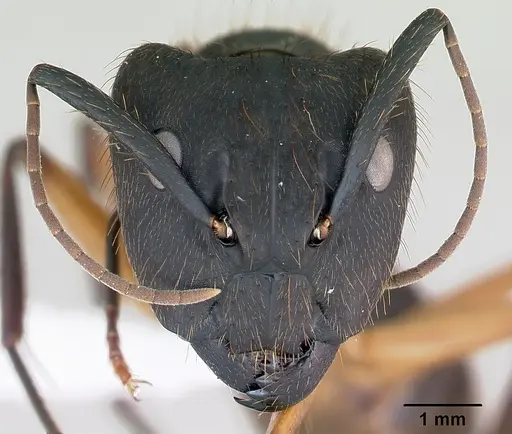
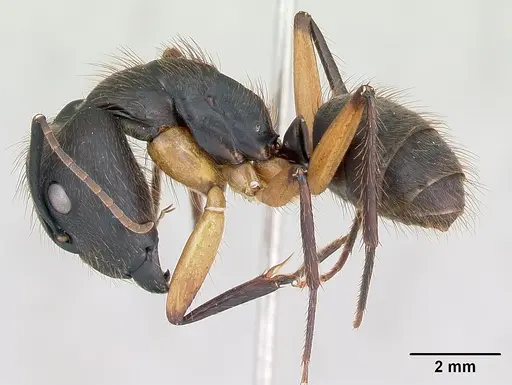
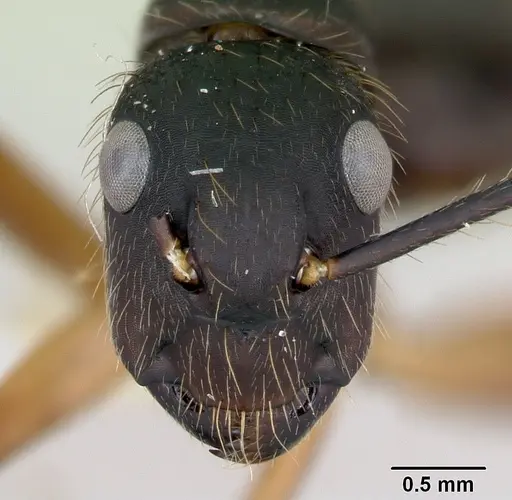
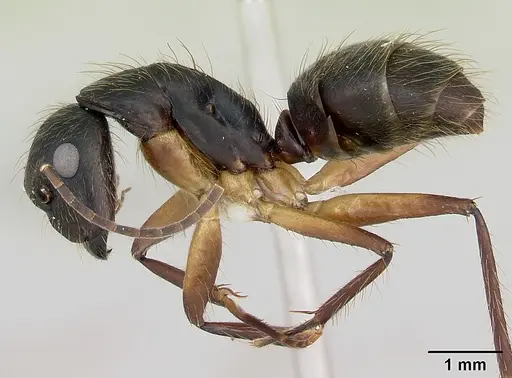
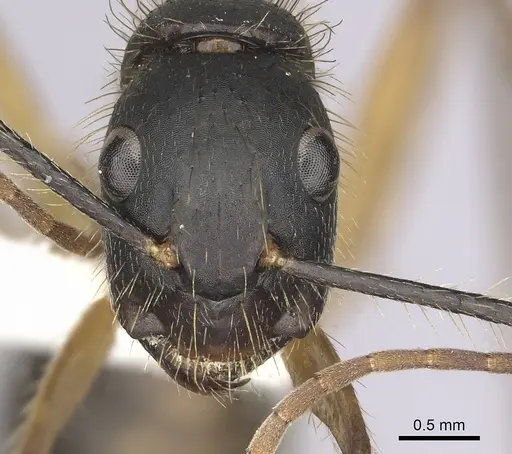
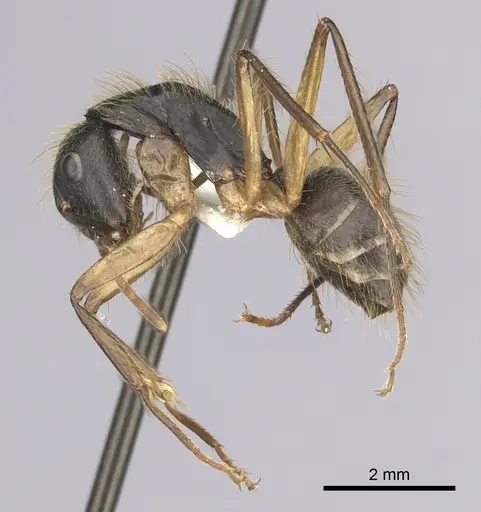
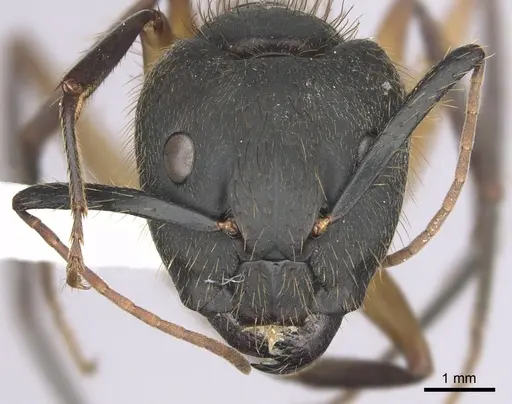
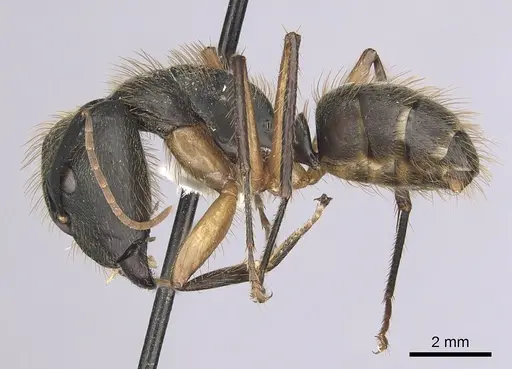
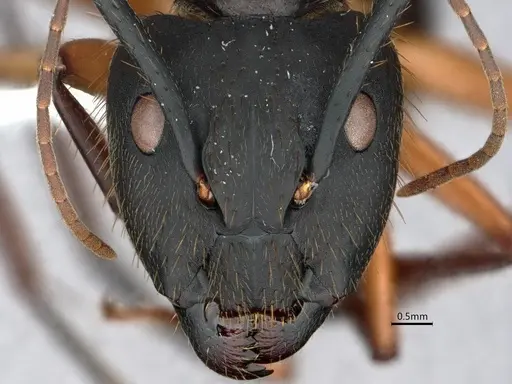
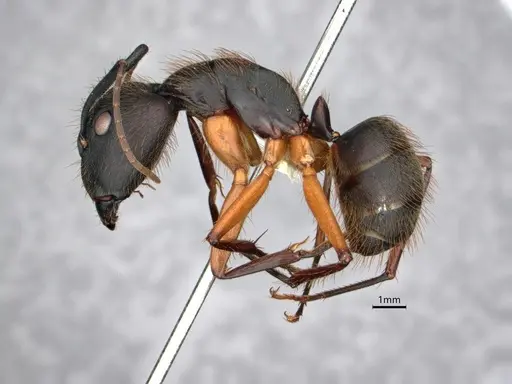
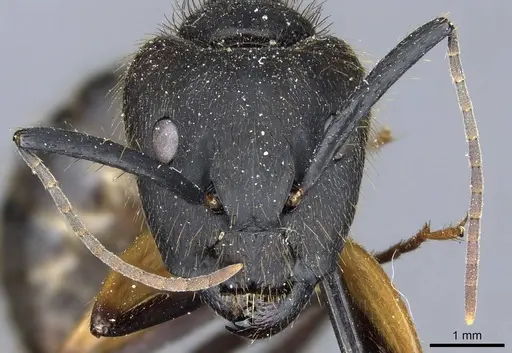
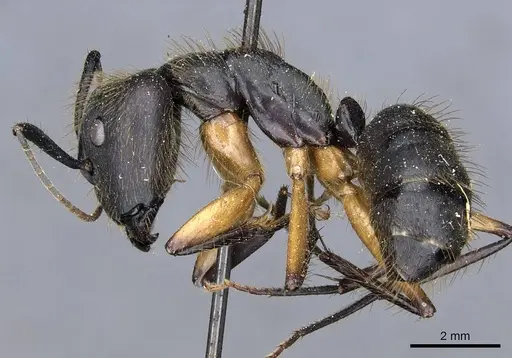
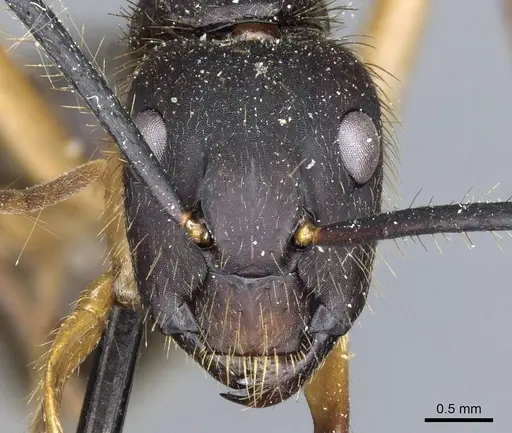
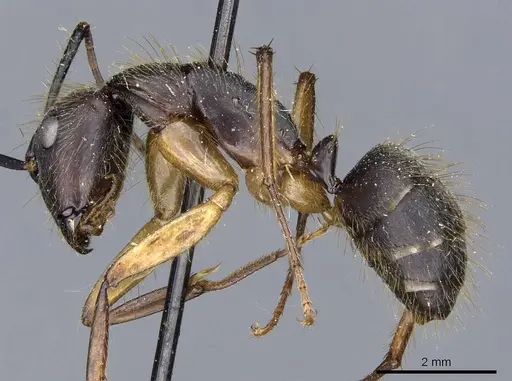
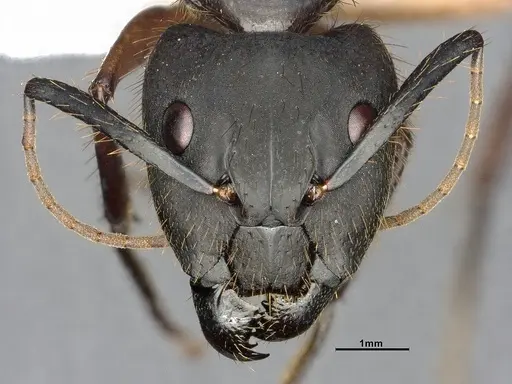
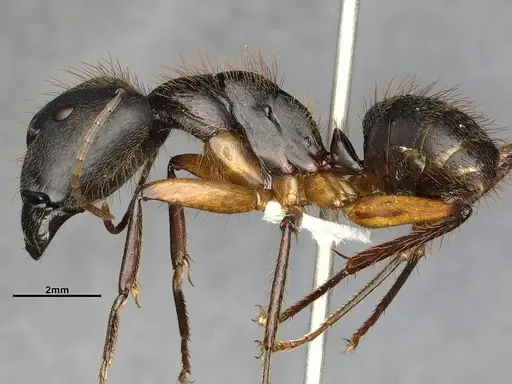
Camponotus renggeri is a medium-large Neotropical carpenter ant belonging to the subgenus Myrmothrix. Workers measure around 12-13mm and have a distinctive appearance with shiny black body cuticle and yellowish legs that help distinguish them from the similar Camponotus rufipes [1][2]. This species is one of the most dominant ants in the Brazilian Cerrado savanna, where it plays a key role in numerous ecological interactions including tending treehoppers, visiting extrafloral nectaries, and defending plants against herbivores [3][4]. Colonies are facultatively polygynous, meaning they can have either a single queen or multiple queens (1-7 queens have been documented per colony) [5][2].
Quick Summary
- Difficulty: Medium
- Origin & Habitat: Native to the Neotropical region including Brazil, Paraguay, Argentina, Bolivia, Colombia, Peru, and other South American countries. Found primarily in Brazilian Cerrado savanna habitats, particularly in cerradão (closed woodland) and cerrado sensu stricto (scrubland) [1][2]. Also recorded in Amazon, Pantanal, Caatinga, and Atlantic Forest regions [6].
- Colony Type: Facultatively polygynous, colonies can have either a single queen or multiple queens (1-7 dealated queens documented). Both monogyne and polygynous colony structures occur naturally in the wild [5][2].
- Colony: Optionally polygyne
- Founding: Claustral
- Size & Growth:
- Queen: 15-18mm (estimated based on genus patterns)
- Worker: 12-13mm [7]
- Colony: Up to ~600 workers in natural colonies, with documented counts of 105-340 workers in excavated colonies [1][2]
- Growth: Moderate, based on typical Camponotus development patterns
- Development: 6-8 weeks (estimated based on typical Camponotus genus development at warm temperatures) (Development time inferred from genus-level patterns since species-specific data is not available. Warmer temperatures within their tropical range likely accelerate development.)
- Antkeeping:
- Temperature: Keep at 24-28°C. This is a tropical species from warm Cerrado habitats, they are active at night when temperatures are cooler, but colonies should be kept warm. Activity is positively affected by humidity and negatively by high temperatures in the field [1].
- Humidity: Moderate to high humidity (60-80%). In the wild, they prefer humid environments and are more active on humid nights. Keep the nest substrate moist but not waterlogged, with some drier areas available.
- Diapause: No, as a tropical species from regions without harsh winters, they do not require hibernation. However, a slight reduction in temperature during winter months may slow activity naturally.
- Nesting: Prefers nests in decaying wood, 63% of wild nests are found in hollowed-out fallen trunks. In captivity, they do well in Y-tong (AAC) nests, plaster nests, or naturalistic setups with rotten wood pieces. They also nest underground and in erect dead trunks in the wild [1][2].
- Behavior: Strictly nocturnal, workers begin foraging after sunset and stop before sunrise [1][8]. They are aggressive defenders and more likely to attack intruders than many other Camponotus species, attacking 81.4% of unsheltered caterpillars in studies [7]. They tend membracid treehoppers and visit extrafloral nectaries for honeydew. Workers forage both on the ground and on plants, collecting extrafloral nectar, honeydew, dead arthropods, and fallen fruits [1]. Escape prevention is important, while not among the smallest ants, they are active and determined climbers.
- Common Issues: tropical species requires warm conditions, cold temperatures will reduce activity and may harm brood development, nocturnal activity pattern means they are most active when keepers are asleep, this can make observing interesting behavior challenging, colonies may be polygynous which can lead to queen aggression if combining colonies, generally keep one colony per setup, escape prevention is important despite their moderate size, they are active foragers and good climbers, slow founding phase typical of claustral Camponotus queens, new keepers may lose patience and disturb founding queens prematurely
Nuptial Flight Activity Analysis 171 observations
Flight Activity by Hour 171 observations
Camponotus renggeri nuptial flight activity peaks around 18:00 during the evening. Activity is spread across a 16-hour window (07:00–22:00). A secondary activity peak occurs around 20:00. Times may be influenced by human observation patterns.
Housing and Nest Setup
Camponotus renggeri does well in several nest types. In the wild, they strongly prefer decaying wood, 63% of nests are in hollowed-out fallen trunks, with the rest in underground chambers or erect dead trunks [2]. For captivity, Y-tong (acrylic) nests work well, or you can use a naturalistic setup with pieces of rotting wood embedded in soil. Plaster nests are also suitable. Whatever you choose, ensure the nest chambers are appropriately sized for their colony size, they prefer snug chambers but not so tight that workers cannot move brood around. Since they are nocturnal and prefer humid conditions, consider placing the nest in an area where you can maintain warmth and moisture without disturbing their day-night cycle.
Feeding and Diet
In the wild, C. renggeri has a varied diet. They collect honeydew from treehoppers (particularly Guayaquila xiphias) and aphids, drink extrafloral nectar from plants like Caryocar brasiliense, and forage for dead arthropods and fallen fruits on the ground [1][4]. They are considered generalist omnivores. In captivity, offer a balanced diet: sugar water or honey constantly, protein sources like mealworms, crickets, or other insects 2-3 times per week, and occasional fruit or seeds. Their nocturnal foraging pattern means they will likely collect food after lights go out, leave food in the outworld overnight and remove any uneaten portions in the morning. They are aggressive defenders of food sources and will readily attack other insects that approach their resources.
Temperature and Seasonal Care
As a tropical species from the Brazilian Cerrado, C. renggeri prefers warm temperatures in the 24-28°C range. Field studies show their activity is negatively affected by high temperatures and positively by humidity [1]. Keep them warm but provide a temperature gradient so they can choose their preferred spot. A heating cable on one side of the nest can help maintain warmth. Since they are strictly nocturnal, avoid exposing them to bright lights during their active period. Unlike temperate ants, they do not require hibernation diapause. However, slight seasonal variations in room temperature during winter months are natural and may cause slightly reduced activity, which is normal for this species.
Behavior and Colony Dynamics
This species is strictly nocturnal, workers begin foraging after sunset and return to the nest before sunrise [1][8]. They are notably aggressive compared to many other Camponotus species, attacking a high percentage of potential threats including caterpillars (81.4% attack rate in studies) [7]. Colonies are facultatively polygynous, meaning some colonies have a single queen while others have multiple queens (1-7 documented) [5]. If you keep multiple queens together, monitor for aggression, though polygynous colonies in the wild typically coexist peacefully. Workers are polymorphic (varying in size), with major workers being significantly larger. They maintain mutualistic relationships with treehoppers and extrafloral nectary-bearing plants, providing protection in exchange for honeydew.
Colony Founding
Like other Camponotus species, C. renggeri is claustral, the queen seals herself in a chamber and raises the first brood alone, living entirely on her stored fat reserves [1]. This means you do not need to feed a founding queen. After the first workers (nanitics) emerge, the colony will begin foraging for food. Founding colonies should be kept in a dark, quiet location with stable temperature (around 24-26°C) and moderate humidity. Do not disturb the queen during founding, excessive checking is a common cause of colony failure. Wait until you see workers before offering food, and even then, keep offerings small and simple.
Differentiating from Camponotus rufipes
C. renggeri is often found living in sympatry with the closely related Camponotus rufipes, and they can be difficult to tell apart in the field [9]. The main distinguishing features are: C. renggeri has yellowish legs while C. rufipes has darker legs, C. renggeri has a shinier black cuticle, and C. renggeri tends to be strictly nocturnal while C. rufipes extends activity into daytime hours [1][2]. Genetic analysis confirms they are distinct species with only 0.27% average K2P distance within species, and they cluster separately in microsatellite analysis [9]. For antkeepers, the leg color (yellowish = renggeri) is the most reliable visual distinction.
Frequently Asked Questions
Is Camponotus renggeri a good species for beginners?
C. renggeri is rated as medium difficulty. They are more aggressive than some carpenter ants, which can be either an advantage (good defense) or a challenge (more likely to attack when you work near the nest). Their nocturnal activity means you may miss seeing their most active periods. They require warm, humid conditions typical of tropical species. If you can provide proper heating and are patient during the slow founding phase, they are a rewarding species to keep.
How long does it take for Camponotus renggeri to raise first workers?
Based on typical Camponotus development patterns, expect 6-8 weeks from egg to first worker (nanitics) at optimal temperatures (around 24-26°C). This is an estimate since species-specific development data is not available. The founding queen will remain sealed in her chamber until the first workers emerge, do not disturb her during this time.
Can I keep multiple Camponotus renggeri queens together?
Yes, this species is facultatively polygynous, colonies can have either a single queen or multiple queens (1-7 documented). However, if you are combining unrelated foundress queens, monitor for aggression initially. In the wild, some colonies have multiple queens while others have just one, so both arrangements work. If you want to try a polygynous colony, introducing queens simultaneously before they establish separate chambers may work better than combining established colonies.
What do Camponotus renggeri eat?
They are generalist omnivores. Offer sugar water or honey constantly as an energy source, protein (insects like mealworms, crickets) 2-3 times per week, and occasional fruit or seeds. In the wild they collect honeydew from treehoppers and aphids, extrafloral nectar, and forage for dead arthropods and fallen fruits. They are nocturnal foragers, so leave food in the outworld overnight.
What temperature do Camponotus renggeri need?
Keep them at 24-28°C. This is a tropical species from the Brazilian Cerrado that prefers warm conditions. Activity studies show they are more active on humid nights and their activity decreases with high temperatures. A heating cable on one side of the nest can help maintain warmth, but always provide a gradient so ants can move to cooler areas if needed.
When are Camponotus renggeri most active?
They are strictly nocturnal, most active after sunset and before sunrise [1][8]. This is different from some related species like C. rufipes that extend activity into daytime. If you want to observe them, check on the colony after dark with a red light or dim flashlight.
How big do Camponotus renggeri colonies get?
Colonies typically reach around 600 workers in the wild, with documented sizes ranging from 105 to 340 workers in excavated colonies [1][2]. They are not among the largest Camponotus species but can still form substantial colonies. Colonies can have 1-7 queens, which affects overall colony size potential.
Do Camponotus renggeri need hibernation?
No, they do not require hibernation. As a tropical species from regions without harsh winters, they remain active year-round with only slight reductions in activity during cooler months. You can maintain normal temperatures throughout the year, though a slight reduction during winter months (like dropping a few degrees) mimics their natural seasonal cycle.
What type of nest is best for Camponotus renggeri?
They prefer nesting in decaying wood, 63% of wild nests are in hollowed-out fallen trunks. In captivity, Y-tong (acrylic) nests work well, as do plaster nests or naturalistic setups with rotten wood. The key is providing appropriately sized chambers and maintaining humidity. Avoid completely dry conditions.
Why is my Camponotus renggeri colony not growing?
Common causes include: temperatures too low (they need 24-28°C), humidity too low (they prefer humid conditions), insufficient protein in diet, or disturbing the colony too frequently. Also ensure the queen is still laying eggs, without a fertile queen, the colony cannot grow. If the colony is in founding stage, remember it takes 6-8 weeks for first workers to emerge.
References

This caresheet is licensed under CC BY-SA 4.0 .
ANTWEB1041873
View on AntWeb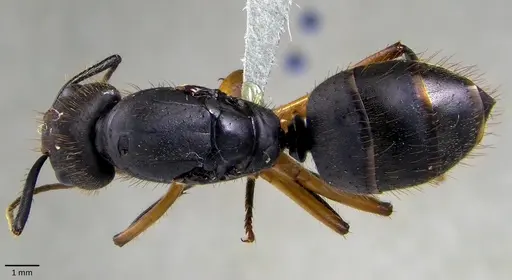
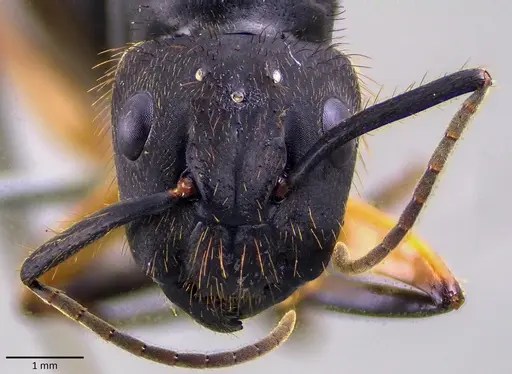
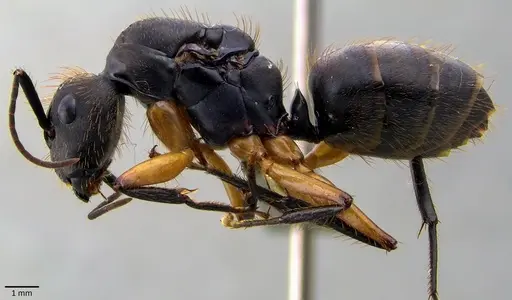
ANTWEB1060144
View on AntWeb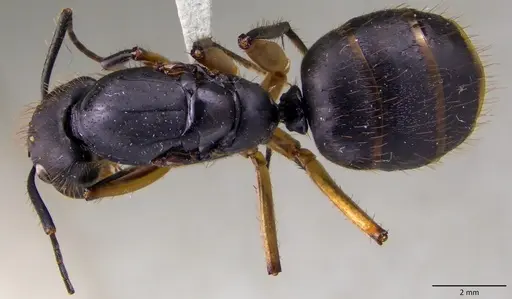
CASENT0173440
View on AntWeb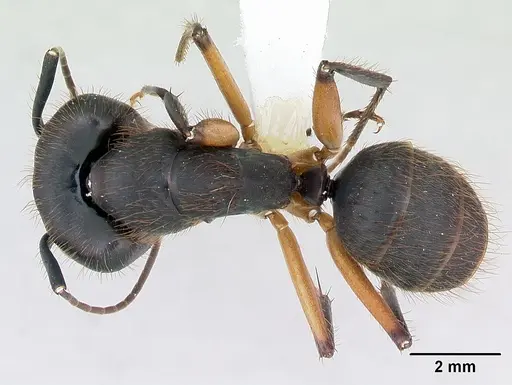
CASENT0173441
View on AntWeb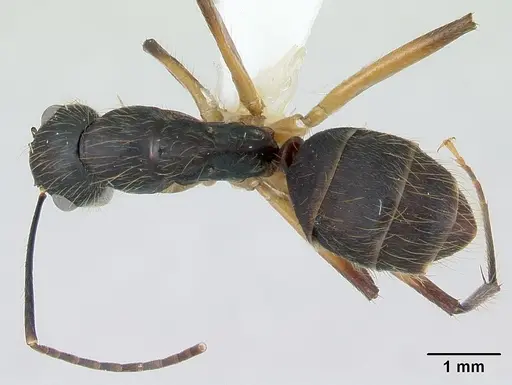
CASENT0249359
View on AntWeb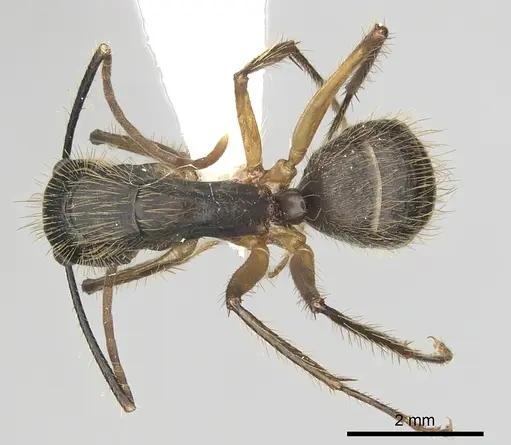
CASENT0249360
View on AntWeb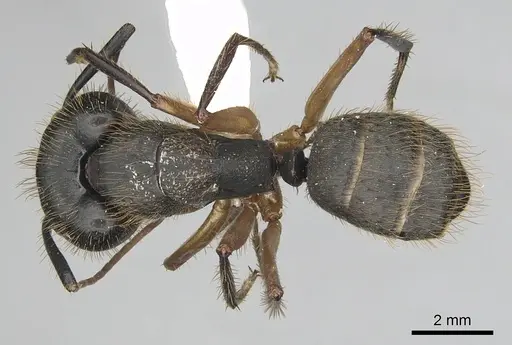
CASENT0886727
View on AntWeb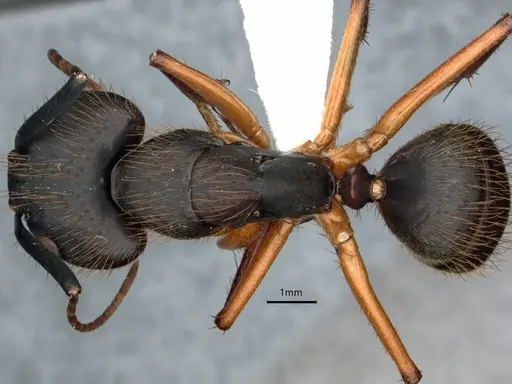
CASENT0905370
View on AntWeb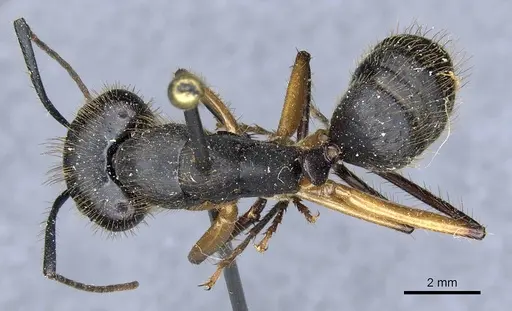
CASENT0905371
View on AntWeb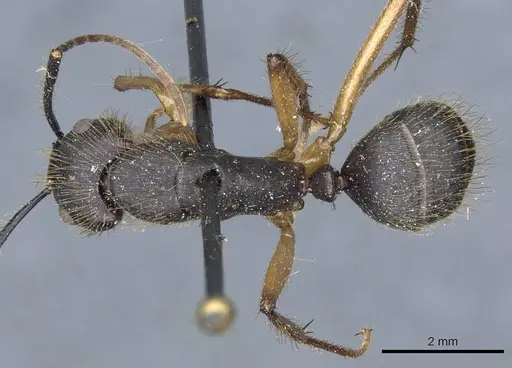
CASENT4032244
View on AntWeb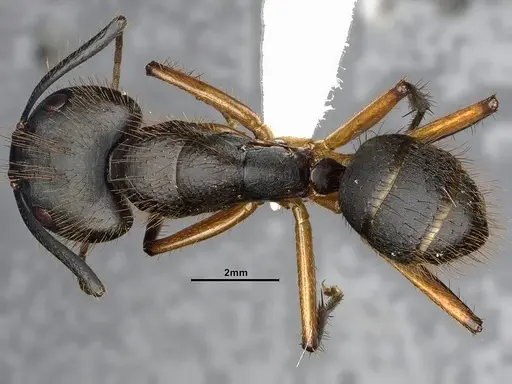
Literature
Loading...Loading products...