
Camponotus rufipes exhibits a clear seasonal flight window. Peak flight activity is concentrated in November, with the overall period spanning January to December.
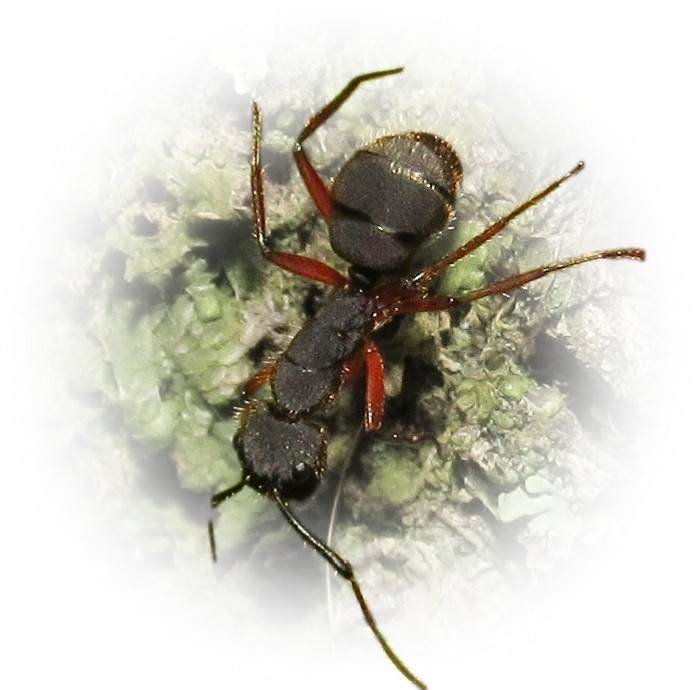
Camponotus rufipes
- Scientific Name
- Camponotus rufipes
- Subgenus
- Myrmothrix
- Tribe
- Camponotini
- Subfamily
- Formicinae
- Author
- Fabricius, 1775
- Distribution
- Found in 6 countries
- Nuptial Flight
- from January to December, peaking in November
AI Identifiable
try →
Camponotus rufipes Overview
Camponotus rufipes is an ant species of the genus Camponotus. It is primarily documented in 6 countries , including Argentina, Bolivia, Plurinational State of. Detailed taxonomic data and occurrence records can be further explored via authoritative databases such as AntWeb or the Global Biodiversity Information Facility (GBIF).
The nuptial flight of Camponotus rufipes is a significant biological event, typically occurring from January to December, peaking in November. During this time, winged queens and males leave the nest to mate and establish new colonies.
Camponotus rufipes
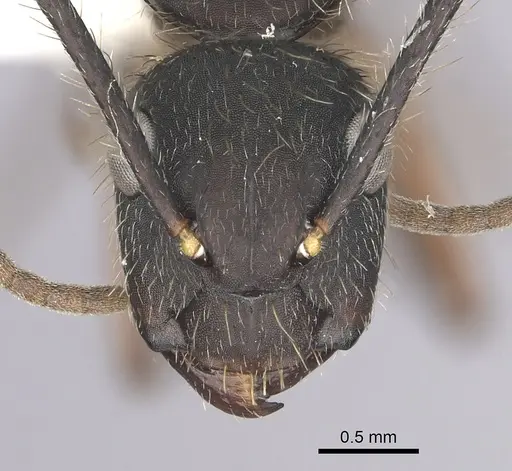
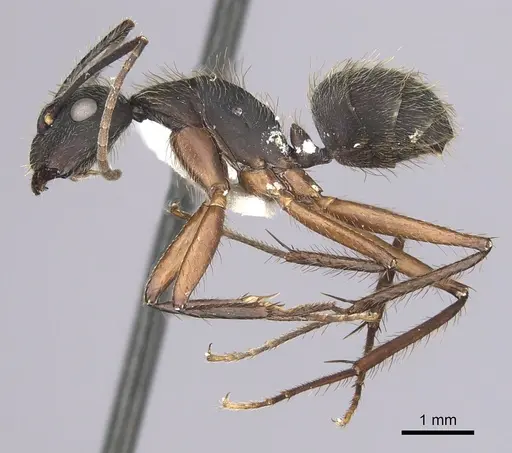
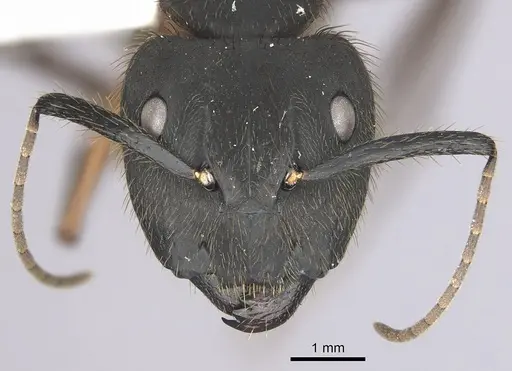
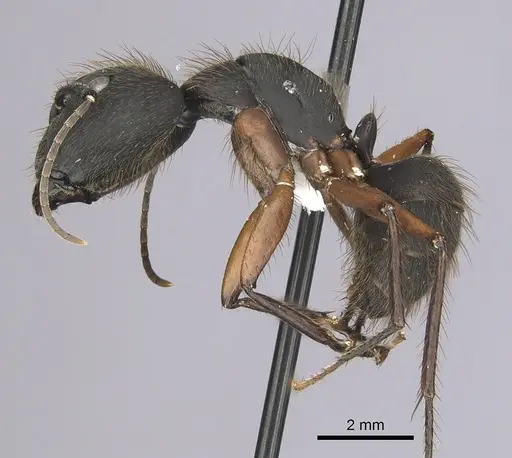
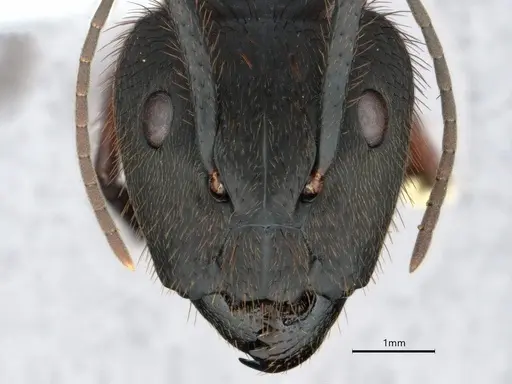
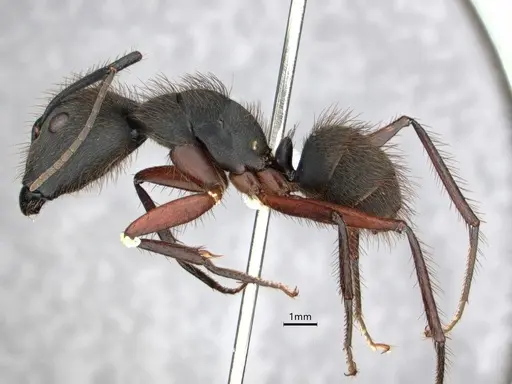
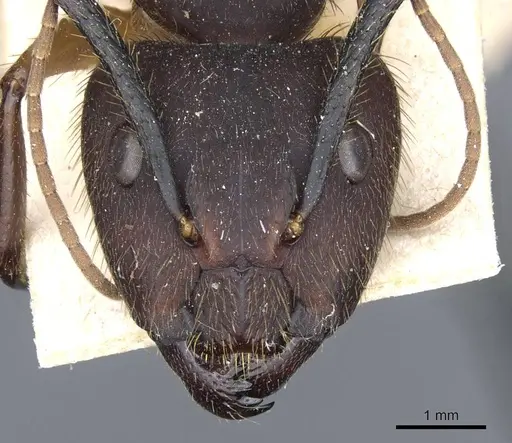
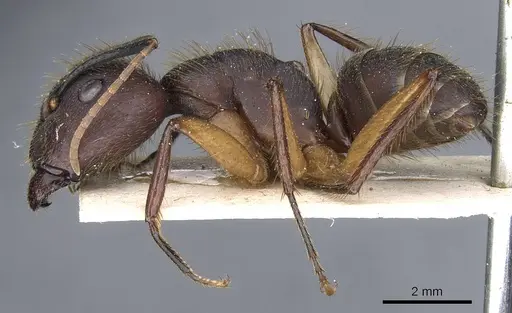
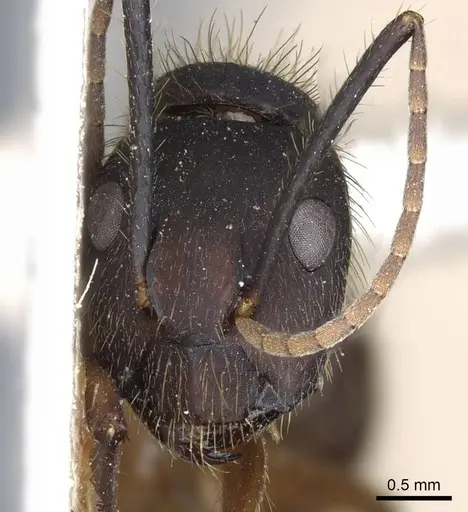
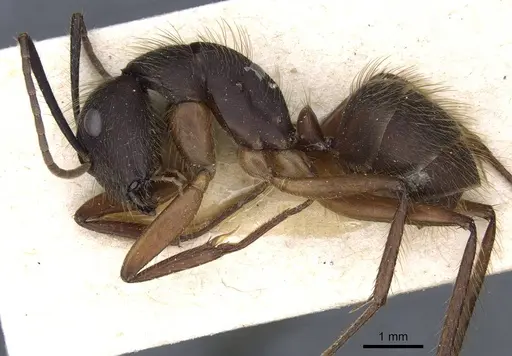
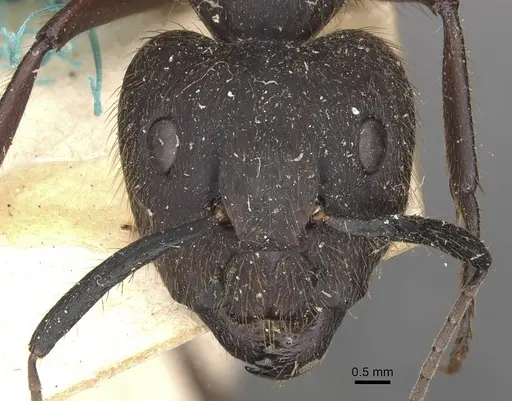
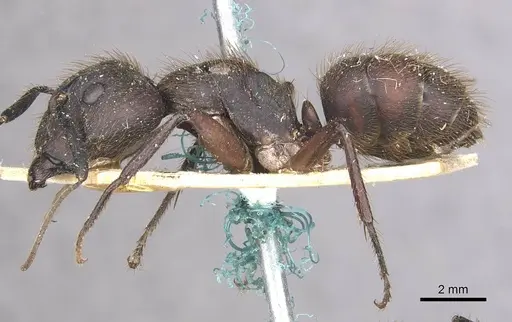
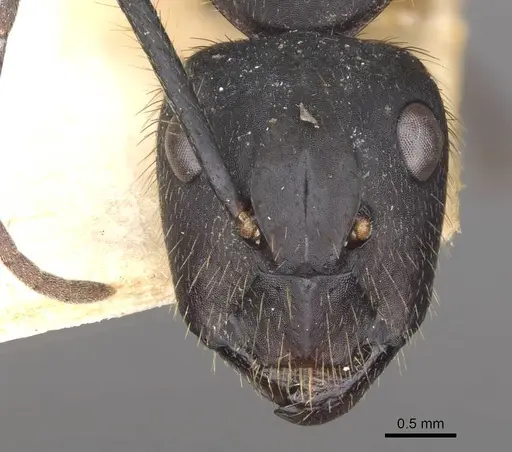
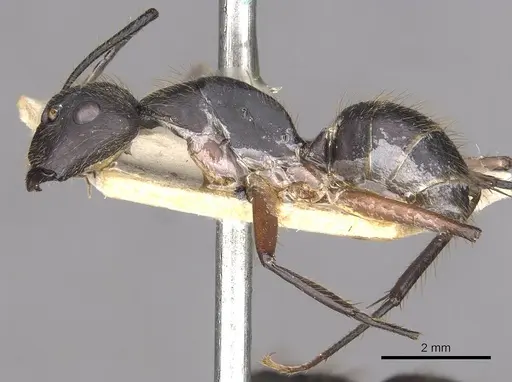
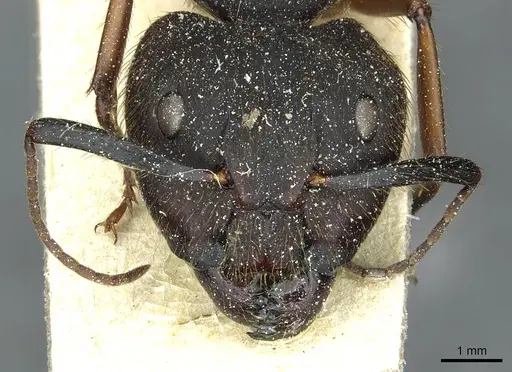
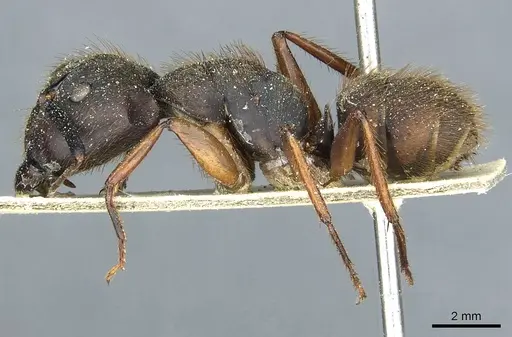
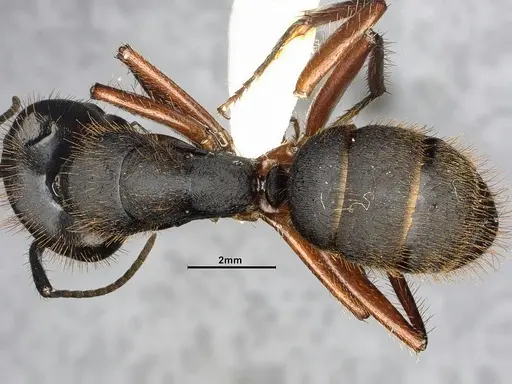
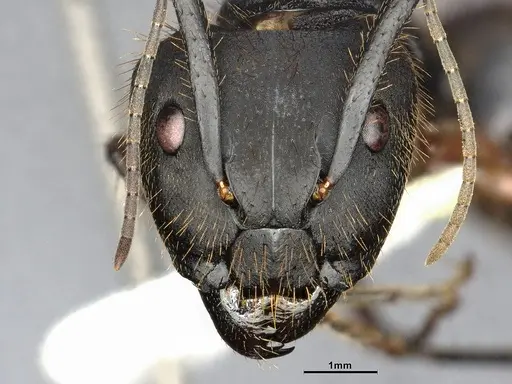
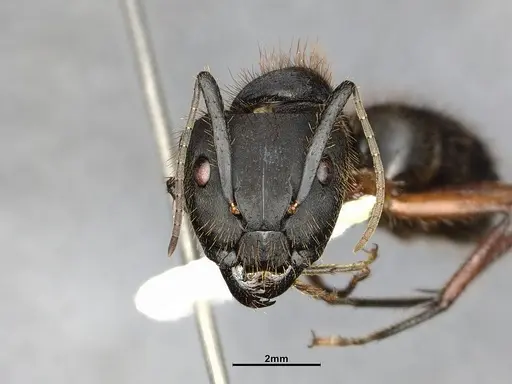
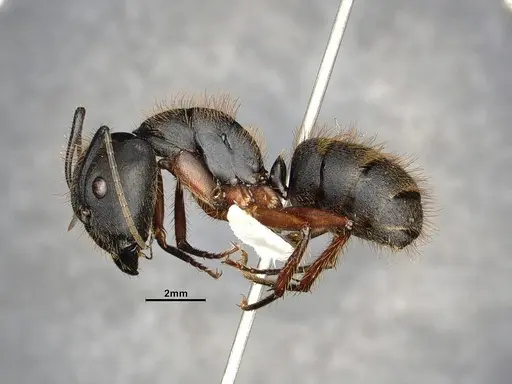
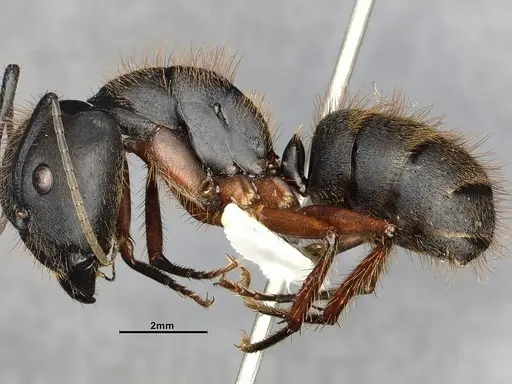
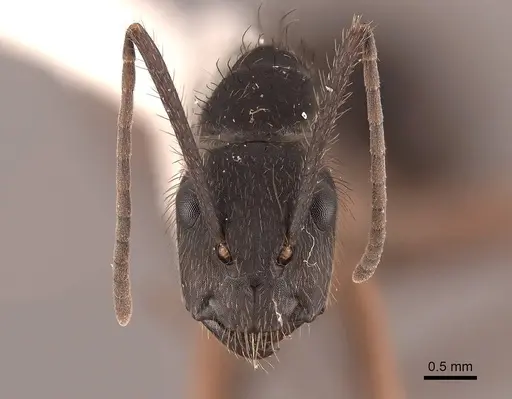
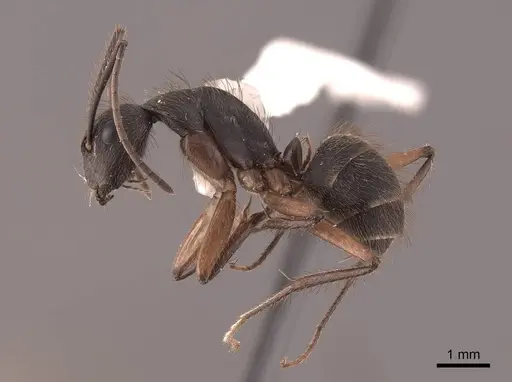
Camponotus rufipes is a large Neotropical carpenter ant easily recognized by its striking black body with contrasting reddish-brown to orange legs. Workers measure 6-12mm with major workers being significantly larger than minors. The body is covered in abundant erect hairs, particularly on the antennae and tibiae. This species belongs to the subgenus Myrmothrix and is widely distributed across South America, from Argentina to Colombia, commonly found in Brazil's Cerrado savanna and Atlantic Forest regions [1][2].
This ant is a dominant species in its range, known for its aggressive temperament and highly social structure. Colonies build distinctive above-ground nests from dry straw and plant material, often at the base of trees or shrubs. C. rufipes is primarily nocturnal and forms large, long-lived colonies that can survive for over 10 years at a single site. It plays a crucial ecological role as a predator and as a tender of honeydew-producing insects [3][4].
Quick Summary
- Difficulty: Medium
- Origin & Habitat: Native to the Neotropical region: Argentina, Bolivia, Brazil, Colombia, Ecuador, French Guiana, Guyana, Paraguay, Suriname, Uruguay, and Venezuela. Found in Cerrado savanna, Atlantic Forest, and transitional habitats. Nests in rotten wood, tree hollows, bamboo, Cecropia trees, or constructs above-ground nests from dry plant material [5][2][6].
- Colony Type: Facultatively polygynous, colonies can have a single queen or multiple queens (1-5 queens documented). Most commonly monogynous (single queen) but some colonies contain 2 dealated queens. Colonies are polydomous, with workers traveling between neighboring nests [7][8][6].
- Colony: Optionally polygyne
- Founding: Claustral
- Size & Growth:
- Queen: 15-18mm estimated (large queen for the genus)
- Worker: Minor: 6-8mm, Major: 10-14mm [9][10]
- Colony: Up to 3,800+ workers in mature colonies. Observed colonies ranged from 251 to 3,816 workers [6][11]
- Growth: Moderate to Fast
- Development: 6-8 weeks (estimated based on typical Camponotus development at 24-26°C) (Development time is temperature-dependent. Brood develops faster in warmer conditions. First workers (nanitics) are smaller than normal workers)
- Antkeeping:
- Temperature: Keep at 24-27°C. This is a tropical/subtropical species that thrives in warm conditions. Provide a temperature gradient allowing workers to self-regulate. Avoid temperatures below 20°C or above 30°C for extended periods [12][4].
- Humidity: Moderate humidity (50-70%). Keep nest substrate slightly moist but not waterlogged. Provide a water tube as a hydration source. This species tolerates a range of conditions but prefers stable humidity [5].
- Diapause: No true diapause, this is a tropical species. However, activity may decrease during cooler winter months in temperate collections. Reduce feeding and slightly lower temperature (to around 20°C) during winter if colony shows reduced activity [5].
- Nesting: Prefers nests in wood (rotten wood, cork) or will accept an acrylic/formicarium with a wood insert. Can also be kept in test tube setups for founding colonies. Provide dark, secure nesting sites. Accepts a wide range of nest types including Y-tong, plaster nests with wood chambers, or naturalistic setups [5][1].
- Behavior: C. rufipes is aggressive and territorial, workers will readily attack intruders and defend food sources. Primarily nocturnal with peak activity after sunset, though workers can be active day and night when tending honeydew sources. Uses trail pheromones (dimethylisocoumarin-based) to recruit nestmates to food sources. Highly effective at defending extrafloral nectaries and honeydew-producing insects from predators. Workers are fast-moving and will chase away even larger predators like spiders [13][14][4]. Escape risk is moderate, standard barrier methods work well for this medium-to-large ant.
- Common Issues: Colony collapse from Ophiocordyceps fungal infection, this species is naturally infected by zombie-ant fungus in the wild, maintain clean husbandry to prevent spore transmission, Aggressive behavior during nest disturbance, queens and workers may attack when threatened, use red film for observation to avoid provoking defensive responses, Queen loss during founding, claustral queens need complete darkness and minimal disturbance until first workers emerge, Escape through small gaps, while not tiny, workers can squeeze through surprisingly small openings, inspect all connections and barriers regularly, Overheating risk, tropical species are sensitive to high temperatures, never expose colonies to direct sunlight or temperatures above 30°C
Nuptial Flight Activity Analysis 198 observations
Flight Activity by Hour 198 observations
Camponotus rufipes nuptial flight activity peaks around 16:00 during the afternoon. Activity is spread across a 15-hour window (07:00–21:00). A secondary activity peak occurs around 20:00. Times may be influenced by human observation patterns.
Housing and Nest Setup
Camponotus rufipes adapts well to various captive setups. For founding colonies, a simple test tube setup works well, fill one tube with water, plug with cotton, and connect to a foraging area. For established colonies, provide a formicarium with wooden chambers or a naturalistic setup with cork and soil. The species accepts acrylic nests, Y-tong nests, and plaster nests equally well. Ensure the nest area is dark (cover with red film or place in a dark room) as this species prefers dim conditions. A foraging area should be at least 3-4 times the size of the nest area for active colonies. Use a water tube for hydration and mist the foraging area occasionally. Escape prevention is straightforward, these are medium-large ants that cannot pass through standard barrier gels or fluon unless there are large gaps [5][1].
Feeding and Diet
This is primarily a nectar-feeding ant with a strong sweet tooth. Offer sugar water (25-50% concentration), honey, or diluted maple syrup as a constant carbohydrate source. Protein is essential for brood development, provide small insects like fruit flies, small crickets, mealworms, or frozen-thawed prey. In the wild, C. rufipes heavily relies on honeydew from aphids, mealybugs, and treehoppers, so this can be mimicked with sugar sources. They also visit extrafloral nectaries and will scavenge on fallen fruits. Feed protein 2-3 times per week and keep sugar water available at all times. Workers will store nectar in their crops for trophallaxis with nestmates. Remove uneaten prey after 24-48 hours to prevent mold [15][4][14].
Temperature and Seasonal Care
Maintain temperatures between 24-27°C for optimal colony growth and brood development. This tropical species does not require hibernation but will show reduced activity at temperatures below 20°C. In winter months (if your climate has distinct seasons), you can reduce temperatures slightly to around 20-22°C and reduce feeding frequency. Avoid temperature extremes, never expose colonies to temperatures above 30°C or below 15°C. Provide a temperature gradient within the setup so workers can choose their preferred zone. Heating cables or mats can be used on one side of the nest, but always ensure there's an unheated area. The species is sensitive to temperature changes during larval development, which can affect adult thermoregulation behavior [12][16].
Behavior and Colony Dynamics
C. rufipes is one of the most aggressive Neotropical ant species. Workers will readily attack threats and defend food sources aggressively. Colonies are primarily nocturnal, with peak foraging activity beginning after sunset and continuing until sunrise. However, when tending honeydew-producing insects, workers remain active throughout the day and night. The species uses chemical trails, workers deposit hindgut secretions containing dimethylisocoumarin to mark paths to food sources. Trail-laying intensity increases with food quality, higher sugar concentrations prompt more workers to lay trails. Colonies can be polydomous, with workers traveling between multiple nest sites. When disturbed, workers will stridulate and release formic acid as a defensive response [13][4][17][11].
Health Concerns and Predators
This species is naturally infected by the zombie-ant fungus Ophiocordyceps camponoti-rufipedis in the wild. The fungus manipulates infected workers to climb vegetation and bite down on leaves before killing them. While this parasite is not common in captive colonies, maintain good hygiene and avoid introducing wild-caught ants or contaminated materials. C. rufipes is also known to host the endosymbiotic bacteria Blochmannia in their midgut, which aids in nutrition. In captivity, the main health concerns are mold from overfeeding or poor ventilation, queen death during founding, and stress from excessive disturbance. Regular colony monitoring and proper husbandry typically prevent major issues [18][19][20].
Differentiating from Similar Species
C. rufipes is often confused with its close relative Camponotus renggeri. The main differences: C. rufipes has reddish-brown legs while C. renggeri has yellower legs. C. rufipes has a matte (dull) integument while C. renggeri has a slightly more silky appearance. Both species can occur in the same habitats (sympatric) but C. rufipes tends to be active day and night when tending honeydew sources, while C. renggeri is mainly nocturnal. C. atriceps is similar but never has the red leg coloration. When identifying, look for the combination of black body, red legs, abundant erect hairs on scapes and tibiae, and flattened antennal scapes near the base [1][6].
Frequently Asked Questions
How long does it take for Camponotus rufipes to produce first workers?
Expect first workers (nanitics) to emerge in approximately 6-8 weeks after the queen lays eggs, when kept at optimal temperatures of 24-27°C. The exact time depends on temperature, warmer conditions speed development while cooler temperatures slow it. The queen is claustral and will seal herself in a chamber, living off stored fat reserves until her first workers emerge.
Can I keep multiple Camponotus rufipes queens together?
This species is facultatively polygynous, meaning colonies can have either a single queen or multiple queens. In the wild, colonies with 1-5 queens have been documented. However, for captive breeding, it's safest to start with a single queen to avoid aggression. If you introduce multiple unrelated foundress queens, they may fight. Established colonies with multiple queens typically coexist peacefully [7][8].
What do Camponotus rufipes eat?
Their diet consists primarily of sugars (nectar, honeydew, sugar water, honey) and protein (insects). They are highly attracted to sweet liquids and will readily accept sugar water, honey, or maple syrup. For protein, offer small insects like fruit flies, small crickets, mealworms, or other appropriately-sized prey. They will also scavenge on dead arthropods and occasionally fallen fruits [15][4].
Are Camponotus rufipes good for beginners?
This species is rated as Medium difficulty. They are more challenging than beginner species like Lasius niger but not as demanding as some exotic ants. They require warm temperatures (24-27°C), consistent feeding, and proper humidity. Their aggressive nature makes them interesting to observe, but beginners should be prepared for their speed and territorial behavior. The main challenges are maintaining proper temperature and providing appropriate nutrition [5].
How big do Camponotus rufipes colonies get?
Colonies can reach 3,000-4,000+ workers in captivity with good care. In the wild, colonies of over 3,800 workers have been recorded. They are long-lived colonies that can persist for 10+ years. Growth rate is moderate to fast, expect significant growth in the first year after founding, with colonies typically reaching several hundred workers by the end of the first year under optimal conditions [6][3].
Do Camponotus rufipes need hibernation?
No, this is a tropical/subtropical species that does not require true hibernation. However, if you live in a temperate climate, you may notice reduced activity during winter months. In this case, you can reduce temperatures slightly (to around 20-22°C) and reduce feeding frequency. Do not cool them below 15°C or expose them to freezing temperatures. The species naturally experiences cooler conditions in some parts of its range but remains active year-round [5][12].
Why is my Camponotus rufipes colony dying?
Common causes include: temperature stress (too hot above 30°C or too cold below 20°C), fungal growth from overfeeding or poor ventilation, queen death during founding (usually from disturbance), or stress from excessive handling. Ensure proper temperature, adequate but not excessive feeding, and minimal disturbance to the queen during founding. If workers are dying outside the nest, it could be normal self-exclusion behavior or signs of disease. Maintain clean conditions and avoid introducing wild materials [5].
When should I move Camponotus rufipes to a formicarium?
Move colonies from test tubes to a formicarium when the colony reaches 50-100 workers or when the test tube setup shows signs of mold/condensation issues. For C. rufipes, provide a nest with wooden chambers or cork inserts as they prefer nesting in wood-like materials. Ensure the formicarium has a dark nesting area and a well-sized foraging arena. Make the transition gradually by connecting the test tube to the formicarium and allowing workers to explore before removing the tube [5].
References

This caresheet is licensed under CC BY-SA 4.0 .
CASENT0173444
View on AntWeb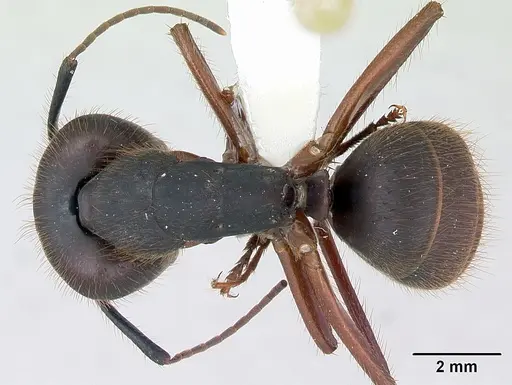
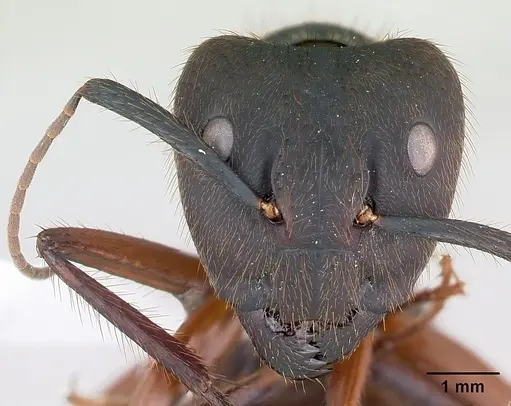
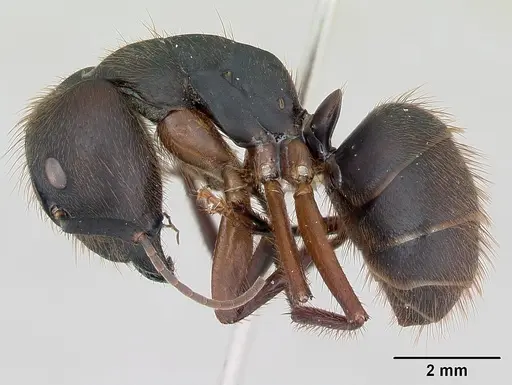
CASENT0249361
View on AntWeb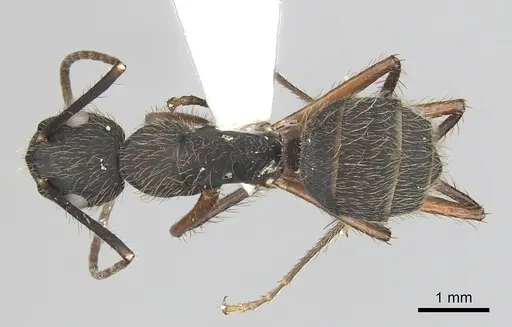
CASENT0249362
View on AntWeb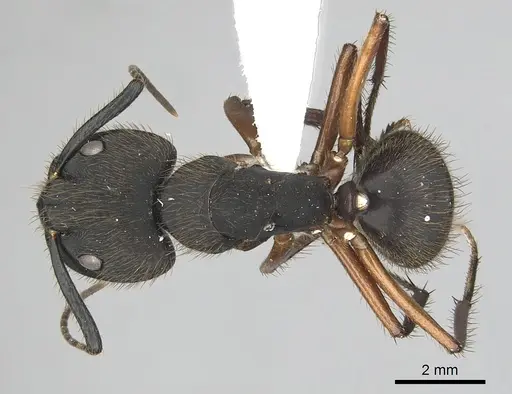
CASENT0886728
View on AntWeb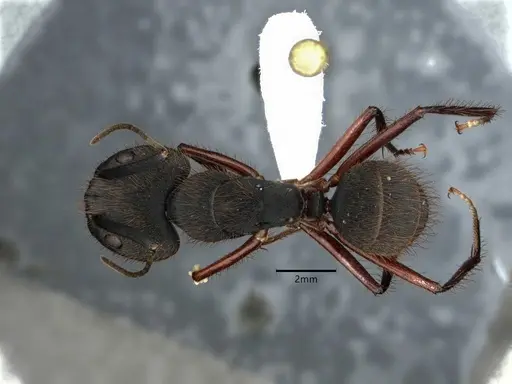
CASENT0905366
View on AntWeb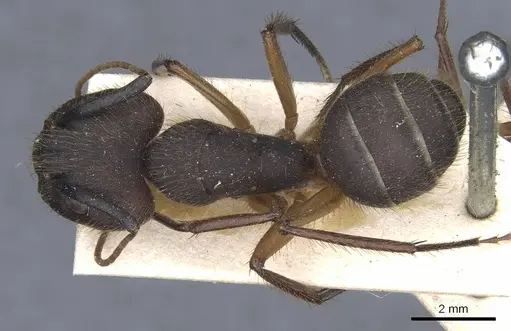
CASENT0905367
View on AntWeb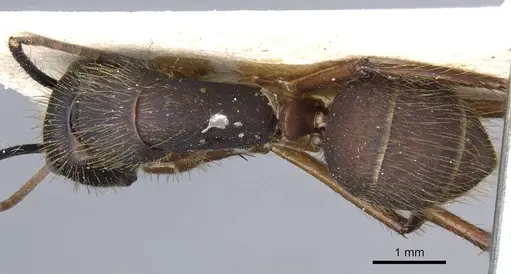
CASENT0910358
View on AntWeb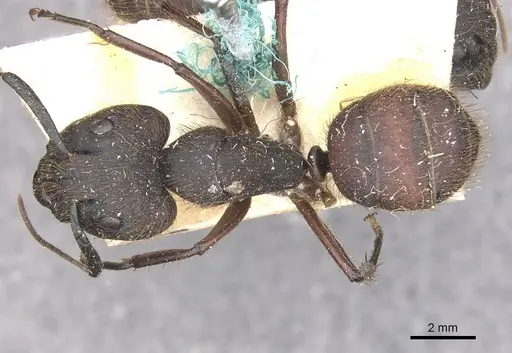
CASENT0910359
View on AntWeb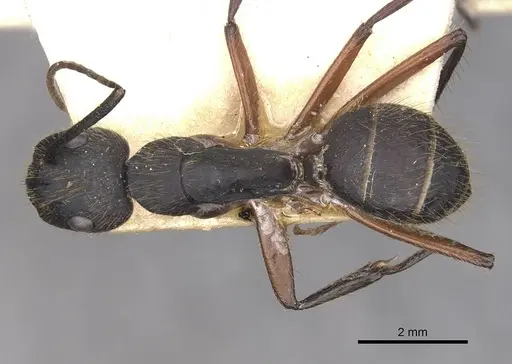
CASENT0911814
View on AntWeb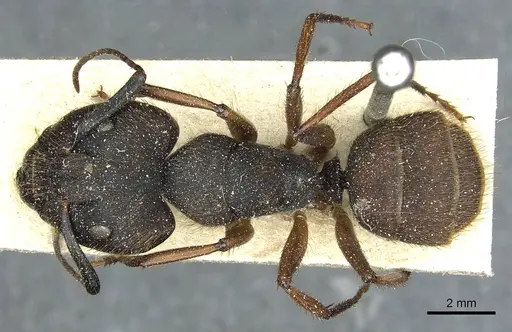
CASENT0923549
View on AntWeb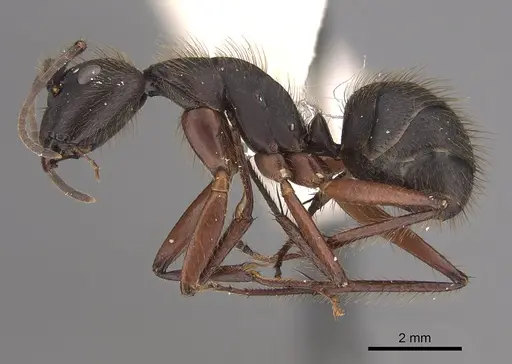
CASENT4032246
View on AntWeb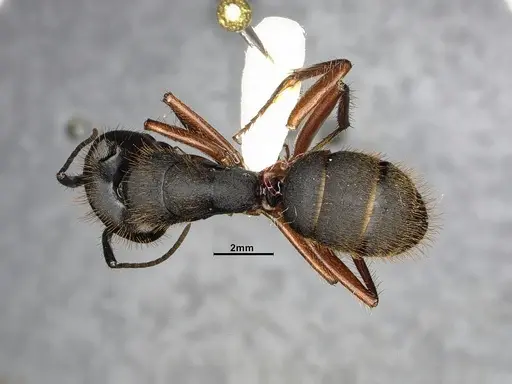
FMNHINS0000062988
View on AntWeb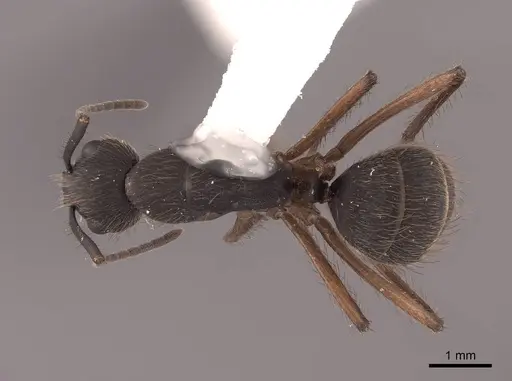
Literature
Loading...Loading products...