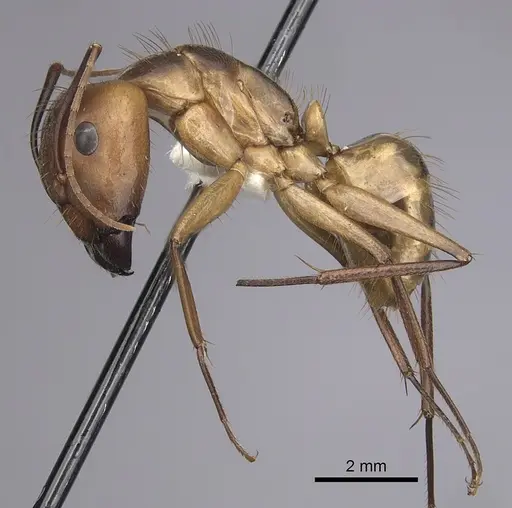
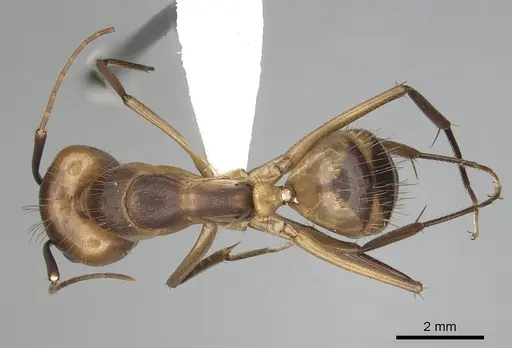
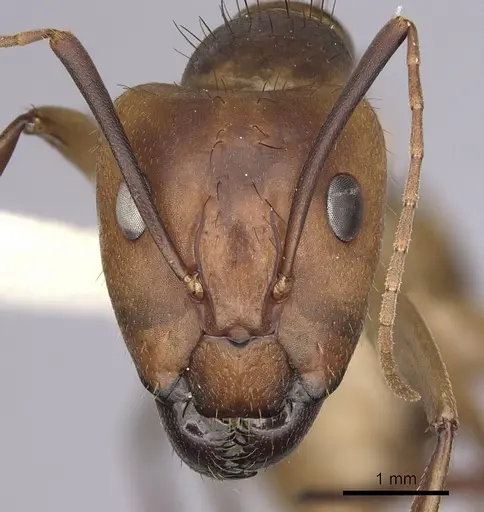
Camponotus fumidus - "Unknown Common Name (Carpenter Ant)"
Camponotus fumidus is a species of carpenter ant, part of the diverse and widespread Camponotus genus. Like other carpenter ants, they are known for their ability to chew through wood to create nests, though they don't consume it. These ants are polymorphic, meaning workers come in different sizes, from minors to larger majors, each potentially having different roles within the colony. Their coloration can vary, but generally, carpenter ants often exhibit black to brown hues. This species, like many Camponotus, can be quite striking in appearance.
- Difficulty: Medium
- Origin & Habitat: Neotropical Region, including Venezuela (type locality), Mexico, Argentina, Brazil, Lesser Antilles, and the Bahamas, with possible presence in Arizona, Texas, New Mexico, Jamaica, Hispaniola, and Chile. in Forested areas, but can also be found in deserts, grasslands, boreal forests, and urban/suburban areas. They typically nest in wood (often rotten or semi-dead branches) or soil..
- Colony Type: Monogyne, claustral founding.
- Size & Growth:
- Queen: Not specified
- Worker: Not specified
- Colony: Medium (thousands) to Large (tens of thousands). Slow growth.
- Antkeeping:
- Temperature: Camponotus species generally prefer warmth for brood development, ideally around 24-32°C (75-90°F) in a heated section of the nest, with a cooler area around 20°C (68°F) available for the ants to regulate. Consistent warmth can encourage faster growth, but always provide a thermal gradient..
- Humidity: Camponotus fumidus generally prefers a relatively dry nest environment, with humidity levels around 50-60% in the nesting area. It's crucial to provide a consistent external water source in the outworld..
- Diapause: Required. 3-6 months at 8-13°C.
- Nesting: These ants commonly nest in wood, including decaying logs and tree cavities. In captivity, they adapt well to various setups like acrylic ant farms, Ytong nests, or natural wood setups. Ensure good ventilation..
- Behavior: Low (towards handler, but can be aggressive towards other ants or prey) aggressiveness.
- Common Issues: Mold in nest, Colony stalling (especially in early stages), Humidity fluctuations, Queen stress (can lead to egg eating).
Keeping Camponotus fumidus requires a bit of patience, especially during the founding stage, as their colony growth rate can be quite slow initially. Queens are claustral, meaning they don't need feeding until their first workers emerge. Once the nanitics arrive, a consistent protein and sugar diet is vital for healthy development. Remember, each colony can have unique preferences, so offering a variety of food sources is a good practice to ensure they get all the necessary nutrients. Don't be discouraged by seemingly slow progress; these colonies are a long-term commitment that truly pays off with a thriving community.
Temperature regulation is key for these carpenter ants. While they appreciate a warm spot for their brood to develop quickly, having a cooler area in their formicarium or outworld is crucial. This allows the colony to thermoregulate, moving their brood and themselves to the optimal temperature zones. A heating mat placed under only a portion of the nest, away from the main moisture source, is an excellent way to create this thermal gradient. Observing where your ants congregate can give you clues about their preferred temperature.
Hydration is important, but Camponotus fumidus generally prefers a drier nest environment. This is a common trait among many carpenter ant species. Overly humid conditions can lead to mold growth, which is a common issue in antkeeping setups and can be detrimental to your colony's health. Always ensure excellent ventilation in your chosen nest setup and provide external water sources like a test tube with water or a hydration system in the outworld to meet their drinking needs.
Like many Camponotus species, Camponotus fumidus workers are polymorphic, showcasing a range of sizes from smaller minors to robust majors. These majors, often called 'soldiers' by antkeepers, play a vital role in processing larger food items with their powerful mandibles. It's fascinating to observe the different roles these castes undertake as the colony grows. While they don't possess a functional sting, they can bite and spray formic acid as a defense, so handle with care.
Frequently Asked Questions
What should I feed my Camponotus fumidus colony?
These carpenter ants are omnivores and thrive on a varied diet. Offer them sugar sources like honey water or sugar water, and protein from freshly killed insects such as fruit flies, mealworms, crickets, or even small bits of cooked chicken. Remember, young colonies might prefer smaller prey like fruit flies, which are easier for them to manage.
Do Camponotus fumidus need hibernation?
Yes, Camponotus species, including C. fumidus, typically require a period of diapause, often referred to as hibernation. This usually lasts for 3 to 6 months at cooler temperatures, ideally between 8-13°C (46-55°F). This rest period is crucial for the colony's long-term health and encourages brood production after diapause.
How fast do Camponotus fumidus colonies grow?
Camponotus fumidus colonies are known for their slow growth rate, particularly during the initial founding stage. It can take several weeks for the first workers to emerge, and colonies in their first year might only reach a few tens of workers. Patience is key when keeping these fascinating ants.
What is the best temperature for Camponotus fumidus?
For optimal brood development, aim for a warm spot in the nest between 24-32°C (75-90°F). However, it's vital to provide a temperature gradient so the ants can self-regulate and move to cooler areas if needed, perhaps around room temperature (20°C/68°F).
What kind of nest is best for Camponotus fumidus?
Being carpenter ants, they are well-suited for setups that mimic their natural wood-nesting tendencies. Acrylic nests, Ytong (aerated concrete) setups, or even natural wood nests are good options. For founding queens, a simple test tube setup is often the best start. Ensure good ventilation to prevent mold.
Are Camponotus fumidus aggressive?
Camponotus fumidus are generally considered to have low aggression towards handlers. However, like other carpenter ants, they can be aggressive towards rival ant colonies or prey items. While they don't sting, they can bite and spray formic acid as a defensive mechanism.
How long does it take for eggs to hatch and become workers?
The development time from egg to adult worker for Camponotus species can vary, but generally, it takes about 7 to 10 weeks under optimal conditions. The larval stage is usually the longest before pupation.
Do Camponotus fumidus queens need to be fed during founding?
No, Camponotus fumidus queens are claustral, meaning they can sustain themselves and their first brood using their stored fat reserves. You do not need to feed them until the first nanitic workers emerge.
How humid should the nest be for Camponotus fumidus?
These ants prefer a relatively dry nesting environment, with humidity around 50-60%. Excessive humidity can lead to mold issues. Always provide a separate external water source to ensure they have access to moisture for drinking.
What are majors and super majors?
Majors and super majors are larger worker castes within polymorphic ant species like Camponotus fumidus. They typically have larger heads and stronger mandibles, specializing in tasks such as defense and processing harder food items. They usually start appearing as the colony matures, often in the second or third year.
Can I keep multiple Camponotus fumidus queens together?
No, Camponotus fumidus colonies are typically monogyne, meaning they will only accept a single queen. Introducing multiple queens to the same setup will likely result in them fighting until only one survives.