

Camponotus braunsi
- Scientific Name
- Camponotus braunsi
- Subgenus
- Myrmisolepis
- Tribe
- Camponotini
- Subfamily
- Formicinae
- Author
- Mayr, 1895
- Common Name
- Dr Brauns's Sugar Ant
- Distribution
- Found in 6 countries
Camponotus braunsi Overview
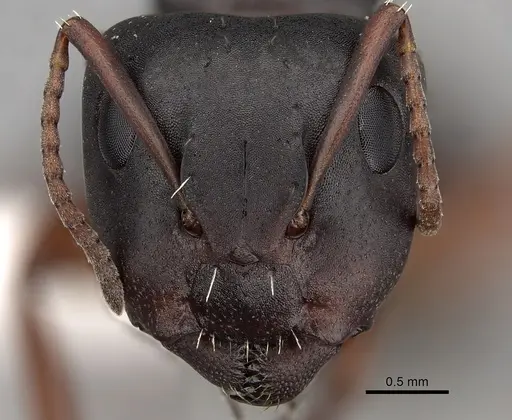
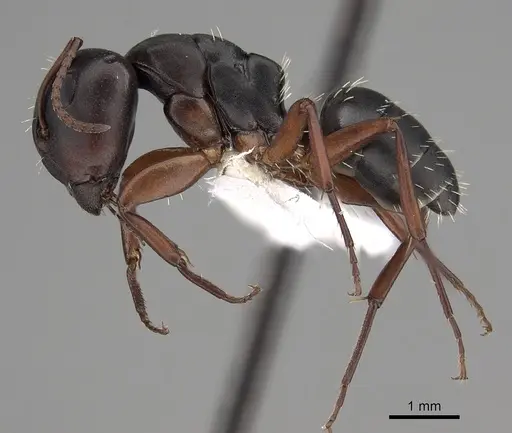
Camponotus braunsi (commonly known as the Dr Brauns's Sugar Ant) is an ant species of the genus Camponotus. It is primarily documented in 6 countries , including Botswana, Kenya, Tanzania. Detailed taxonomic data and occurrence records can be further explored via authoritative databases such as AntWeb or the Global Biodiversity Information Facility (GBIF).
Camponotus braunsi - "Dr Brauns's Sugar Ant"
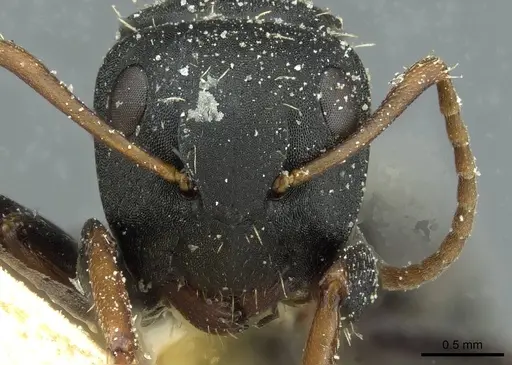
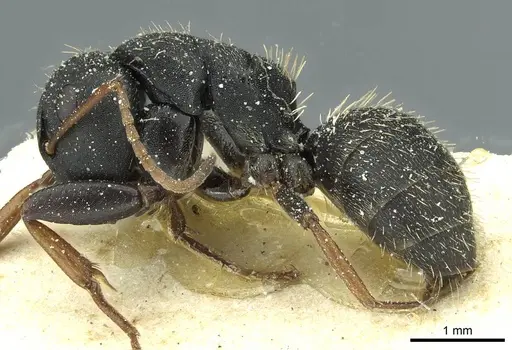
Camponotus braunsi is a medium-sized African carpenter ant found across East Africa, from Mozambique north through Tanzania and Kenya to Somalia, with populations also in the Democratic Republic of Congo and Zimbabwe [1][2]. Workers come in two sizes: minors measure around 4.5mm while majors are nearly twice as large at about 8mm [1]. This species is a classic 'sugar ant', they have a strong preference for sugary liquids and are often found tending aphids or feeding on honeydew in their native savanna habitat [3].
What makes C. braunsi interesting is its arboreal nesting habits, unlike many ground-nesting Camponotus, this species nests in dead branches and twigs found in and around savanna trees, particularly Vachellia (acacia) species [1]. They are generalists when it comes to tree selection, reported on multiple Vachellia species but notably NOT inhabiting the swollen thorn domatia that some ants specialize in [1]. This arboreal lifestyle means they adapt well to Y-tong nests or other setups that provide wood-based nesting chambers.
Quick Summary
- Difficulty: Easy
- Origin & Habitat: East African savanna, found in Mozambique, Kenya, Tanzania, Zimbabwe, and Democratic Republic of Congo. Nests in dead branches on trees, particularly Vachellia (acacia) species in woodland areas [1][2].
- Colony Type: Likely monogyne (single queen) based on typical Camponotus patterns. Colony size appears modest, the largest single collection event found 17 workers on one tree [1].
- Colony: Monogyne
- Founding: Claustral
- Size & Growth:
- Queen: Unconfirmed, estimated 12-15mm based on genus patterns for a major worker species
- Worker: Minor workers 4.5mm, major workers 8mm total length [1]
- Colony: Likely several hundred workers based on typical Camponotus colony sizes and the modest collection numbers reported
- Growth: Moderate, typical for Camponotus
- Development: Estimated 6-10 weeks based on typical Camponotus development at warm temperatures (Development time is inferred from genus patterns, direct measurements for this species are not available)
- Antkeeping:
- Temperature: Keep at 24-28°C. East African origin suggests they prefer warm conditions year-round [1]. A heating cable on one side of the nest creates a gradient for the colony to self-regulate.
- Humidity: Moderate humidity around 50-60%. Being arboreal-nesting, they prefer slightly drier conditions than ground-nesting species. Allow the nest to dry out between waterings.
- Diapause: Unlikely, as a tropical/subtropical East African species, they probably do not require a true hibernation. Keep warm year-round.
- Nesting: Y-tong (AAC) nests work well given their arboreal nature. Alternatively, a naturalistic setup with cork or wood branches. Avoid fully soil-based setups, they prefer dry, wood-based chambers.
- Behavior: Generally calm and non-aggressive for a Camponotus species. They are primarily sugar-loving and will readily take honey water, sugar water, and honeydew. Majors have the typical large head of carpenter ants but are not particularly aggressive. They are moderate escape artists, use standard barriers but they are not as tiny as some species. Foraging activity is primarily during warmer hours.
- Common Issues: colonies can stall if kept too cool, maintain warm temperatures year-round, dry nesting conditions are important, overwatering can cause fungal problems in their wood-based nests, wild-caught colonies may be difficult to establish if the queen was damaged during collection, major workers are large enough to be noticed but not aggressive, standard escape prevention is sufficient, sugar spills can attract mold in the outworld, clean up sweet spills promptly
Housing and Nest Setup
Camponotus braunsi does well in Y-tong (acrylic aerated concrete) nests, which mimic their natural arboreal habitat of dead wood and branches. The chambers should be appropriately sized, not too large for a starting colony, but with room to expand. A small outworld connected to the nest allows for foraging. Because they are arboreal nesters, avoid fully soil-based formicariums. Some keepers successfullly keep them in naturalistic setups with cork bark or actual wood branches. Ensure the nest material stays relatively dry, these ants prefer conditions that are moist in the outworld but dry in the nesting area. [1]
Feeding and Diet
As a 'sugar ant, ' C. braunsi has a strong preference for sweet liquids. Offer sugar water, honey water, or diluted honey constantly via a test tube feeder. They will readily take these sugar sources. For protein, offer small insects like fruit flies, small mealworms, or cricket pieces. They are not aggressive predators but will accept protein when offered. In the wild, they feed heavily on honeydew from aphids and scale insects, and have been documented feeding on dead bees in apiaries [3]. A varied diet with constant sugar access and occasional protein produces the best colony growth.
Temperature and Seasonal Care
Keep your colony warm at 24-28°C year-round. This species originates from East African savanna, so warmth is important for activity and brood development. A heating cable placed on one side of the nest creates a temperature gradient that allows the ants to regulate their own conditions. Unlike temperate species, they do not require hibernation or a cool period. Room temperature in most homes (20-24°C) may be slightly cool, consider adding gentle bottom heat. Brood development will slow significantly below 22°C. [1]
Colony Founding
A claustral queen will seal herself in a small chamber and raise the first brood alone without foraging. The queen has stored fat reserves to sustain her through the founding claustral period. After the first nanitic (first tiny workers) emerge, the colony will begin foraging in the outworld. Founding colonies should be kept in a quiet, dark location with minimal disturbance. Do not feed during the claustral phase, the queen and her first brood rely entirely on the queen's body reserves until nanitics arrive.
Behavior and Temperament
C. braunsi is a calm, non-aggressive species that makes an excellent beginner Camponotus. Workers are active foragers but not particularly defensive. The majors, while visually imposing with their large heads, rarely bite and their mandibles are more suited to carpenter work than defense. They are primarily active during warmer parts of the day in the wild. In captivity, they adjust their activity to when food is available. They are not extreme escape artists but standard barrier methods (Fluon on test tube rims, tight-fitting lids) work well. [1][3]
Frequently Asked Questions
How long does it take for Camponotus braunsi to raise first workers?
Expect first workers (nanitics) to emerge in 6-10 weeks after the queen lays eggs, assuming temperatures around 26°C. This is typical for Camponotus species. The exact timeline depends on how warm the colony is kept.
What do Camponotus braunsi ants eat?
They are sugar-loving ants. Offer constant access to sugar water, honey water, or diluted honey. For protein, provide small insects like fruit flies, small mealworms, or cricket pieces. They will readily take sweet liquids and will supplement with protein.
Can I keep Camponotus braunsi in a test tube?
Yes, test tubes work well for founding colonies. Use a standard test tube setup with a water reservoir. Once the colony reaches 20-30 workers, consider moving to a Y-tong or small formicarium with proper nesting chambers.
Do Camponotus braunsi need hibernation?
No. As an East African species from tropical/subtropical regions, they do not require hibernation. Keep them warm year-round at 24-28°C for optimal growth and activity.
How big do Camponotus braunsi colonies get?
Based on typical Camponotus patterns and the modest collection sizes reported, colonies likely reach several hundred workers at maturity. They are not among the largest Camponotus species.
What temperature is best for Camponotus braunsi?
Keep them at 24-28°C. East African origin means they prefer warm conditions. A heating cable on part of the nest creates a gradient they can use to self-regulate.
Are Camponotus braunsi good for beginners?
Yes, they are considered an easy species. They are calm, not aggressive, and have straightforward care requirements. Their main needs are warmth, sugar food, and appropriate arboreal-style housing.
When should I move my Camponotus braunsi colony to a formicarium?
Move from a test tube to a proper nest (Y-tong or naturalistic) once the colony reaches around 20-30 workers and the test tube is becoming cramped. They prefer dry, wood-based nesting conditions.
Why is my Camponotus braunsi colony not growing?
Check temperature first, they need warmth (24-28°C) for proper brood development. Also ensure they have constant sugar access and occasional protein. If the queen appears inactive or the colony is in a location with temperature fluctuations, that may be the cause.
References

This caresheet is licensed under CC BY-SA 4.0 .
CASENT0280289
View on AntWeb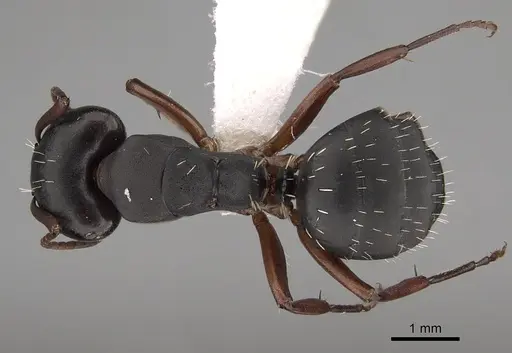
CASENT0280290
View on AntWeb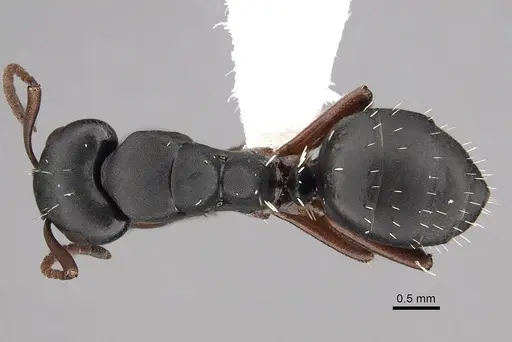
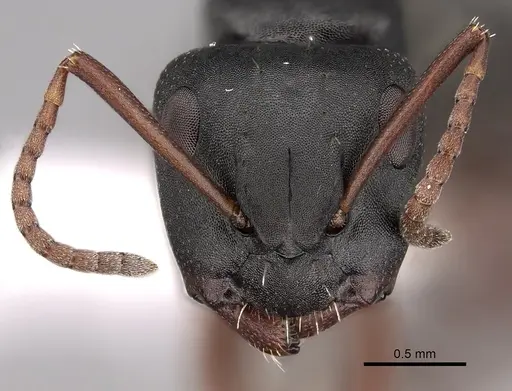
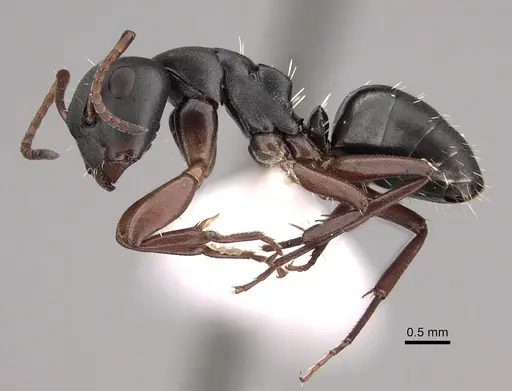
CASENT0814443
View on AntWeb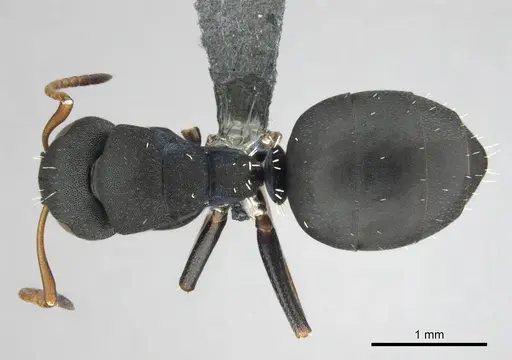
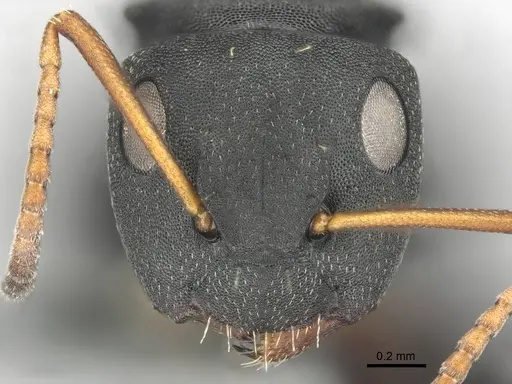
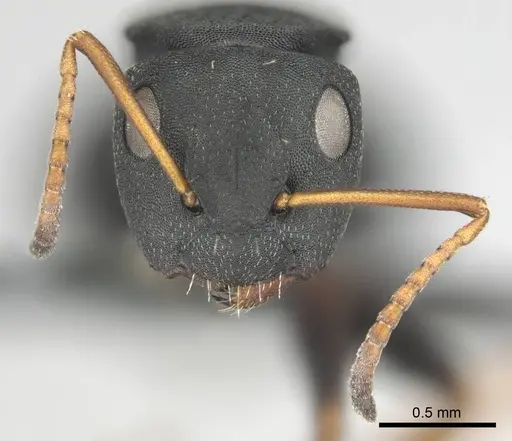
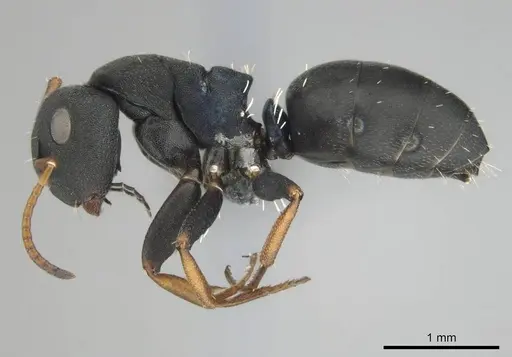
CASENT0905435
View on AntWeb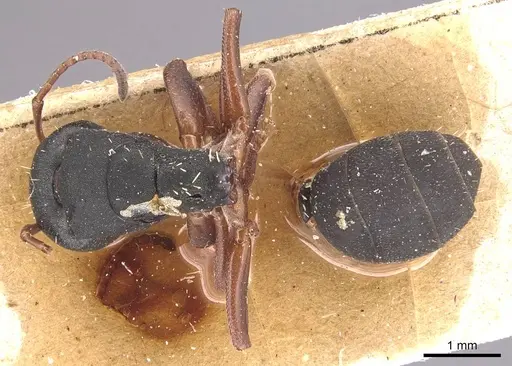
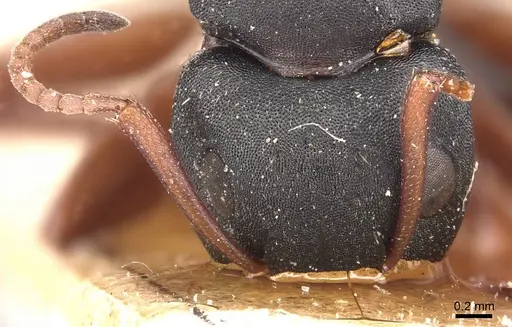
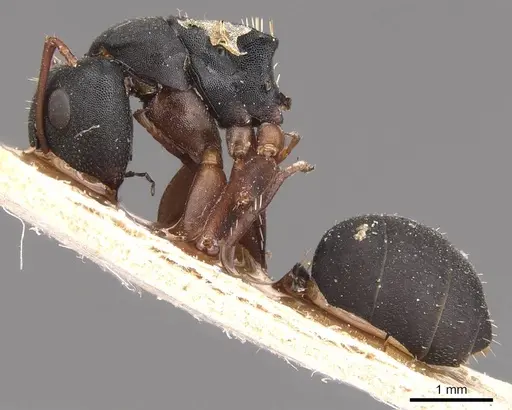
CASENT0905436
View on AntWeb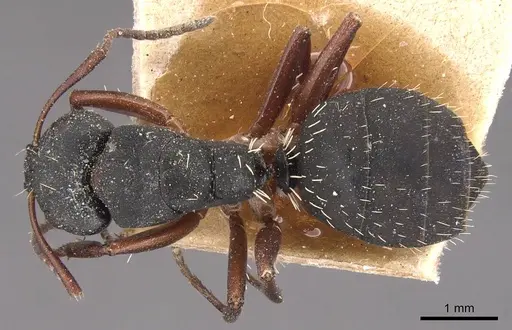
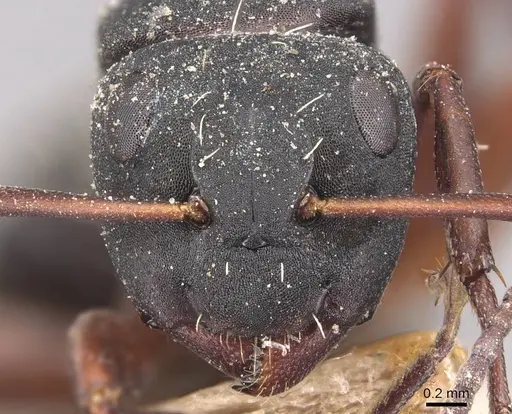
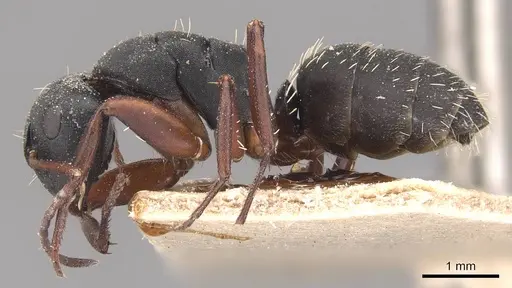
CASENT0911716
View on AntWeb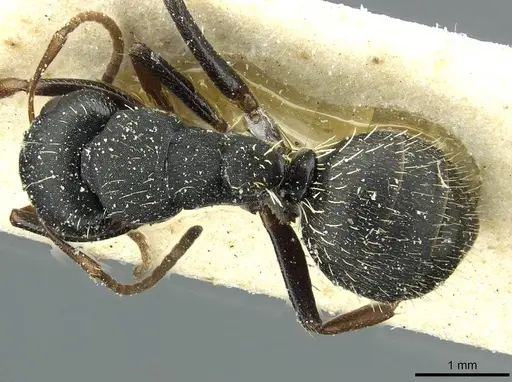
CASENT0911717
View on AntWeb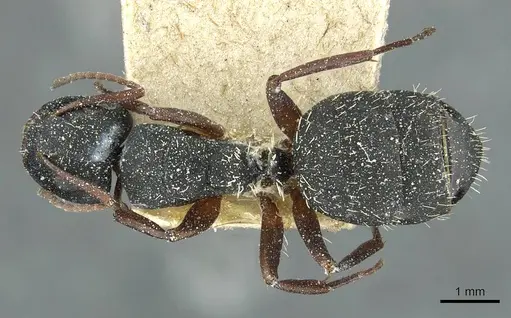
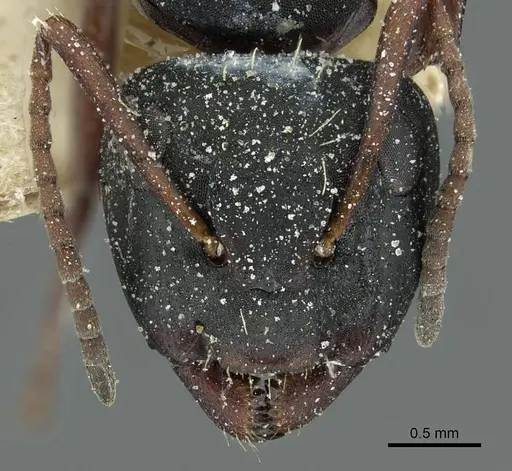
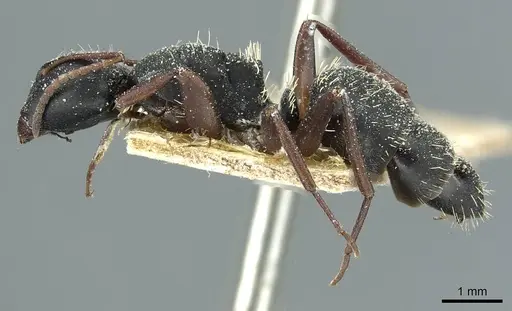
CASENT0911718
View on AntWeb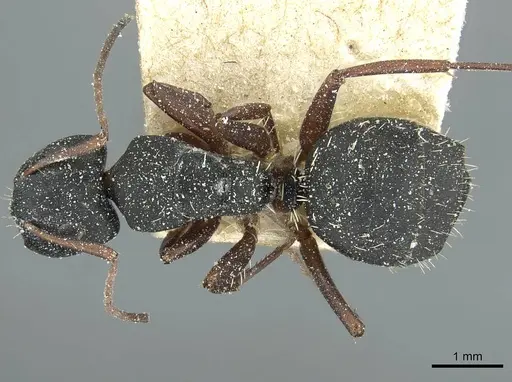
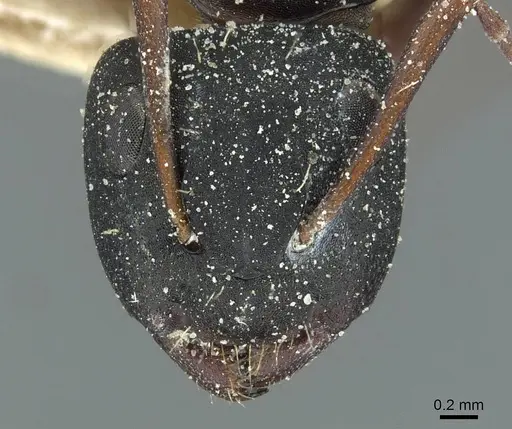
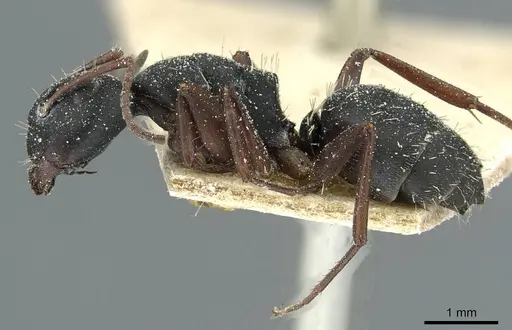
CASENT0911719
View on AntWeb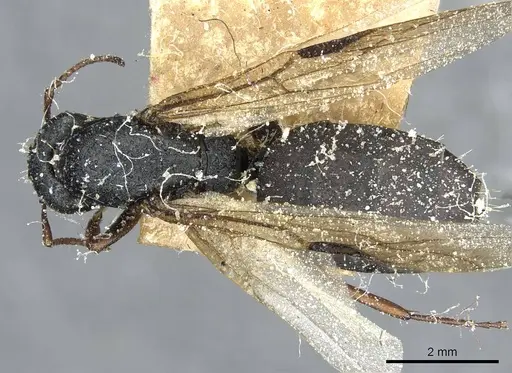
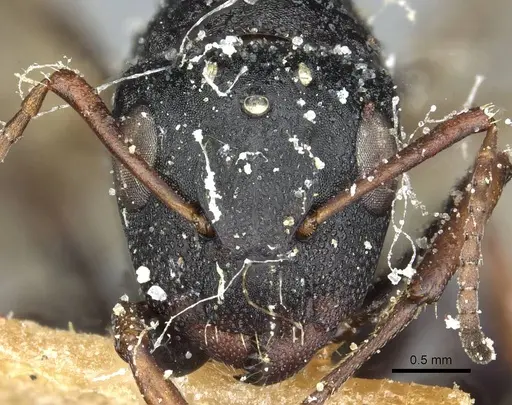
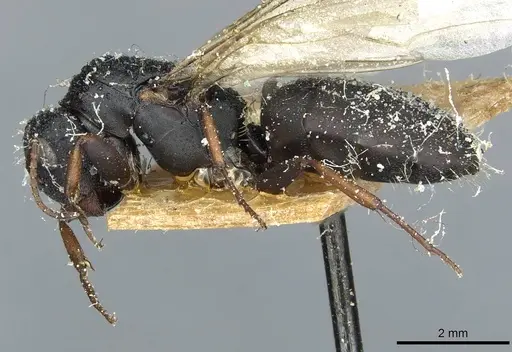
Literature
Loading...Loading products...