

Camponotus guanchus
- Scientific Name
- Camponotus guanchus
- Subgenus
- Myrmentoma
- Tribe
- Camponotini
- Subfamily
- Formicinae
- Author
- Santschi, 1908
- Distribution
- Found in 1 countries
Camponotus guanchus Overview
Camponotus guanchus is an ant species of the genus Camponotus. It is primarily documented in 1 countries , including Spain. Detailed taxonomic data and occurrence records can be further explored via authoritative databases such as AntWeb or the Global Biodiversity Information Facility (GBIF).
Camponotus guanchus
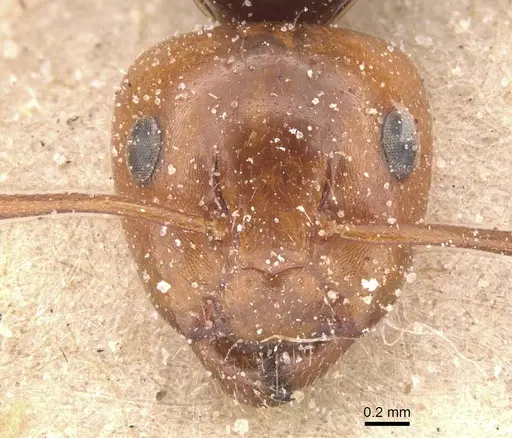
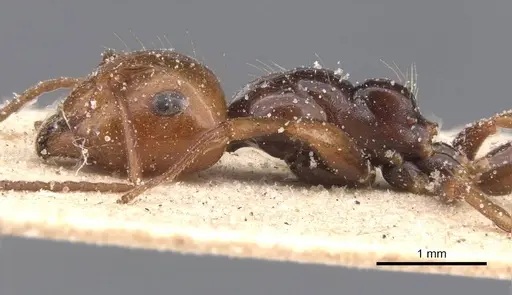
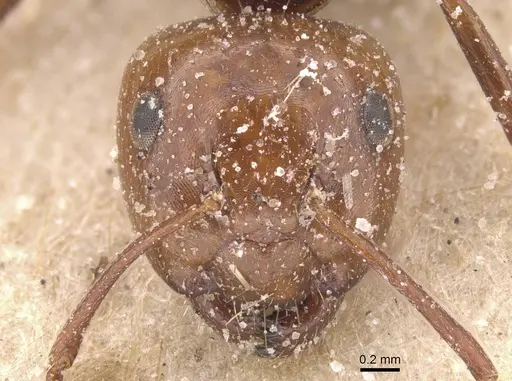
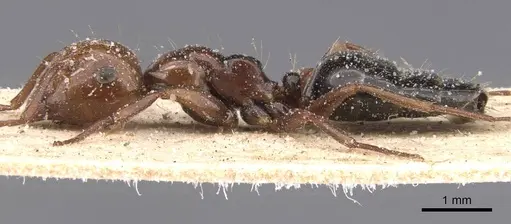
Camponotus guanchus is a medium-sized carpenter ant endemic to the Canary Islands. Workers measure around 5-8mm, with the queen being larger at 9-11mm. They have the typical Camponotus body shape with a distinct constriction between the mesosoma and gaster. The species belongs to the Camponotus lateralis species group, characterized by a convex dorsal propodeum and a narrow but thick petiolar node. Their coloration is generally dark with lighter appendages, typical of many Mediterranean Camponotus species [1][2].
This ant is found exclusively on the Canary Islands of Tenerife, La Palma, and El Hierro, where it nests in dead wood and rock crevices within thermophile juniper forests. The species was originally described as a variety of Camponotus lateralis but was elevated to full species status in 1993. A notable observation from December 2003 found winged queens and males inside nests, suggesting reproductive activity during the winter months, quite different from temperate species that typically fly in summer [1].
Quick Summary
- Difficulty: Easy
- Origin & Habitat: Endemic to the Canary Islands (Tenerife, La Palma, and El Hierro). Found in thermophile juniper forests where they nest in dead wood and rock crevices [1]. This is a warm, dry to moderately humid island environment.
- Colony Type: Single-queen (monogyne) colonies based on typical Camponotus patterns. No documented polygyny or ergatoid replacement reproductives for this species.
- Colony: Monogyne
- Founding: Claustral
- Size & Growth:
- Queen: 9-11mm (estimated from genus patterns, not directly measured for this species)
- Worker: 5-8mm (typical for Camponotus lateralis group)
- Colony: Unknown for this specific species, but related species in the lateralis group typically reach 500-2000 workers
- Growth: Moderate, typical for Camponotus species
- Development: 6-10 weeks at optimal temperature (inferred from genus-level Camponotus data) (Development time is estimated based on typical Camponotus patterns. The first workers (nanitics) are typically smaller than mature workers.)
- Antkeeping:
- Temperature: Keep at 22-26°C. Being from a warm island environment, they prefer temperatures in the low-to-mid 20s°C. A heating cable on one side of the nest can create a gradient for them to choose their preferred spot.
- Humidity: Moderate humidity around 50-60%. They naturally nest in dead wood and rock crevices in relatively dry conditions. Allow the nest substrate to dry partially between waterings, aim for damp but not waterlogged conditions.
- Diapause: Likely minimal or no true diapause. The Canary Islands have mild winters, and winged reproductives were observed inside nests in December 2003,suggesting year-round activity with possible reduced winter activity [1]. If anything, a brief cool period (15-18°C for 4-6 weeks) may be beneficial.
- Nesting: Y-tong (AAC) nests work well, as do plaster nests or naturalistic setups with dead wood and rock pieces. They prefer tight chambers scaled to their size. Avoid overly humid conditions that could cause mold in the nest material.
- Behavior: Generally calm and non-aggressive compared to some larger Camponotus species. Workers are moderately active foragers, typically searching for honeydew and small insects. They are not particularly defensive and rarely sting. Escape risk is moderate, use standard barriers but they are not known as escape artists like some tiny species. They are primarily nocturnal or crepuscular foragers, often becoming more active in the evening hours.
- Common Issues: queen loss during founding, claustral queens sometimes fail if disturbed or if fat reserves are insufficient, mold in nests if humidity is too high or ventilation is poor, slow initial growth can lead to overfeeding, excess food spoils and causes mold, wild-caught colonies may contain parasites that can decimate the colony, test tube flooding if water reservoirs are too large or improperly set up
Nest Preferences and Housing
In the wild, Camponotus guanchus nests in dead wood and rock crevices within thermophile juniper forests on the Canary Islands [1]. This tells us they prefer dry to moderately humid conditions with access to solid nesting material they can excavate or occupy.
For captive care, Y-tong (AAC) nests or plaster nests work well. These provide the dark, enclosed spaces they naturally seek. You can also use naturalistic setups with pieces of dead wood or cork bark. The key is providing chambers scaled to their size, not too large and open, but tight enough that they feel secure.
Avoid overly humid conditions. Unlike tropical ants that need high humidity, this species does well with standard room humidity (50-60%) as long as the nest has a small water chamber for moisture. Good ventilation is important to prevent mold, but avoid placing the nest in direct airflow that would dry it out too quickly.
Feeding and Diet
Camponotus guanchus is an omnivorous forager, like most carpenter ants. In nature, they collect honeydew from aphids and scale insects, and hunt small insects and arthropods.
In captivity, offer a varied diet: sugar water or honey as a constant energy source, and protein-rich foods like mealworms, small crickets, or other insects 2-3 times per week. Remove uneaten protein within 24-48 hours to prevent mold.
During the claustral founding phase, the queen does not need food, she survives on stored fat reserves. Once the first workers (nanitics) emerge, you can begin offering tiny drops of sugar water and small prey items. Workers will typically forage more actively in the evening hours.
Temperature and Seasonal Care
Being from the Canary Islands, this species prefers warm conditions. Keep the nest area at 22-26°C, with a slight gradient if possible so workers can choose their preferred temperature. A heating cable placed on top of the nest (never underneath where it could dry out the water reservoir) can help maintain warmth.
The observation of winged queens and males inside nests in December 2003 suggests they may not have a true winter diapause [1]. Instead, they likely reduce activity slightly during the cooler months. You can provide a brief cool period at 15-18°C for 4-6 weeks during winter if you want to simulate natural cycles, but this is not strictly required.
Avoid temperatures below 15°C for extended periods, as this could stress or kill the colony.
Colony Founding
Like other Camponotus species, C. guanchus is claustral. The queen seals herself inside a small chamber and raises her first workers entirely on stored fat reserves. She does not leave to forage during this period.
For successful founding, provide the queen with a small test tube setup with a water reservoir and cotton plug. Place it in a dark, quiet location at around 22-24°C. Do not disturb her for 4-6 weeks until the first workers emerge. The founding chamber should be small enough that she feels secure, a standard test tube works well.
Common founding failures include: disturbing the queen too often, temperature fluctuations, humidity that is too high (causing mold) or too low (causing desiccation), and queens with insufficient fat reserves. If the queen appears shriveled or discolored during founding, she may not survive.
Behavior and Temperament
This is a calm, manageable species suitable for antkeepers of experience levels. Workers are moderately sized and not particularly aggressive or defensive. They are unlikely to sting, and their mandibles are not particularly powerful.
Foraging activity tends to be crepuscular or nocturnal, you may notice workers becoming more active in the evening and at night. They are not rapid growers, but steady. Colonies can live for several years with proper care.
Escape prevention is straightforward, standard barriers work well. They are not known for being particularly good climbers or escape artists, though any ant can squeeze through small gaps if determined. Use barrier gel or fluon on test tube rims if needed.
Frequently Asked Questions
How long does it take for Camponotus guanchus to produce first workers?
Expect first workers (nanitics) to emerge in 6-10 weeks at optimal temperature (22-24°C). This is typical for Camponotus species. The exact timing depends on temperature and whether the queen was well-fed before mating.
What temperature do Camponotus guanchus need?
Keep them warm at 22-26°C. A heating cable on one side of the nest creates a nice gradient. They are from the warm Canary Islands and do not tolerate cold well.
Can I keep multiple Camponotus guanchus queens together?
This species is monogyne (single-queen). Combining unrelated queens is not recommended and would likely result in fighting. Only one queen per colony.
Do Camponotus guanchus need hibernation?
Probably not a true hibernation. The Canary Islands have mild winters, and reproductives have been found inside nests in December, suggesting year-round activity with possible reduced winter activity. A brief cool period (15-18°C for 4-6 weeks) may be offered but is not required.
What do Camponotus guanchus eat?
They are omnivores. Offer sugar water or honey constantly, and protein sources like mealworms, small crickets, or other insects 2-3 times per week. Remove uneaten protein within a day or two to prevent mold.
Are Camponotus guanchus good for beginners?
Yes, they are considered easy to keep. They are calm, not aggressive, and have straightforward care requirements. Their main challenges are slow initial growth and ensuring proper founding conditions for the queen.
When should I move Camponotus guanchus to a formicarium?
Wait until the colony reaches at least 20-30 workers before moving to a formicarium. Before that, a simple test tube setup is sufficient and less stressful for the ants. Make sure the formicarium has appropriately sized chambers.
How big do Camponotus guanchus colonies get?
Based on related species in the lateralis group, colonies likely reach 500-2000 workers over several years. They are not among the largest Camponotus species.
Why is my Camponotus guanchus queen not laying eggs?
Queens sometimes take time to settle after mating. Ensure she is in a dark, quiet location with stable temperature (22-24°C) and humidity. Do not disturb her. Some queens take several weeks before laying their first eggs after establishing in captivity.
References

This caresheet is licensed under CC BY-SA 4.0 .
CASENT0911695
View on AntWeb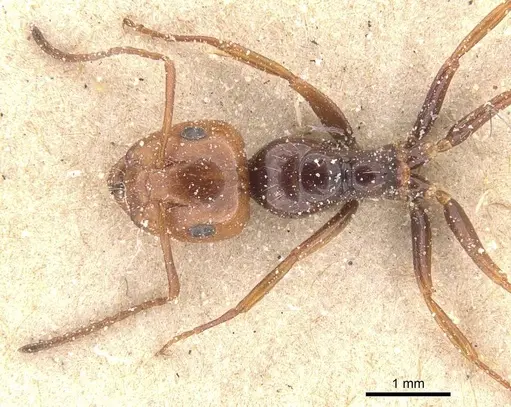
CASENT0912189
View on AntWeb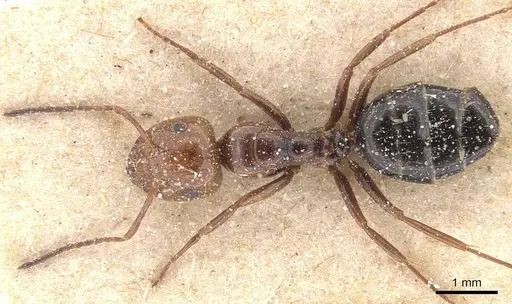
Literature
Loading...Loading products...