

Brachymyrmex tristis
- Scientific Name
- Brachymyrmex tristis
- Tribe
- Myrmelachistini
- Subfamily
- Formicinae
- Author
- Mayr, 1870
- Distribution
- Found in 1 countries
Brachymyrmex tristis Overview
Brachymyrmex tristis is an ant species of the genus Brachymyrmex. It is primarily documented in 1 countries , including Colombia. Detailed taxonomic data and occurrence records can be further explored via authoritative databases such as AntWeb or the Global Biodiversity Information Facility (GBIF).
Brachymyrmex tristis
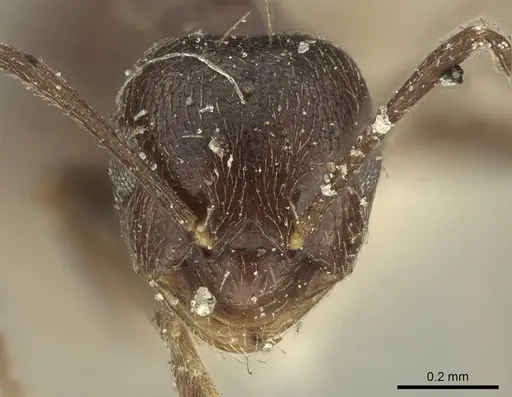
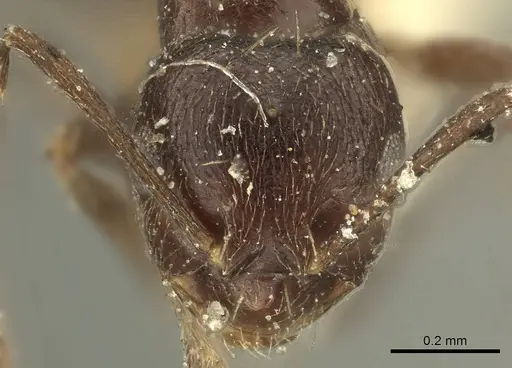
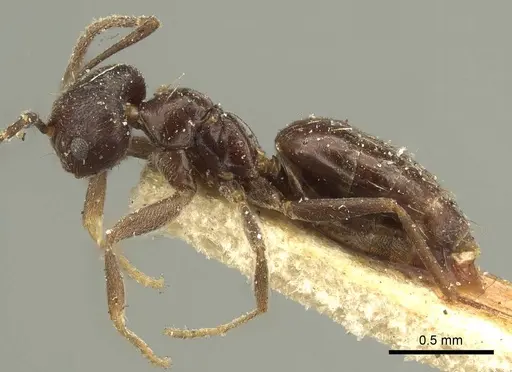
Brachymyrmex tristis is a tiny ant species native to the highlands of Colombia, specifically found in the Boyacá and Cundinamarca regions including the Bogotá area [1][2]. Workers measure just 2.3mm in total length, making them one of the smaller ant species you'll encounter [3]. They have a uniformly dark brown body with lighter-colored tarsi, and their most distinctive physical features include dense decumbent hairs on the head and a mesonotum that bulges dorsally above the pronotum in side view [1][4]. The scapes (the long segments of their antennae) extend past the back of their head by up to 1.5 times the diameter of their eye.
This species remains one of the most poorly studied ants in the world, literally nothing is known about its biology, behavior, or captive care requirements [1]. What we can tell you is that it's only found in the Colombian highlands, and it belongs to a genus (Brachymyrmex) that contains small ants often found in association with human dwellings in tropical regions. This caresheet will provide the best guidance possible based on what we know about the genus and this species' native habitat.
Quick Summary
- Difficulty: Unknown, biology completely unstudied
- Origin & Habitat: Highland Colombia (Boyacá and Cundinamarca regions, including Bogotá area). Found at higher elevations in the tropical Andes [2][5].
- Colony Type: Unconfirmed, the colony structure of this species has never been studied. Most Brachymyrmex species are monogyne (single queen), but this is not confirmed for B. tristis.
- Size & Growth:
- Queen: Not documented, queen measurements have not been published
- Worker: 2.3mm total length (workers measure HL1 0.61,HW 0.56,SL 0.61,WL 0.70mm) [3][1]
- Colony: Unknown, no colony size data exists for this species
- Growth: Unknown, no development data exists
- Development: Unknown, no development studies exist for this species. Based on similar small tropical ants, estimate 4-8 weeks at warm temperatures, but this is a rough guess. (This is entirely unstudied, any timeline would be speculation based on genus-level patterns.)
- Antkeeping:
- Temperature: Likely prefers warm conditions given Colombian highland origin. Start around 22-26°C and observe colony activity. The Bogotá area has mild temperatures year-round (average 14-19°C), so they may tolerate cooler conditions than pure tropical species.
- Humidity: No specific data exists. Most Brachymyrmex species prefer moderate humidity. Keep nest substrate lightly moist but not waterlogged, with some drier areas available.
- Diapause: Unknown, no seasonal data exists. Colombia's highland climate has minimal temperature variation year-round, so they may not require a true diapause. Consider a slight reduction in temperature during winter months rather than full hibernation.
- Nesting: No natural nesting data exists for this species. Based on genus patterns, they likely nest in soil, under stones, or in decaying wood. A test tube setup works well for founding colonies. For established colonies, a small acrylic or Y-tong nest with narrow chambers scaled to their tiny 2.3mm size would be appropriate.
- Behavior: Behavior is completely unstudied for this species [1]. Based on general Brachymyrmex patterns, they are likely relatively docile, forages for honeydew and small insects, and may form moderate-sized colonies. Their tiny 2.3mm size means they pose minimal sting risk to humans. Escape prevention is important, their small size allows them to squeeze through tiny gaps. Use fine mesh barriers and ensure all openings are sealed.
- Common Issues: completely unknown biology, this species has never been kept in captivity that we know of, so all care is speculative, no development data exists, you won't know if you're doing things right because there's no baseline, tiny 2.3mm size means excellent escape prevention is essential, they can slip through gaps that larger ants cannot, no one has documented what they eat, how they found colonies, or any basic biology, may be difficult to acquire, this species is only known from limited specimens in Colombia
Why This Species Is Different
Brachymyrmex tristis represents one of the most significant gaps in antkeeping knowledge. Unlike most ant species in the hobby, this species has had zero biological research conducted on it, not a single study has ever documented its feeding habits, colony development, queen behavior, or any aspect of its life in captivity or the wild [1]. The original description was published in 1870 by Gustav Mayr, and the most recent taxonomic work in 2019 only clarified its physical identification without adding any biological data [1][4]. This means you're truly pioneering if you attempt to keep this species. Every observation you make could be new to science. That said, this also means there's no reliable care guide, everything in this caresheet is inference from genus-level patterns, not species-specific data.
Distribution and Native Habitat
This species is known only from the Colombian highlands in the Boyacá and Cundinamarca departments, including the Santafé de Bogotá area [1][2][4]. The region around Bogotá sits at approximately 2,600 meters elevation in the Eastern Andes, giving it a cool, highland tropical climate. Average temperatures range from 10-20°C nightly to 15-24°C daily, with relatively constant temperatures year-round. Rainfall is moderate and seasonal. This suggests B. tristis may tolerate cooler temperatures than typical tropical ants, though they likely prefer warmer conditions for active foraging and brood development. The highland habitat also means they likely experience less extreme temperature swings than lowland tropical species.
Identification and Physical Characteristics
Workers are tiny at just 2.3mm total length, with detailed measurements showing head length around 0.61mm and body length (mesosoma + gaster) around 0.70mm [3][1]. The body is uniformly dark brown, with the leg tarsi being noticeably lighter in color [1][4]. Their most distinctive features are the dense decumbent (angled downward) hairs covering the head, and the mesonotum which visibly bulges above the pronotum when viewed from the side [1][4]. The antennae are relatively long, the scapes extend past the back of the head by up to 1.5 times the maximum diameter of their eye [1]. They have three ocelli (simple eyes) on the top of the head, and each eye contains only 10-12 ommatidia, indicating relatively simple vision [1].
Taxonomic Notes
Brachymyrmex tristis is morphologically very similar to two other species in the genus: Brachymyrmex degener and Brachymyrmex coactus [1]. All three species share features like scapes surpassing the posterior head margin, faint mesosoma sculpture, a bulging mesonotum, and sparse gaster pubescence. Researchers have noted that further study is needed to determine whether these are truly separate species or if they should be considered the same species (conspecific) [1]. For antkeepers, this means identification can be challenging and may require expert examination. If you obtain what you believe is B. tristis, be aware that accurate identification to species level may need verification.
Inferred Care Recommendations
Since no species-specific care data exists, we must make educated guesses based on the genus Brachymyrmex and this species' origin. These ants are tiny (2.3mm), so use test tubes with appropriate water reservoir size for founding colonies, and ensure any formicarium has chambers scaled to their small size. For temperature, start around 22-26°C and monitor activity, they may tolerate slightly cooler conditions given their highland origin. Humidity should be moderate, keep substrate lightly moist but allow some drying between waterings. For food, Brachymyrmex species typically feed on honeydew and small insects, so offer sugar water or honey and small protein sources like fruit flies or pinhead crickets. However, these recommendations are speculative, you'll need to experiment and document your observations carefully.
Legal and Ethical Considerations
Brachymyrmex tristis is native only to Colombia and has never been documented anywhere else in the world [1]. If you obtain this species, it would almost certainly be from imported stock collected in Colombia. Before acquiring any ant from this species, verify the legal requirements for keeping and transporting Brachymyrmex species in your country and jurisdiction. Additionally, consider whether wild-caught colonies are sustainable or if captive-reared stock is available. Given how poorly understood this species is, any successful captive breeding would represent a significant contribution to knowledge, consider documenting and sharing your observations with the antkeeping community.
Frequently Asked Questions
Is Brachymyrmex tristis a good species for beginners?
No, this species cannot be recommended for beginners because absolutely nothing is known about its captive care requirements. Every aspect of keeping this species would be experimental. If you're new to antkeeping, start with a species that has well-documented care requirements like Lasius niger, Camponotus floridanus, or Tetramorium bicarinatum.
What do Brachymyrmex tristis ants eat?
This has never been documented. Based on genus patterns, they likely feed on honeydew from aphids and small insects. In captivity, you could offer sugar water or honey as a carbohydrate source and small protein sources like fruit flies, pinhead crickets, or mealworm pieces. However, acceptance is completely unconfirmed, you'll need to experiment.
How long does it take for Brachymyrmex tristis to go from egg to worker?
This is entirely unknown, no development studies exist for this species. Based on similar small tropical ants, a rough estimate would be 4-8 weeks at warm temperatures (around 25°C), but this is speculation, not science. The actual timeline could be faster, slower, or completely different due to unknown factors.
Can I keep multiple Brachymyrmex tristis queens together?
This is unknown, colony structure has never been studied for this species. Most Brachymyrmex species are monogyne (single queen), but polygyny has not been ruled out for B. tristis. Combining unrelated queens is not recommended without evidence they will accept each other.
What temperature should I keep Brachymyrmex tristis at?
No specific requirements exist. Based on their Colombian highland origin (Bogotá area at 2,600m elevation), they likely prefer moderate temperatures. Start around 22-26°C and observe colony behavior. They may tolerate cooler conditions than typical tropical ants given their mountain habitat.
Does Brachymyrmex tristis need hibernation?
This is unknown. The Bogotá region has mild year-round temperatures with minimal seasonal variation, so a true diapause may not be necessary. However, a slight winter reduction in temperature (a few degrees) might be appropriate given their highland origin. Monitor your colony and adjust based on its behavior.
How big do Brachymyrmex tristis colonies get?
No colony size data exists for this species. Based on related Brachymyrmex species, colonies likely reach several hundred workers at maturity. The actual maximum is completely unknown and would be new knowledge if you successfully maintain this species.
Is Brachymyrmex tristis invasive anywhere?
This species has only been recorded from Colombia and is not known to be invasive. It has never been documented in any other country, so there's no evidence of invasive potential. However, this also means there's very little data on its ability to establish outside its native range.
Where can I get Brachymyrmex tristis ants?
This species is extremely rare in the antkeeping hobby. It would need to be collected from or imported from Colombia, and very few specimens have ever been documented. Your best option would be connecting with antkeepers or researchers in Colombia. Be very cautious about any claims of having this species, accurate identification requires expert examination due to its similarity to other Brachymyrmex species.
References

This caresheet is licensed under CC BY-SA 4.0 .
CASENT0915737
View on AntWeb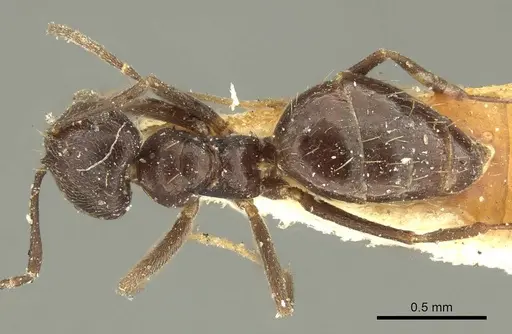
Literature
Loading...Loading products...