
Tetramorium bicarinatum exhibits a clear seasonal activity window. Peak activity is concentrated in July, with the overall period spanning January to November. This extended season suggests multiple flight events or varying conditions across its range.
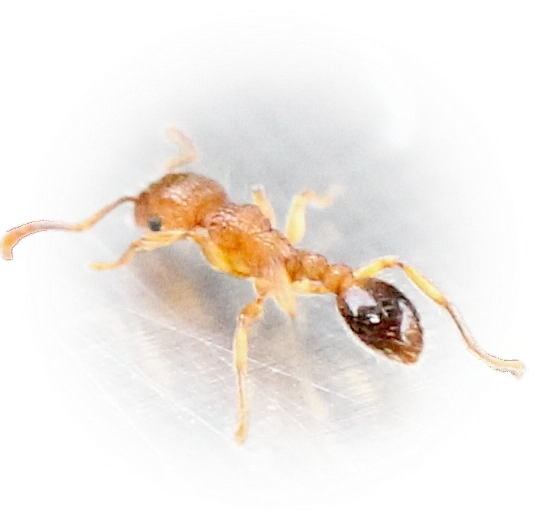
Tetramorium bicarinatum
- Scientific Name
- Tetramorium bicarinatum
- Tribe
- Crematogastrini
- Subfamily
- Myrmicinae
- Author
- Nylander, 1846
- Common Name
- Guinea Ant
- Distribution
- Found in 21 countries
- Nuptial Flight
- from January to November, peaking in July
AI Identifiable
try →
Tetramorium bicarinatum Overview
Tetramorium bicarinatum (commonly known as the Guinea Ant) is an ant species of the genus Tetramorium. It is primarily documented in 21 countries , including Australia, China, Costa Rica. Detailed taxonomic data and occurrence records can be further explored via authoritative databases such as AntWeb or the Global Biodiversity Information Facility (GBIF).
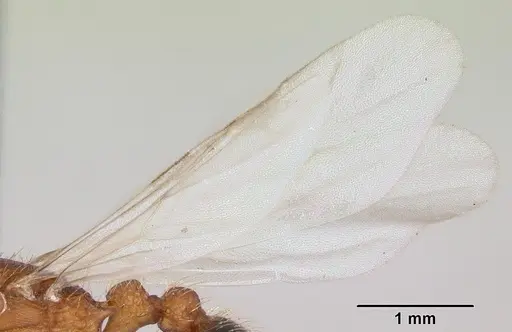
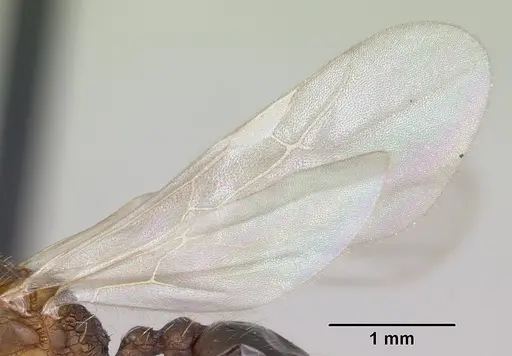
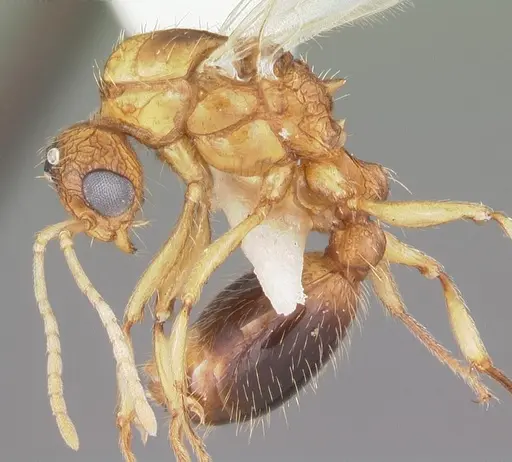
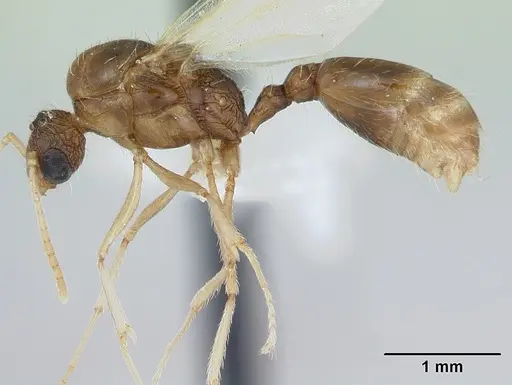
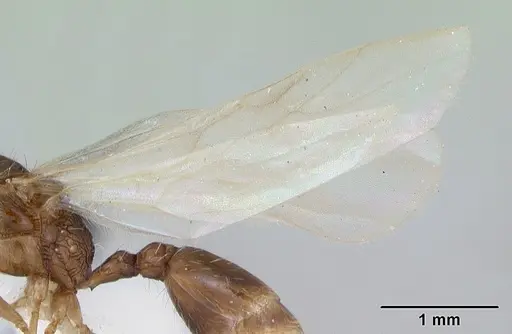
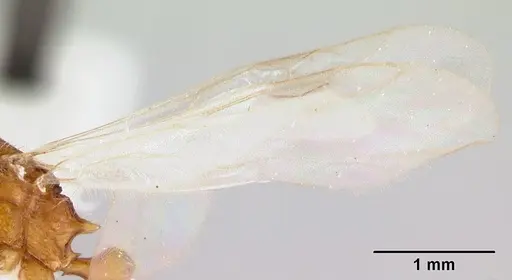
The nuptial flight of Tetramorium bicarinatum is a significant biological event, typically occurring from January to November, peaking in July. During this time, winged queens and males leave the nest to mate and establish new colonies.
Tetramorium bicarinatum - "Guinea Ant"
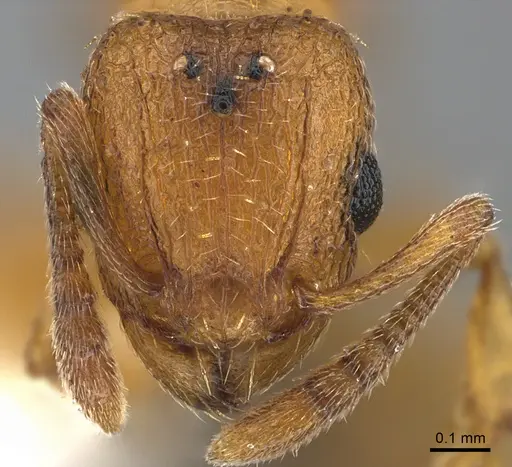
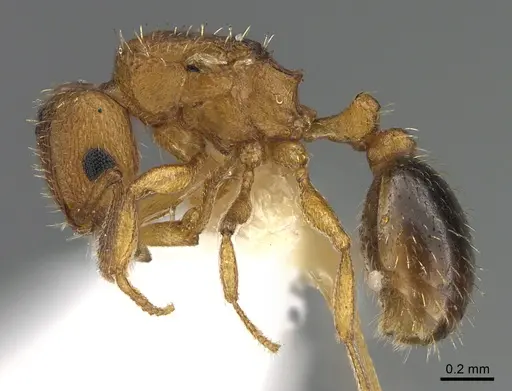
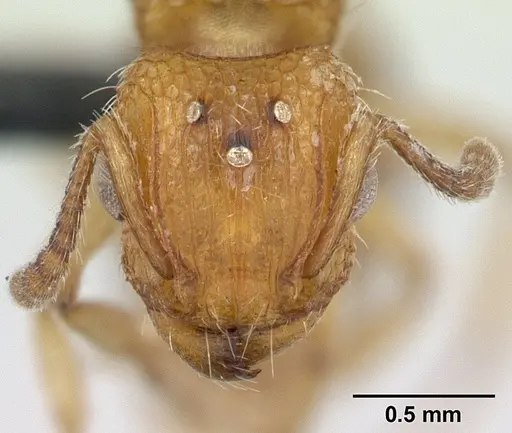
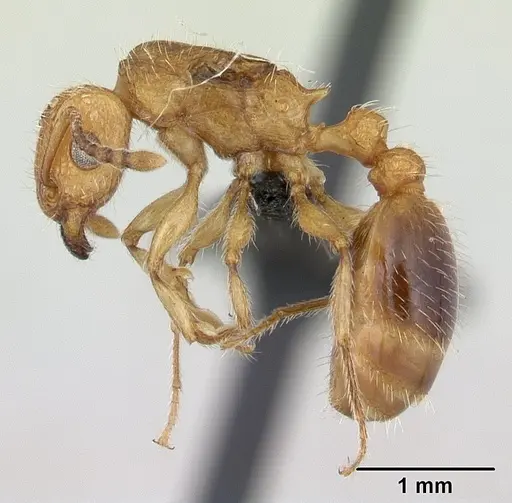
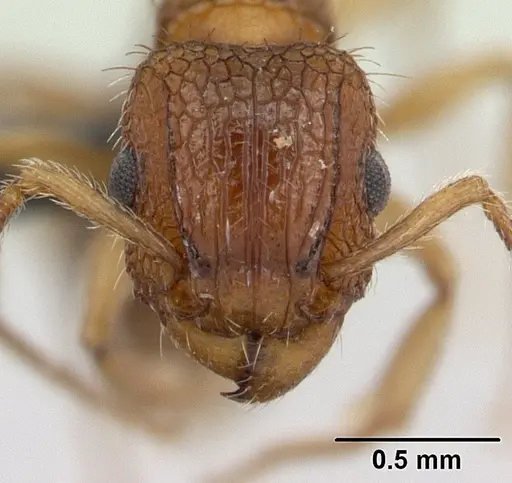
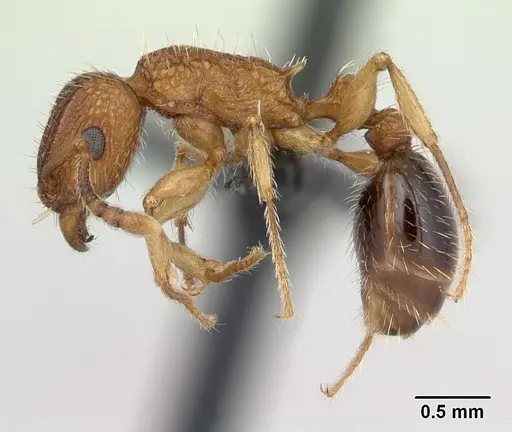
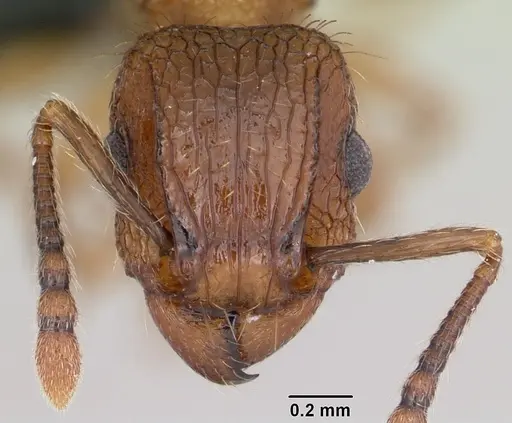
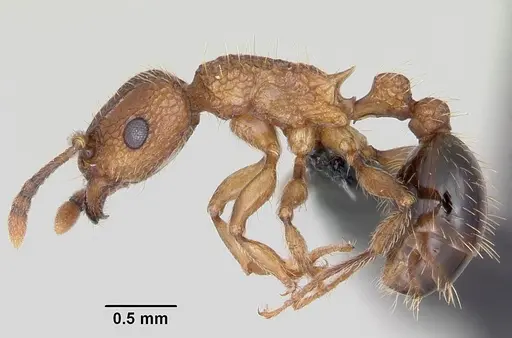
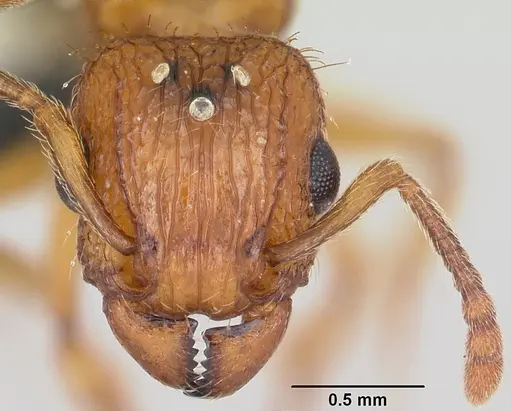
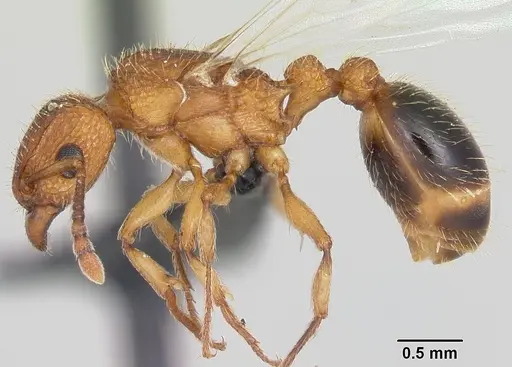
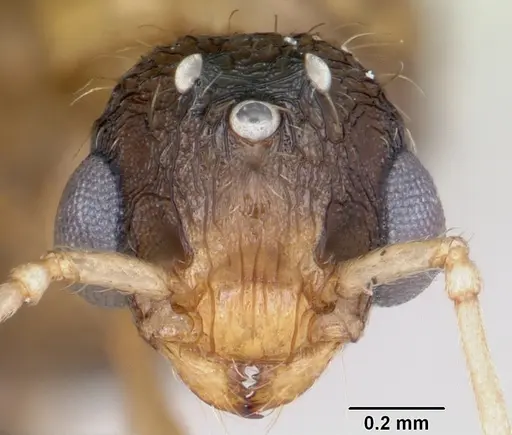
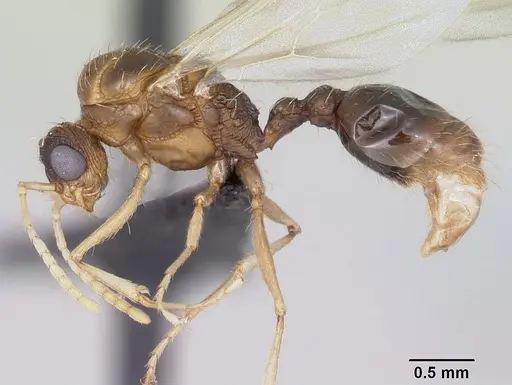
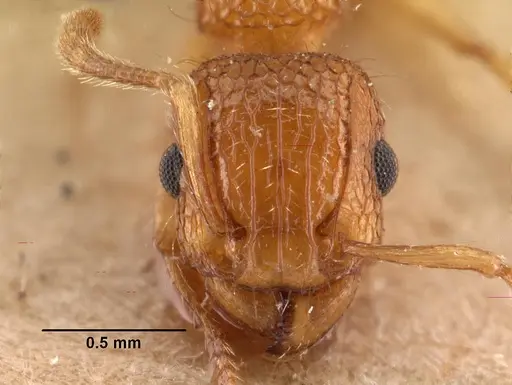
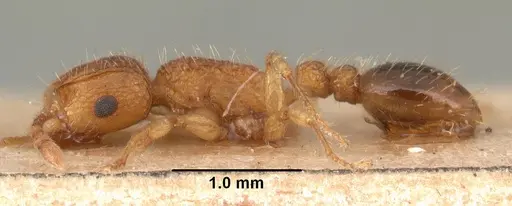
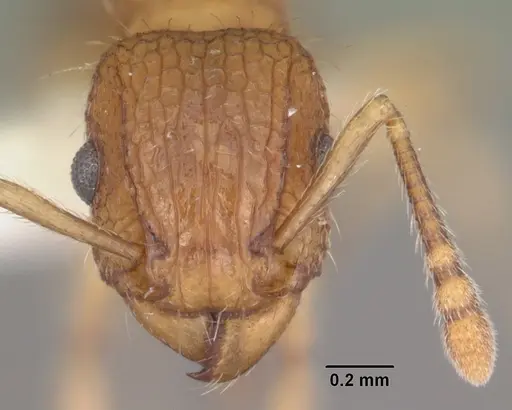
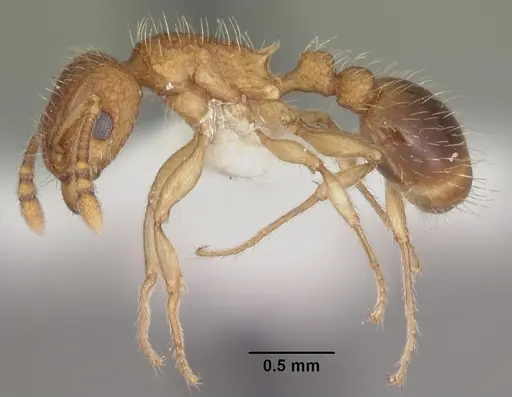
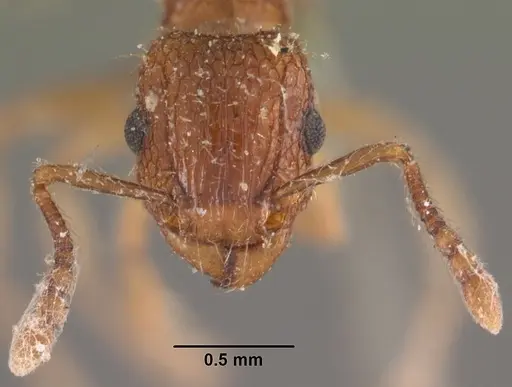
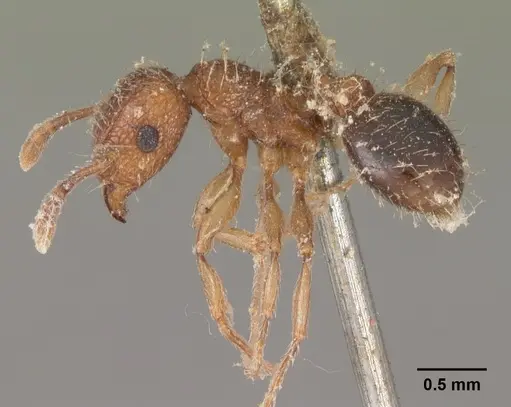
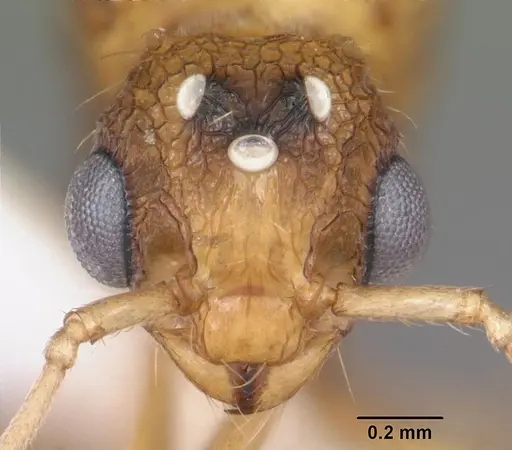
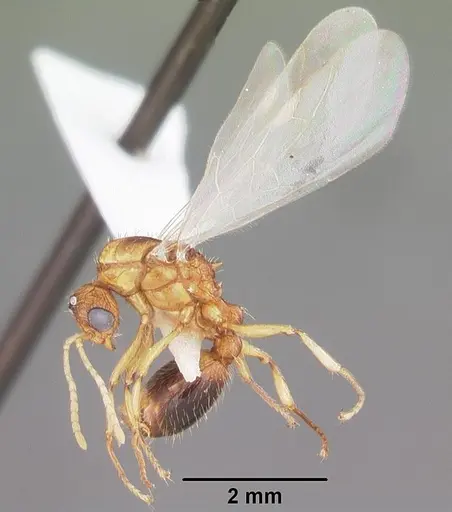
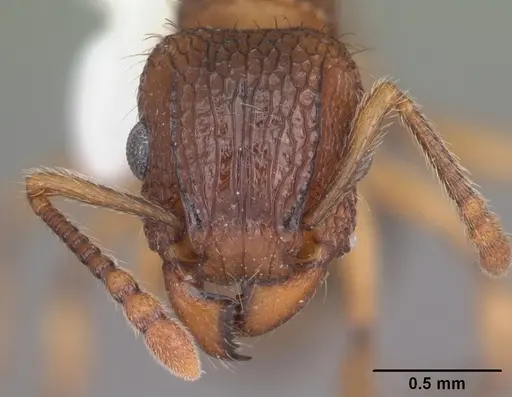
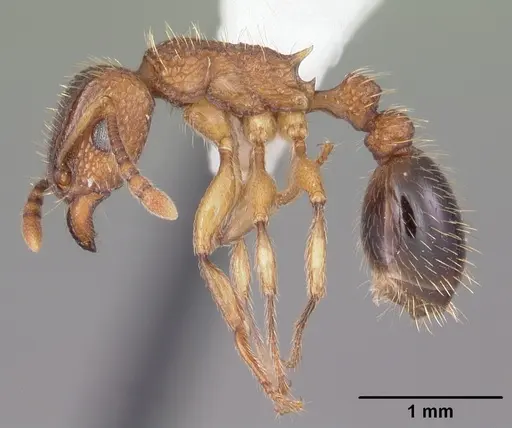
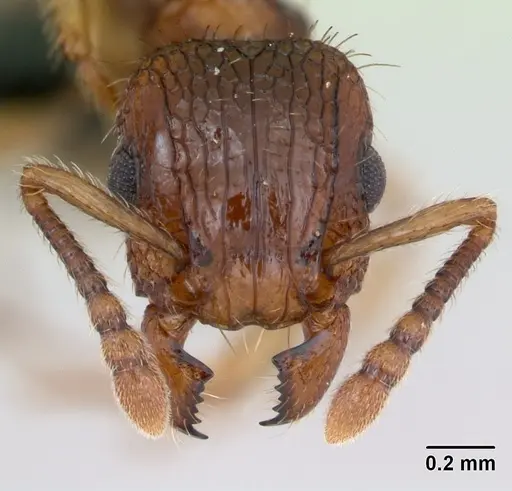
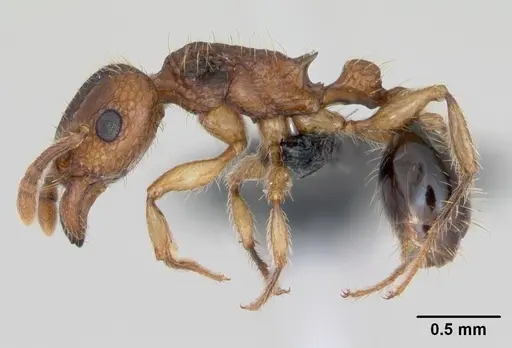
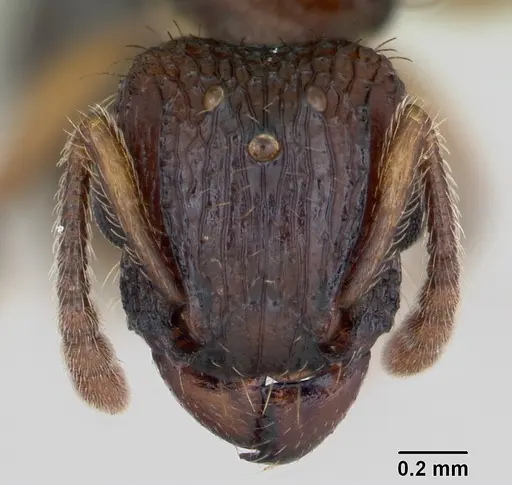
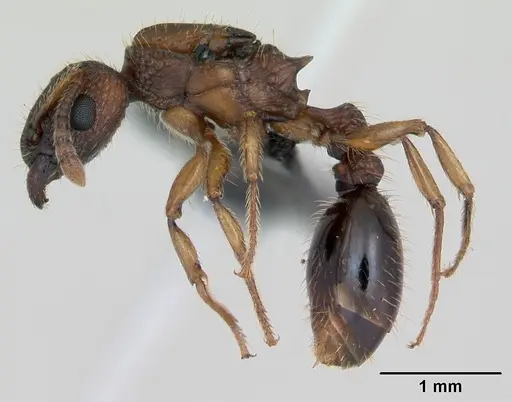
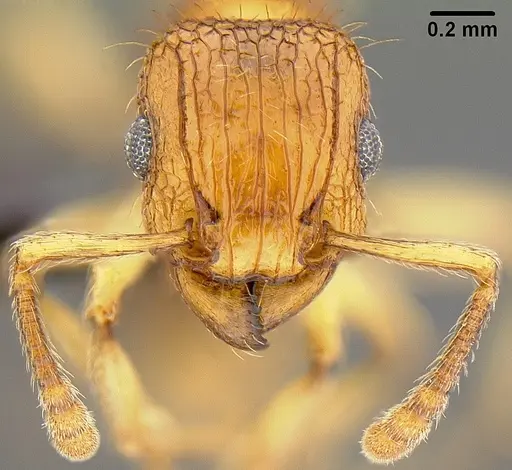
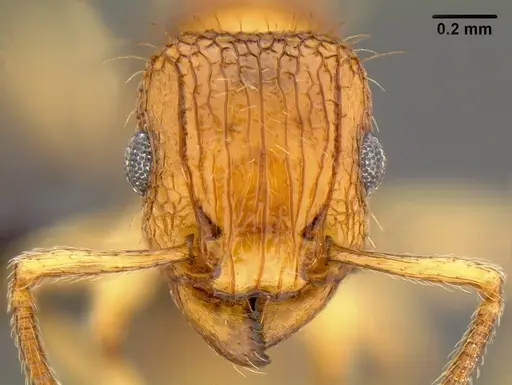
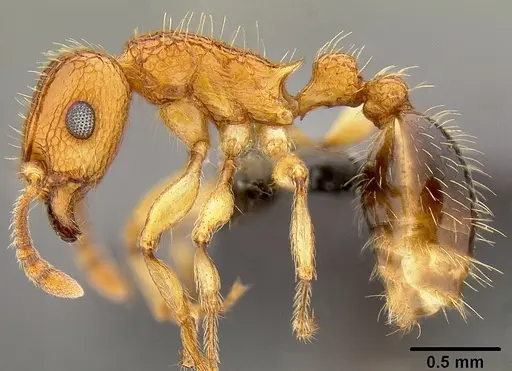
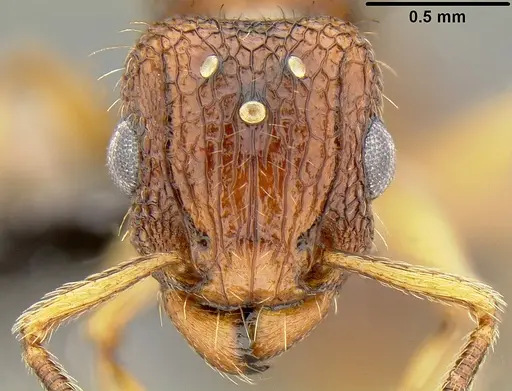
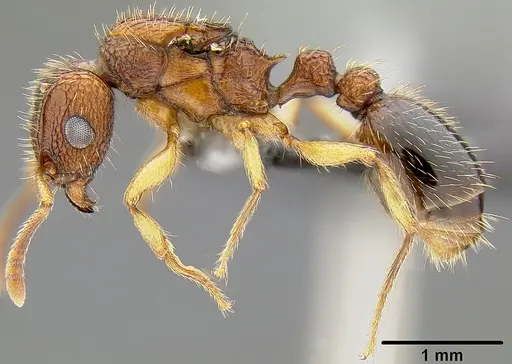
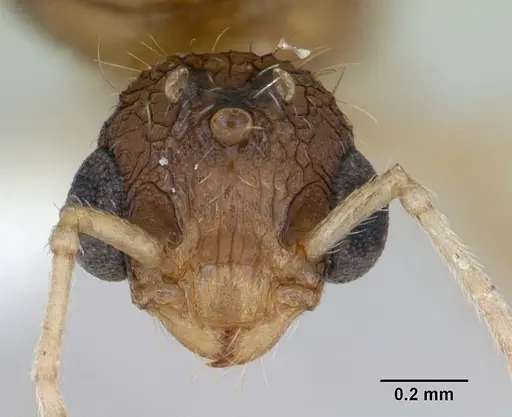
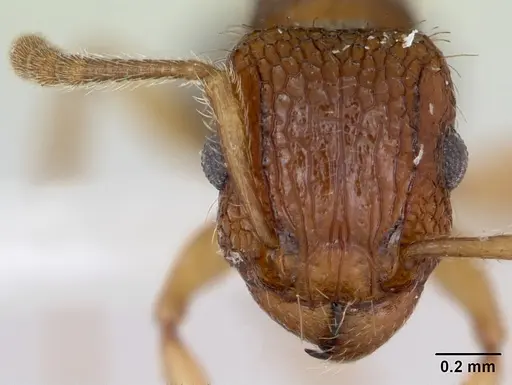
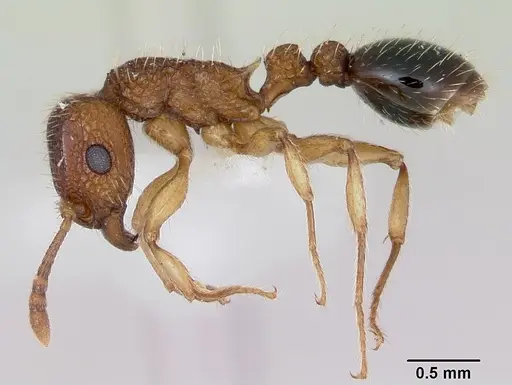
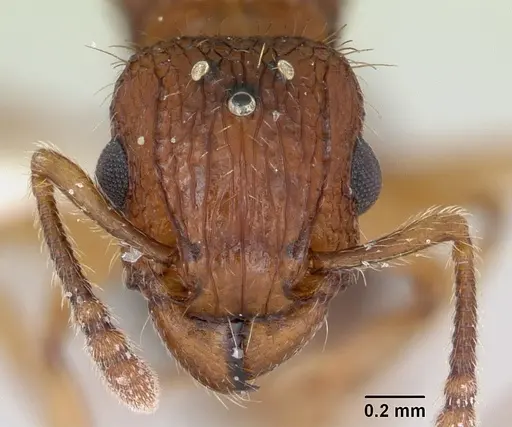
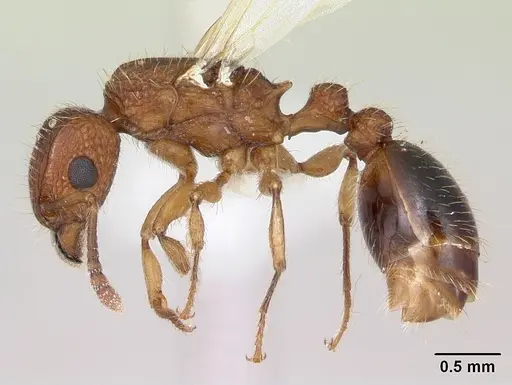
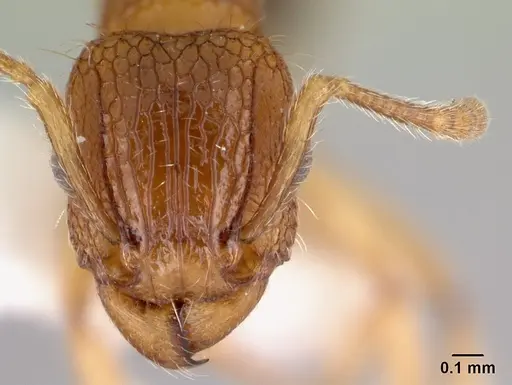
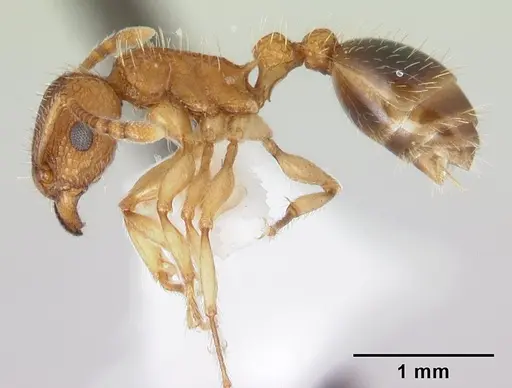
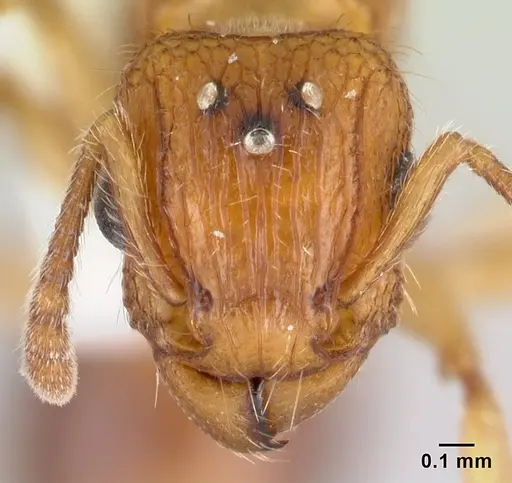
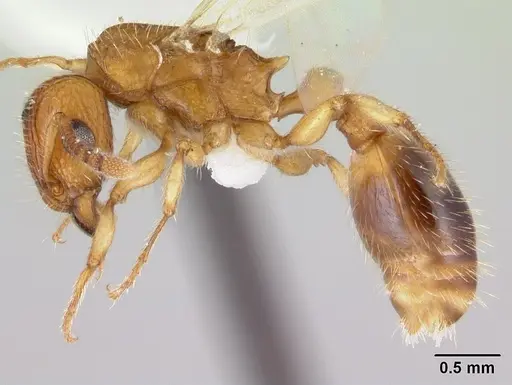
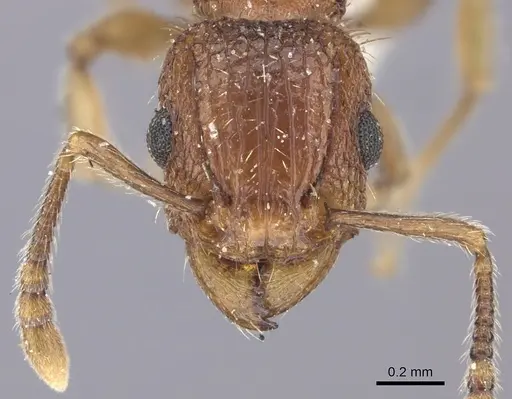
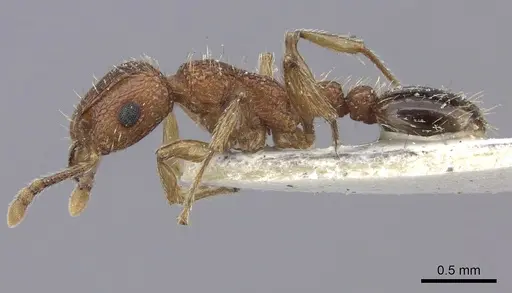
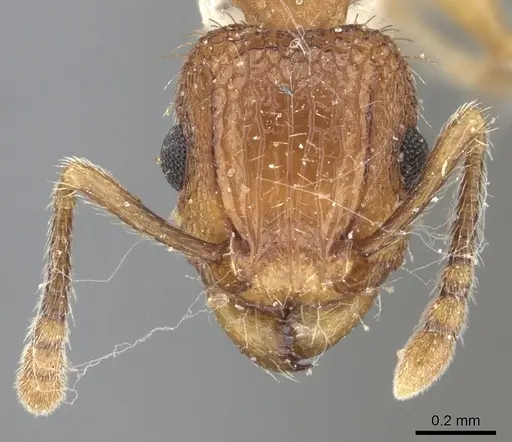
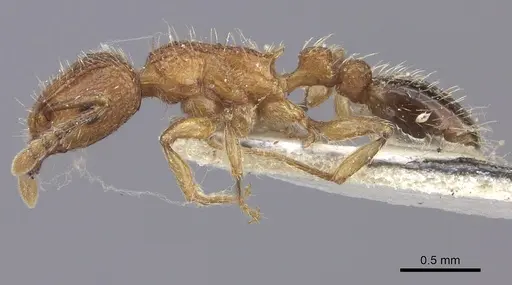
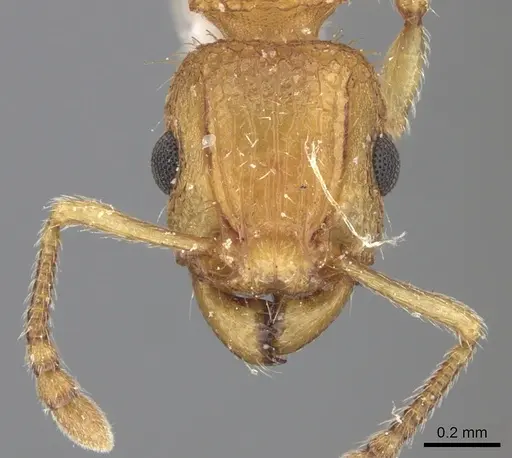
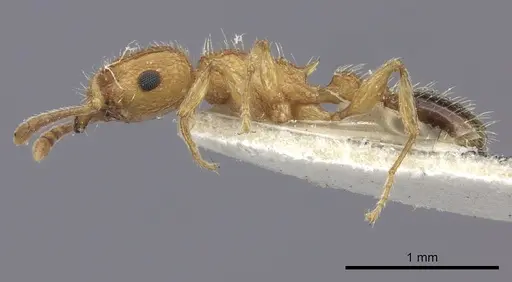
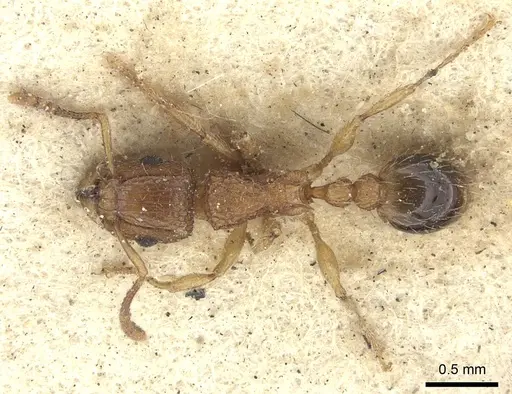
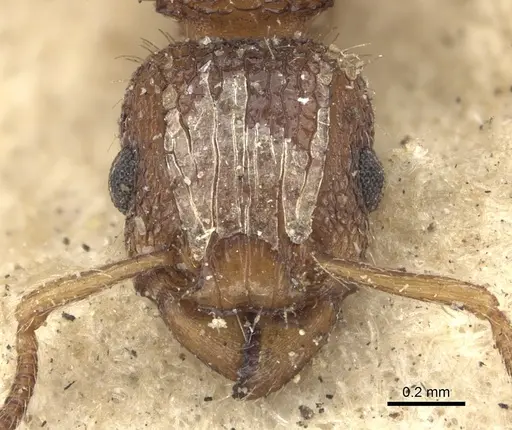
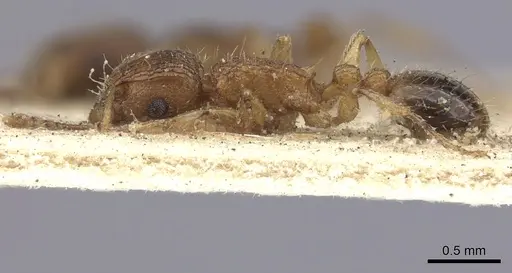
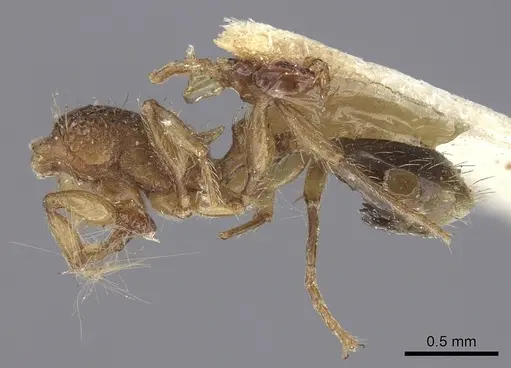
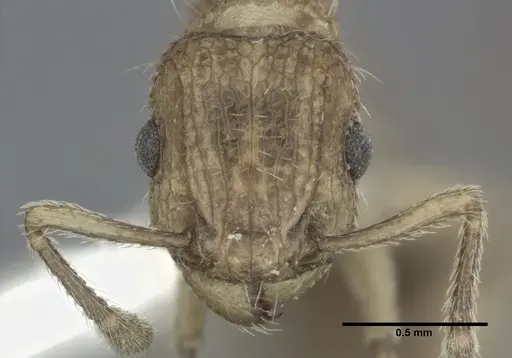
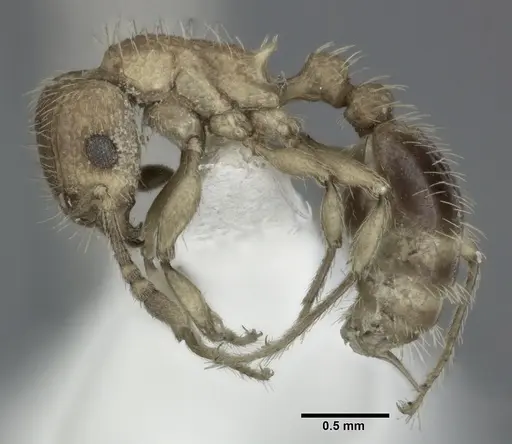
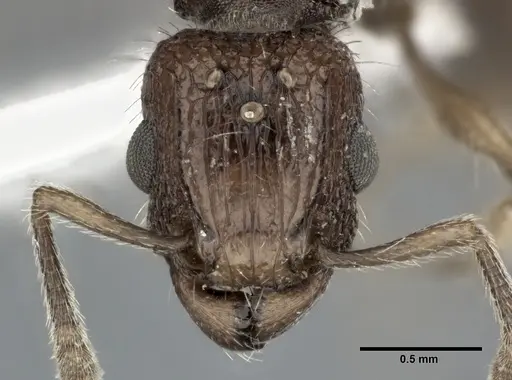
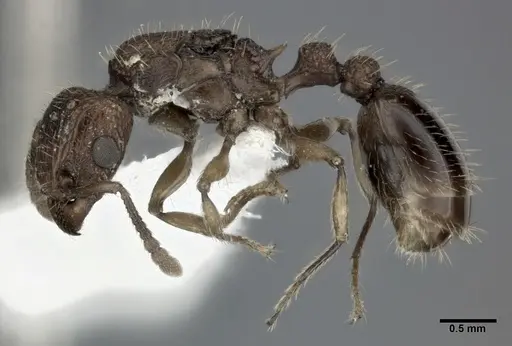
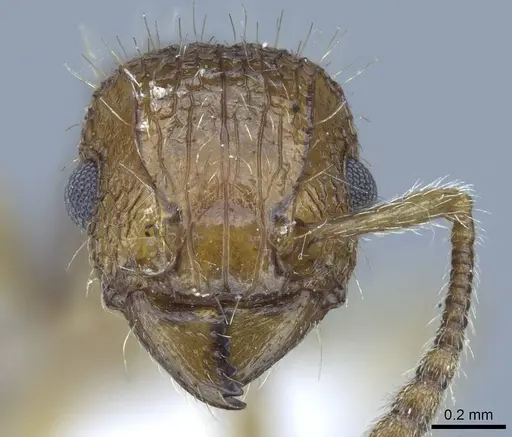
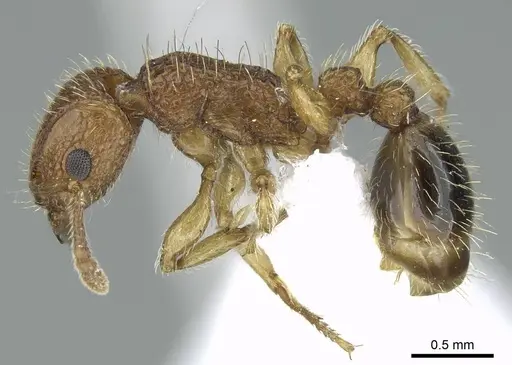
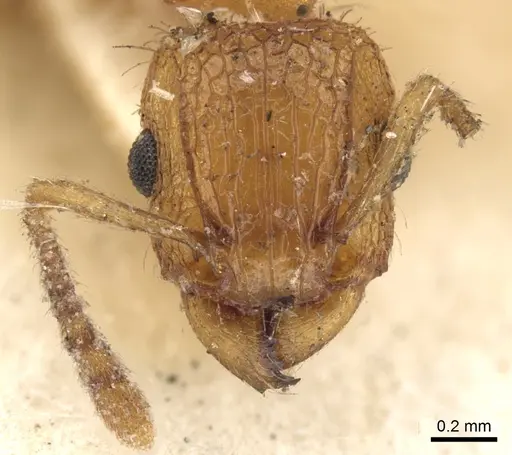
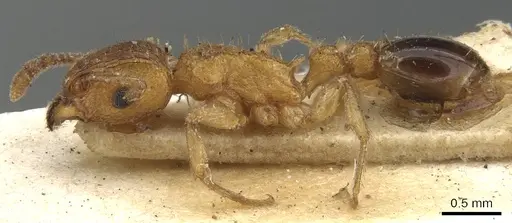
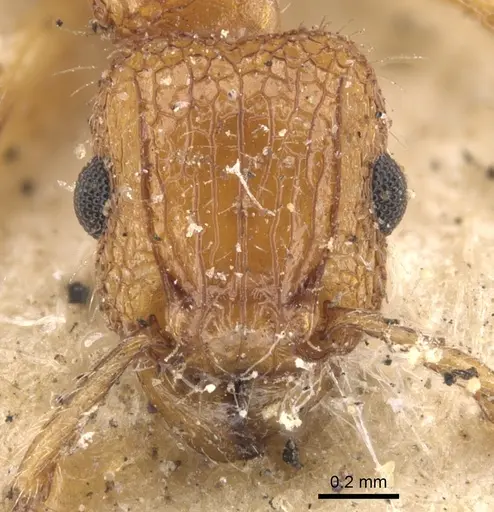
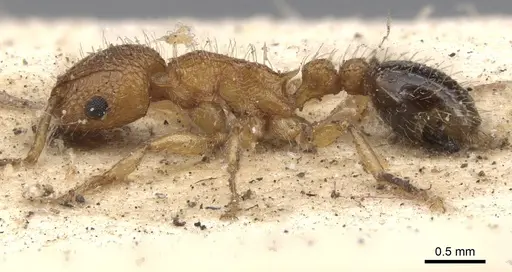
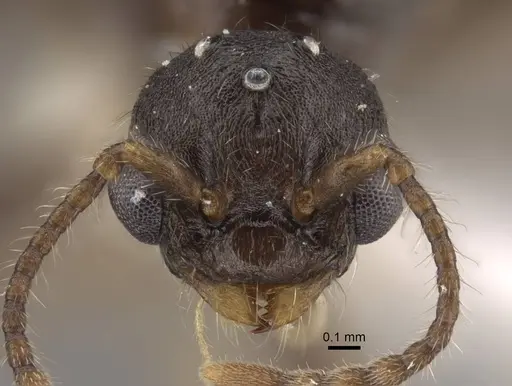
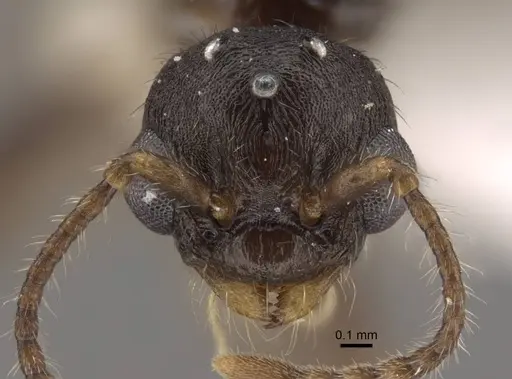
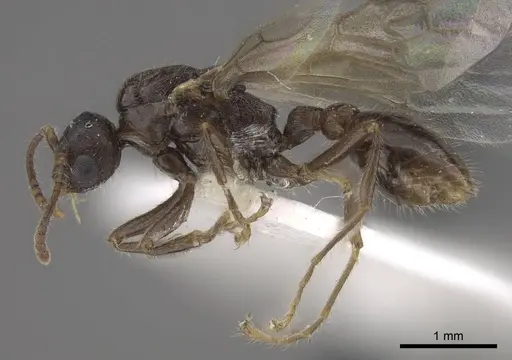
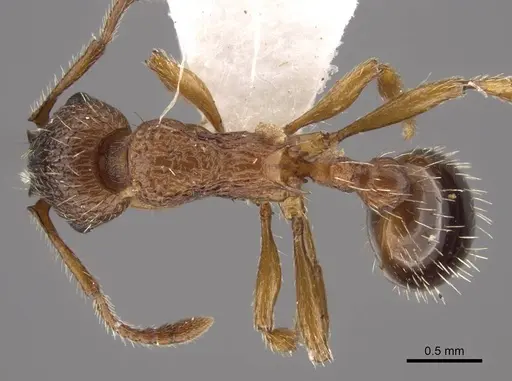
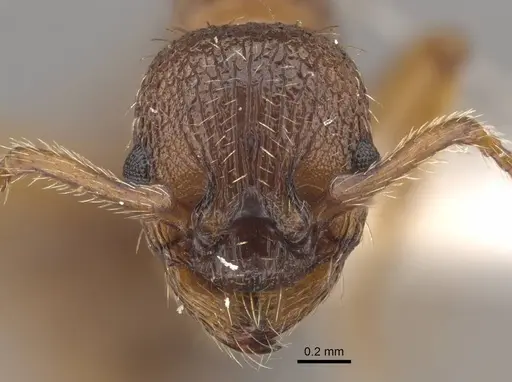
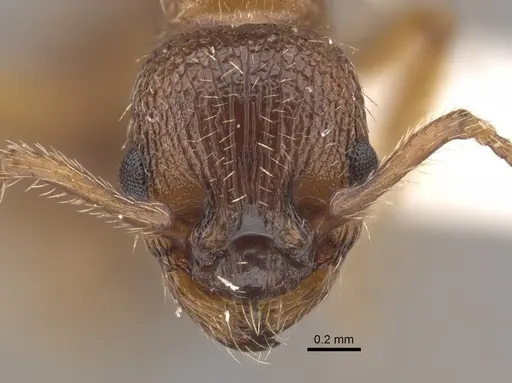
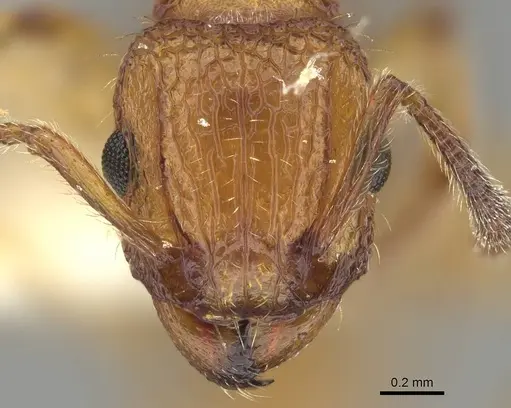
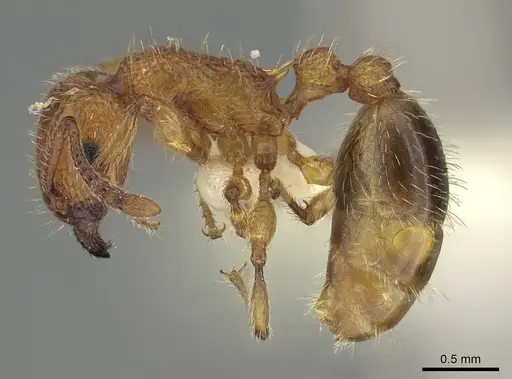
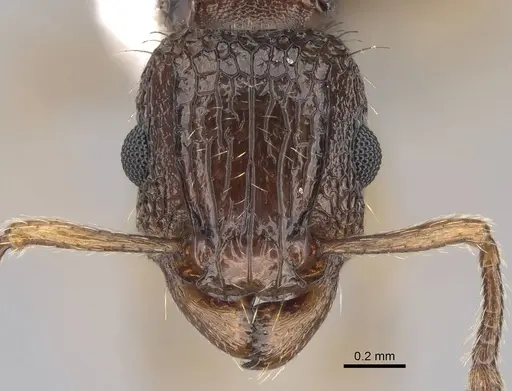
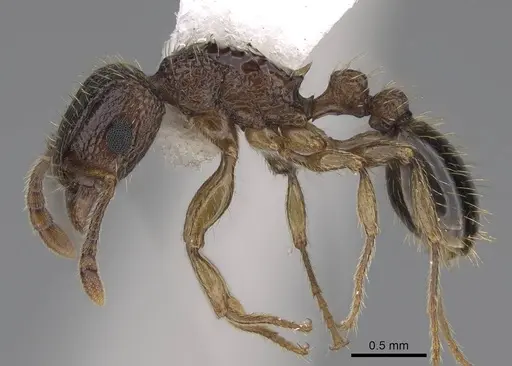
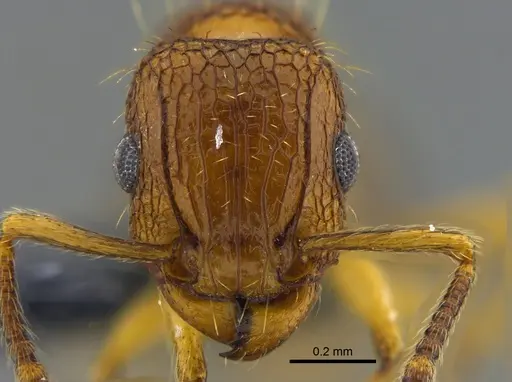
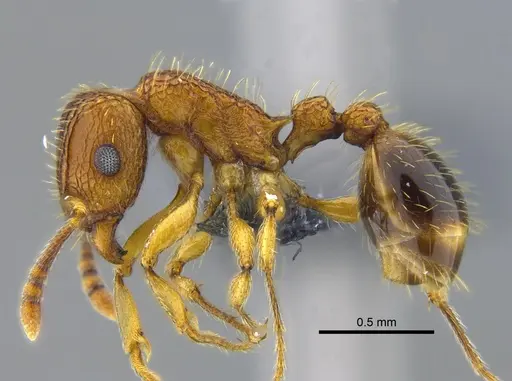
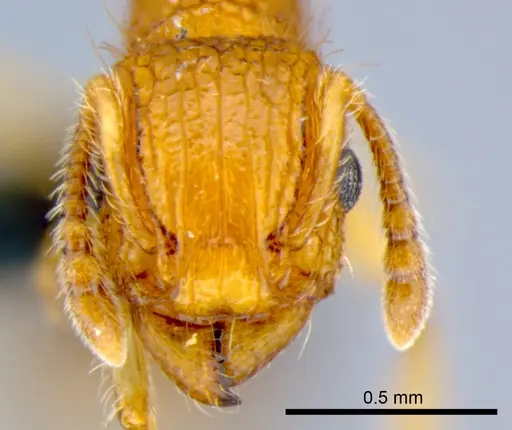
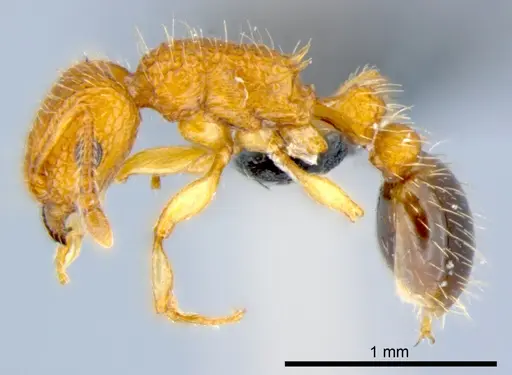
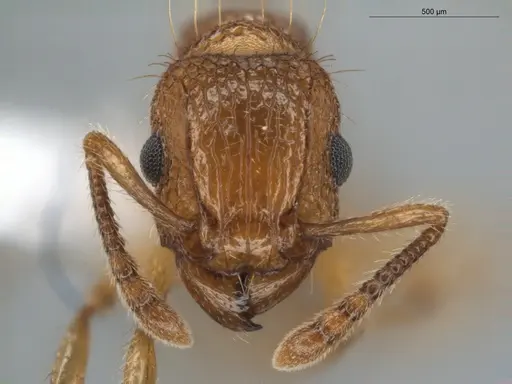
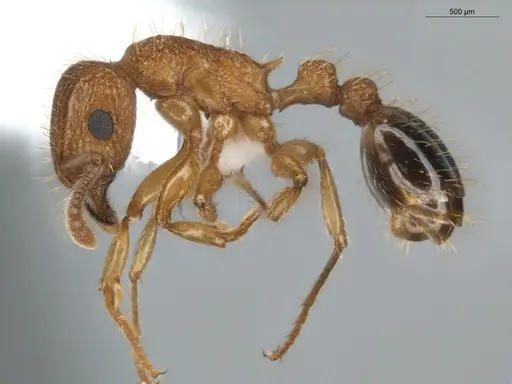
Tetramorium bicarinatum is a small, robust ant measuring 3.4-4.5mm with a distinctive bicolored appearance, the head, mesosoma, and waist range from yellow to orange-brown while the gaster is always much darker, appearing dark brown to nearly black [1]. The species gets its scientific name from the two prominent ridges (carinae) running parallel on the face from the antenna bases to the back of the head [1]. This ant is one of the world's most successful tramp species, originally native to Southeast Asia but now found throughout tropical and subtropical regions globally, spread primarily through human commerce [1][2]. In temperate areas, colonies survive in greenhouses, zoos, and heated buildings [2].
What makes T. bicarinatum particularly interesting is its social structure, it's polygynous, meaning colonies can have multiple queens, and it reproduces through budding (where a queen leaves with workers to start a new nest) as well as semi-claustral founding [2][3]. This flexibility helps explain its success as an invasive species. The species is also known for its potent venom containing antimicrobial peptides called bicarinalins, which have been studied for their antibacterial properties [4][5].
Quick Summary
- Difficulty: Easy
- Origin & Habitat: Native to Southeast Asia (Indo-Pacific region), now found worldwide in tropical and subtropical areas. In temperate regions, lives in greenhouses and heated buildings [1][2].
- Colony Type: Polygynous (multiple queens per colony). Colonies can be unicolonial in introduced ranges with no inter-colony aggression. Reproduces by budding and semi-claustral founding [2][3][6].
- Colony: Optionally polygyne, Supercolonial
- Founding: Semi-claustral
- Size & Growth:
- Queen: 4.4 mm average (3.9-4.9 mm) [7]
- Worker: 3.0 mm average (2.5-3.3 mm) [7]
- Colony: Up to several hundred workers in established colonies, can form large dispersed colonies [8]
- Growth: Moderate
- Development: 6-8 weeks (estimated based on related Tetramorium species) (Development time inferred from genus-level data, specific timing for this species not directly studied)
- Antkeeping:
- Temperature: Keep at 24-28°C. This species has a maximal activity temperature around 32°C and can tolerate up to 30-50°C [9][10]. Avoid temperatures below 20°C for extended periods.
- Humidity: Moderate humidity (50-70%). Native to tropical regions but adaptable. Provide a water tube and allow the nest area to dry slightly between rehydration.
- Diapause: No true diapause. In temperate climates, reduce feeding and keep slightly cooler (18-20°C) during winter months when activity naturally decreases.
- Nesting: Will readily accept most nest types, test tubes, Y-tong (AAC), plaster, or acrylic nests. In the wild, they nest under rocks, in rotting wood, and in soil [11]. Provide moderate humidity in the nest chamber.
- Behavior: Generally non-aggressive and not considered a serious stinging pest, though they can sting if handled [2]. Workers are active foragers both on the ground and in vegetation, and they recruit nestmates to food sources using pheromone trails [12]. They tend aphids and scale insects for honeydew and will readily accept protein foods and sugars. Medium escape risk, standard barriers are sufficient.
- Common Issues: colonies may decline if kept too cool, maintain warm temperatures year-round, queen loss can be tolerated due to polygynous structure, but multiple queens should be maintained if possible, can be outcompeted by more aggressive ant species in multi-species setups, escape prevention needed but not critical, they are not strong climbers
Queen Ant Activity Analysis 303 observations
Queen Activity by Hour 303 observations
Tetramorium bicarinatum queen activity peaks around 21:00 during the night. Activity is spread across a 24-hour window (00:00–23:00). Times may be influenced by human observation patterns.
Housing and Nest Setup
Tetramorium bicarinatum adapts well to various captive setups. Test tubes work perfectly for founding colonies, simply fill a tube one-third with water, plug with cotton, and place the queen inside. For established colonies, Y-tong (AAC) nests, plaster nests, or acrylic formicaria all work well. The key is maintaining moderate humidity in the nest chamber while allowing some drying between waterings. In the wild, these ants nest under stones, in rotting logs, and in soil, so they appreciate a nest that mimics these conditions [11]. An outworld for foraging is essential, they readily accept protein foods and sugar sources there. Standard escape prevention (Fluon on container edges) is sufficient since they are moderate climbers.
Feeding and Diet
These ants are omnivorous and opportunistic feeders. In captivity, they readily accept: protein sources like small crickets, mealworms, fruit flies, and other small insects, sugar sources including honey, sugar water, and ripe fruit, and they'll even scavenge on small amounts of grease or meat. A balanced approach works best, provide protein 2-3 times per week and keep a constant sugar source available. In the wild, they heavily exploit honeydew from aphids and scale insects, sometimes protecting these hemipterans from predators [13][14]. This trophobiotic relationship is so strong that in some regions they're considered agricultural pests due to their tending of sap-feeding insects [1]. For your colony, occasional offering of sweet foods like honey water will satisfy this preference.
Temperature and Seasonal Care
As a tropical species, T. bicarinatum prefers warm conditions. Keep the nest area at 24-28°C for optimal colony development and brood growth. They can tolerate temperatures from around 20°C up to 30-50°C, with maximal activity occurring around 32°C [9][10]. In temperate climates, this species does best in heated setups, room temperature alone may be too cool. During winter in unheated rooms, you may notice reduced activity, which is normal. Unlike temperate species, they do not require true hibernation. Simply maintain their normal care routine with perhaps slightly less feeding during the cooler months if activity decreases. Avoid sudden temperature swings and keep them away from air conditioning vents.
Colony Structure and Behavior
One of the most interesting aspects of T. bicarinatum is its flexible social structure. Colonies are typically polygynous, meaning they contain multiple reproductive queens [2]. This allows the colony to survive even if one queen dies, and enables reproduction through budding, where a queen leaves with a group of workers to establish a new nest nearby. In their introduced range, colonies often become unicolonial, showing no aggression between colonies from different origins [6]. This is likely because they share similar chemical signatures (cuticular hydrocarbons). Workers are medium-sized (3-4.5mm), copper-brown with a dark gaster, and they forage both on the ground and in vegetation. They use mass recruitment, when a worker finds a good food source, it lays a pheromone trail to recruit nestmates [12]. This makes them efficient foragers and explains their success in urban environments.
Defense and Venom
While not considered aggressive, T. bicarinatum can deliver a sting when threatened. Their venom is actually quite remarkable from a scientific perspective, it contains potent antimicrobial peptides called bicarinalins that have been studied for their antibacterial properties [4]. Research has shown bicarinalin is effective against various bacteria including Staphylococcus aureus and even Helicobacter pylori [4]. The venom also contains other bioactive peptides. For antkeepers, this means while they're generally docile, you should handle them gently and avoid provoking them. The sting is not considered dangerous to healthy humans, but may cause mild irritation.
Frequently Asked Questions
Can I keep Tetramorium bicarinatum in a test tube?
Yes, test tubes work perfectly for this species. Use a standard test tube setup with a water reservoir sealed with cotton, and keep it in a warm location (24-28°C). The queen will seal herself in a chamber and raise her first workers alone. Once the colony reaches 20-30 workers, you can consider moving them to a larger setup like a Y-tong or plaster nest.
How long until Tetramorium bicarinatum has first workers?
Based on related Tetramorium species, expect first workers (nanitics) in about 6-8 weeks under optimal conditions (around 26°C). The exact timing depends on temperature, warmer conditions speed development while cooler temperatures slow it. The queen will remain sealed in her chamber while laying eggs and feeding the larvae until the first workers emerge.
Do Tetramorium bicarinatum ants sting?
Yes, they are capable of stinging but are not considered aggressive and rarely sting unless provoked [2]. Their venom contains bioactive peptides but is not dangerous to healthy humans, it may cause mild irritation similar to a mosquito bite. These ants are much less likely to sting compared to species like fire ants.
Are Tetramorium bicarinatum good for beginners?
Yes, this is an excellent species for beginners. They're adaptable, tolerant of various conditions, and established in captivity. They don't require hibernation, accept a wide variety of foods, and their polygynous structure means colony survival is more robust. The main requirements are keeping them warm (24-28°C) and providing regular protein and sugar foods. They're not aggressive and don't require elaborate escape prevention.
Can I keep multiple queens together in one colony?
Yes, this is natural for the species. T. bicarinatum is polygynous, meaning colonies naturally have multiple queens [2]. In fact, keeping multiple queens together is beneficial, if one queen dies, the colony continues. You can start with a single queen or a founding group, and the colony will develop naturally with multiple reproductive queens over time.
What do Tetramorium bicarinatum eat?
They're omnivorous and accept a varied diet. Feed small insects (fruit flies, pinhead crickets, mealworms) as protein 2-3 times weekly. Provide constant access to sugar sources like honey water or sugar water. They'll also scavenge on small amounts of grease, fruit, or other protein sources. In the wild, they also consume honeydew from aphids and scale insects [13].
How big do Tetramorium bicarinatum colonies get?
Colony size varies but can reach several thousand workers in optimal conditions. In the wild, they've been documented forming large, dispersed colonies, particularly in their introduced ranges [8]. In captivity, well-maintained colonies typically reach several hundred workers within a year or two. Their polygynous structure supports larger colony sizes than single-queen species.
Do Tetramorium bicarinatum need hibernation?
No, they don't require hibernation. As a tropical species, they prefer consistent warm temperatures year-round. In temperate climates, you might see reduced activity during cooler winter months if room temperature drops, but this is not a true diapause. Simply maintain normal care with perhaps slightly less frequent feeding during low-activity periods. Keep them away from cold drafts.
Why are my Tetramorium bicarinatum dying?
The most common causes are: temperatures below 20°C (they're tropical and need warmth), too dry conditions (provide humidity), or poor nutrition (ensure regular protein feeding). Also check for stress from excessive disturbance. If workers are dying outside the nest, it could be normal, older workers often die off naturally. However, if you see many dead workers inside the nest or the queen has died, review your temperature and feeding regimen.
References

This caresheet is licensed under CC BY-SA 4.0 .
ANTWEB1041902
View on AntWeb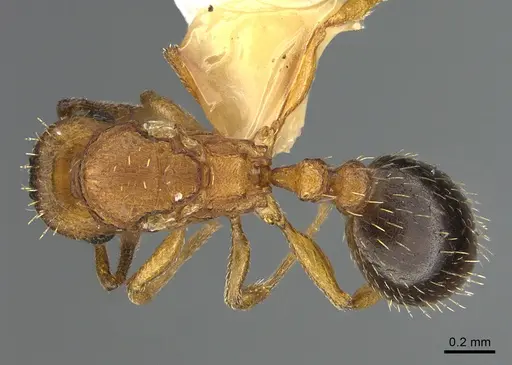
CASENT0005826
View on AntWeb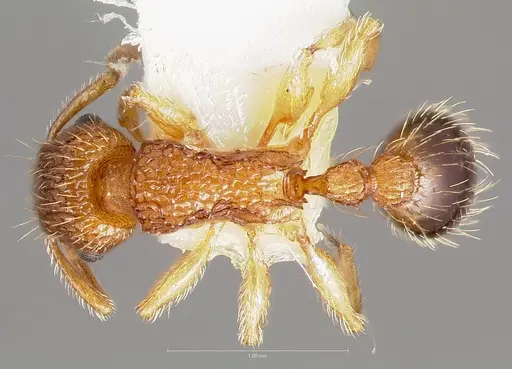
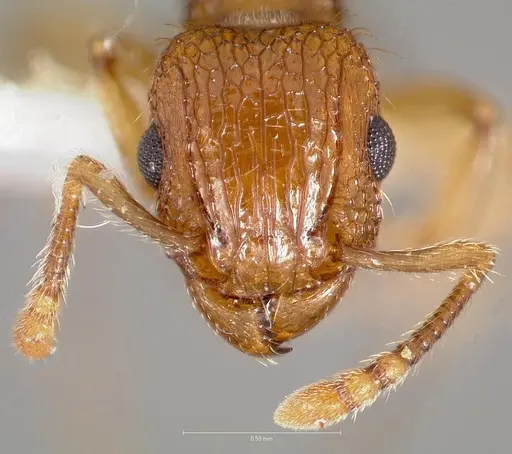
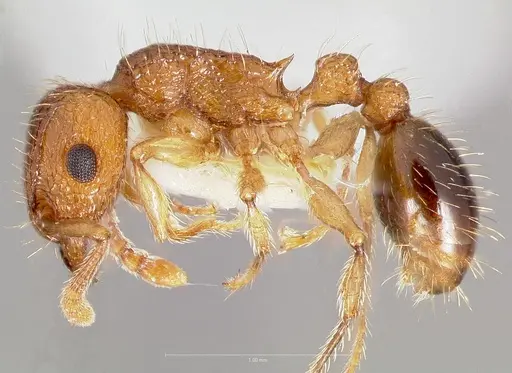
CASENT0055694
View on AntWeb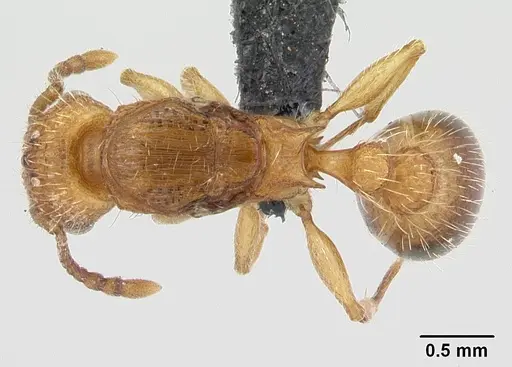
CASENT0059100
View on AntWeb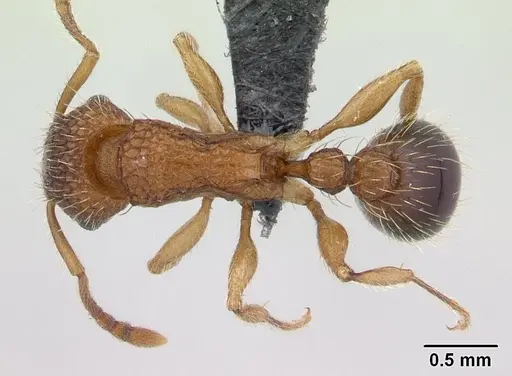
CASENT0060334
View on AntWeb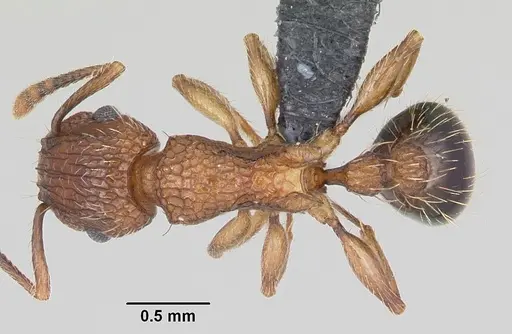
CASENT0064305
View on AntWeb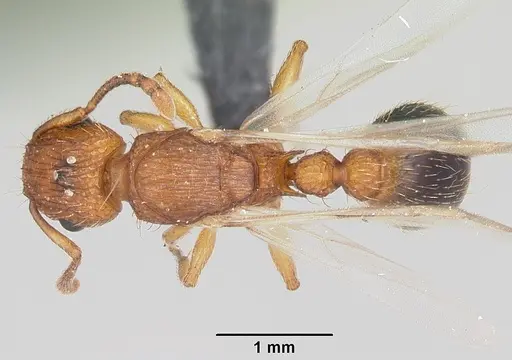
CASENT0064306
View on AntWeb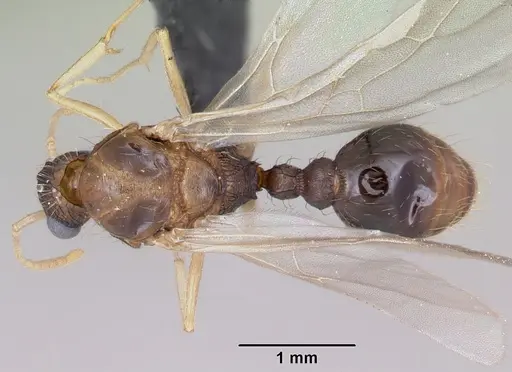
CASENT0101480
View on AntWeb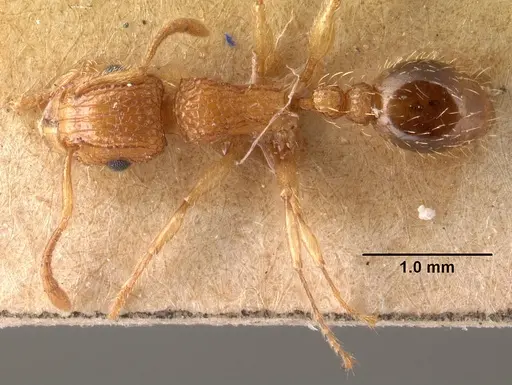
CASENT0102404
View on AntWeb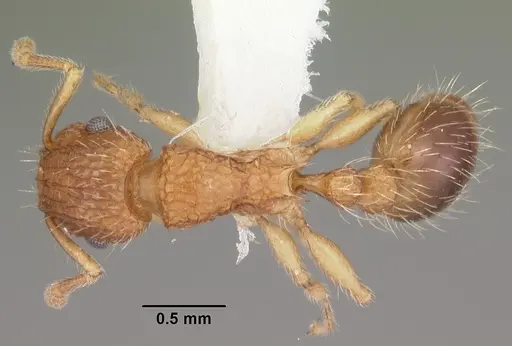
CASENT0102530
View on AntWeb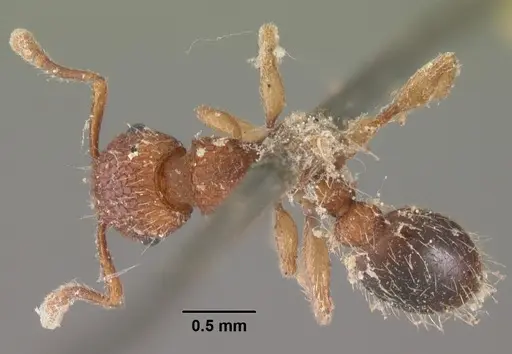
CASENT0102736
View on AntWeb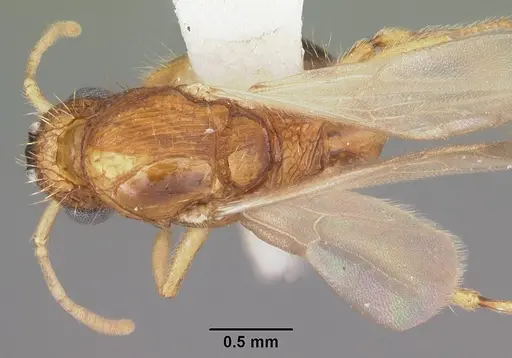
CASENT0102737
View on AntWeb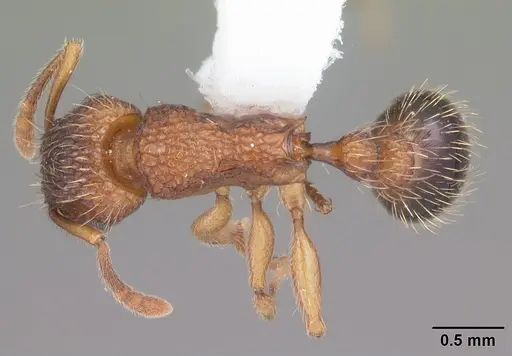
CASENT0125127
View on AntWeb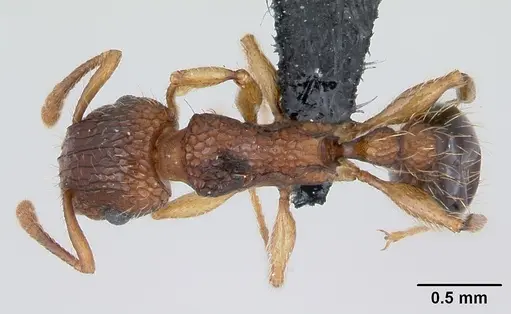
CASENT0135255
View on AntWeb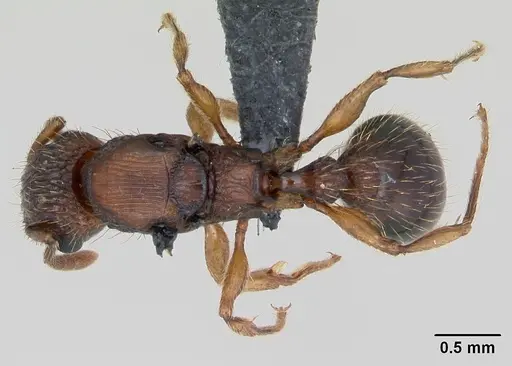
CASENT0171032
View on AntWeb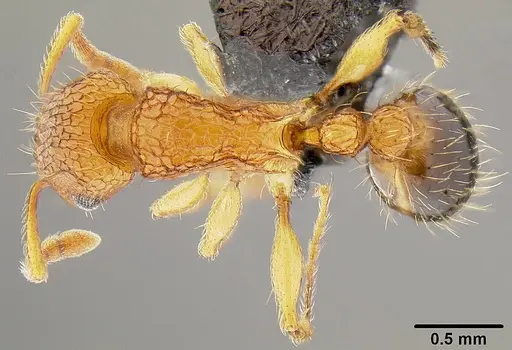
CASENT0171033
View on AntWeb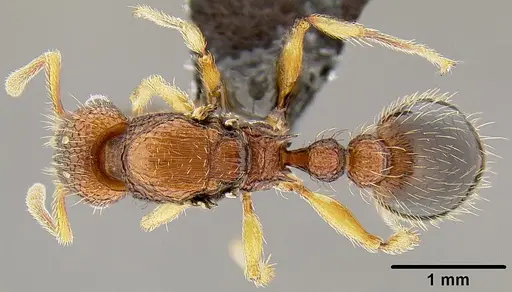
CASENT0173283
View on AntWeb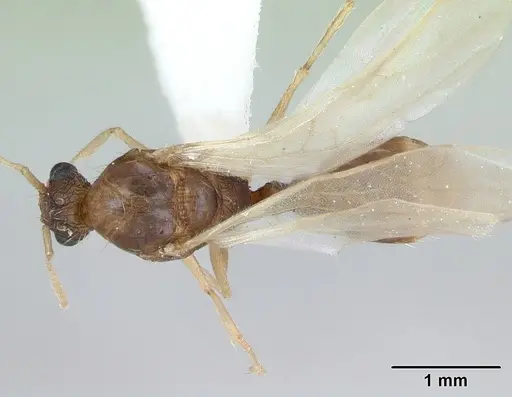
CASENT0173284
View on AntWeb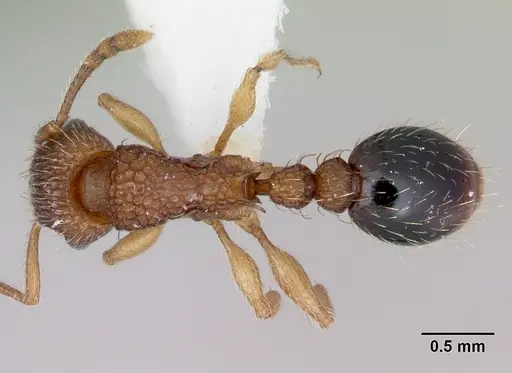
CASENT0173285
View on AntWeb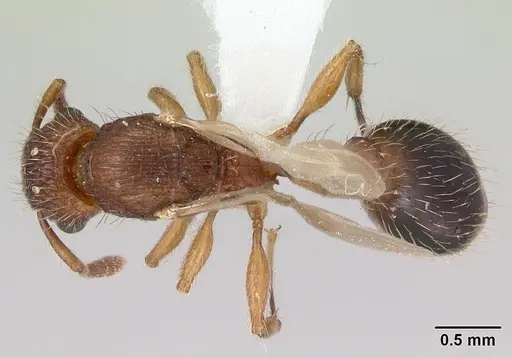
CASENT0178426
View on AntWeb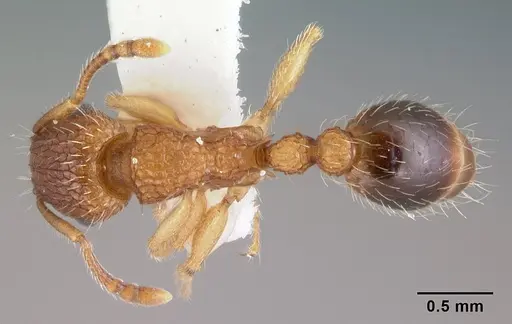
CASENT0178427
View on AntWeb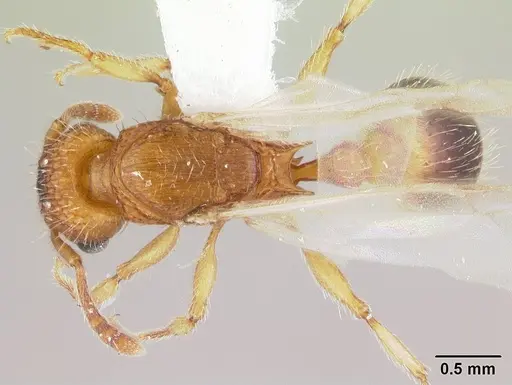
CASENT0235199
View on AntWeb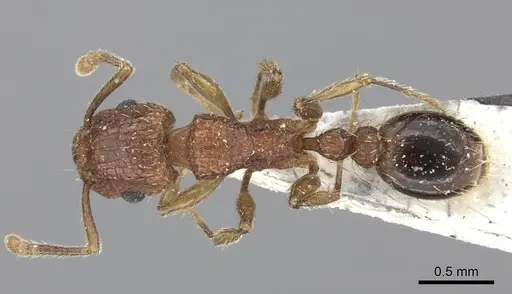
CASENT0235200
View on AntWeb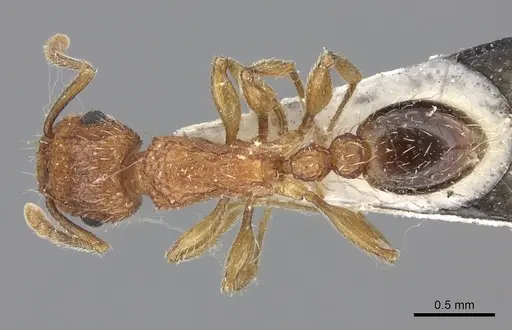
CASENT0235201
View on AntWeb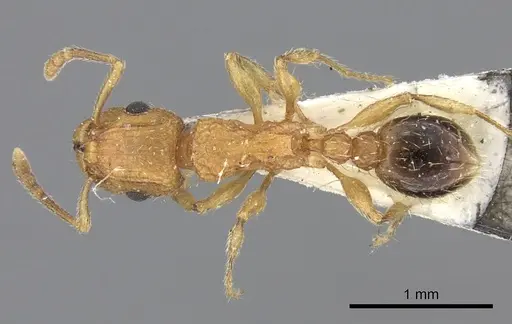
CASENT0235209
View on AntWeb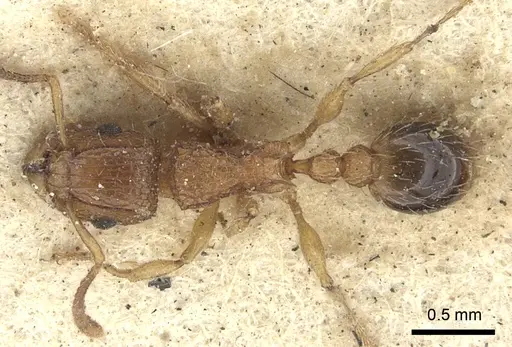
CASENT0235210
View on AntWeb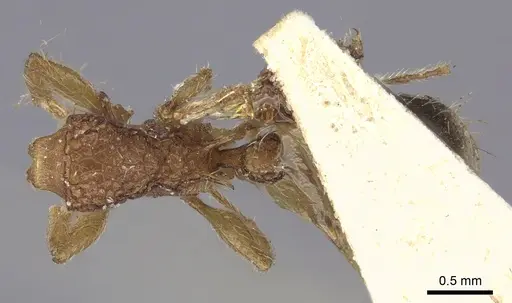
CASENT0246153
View on AntWeb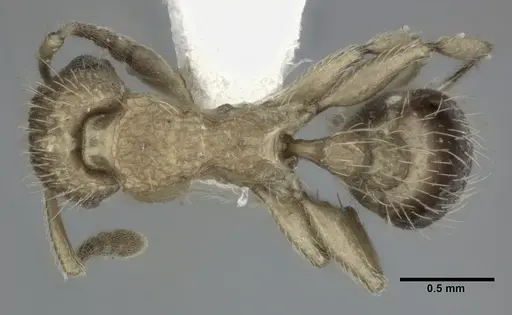
CASENT0246154
View on AntWeb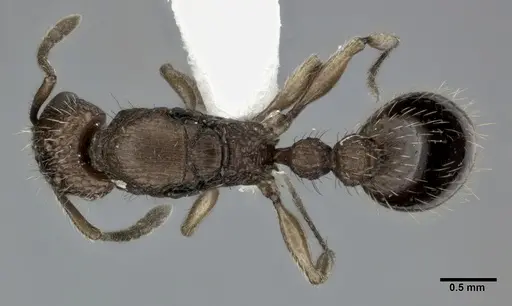
CASENT0248791
View on AntWeb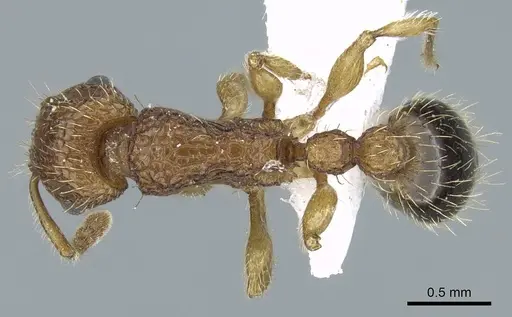
CASENT0901076
View on AntWeb
CASENT0901374
View on AntWeb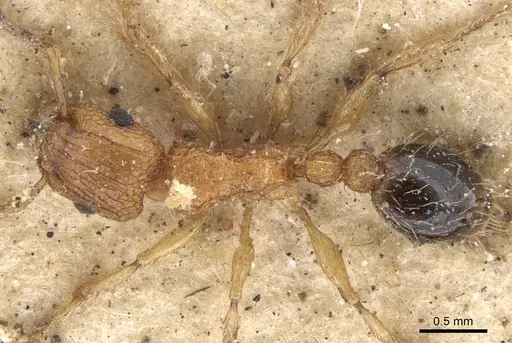
CASENT0917686
View on AntWeb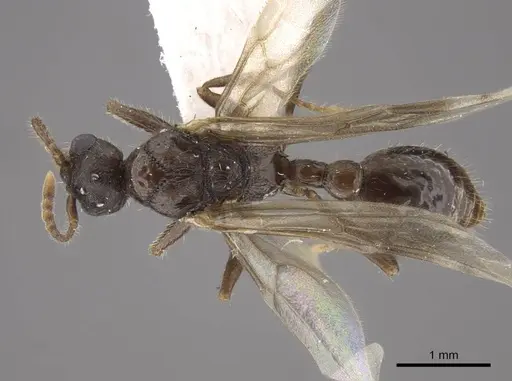
CASENT0917687
View on AntWeb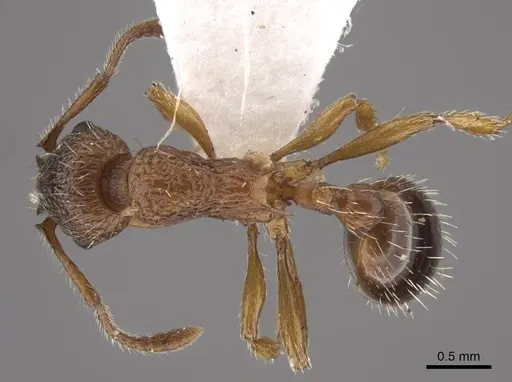
CASENT0919922
View on AntWeb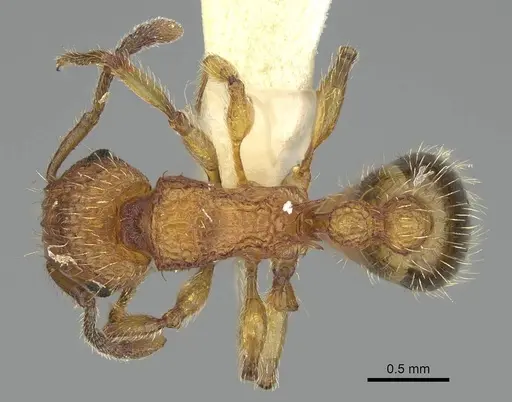
CASENT0922948
View on AntWeb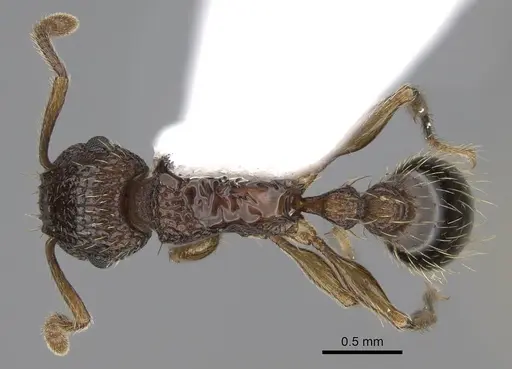
CBUMAGENT41982
View on AntWeb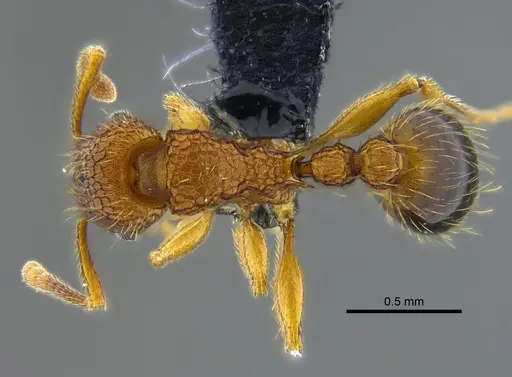
CSIRONC0054
View on AntWeb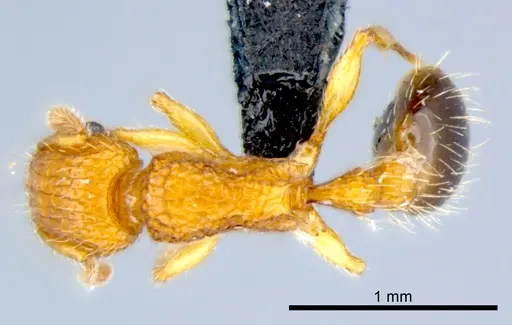
ECOFOG-BUG-0176-10
View on AntWeb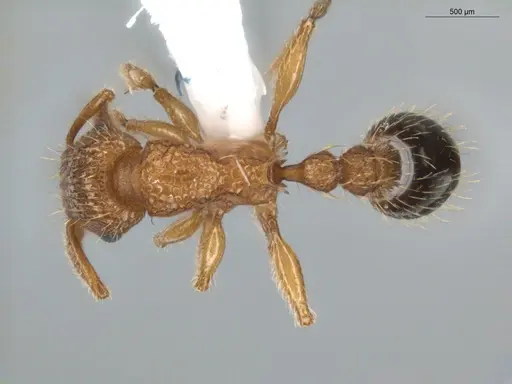
Literature
Loading...Loading products...