

Brachymyrmex degener
- Scientific Name
- Brachymyrmex degener
- Tribe
- Myrmelachistini
- Subfamily
- Formicinae
- Author
- Emery, 1906
- Distribution
- Found in 6 countries
Brachymyrmex degener Overview
Brachymyrmex degener is an ant species of the genus Brachymyrmex. It is primarily documented in 6 countries , including Bolivia, Plurinational State of, Brazil. Detailed taxonomic data and occurrence records can be further explored via authoritative databases such as AntWeb or the Global Biodiversity Information Facility (GBIF).
Brachymyrmex degener
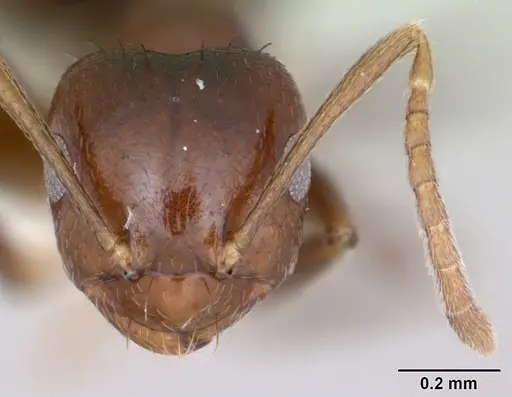
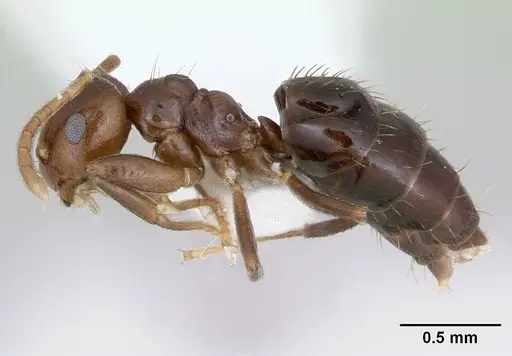
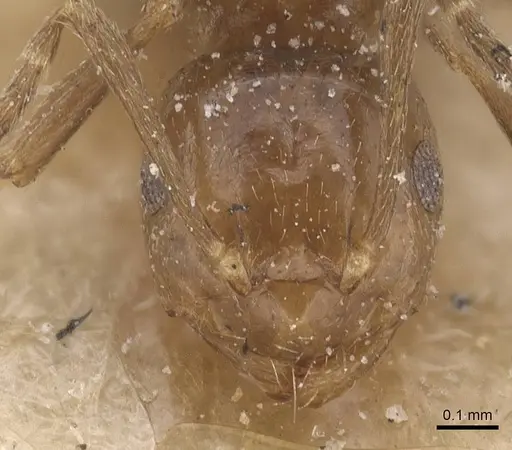
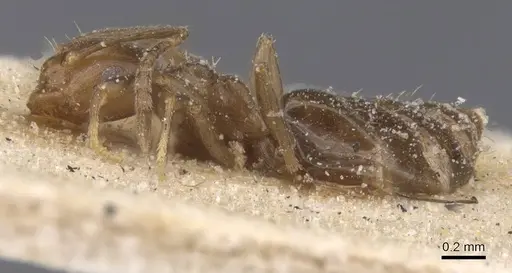
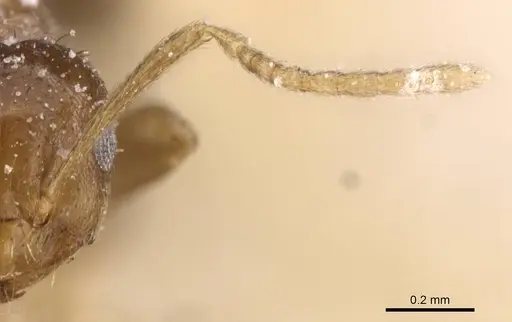
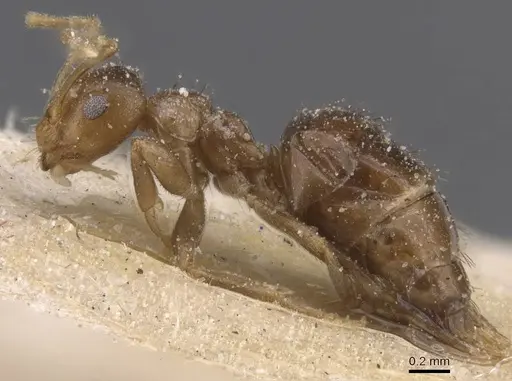
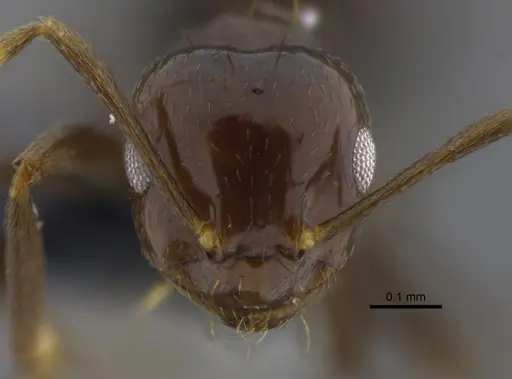
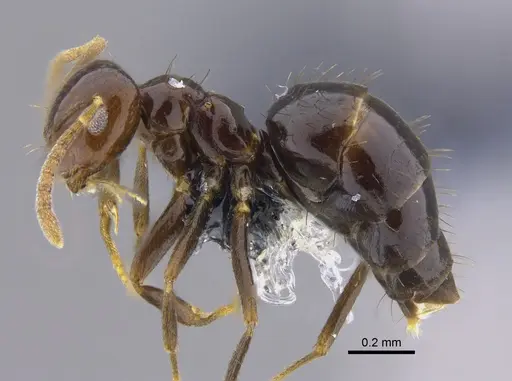
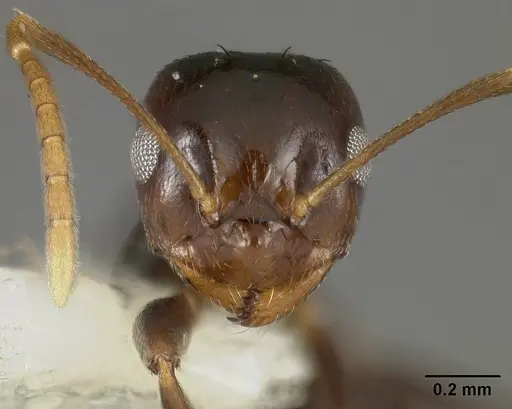
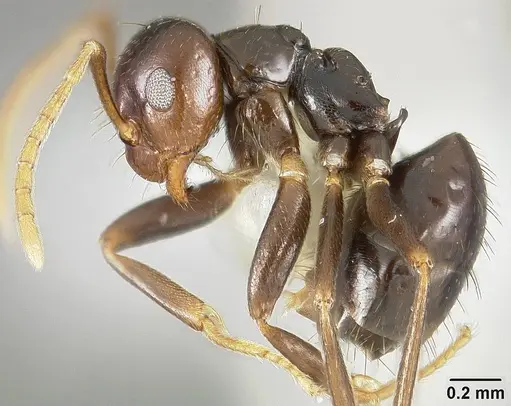
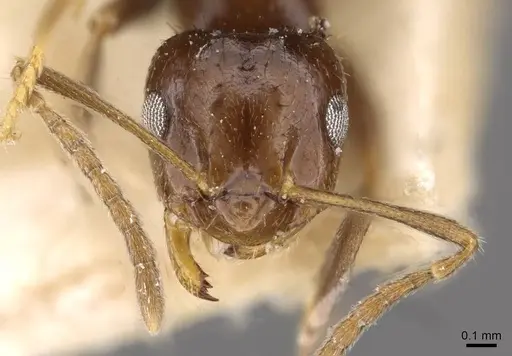
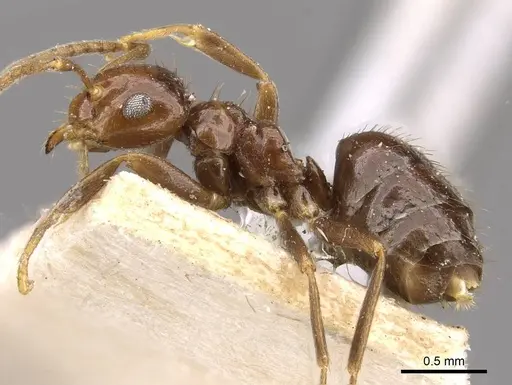
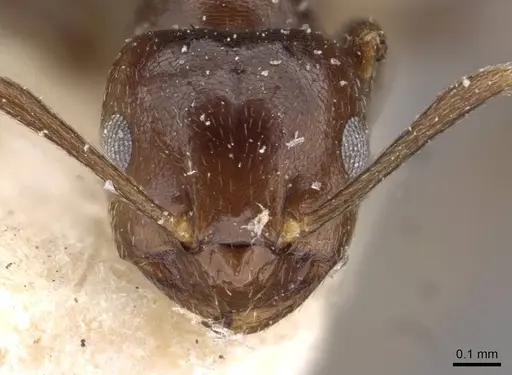
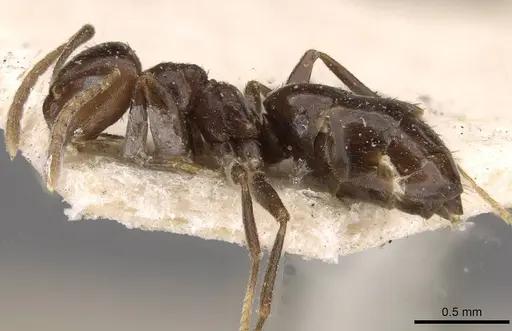
Brachymyrmex degener is a tiny ant species native to Central and South America, ranging from Mexico down to Argentina. Workers measure a mere 2mm in length, making them one of the smaller ants you'll encounter. They have a uniformly brownish body with a distinctive inflated mesonotum that bulges above the pronotum when viewed from the side. Their scapes (the antennae segments) extend past the back of their head, and they possess three small ocelli (simple eyes) on their head [1][2].
This species is remarkably adaptable, found in everything from secondary Atlantic forests to Eucalyptus plantations and urban areas. It's considered an indicator species for disturbed or lower-quality environments, meaning it thrives where other ants might struggle. This hardiness makes it an interesting species for keepers who want an ant that can tolerate some variation in care conditions [3][4].
Quick Summary
- Difficulty: Easy
- Origin & Habitat: Native to the Neotropical region, found across Brazil, Colombia, Guatemala, French Guiana, Trinidad and Tobago, and into Mexico, Panama, Paraguay, and Argentina. They live in leaf litter and soil, commonly found in forest edges, plantations, and urban areas [1][2][4].
- Colony Type: Colony structure is unconfirmed. Based on related Brachymyrmex species, likely single-queen (monogyne) colonies, though this has not been directly studied.
- Size & Growth:
- Queen: Unknown, queen measurements have not been documented
- Worker: 2.0-2.5mm estimated from head length measurements (HL1 0.51-0.70mm, HW 0.49-0.73mm) [1][2]
- Colony: Likely small colonies of several hundred workers based on typical Brachymyrmex patterns, exact maximum unknown
- Growth: Unknown, no development data exists for this species
- Development: Unknown, no direct measurements exist. Based on typical Formicinae patterns, estimate 6-10 weeks at warm temperatures. (Development timeline has not been scientifically documented for this species. Estimates are based on related ant genera.)
- Antkeeping:
- Temperature: Keep at room temperature (20-26°C). As a Neotropical species, they prefer warmth but tolerate typical household temperatures. A gentle gradient from 22-26°C is ideal for activity and brood development.
- Humidity: Moderate humidity (50-70%). Keep the nest substrate lightly moist but not waterlogged. These ants live in leaf litter and soil, so they appreciate some damp substrate but also need dry areas to retreat to.
- Diapause: Unknown, no research on overwintering behavior. As a tropical/subtropical species, they likely do not require true hibernation but may slow down during cooler months.
- Nesting: They naturally nest in leaf litter and soil, often under stones or in decaying twigs. In captivity, they do well in test tubes with moist cotton, small acrylic nests, or naturalistic setups with moist soil. Provide small chambers scaled to their tiny size.
- Behavior: These ants are small but active foragers. They readily accept carbohydrate baits like honey and sugar water, and will hunt small prey. They are not aggressive and rarely sting, their small size makes it difficult for them to penetrate human skin. They are escape risks due to their tiny size, use fine mesh and tight-fitting barriers. Workers forage individually rather than in large trails.
- Common Issues: escape prevention is critical, their tiny size allows them to squeeze through standard barrier gaps, colonies may be slow to establish due to unknown founding requirements, wild-caught colonies may carry parasites that can cause problems in captivity, limited information means you may need to experiment with care conditions, their small size makes them vulnerable to drying out, monitor substrate moisture carefully
Housing and Nest Setup
Because of their tiny size, Brachymyrmex degener requires careful housing. Test tubes work well for founding colonies, use a small water reservoir with cotton barrier, not too large to avoid flooding tiny workers. For established colonies, small acrylic nests or Y-tong nests with narrow chambers work best. The chambers should be scaled to their 2mm size, avoid tall, open spaces that can make them feel exposed. A naturalistic setup with moist soil and some leaf litter mimics their natural habitat and helps them feel secure. Whatever setup you choose, escape prevention must be excellent, these ants can squeeze through gaps that seem impossible for their size. Use fluon on tube rims and fine mesh on any ventilation. [4]
Feeding and Diet
Based on field studies, Brachymyrmex degener is omnivorous with a preference for carbohydrates. They readily accept sugar water, honey, and similar sweet liquids, one study showed they were strongly attracted to honey baits in the field [5][6]. They also hunt small prey and will scavenge protein sources. In captivity, offer a constant sugar source (honey water or sugar water) and supplement with small protein foods like fruit flies, pinhead crickets, or mealworm pieces. They are small predators, so prey items should be appropriately sized, anything larger than themselves will be ignored or too challenging to tackle. Feed protein 2-3 times per week and keep sugar available at all times.
Temperature and Seasonal Care
As a Neotropical species from Brazil and surrounding countries, Brachymyrmex degener prefers warm conditions. Keep the nest area at 22-26°C for optimal activity and brood development. They can tolerate room temperature (around 20-22°C) but may be less active. Unlike temperate species, they likely do not require a true hibernation period. During cooler months, they may slow down naturally, but this is not the same as diapause, simply reduce feeding slightly and avoid cooling them dramatically. A small heating cable on one side of the nest can create a beneficial temperature gradient, allowing workers to choose their preferred warmth level. Avoid temperatures below 18°C or above 30°C.
Behavior and Observation
These ants are active but not particularly aggressive. Workers forage individually or in small groups rather than forming large raiding columns. Their small size means they are often overlooked in the wild but can be quite bold in captivity when searching for food. They are not known to be escape artists in terms of climbing smooth surfaces, but their tiny size means they can easily slip through the smallest gaps, this is their primary escape mechanism. Observation is rewarding because they are active and their small size makes their behavior interesting to watch. They will readily explore new areas of the nest and are curious about food sources. Their colonies tend to stay relatively small, making them manageable for long-term observation. [4]
Acquiring and Establishing Colonies
Finding Brachymyrmex degener colonies can be challenging due to their small size and tendency to nest in隐蔽 locations like leaf litter, under stones, or in decaying wood. They are most easily found by searching in moist, shaded areas or by using baited traps. If you find a colony, collect the queen if present, she will be larger than workers but still small (likely 4-5mm). Founding colonies may take time to establish since we don't know their exact requirements. Start with a test tube setup and wait patiently. Wild-caught colonies may carry parasites or face adjustment issues, so quarantine and careful observation during the first few weeks is recommended. Because so little is known about their biology, be prepared to experiment with different setups and food sources to see what works best. [3]
Frequently Asked Questions
How long does it take for Brachymyrmex degener to produce first workers?
The exact timeline is unknown, no scientific data exists for this species. Based on typical Formicinae development patterns, expect 6-10 weeks from egg to worker at warm temperatures (24-26°C). Be patient as founding colonies can be slow.
What do Brachymyrmex degener ants eat?
They are omnivorous with a strong preference for carbohydrates. Offer sugar water, honey, or diluted maple syrup as a constant sugar source. For protein, they accept small live prey like fruit flies, springtails, or tiny crickets. They will also scavenge dead insects.
Can I keep Brachymyrmex degener in a test tube?
Yes, test tubes work well for this species. Use a small water reservoir and ensure the cotton barrier is tight, these tiny ants can slip through gaps that seem impossible. For founding colonies, a test tube setup is ideal.
Are Brachymyrmex degener good for beginners?
Yes, they are considered easy to keep due to their adaptability and tolerance of varying conditions. Their small size and simple care requirements make them suitable for beginners. The main challenge is escape prevention due to their tiny size.
How big do Brachymyrmex degener colonies get?
The maximum colony size is unknown, but based on related species, they likely reach several hundred workers. They are not among the largest ant species, making them manageable for long-term keeping.
Do Brachymyrmex degener need hibernation?
No, as a Neotropical species, they do not require true hibernation. They may slow down during cooler months, but this is not a diapause requirement. Simply maintain normal room temperatures year-round.
Why are my Brachymyrmex degener escaping?
Their tiny size makes them excellent escape artists. They can squeeze through the smallest gaps. Use fluon on all tube rims, fine mesh on any ventilation, and check all connections regularly. Even a tiny gap is a potential escape route.
When should I move my colony to a formicarium?
Move them when the colony reaches around 50-100 workers and the test tube is becoming crowded. They do well in small acrylic nests or naturalistic setups with moist substrate. They prefer tight, small chambers scaled to their tiny size.
Can I keep multiple Brachymyrmex degener queens together?
This has not been studied. Based on typical Brachymyrmex patterns, they likely have single-queen colonies. Combining unrelated queens is not recommended as aggression may occur.
References

This caresheet is licensed under CC BY-SA 4.0 .
CASENT0173479
View on AntWeb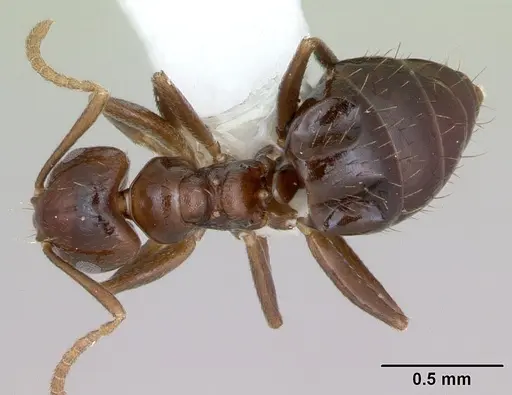
CASENT0911599
View on AntWeb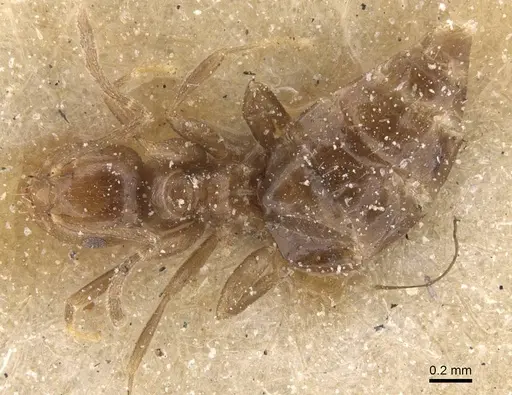
CASENT0911602
View on AntWeb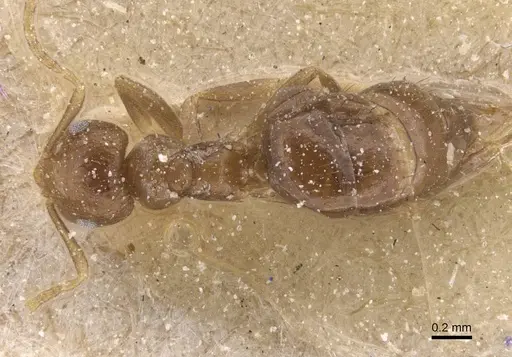
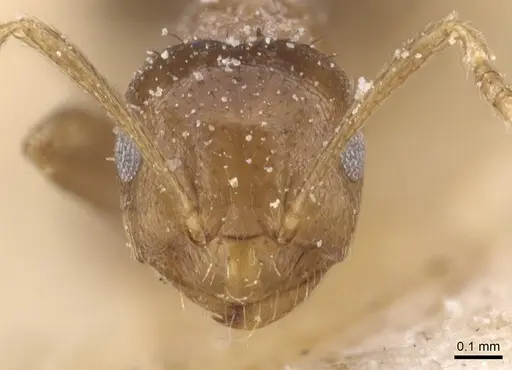
CBUMAGENT41834
View on AntWeb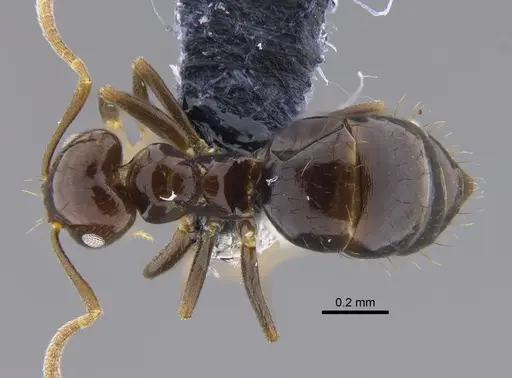
USNMENT00441074
View on AntWeb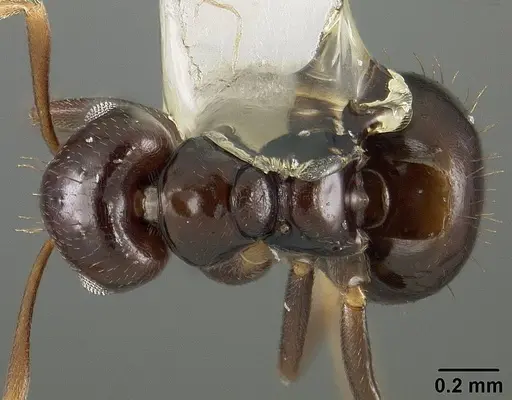
USNMENT00757143
View on AntWeb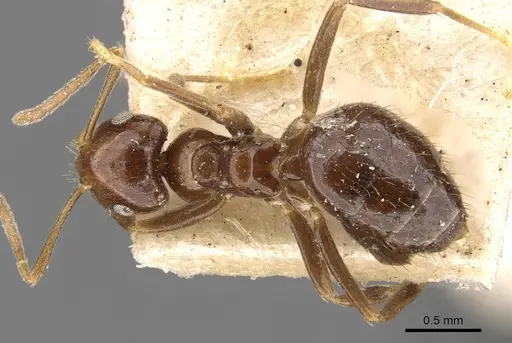
USNMENT00757163
View on AntWeb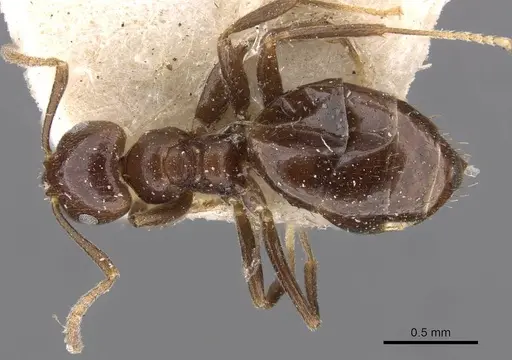
Literature
Loading...Loading products...