Brachymyrmex aphidicola - "Aphid-Tending Rover Ant"
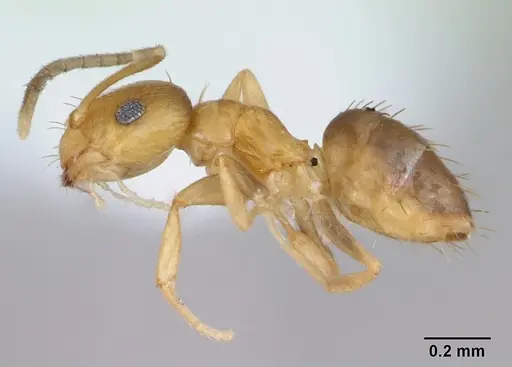
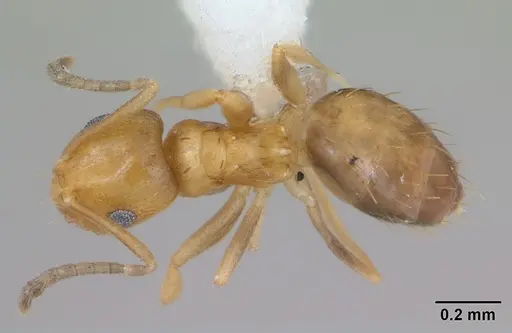
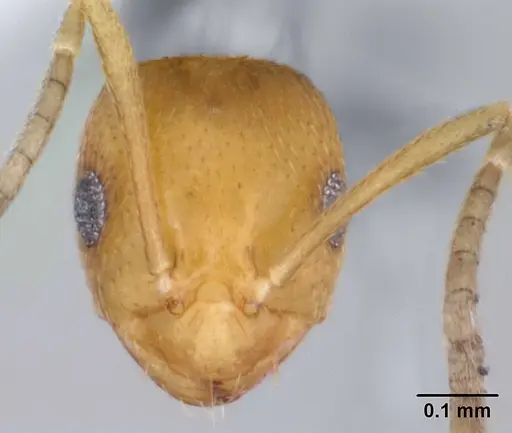
Brachymyrmex aphidicola is a minute ant species, typically characterized by its smooth, shiny, and yellowish body. Workers are very small, and their eyes are positioned along the cephalic midline. A notable feature is the presence of two erect hairs on the pronotum and two on the mesonotum. These ants are particularly known for their mutualistic relationship with aphids, protecting them in exchange for honeydew.
- Difficulty: Easy
- Origin & Habitat: South America (Paraguay, Argentina, Brazil) and potentially Bermuda; introduced to parts of the US. in Forests, urban areas, under stones, in rotten wood, organic litter, and epiphytes. They can be found in a wide range of climates including North Temperate, North Subtropical, Tropical, South Subtropical, and South Temperate regions..
- Colony Type: Monogyne, though polygynous tendencies have been observed in related Brachymyrmex species in captivity., claustral founding.
- Size & Growth:
- Queen: 3.0-5.0mm
- Worker: 1.0-2.0mm
- Colony: Small (hundreds to a few thousands). Fast, with optimal conditions leading to an egg-to-worker time of approximately 33 days. growth.
- Antkeeping:
- Temperature: Optimal temperature for brood development is around 30°C (86°F), with a range of 24-28°C (76-82°F) for the warmer side of the nest. A cooler side should be provided..
- Humidity: These ants require humidity for hydration and brood development, with 40-50% humidity in a portion of the nest being sufficient. Monitor for mold..
- Diapause: Not required. Not specified at Not specified.
- Nesting: They thrive in a variety of artificial nests, including acrylic, 3D printed, grout, and ultracal nests. In the wild, they nest underground or in organic litter, under stones, and in rotten wood..
- Behavior: Low (towards handler, general low aggression towards other ants) aggressiveness.
- Common Issues: Escape artists due to small size, Mold in nest if humidity is too high or ventilation is poor, Overfeeding leading to waste, Humidity fluctuations, Queen stress if disturbed too often.
Brachymyrmex aphidicola is a fascinating species, particularly noted for its close association with aphids. In nature, these ants actively protect aphid colonies from predators, essentially 'farming' them for the sweet honeydew they produce. This behavior is a key aspect of their ecology and can be quite captivating to observe in a captive setup, especially if you're able to introduce a small, controlled aphid colony to their outworld. Providing sugary food sources frequently will mimic this natural honeydew intake.
Given their tiny size, ensuring a secure enclosure is paramount for Brachymyrmex aphidicola. They are incredibly adept at finding the smallest gaps, so escape prevention methods like talcum powder barriers, Fluon, or even olive oil on the rim of the outworld are highly recommended. Beginners should be particularly vigilant with their formicarium setup to avoid these small foragers from escaping and becoming a nuisance in the home.
While Brachymyrmex aphidicola is known for its rapid colony growth under optimal conditions, it's important to provide a balanced diet. While they have a strong preference for sugary liquids, mimicking their natural diet that includes honeydew, they also require protein for larval development. Offer a variety of insect proteins, such as small feeder insects, regularly to ensure a healthy and thriving colony. Seasonal dietary preferences, with a shift towards more protein in warmer months, have been noted in related species, so keep an eye on what your colony prefers.
These 'rover ants' are incredibly adaptable and can be found in a diverse range of habitats in their native South America and introduced regions. This adaptability makes them relatively forgiving for keepers, as they can thrive in various artificial nest types. However, maintaining consistent temperature and humidity, along with a clean environment, will be crucial for their long-term health and the prevention of common antkeeping issues like mold.
Frequently Asked Questions
What kind of nest is best for Brachymyrmex aphidicola?
These adaptable little ants can thrive in various formicarium types, including acrylic, 3D printed, grout, and ultracal nests. The most important thing is that the nest is escape-proof due to their tiny worker size. Ensuring a good hydration system, like a water tower, is also key.
Do Brachymyrmex aphidicola need a diapause period?
While some ant species require a period of dormancy, Brachymyrmex aphidicola does not strictly need diapause. It is generally not recommended for this species, as they can be kept active year-round with stable conditions. If you choose to diapause, ensure they have a constant water source.
What do Brachymyrmex aphidicola eat?
Aphid-tending rover ants are big fans of sweets! They love sugar water and honey, which mimic the honeydew they collect from aphids in the wild. For protein, offer them small feeder insects like fruit flies, chopped mealworms, or dubia roaches. A balanced diet of both sugary and protein-rich foods is essential for a thriving colony.
Are Brachymyrmex aphidicola prone to escaping?
Yes, their incredibly small worker size makes them notorious escape artists. You'll need to use robust escape prevention methods. Applying a barrier of Fluon or talcum powder mixed with rubbing alcohol to the upper edges of your outworld, or even a thin layer of olive oil, can help keep your colony contained. Always check for tiny gaps in your setup!
How fast do Brachymyrmex aphidicola colonies grow?
Under optimal temperature and feeding conditions, Brachymyrmex aphidicola colonies can grow quite rapidly. The journey from egg to adult worker can be as quick as 33 days, meaning you'll see your colony numbers increase steadily with proper care.
Do Brachymyrmex aphidicola sting or bite?
No, Brachymyrmex aphidicola do not sting. While they can technically bite, their jaws are far too small to cause any pain or harm to humans or pets. They are considered nuisance pests in some areas due to their tendency to forage indoors, but they pose no physical threat.
What temperatures are best for Brachymyrmex aphidicola?
They prefer warmth! An ideal temperature range for their nest is 24-28°C (76-82°F) on the warmer side, with an optimal brood development temperature of around 30°C (86°F). Remember to always provide a cooler section in your formicarium so the ants can self-regulate.
Are these ants good for beginners?
Despite their small size and propensity for escaping if not properly contained, Brachymyrmex aphidicola can be considered an easy species for beginners. Their relatively simple care requirements, fast growth, and fascinating aphid-tending behavior make them a rewarding species for new antkeepers, provided attention is paid to enclosure security.
How large can a Brachymyrmex aphidicola colony get?
These colonies are considered small to medium-sized, typically reaching hundreds to a few thousand individuals. They don't form the massive supercolonies seen in some other ant species, making them a manageable size for most antkeeping setups.
Why are they called 'rover ants'?
The genus Brachymyrmex is commonly referred to as 'rover ants' because they are often found actively foraging, or 'roving', across various surfaces, especially in search of sugary food sources like honeydew. Their quick, scurrying movements also contribute to this common name.