

Brachymyrmex bruchi
- Scientific Name
- Brachymyrmex bruchi
- Tribe
- Myrmelachistini
- Subfamily
- Formicinae
- Author
- Forel, 1912
- Distribution
- Found in 5 countries
Brachymyrmex bruchi Overview
Brachymyrmex bruchi is an ant species of the genus Brachymyrmex. It is primarily documented in 5 countries , including Argentina, Colombia, Costa Rica. Detailed taxonomic data and occurrence records can be further explored via authoritative databases such as AntWeb or the Global Biodiversity Information Facility (GBIF).
Brachymyrmex bruchi
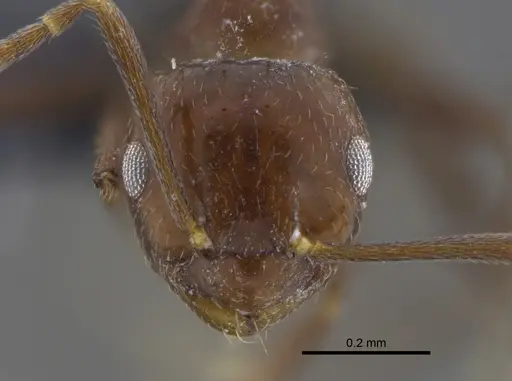
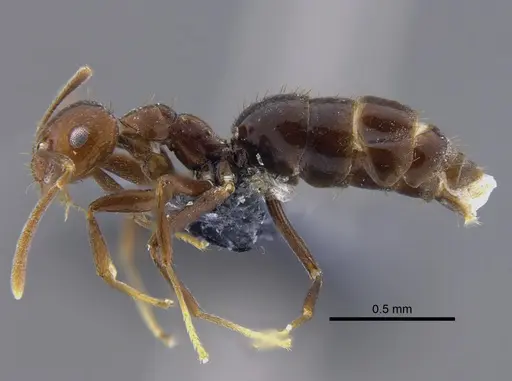
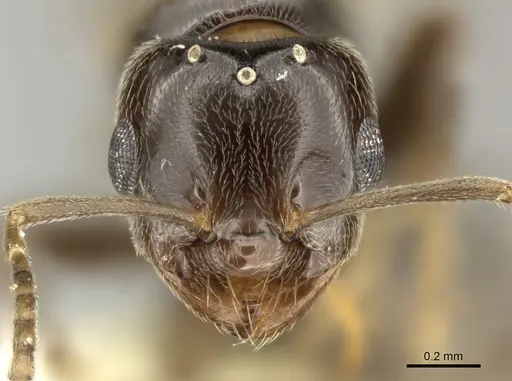
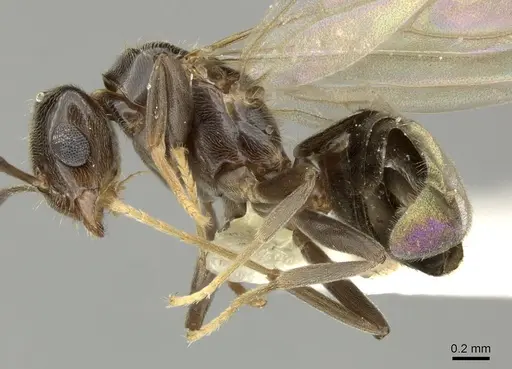
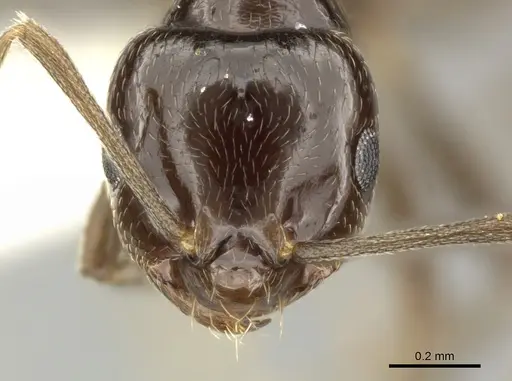
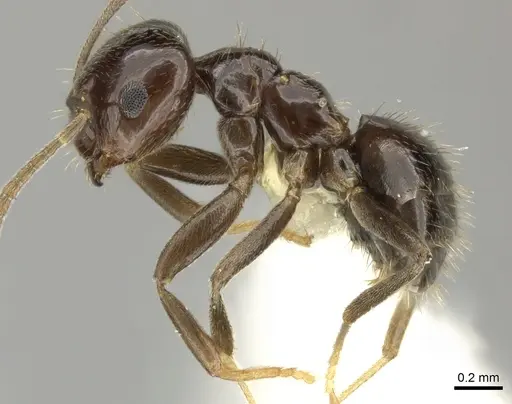
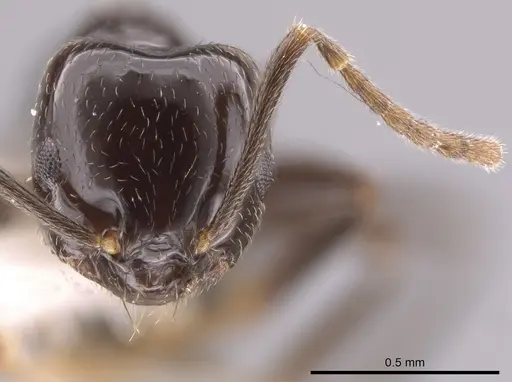
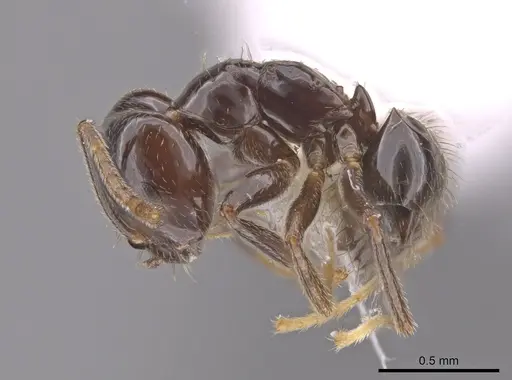
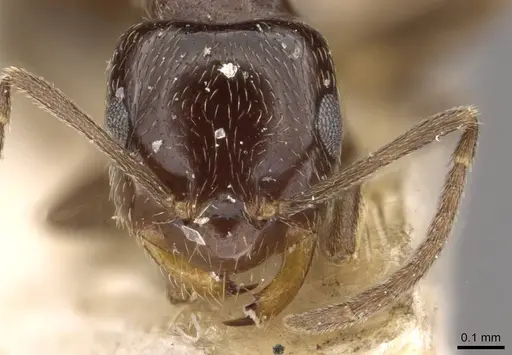
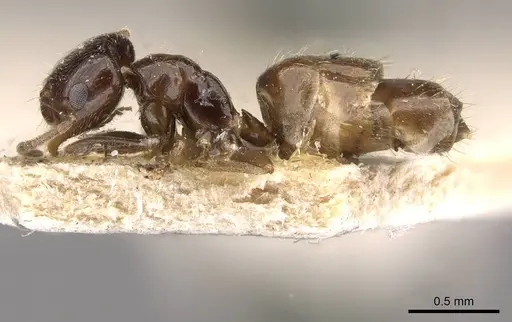
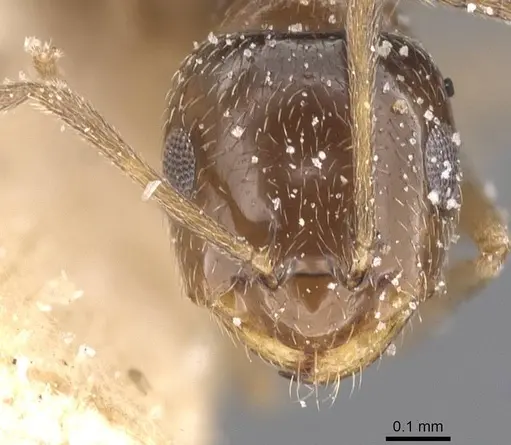
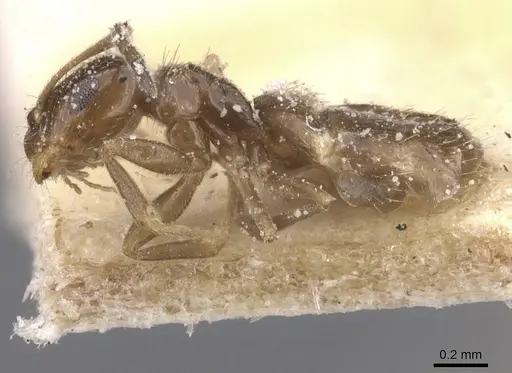
Brachymyrmex bruchi is a tiny brownish ant native to the southern United States and much of South America, from Argentina up through Central America [1]. Workers measure just 0.81-1.29mm in total length, making them one of the smaller ants you'll encounter, about the size of a rice grain [2]. They have a distinctive appearance: the antennae scapes extend past the back of the head by a length roughly equal to the eye's diameter, and their smooth, shiny body carries scattered long hairs on the gaster [1]. These ants live in mesic forests and have been collected from treefalls, downed branches, and sandy areas [3]. What makes B. bruchi interesting is its ecological role, in Brazilian studies, it was the second most abundant ant species, playing a significant role in predator-prey dynamics and showing higher abundance during summer months [4].
Quick Summary
- Difficulty: Easy
- Origin & Habitat: Southern United States and Neotropical South America (Argentina, Bolivia, Brazil, Chile, Colombia, Dominican Republic, Ecuador, Guatemala, Paraguay, Uruguay). Found in mesic forests, typically in treefalls, downed branches, and sandy areas [1][3].
- Colony Type: Colony structure is unconfirmed. Based on genus patterns, likely single-queen colonies, but this has not been directly studied.
- Size & Growth:
- Queen: Estimated 2-3mm based on genus patterns, no direct measurements available
- Worker: 0.81-1.29mm total length [2]
- Colony: Unknown, no colony size data available
- Growth: Moderate, based on typical small Formicinae development
- Development: Estimated 6-8 weeks based on related Formicinae species at room temperature (Direct development data unavailable for this species. Estimates based on genus-level patterns for small tropical/subtropical ants.)
- Antkeeping:
- Temperature: Keep at room temperature, roughly 20-26°C. This species tolerates a range given its broad distribution from temperate Argentina to tropical Brazil [1]. Start at room temperature and adjust based on colony activity.
- Humidity: Moderate humidity around 50-70%. In captivity, keep the nest substrate slightly moist but allow some drying between waterings. These ants come from mesic forest environments [3].
- Diapause: Unknown, no specific data on winter requirements. Given the broad geographic range spanning both temperate and tropical regions, some populations may require a cool period while others may not. Observe colony behavior and reduce feeding slightly during winter months.
- Nesting: In captivity, small test tubes or acrylic nests work well. Their tiny size requires tight-fitting connections and small chambers. They likely nest in small cavities in rotting wood or under debris in the wild [3].
- Behavior: These are small, generally non-aggressive ants that forage quietly. Workers are active and will explore their surroundings, though they are not particularly defensive. Their tiny size means they can squeeze through small gaps, excellent escape prevention is critical. They are predatory and have been documented preying on diamondback moth eggs and larvae in agricultural studies, indicating they accept small live prey [4]. They are more abundant during summer months [4].
- Common Issues: tiny size means escapes are likely without fine mesh barriers and tight-fitting lids, biology is poorly documented so some care aspects require experimentation, slow colony growth can frustrate beginners, patience is key, wild-caught colonies may have parasites that can kill them in captivity, they are small predators, ensure appropriate tiny prey is available
Housing and Nest Setup
Because of their very small size, Brachymyrmex bruchi requires appropriately scaled housing. Test tubes work well for founding colonies, use a small water reservoir with a cotton plug, making sure the connection is tight. For established colonies, acrylic nests with small chambers or a well-designed formicarium with narrow tunnels work best. The key requirement is escape prevention: these tiny ants can squeeze through gaps that seem impossibly small. Use fine mesh on any ventilation holes, and ensure all lids and connections fit tightly. A foraging area should be simple and easy to clean. Avoid tall, complex setups that are difficult to maintain, these ants don't need elaborate structures. A simple outworld connected to the nest via a short tube gives them space to forage while keeping maintenance simple. [2][1]
Feeding and Diet
Brachymyrmex bruchi is predatory based on field studies showing they prey on diamondback moth eggs and larvae [4]. In captivity, offer small live prey appropriate to their tiny size: fruit flies, pinhead crickets (pre-killed), small mealworms, or other micro-arthropods. They will likely accept sugar water or honey as an energy source, though protein from insects should form the bulk of their diet. Feed small amounts every few days, removing any uneaten prey after 24 hours to prevent mold. The key is offering appropriately-sized prey, these ants are very small, so what seems tiny to you is a substantial meal for them. A constant supply of sugar water or honey is recommended for energy.
Temperature and Seasonal Care
This species tolerates a wide temperature range given its distribution from temperate Argentina to tropical Brazil. Room temperature (20-26°C) is appropriate as a starting point. They are more abundant in summer in their native range [4], suggesting warmer conditions promote activity. A gentle heat gradient in the nest allows workers to choose their preferred temperature. During winter months, you may reduce feeding slightly and allow temperatures to drop to room temperature (around 18-20°C), but specific diapause requirements are unknown. Monitor your colony, if they become less active in winter, this may indicate a natural rest period. Do not refrigerate or artificially hibernate unless you observe clear dormancy patterns.
Colony Establishment and Growth
Starting a colony from a wild-caught queen is the most common approach. Since founding behavior is unconfirmed, assume claustral founding (queen seals herself in and raises first workers alone) as is typical for the genus. A single queen in a test tube setup works well, provide a dark, quiet location and wait. First workers (nanitics) will be smaller than normal workers but will quickly expand the colony. Growth rate is moderate, expect several months before you have a established colony with dozens of workers. Patience is essential with small ants like these. Colonies may remain relatively small compared to species like Camponotus or Formica, so don't expect massive worker numbers quickly. Regular feeding and proper humidity will support steady growth.
Handling and Observation
These ants are not aggressive and rarely bite or sting. Their small size makes them challenging to observe in detail, but their activity patterns are interesting to watch. They are most active during warmer months and show increased foraging activity in summer [4]. When observing, note how they communicate, Brachymyrmex species use chemical trails and may recruit workers to food sources. They are not defensive, so you can observe the nest without disturbing them much. However, their tiny size means any disturbance can easily crush workers. Handle gently and minimize nest openings. Their smooth, shiny brown body and characteristic long antennae scapes make them distinctive under magnification.
Frequently Asked Questions
How long does it take for Brachymyrmex bruchi to produce first workers?
Direct data is unavailable, but based on typical Formicinae development, expect 6-8 weeks from egg to worker at room temperature. Nanitics (first workers) will appear smaller than mature workers and the colony will grow gradually from there.
What do Brachymyrmex bruchi ants eat?
They are predatory ants that accept small live prey. In studies, they preyed on moth eggs and larvae. In captivity, offer small insects like fruit flies, pinhead crickets, or small mealworms. They will likely also accept sugar water or honey for energy.
Are Brachymyrmex bruchi ants good for beginners?
Yes, they are considered easy to keep due to their tolerance for a range of conditions and non-aggressive nature. The main challenges are their tiny size (requiring excellent escape prevention) and the lack of detailed care literature, so some experimentation may be needed.
Do Brachymyrmex bruchi ants need hibernation?
Diapause requirements are unknown. Given their broad range from temperate to tropical regions, some populations may need a cool period while others may not. Start with room temperature year-round and observe your colony's activity patterns. Reduce feeding slightly during winter if they become less active.
How big do Brachymyrmex bruchi colonies get?
Colony size data is not available. Based on their small worker size and the genus patterns, colonies likely remain relatively small, probably under a few hundred workers at maturity. They are not known for producing massive colonies.
Can I keep multiple Brachymyrmex bruchi queens together?
Colony structure (monogyne vs polygyne) has not been documented for this species. It is not recommended to combine unrelated queens as aggression is likely. If you capture multiple queens, house them separately until you determine their colony structure.
Why are my Brachymyrmex bruchi ants escaping?
Their very small size (under 1.3mm) means they can squeeze through the tiniest gaps. Use fine mesh (at least 0.5mm or smaller), ensure all lids fit tightly, and check connections regularly. Escape prevention is critical with this species.
Where is Brachymyrmex bruchi found in the wild?
They range from the southern United States down through Central America to Argentina. They live in mesic (damp) forests and have been collected from treefalls, downed branches, and sandy areas. They are more abundant during summer months in their native range.
References

This caresheet is licensed under CC BY-SA 4.0 .
IAVH-E-263283
View on AntWeb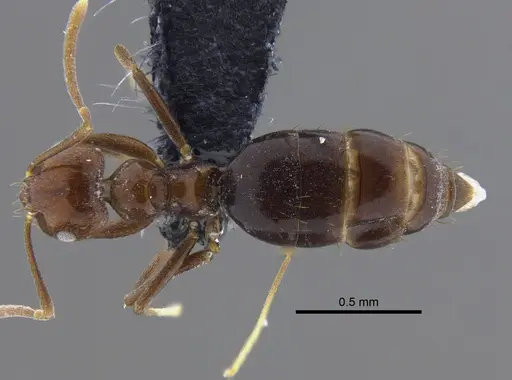
INBIOCRI001280743
View on AntWeb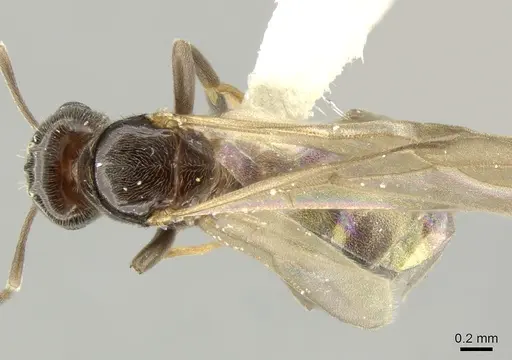
INBIOCRI001280747
View on AntWeb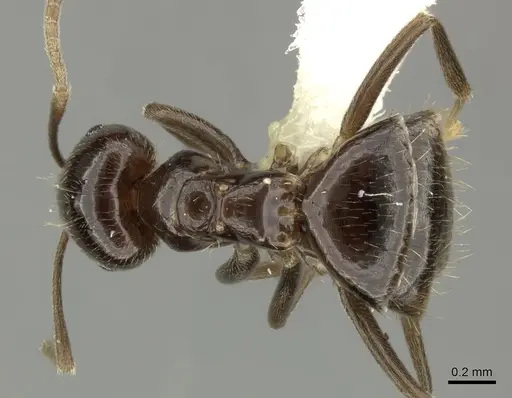
JTLC000010345
View on AntWeb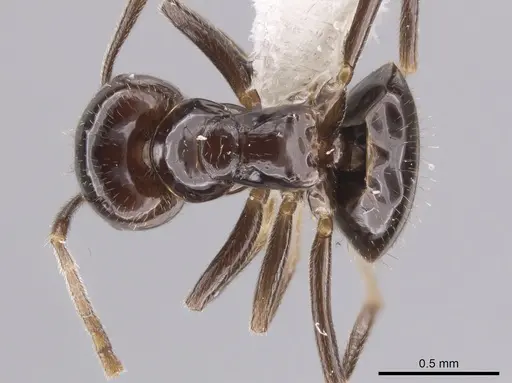
USNMENT00757159
View on AntWeb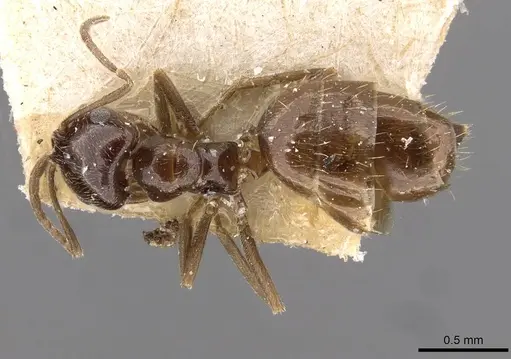
USNMENT00757161
View on AntWeb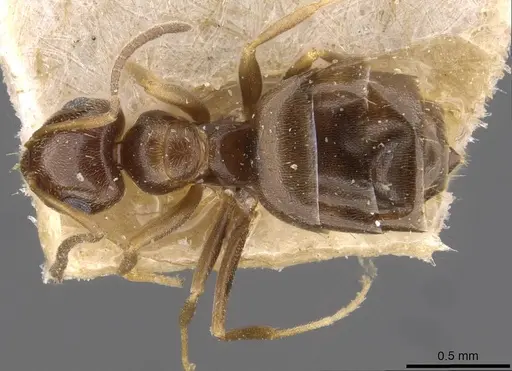
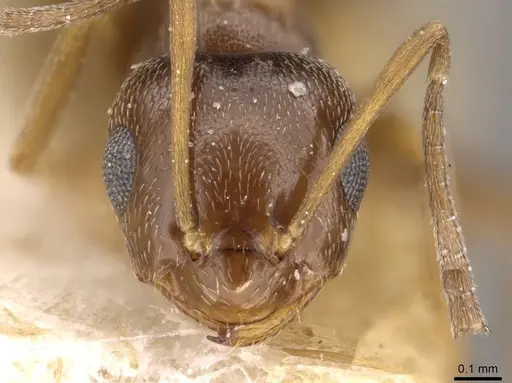
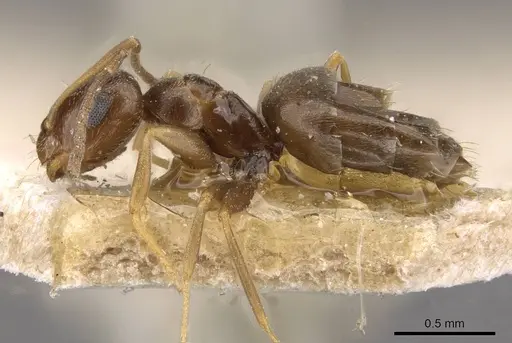
USNMENT00757186
View on AntWeb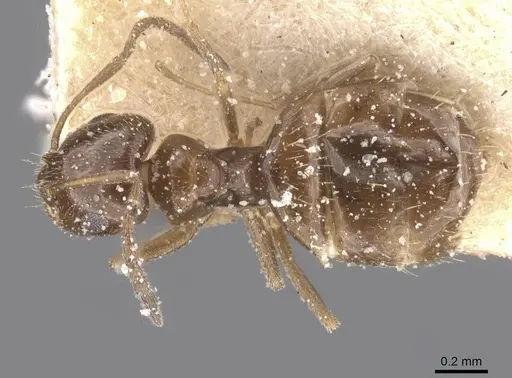
Literature
Loading...Loading products...