

Brachymyrmex admotus
- Scientific Name
- Brachymyrmex admotus
- Tribe
- Myrmelachistini
- Subfamily
- Formicinae
- Author
- Mayr, 1887
- Distribution
- Found in 2 countries
Brachymyrmex admotus Overview
Brachymyrmex admotus is an ant species of the genus Brachymyrmex. It is primarily documented in 2 countries , including Brazil, French Guiana. Detailed taxonomic data and occurrence records can be further explored via authoritative databases such as AntWeb or the Global Biodiversity Information Facility (GBIF).
Brachymyrmex admotus
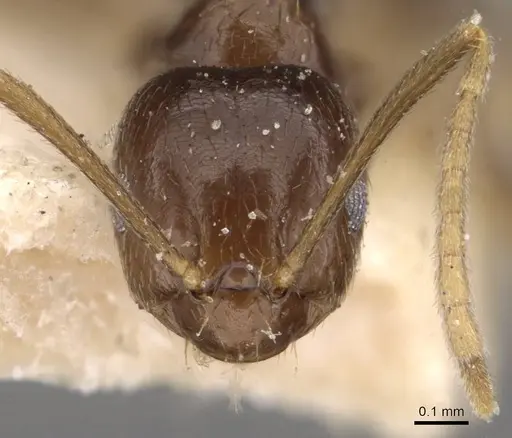
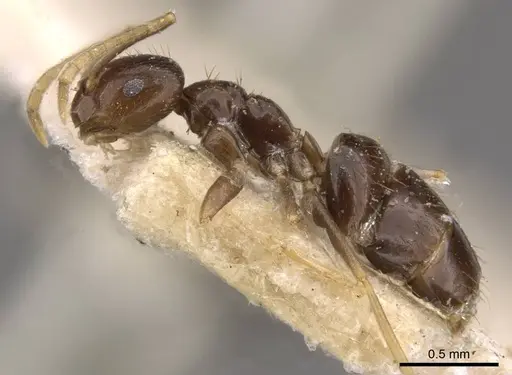
Brachymyrmex admotus is a small Neotropical ant measuring 1.6-2.2mm for workers and 3.2-3.8mm for queens. Workers have a distinctive uniform dark brown coloration with long antennae that extend well past the back of their head, about 1.5 times the diameter of their eye. They have two distinctive erect hairs between the spiracles on their back and a smooth, shiny body surface. This species ranges from Mexico through Central America and into much of South America, including Brazil, Argentina, Paraguay, and Venezuela [1][2]. They are highly adaptable ants that nest in rotting wood and under rocks in forest habitats, and they readily colonize small twigs in leaf litter [1][3].
Quick Summary
- Difficulty: Easy
- Origin & Habitat: Neotropical ant found across Central and South America, from Mexico through Brazil and Argentina. They inhabit tropical and subtropical forests, including Atlantic Forest fragments, and are common in urban green areas. Nests in rotting wood and under rocks [1][4].
- Colony Type: Colony structure is unconfirmed. Based on genus patterns, likely single-queen colonies, though this has not been directly studied.
- Size & Growth:
- Queen: 3.22-3.79mm [2]
- Worker: 1.6-2.18mm [2]
- Colony: Unknown, likely small to moderate colonies based on typical Brachymyrmex patterns
- Growth: Moderate, estimated based on genus patterns
- Development: 6-10 weeks, estimated based on related Formicinae species (Development time is not directly studied for this species. Expect similar timelines to other small tropical ants in the subfamily.)
- Antkeeping:
- Temperature: Keep at 22-26°C. This is a tropical species that thrives in warm conditions. Room temperature within this range works well, or use a heating cable on one side of the nest for a gentle gradient [5].
- Humidity: Moderate to high. They naturally nest in rotting wood which retains moisture. Keep the nest substrate slightly moist but not waterlogged. Provide a water tube for drinking water.
- Diapause: Unlikely, being a tropical species, they do not require hibernation. However, slight temperature reduction during winter months may slow activity naturally.
- Nesting: They naturally nest in rotting wood and small twigs. In captivity, they do well in Y-tong nests, plaster nests, or naturalistic setups with small-diameter twigs or wood pieces. They are small ants, so narrow chambers work better than large open spaces. Test tube setups can work for founding colonies [3].
- Behavior: These ants are relatively docile and not aggressive. They are omnivorous, feeding on honeydew, small insects, and various household food scraps. Workers are active foragers that can navigate both on the ground and in vegetation. They are small ants but not particularly known for escaping, standard escape prevention measures should suffice. They are frequently found in urban areas and can tolerate some degree of habitat disturbance [6][7].
- Common Issues: colonies may be slow to establish, patience is needed during founding phase, small colony size means fluctuations in conditions can impact them more heavily, rotting wood nests can mold if kept too wet, balance moisture carefully, wild-caught colonies may have parasites that affect survival in captivity
Nest Preferences
In the wild, Brachymyrmex admotus nests in rotting wood and under rocks. They are also common inhabitants of small twigs in leaf litter, with twig diameters ranging from about 5-32mm depending on habitat [3]. In captivity, they adapt well to various nest types. Y-tong (acrylic) nests work well because you can scale the chamber sizes to their small size. Plaster nests also work nicely since they hold moisture well, mimicking the rotting wood habitat. Naturalistic setups with small pieces of wood or twigs can also be successful. For founding colonies, a simple test tube setup with a water reservoir works fine, just make sure the cotton is packed securely. Avoid tall, open spaces that are disproportionate to their tiny size. They do best with tight, cozy chambers that match their natural nesting in confined spaces.
Feeding and Diet
These ants are omnivorous, which makes feeding straightforward. They will readily accept sugar sources like honey water or sugar water, this should be available at all times for established colonies. For protein, offer small insects like fruit flies, small mealworms, or pinhead crickets. Since they are small ants, prey items should be appropriately sized. They are known to tend mealybugs and can be associated with honeydew-producing insects in captivity if you keep such plants. In urban environments, they scavenge various food scraps, so they are not picky eaters. Feed protein roughly twice a week, and remove any uneaten prey after 24 hours to prevent mold. [6]
Temperature and Care
As a Neotropical species, Brachymyrmex admotus prefers warm conditions. Keep the nest area at 22-26°C for optimal activity and brood development. Room temperature in this range works well for most keepers. If your room is cooler, a heating cable placed on one side of the nest can create a gentle temperature gradient. Place the heating element on top of the nest, not underneath, to avoid evaporating moisture too quickly. They do not require hibernation since they come from tropical regions, but they may show slightly reduced activity during cooler winter months if your home temperature drops. No special winter care is needed beyond keeping them away from cold drafts. [5]
Behavior and Temperament
Brachymyrmex admotus is a relatively docile species that does well in captivity. Workers are active foragers but not particularly aggressive or defensive. They are small ants that can navigate through small gaps, so some basic escape prevention is recommended, though they are not as prone to escaping as truly tiny species like some Pheidole or Solenopsis. They are highly adaptable and are one of the few ant species that actually thrives in urban environments, they are commonly found in cities and can colonize small spaces in parks and gardens [6]. This adaptability bodes well for captive care, as they can tolerate some variation in their conditions. Workers forage both on the ground and in vegetation, so they appreciate some vertical space in their outworld.
Growth and Development
Specific development timelines have not been documented for this species. Based on typical Brachymyrmex patterns and related Formicinae ants, expect 6-10 weeks from egg to first worker at optimal temperature. Queens are 3.2-3.8mm and workers are 1.6-2.2mm, so the size difference is significant. First workers (nanitics) will be smaller than mature workers. Growth rate is likely moderate, not extremely fast like some tropical ants, but not slow either. Colonies probably reach several hundred workers over time, though maximum colony size is not documented. Patience is important during the founding phase, as the colony establishes itself. [2]
Habitat and Distribution
This species has a broad Neotropical distribution spanning from Mexico south through Central America and into much of South America. They are found in Brazil (particularly Santa Catarina, Rio de Janeiro, Minas Gerais, and Pará), Argentina (Misiones), Paraguay, Panama, Venezuela, and Mexico (Nayarit) [2][8][1]. They inhabit various forest types including Atlantic Forest fragments and can be found in both preserved and disturbed areas. Their tolerance for urban environments means they are one of the more widespread ants in the region, appearing in cities from Brazil to Mexico. This wide distribution suggests they are adaptable to various local conditions.
Frequently Asked Questions
How long does it take for Brachymyrmex admotus to produce first workers?
The exact timeline is not documented, but based on related Formicinae species, expect 6-10 weeks from egg to first worker at optimal temperature (22-26°C). Patience is key during the founding phase.
What do Brachymyrmex admotus ants eat?
They are omnivorous. Offer sugar water or honey constantly, and feed small insects like fruit flies or small mealworms twice a week. They will also scavenge other food scraps.
Can I keep Brachymyrmex admotus in a test tube?
Yes, test tubes work well for founding colonies. Keep the water reservoir appropriately sized and ensure the cotton is packed securely. Transfer to a larger nest once the colony grows.
Do Brachymyrmex admotus ants need hibernation?
No, they are tropical ants and do not require hibernation. They may show slightly reduced activity in cooler winter months, but no special winter care is needed.
What size nest should I use for Brachymyrmex admotus?
Use nests with small, tight chambers scaled to their tiny 1.6-2.2mm worker size. Y-tong nests, plaster nests, or naturalistic setups with small twigs work well. Avoid overly large chambers.
Are Brachymyrmex admotus good for beginners?
Yes, they are considered an easy species to keep. They are adaptable, tolerate various conditions, and are not aggressive. Their small size and simple care requirements make them suitable for beginners.
How big do Brachymyrmex admotus colonies get?
Maximum colony size is not documented, but based on typical Brachymyrmex patterns, colonies likely reach several hundred workers. They are not among the largest ant species.
What temperature is best for Brachymyrmex admotus?
Keep them at 22-26°C. This tropical species thrives in warm conditions. Room temperature in this range works well, or use a heating cable on one side of the nest.
Where does Brachymyrmex admotus live in the wild?
They are found across the Neotropics from Mexico to Brazil and Argentina. They nest in rotting wood, under rocks, and in small twigs in leaf litter. They are common in both forests and urban areas.
When should I move my colony to a formicarium?
Move from a test tube to a proper nest once the colony reaches 20-30 workers and the test tube is becoming crowded. They adapt well to various nest types.
References

This caresheet is licensed under CC BY-SA 4.0 .
CASENT0915730
View on AntWeb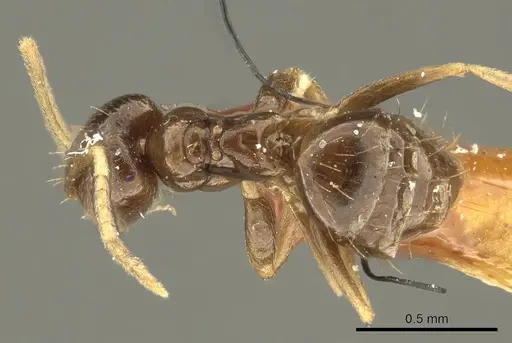
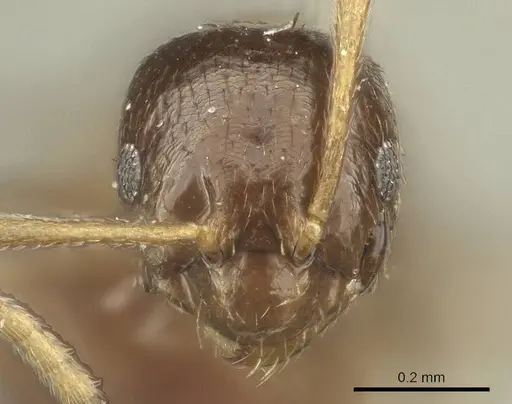
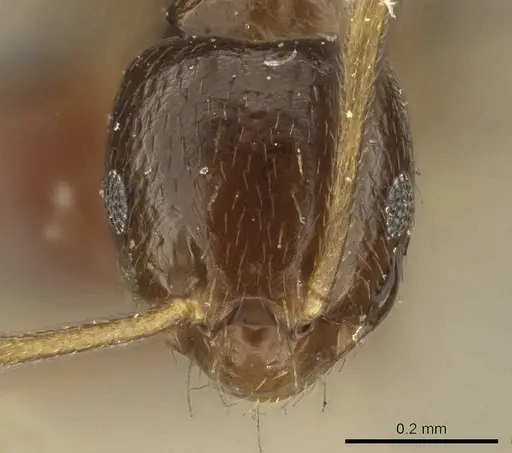
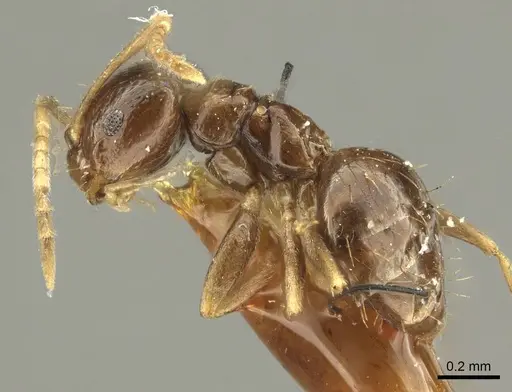
USNMENT00757148
View on AntWeb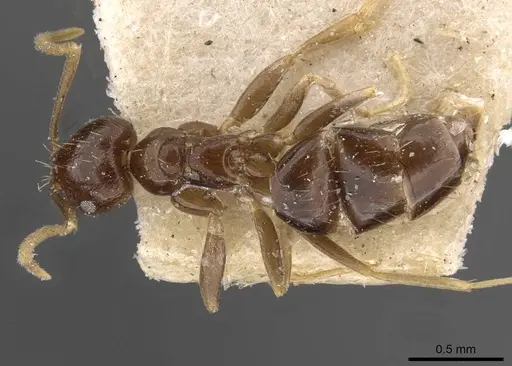
Literature
Loading...Loading products...