

Azteca jelskii
- Scientific Name
- Azteca jelskii
- Tribe
- Leptomyrmecini
- Subfamily
- Dolichoderinae
- Author
- Emery, 1893
- Distribution
- Found in 3 countries
Azteca jelskii Overview
Azteca jelskii is an ant species of the genus Azteca. It is primarily documented in 3 countries , including French Guiana, Peru, Venezuela. Detailed taxonomic data and occurrence records can be further explored via authoritative databases such as AntWeb or the Global Biodiversity Information Facility (GBIF).
Azteca jelskii
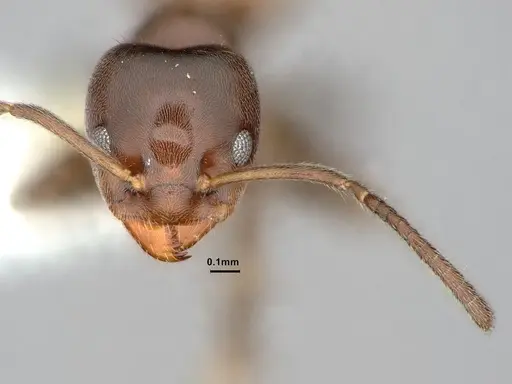
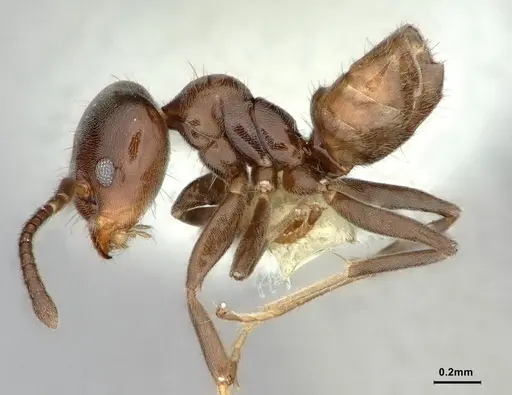
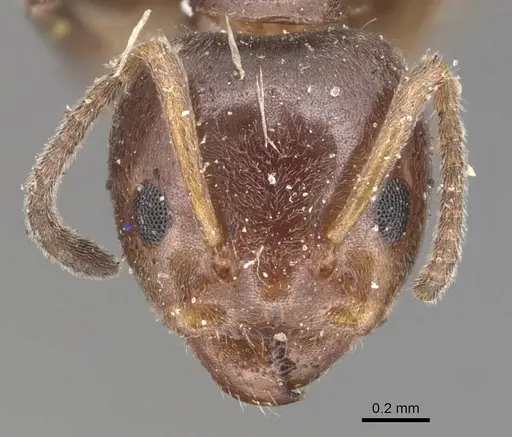
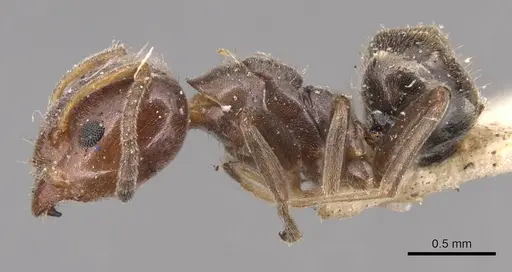
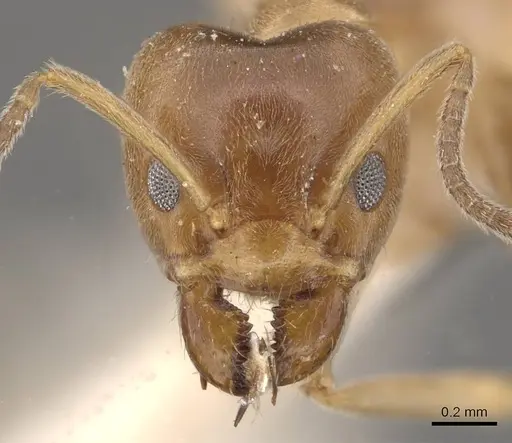
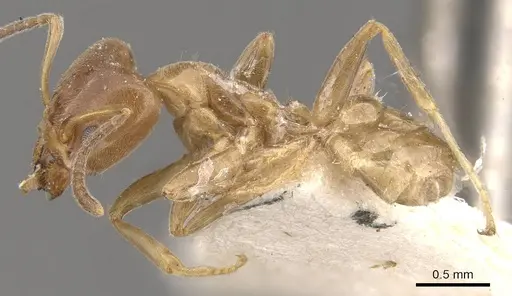
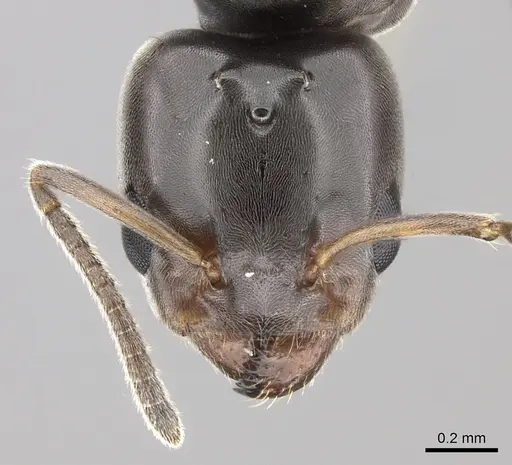
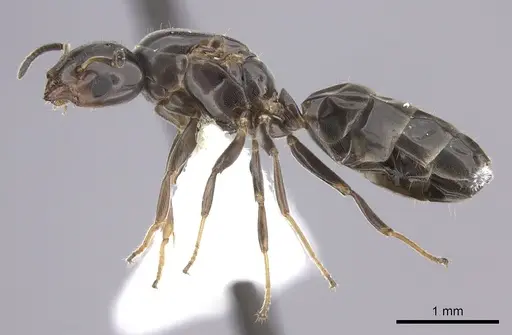
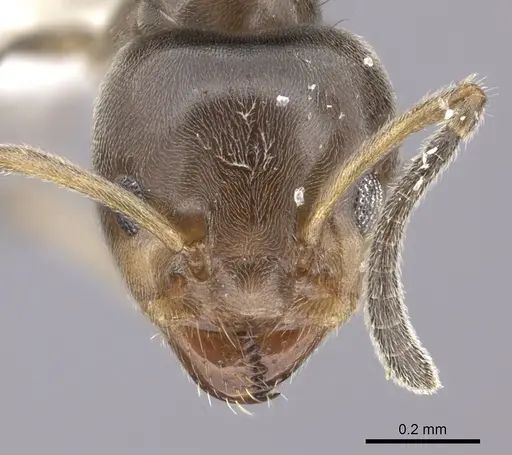
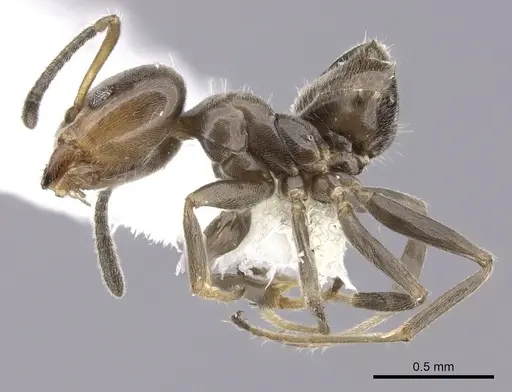
Azteca jelskii is a small arboreal ant native to northern South America, ranging from Colombia and Venezuela through French Guiana and Peru to Bolivia [1]. Workers measure 2-3mm with a dark reddish-brown body, blackish abdomen and antennae, and a somewhat shiny appearance with fine hairs covering the surface [2]. The species is nearly identical to its close relative Azteca tonduzi, differing only in that A. jelskii lacks the tiny erect hairs found on the antennae scapes and legs of A. tonduzi [1]. These ants are arboreal, living and foraging in trees throughout lowland tropical habitats.
Quick Summary
- Difficulty: Hard
- Origin & Habitat: Native to the Neotropical region, found in Colombia, Venezuela, Trinidad and Tobago, French Guiana, Suriname, Peru, and Bolivia. They inhabit lowland tropical rainforests where they nest in trees, building carton nests in plant cavities or dead stems [1][3].
- Colony Type: Polygynous, colonies can have multiple queens. Polygynous nests with many dealate (wingless) queens have been documented in dead Cecropia branches [1]. They are also polydomous, meaning they maintain nests in multiple locations, often connecting different trees through ground trails [3].
- Colony: Polygyne
- Size & Growth:
- Queen: Queens vary in size with head lengths (HLA) ranging from 1.01mm to 1.17mm depending on origin [1]. Signal if estimated.
- Worker: 2-3mm [2]
- Colony: Colony size data specifically for A. jelskii is limited, but related Azteca species in Cecropia trees can form substantial colonies. Polygynous colonies with multiple queens can support larger worker populations [1]. Signal if estimated.
- Growth: Moderate, based on typical Azteca patterns. Signal if estimated.
- Development: Unknown, specific development timeline has not been documented for this species. Based on related Azteca species in tropical conditions, expect 4-8 weeks from egg to worker at warm temperatures. Signal if estimated. (Development time is unconfirmed for this species. Tropical arboreal ants typically develop faster than temperate species due to year-round warm conditions.)
- Antkeeping:
- Temperature: As a tropical species, keep them warm at 24-28°C. Room temperature (around 22-25°C) is acceptable. A gentle heat gradient allows ants to regulate their temperature. Evidence tier: inferred from tropical habitat and related Azteca species.
- Humidity: High humidity is essential, these are rainforest ants from the Neotropics. Maintain 70-85% humidity in the outworld and nest area. Regular misting or a water reservoir helps. Evidence tier: inferred from natural habitat.
- Diapause: No, as a tropical species, they do not require hibernation or winter dormancy. They remain active year-round in consistent tropical conditions. Evidence tier: inferred from tropical range.
- Nesting: Arboreal nesting is essential. In captivity, they need vertical space and climbing structures. Provide a formicarium with chambers connected to multiple outworlds or a naturalistic setup with branches and plants. They will build carton-like material in cavities. Y-tong nests or acrylic nests with multiple connected chambers work well. Evidence tier: inferred from natural nesting behavior.
- Behavior: Azteca jelskii is an arboreal forager, active and agile in the tree canopy. They are generalist foragers that exploit multiple food sources. Workers will tend scale insects (Hemiptera) for honeydew and hunt small invertebrates. They are not particularly aggressive toward humans but will defend their nest. Escape prevention is important, they are small and can squeeze through small gaps. Their polydomous nature means they may establish satellite nests in different areas of the enclosure. Evidence tier: inferred from genus behavior and natural history [4].
- Common Issues: tropical humidity requirements mean dry conditions quickly stress and kill colonies, arboreal nature requires vertical space and climbing structures, horizontal-only setups lead to stress, polygynous colonies may have queen aggression during founding if queens are introduced to each other improperly, small size (2-3mm) requires fine mesh barriers to prevent escapes, wild-caught colonies may harbor parasites or be stressed from collection, leading to colony failure in captivity
Nest Preferences and Housing
Azteca jelskii is an obligate arboreal ant, meaning it naturally lives and forages in trees. In the wild, they build carton nests in cavities like dead branches, vine stems, and hollow plant stems. They've been documented nesting in dead Cecropia branches, Inga stipulacea, and dead vine stems [1]. They also form polydomous colonies, spreading across multiple trees with ground trails connecting them [3]. For captive care, you need to replicate this arboreal lifestyle. A vertical formicarium with multiple connected chambers works best. Provide plenty of climbing structures like branches, cork bark, or artificial plants. They will construct carton-like material in available cavities, so giving them enclosed spaces encourages natural nesting behavior. A Y-tong (acrylic) nest with narrow chambers or a naturalistic setup with cork bark and live or artificial plants works well. The key is vertical space, they need to move up and down, not just horizontally.
Feeding and Diet
Like most Azteca species, A. jelskii is a generalist forager with complex trophic relationships. In nature, they tend coccoid Hemiptera (scale insects) for their honeydew, which is a sugar-rich secretion [4]. They also hunt small invertebrates and collect nectar. For captive feeding, offer a varied diet: sugar water or honey as a constant energy source, and protein sources like small insects (fruit flies, small crickets, mealworms) regularly. Their small size (2-3mm workers) means prey should be appropriately sized, very small insects or pre-killed pieces. Since they are arboreal and may have difficulty capturing large live prey, offering pre-killed or stunned insects can help. Fresh fruit occasionally may be accepted. Feed sugar sources 2-3 times per week and protein prey once or twice weekly, adjusting based on colony consumption.
Temperature and Humidity
As a tropical species from the Neotropical rainforests, Azteca jelskii requires warm and humid conditions year-round. Keep temperatures in the range of 24-28°C. Room temperature (22-25°C) in most homes is acceptable, but you may need a gentle heat source if your space runs cooler. A small heating cable on one side of the nest creates a temperature gradient so ants can choose their preferred zone. Humidity should be maintained at 70-85%. This can be achieved through a water reservoir in the formicarium, regular misting, or by keeping the nest substrate moist. The key is consistency, tropical ants don't tolerate temperature swings or dry conditions well. Avoid placing the colony near air conditioning vents or in drafty areas. A digital thermometer-hygrometer combo helps you monitor conditions accurately.
Colony Structure and Social Organization
A distinctive feature of Azteca jelskii is its polygynous colony structure, colonies can have multiple queens. Documented nests have shown many dealate (wingless) queens in a single dead Cecropia branch [1]. This is different from many ant species that have only one queen per colony. Additionally, they are polydomous, meaning the colony occupies multiple nests in different locations. In the wild, ground trails connect trees occupied by the same colony [3]. This has practical implications for captivity: you may need to provide multiple nest sites connected by outworlds, allowing the colony to distribute itself naturally. Queens can coexist, which makes establishing a colony from multiple foundresses potentially successful, though you should still monitor for aggression during introduction. The polygynous nature may also help colonies survive queen loss, as replacement reproductives can take over.
Behavior and Foraging
Azteca jelskii workers are active foragers in the tree canopy, and this translates to an active, visible colony in captivity. They are generalist foragers, meaning they'll explore and exploit various food sources. Workers are small (2-3mm) but agile, and they'll establish foraging trails. Their small size means they're excellent at finding their way into tiny spaces, this makes escape prevention critical. Use tight-fitting lids and fine mesh on any ventilation. In a captive setup, they'll use vertical pathways extensively. They're not particularly aggressive toward keepers but will defend their nest vigorously if threatened. Their relationship with scale insects means you might see them tending tiny Hemiptera if any are present in the setup, this is normal behavior and actually demonstrates healthy colony activity. [4]
Legal and Ethical Considerations
Azteca jelskii is not established in North America or Europe as far as documented, it's native to the Neotropical region of South America. If you obtain a colony, do not release it outside its native range. In many countries, keeping non-native ant species is regulated or discouraged precisely to prevent ecological damage from potential invasions. Always check your local regulations regarding exotic ant species. If you no longer wish to keep the colony, the most ethical options are finding another experienced keeper who can take them or, if that's not possible, humanely disposing of the colony according to local guidelines.
Frequently Asked Questions
Can I keep Azteca jelskii in a test tube?
Test tubes are not ideal for Azteca jelskii. These are arboreal ants that need vertical space and climbing structures. A test tube setup lacks the vertical dimension they need for natural behavior. Instead, use a vertical formicarium (Y-tong or acrylic) with multiple chambers connected to outworlds, or a naturalistic setup with branches and cork bark. They will do much better in a setup that mimics their tree-dwelling lifestyle.
How long does it take for Azteca jelskii to produce first workers?
The specific egg-to-worker timeline for Azteca jelskii has not been documented. Based on related tropical Azteca species, expect approximately 4-8 weeks from egg to first worker at warm temperatures (around 26°C). The exact timing depends on temperature and colony health. Be patient, tropical ants often develop faster than temperate species, but individual colonies vary.
Can I keep multiple Azteca jelskii queens together?
Yes, this species is naturally polygynous, colonies can have multiple queens. Documented nests show many dealate queens in a single nest location [1]. However, when introducing unrelated foundresses, do so gradually and monitor for aggression. Start them in separate containers and gradually allow interaction over several days before combining in the final enclosure.
What do Azteca jelskii eat?
They are generalist foragers. Offer sugar water or honey as a constant energy source, and protein prey like small fruit flies, pinhead crickets, or small mealworms 1-2 times per week. They may also accept small pieces of fresh fruit. In nature, they also tend scale insects for honeydew [4]. Adjust feeding based on colony size and consumption rates.
Are Azteca jelskii good for beginners?
No, Azteca jelskii is not recommended for beginners. They have specific requirements: high tropical humidity, arboreal housing with vertical space, and they are not commonly available in the antkeeping hobby. They are better suited for experienced keepers who can provide the warm, humid, vertical setup they need. If you're new to antkeeping, start with more forgiving species like Lasius niger or Tetramorium caespitum.
Do Azteca jelskii need hibernation?
No, they do not require hibernation. As a tropical species from the Neotropical region, they remain active year-round in consistent warm and humid conditions. Maintain temperatures of 24-28°C throughout the year without a cooling period. Attempting to hibernate a tropical colony will likely kill it.
Why is my Azteca jelskii colony dying?
The most common causes are: low humidity (tropical ants quickly decline in dry conditions), incorrect temperature (too cold or too hot), insufficient vertical space (they need to climb), or escape through tiny gaps due to their small size. Review your setup against their needs: 24-28°C temperature,70-85% humidity, vertical formicarium with climbing structures, and escape-proof barriers. Also ensure you're offering appropriate food.
When should I move Azteca jelskii to a formicarium?
If you start with a founding queen in a test tube setup, you can move to a proper arboreal setup once the colony reaches 20-30 workers. However, since they need vertical space from the start, consider using a vertical setup from the beginning rather than transitioning from a horizontal test tube. The key is providing enough space for the colony to expand while maintaining proper humidity.
How big do Azteca jelskii colonies get?
Specific colony size data for A. jelskii is limited, but related Azteca species in Cecropia trees can form substantial colonies with hundreds to over a thousand workers. Their polygynous (multiple queen) structure supports larger colony sizes. With proper care, expect your colony to grow to several hundred workers over time.
References

This caresheet is licensed under CC BY-SA 4.0 .
CASENT0249543
View on AntWeb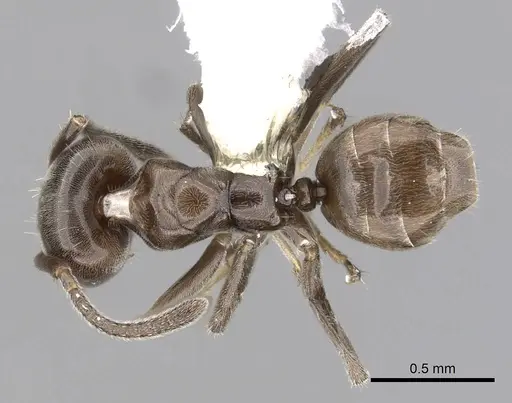
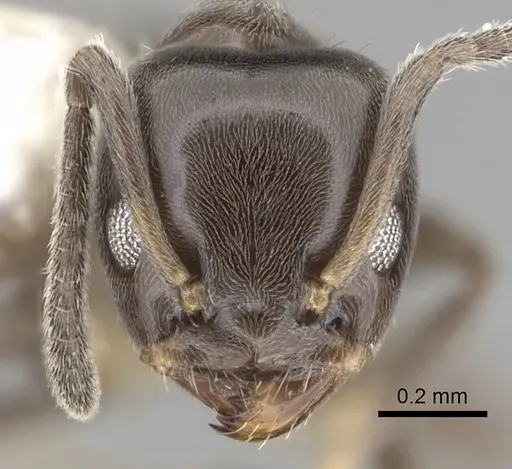
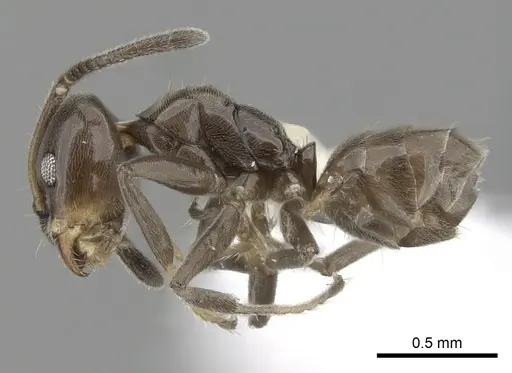
CASENT0886028
View on AntWeb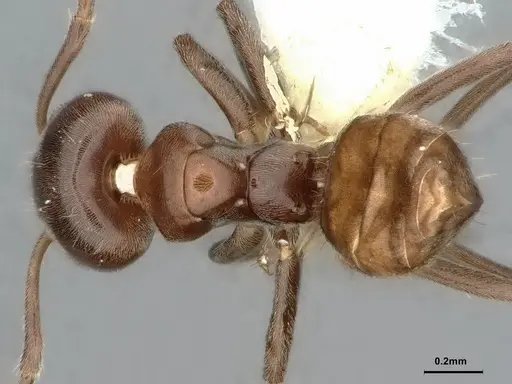
CASENT0905090
View on AntWeb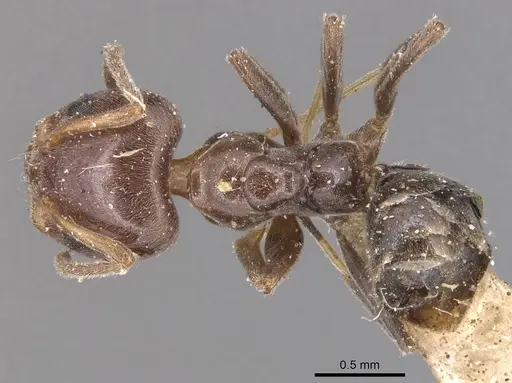
CASENT0909680
View on AntWeb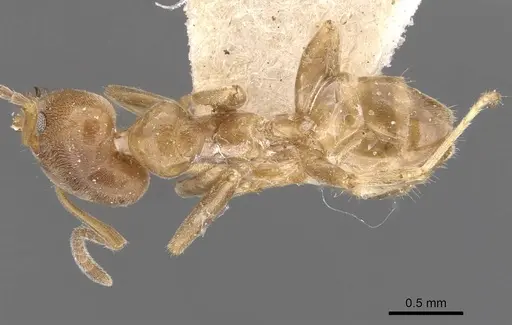
JTLC000015044
View on AntWeb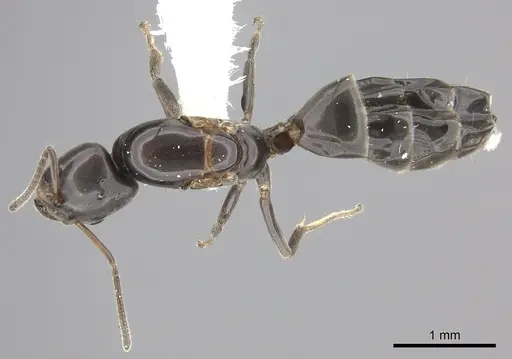
JTLC000015045
View on AntWeb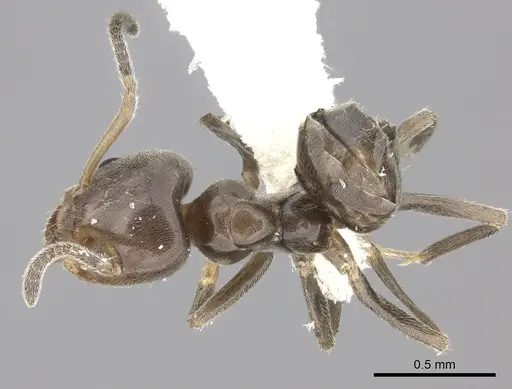
Literature
Loading...Loading products...