
Tetramorium caespitum has a tightly defined flight window centered on June. Most nuptial flights occur within just 2 months, making this a highly predictable species for collectors. The concentrated timeframe makes peak months critical for sightings.
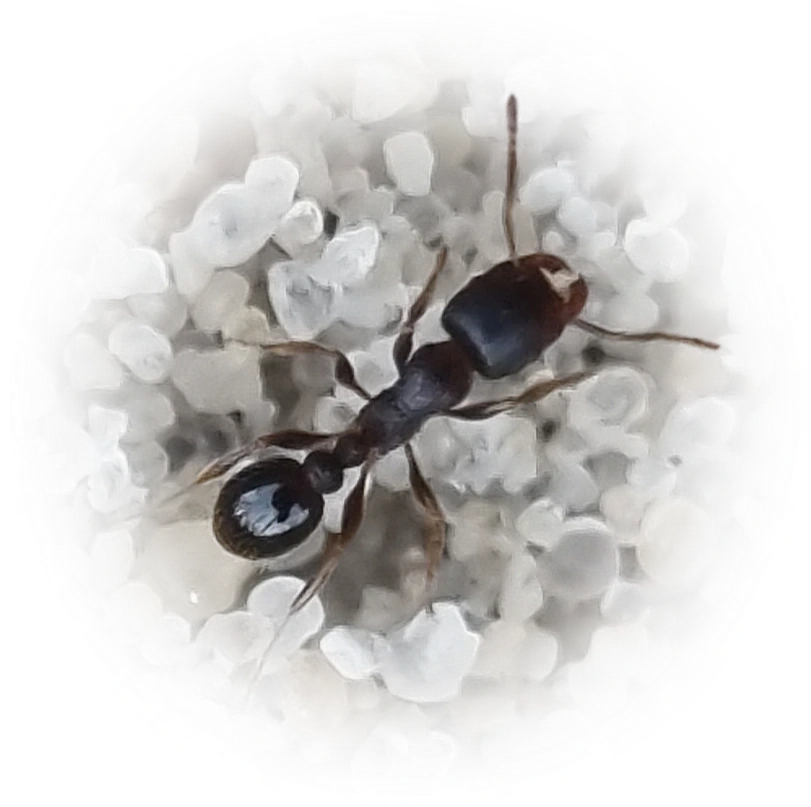
Tetramorium caespitum
- Scientific Name
- Tetramorium caespitum
- Tribe
- Crematogastrini
- Subfamily
- Myrmicinae
- Author
- Linnaeus, 1758
- Common Name
- Pavement Ant
- Distribution
- Found in 22 countries
- Nuptial Flight
- from June to July, peaking in June
AI Identifiable
try →
Tetramorium caespitum Overview
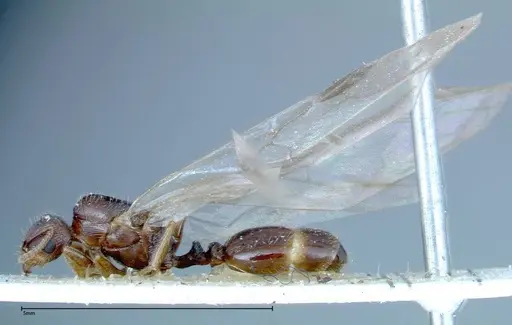
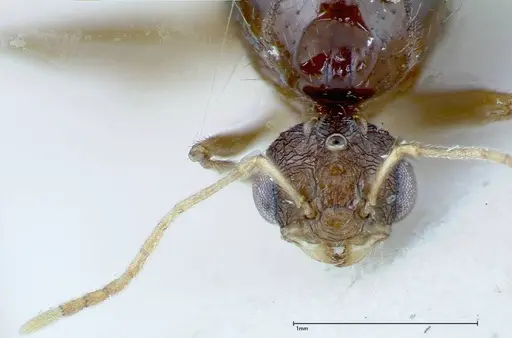
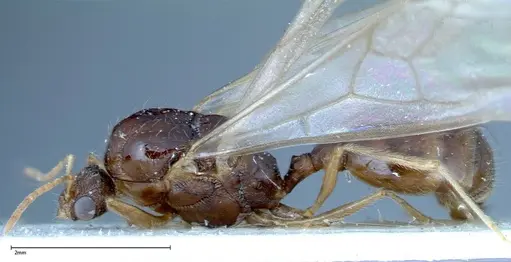
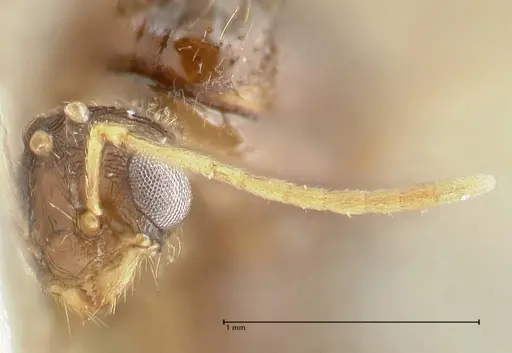
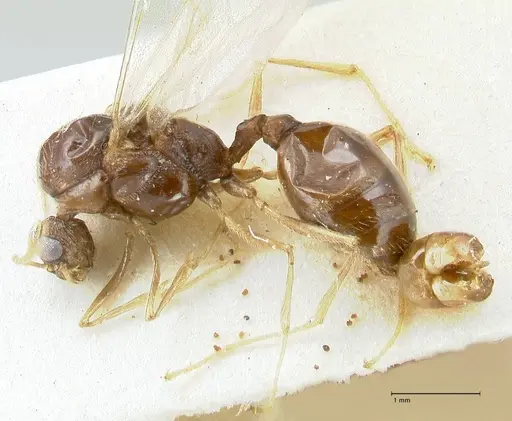
Tetramorium caespitum (commonly known as the Pavement Ant) is an ant species of the genus Tetramorium. It is primarily documented in 22 countries , including Austria, Belgium, Switzerland. Detailed taxonomic data and occurrence records can be further explored via authoritative databases such as AntWeb or the Global Biodiversity Information Facility (GBIF).
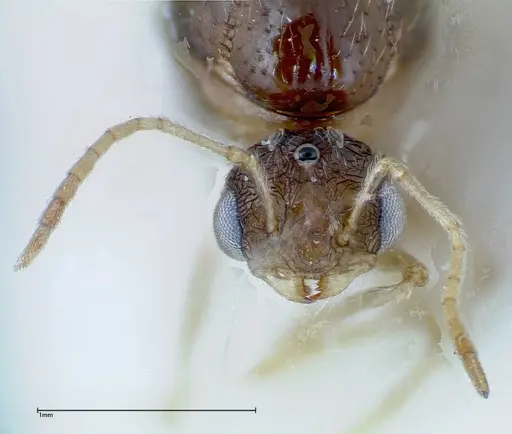
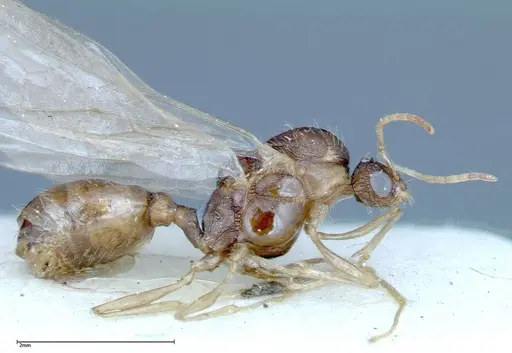
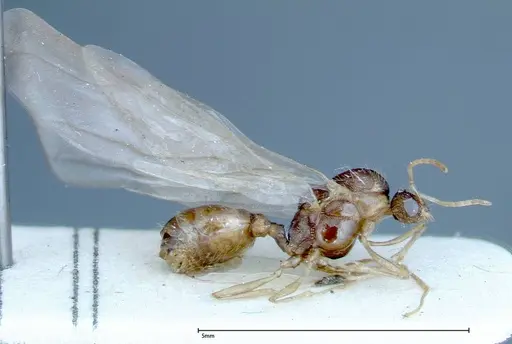
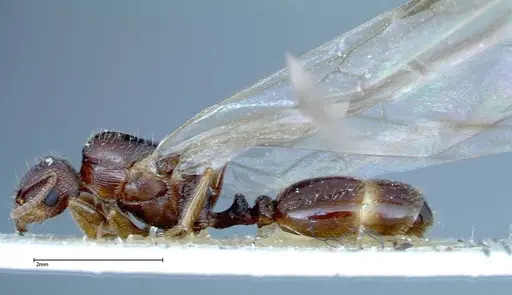
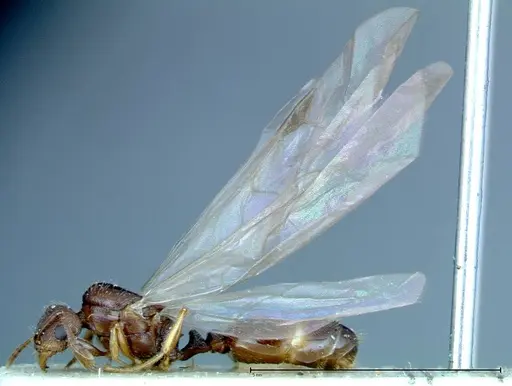
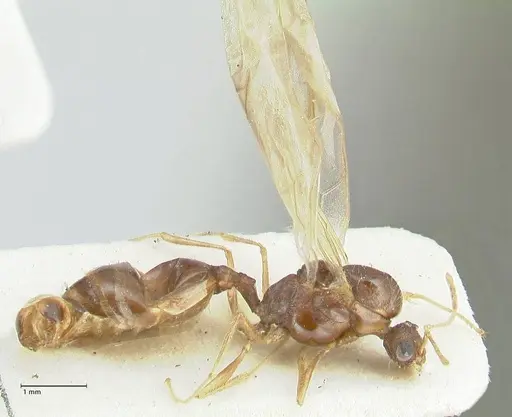
The nuptial flight of Tetramorium caespitum is a significant biological event, typically occurring from June to July, peaking in June. During this time, winged queens and males leave the nest to mate and establish new colonies.
Tetramorium caespitum - "Pavement Ant"
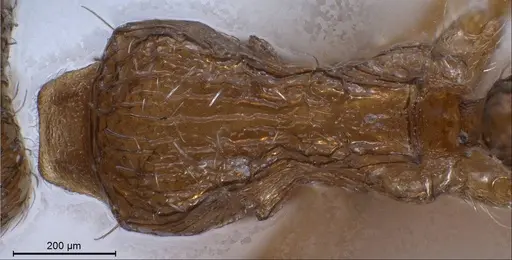
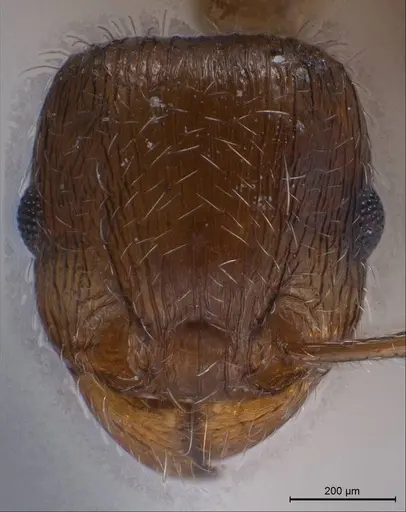
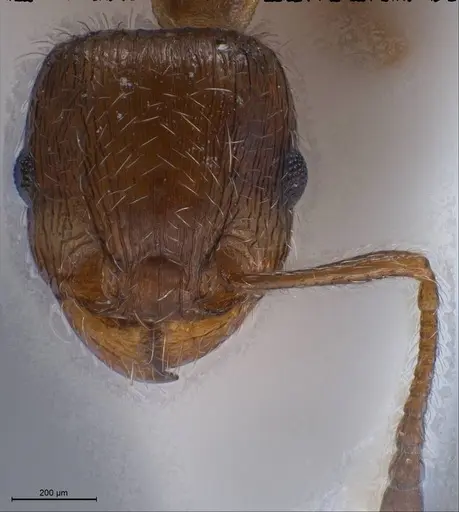
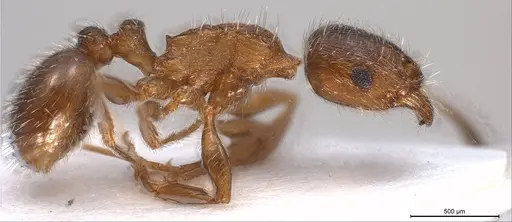
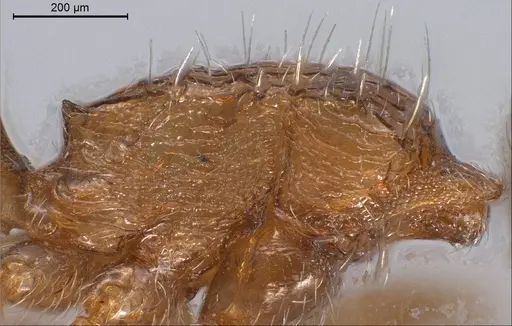
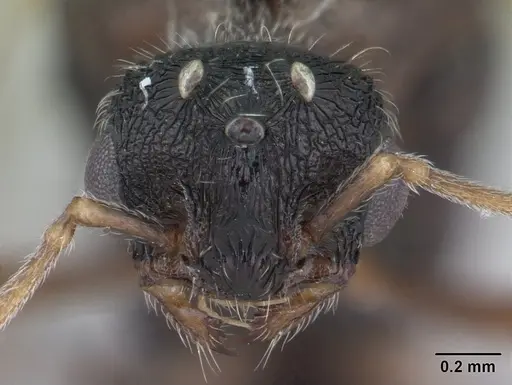
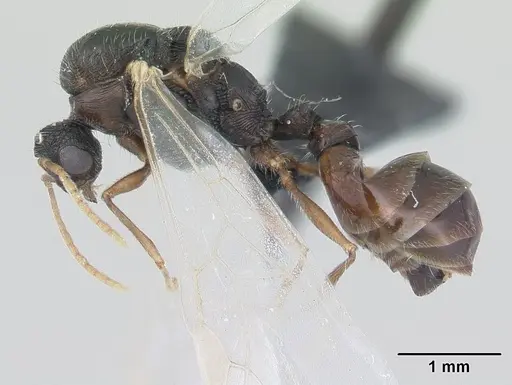
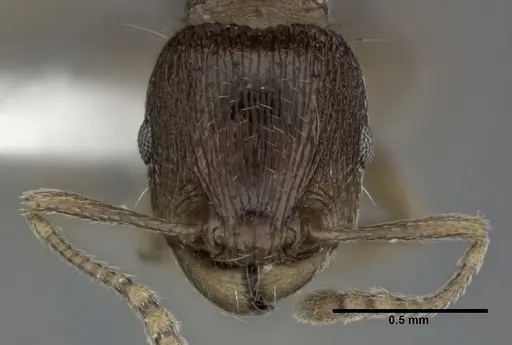
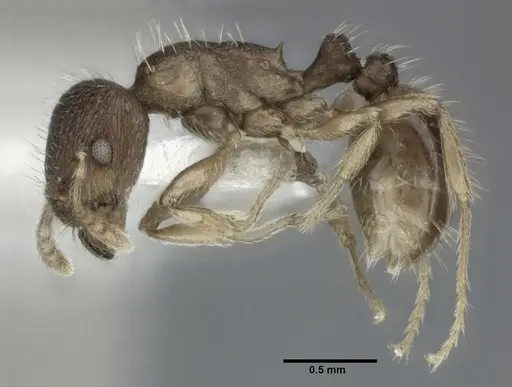
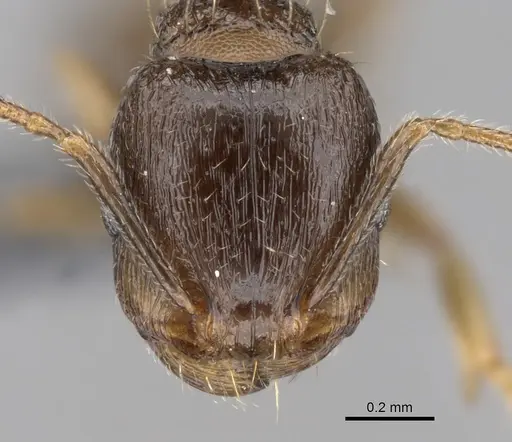
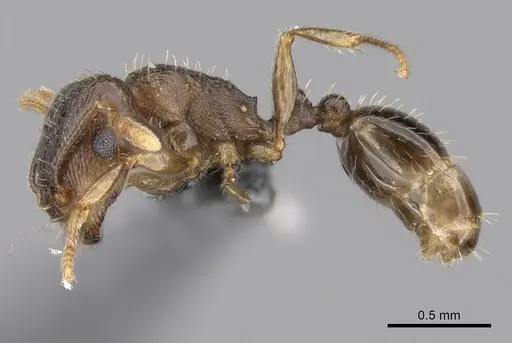
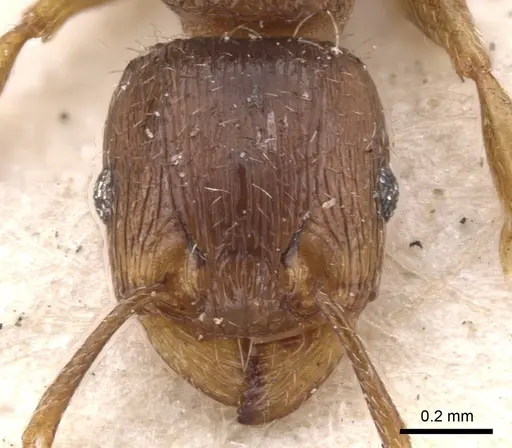
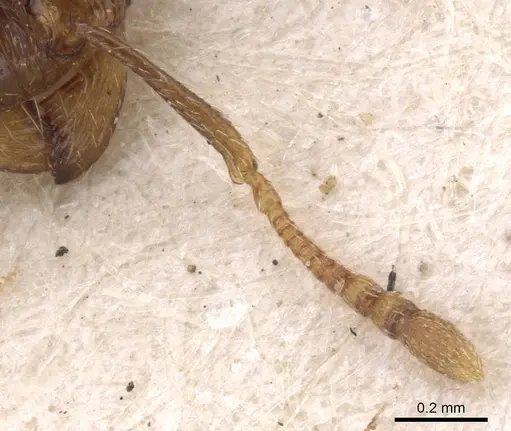
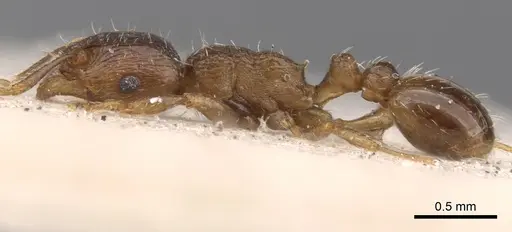
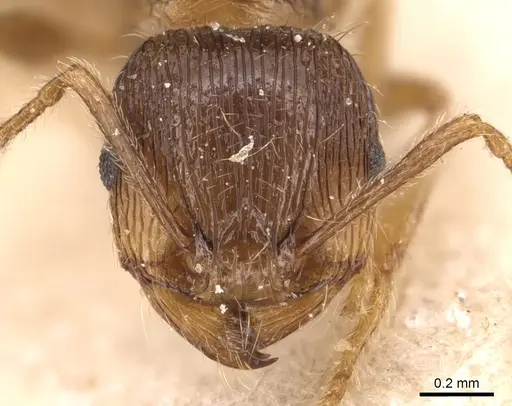
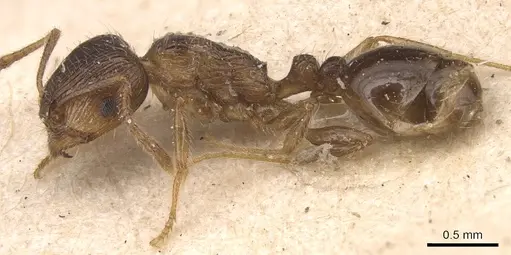
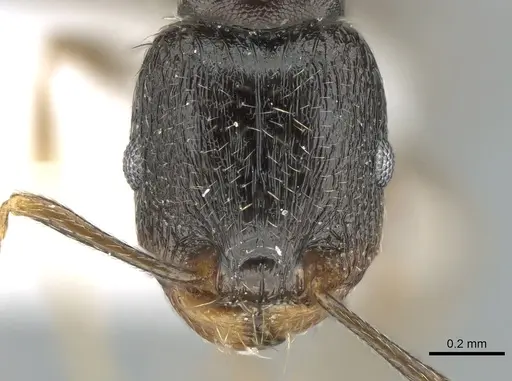
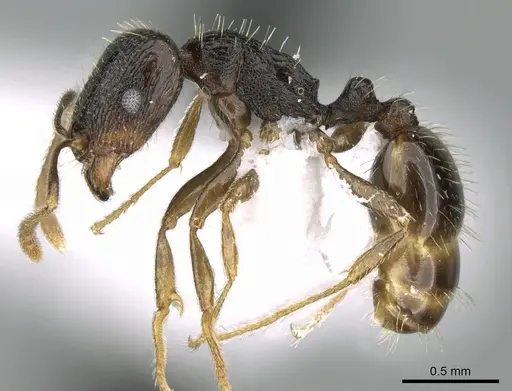
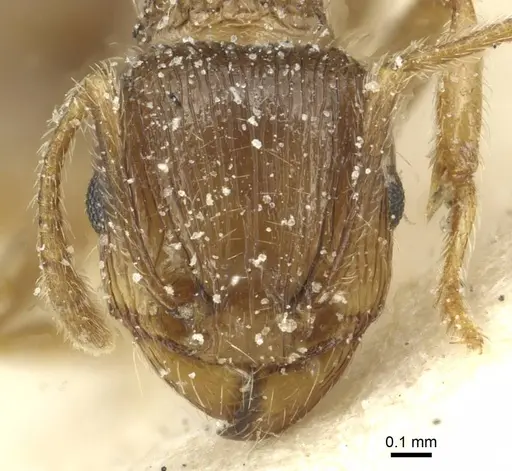
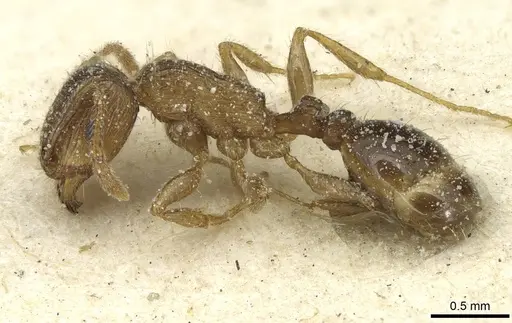
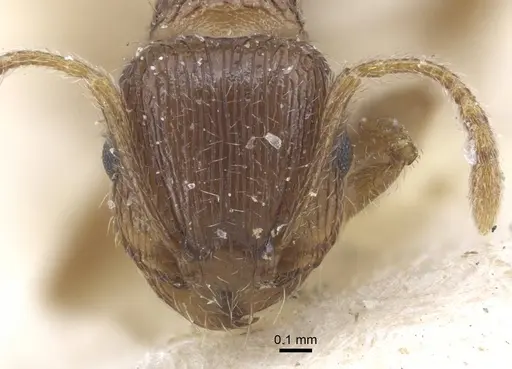
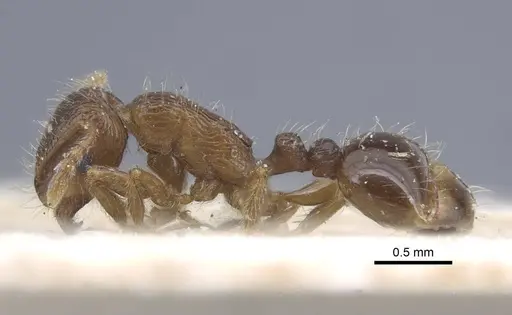
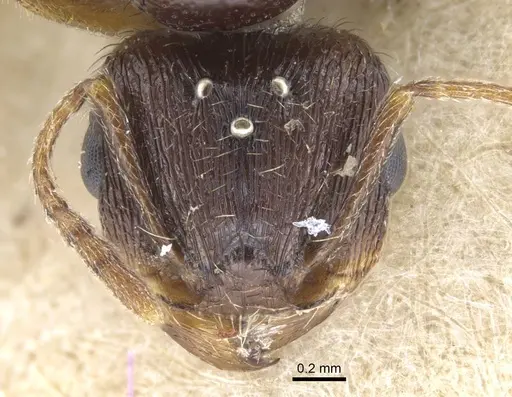
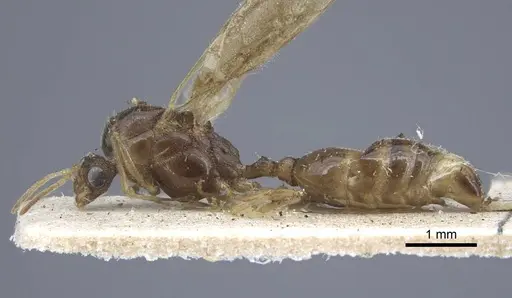
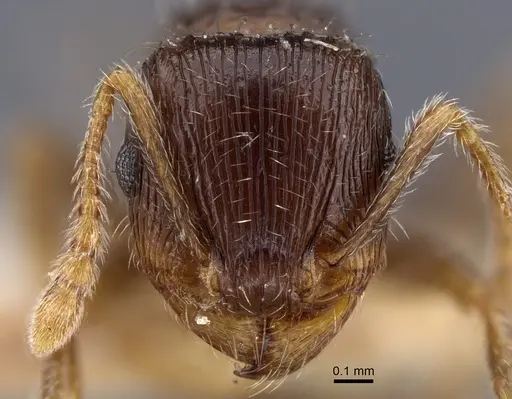
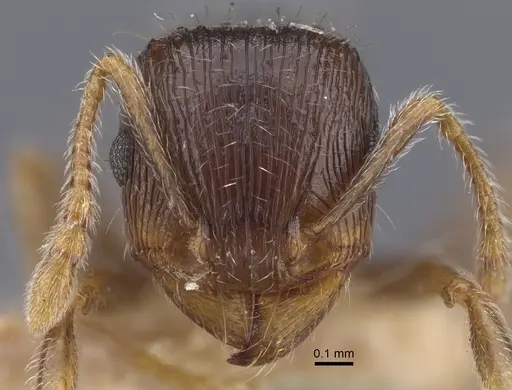
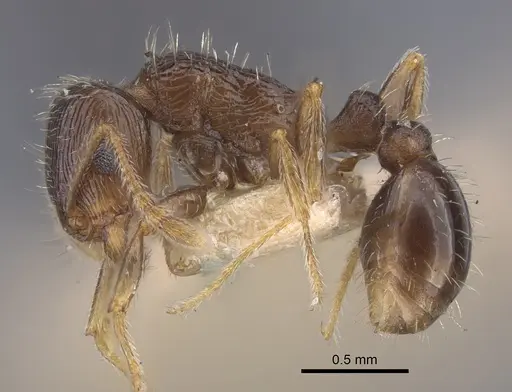
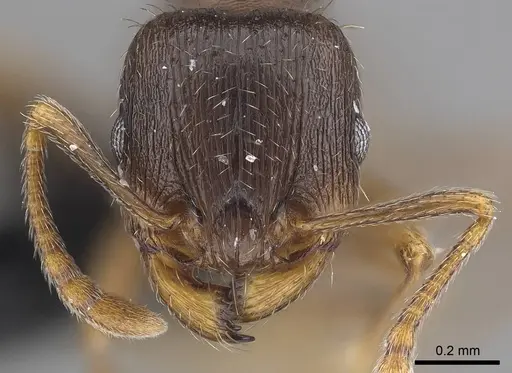
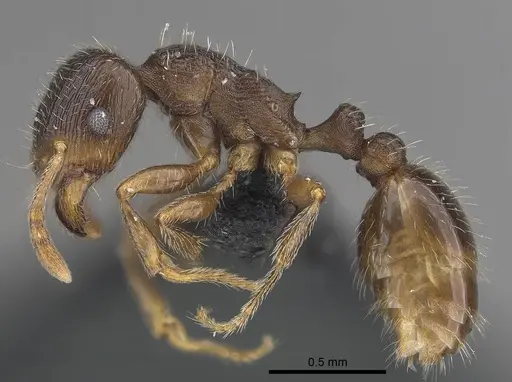
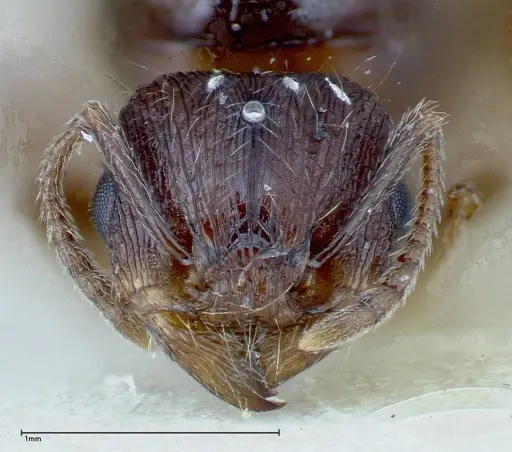
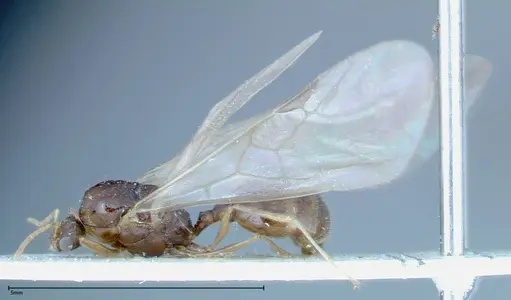
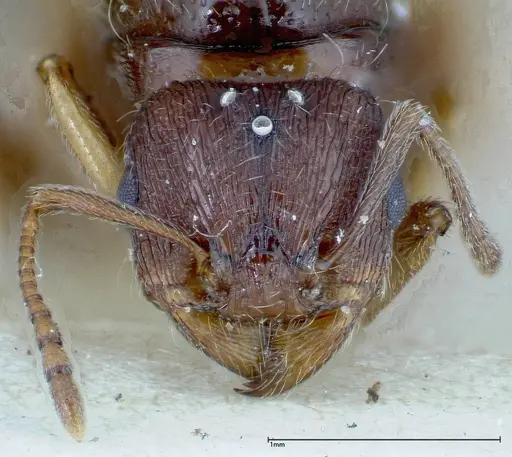
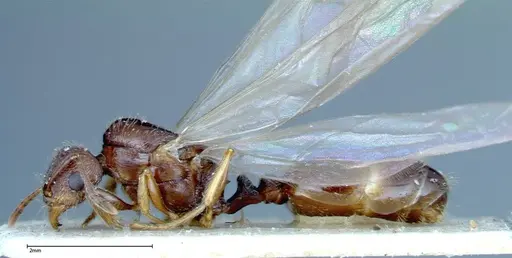
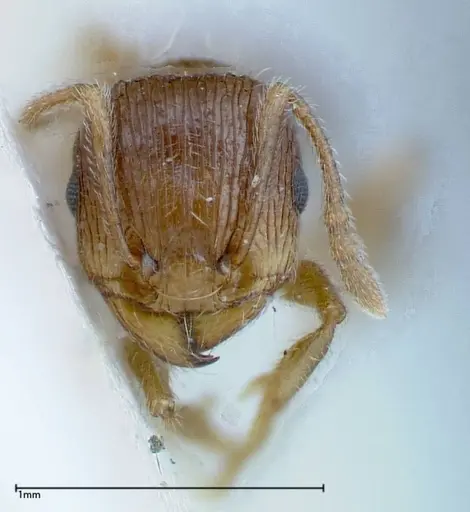
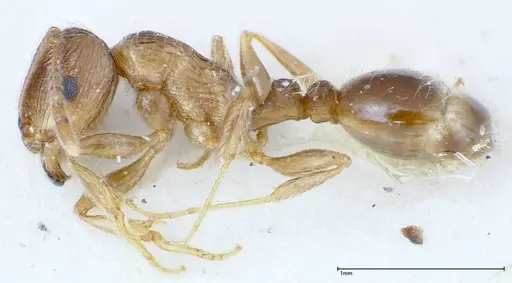
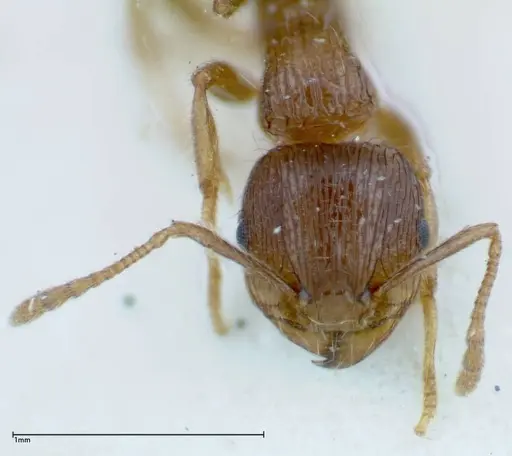
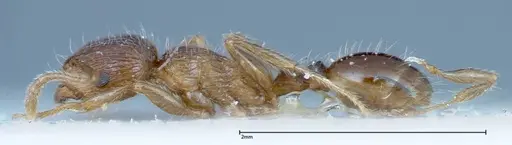
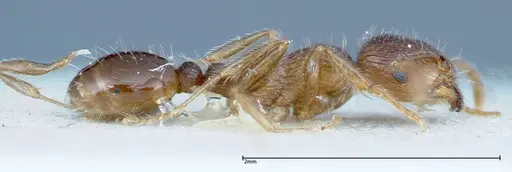
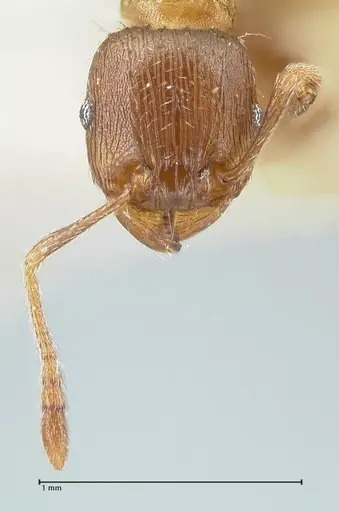
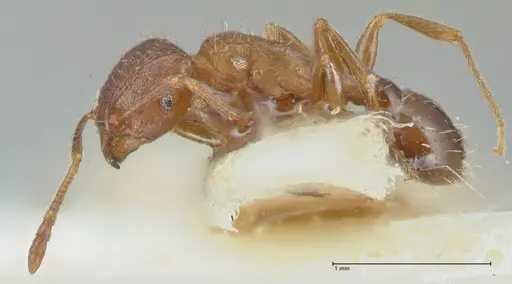
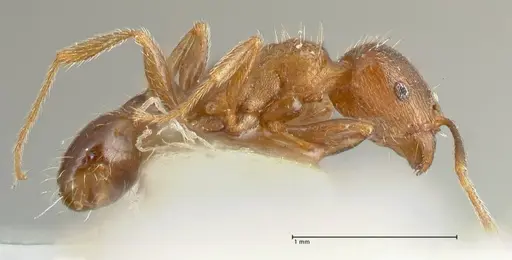
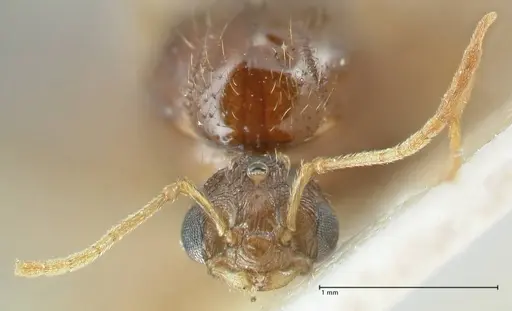
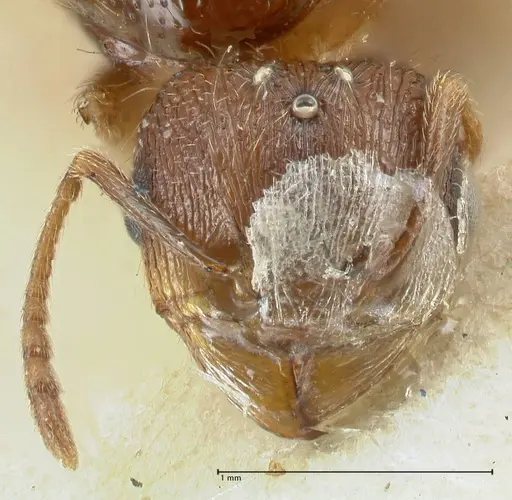
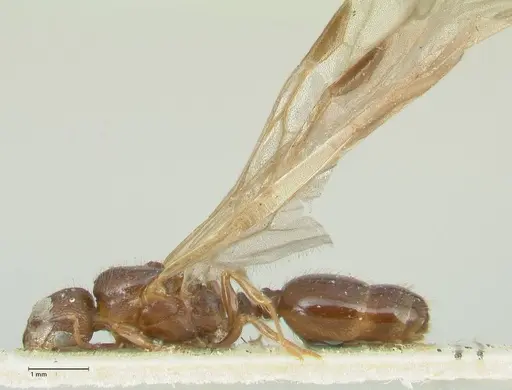
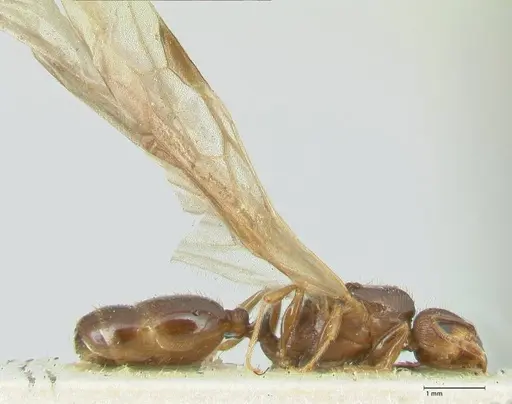
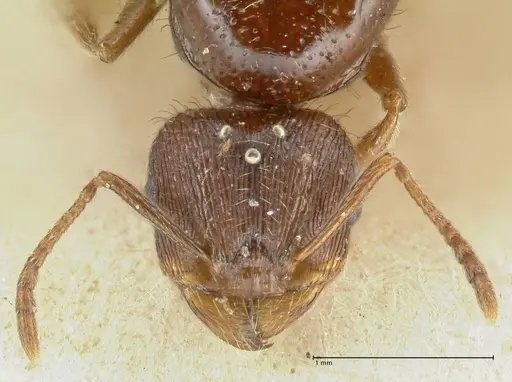
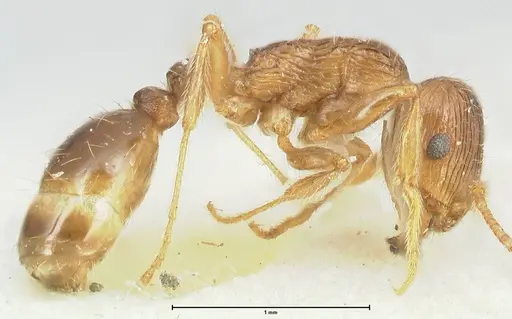
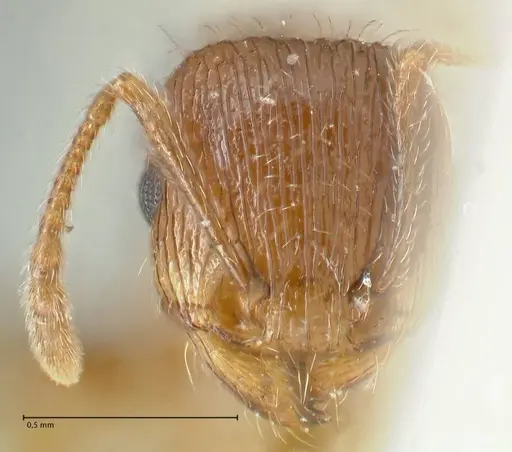
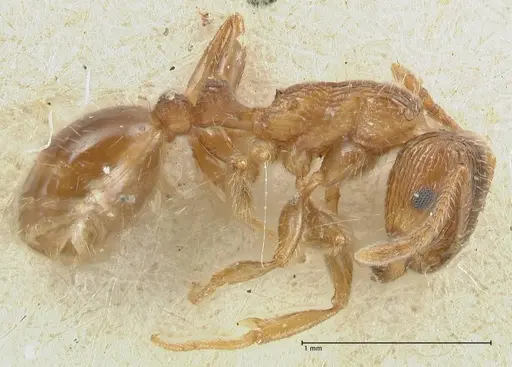
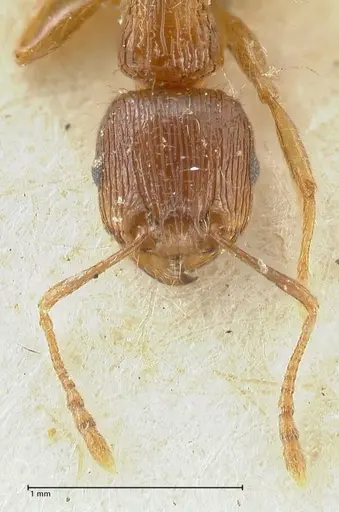
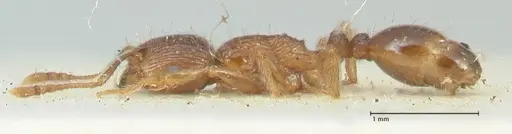
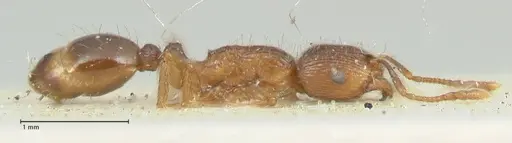
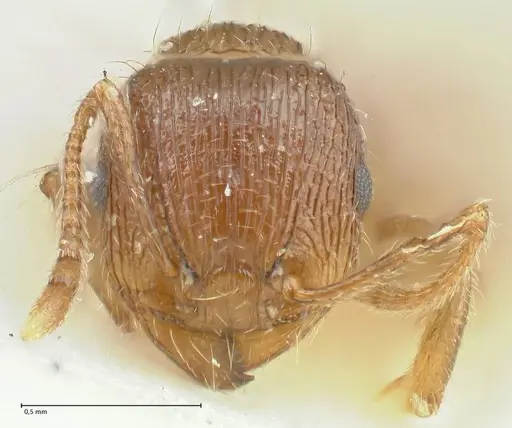
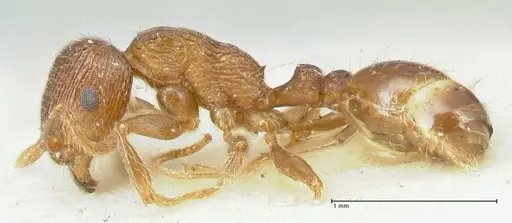
Tetramorium caespitum, commonly known as the Pavement Ant, is a widespread and adaptable ant species. These ants are generally dark brown to black with lighter-colored legs and antennae. Workers are small, typically ranging from 2 to 4 mm, while the queen is noticeably larger, reaching about 8 mm. A distinguishing feature of Pavement Ants is their two-segmented petiole (waist) and fine striations or parallel lines on their head and thorax. They are known for their aggressive territorial behavior, often engaging in large-scale battles with neighboring colonies, particularly in the spring and early summer as they establish territories. They are an omnivorous species, feeding on insects, seeds, and sugary substances.
- Difficulty: Easy
- Origin & Habitat: Europe, North America in Urban areas (under sidewalks, stones, pavements, crevices of housing structures), grasslands, forests, under rocks/wood..
- Colony Type: Monogyne (single queen), though rare cases of temporary pleometrosis exist where multiple queens may found a colony together but often only one survives once workers emerge., claustral (queen seals herself in). founding.
- Size & Growth:
- Queen: 6-11mm
- Worker: 2-5mm
- Colony: Large (thousands to tens of thousands, up to 15,000 workers).. Fast. If provided with optimal conditions, colonies can grow exponentially and reach high numbers in a few years. growth.
- Antkeeping:
- Temperature: Room temperature is generally acceptable. The ideal range for brood development is 21-27°C, with 23-26°C being optimal. Maintaining temperatures closer to 24°C can speed up brood development..
- Humidity: These ants prefer a moderate humidity level, ideally between 50-60%. They do not like overly dry conditions, so ensure the nest maintains adequate moisture..
- Diapause: Required. 2-5 months at 5-8°C.
- Nesting: Pavement Ants are highly adaptable and can thrive in various nest setups. In the wild, they nest under stones, sidewalks, pavement, and in soil. For captive colonies, a formicarium with a soil or sand-clay mix substrate is ideal, replicating their natural underground nests. Acrylic, Y-tong, plaster, or test tube setups are also suitable, with acrylic nests often recommended for their escape-proof qualities due to the ants' ability to find vulnerabilities..
- Behavior: Medium (towards other ant species and rival colonies; low towards handler unless provoked). aggressiveness.
- Common Issues: Mold in nest, Mites, Humidity fluctuations, Escape artists, Colony stalling (often due to lack of diapause or improper feeding).
Nuptial Flight Activity Analysis 860 observations
Flight Activity by Hour 860 observations
Tetramorium caespitum nuptial flight activity peaks around 10:00 during the late morning to early afternoon. Activity is spread across a 15-hour window (07:00–21:00). A secondary activity peak occurs around 16:00. Times may be influenced by human observation patterns.
Pavement Ants, or Tetramorium caespitum, are well-regarded in the antkeeping community for their hardiness and relatively straightforward care, making them an excellent choice for beginners. One of their most engaging behaviors is their notorious territorial 'wars' where neighboring colonies engage in fierce battles, often drawing in thousands of ants. While you won't see this exact behavior in a single captive colony, their natural aggression means they are quite active and engaging to observe, especially during feeding or when presented with new challenges in their outworld. Providing ample space and ensuring good ventilation are key to a thriving colony.
When it comes to feeding, Tetramorium caespitum are omnivores with a hearty appetite, particularly for protein during their rapid growth phases. They readily accept a variety of insect protein like fruit flies, mealworms, or crickets, and sugary sources such as honey water or sugar water. Interestingly, they are also known to collect and store seeds, which can be a unique addition to their diet. Always remember to sterilize any wild-caught insects by freezing or boiling them to prevent introducing mites or other pests to your formicarium.
A crucial aspect of their care, especially for those keeping them in temperate regions, is diapause. Tetramorium caespitum colonies benefit greatly from a period of cooling down during the winter months, typically from late October to early March. This 'resting' phase, where the queen temporarily stops laying eggs, is vital for her long-term health and the overall vigor of the colony. Aim for temperatures between 5-8°C during this time to mimic their natural winter conditions, which can be achieved in a cool basement or even a dedicated ant-keeping mini-fridge.
These ants are quite adept at finding escape routes, so securing your formicarium is paramount. Acrylic nests with tightly fitting layers are often recommended due to their escape-proof design. Even with seemingly secure setups, always be vigilant for any small gaps or imperfections where a determined worker might squeeze through. An escape barrier, such as fluon or talc-alcohol mixture, applied to the top edges of the outworld can provide an extra layer of security, giving you peace of mind that your Pavement Ant colony will stay happily contained.
Frequently Asked Questions
How large do Pavement Ant colonies get?
Pavement Ant colonies can become quite substantial, often reaching several thousand workers, with mature colonies sometimes exceeding 10,000 individuals. It’s truly amazing to see these colonies expand and flourish!
Do Pavement Ants sting?
Yes, Tetramorium caespitum workers do possess a small stinger. While they use it to subdue prey and defend their nest, it’s typically not a major concern for keepers unless you directly provoke them. Many keepers have handled them without issues.
What is the best type of nest for Pavement Ants?
Pavement Ants are quite flexible with their nesting preferences. Natural setups with a soil or sand-clay mix work wonderfully as they love to dig. However, artificial nests like acrylic or Y-tong are also excellent choices, especially since they can be escape artists, and these materials help contain them.
What should I feed my Pavement Ant colony?
These ants are omnivores and have a broad diet! Offer them a mix of sugary liquids like honey water or sugar water for energy, and protein sources such as small insects (crickets, mealworms, fruit flies) for the queen and brood. They also enjoy seeds, so consider offering tiny, crushed seeds occasionally.
Do Pavement Ants need to hibernate?
Absolutely! Tetramorium caespitum requires a diapause period, which is their equivalent of hibernation. This typically runs from late October to early March at temperatures between 5-8°C and is essential for the queen's health and the colony's long-term vitality.
How fast do Pavement Ant colonies grow?
Pavement Ant colonies can exhibit surprisingly fast growth, especially once they get established. With proper temperature, humidity, and food, you’ll see their numbers increase rapidly, often reaching impressive sizes within a few years.
Are Pavement Ants good for beginners?
Yes, Tetramorium caespitum is considered an excellent species for beginner antkeepers. Their hardiness, adaptability, and relatively simple care requirements make them a rewarding first colony to keep, much like Lasius niger.
Why are Pavement Ants called 'Pavement Ants'?
They earned their common name, 'Pavement Ant,' because they frequently establish their nests under sidewalks, stones, driveways, and within the cracks and crevices of paved surfaces.
What unique behaviors do Pavement Ants exhibit?
One of their most talked-about behaviors is their territorial aggression, often leading to large-scale 'wars' between different colonies over resources and territory. They are also known for their efficient foraging and recruitment to food sources.
How long do Pavement Ant queens live?
Pavement Ant queens can have a respectable lifespan, often living up to 5 years in captivity, and some sources suggest they can live up to 15 years.
What should I do if my Pavement Ants are escaping?
Pavement Ants are known escape artists! To prevent breakouts, ensure your formicarium has no gaps, and consider applying an escape barrier like fluon or a talc-alcohol mixture to the upper edges of your outworld. Regularly inspect your setup for any potential weak points.
Can Pavement Ants cause problems in a home?
While generally not dangerous, Pavement Ants can become a nuisance if they infest homes in large numbers, often seeking food and water in kitchens and bathrooms. They can contaminate food if trails lead indoors.

This caresheet is licensed under CC BY-SA 4.0 .
ANTWEB1008487
View on AntWeb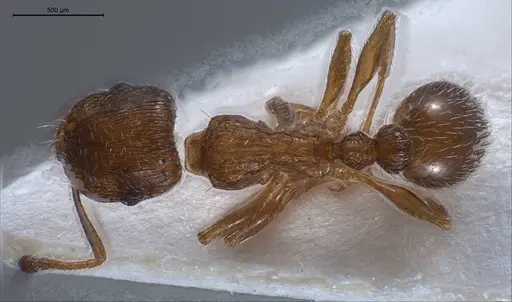
CASENT0010669
View on AntWeb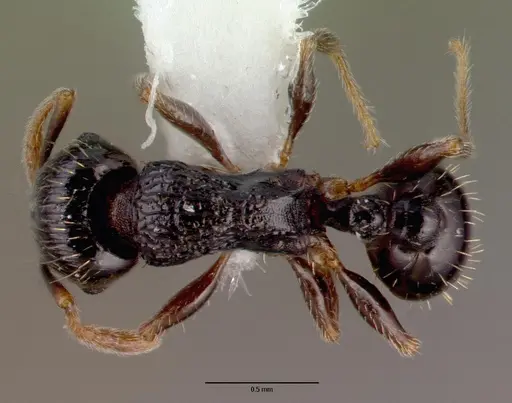
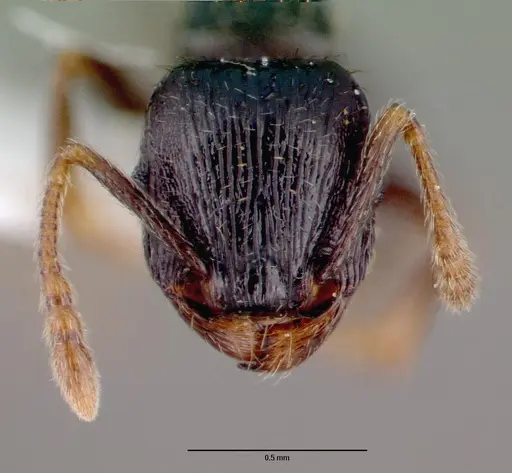
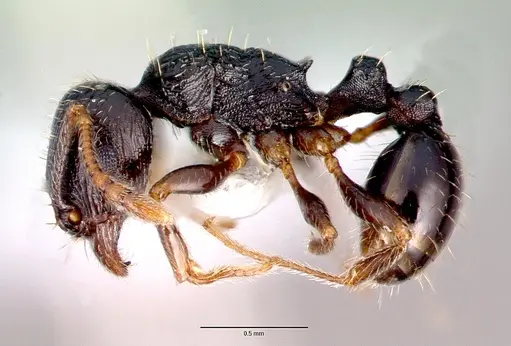
CASENT0105669
View on AntWeb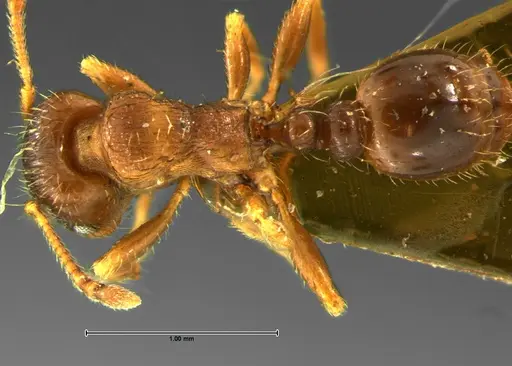
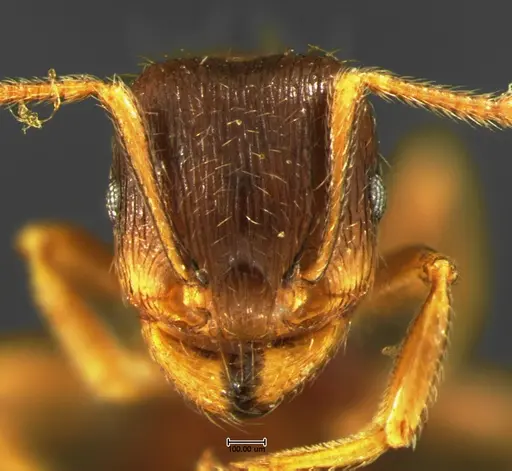
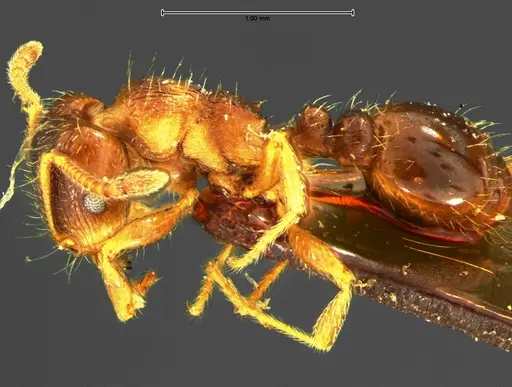
CASENT0173203
View on AntWeb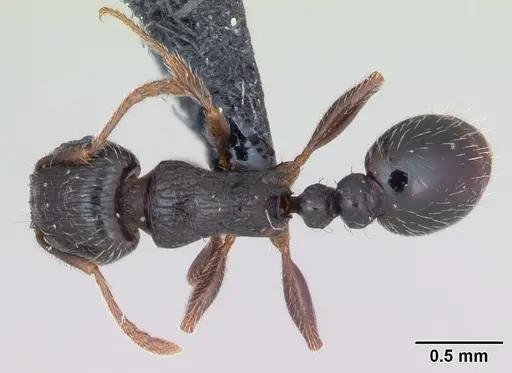
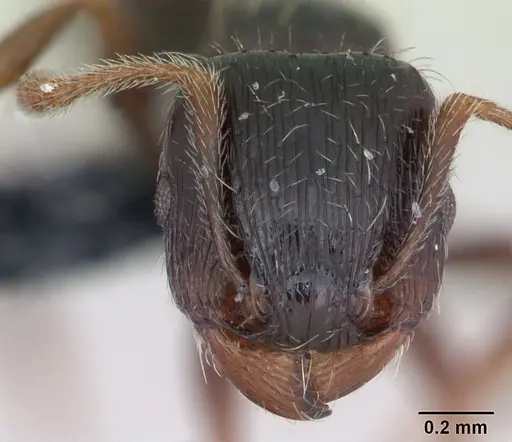
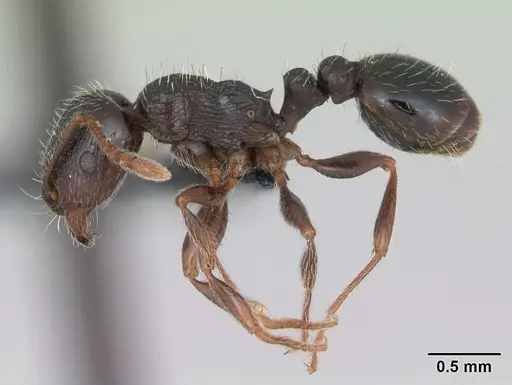
CASENT0178769
View on AntWeb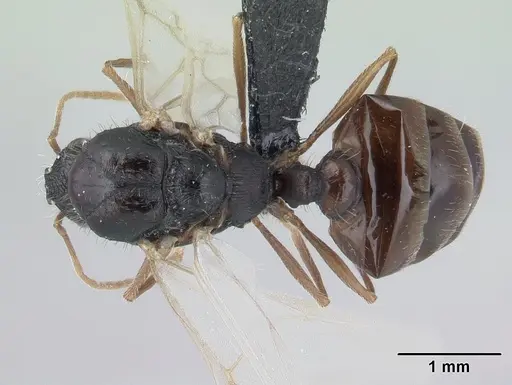
CASENT0246146
View on AntWeb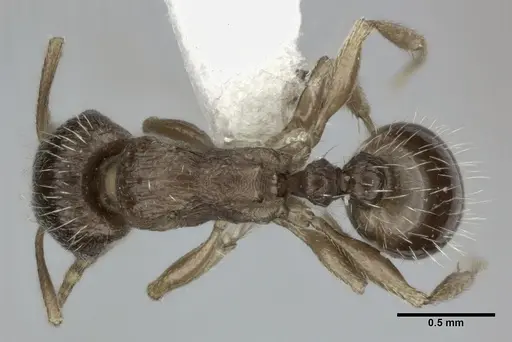
CASENT0264281
View on AntWeb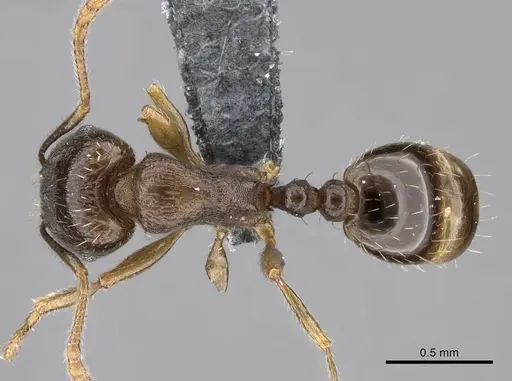
CASENT0901252
View on AntWeb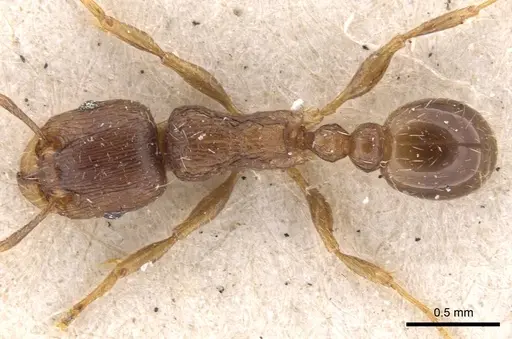
CASENT0904814
View on AntWeb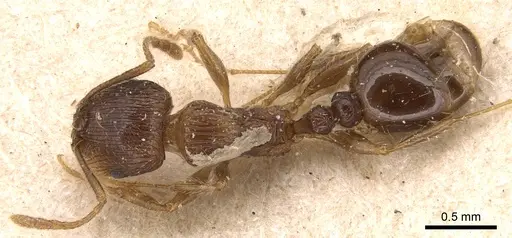
CASENT0906433
View on AntWeb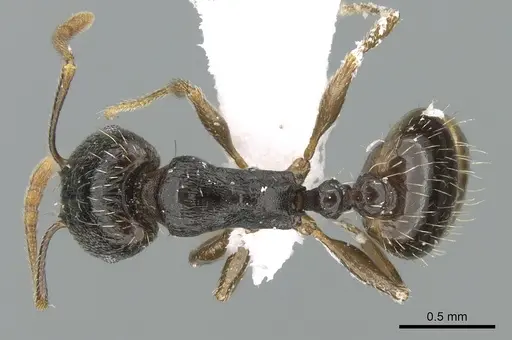
CASENT0913996
View on AntWeb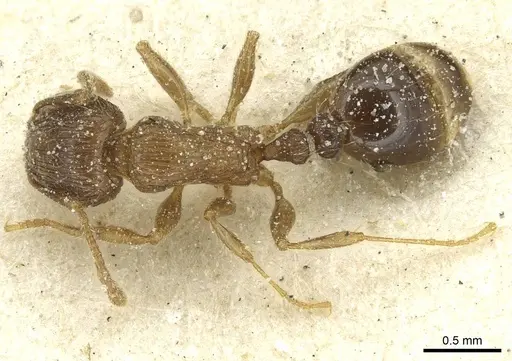
CASENT0917058
View on AntWeb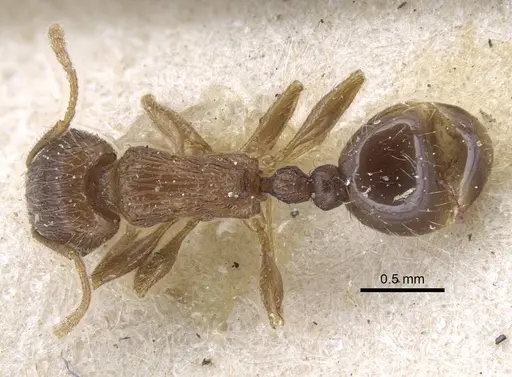
CASENT0917059
View on AntWeb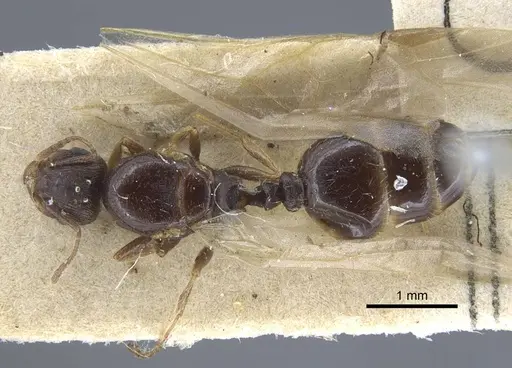
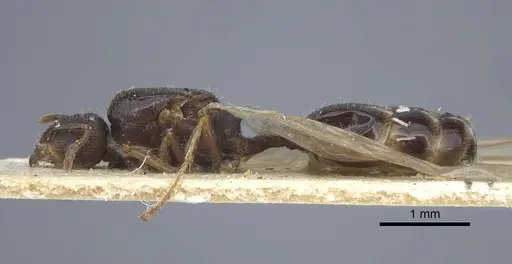
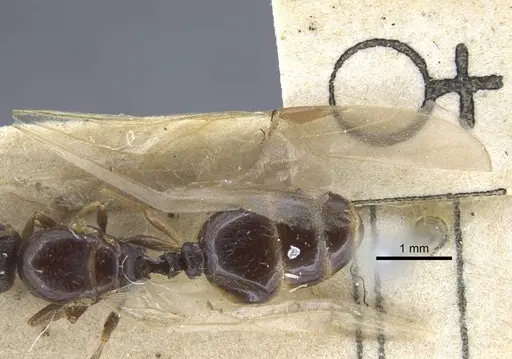
CASENT0917060
View on AntWeb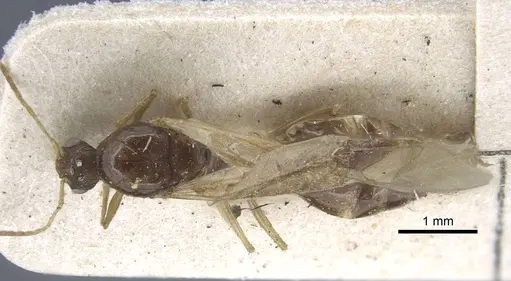
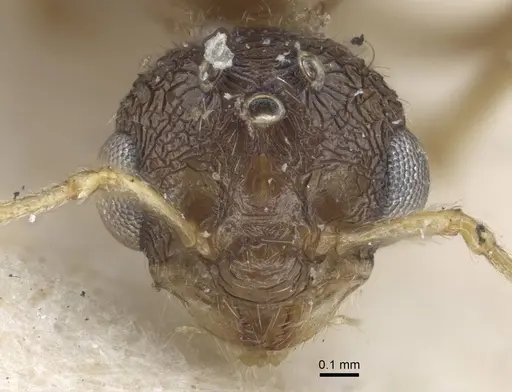
CASENT0917265
View on AntWeb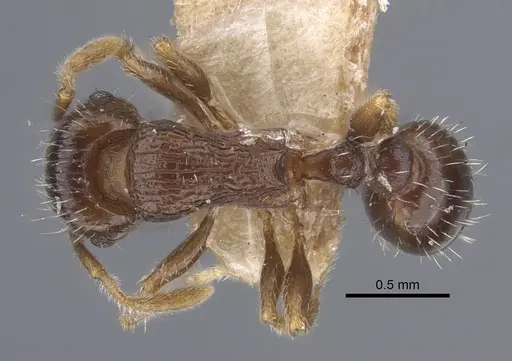
CASENT0919632
View on AntWeb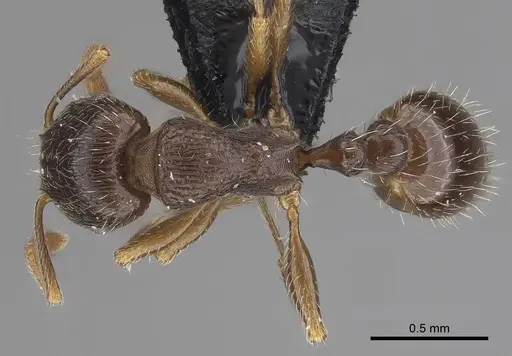
FOCOL0193
View on AntWeb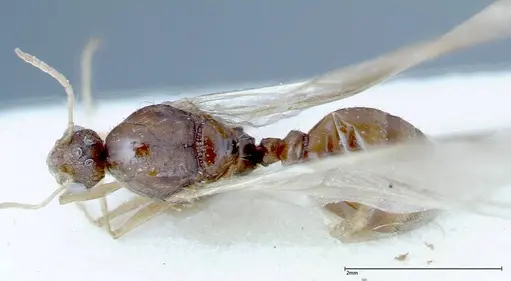
FOCOL0194
View on AntWeb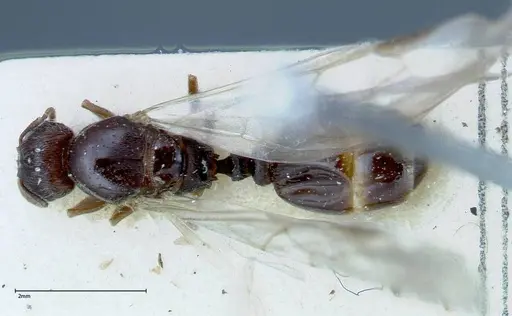
FOCOL0195
View on AntWeb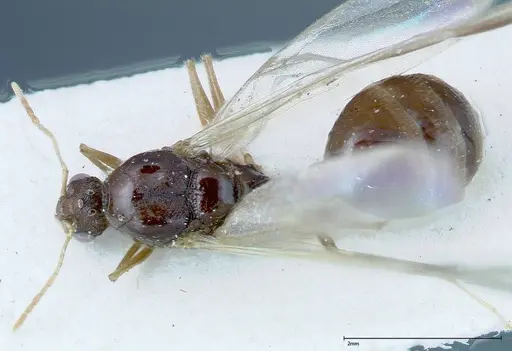
FOCOL0196
View on AntWeb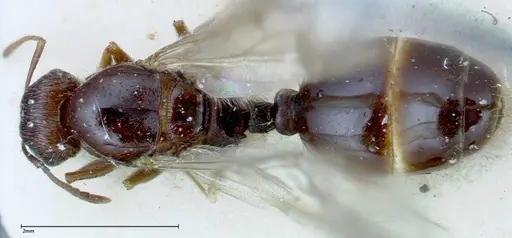
FOCOL0200
View on AntWeb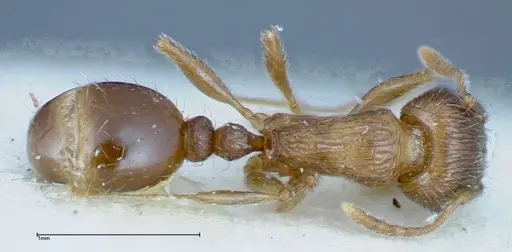
FOCOL0201
View on AntWeb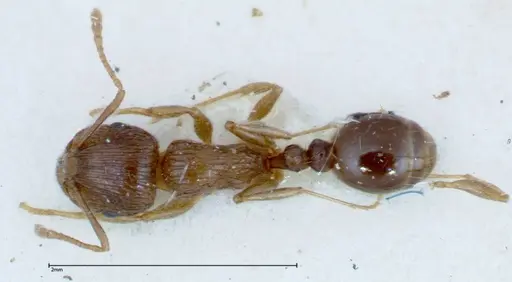
FOCOL2017
View on AntWeb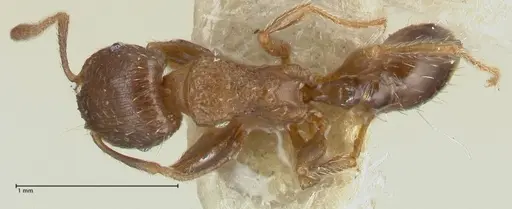
FOCOL2018-1
View on AntWeb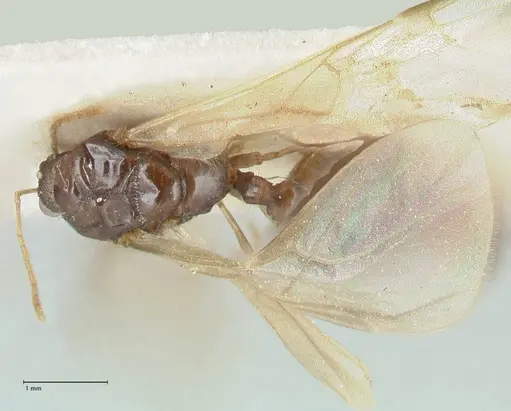
FOCOL2018-2
View on AntWeb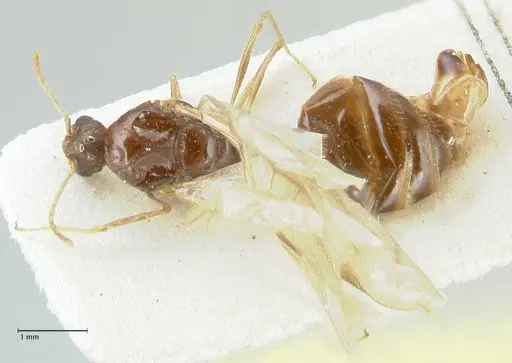
FOCOL2019-1
View on AntWeb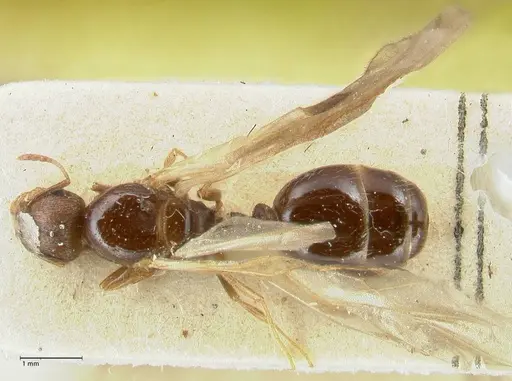
FOCOL2019-2
View on AntWeb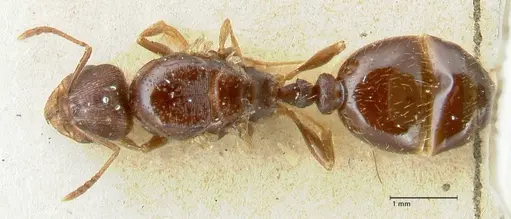
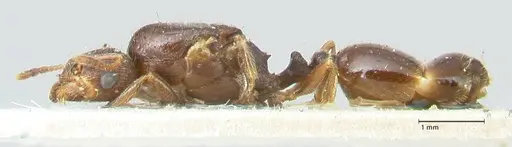
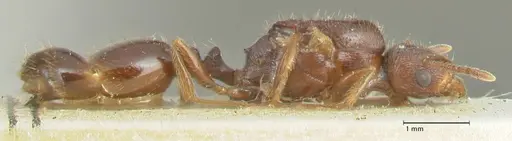
FOCOL2020-1
View on AntWeb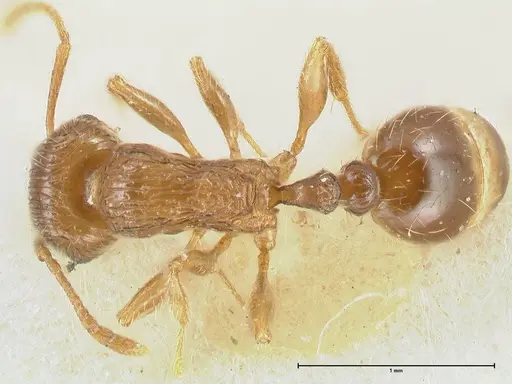
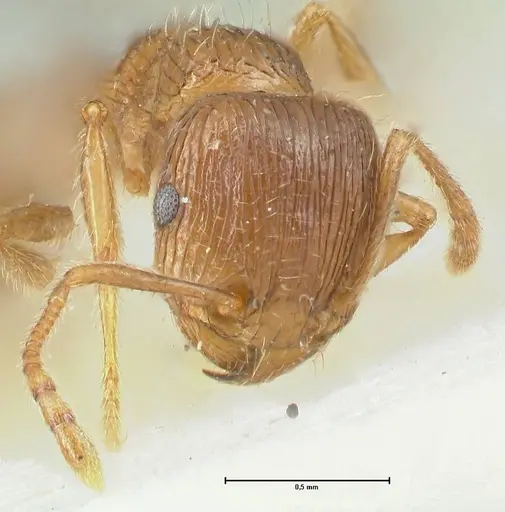
FOCOL2020-2
View on AntWeb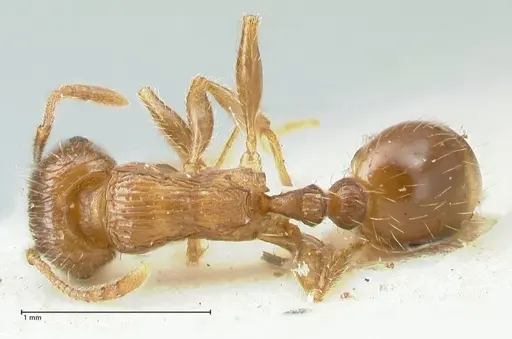
FOCOL2021
View on AntWeb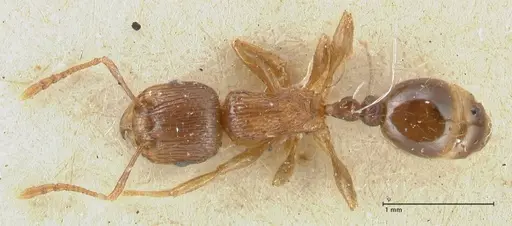
FOCOL2107
View on AntWeb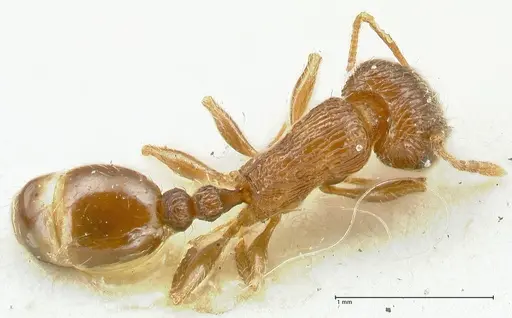
Literature
Loading...Loading products...