

Azteca tonduzi
- Scientific Name
- Azteca tonduzi
- Tribe
- Leptomyrmecini
- Subfamily
- Dolichoderinae
- Author
- Forel, 1899
- Distribution
- Found in 2 countries
Azteca tonduzi Overview
Azteca tonduzi is an ant species of the genus Azteca. It is primarily documented in 2 countries , including Costa Rica, French Guiana. Detailed taxonomic data and occurrence records can be further explored via authoritative databases such as AntWeb or the Global Biodiversity Information Facility (GBIF).
Azteca tonduzi
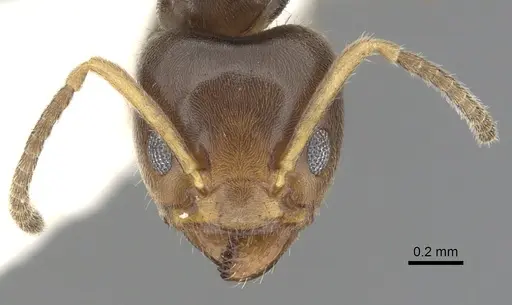
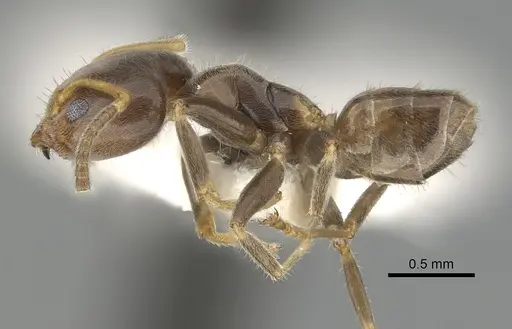
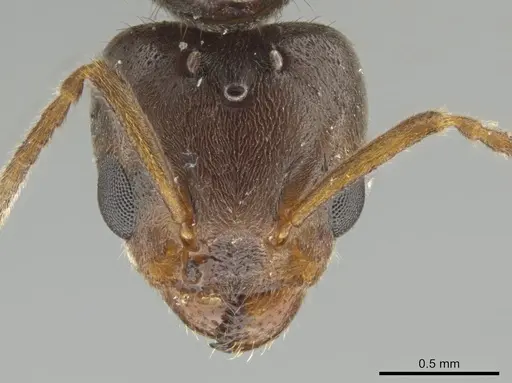
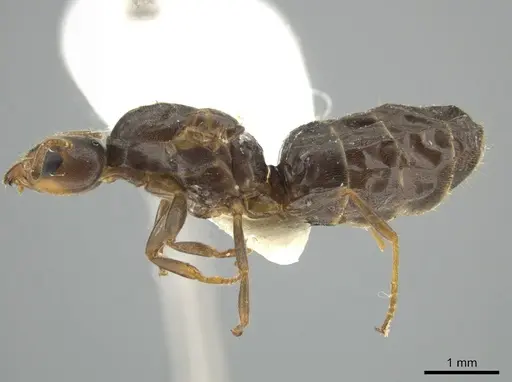
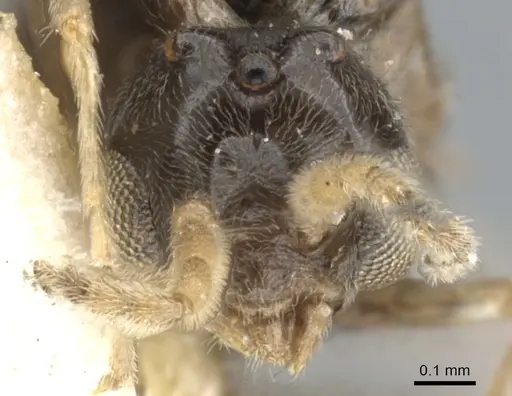
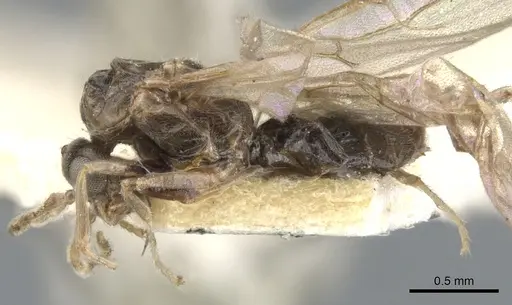
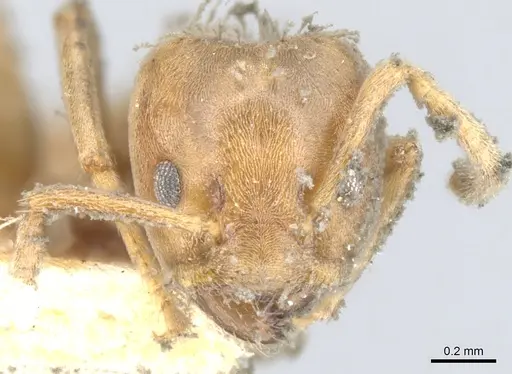
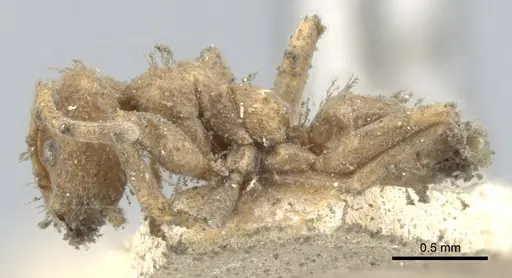
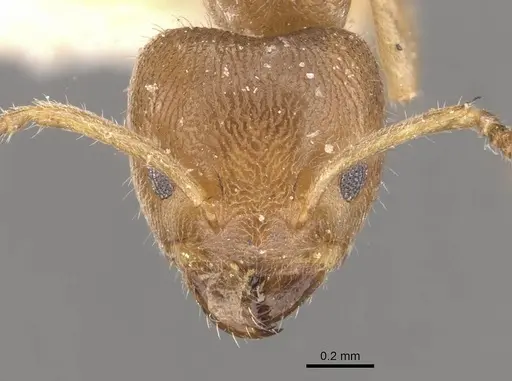
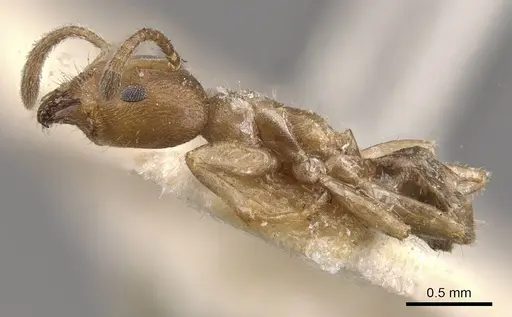
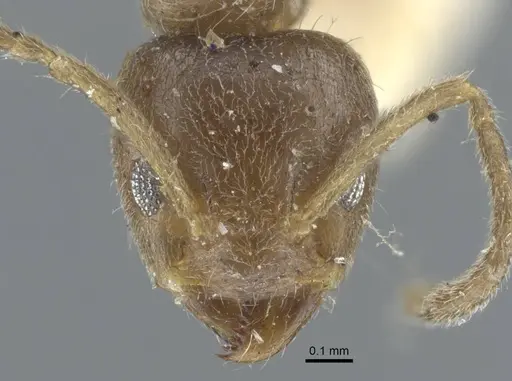
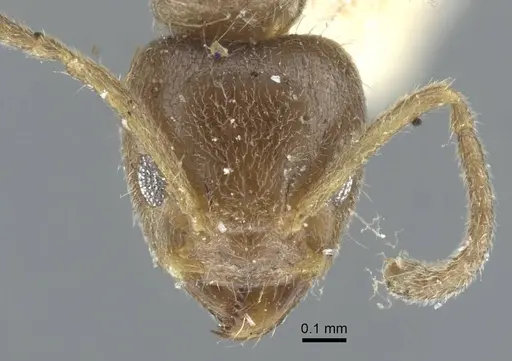
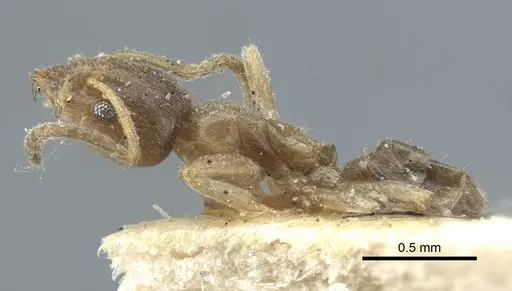
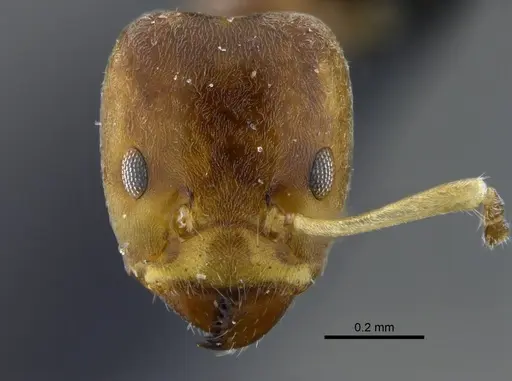
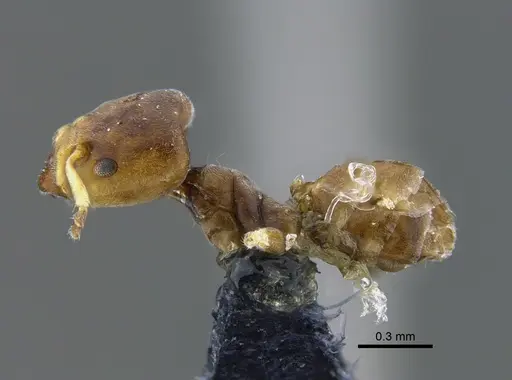
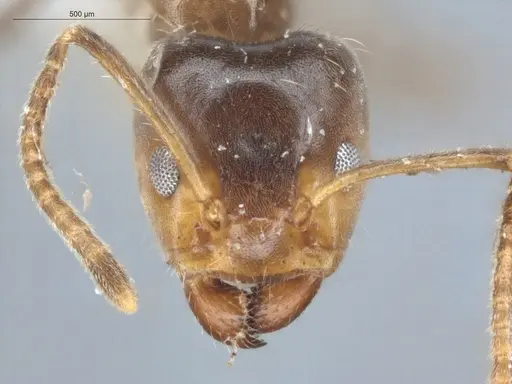
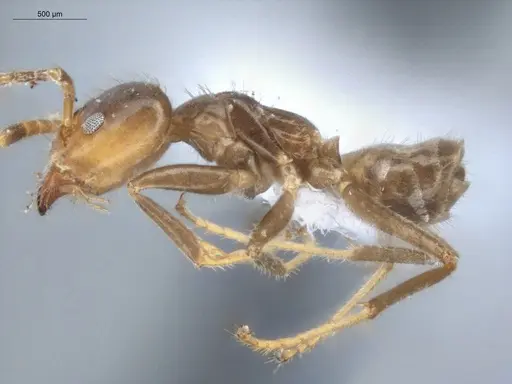
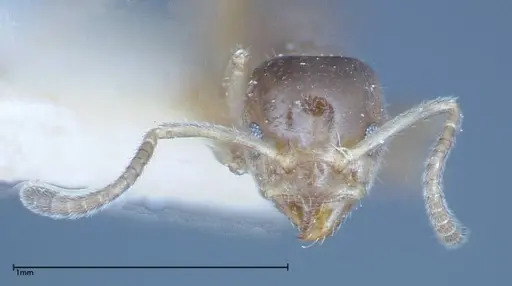
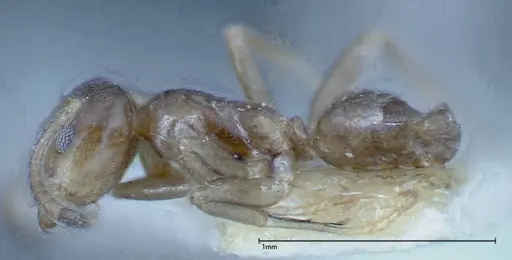
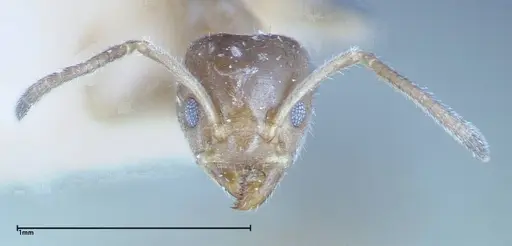
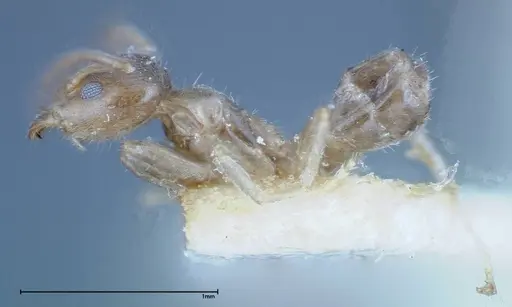
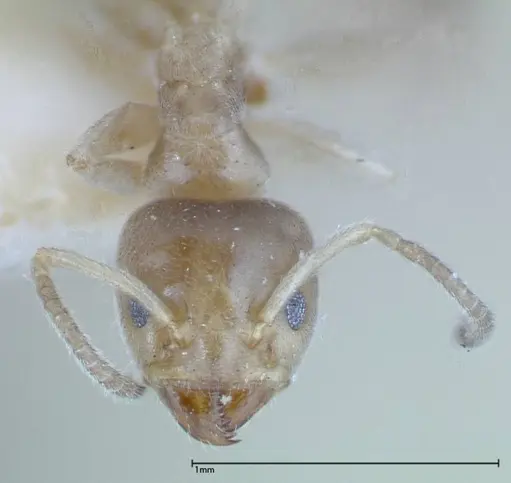
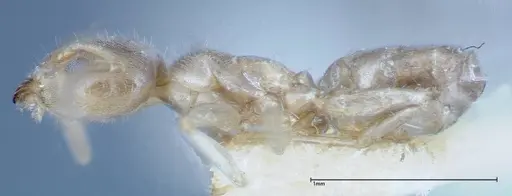
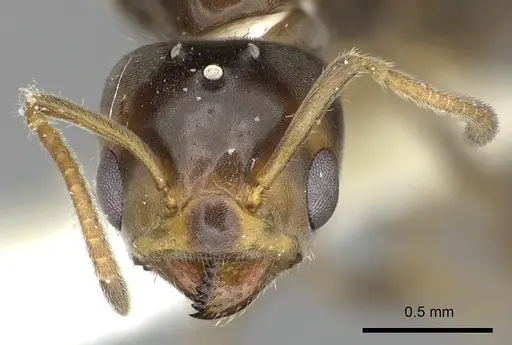
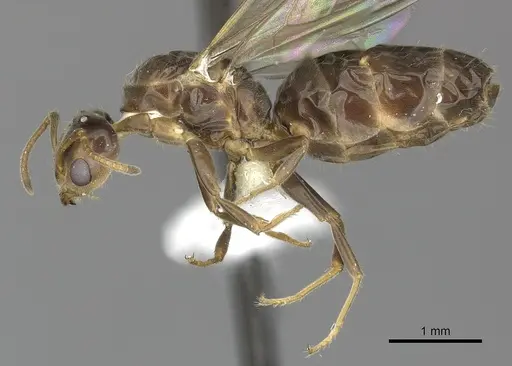
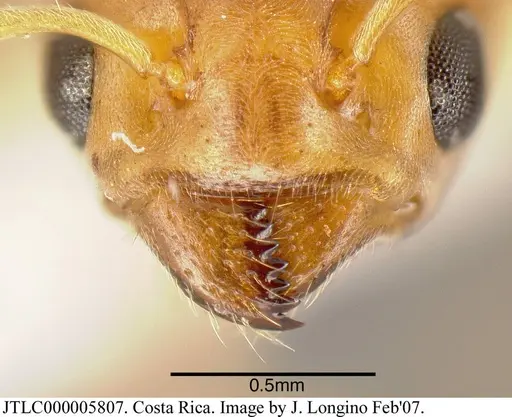
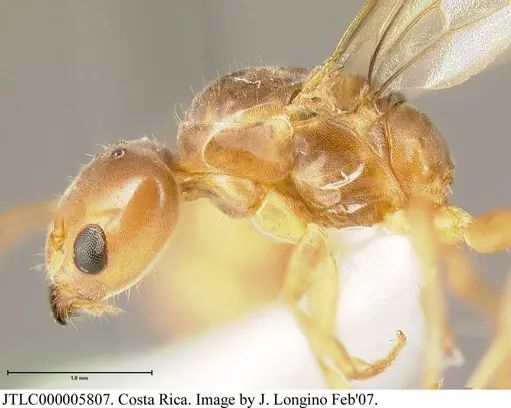
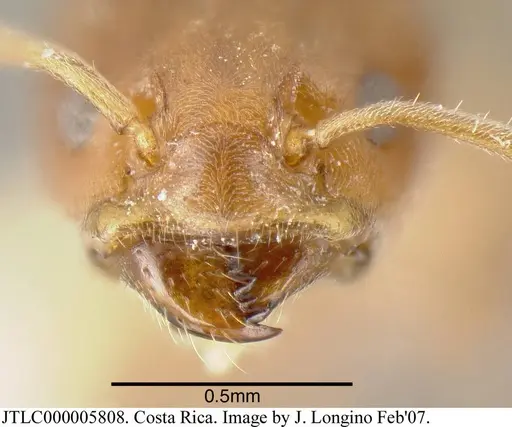
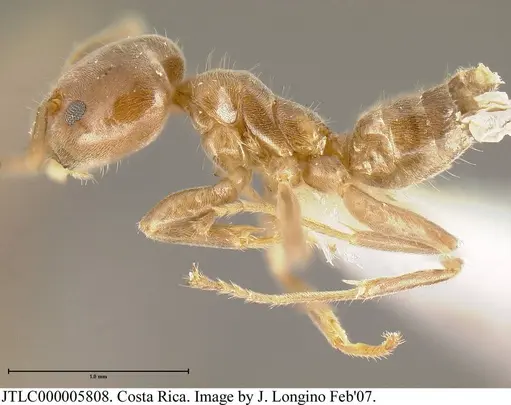
Azteca tonduzi is a tiny arboreal ant native to Costa Rica and French Guiana. Workers measure just 0.64-0.90mm and queens reach 1.10-1.16mm, making this the smallest Azteca queen known (excluding the aurita group) [1]. They are light yellow-brown to brown in color with a characteristic 5,3 palpal formula that distinguishes them from similar species [2]. This inconspicuous species nests in hollow dead stems, orchid pseudobulbs, and sometimes builds carton nests among epiphytes on trees [2]. They form complex relationships with scale insects (coccoid Hemiptera), tending these insects for honeydew in much the same way that other ants tend aphids [3].
Quick Summary
- Difficulty: Medium
- Origin & Habitat: Costa Rica and French Guiana. Found in diverse coastal and lowland habitats including mangrove swamps, beach edges, and forest trees. Colonies inhabit dead branches, bromeliad bases, and build carton shelters on mangrove trees (Avicennia, Laguncularia, Ficus, Terminalia) [2].
- Colony Type: Likely single-queen colonies based on typical Azteca patterns. Colonies can spread across multiple trees in mangrove habitats [2].
- Colony: Monogyne
- Founding: Claustral
- Size & Growth:
- Queen: 1.10-1.16mm [1][2]
- Worker: 0.64-0.90mm [1][2]
- Colony: Large colonies documented, hundreds to thousands of workers spanning multiple trees in mangrove habitats [2]
- Growth: Moderate, estimated based on tropical arboreal ant patterns
- Development: 6-8 weeks (estimated based on related Dolichoderinae) (Development time is estimated from related species, direct measurements not available for this species)
- Antkeeping:
- Temperature: Keep at 24-28°C. These are lowland tropical ants requiring warm, stable temperatures typical of Costa Rica's coastal habitats [2].
- Humidity: High humidity (70-85%). As an arboreal species from humid mangrove and forest habitats, they need consistent moisture. Provide humidity through moist nest materials and occasional misting.
- Diapause: No, this is a tropical species from Costa Rica with no cold tolerance requirement. Year-round activity is expected.
- Nesting: Arboreal nesting, they naturally nest in hollow stems, dead branches, and build carton nests. In captivity, provide vertical or diagonal test tube setups, small acrylic nests, or setups that allow them to build carton structures. Include small dead stems or twigs for them to inhabit.
- Behavior: Generally non-aggressive and inconspicuous. Workers are small and active, foraging for honeydew from scale insects and small prey. They build characteristic carton shelters and are arboreal by nature. Escape risk is moderate due to their small size, use fine mesh barriers. They are not known to sting and pose no danger to keepers [3].
- Common Issues: small size makes escape prevention critical, use fine mesh barriers and tight-fitting lids, tropical humidity requirements can be challenging in dry climates, colonies may be difficult to establish from founding queens due to their specialized nesting habits, carton nest building requires space and appropriate materials, may not thrive in simple test tube setups, scale insect symbiosis means they need consistent sugar sources, honeydew or sugar water
Nest Preferences and Housing
Azteca tonduzi is an arboreal species that naturally nests in hollow dead stems, orchid pseudobulbs, and builds carton structures among epiphytes [2]. In captivity, you should provide setups that mimic these conditions. A diagonal or vertical test tube setup works well for founding colonies, but established colonies need more space. Consider small acrylic nests, wooden setups with small chambers, or naturalistic terrariums with twigs and branches they can inhabit. They will build carton nests if given appropriate materials like plant matter or cotton. The key is providing humid conditions with good ventilation to prevent mold while maintaining the moisture they need. Avoid completely sealed setups, they need some airflow.
Feeding and Diet
Like other Azteca species, A. tonduzi has developed complex relationships with coccoid Hemiptera (scale insects) and feeds heavily on honeydew [3]. In captivity, provide a consistent sugar source, sugar water, honey, or honeydew substitutes. They will also hunt small prey like fruit flies, pinhead crickets, and other tiny insects. Feed protein sources 2-3 times per week, and keep sugar water available at all times. Their small size means prey items should be appropriately sized, very small insects or pre-killed portions. They are not aggressive foragers but will readily accept small arthropods.
Temperature and Care
As a lowland tropical species from Costa Rica, Azteca tonduzi requires warm temperatures between 24-28°C [2]. They have no cold tolerance and year-round warmth is essential. Room temperature may be sufficient if your home stays in this range, otherwise use a heating cable on one side of the nest to create a gentle gradient. Place the heating on top of the nest to avoid drying it out. Monitor for excessive drying, these ants come from humid mangrove and forest habitats and need consistent moisture. Avoid temperature fluctuations and keep them away from air conditioning vents or cold windows.
Behavior and Colony Structure
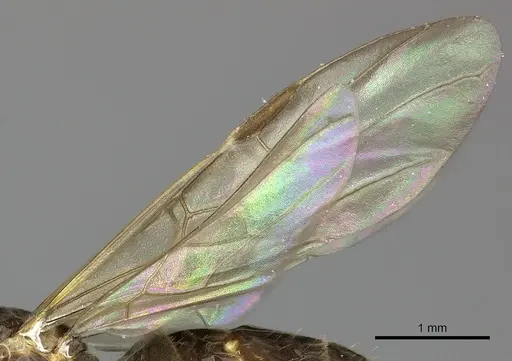
This is a inconspicuous, generally peaceful species that forms large colonies spanning multiple trees in natural habitats [2]. Workers are tiny (under 1mm) and active, moving quickly through their territory. They build characteristic carton shelters to house brood and tend scale insects. Colonies can become quite large with hundreds to thousands of workers. They are not aggressive and unlikely to defend vigorously, this makes them relatively safe to handle. However, their small size means they can escape through very tiny gaps. Always use fine mesh barriers and check for gaps in your setup. Alate (winged) queens have been observed flying during the day and at blacklights in Costa Rica [2].
Establishing a Colony
Starting a colony from a founding queen requires patience. The queen is tiny at just over 1mm and will seal herself in a small chamber to raise her first workers (claustral founding) [1]. Provide a small, humid test tube setup with water reservoir. Keep the setup warm (24-28°C) and undisturbed for 4-6 weeks until the first workers emerge. Once workers appear, you can begin offering small prey and sugar water. Growth will be gradual, these are small ants with moderate development times. The transition to a larger nest should happen when the colony reaches 20-30 workers or shows signs of needing more space. Given their arboreal nature, adding small twigs or branches to the outworld can encourage natural behaviors.
Frequently Asked Questions
How long does it take for Azteca tonduzi to produce first workers?
Expect 6-8 weeks from founding to first workers, though this is estimated from related species since specific development data is not available. The timeline depends on temperature, warmer conditions within their range (24-28°C) speed development.
What do Azteca tonduzi ants eat?
They need two main food types: sugar sources (honey, sugar water, or honeydew) for energy, and protein from small insects like fruit flies, pinhead crickets, or other tiny arthropods. They also tend scale insects in the wild for honeydew.
Can I keep Azteca tonduzi in a test tube?
Yes, test tubes work well for founding colonies. Use a small test tube with a water reservoir and keep it warm and humid. As the colony grows, you will need to transition them to a larger setup with more space for foraging and potential carton nest building.
What temperature do Azteca tonduzi ants need?
Keep them warm at 24-28°C. These are lowland tropical ants from Costa Rica with no cold tolerance. Room temperature within this range is ideal, or use gentle heating if needed.
Are Azteca tonduzi good for beginners?
This species is rated as Medium difficulty. They require warm, humid conditions typical of tropical arboreal ants, and their small size demands good escape prevention. They are peaceful and interesting to watch, but the humidity requirements and small size make them better suited for keepers with some experience.
How big do Azteca tonduzi colonies get?
Large colonies are documented in the wild, hundreds to thousands of workers. In captivity, colonies can grow to several hundred workers with proper care over time.
Do Azteca tonduzi need hibernation?
No, they do not hibernate. As a tropical species from Costa Rica, they need year-round warmth and activity. There is no diapause requirement.
Why are my Azteca tonduzi escaping?
Their tiny size (workers under 1mm) means they can squeeze through very small gaps. Use fine mesh barriers (at least 0.5mm mesh), check all lid seals, and ensure any tubing connections are secure. Inspect regularly for escape routes.
When should I move Azteca tonduzi to a formicarium?
Move them when the colony reaches 20-30 workers or shows signs of outgrowing the test tube. Given their arboreal nature, consider a naturalistic setup with branches or twigs they can inhabit, or a small acrylic nest with good humidity control.
References

This caresheet is licensed under CC BY-SA 4.0 .
CASENT0249552
View on AntWeb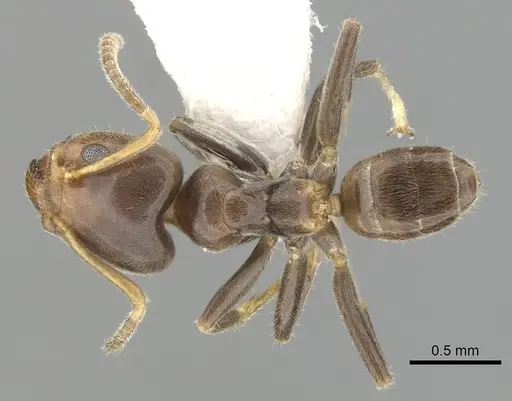
CASENT0625420
View on AntWeb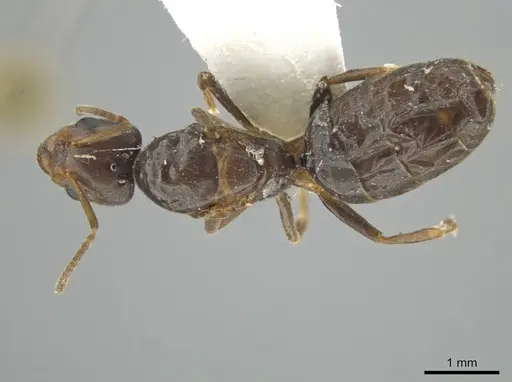
CASENT0903021
View on AntWeb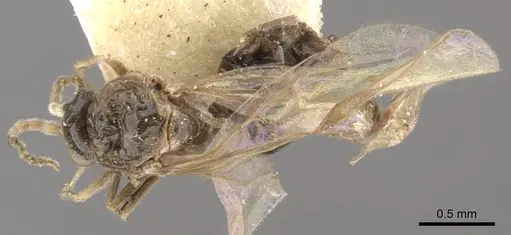
CASENT0903022
View on AntWeb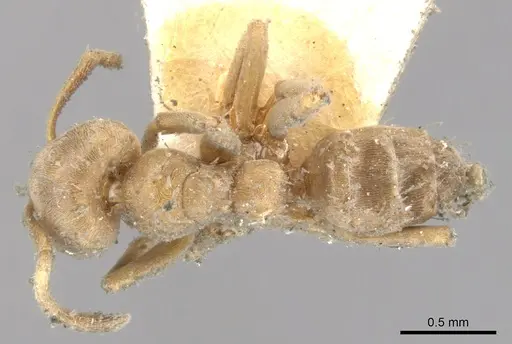
CASENT0909679
View on AntWeb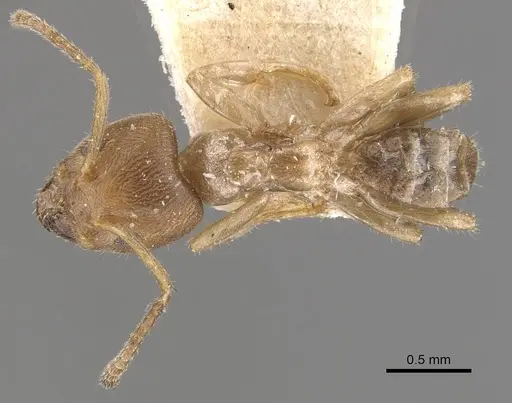
CASENT0917122
View on AntWeb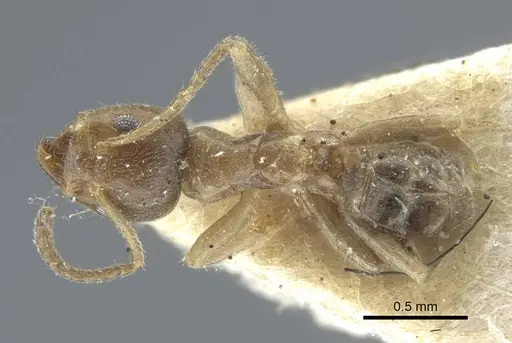
CBUMAGENT41842
View on AntWeb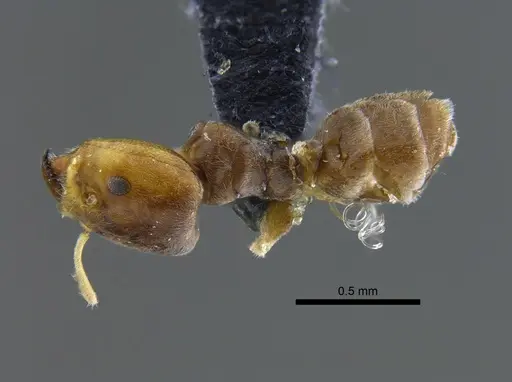
ECOFOG-KR17-0019-07
View on AntWeb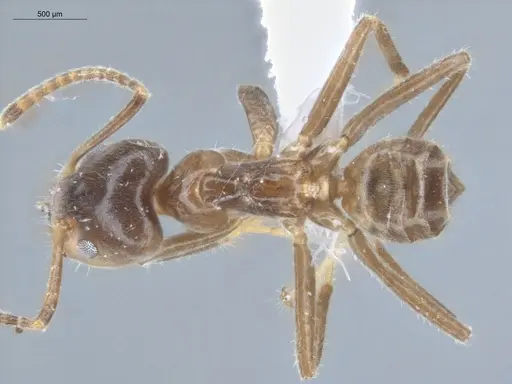
FOCOL0186-1
View on AntWeb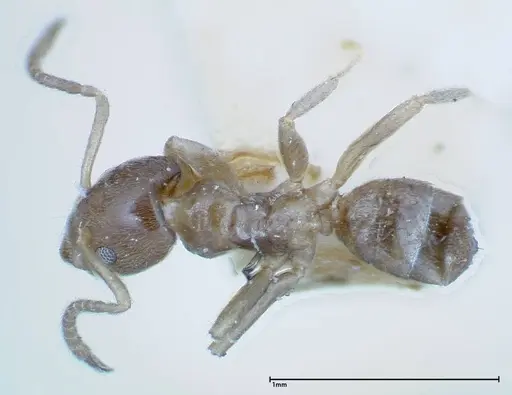
FOCOL0186-2
View on AntWeb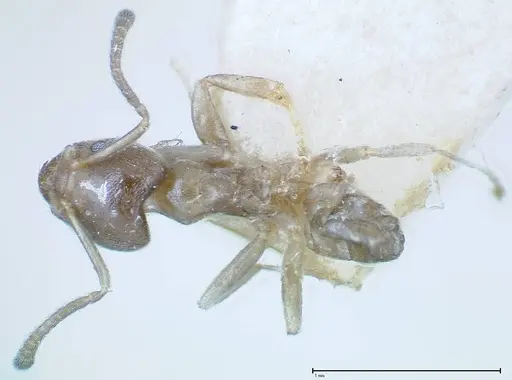
FOCOL0186-3
View on AntWeb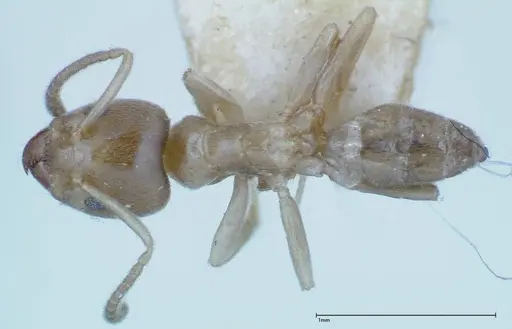
INB0003662434
View on AntWeb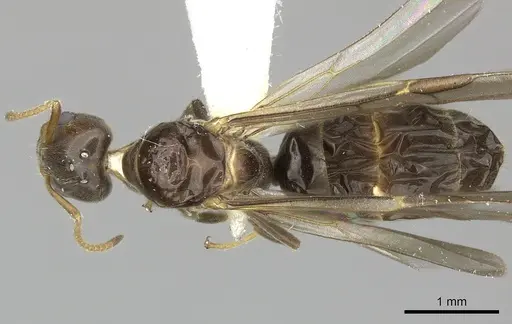
INBIOCRI001267935
View on AntWeb
JTL073577
View on AntWeb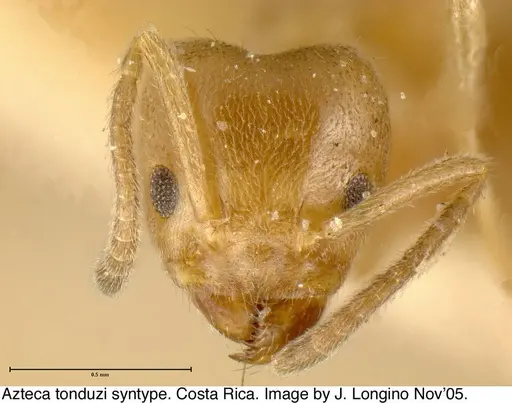
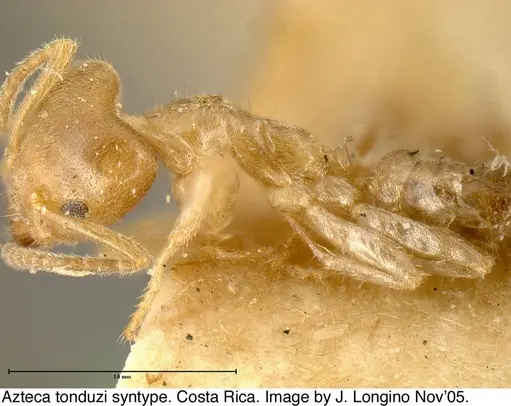
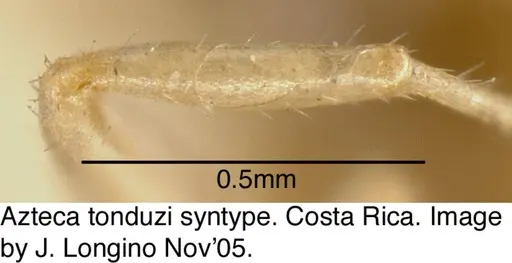
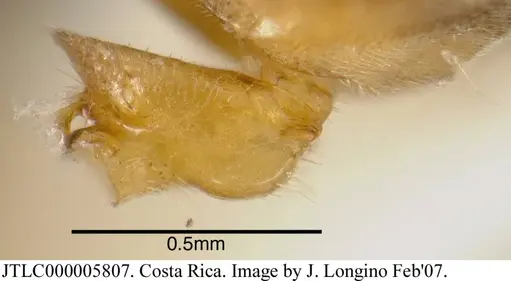
JTLC000005807
View on AntWeb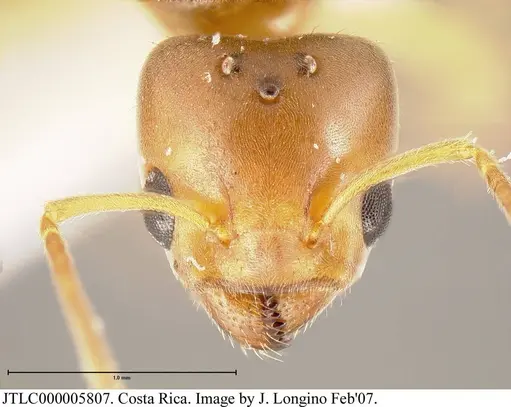
JTLC000005808
View on AntWeb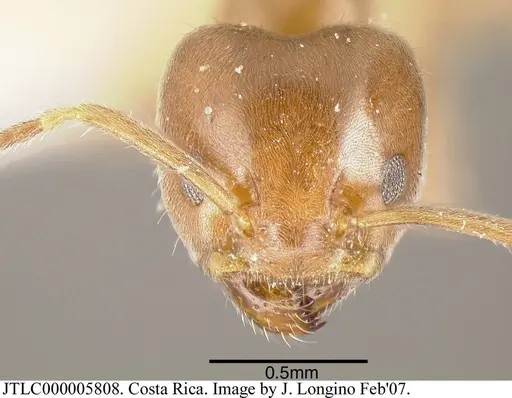
Literature
Loading...Loading products...