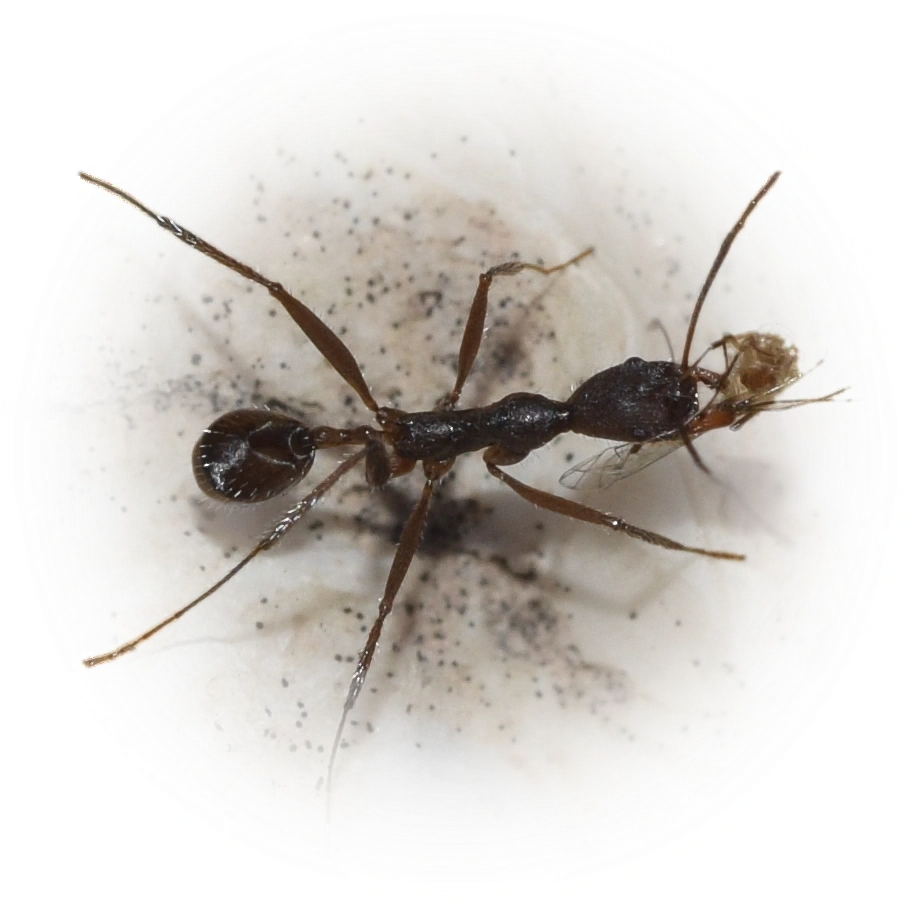

Aphaenogaster iberica
- Scientific Name
- Aphaenogaster iberica
- Tribe
- Stenammini
- Subfamily
- Myrmicinae
- Author
- Emery, 1908
- Distribution
- Found in 2 countries
Aphaenogaster iberica Overview
Aphaenogaster iberica is an ant species of the genus Aphaenogaster. It is primarily documented in 2 countries , including Spain, Portugal. Detailed taxonomic data and occurrence records can be further explored via authoritative databases such as AntWeb or the Global Biodiversity Information Facility (GBIF).
Aphaenogaster iberica
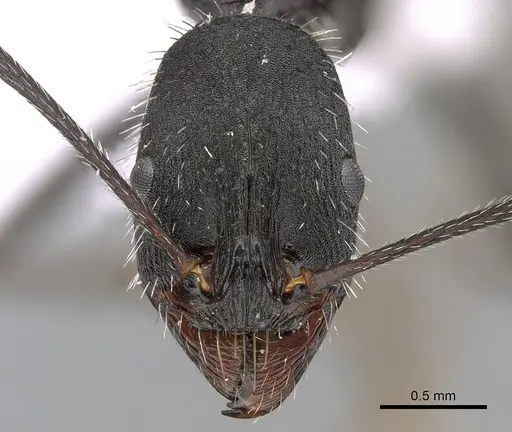
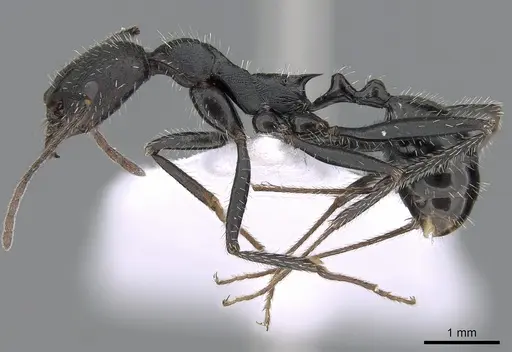
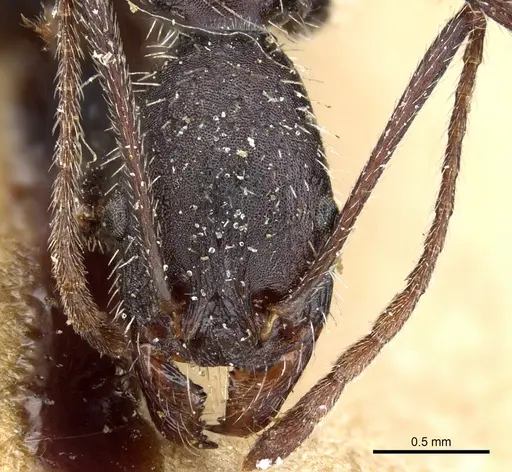
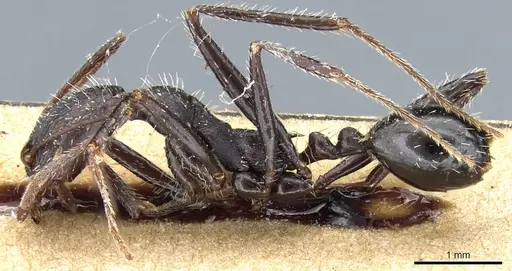
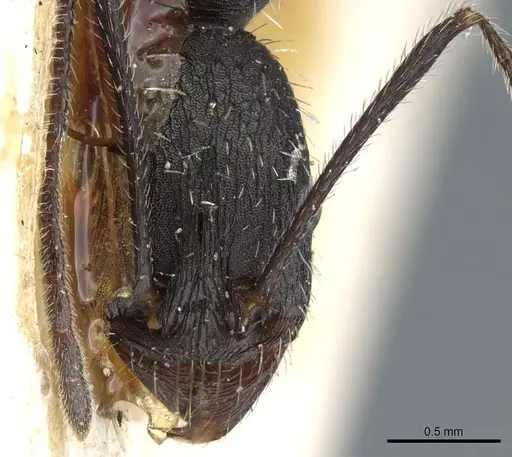
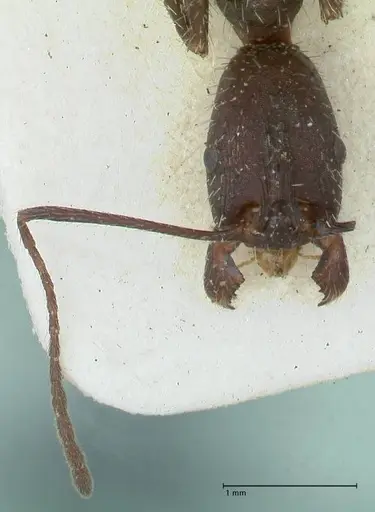
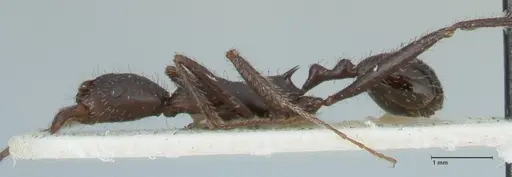
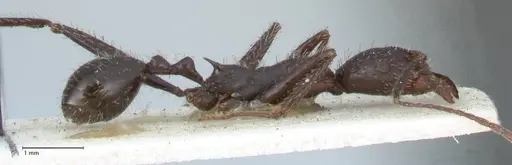
Aphaenogaster iberica is a large, dark-colored ant endemic to the Iberian Peninsula, easily recognized by its long legs and curved propodeal spines that follow the line of the mesosoma [1]. Workers measure 4-6 mm and queens reach 6-7 mm, with a finely sculptured matte to satin appearance [1][2]. They inhabit open ground, banks, and forests across Spain, Portugal, and Gibraltar, and have been introduced to the Canary Islands [3][4][5]. These ants serve as major seed dispersers for plants like Helleborus foetidus, carrying diaspores back to their nests [6][7]. They are also aggressive predators and scavengers, hunting fruit fly pupae, other insects, and even collecting flower petals for sugar and starch [8][9][2]. Unlike some trail-dependent relatives, they forage singly but can recruit nestmates using weak trail pheromones [10][11].
Quick Summary
- Difficulty: Medium
- Origin & Habitat: Iberian Peninsula (Spain, Portugal), Gibraltar, Balearic Islands, introduced to Canary Islands [3][4][5]. Mediterranean open ground, banks, vineyards, oak and pine forests, and riparian zones from sea level to 2000m [12][13][14].
- Colony Type: Single-queen colonies (monogyne) typically containing 500-1000 workers [2][6][10].
- Colony: Monogyne
- Size & Growth:
- Queen: 6-7 mm (CL 1.59-1.77 mm) [1].
- Worker: 4-6 mm (CL 1.35-2.02 mm) [1].
- Colony: 500-1000 workers [6][10].
- Growth: Moderate
- Development: Estimated 6-10 weeks at 25°C (Exact timeline unconfirmed, estimate based on related temperate Aphaenogaster species. First workers (nanitics) may emerge slightly faster.)
- Antkeeping:
- Temperature: 20-28°C with a gentle heat gradient, thermophilic species that tolerates warm conditions [15][16]. Laboratory colonies maintained at 25°C show normal activity [16].
- Humidity: Moderate humidity with well-drained substrate, Mediterranean conditions. Keep nest area slightly moist but not wet, with good ventilation to prevent mold.
- Diapause: Yes, winter rest required from approximately November to February based on seasonal activity patterns [17].
- Nesting: Naturalistic soil nests or Y-tong/plaster nests with horizontal chambers and tight-fitting lids. In nature they nest under stones and in open ground [18][2].
- Behavior: Aggressive group-recruiting scavengers and predators with strong bites but no sting [2][19]. Active diurnal foragers that hunt arthropods and collect seeds [8][9]. They show weak trail-following behavior compared to related species [10].
- Common Issues: aggressive biters, handle with care as they have strong mandibles., high protein requirements, need regular live prey or insect pieces in addition to seeds., escape risk, active foragers and climbers require excellent barrier security., winter diapause required, colonies may fail if kept warm year-round without seasonal cooling.
Nest Preferences and Setup
In nature, Aphaenogaster iberica nests in open ground, banks, and frequently under stones in deciduous forests and Mediterranean scrubland [18][2]. They prefer well-drained soil with some stone cover. In captivity, provide a naturalistic setup with a soil mix or use Y-tong/plaster nests with horizontal chambers that mimic their shallow ground nests. Because they are active diurnal foragers, ensure the outworld has secure, tight-fitting lids and escape barriers like Fluon [2]. Good ventilation is essential to prevent mold in their Mediterranean-adapted nests.
Feeding and Diet
These ants are opportunistic omnivores with a strong predatory streak. They hunt fruit fly pupae, other small arthropods, and scavenge dead insects [8][9][19]. They also function as important seed dispersers, particularly for Helleborus foetidus, carrying seeds with elaiosomes back to the nest [6][7]. In captivity, offer a mix of live small insects (fruit flies, springtails, small crickets) and protein sources like mealworms or boiled egg. They also accept seeds and have been observed collecting flower petals for sugar and starch [2]. Provide sugar water or honey water in a test tube setup, but emphasize protein for healthy brood development.
Temperature and Seasonal Care
Aphaenogaster iberica is thermophilic, meaning they prefer warm conditions [15]. Maintain the nest area between 20-28°C with a gentle heat gradient using a heating cable on one side [16]. Laboratory studies maintained colonies at 25°C successfully [16]. Populations from higher elevations (1300-2000m) show different metabolic adaptations than lowland populations, but standard room temperature with heating is suitable for most captive colonies [16]. They require a winter diapause period from approximately November to February, gradually cool the colony to 10-15°C during these months and reduce feeding [17].
Behavior and Temperament
These ants are aggressive defenders of their territory, using their strong, toothed mandibles to bite intruders and prey [2]. They do not possess a sting [2]. Foraging is primarily diurnal and often solitary, though they can recruit nestmates to food sources using trail pheromones [11][19]. Interestingly, their trail-following behavior is much weaker than related species like Aphaenogaster senilis, and they will follow hydrocarbon trails from both conspecifics and heterospecifics indiscriminately [10]. Colonies are monogynous (single queen) and typically contain 500-1000 workers [2][6].
Seed Dispersal Behavior
Aphaenogaster iberica is a major seed disperser (myrmecochore) for Helleborus foetidus and likely other plants with elaiosome-bearing seeds [6][7]. Workers carry seeds back to the nest, consuming the lipid-rich elaiosome and discarding the intact seed, aiding in plant dispersal [20]. Laboratory studies show they process significantly more seeds than competing ant species like Camponotus cruentatus or Pheidole pallidula [6]. When alternative food is scarce, larvae may consume the seed embryo, so ensure adequate protein sources are available to prevent seed predation [20].
Frequently Asked Questions
Can I keep Aphaenogaster iberica in a test tube?
Yes for founding, but move them to a soil-based nest or Y-tong setup once the colony grows beyond 20-30 workers. They prefer horizontal chambers and naturalistic conditions [18][2].
How long until Aphaenogaster iberica gets their first workers?
Exact timelines are unconfirmed, but based on related temperate Aphaenogaster species, expect first workers in 6-10 weeks at 25°C.
Do Aphaenogaster iberica need hibernation?
Yes, they require a winter diapause from approximately November to February. Gradually cool the colony to 10-15°C during this period [17].
What do Aphaenogaster iberica eat?
They are predatory scavengers that eat insects, fruit fly pupae, and seeds. Offer live prey like fruit flies and small crickets, plus seeds with elaiosomes and sugar water [8][9][6].
Do Aphaenogaster iberica ants sting?
No, they do not sting, but they have strong mandibles and will bite aggressively when disturbed [2].
How big do Aphaenogaster iberica colonies get?
Colonies typically reach 500-1000 workers and are monogynous (single queen) [2][6].
Can I keep multiple Aphaenogaster iberica queens together?
No, this species is monogyne (single queen). Combining queens will result in fighting and colony failure [2].
Are Aphaenogaster iberica good for beginners?
They are medium difficulty. While hardy and active, they require regular protein feeding, secure housing to prevent escapes, and winter diapause care.
Why are my Aphaenogaster iberica dying?
Common causes include lack of winter diapause, insufficient protein, or overly wet conditions causing mold. Ensure good ventilation and seasonal cooling [17].
References

This caresheet is licensed under CC BY-SA 4.0 .
CASENT0280966
View on AntWeb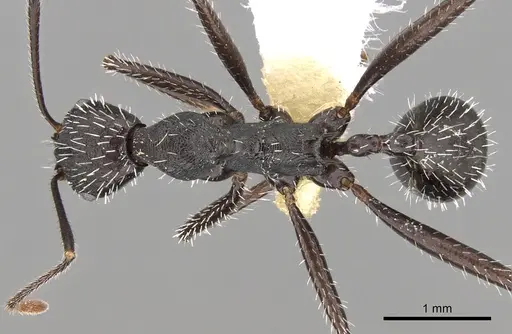
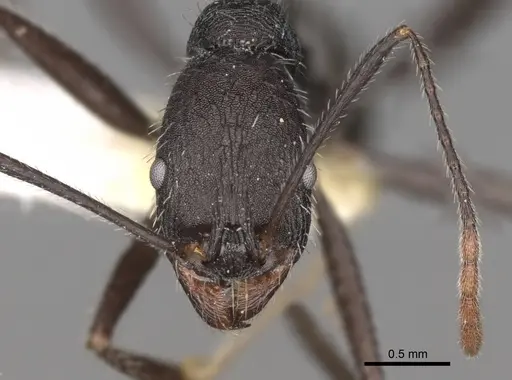
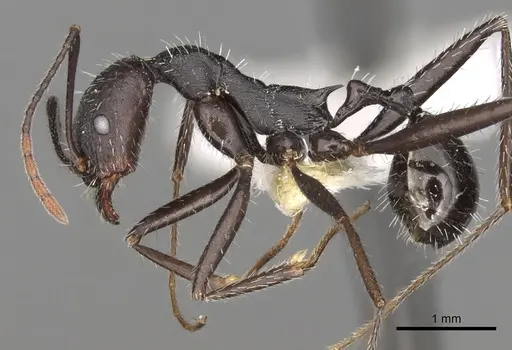
CASENT0281533
View on AntWeb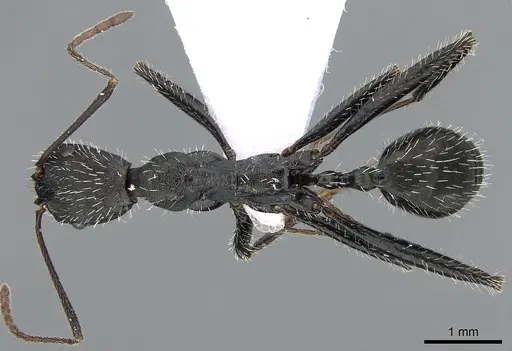
CASENT0904164
View on AntWeb
CASENT0904165
View on AntWeb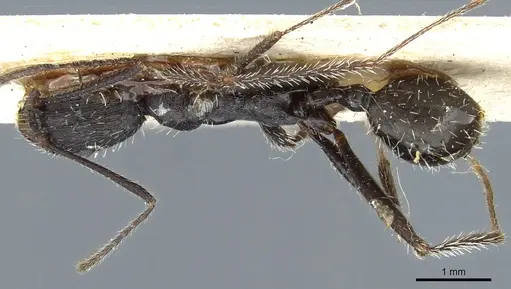
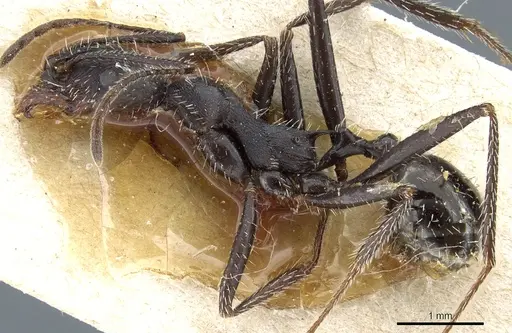
CASENT0913116
View on AntWeb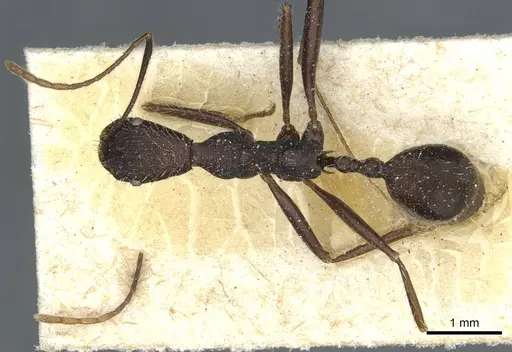
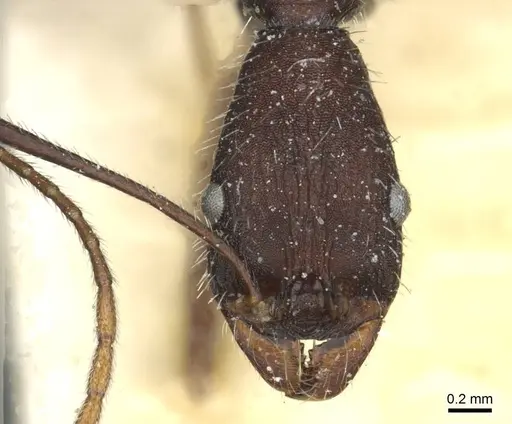
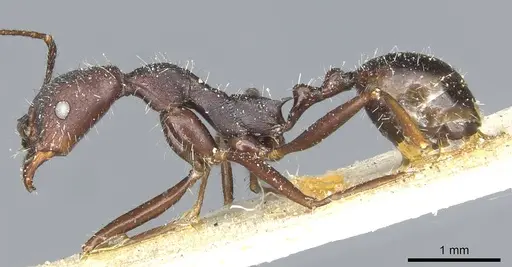
FOCOL1240
View on AntWeb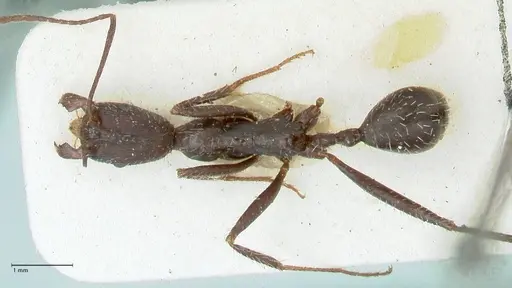
Literature
Loading...Loading products...