
Aphaenogaster senilis
- Scientific Name
- Aphaenogaster senilis
- Tribe
- Stenammini
- Subfamily
- Myrmicinae
- Author
- Mayr, 1853
- Distribution
- Found in 5 countries
Aphaenogaster senilis Overview
Aphaenogaster senilis is an ant species of the genus Aphaenogaster. It is primarily documented in 5 countries , including Spain, France, Italy. Detailed taxonomic data and occurrence records can be further explored via authoritative databases such as AntWeb or the Global Biodiversity Information Facility (GBIF).
Aphaenogaster senilis
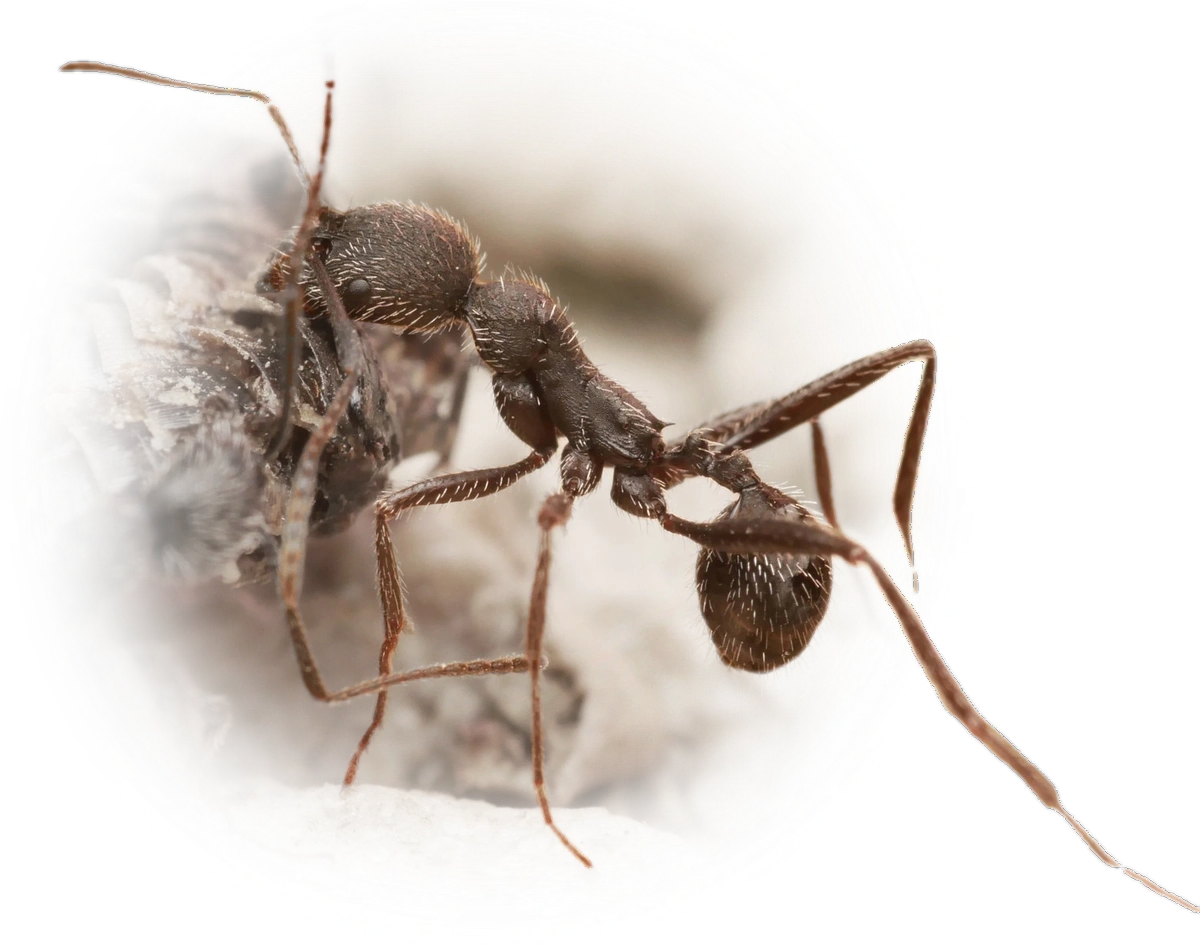
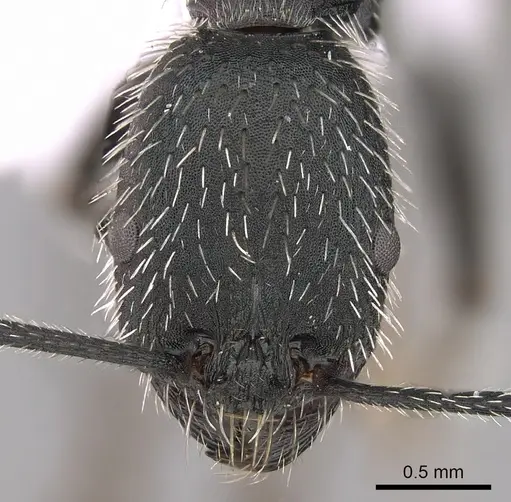
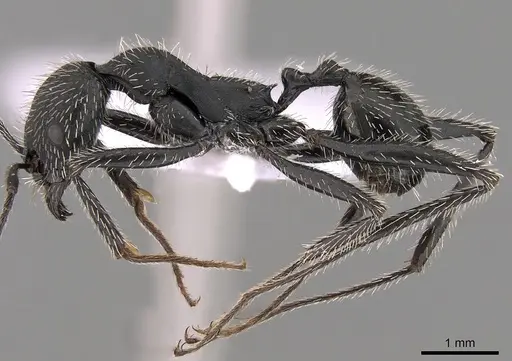
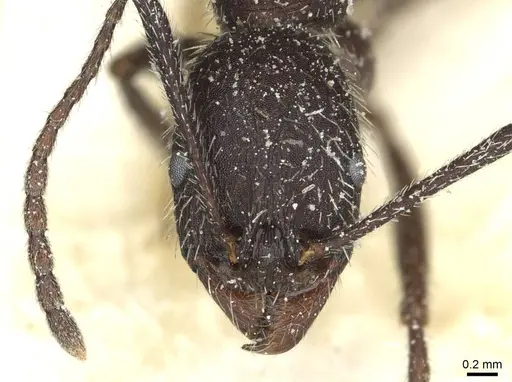
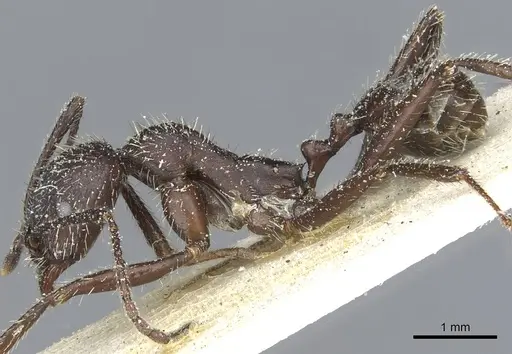
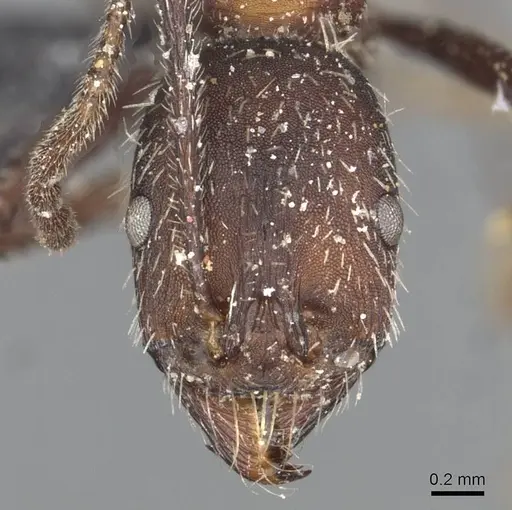
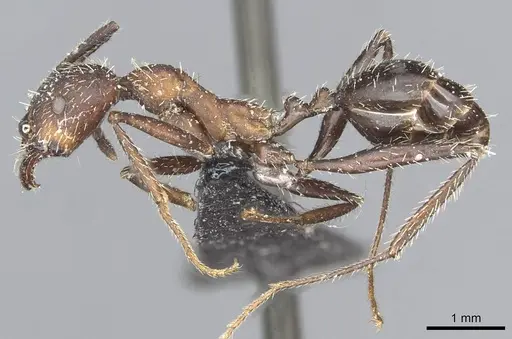
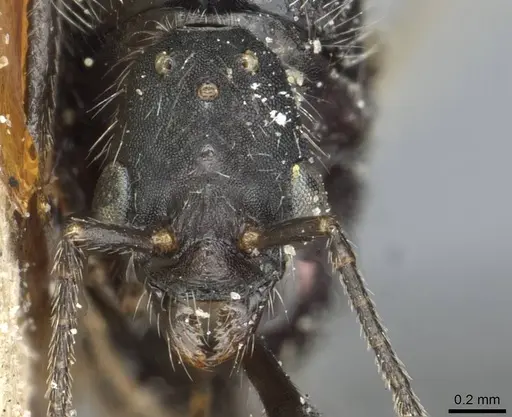
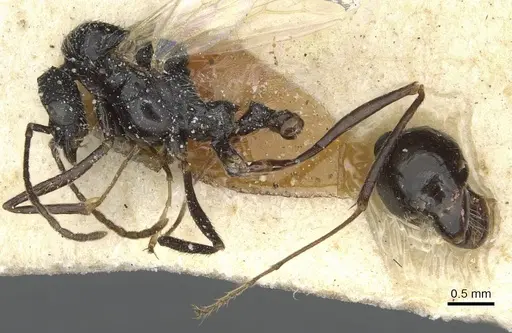
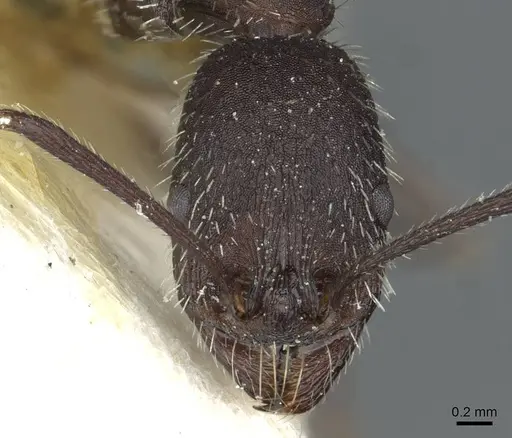
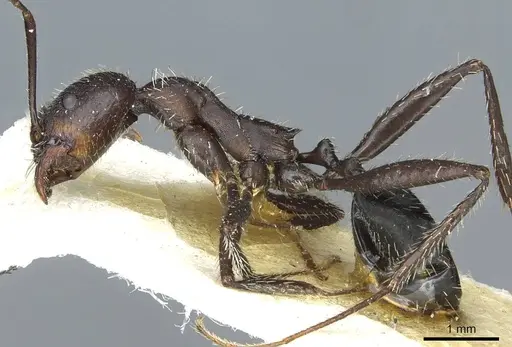
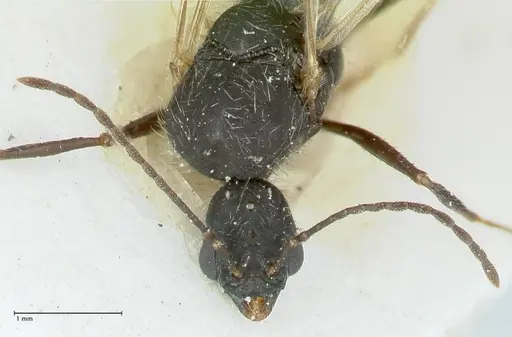
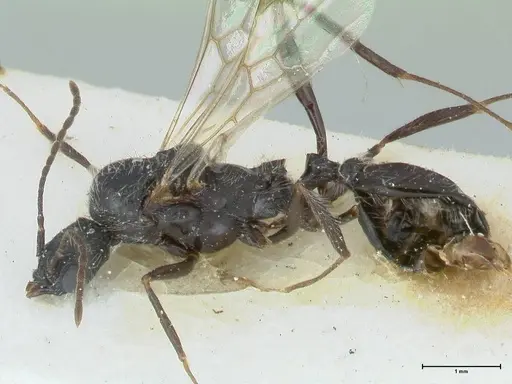
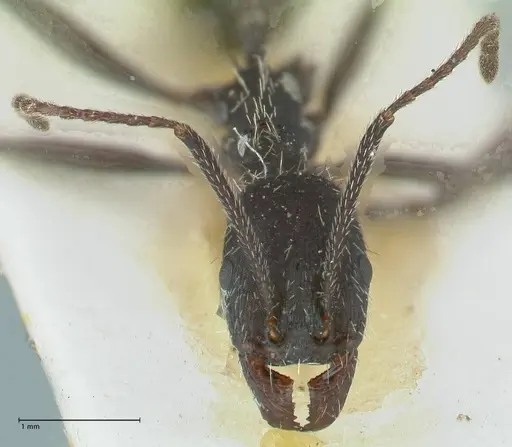
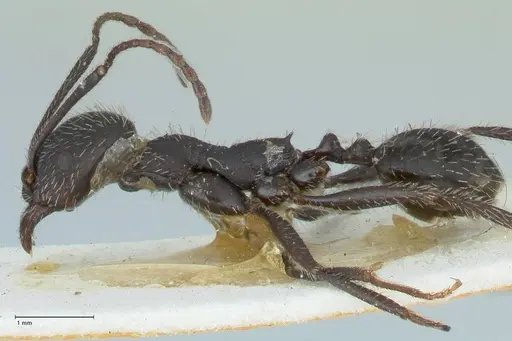
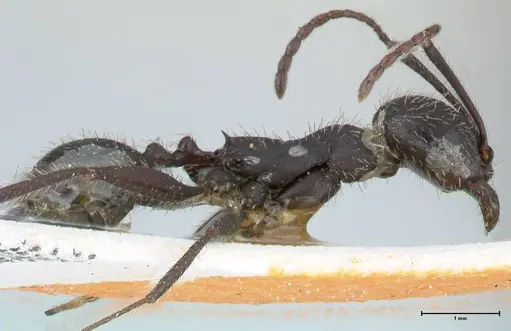
Aphaenogaster senilis is a large, dark ant native to the Mediterranean basin. Workers are monomorphic, measuring 6.4 to 7.7 mm long, with a matte black body covered in fine white hairs that gives them a distinctive dusty appearance [1][2]. Unlike most ant species, the queens have short, non-functional wings and cannot fly, instead, they walk with groups of workers to found new colonies [3][4]. These ants inhabit open, sunny environments across the Iberian Peninsula, southern France, Morocco, and various Mediterranean islands including the Balearics, Sardinia, and the Azores [1][5][6].
What sets this species apart is its remarkable tool-use behavior. Workers collect leaves, soil particles, or other debris to soak up liquid food like honey or sugar water, then carry these tools back to the nest because they lack the ability to store liquids internally or share them mouth-to-mouth [7][8]. They are also extreme heat-lovers, actively foraging at ground temperatures up to 46°C and retreating only when the soil approaches lethal temperatures around 50°C [5][9].
Quick Summary
- Difficulty: Medium
- Origin & Habitat: Western Mediterranean (Iberian Peninsula, southern France, Morocco, Balearic Islands, Sardinia, Canary Islands, Azores), prefers open sunny habitats, forest edges, fields, lawns, and urban areas [1][5][6]
- Colony Type: Strictly monogynous (single queen per colony), colonies reproduce by fission where the queen and workers walk to new nest sites [10][11][4]
- Colony: Monogyne
- Size & Growth:
- Queen: 8-10 mm (estimated, queens weigh ~11 mg compared to worker ~5-8 mg) [4][12]
- Worker: 6.4-7.7 mm [8][1]
- Colony: 200 to 3,900 workers, averaging around 1,260 [10][12]
- Growth: Moderate
- Development: 4-6 weeks at 28-30°C, development slows significantly at 24°C and fails below 20°C [3][13][14] (First instar larvae are bipotent and can develop into either workers or queens if the queen is removed)
- Antkeeping:
- Temperature: Keep at 25-30°C with a gentle gradient, optimal around 28°C. They tolerate heat up to 46°C but cease development below 20°C [13][5][11]
- Humidity: Moderate humidity around 50-60%, nest substrate should be moist but not waterlogged, mimicking Mediterranean soil conditions [11]
- Diapause: Yes, winter rest period from roughly November to February with reduced activity and brood development [15][5]
- Nesting: In nature, they nest in soil under stones, in captivity use Y-tong or plaster nests with narrow chambers and provide flat stones or covers for them to nest under [1][8]
- Behavior: Diurnal and thermophilic (heat-loving), showing bimodal activity in summer (peaks at 10:00 and 17:00) and unimodal in spring/fall. They are subordinate competitors that avoid conflict with dominant species, instead using speed and group recruitment to steal food. Colonies frequently relocate nests (average 6 times per year) and are fast, active foragers [5][16][17][7]
- Common Issues: workers cannot perform trophallaxis (mouth-to-mouth feeding), so liquid food must be offered via tools or placed directly on surfaces for them to lap up, colonies frequently move nests in captivity if conditions are not optimal, which can stress the queen and brood, if the queen dies, workers will produce replacement queens from young larvae but will fight and kill all but the first-born survivor, leaving you with one new queen, fast runners and good climbers requiring excellent escape prevention with Fluon or fine mesh barriers, sensitive to cold temperatures, prolonged exposure below 20°C will halt brood development and may kill the colony
Nest Preferences and Setup
In the wild, Aphaenogaster senilis builds shallow nests in the ground, typically under stones or at the base of vegetation in open, sunny areas [1][8]. The nests consist of simple chambers and tunnels that can extend down to 70 cm deep, with the queen usually residing in the deepest chamber [18]. When keeping them in captivity, a Y-tong or plaster nest works well, but you must provide tight-fitting chambers scaled to their size. Place flat stones or pieces of tile on the surface of the nest area, as they prefer to nest under cover. Because they are thermophilic, position the heating cable on one side of the nest to create a gradient from 25°C to 30°C, allowing the ants to choose their preferred temperature [13][11].
Feeding and the Tool-Use Behavior
These ants are omnivorous scavengers that feed on dead insects, seeds, fruits, and flower petals [5][12]. However, they have a unique limitation: they do not perform trophallaxis (mouth-to-mouth liquid exchange) and lack a distensible crop to store liquids [11][7]. To overcome this, they use tools. Workers collect debris such as leaf fragments, soil particles, or paper to soak up liquid food like honey or sugar water, then transport these soaked items back to the nest [7][8]. In captivity, you must provide small pieces of paper, cotton, or sponges alongside liquid food sources. Offer solid protein such as mealworms, crickets, or fruit flies twice weekly, and provide seeds like sesame or chia as they also consume plant material [12][5]. Only about 8% of foragers perform tool use, but these individuals are highly efficient and will teach the colony to use provided materials [7].
Temperature and Seasonal Care
Aphaenogaster senilis is strictly diurnal and thermophilic, with an optimal foraging temperature of 42°C and a critical thermal limit of 46°C [5][9]. For captive colonies, maintain the nest area at 25-30°C, ideally around 28°C, as development is significantly faster at 28-32°C than at 24°C, and ceases entirely below 20°C [13]. They require a winter diapause from approximately November to February, during which brood production slows and the colony becomes less active [15][5]. During this rest period, keep them at cooler room temperatures (15-18°C) and reduce feeding frequency, but ensure the nest does not dry out completely.
Behavior and Colony Fission
Colonies are strictly monogynous and monodomous (single nest), containing between 200 and 3,000 workers [12][10]. They are subordinate species in ant communities, meaning they avoid direct conflict with dominant ants like Messor or Cataglyphis, instead using their heat tolerance to forage at times when competitors cannot [9][19]. Colonies frequently relocate their nests seasonally, moving to shaded vegetation in summer to escape lethal ground temperatures and returning to open areas in spring and fall [12][17]. This nomadic behavior means they may attempt to move frequently in captivity if disturbed or if temperatures fluctuate too much.
Queen Replacement and Reproduction
Because queens have short wings and cannot fly, colonies reproduce by fission: a group of workers leaves with a newly mated queen to walk to a new nest site [4][3]. If the original queen dies, workers can produce replacement queens from totipotent first-instar larvae (bipotent until the second instar) [11][14]. However, if multiple queens are produced, the first-born queen will aggressively dominate and workers will kill the surplus queens, leaving only one survivor [4][20]. Development from egg to adult takes approximately one month at optimal temperatures [3]. Workers in queenless colonies will also begin laying haploid eggs that develop into males approximately 10-14 days after the queen is removed [11][3].
Frequently Asked Questions
Can I keep multiple Aphaenogaster senilis queens together?
No. Aphaenogaster senilis is strictly monogynous, meaning colonies contain only one queen. If you introduce multiple queens, they will fight until only one survives, or the workers will kill all but the first queen they encounter [4][3].
How long does Aphaenogaster senilis take to develop from egg to worker?
At 28-30°C, development from egg to adult worker takes approximately 4 to 6 weeks. Development is temperature-dependent and slows significantly at 24°C, below 20°C, larvae will not develop at all [3][13][14].
Do Aphaenogaster senilis ants need hibernation?
Yes. They require a winter diapause period from roughly November to February, during which colony activity and brood production decrease significantly. Keep them at cooler temperatures (15-18°C) during this time [15][5].
What do Aphaenogaster senilis eat?
They are omnivorous scavengers, feeding on dead insects, seeds, fruits, and flower petals. They cannot perform trophallaxis (liquid exchange), so you must provide tools like paper or sponges for them to soak up liquid foods such as honey or sugar water [5][7][8].
Are Aphaenogaster senilis good for beginners?
They are rated as medium difficulty. While they are hardy and heat-tolerant, their fast speed, frequent nest relocation behavior, and special feeding requirements (tool use for liquids) make them better suited for keepers with some experience [11][7].
Can Aphaenogaster senilis queens fly?
No. The queens are brachypterous, meaning they have short, non-functional wings and cannot fly. Colonies spread by fission, where the queen walks with a group of workers to a new nest site [3][4].
How do Aphaenogaster senilis colonies reproduce?
They reproduce by colony fission (dependent colony foundation). When a colony grows large enough, or during seasonal movements, a group of workers leaves with a newly mated queen to found a new nest nearby. The queens cannot fly, so they travel on foot [4][10].
Why are my Aphaenogaster senilis workers dying?
Check your temperature first, they require warmth (25-30°C) and will fail to thrive below 20°C. Also ensure you are providing liquid food via tools (paper/sponges) since they cannot share liquids mouth-to-mouth. Finally, check for escape attempts, as they are fast and may injure themselves [13][7][11].
Do Aphaenogaster senilis ants sting?
They possess a venom gland containing alkaloids like anabaseine, but they are not aggressive toward humans and rarely sting. They are subordinate species that prefer to avoid conflict [21][9].
References

This caresheet is licensed under CC BY-SA 4.0 .
CASENT0281534
View on AntWeb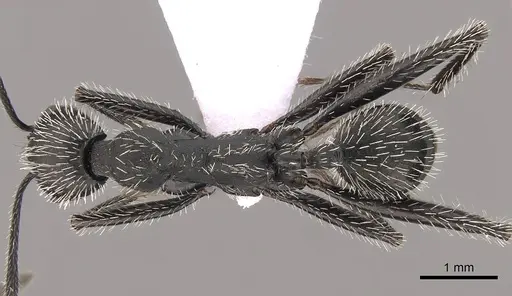
CASENT0913124
View on AntWeb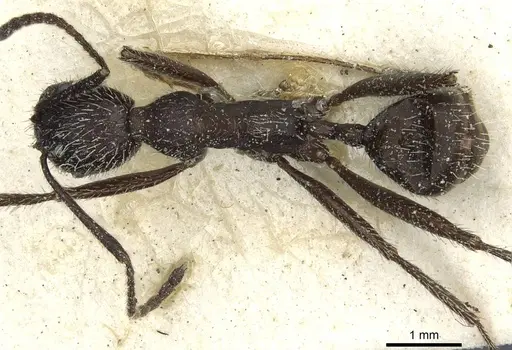
CASENT0913125
View on AntWeb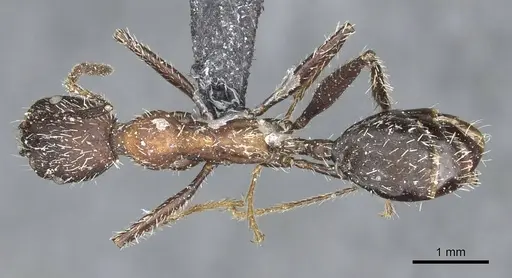
CASENT0913126
View on AntWeb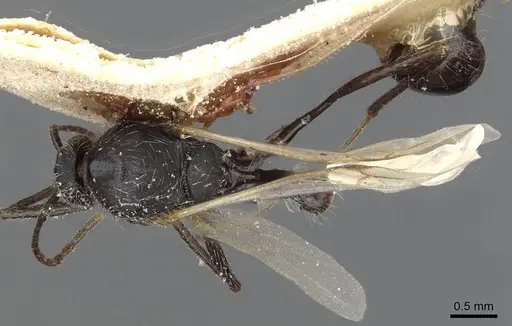
CASENT0913127
View on AntWeb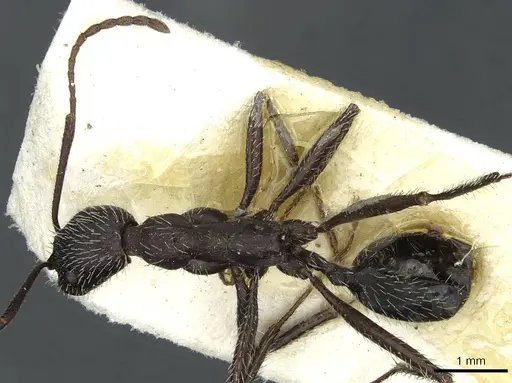
FOCOL1238
View on AntWeb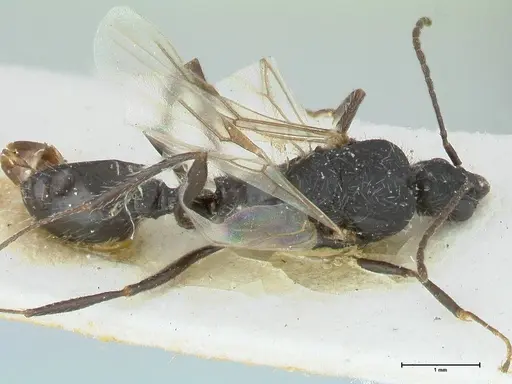
FOCOL1239
View on AntWeb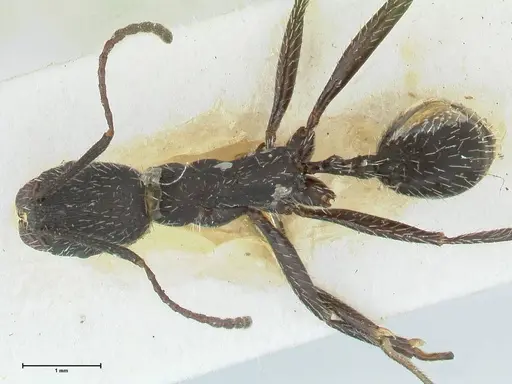
Literature
Loading...Loading products...