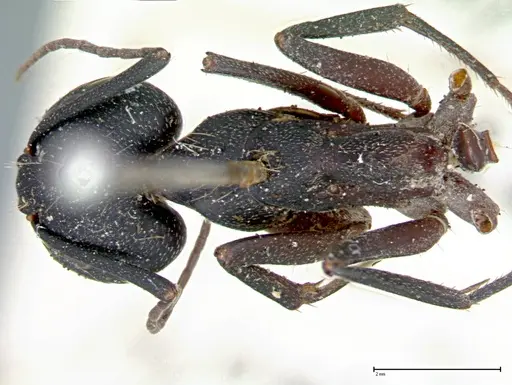
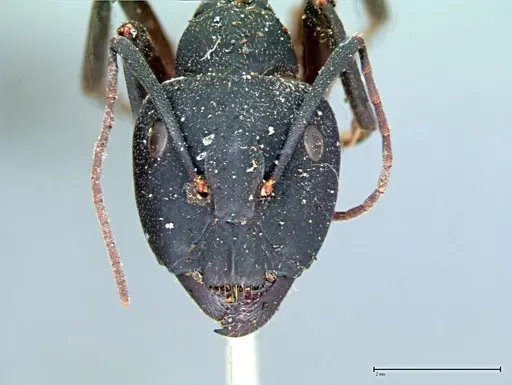
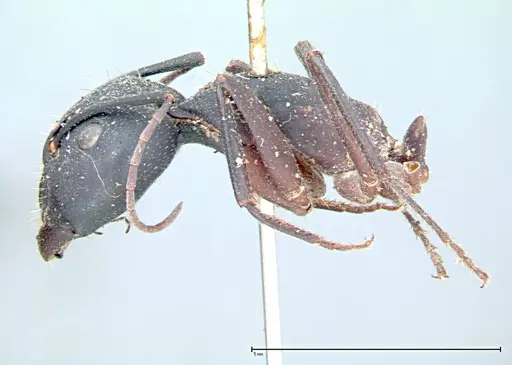
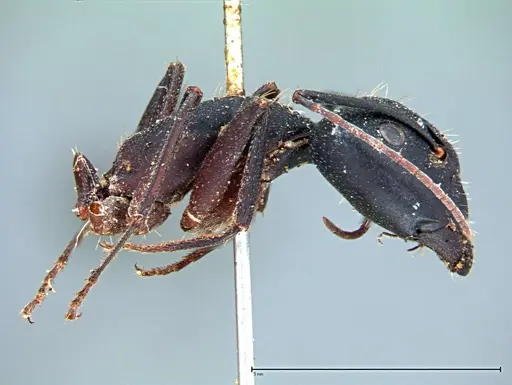
Camponotus cruentatus exhibits a clear seasonal flight window. Peak flight activity is concentrated in July, with the overall period spanning June to July. The concentrated timeframe makes peak months critical for sightings.
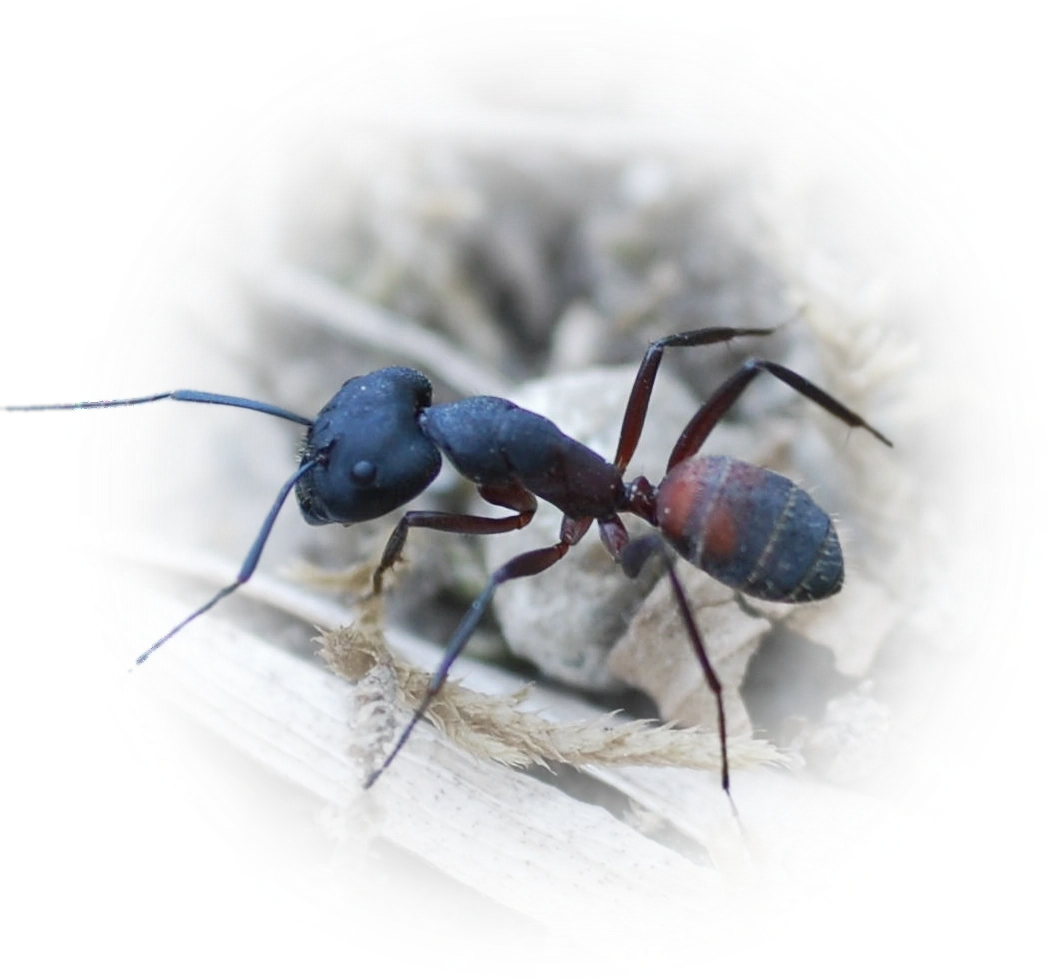
Camponotus cruentatus
- Scientific Name
- Camponotus cruentatus
- Subgenus
- Myrmosericus
- Tribe
- Camponotini
- Subfamily
- Formicinae
- Author
- Latreille, 1802
- Common Name
- Blood-spotted Sugar Ant
- Distribution
- Found in 5 countries
- Nuptial Flight
- from June to July, peaking in July
AI Identifiable
try →
Camponotus cruentatus Overview
Camponotus cruentatus (commonly known as the Blood-spotted Sugar Ant) is an ant species of the genus Camponotus. It is primarily documented in 5 countries , including Algeria, Spain, France. Detailed taxonomic data and occurrence records can be further explored via authoritative databases such as AntWeb or the Global Biodiversity Information Facility (GBIF).
The nuptial flight of Camponotus cruentatus is a significant biological event, typically occurring from June to July, peaking in July. During this time, winged queens and males leave the nest to mate and establish new colonies.
Camponotus cruentatus - "Blood-spotted Sugar Ant"
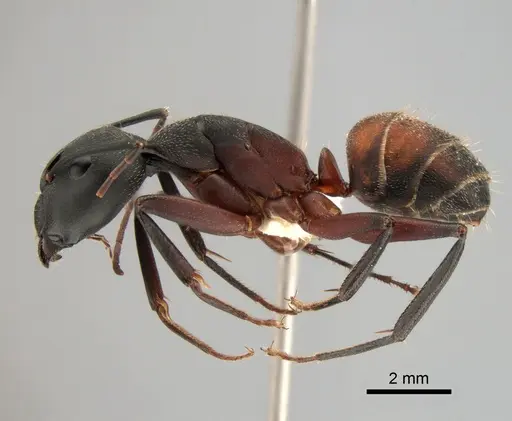
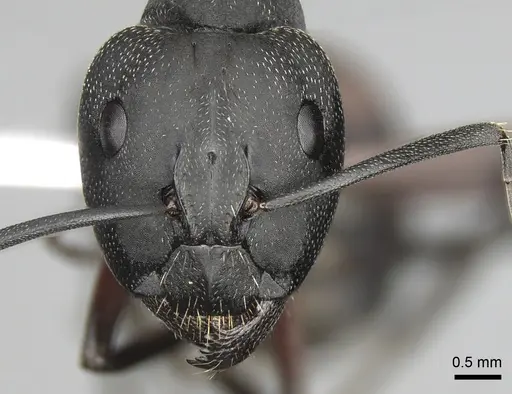
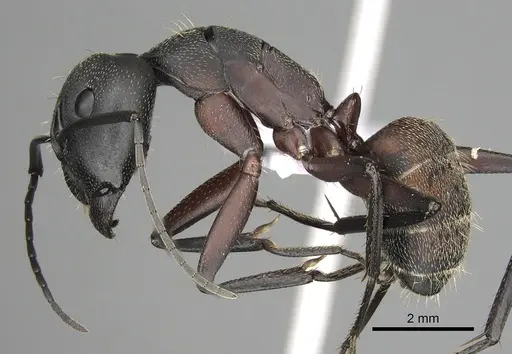
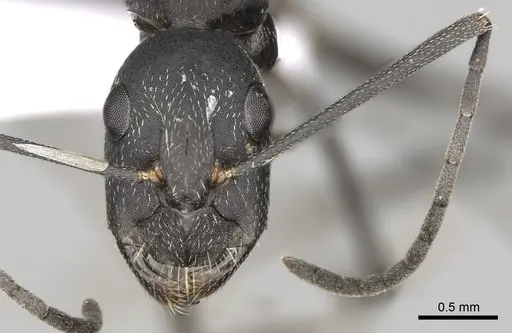
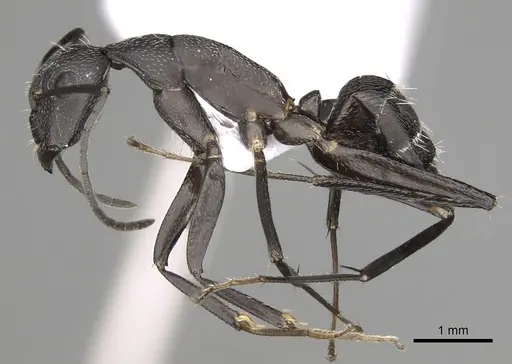
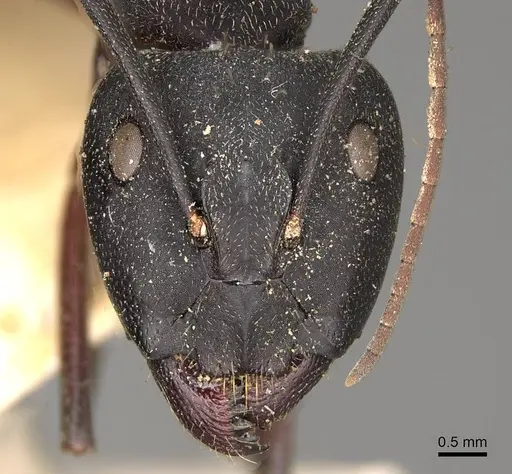
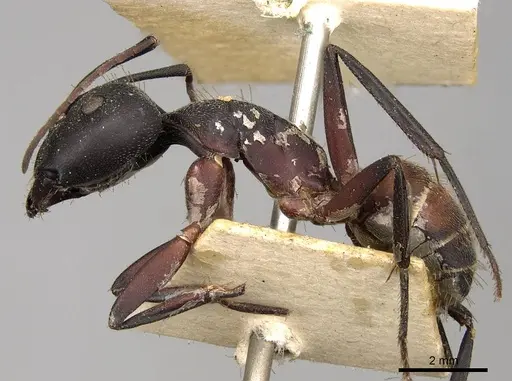
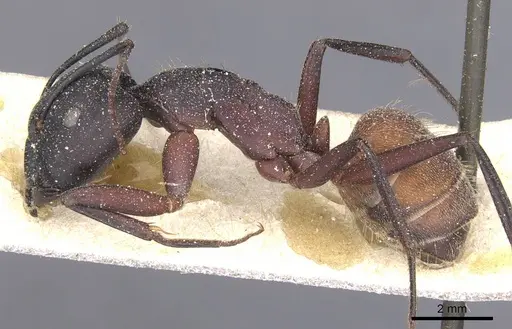
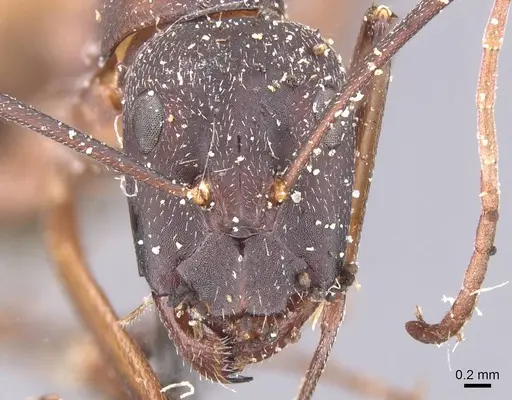
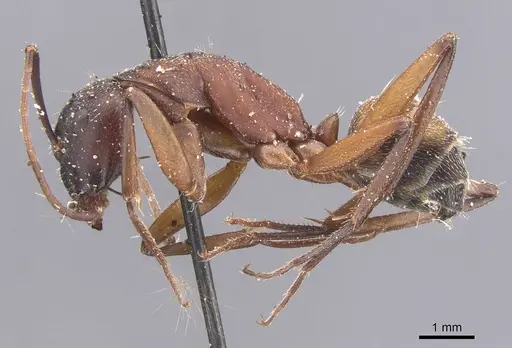
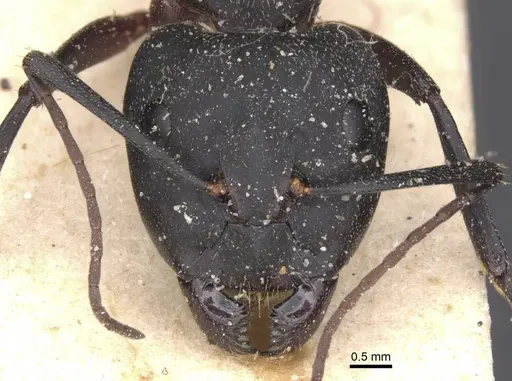
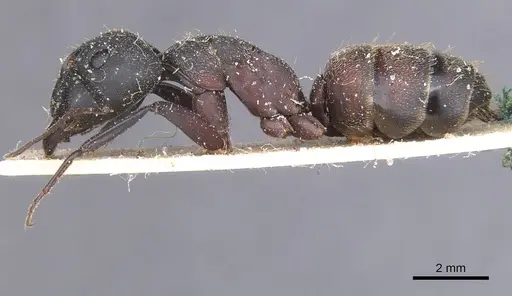
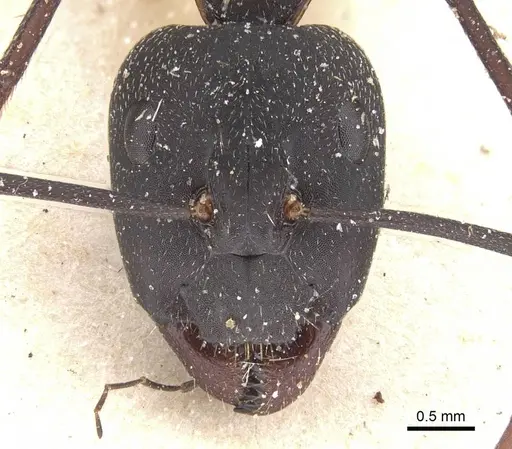
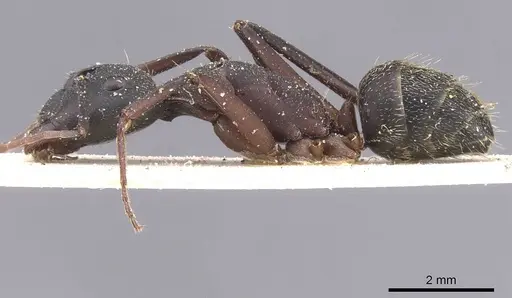
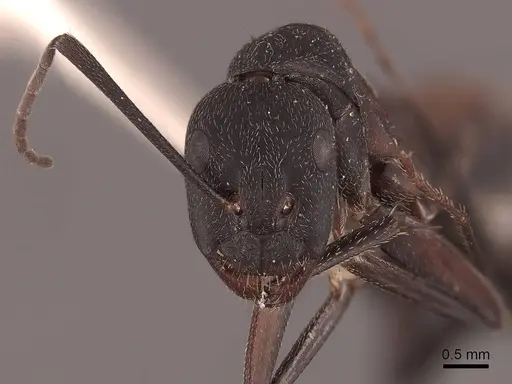
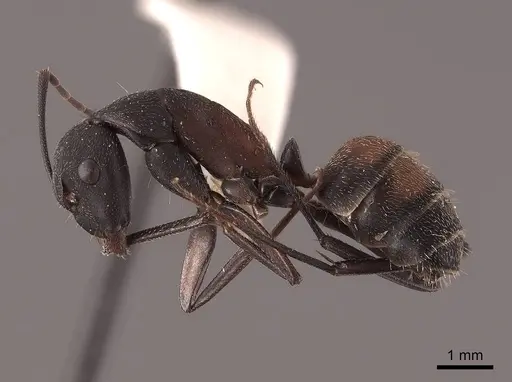
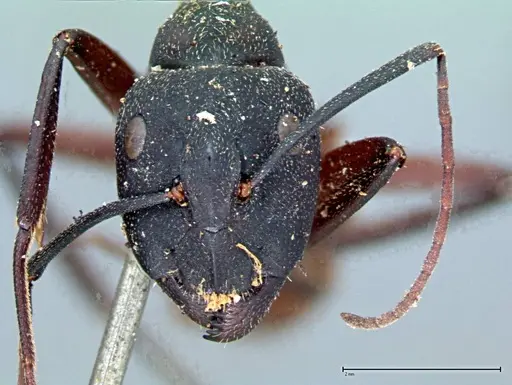
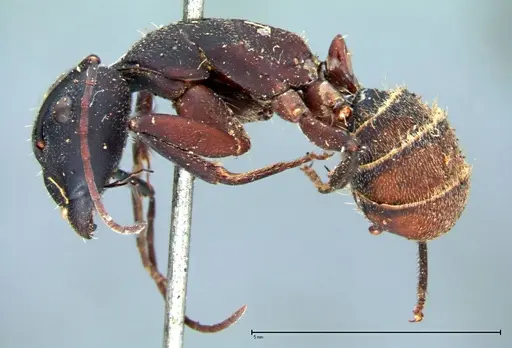
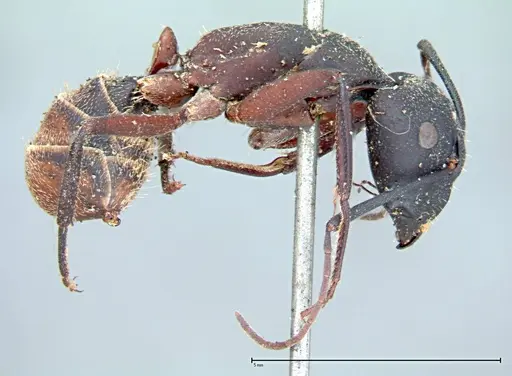
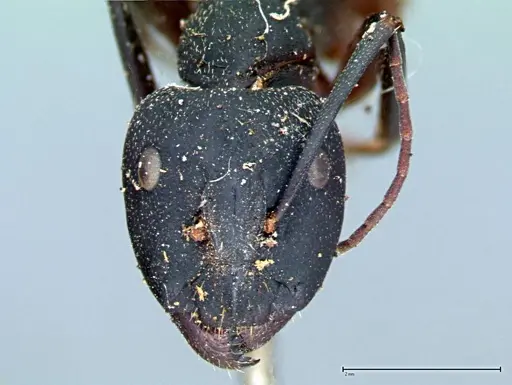
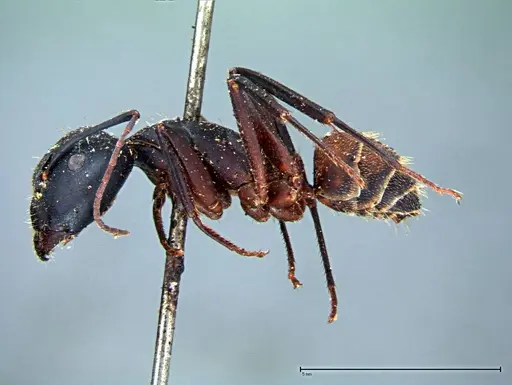
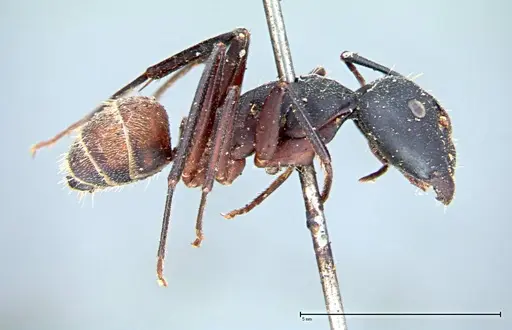
Camponotus cruentatus is a large, polymorphic ant species native to the western Mediterranean region, found across southern France, Spain, Portugal, Italy, Morocco, Algeria, and surrounding areas [1]. Workers range from 5.8-14.6mm with strong size variation between minor and major workers, giving this species a distinctive appearance with its robust build and dark coloration [2][3]. This is one of the most dominant ant species in Mediterranean ecosystems, forming substantial colonies that aggressively defend their territory and food sources [4][2].
What makes C. cruentatus particularly interesting is its ecological importance as a major seed disperser for the plant Helleborus foetidus (hellebore), being responsible for 45% of seed visits and 68% of removals in study populations [5]. They are also frequent associates of lycaenid butterfly caterpillars, attending at least 10 different species [6]. Their colonies are monogynous (single queen) and build extensive subterranean nests spanning 2-4 m² with multiple entrances [7]. This species thrives in warm, Mediterranean climates and is highly heat-tolerant, continuing foraging even when ground temperatures exceed 40°C [7].
Quick Summary
- Difficulty: Medium
- Origin & Habitat: Western Mediterranean region including Spain, Portugal, France, Italy, Morocco, and Algeria. Found in Mediterranean woodland areas, particularly on calcareous slopes with pine or holm oak forests, and sunny embankments [3][1]. Prefers warm, dry conditions typical of Mediterranean climate zones from sea level to about 1,400m elevation [8][9].
- Colony Type: Monogynous (single queen) colonies that are monodomous (single nest). Colonies contain up to 10,000 workers at maturity and produce hundreds of sexuals (alates) annually [4][2][7]. Queens found colonies independently by sealing themselves in after mating.
- Size & Growth:
- Queen: 14-16mm, inferred from worker size range and typical Camponotus genus patterns
- Worker: 5.8-14.6mm with high polymorphism (major and minor workers) [2][3]
- Colony: Up to 10,000 workers at maturity [4][2]
- Growth: Moderate, colonies mature within a few years [7]
- Development: development timeline unconfirmed for this specific species (Two peaks of egg production occur annually: early spring and mid-summer [4]. First worker brood develops from eggs laid in early spring.)
- Antkeeping:
- Temperature: Keep nest area at 22-26°C. This species is highly heat-tolerant with activity recorded from 14°C up to 48°C [10]. They stop foraging when ground temperature exceeds 40°C in the wild, so avoid overheating the nest. Room temperature is generally suitable, with a slight warm side beneficial for brood development.
- Humidity: Moderate, prefer dry to moderately humid conditions typical of Mediterranean habitat. Provide a moist area in the nest for brood but allow some drier zones as well.
- Diapause: Yes, hibernates during winter months. In the wild, colonies hibernate with many small larvae and a smaller number of large larvae [4]. Reduce temperature to 10-15°C for 2-3 months during winter, mimicking Mediterranean winter conditions.
- Nesting: Large, spacious nests are essential for this species. In captivity, they do well in large formicariums with multiple chambers or a Y-tong style nest. They prefer nesting in soil or under stones in the wild, so a naturalistic setup with soil chambers works well. Given their colony size (thousands of workers), they need significant space.
- Behavior: Very aggressive and territorial, this is a dominant ant species that actively defends food sources and territory against both conspecifics and other ant species [11][3]. They use group recruitment to quickly mobilize workers to food sources, and soldiers patrol and guard resources while workers transport food [7]. Workers will bite aggressively when the nest is disturbed [12]. Activity is diurnal in spring and autumn, but becomes continuous (24-hour) during hot summer months [3][13]. Escape risk is moderate, they are large ants but can climb smooth surfaces, so standard barrier methods work well.
- Common Issues: colonies can become very large (thousands of workers) requiring significant space and resources, ensure you can commit to long-term housing before starting, high aggression means they may attack and kill other ant colonies if housed nearby, keep separate from other ant colonies, heat sensitivity during summer, avoid placing nest in direct sunlight or near heat sources that push temperatures above 30°C, nuptial flights occur mid-June to early July, queens and males can fly, so secure all openings during this period, wild-caught colonies may have parasites or diseases that can decimate the colony, quarantine and observe new colonies carefully
Nuptial Flight Activity Analysis 174 observations
Flight Activity by Hour 174 observations
Camponotus cruentatus nuptial flight activity peaks around 19:00 during the evening. Activity is spread across a 24-hour window (00:00–23:00). Times may be influenced by human observation patterns.
Nest Preferences and Housing
Camponotus cruentatus needs spacious housing to accommodate large colonies. In the wild, they build extensive subterranean nests spanning 2-4 m² with multiple entrances, typically under large, sun-exposed stones on calcareous slopes [7][9]. For captivity, a large formicarium with multiple connected chambers works best, Y-tong nests or large setups with soil-filled chambers are ideal. The nest should have a water reservoir to maintain slight moisture in the substrate, as they do nest in soil in nature. Given their colony size potential (thousands of workers), plan for expansion from the start. A good starting setup is a test tube setup for the founding queen, then transition to a larger formicarium once the colony reaches 50+ workers.
Feeding and Diet
This species is primarily nectivorous and honeydew-seeking, with a secondary diet of solid prey [3][15]. In the wild, workers spend most of their time collecting aphid honeydew (especially from Cinara maritimae on pine trees) and flower nectar, but they also scavenge dead insects, bird droppings, and myrmecochorous seeds [3][7]. Their diet is roughly 80% sugary liquids (honeydew, nectar) and 20% solid prey. In captivity, provide constant access to sugar water (1:4 ratio honey to water works well) or pure honey diluted with water. For protein, offer dead insects like mealworms, crickets, or waxworms 2-3 times per week. They are enthusiastic foragers and will recruit group members to good food sources through tandem running [7]. Avoid overfeeding, remove uneaten prey after 24 hours to prevent mold.
Temperature and Seasonal Care
Camponotus cruentatus is highly heat-tolerant, with a critical thermal maximum of 48°C and optimal foraging at 40°C [10][16]. However, they are most active when temperatures are warm but not extreme. Keep the nest area at 22-26°C for optimal brood development. In summer, ensure the nest doesn't overheat, they naturally stop foraging when ground temperature exceeds 40°C [7]. During winter, they require a diapause period mimicking Mediterranean winters. Reduce temperatures to 10-15°C for 2-3 months (typically November-February in the Northern Hemisphere). The colony will be less active during this period and will consume less food. Activity resumes in spring when temperatures rise, coinciding with their peak egg-laying season [4].
Behavior and Colony Dynamics
This is one of the most aggressive and territorial ant species in the Mediterranean. Colonies are strictly monogynous (single queen) and will aggressively reject any alien ants, showing no 'dear enemy' effect, they are equally aggressive toward neighboring colonies and distant colonies [7]. When a food source is discovered, scouts recruit groups of workers (typically 4-5 at a time) through group recruitment. Soldiers are recruited first but don't collect food, instead they patrol the area and drive away competing ants [7]. Workers are polymorphic: smaller minors handle most foraging and brood care, while larger majors defend the nest and help dominate food sources. The colony produces sexuals (alates) annually in June-July, with nuptial flights occurring between mid-June and early July [4]. Mature colonies can number thousands of workers and will aggressively defend their territory.
Ecological Role and Interactions
In the wild, C. cruentatus plays a crucial ecological role as a major seed disperser for the hellebore plant (Helleborus foetidus). They are responsible for 45% of seed visits and 68% of seed removals in Mediterranean populations, carrying seeds up to 40 meters from the parent plant [5][17]. They are also important mutualists with lycaenid butterflies, attending at least 10 different species of caterpillars including rare species like Iolana iolas [6][18]. This species is vulnerable to invasion by the Argentine ant (Linepithema humile), which negatively impacts their populations in invaded areas [19]. They serve as hosts for ant crickets (Myrmecophilus species) and are parasitized by scuttle flies (Microselia) [20][21]. These ecological relationships are fascinating but don't directly affect captive care.
Frequently Asked Questions
How long does it take for Camponotus cruentatus to go from egg to first worker?
The exact development timeline has not been specifically studied for this species. Based on typical Camponotus genus patterns, expect several months from egg to first worker at optimal temperature (around 24-26°C). The first workers (nanitics) will be smaller than mature workers.
How big do Camponotus cruentatus colonies get?
Mature colonies reach up to 10,000 workers, with some populations recording 5,000-10,000 [4][2]. They produce hundreds of sexuals (alates) annually. This is a large, long-lived species that takes a few years to reach full maturity.
What temperature range do Camponotus cruentatus need?
Keep them at 22-26°C in the nest area. This species is highly heat-tolerant and can tolerate temperatures from 14°C up to 48°C, but they are most active and healthy in warm Mediterranean conditions [10]. Avoid temperatures above 30°C in the nest as this can stress the colony.
Do Camponotus cruentatus need hibernation?
Yes, they require a winter diapause period. In the wild, they hibernate during winter months with reduced activity and specific larval stages present [4]. Reduce temperatures to 10-15°C for 2-3 months during winter (typically November-February). This mimics their natural Mediterranean climate cycle.
What do Camponotus cruentatus eat?
They are primarily nectivorous, feeding on honeydew from aphids and flower nectar. In captivity, provide constant access to sugar water or diluted honey, plus protein sources like dead insects (mealworms, crickets) 2-3 times weekly [3][15]. They are enthusiastic foragers and will recruit nestmates to good food sources.
Are Camponotus cruentatus good for beginners?
This species is rated as medium difficulty. They are rewarding to keep due to their large size, interesting behavior, and impressive colony growth, but they require more space than smaller species and can be aggressive. They are heat-tolerant and relatively forgiving of minor care mistakes, making them suitable for intermediate ant keepers who have successfully kept simpler species first.
Can I keep multiple Camponotus cruentatus queens together?
No. This species is strictly monogynous, colonies have a single queen and will not tolerate additional queens [4][14]. If you find multiple queens after a nuptial flight, they will fight to the death unless separated into different colonies. Never attempt to introduce unrelated queens to an established colony.
When do Camponotus cruentatus have nuptial flights?
Nuptial flights occur between mid-June and early July in the Mediterranean [4]. Alates (winged males and queens) emerge in June-July, and the mating flight happens on warm, calm days during this period. If you're keeping this species, secure all ventilation during June-July to prevent escapes.
Why is my Camponotus cruentatus colony dying?
Common causes include: temperature stress (too hot or too cold), overfeeding leading to mold, insufficient space for a growing colony, or parasites from wild-caught colonies. Ensure temperatures are stable (22-26°C), remove uneaten food promptly, and provide adequate space. Wild-caught colonies may carry parasites that can be fatal, always quarantine new colonies for several weeks.
Report an Issue
The current care sheet is based fully on literature. See inconsistencies, or something that's incorrect? Please , it will be resolved after review from an admin. Contributing to the blogs tab also helps providing information, to make us be able to further improve the caresheets. Thank you for your support!
References

This caresheet is licensed under CC BY-SA 4.0 .
ANTWEB1041839
View on AntWeb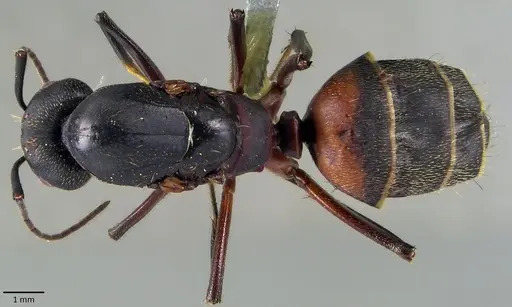
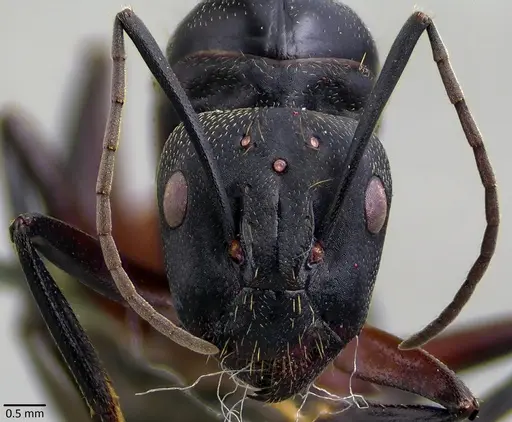
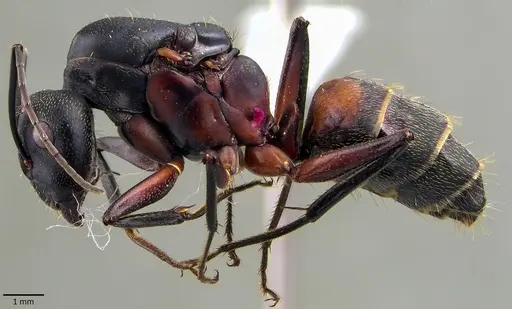
CASENT0882009
View on AntWeb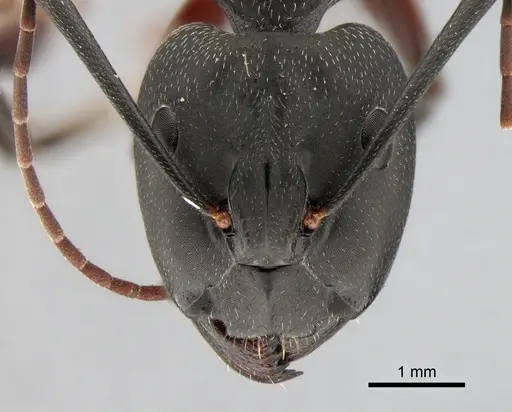
CASENT0906066
View on AntWeb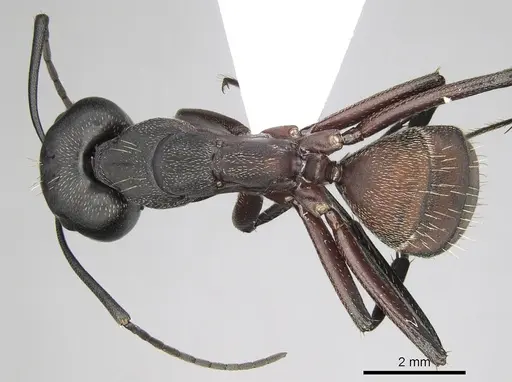
CASENT0906067
View on AntWeb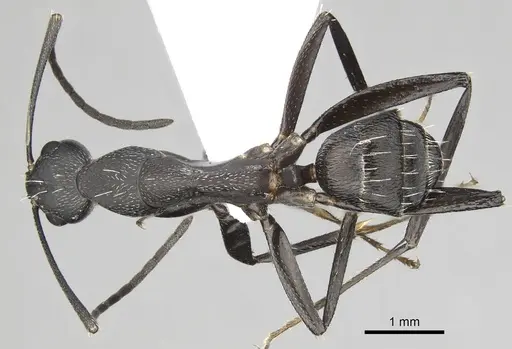
CASENT0906990
View on AntWeb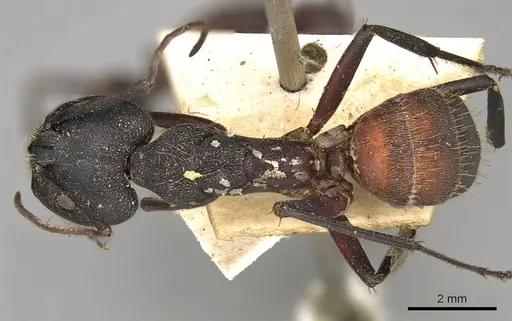
CASENT0906991
View on AntWeb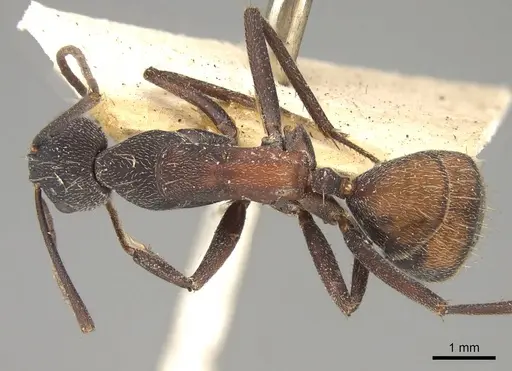
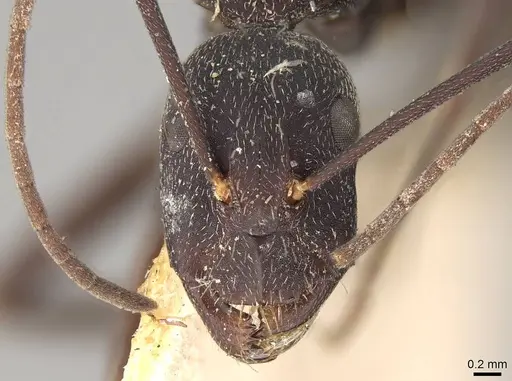
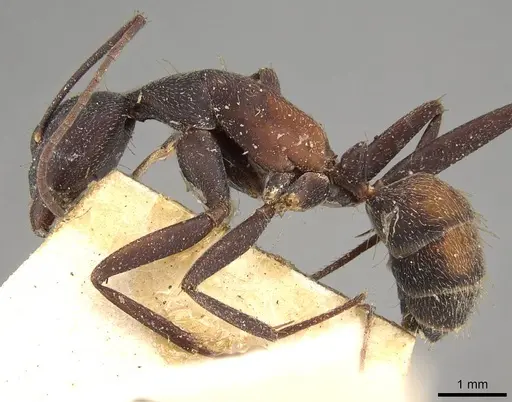
CASENT0911763
View on AntWeb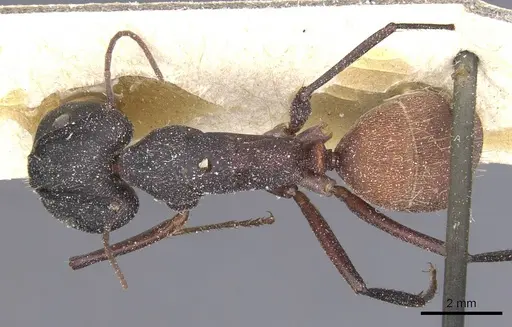
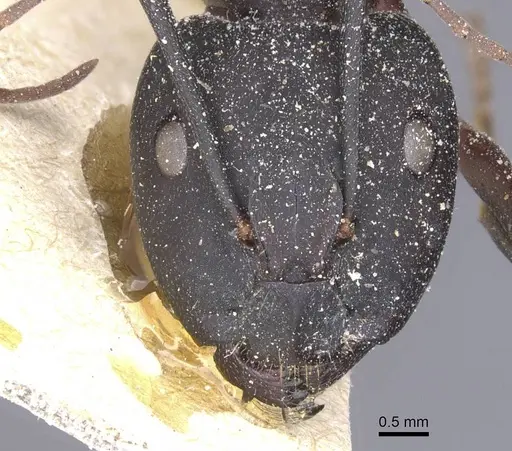
CASENT0911764
View on AntWeb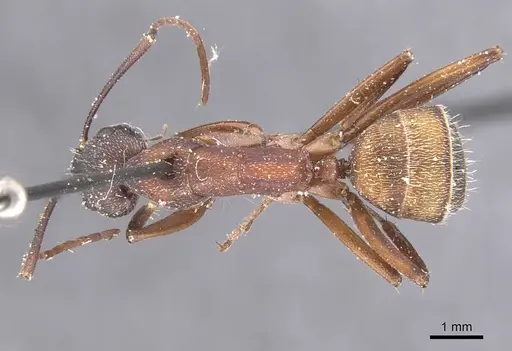
CASENT0911765
View on AntWeb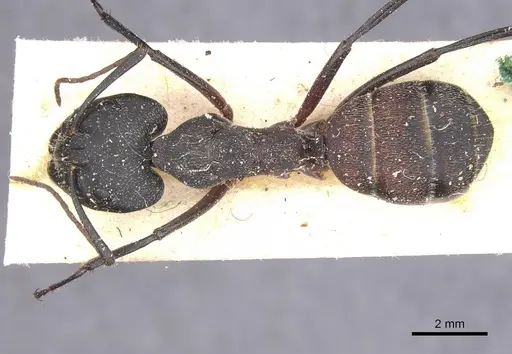
CASENT0911766
View on AntWeb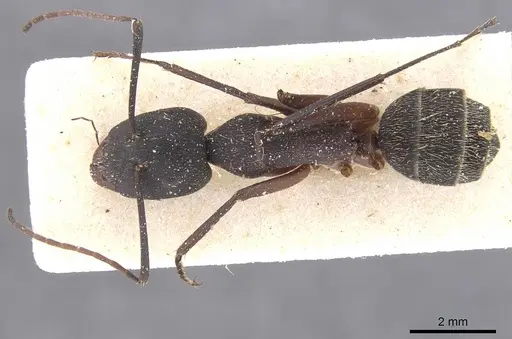
FMNHINS0000045747
View on AntWeb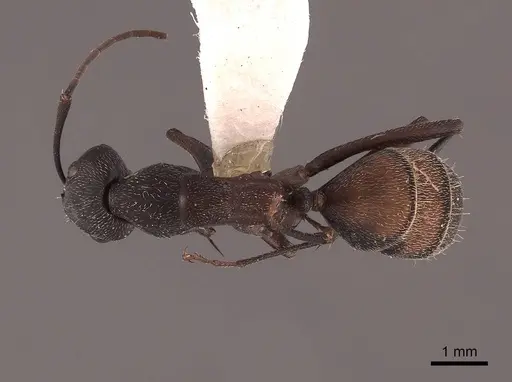
FOCOL0098
View on AntWeb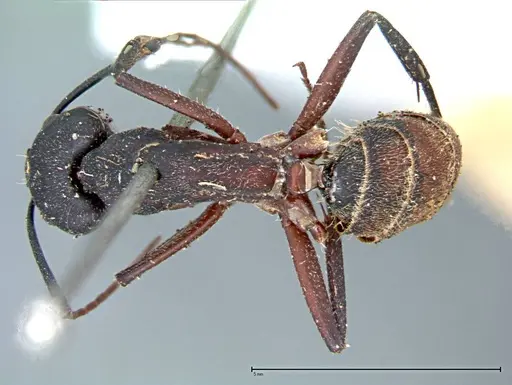
FOCOL0099
View on AntWeb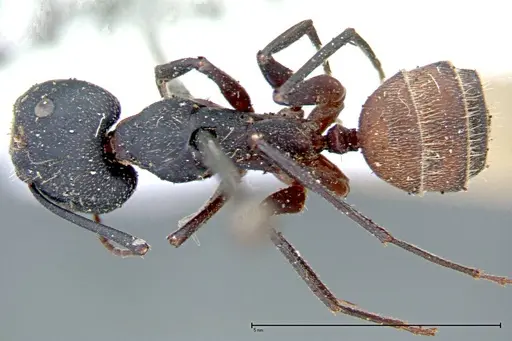
FOCOL0100
View on AntWeb