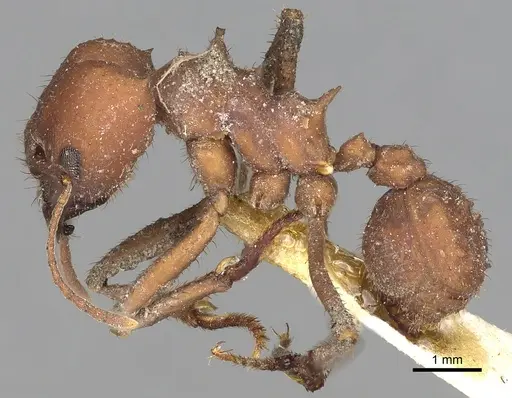
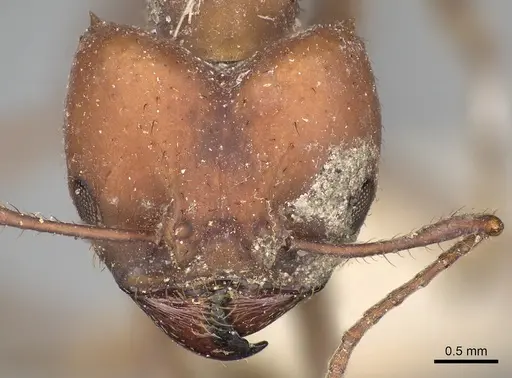
Acromyrmex landolti - "Leafcutter Ant"
Acromyrmex landolti is a fascinating species of leafcutter ant from the New World, part of the advanced Attini tribe known for their unique fungus-farming lifestyle. These ants are easily recognized by their dark red coloration, rough exoskeleton, and prominent spines on their thorax, featuring four pairs-a key differentiator from the closely related Atta genus. Like all leafcutters, they don't eat the plant material directly but instead use it to cultivate a specialized fungus garden, which serves as their primary food source. A. landolti colonies exhibit strong polymorphism, meaning workers come in various sizes (minims, minors, mediae, and majors), with each caste performing distinct roles within the complex society, from tending the fungal garden to foraging for fresh plant material.
- Difficulty: Hard
- Origin & Habitat: South America and Central America, specifically found in countries like Argentina, Bolivia, Brazil, Colombia (its type locality), Guyana, and Venezuela. in These ants typically establish their colonies in open, sunny areas, often thriving in grasslands and semiarid regions, such as the Caatinga biome in Brazil. Their subterranean nests are characterized by loose soil mounds at the surface, often protected by straw over the entrance hole, and include designated refuse dumps. The elaborate underground network of chambers can extend to depths of up to 1.7 meters..
- Colony Type: Monogyne, semi-claustral founding.
- Size & Growth:
- Queen: 8-12mm
- Worker: 2-10mm
- Colony: Medium (thousands). Medium growth.
- Antkeeping:
- Temperature: Maintain the fungus garden between 24-28°C. Foraging activity in wild colonies has been observed to peak around 31°C, indicating a tolerance for warmer outworld temperatures..
- Humidity: The symbiotic fungus garden requires very high humidity, ideally maintained between 85-95%. The outworld area can have lower humidity, typically around 50-75%..
- Diapause: Not required. Not specified at Not specified.
- Nesting: Natural nests are subterranean, featuring loose soil mounds and a network of chambers that can extend deep underground. For captive setups, a multi-container formicarium system is essential. This typically includes a dedicated fungus chamber (often made from plaster or grout to retain humidity), a spacious outworld for foraging, and a separate, dry refuse area. Crucially, ensure adequate ventilation in areas outside the fungus chamber to prevent mold growth..
- Behavior: Medium aggressiveness.
- Common Issues: Fungus dying due to incorrect temperature or humidity, Mold in nest (outside fungus chamber), Mites, Colony stalling (often due to fungus issues), Overfeeding leading to excessive waste and mold, Humidity fluctuations impacting fungus health, Queen stress during founding or moves.
Keeping Acromyrmex landolti is an incredibly rewarding experience, but it demands precise environmental control, especially concerning their precious fungus garden. These ants are true farmers, and the health of their colony directly depends on the vitality of their symbiotic fungus. Maintaining the exact temperature and high humidity in the fungus chamber is non-negotiable; any significant deviation can quickly lead to the demise of the fungus, and subsequently, the colony. It's not just about providing leaves; it's about providing the right conditions for their unique food source to flourish.
One of the most captivating aspects of a landolti colony is observing their distinct caste system in action. You'll notice a wide range of worker sizes, from the tiny minims, often seen diligently tending the delicate fungus garden, to the larger majors, sometimes referred to as soldiers, who are adept at cutting and transporting plant material. This division of labor is highly specialized, making the colony's operation incredibly efficient. Providing a diverse range of appropriate plant materials in the outworld will allow you to witness their impressive cutting abilities firsthand.
Their natural nesting habits involve complex subterranean structures, with chambers sometimes reaching significant depths to maintain stable environmental conditions. In your captive setup, replicating this stability is paramount. The fungus garden requires consistent warmth and very high humidity, necessitating a well-designed nest that can facilitate these conditions without becoming waterlogged. Many keepers utilize plaster or grout nests for this purpose, as these materials can absorb and slowly release moisture, helping to buffer humidity fluctuations crucial for fungal health.
Foraging behavior in Acromyrmex landolti is quite distinct compared to some other leafcutters like Atta. Instead of forming long, organized trails, they often forage with a more radial distribution around their nest entrance. They are not overly picky and will collect a variety of fresh or dried plant materials, including leaves, flowers, and even fruits, to fuel their fungal farm. Pay attention to their activity peaks; observing when your colony is most active can help you optimize feeding times and ensure they have access to fresh substrate when they need it most.
Proper waste management is another critical, yet often underestimated, aspect of their care. Leafcutters have dedicated workers for managing refuse, and they are meticulous about keeping their dump piles separate from the fungus garden. This is vital for preventing the spread of diseases and pests that could harm the fungus. Ensuring their refuse area remains dry and easily accessible for cleaning is crucial for the long-term health and stability of your colony. Regular removal of waste is essential to keep the setup hygienic.
Frequently Asked Questions
What's the best way to keep my Acromyrmex landolti fungus garden healthy?
Keeping your fungus garden thriving is the absolute core of Acromyrmex landolti care! You'll need to maintain stable high humidity, ideally between 85-95%, and a consistent temperature range of 24-28°C. Using a plaster or grout-based nest for the fungus chamber helps immensely with humidity regulation. Avoid dry heat sources, as they can desiccate the fungus.
What do Acromyrmex landolti ants eat?
These ants don't directly consume the plant material they forage. Instead, they use it as a substrate to cultivate a specialized fungus, which is their sole food source. You'll need to provide a variety of fresh or dried leaves, flowers, and soft fruits for them to cut and feed to their fungus. Experiment with different options to see what your colony prefers!
How big do Acromyrmex landolti colonies get?
Acromyrmex landolti colonies are considered medium-sized within the antkeeping hobby, typically reaching into the thousands of individual workers. While they won't grow to the massive supercolony sizes of their Atta cousins, they still require substantial space and resources to thrive as they mature.
Are Acromyrmex landolti dangerous? Do they sting or bite?
While Acromyrmex landolti ants possess a sting apparatus, they are not typically aggressive stingers towards humans. Their primary defense is through biting, and given their specialized cutting mandibles, a bite can be quite painful. It's always best to handle them with care and avoid disturbing their nest or foraging trails.
What kind of setup is best for Acromyrmex landolti?
A multi-chamber setup is essential for Acromyrmex landolti. You'll need a dedicated fungus chamber, often a plaster or grout block designed to hold high humidity, connected to a spacious outworld for foraging. A separate, dry refuse chamber is also crucial for their waste management, preventing mold and pests in the main colony areas.
How fast do Acromyrmex landolti colonies grow?
During the initial founding stage, colony growth can be relatively slow as the queen establishes her fungus garden. However, once the first generation of workers emerges and the colony becomes established (usually around 50 workers), their growth rate picks up considerably, allowing the colony to expand rapidly.
Do I need to hibernate Acromyrmex landolti?
No, Acromyrmex landolti is a tropical species, native to warmer climates in South and Central America. Therefore, they do not require diapause or hibernation periods. Maintaining stable warm temperatures year-round is important for their continuous development and fungus growth.
How often should I feed my Acromyrmex landolti colony?
Feeding frequency depends on your colony's size and activity. Smaller founding colonies will need less frequent offerings of fresh plant material, while larger, established colonies will require daily or every-other-day replenishment. Observe how quickly they process the material and adjust accordingly to prevent excess waste.
What are common problems to watch out for with Acromyrmex landolti?
The most common and critical issue is the health of the fungus garden, which can die from improper temperature or humidity. Other issues include mold outbreaks (especially in areas outside the fungus chamber), mite infestations, colony stalling if the fungus is struggling, and problems from overfeeding leading to excessive, moldy waste. Vigilance is key for these ants!
How do Acromyrmex landolti manage their waste?
Acromyrmex landolti are very particular about waste management. They designate specific worker castes for this task, and they meticulously move refuse (spent fungus, dead ants, excess plant material) to a separate refuse dump chamber. This area needs to be kept dry to inhibit mold and bacterial growth, which could otherwise threaten the main fungus garden.