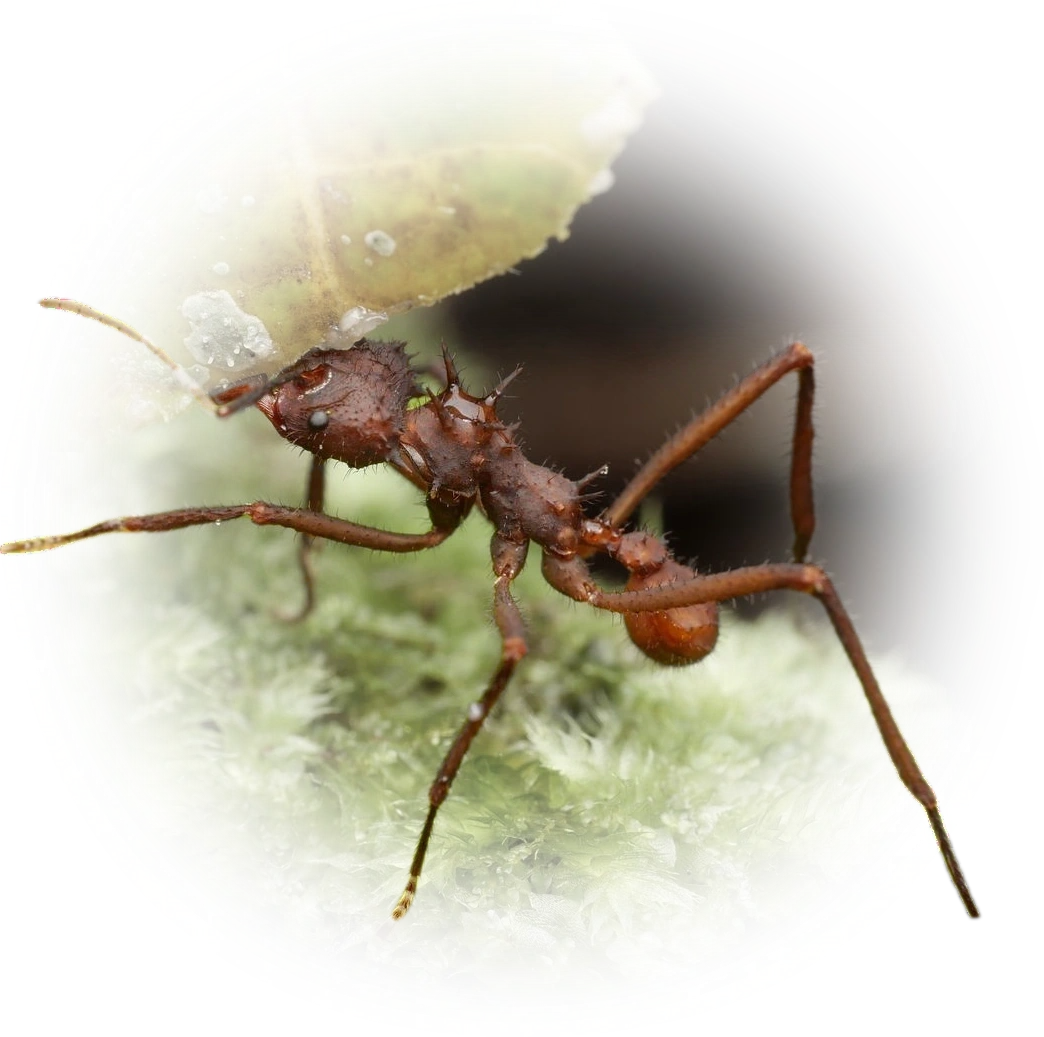
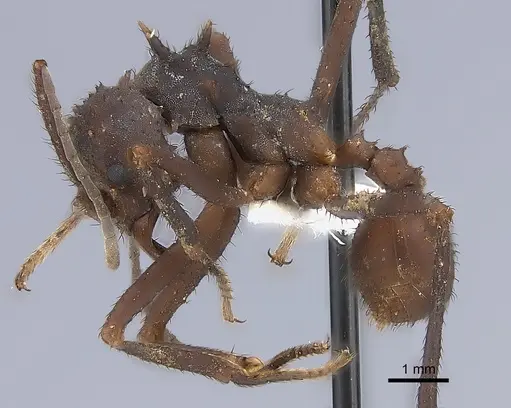
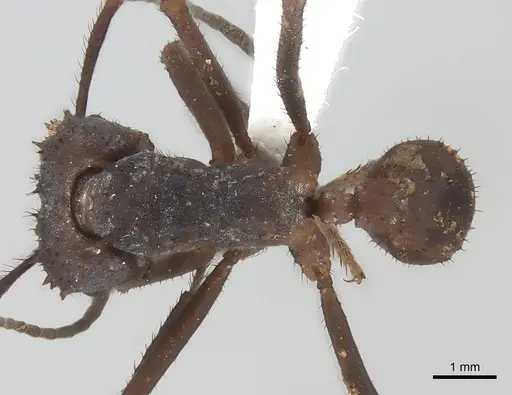
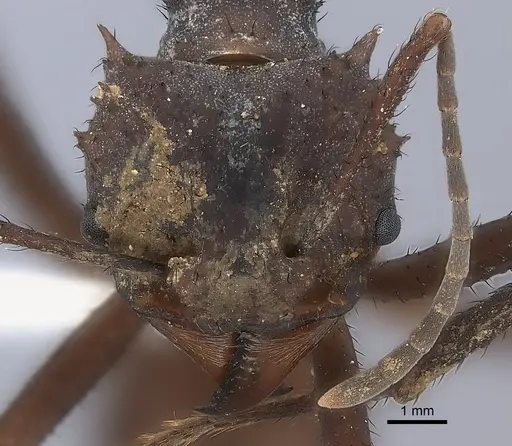
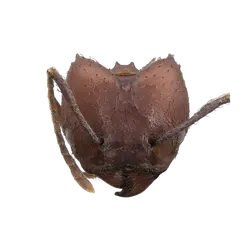
Acromyrmex octospinosus - "Leafcutter Ant, Mushroom Ant, Parasol Ant"
Acromyrmex octospinosus, commonly known as the Leafcutter Ant, is a captivating species renowned for its intricate agricultural behavior. These ants cultivate a symbiotic fungus as their primary food source, making them distinct from many other ant species. They are characterized by their reddish-brown to dark brown coloration and spiny bodies, which gives them the 'octospinosus' (eight-spined) name. Workers exhibit polymorphism, ranging in size and specializing in various tasks. Observing their leaf-cutting and fungus-farming activities is a truly unique experience in antkeeping.
- Difficulty: Expert
- Origin & Habitat: Central America (southern Mexico to Panama) and northern South America (e.g., Venezuela, Brazil, Cuba, Ecuador, Guadeloupe, Guatemala, Guyana, Honduras, Trinidad and Tobago). in Tropical and subtropical rainforests, humid basements, natural forests, disturbed open forests, agricultural lands, forest plantations, ruderal areas, gardens, and backyards. Nests can be established in soil, under rocks, atop tree buttress roots, tree crevices, and opportunistically beneath artificial substrates..
- Colony Type: Polygynous (multiple queens can be present in a colony)., claustral (the queen starts the colony alone with a piece of fungus from her mother colony, which she fertilizes with her droppings). however, foundresses also forage for leaves as garden substrate, making them semi-claustral. founding.
- Size & Growth:
- Queen: 10-20mm
- Worker: 3-12mm
- Colony: Large (tens of thousands to several hundreds of thousands of workers, potentially up to 50,000 workers at maturity).. Fast (reproduce quickly in warm conditions). growth.
- Antkeeping:
- Temperature: Nest (fungus garden) temperature should be stable at 23-26°C, ideally 24-28°C. The outworld/arena can range from 21-28°C. It's crucial to measure the temperature directly where the fungus is located using a probe..
- Humidity: The fungus garden requires extremely high humidity, ideally 95-100%, never below 85-90%. The harvest area (outworld) should be 40-70%, and the waste chamber as dry as possible (30-60%). Wet heat is recommended to maintain high humidity..
- Diapause: Not required. Not specified at Not specified.
- Nesting: Requires a large formicarium with separate chambers for the fungus garden, foraging area (outworld), and a waste dump. Glass or acrylic setups with good ventilation are preferred. Multiple connected basins are often used as the colony grows..
- Behavior: Medium (towards handler if disturbed, but primarily focused on foraging and fungus cultivation). aggressiveness.
- Common Issues: Fungal infections of the cultivated fungus (Escovopsis), Mold growth in the nest or waste chamber, Colony stalling due to incorrect humidity/temperature, Incorrect diet leading to fungus garden issues, Mites or other pests, Humidity fluctuations impacting the fungus garden, Queen stress during founding or transport, Condensation issues obstructing view or promoting mold.
Keeping Acromyrmex octospinosus is a rewarding but demanding endeavor that truly sets experienced antkeepers apart. Their entire existence revolves around their fungus garden, which acts as the colony's central food source. This means maintaining precise temperature and humidity within the fungus chamber is absolutely critical for the colony's survival. Any significant fluctuations can quickly lead to the decline of the fungus, and subsequently, the colony itself. Using a thermostat-controlled heating system and a hygrometer with a probe placed directly in the fungus garden is highly recommended to ensure these stable conditions are met.
The diet of these fascinating ants is solely based on their cultivated fungus. They don't eat the leaves they cut directly; instead, they use fresh plant material like brambles, roses, oak leaves, and various fruits and vegetables to feed their fungus. Offering a diverse range of plant materials is essential, as the ants may show preferences. Always ensure the leaves are clean and free of pesticides or fungicides, as these can be detrimental to the delicate fungus garden. Moistening the leaves before offering them can also be beneficial, mimicking their natural humid environment.
A proper setup for a flourishing Acromyrmex octospinosus colony requires a multi-chamber formicarium. You'll need a dedicated chamber for the fungus garden, which must maintain near 100% humidity and stable temperatures. A separate foraging area, or 'outworld,' is where you'll provide fresh leaves and observe their impressive cutting activities. Crucially, a distinct, dry waste chamber is needed to prevent mold growth and maintain colony hygiene. These ants are diligent cleaners, and providing a clean environment for their waste is vital for their overall health and the health of their precious fungus.
While these ants are captivating to observe, their care requires a significant commitment. Colonies can grow quite large, reaching tens of thousands of workers, necessitating ample space and a robust setup. They also exhibit complex social behaviors, with different worker castes performing specialized tasks, from cutting leaves to maintaining the fungus garden. Minor workers are excellent at fungus grooming, while majors specialize in weeding out unwanted growths. Understanding these roles can help antkeepers appreciate the intricate division of labor within the colony and manage their care more effectively.
Leafcutter ants are known for their ability to climb glass, so an escape-proof enclosure with a physical barrier like a water or oil moat is essential around the outworld. Condensation can also be an issue due to the high humidity requirements, particularly on viewing panels. While tempting to lower humidity to prevent this, it's crucial not to compromise the fungus garden's health. Instead, consider strategies that manage condensation without affecting the core nest's humidity, such as ensuring proper airflow in other sections of the setup.
Frequently Asked Questions
What do Acromyrmex octospinosus ants eat?
These incredible ants don't actually consume the leaves they cut. Instead, they use fresh plant material like brambles, rose leaves, oak leaves, various fruits, and vegetables to cultivate a specific fungus, which is their sole food source. Always ensure the plant material is pesticide and fungicide-free, as these chemicals are toxic to their vital fungus garden.
How big do Acromyrmex octospinosus colonies get?
Acromyrmex octospinosus colonies can grow quite substantial! While they won't reach the supercolony sizes of some other leafcutters like Atta, a mature Acromyrmex octospinosus colony can house tens of thousands to even hundreds of thousands of workers, with estimates around 50,000 workers at maturity.
What is the ideal temperature and humidity for their fungus garden?
Maintaining precise conditions for the fungus garden is paramount. Aim for a stable temperature between 23-26°C, with some sources suggesting up to 28°C. Humidity must be exceptionally high, ideally 95-100%, and never dropping below 85-90%. Using a reliable thermometer and hygrometer with probes placed directly in the fungus is crucial for accuracy.
Do Acromyrmex octospinosus need a diapause or hibernation period?
No, Acromyrmex octospinosus is a tropical species and does not require diapause or a hibernation period. They are active year-round, which makes them a continuously engaging species to observe.
How long do Acromyrmex octospinosus queens live?
A queen of Acromyrmex octospinosus can have a long lifespan, typically living for 10 to 12 years, and in some cases, even up to 15 years. During her peak, she can lay around 600 eggs per day, contributing to the colony's impressive growth.
Are Acromyrmex octospinosus difficult to keep for beginners?
Acromyrmex octospinosus are generally considered a challenging species, recommended for experienced antkeepers due to their specific requirements for temperature, humidity, diet, and complex setup. Their reliance on a delicate fungus garden makes precise environmental control non-negotiable for their survival.
What kind of formicarium setup is best for them?
A specialized leafcutter ant setup is essential. This typically involves a multi-chambered system: a dedicated, humid chamber for the fungus garden, an outworld for foraging and leaf collection, and a dry waste chamber. Glass or acrylic setups with ample ventilation are preferred, and as the colony grows, you'll need to expand with additional connected basins or chambers.
Can Acromyrmex octospinosus sting?
While they do not possess a sting, they have powerful mandibles used for cutting leaves and can deliver a bite if provoked.
What are the common issues faced when keeping Acromyrmex octospinosus?
Antkeepers often encounter challenges such as fungal infections (especially from the parasitic fungus Escovopsis) within the fungus garden, mold growth in humid areas, colony stalling if conditions aren't met, or issues with feeding and hydration. Maintaining a pristine environment and stable parameters is key to preventing these problems.
How do these ants protect their fungus garden from parasites?
Leafcutter ants employ remarkable hygienic behaviors to protect their precious fungus garden. Minor workers are observed performing 'fungus grooming' to remove spores, while major workers specialize in 'weeding' larger pieces of infected fungus. They also clean themselves meticulously before handling the fungus, demonstrating a sophisticated defense strategy.
What plants are suitable for feeding their fungus?
A variety of fresh, untreated plant materials work well. Common choices include brambles, strawberries, roses, lime, oak leaves, chestnut, Virginia creeper, apples, oranges, bananas, fresh or dried grapes, oat flakes, and red cabbage. Always avoid sumac leaves, as they are toxic to the fungus.
Do Acromyrmex octospinosus have different worker castes?
Yes, Acromyrmex octospinosus exhibit a polymorphic worker caste system. This means workers come in various sizes, often categorized as minors, media, and majors (or soldiers). Each caste specializes in different tasks, contributing to the colony's efficiency, from fungus grooming to foraging and defense.