

Acromyrmex disciger
- Scientific Name
- Acromyrmex disciger
- Tribe
- Attini
- Subfamily
- Myrmicinae
- Author
- Mayr, 1887
- Distribution
- Found in 1 countries
Acromyrmex disciger Overview
Acromyrmex disciger is an ant species of the genus Acromyrmex. It is primarily documented in 1 countries , including Brazil. Detailed taxonomic data and occurrence records can be further explored via authoritative databases such as AntWeb or the Global Biodiversity Information Facility (GBIF).
Acromyrmex disciger
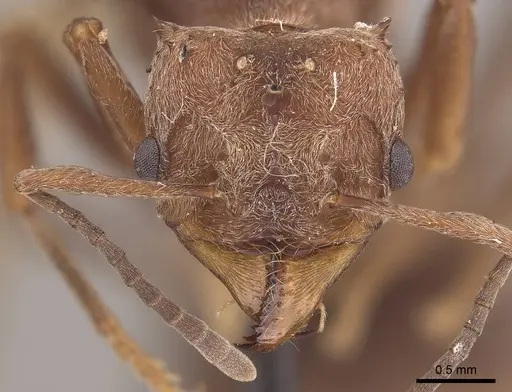
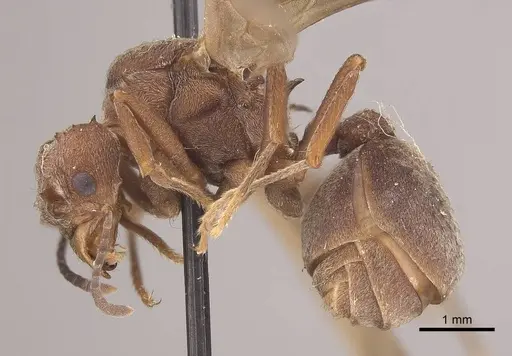
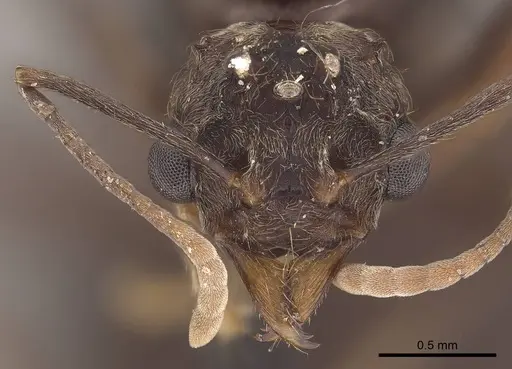
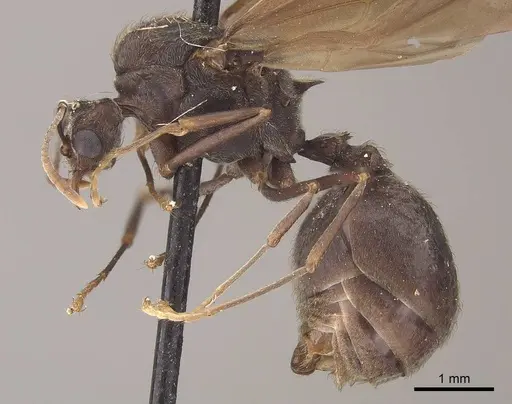
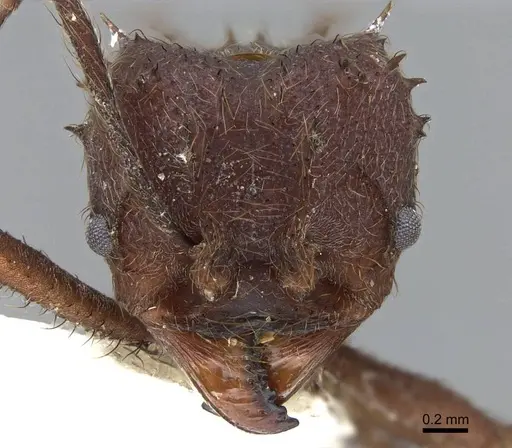
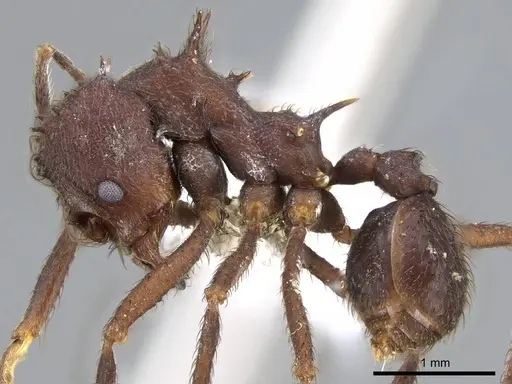
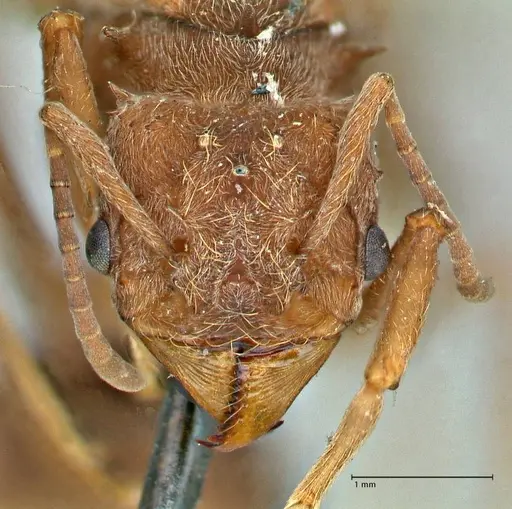
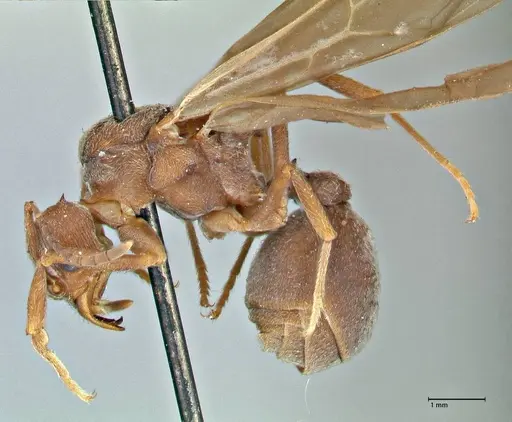
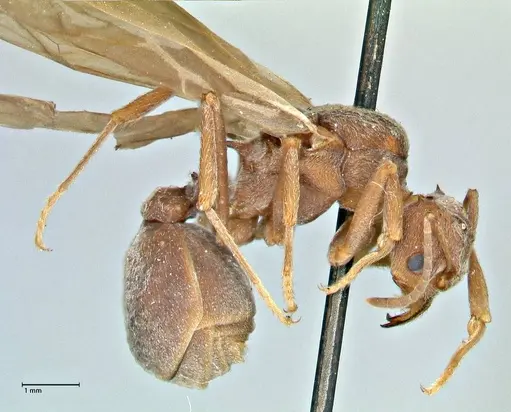
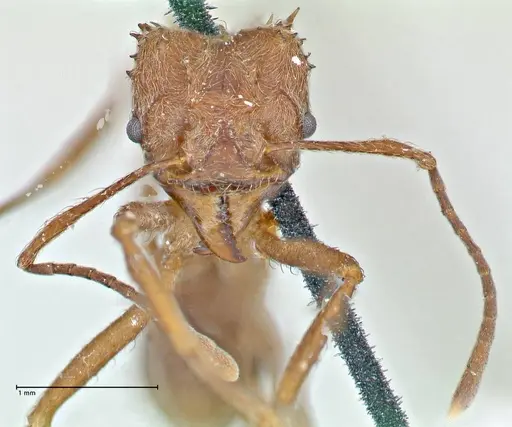
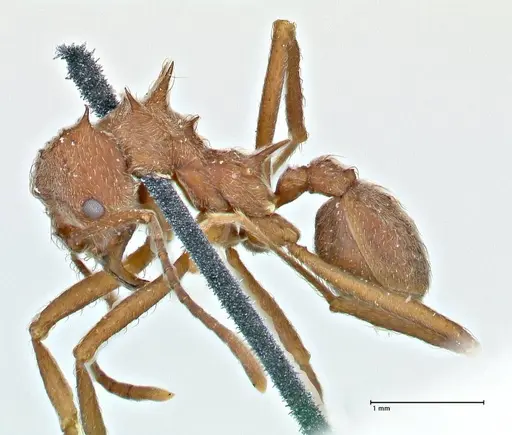
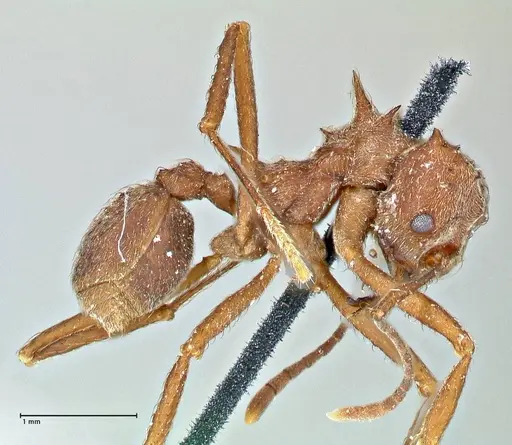
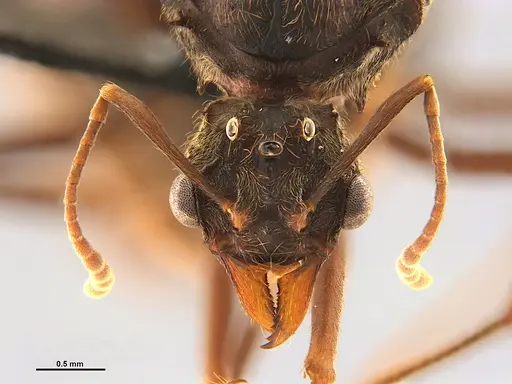
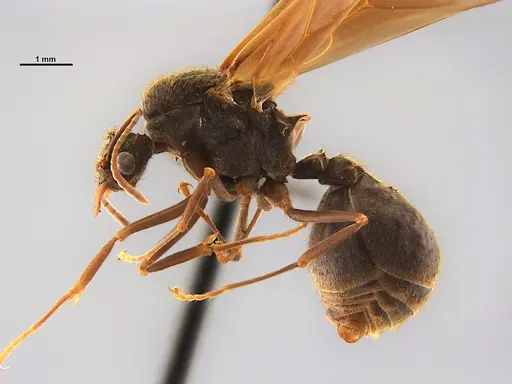
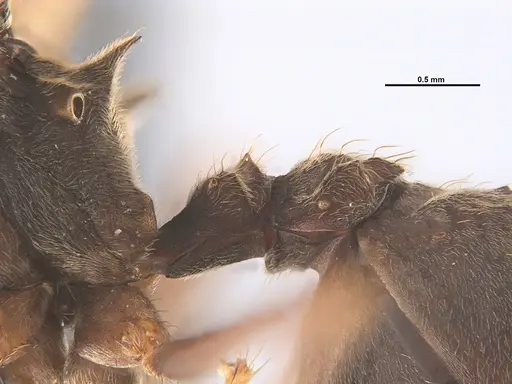
Acromyrmex disciger is a leaf-cutting ant from southern Brazil and Paraguay, recognizable by the dense velvety hairs covering their bodies [1][2]. Workers grow to about 6.5mm and come in four distinct sizes, from tiny garden-tenders to large leaf-carriers [3][4]. In the wild, they build shallow mound nests in forests and plantations, cultivating gardens of Leucoagaricus gongylophorus fungus on fresh leaves [4][5]. They are major pests in Eucalyptus and pine plantations, capable of stripping seedlings and slowing tree growth [6][7]. Unlike their larger cousins in the Atta genus, these ants form smaller colonies with single queens and less complex nests, though they still require expert care due to their specialized fungus-farming lifestyle [4].
Quick Summary
- Difficulty: Expert
- Origin & Habitat: Southern and southeastern Brazil (Santa Catarina, São Paulo, Paraná, Rio de Janeiro, Minas Gerais) and Paraguay, found in native forests, urban areas, and Eucalyptus plantations [8][9][10][2].
- Colony Type: Monogynous, single queen colonies with four distinct worker castes dividing labor [4][3].
- Colony: Monogyne
- Size & Growth:
- Queen: Approximately 8-10mm (estimated from related Acromyrmex, exact size unconfirmed in literature).
- Worker: 6.5mm with high polymorphism ranging from small minim workers to large majors [1][3].
- Colony: Likely reaches several thousand workers (exact maximum unconfirmed, smaller than Atta species).
- Growth: Moderate, limited by fungus garden establishment and expansion.
- Development: Unconfirmed for this species, related leaf-cutting ants typically require 6-10 weeks at optimal temperatures. (Development depends heavily on fungus garden health and temperature.)
- Antkeeping:
- Temperature: 24-28°C (inferred from tropical distribution), provide a gradient with heating cable on one side.
- Humidity: High humidity required, keep nest substrate consistently moist but not waterlogged, mimicking the damp conditions of their native forest floor.
- Diapause: No, tropical species active year-round [11].
- Nesting: Mound-builder with superficial fungus gardens, in captivity requires a large formicarium with dedicated fungus chamber and excellent ventilation to prevent mold [4].
- Behavior: Highly organized foragers that create long trails up to 100 meters to harvest dicotyledonous leaves [12][13]. Workers divide labor by size: the smallest tend brood and fungus gardens, medium-sized workers process plant material, and the largest cut and transport leaves [3]. They possess powerful mandibles capable of cutting through plant matter and potentially barrier materials, making escape prevention challenging [12].
- Common Issues: fungus garden collapse from offering toxic plants or contaminated substrate., colony starvation if provided with wilted or non-fresh vegetation., escapes through barriers cut by worker mandibles., desiccation damage to the fungus garden from insufficient humidity., parasitic mold outbreaks such as Escovopsis weberi [14].
Fungus Cultivation and Garden Maintenance
Acromyrmex disciger are obligate fungus farmers, they do not eat the leaves they collect, but rather use them to cultivate gardens of Leucoagaricus gongylophorus, which produces nutritious structures called gongylidia that the ants consume [5][7]. You must provide fresh, clean dicotyledonous leaves such as rose petals, Acalypha wilkesiana (copperleaf), or other broadleaf plants [3][13]. The ants process this material through seven behaviors: holding, licking, depositing fecal fluid, pressing, shredding, inserting into the garden, and incorporating [3]. Watch for signs of garden contamination by parasitic molds like Escovopsis, which can destroy the colony [14]. Maintain high humidity around the fungus chamber but ensure adequate airflow to prevent stagnant conditions that promote harmful bacteria.
Nest Preferences
In nature, these ants build superficial mound nests called 'ninho-de-cisco' that can reach one meter in diameter, with the fungus garden normally sitting on the soil surface covered by a layer of dry leaves in a single large chamber [1][4]. They may also nest in hollow tree trunks or under stones [4]. In captivity, replicate this with a large, shallow fungus chamber that allows the garden to sit near the surface. Use a soil-sand mixture or Y-tong (aerated concrete) that holds moisture without becoming waterlogged. Provide a dry leaf cover over the garden area to help the ants maintain their preferred microclimate.
Feeding and Diet
You must supply fresh plant material daily. These ants prefer dicotyledonous plants (broadleaf plants) over grasses or conifers [13][14]. Acceptable foods include rose flowers and leaves, Acalypha wilkesiana, and other fresh vegetation free from pesticides [3]. Remove old, dried plant material promptly to prevent mold. Do not offer honey or sugar water as primary food, while adult ants may drink liquids, the colony survives on fungus, and sugar sources can promote unwanted mold growth in the garden.
Temperature and Care
Keep your colony warm and stable, around 24-28°C, based on their tropical distribution in southern Brazil [8]. Use a heating cable or mat on one side of the nest to create a temperature gradient, allowing the ants to regulate their brood and fungus garden temperature. Do not allow temperatures to drop below 20°C for extended periods. As a tropical species, they do not require hibernation and remain active year-round [11]. Monitor the fungus garden closely, if it dries out, the colony will die.
Caste System and Division of Labor
This species shows extreme physical polymorphism with four distinct worker castes [3][4]. Caste 1 (the smallest workers, or minims) specialize in brood care and inserting prepared substrate into the fungus garden [3]. Caste 2 and 3 (medium workers) perform most of the substrate processing behaviors including licking and pressing [3]. Caste 4 (the largest workers) focus on cutting leaves and carrying heavy loads, they can carry pieces weighing up to ten times their body weight [12]. This division creates an assembly-line efficiency in processing plant material [3].
Pest Status and Legal Considerations
Acromyrmex disciger is considered a major pest species in Brazil, causing significant damage to Eucalyptus and Pinus plantations, as well as barley and pasture crops [6][7][9]. A single colony can consume 22-38 grams of Eucalyptus leaves daily and defoliate up to 16 seedlings per day [7]. Never release captive colonies into non-native environments. They are native to the Neotropical region and could become invasive elsewhere [2].
Frequently Asked Questions
Can I keep Acromyrmex disciger without the fungus?
No. These ants are obligate fungus farmers and cannot survive without their Leucoagaricus gongylophorus gardens. The fungus provides their only food source for larvae and primary food for adults.
What do Acromyrmex disciger eat?
They eat fungus, not leaves. You provide fresh dicotyledonous leaves (like rose petals, Acalypha, or other broadleaf plants) which the ants process to feed their fungus gardens [3][13].
How long until first workers for Acromyrmex disciger?
Founding behavior and timeline are unconfirmed for this species. Leaf-cutting ant queens typically carry fungus spores in their mouth and begin foraging immediately, so you may see workers in 6-10 weeks if the founding succeeds, but this is estimated from related species.
Do Acromyrmex disciger need hibernation?
No. They are tropical ants from southern Brazil and remain active year-round. Keep them warm consistently [11].
Are Acromyrmex disciger good for beginners?
No. They require expert-level care due to the need for fungus garden maintenance, specific fresh vegetation, high humidity control, and large space requirements.
Can I keep multiple Acromyrmex disciger queens together?
No. This species is monogynous, meaning colonies contain only one queen. Multiple queens will fight until only one survives [4].
What temperature do Acromyrmex disciger need?
Keep them warm, around 24-28°C, with a gentle gradient across the nest. Do not let them get cold [8].
Why is my Acromyrmex disciger fungus garden dying?
Common causes include: offering toxic or pesticide-treated plants, substrate that is too dry or too wet, contamination with parasitic molds like Escovopsis, or insufficient fresh air exchange leading to bacterial growth [14].
How big do Acromyrmex disciger colonies get?
Exact maximum colony size is unconfirmed, but they likely reach several thousand workers. They form smaller colonies than the giant Atta leaf-cutters but still require substantial space [4].
References

This caresheet is licensed under CC BY-SA 4.0 .
CASENT0900491
View on AntWeb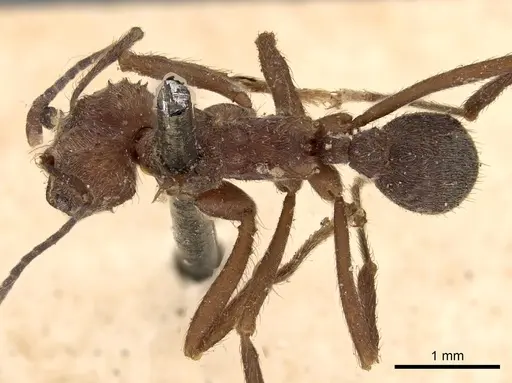
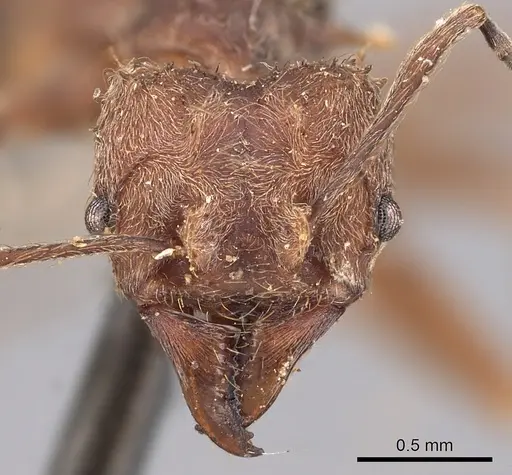
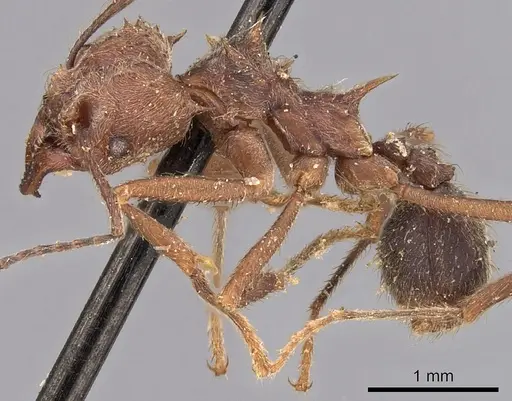
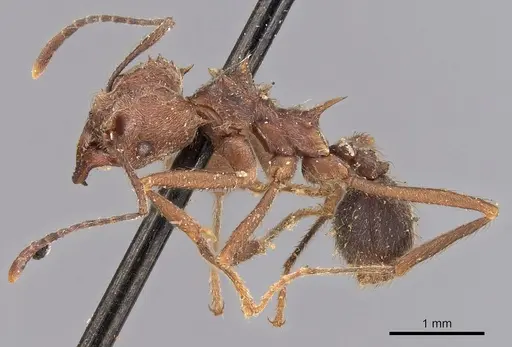
CASENT0919615
View on AntWeb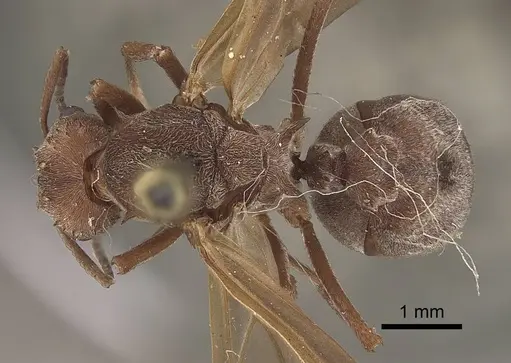
CASENT0919616
View on AntWeb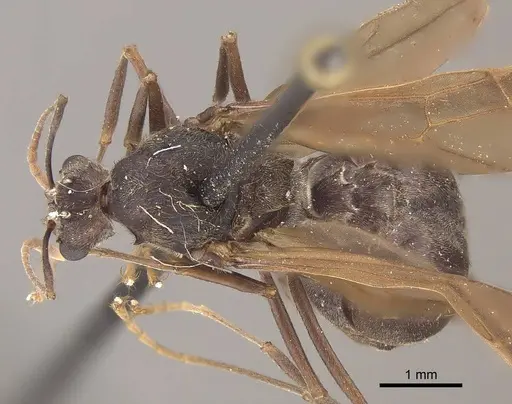
CASENT0922022
View on AntWeb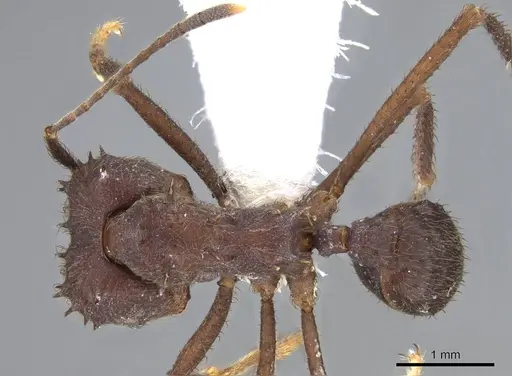
FOCOL2914
View on AntWeb
FOCOL2915
View on AntWeb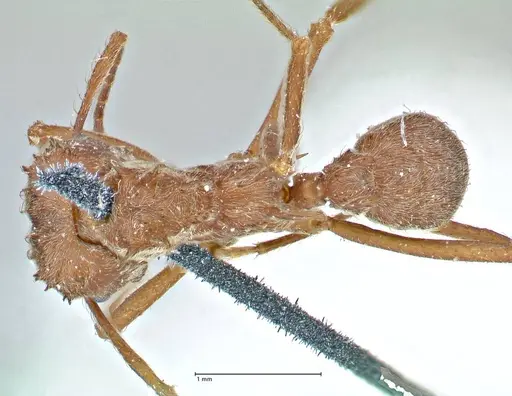
UFV-LABECOL-001078
View on AntWeb
Literature
Loading...Loading products...