

Acromyrmex ambiguus
- Scientific Name
- Acromyrmex ambiguus
- Tribe
- Attini
- Subfamily
- Myrmicinae
- Author
- Emery, 1888
- Distribution
- Found in 3 countries
Acromyrmex ambiguus Overview
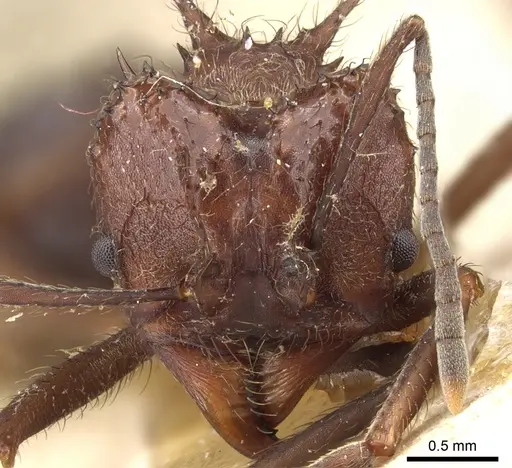
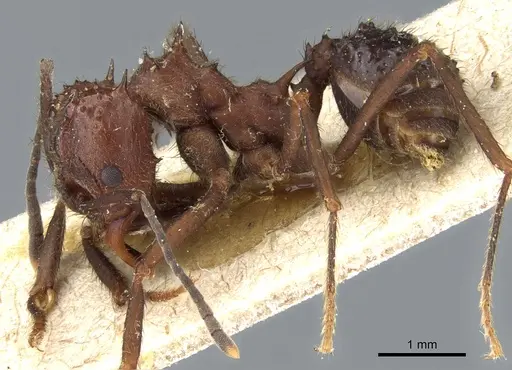
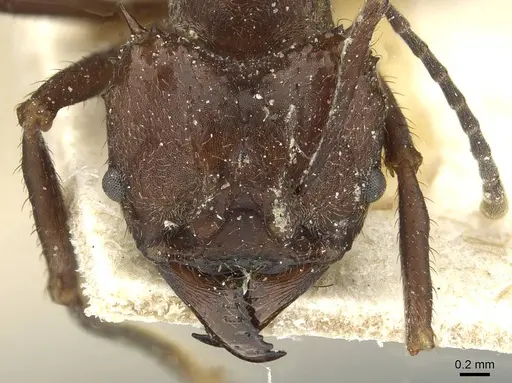
Acromyrmex ambiguus is an ant species of the genus Acromyrmex. It is primarily documented in 3 countries , including Argentina, Brazil, Uruguay. Detailed taxonomic data and occurrence records can be further explored via authoritative databases such as AntWeb or the Global Biodiversity Information Facility (GBIF).
Acromyrmex ambiguus
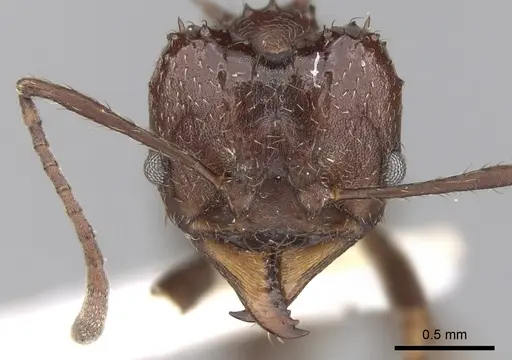
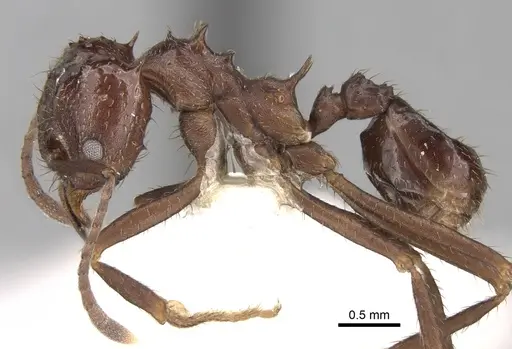
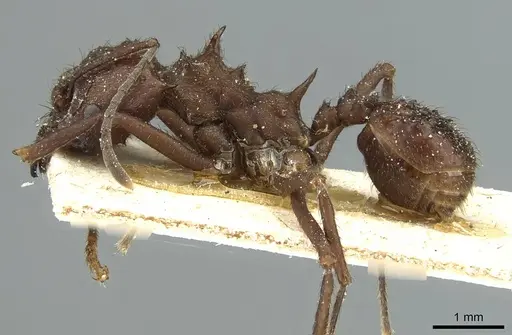
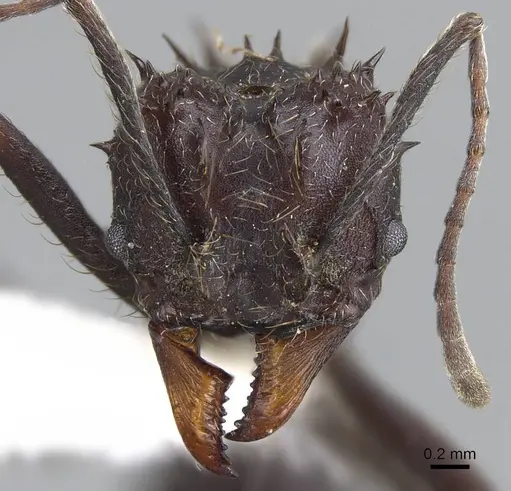
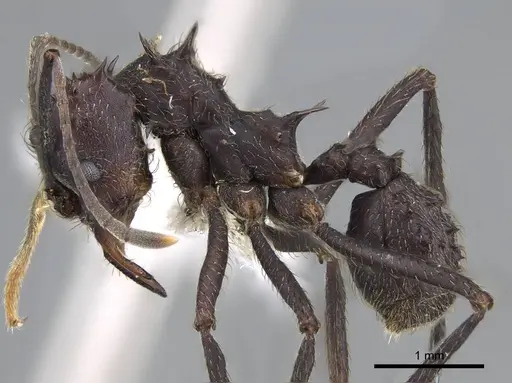
Acromyrmex ambiguus is a leaf-cutting ant native to southern South America, found in Brazil, Argentina, Paraguay, and Uruguay. Workers have a distinctive reddish-brown to dark coloration with a shiny head and abdomen, and measure around 1.89mm in head width [1]. These ants are famous for their unique relationship with fungus, they cut pieces of leaves and flowers, chew them into tiny fragments, and use this material to cultivate their symbiotic fungus garden (Leucoagaricus gongylophorus), which serves as their primary food source [2]. Nests are built as covered mounds (monte coberto) about 1 meter in diameter and 30cm deep, with multiple fungus chambers [3]. Unlike many ants, they don't eat the leaves directly, they feed the fungus, which then produces specialized food bodies called gongylidia that the ants consume.
Quick Summary
- Difficulty: Hard
- Origin & Habitat: Native to southern South America, primarily Rio Grande do Sul, Brazil, as well as Argentina, Paraguay, and Uruguay. Found in open grassland habitats, particularly native pastures and agricultural areas. They prefer warm, subtropical climates with distinct seasons [4][3].
- Colony Type: Facultatively polygynous, colonies can have a single queen or multiple queens (documented up to 2 queens per colony). Studies show approximately 25% of colonies are polygynous. Queens mate with multiple males (polyandrous), with 4-10 mates per queen documented [5].
- Colony: Optionally polygyne
- Founding: Claustral
- Size & Growth:
- Queen: Estimated 12-15mm based on genus patterns
- Worker: 1.89mm head width [1]
- Colony: Colonies can reach 1 liter of fungus garden with approximately 1 meter diameter mound [6]
- Growth: Moderate
- Development: 8-12 weeks (estimated based on related Acromyrmex species) (Development is closely tied to fungus garden health. First workers (nanitics) are smaller and develop faster than normal workers.)
- Antkeeping:
- Temperature: Keep nest area at 24-26°C. Research shows colonies thrive at 25°C in laboratory conditions [6]. They are active foragers and can tolerate low-to-mid 20s°C. Avoid temperatures below 20°C as this slows fungus growth.
- Humidity: High humidity is critical, the fungus garden requires constant moisture. Keep substrate consistently damp but not waterlogged. Humidity around 70-80% works well. The nest should have a water reservoir or regular misting to maintain fungus health.
- Diapause: No, these ants come from subtropical regions without true hibernation. They may reduce activity slightly in cooler months but do not require a diapause period.
- Nesting: These ants need space for extensive fungus gardens. A naturalistic setup with multiple chambers works best, they naturally build mound-type nests with chambers about 30cm deep. In captivity, use a formicarium with multiple connected chambers filled with moist substrate (soil/vermiculite mix) that can support fungus growth. They need a foraging area where fresh plant material can be provided.
- Behavior: These ants are active foragers that create visible trails to collect leaf material. Workers cut and carry leaf fragments back to the nest, where other workers process them for the fungus. They are not aggressive toward humans and rarely sting. They are excellent escape artists due to their small size, use fine mesh barriers and fluon on container edges. They show sophisticated communication, using pheromone trails to recruit foragers to food sources. They can be picky about which plants they accept, showing preferences based on fungus needs [6][7].
- Common Issues: Fungus garden collapse is the biggest threat, if the fungus dies, the colony starves. Maintain proper humidity and avoid contaminated plant material., Temperature drops below 20°C slow fungus growth and can weaken the colony. Keep them warm., Leaf material must be fresh and clean, contaminated or pesticide-treated leaves can kill the fungus., Their small size means they can escape through tiny gaps. Use tight-fitting lids and fine mesh., Overfeeding can cause leaf material to rot in the nest, damaging the fungus garden.
The Fungus Garden Relationship
Acromyrmex ambiguus belongs to the tribe Attini, fungus-growing ants that cultivate a symbiotic fungus for food. This species specifically cultivates Leucoagaricus gongylophorus, the same fungus grown by many other leaf-cutter ants [2]. The ants don't eat leaves directly, instead, they cut leaf material into tiny pieces, chew it up, and use it as substrate to grow their fungus garden. The fungus then produces gongylidia, swollen, nutritious tips that are the ants' primary food source. Research shows each ant species cultivates a distinct strain of the fungus, and A. ambiguus has its own unique fungal strain (the AA group) that is genetically distinct from other Brazilian Acromyrmex species [2]. The fungus requires specific conditions to thrive, constant moisture, appropriate temperature, and fresh plant material.
Feeding and Diet
In captivity, you must provide fresh leaf material daily or every few days. These ants prefer dicotyledonous (broadleaf) plants but will also cut monocotyledons. Laboratory studies show they readily accept various plant species including peach, eucalyptus, rose, citrus, grape, and blackberry leaves [6][7]. They show some preferences, in choice tests, they slightly preferred Tsukuba 1 peach cultivar over others, but differences were not statistically significant [6]. For eucalyptus species, they strongly preferred Eucalyptus camaldulensis, cutting it completely in about 5 hours, while avoiding species like Corymbia citriodora and Eucalyptus globulus [7]. They are opportunistic, when preferred species are unavailable, they will cut less preferred plants [7]. Always use organic, pesticide-free leaves. Remove uneaten leaf material within 24-48 hours to prevent mold. Do not feed them citrus or other strong-smelling materials unless you observe acceptance.
Nest Setup and Housing
Leaf-cutter ants need much more space than typical ant species due to their fungus gardens. They naturally build mound-type nests (monte coberto) about 1 meter in diameter with multiple chambers extending about 30cm deep [3]. In captivity, use a formicarium with multiple connected chambers filled with moist substrate (a mix of soil and vermiculite works well). The chambers should be sized appropriately for the colony, start small and expand as the colony grows. Provide a large foraging area where you can place fresh leaves. The nest humidity is critical, the substrate should remain consistently moist. Many keepers use a water reservoir or moisture gradient system. Maintain temperatures around 24-26°C using a heating cable if needed. Ventilation is important to prevent mold while maintaining humidity.
Temperature and Climate Control
Keep your colony at 24-26°C for optimal fungus growth and ant activity. Research colonies are maintained at 25°C with a 10-hour photophase (day/night cycle) [6]. These ants are adapted to subtropical climates and do not tolerate cold well. Below 20°C, fungus growth slows significantly and the colony may become sluggish. A heating cable on one side of the nest creates a temperature gradient allowing ants to choose their preferred zone. Avoid placing heat sources directly on the fungus chambers as overheating can kill the fungus. Room temperature within the 24-26°C range is ideal. They do not require hibernation or diapause.
Colony Structure and Reproduction
Acromyrmex ambiguus colonies can be either monogynous (single queen) or polygynous (multiple queens). Studies found approximately 25% of wild colonies were polygynous with up to 2 queens [5]. Queens are polyandrous, mating with 4-10 males per queen, which increases genetic diversity within the colony [5]. Nuptial flights occur in warm months, typically spring and summer. After mating, mated queens land, shed their wings, and dig a founding chamber where they begin cultivating a small fungus garden. The claustral queen seals herself in and survives on stored fat while raising the first brood. The first workers (nanitics) are smaller than normal workers and emerge after several weeks. Once workers emerge, they begin foraging for leaf material to expand the fungus garden.
Behavior and Foraging
These ants are diurnal foragers that create visible trails to food sources. Workers cut leaf fragments using their specialized mandibles and carry them back to the nest. The foraging trails are often partially subterranean, with workers creating hidden tunnels [3]. They use mass recruitment, when a scout finds a good food source, it returns to the nest and lays a pheromone trail to recruit many foragers. Research shows they can learn and remember which plants are unsuitable, if the fungus is damaged by certain leaves, foragers avoid those plants in the future [8]. They also learn from waste material in the colony, avoiding plants that produced harmful waste [9]. This sophisticated behavior helps them optimize foraging for fungus health. They are not aggressive and rarely sting humans.
Common Problems and Solutions
The biggest threat to leaf-cutter ant colonies is fungus garden failure. The symbiotic fungus is sensitive to temperature extremes, dryness, contamination, and mold. Always use pesticide-free, clean plant material. Remove uneaten leaves promptly to prevent mold. If the fungus turns dark or smells bad, it may be dying, try providing fresh, clean leaves and ensure humidity is optimal. Escape prevention is critical due to their small size, check all connections and use fluon on edges. Temperature fluctuations can stress the colony, maintain stable warmth. If the colony seems sluggish, check that temperatures are in the 24-26°C range. Poor acceptance of new plant species can be normal, they may take time to accept unfamiliar plants. Colonies can also be affected by fungal pathogens like Escovopsis (a parasite of the fungus garden) and phorid flies [10][11].
Frequently Asked Questions
What do Acromyrmex ambiguus ants eat?
They don't eat leaves directly, they feed their fungus garden with fresh leaf fragments, and the fungus produces their food. Provide fresh, pesticide-free leaves from various plants (rose, blackberry, peach, eucalyptus work well). Remove uneaten leaves within 24-48 hours.
How long does it take for first workers to appear?
Estimated 8-12 weeks from egg to first worker at optimal temperature (around 25°C). Development is tied to fungus garden health. Nanitics (first workers) are smaller than normal workers.
Can I keep multiple queens together?
Yes, this species is facultatively polygynous, colonies can have one or multiple queens. However, starting with a single queen is easier for beginners. If you introduce multiple foundress queens, provide ample space and monitor for aggression.
Do these ants need hibernation?
No. They come from subtropical regions (southern Brazil) and do not require a diapause period. They may reduce activity slightly in cooler months but should be kept warm year-round (24-26°C).
What temperature should I keep them at?
Keep the nest at 24-26°C. Research shows 25°C is optimal for colony maintenance. They do not tolerate temperatures below 20°C well. Use a heating cable if your room temperature is below this range.
Why is my fungus garden dying?
Fungus gardens fail due to several causes: contaminated or pesticide-treated leaves, low humidity, temperature extremes below 20°C or above 30°C, mold from uneaten leaves, or fungal pathogens. Ensure clean leaves, proper humidity, stable warmth, and remove uneaten plant material promptly.
Are Acromyrmex ambiguus good for beginners?
No, they are considered difficult to keep. They require daily attention, fresh leaf material, precise humidity control, and space for fungus gardens. The fungus garden is essential, if it dies, the colony starves. They are better suited for experienced antkeepers interested in the unique fungus-growing behavior.
How big do colonies get?
Mature colonies can have 1 liter or more of fungus garden, with mound diameters around 1 meter in the wild [6]. In captivity, they will fill whatever space you provide with multiple fungus chambers.
What kind of nest should I use?
Use a formicarium with multiple connected chambers filled with moist substrate (soil/vermiculite mix). They need space for fungus garden expansion. Provide a separate foraging area for fresh leaves. A naturalistic setup works better than acrylic for humidity control.
Why aren't my ants cutting the leaves I offered?
They may be adjusting to new plant species or the colony is small. They show preferences, some plants like Eucalyptus camaldulensis are preferred while others like Eucalyptus globulus are avoided [7]. Ensure leaves are fresh and pesticide-free. Try different plant species to find what they accept.
References

This caresheet is licensed under CC BY-SA 4.0 .
CASENT0281786
View on AntWeb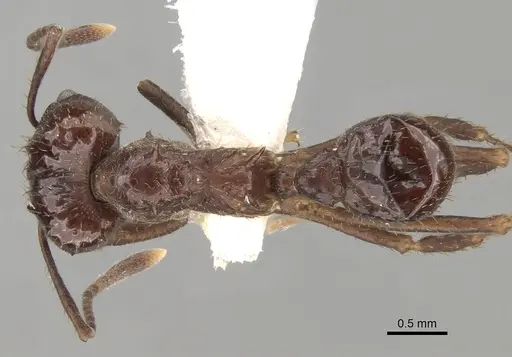
CASENT0905001
View on AntWeb
CASENT0912439
View on AntWeb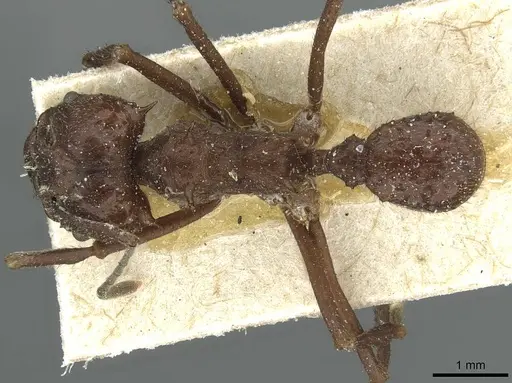
CASENT0922019
View on AntWeb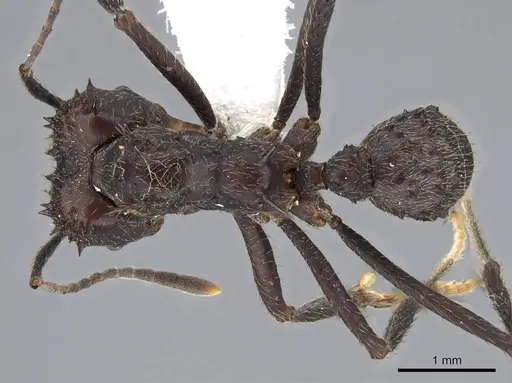
Literature
Loading...Loading products...