

Acromyrmex crassispinus
- Scientific Name
- Acromyrmex crassispinus
- Tribe
- Attini
- Subfamily
- Myrmicinae
- Author
- Forel, 1909
- Distribution
- Found in 3 countries
Acromyrmex crassispinus Overview
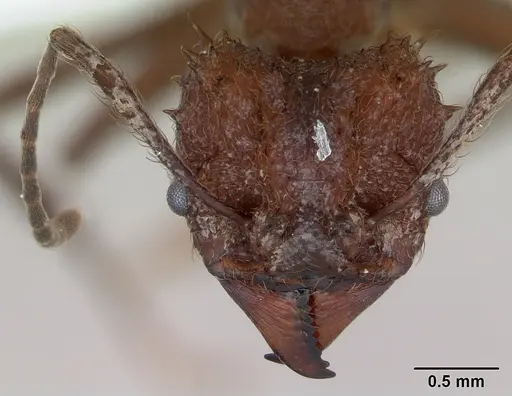
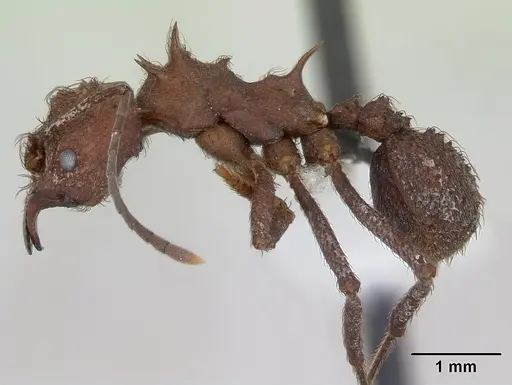
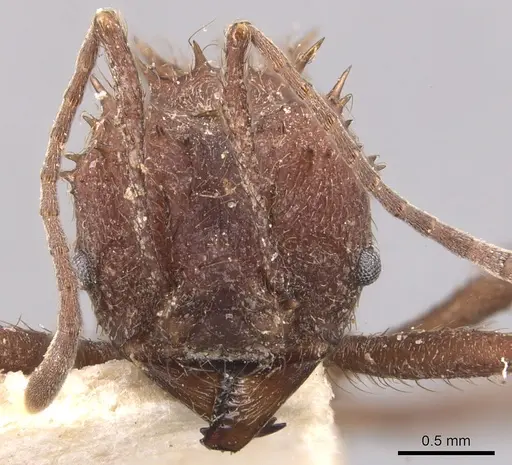
Acromyrmex crassispinus is an ant species of the genus Acromyrmex. It is primarily documented in 3 countries , including Argentina, Brazil, Paraguay. Detailed taxonomic data and occurrence records can be further explored via authoritative databases such as AntWeb or the Global Biodiversity Information Facility (GBIF).
Acromyrmex crassispinus
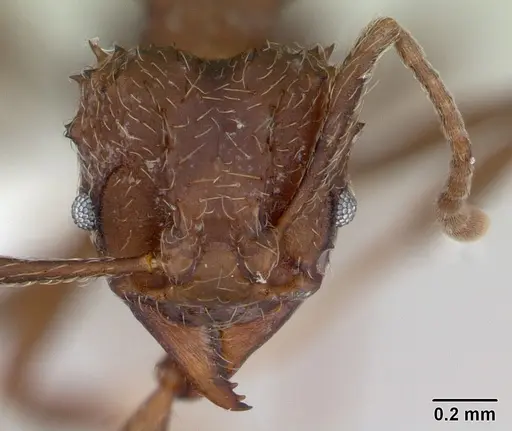
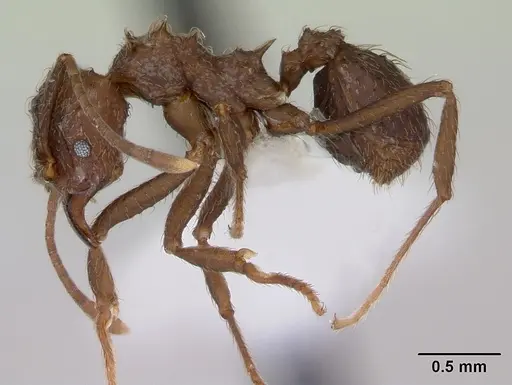
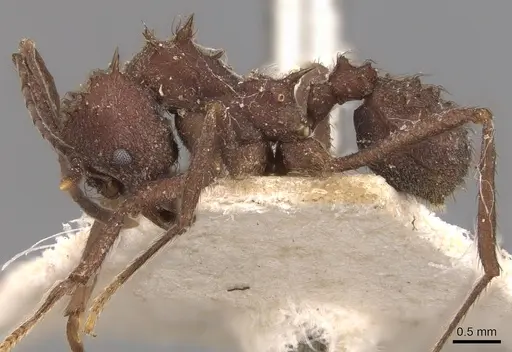
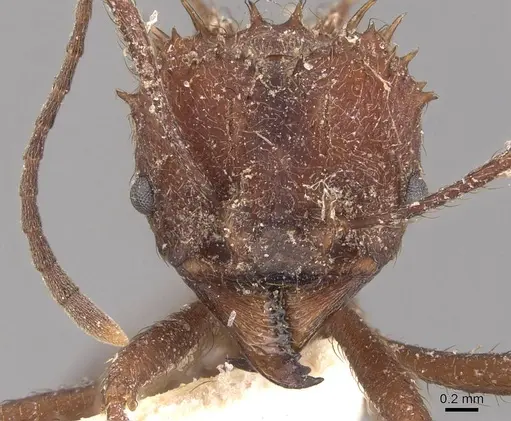
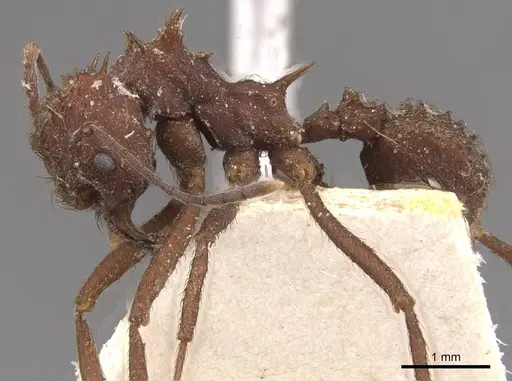
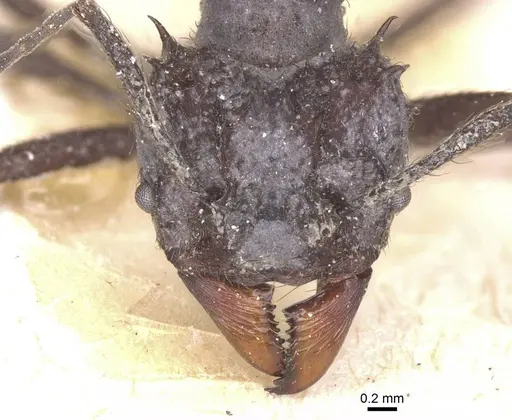
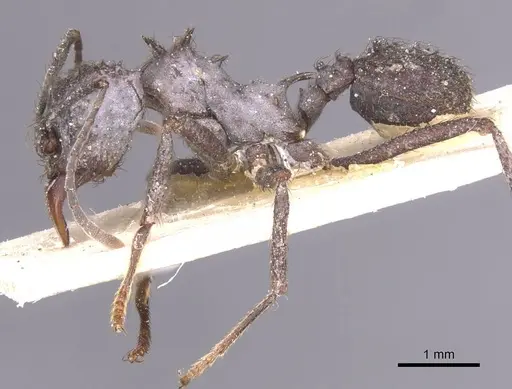
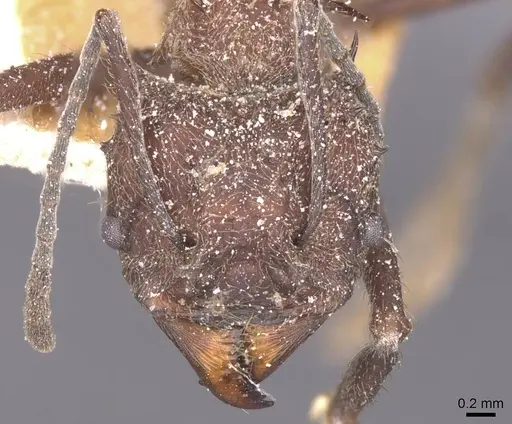
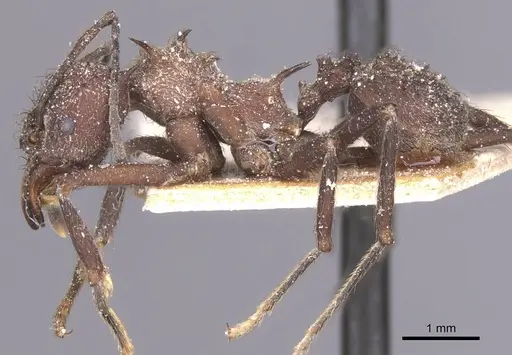
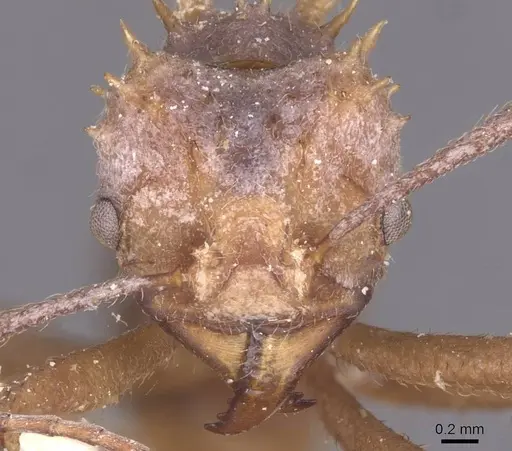
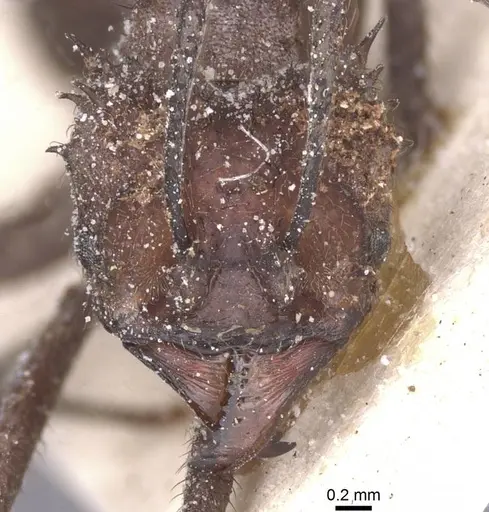
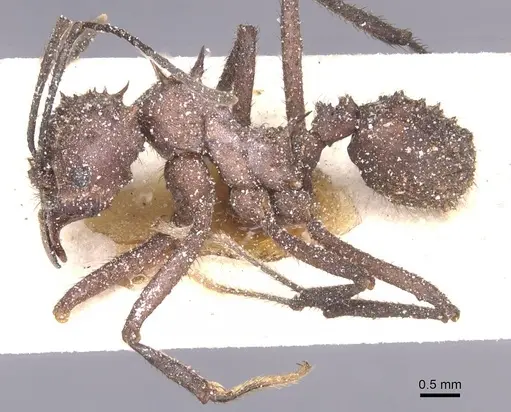
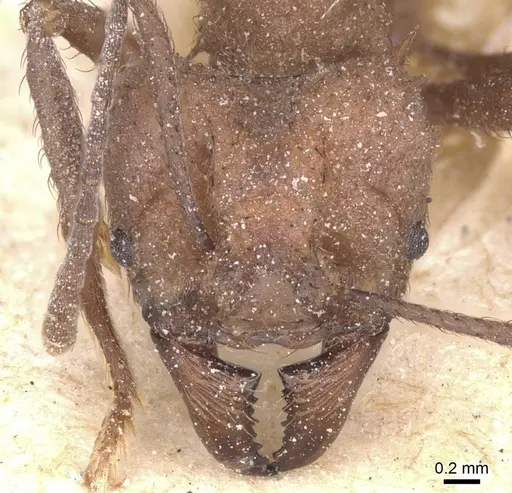
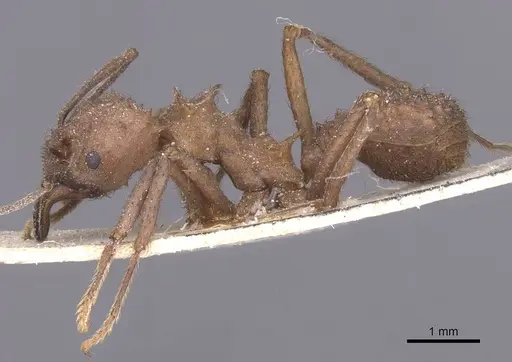
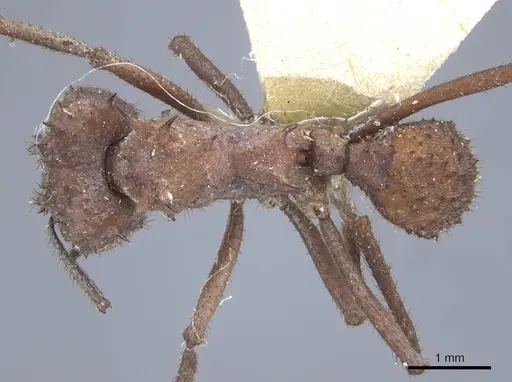
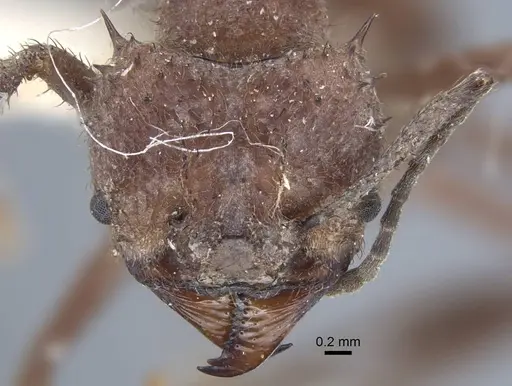
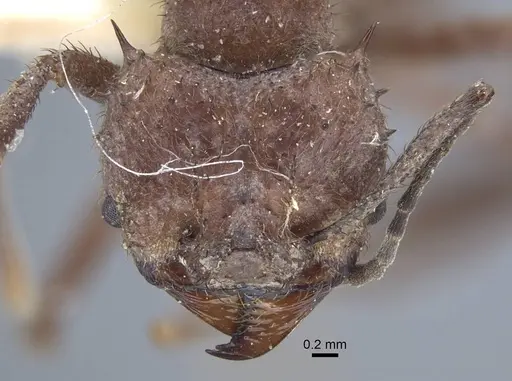
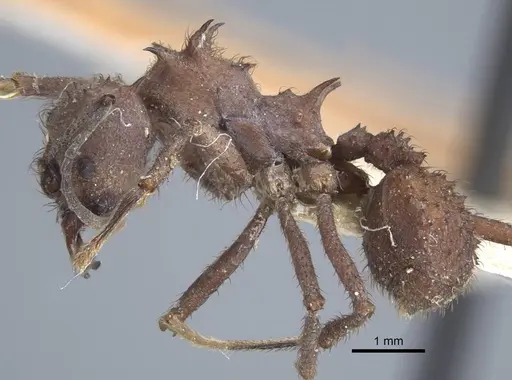
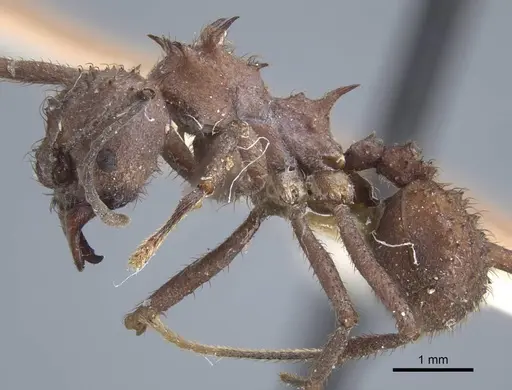
Acromyrmex crassispinus is a medium-sized leaf-cutting ant with workers approximately 7 mm long and dark brown to black coloring [1]. They have noticeable spines on their thorax, specifically, the front spines on the middle body section are about the same size as the side spines on the front section [2]. These ants build distinctive nest mounds on the surface, covering a single large chamber with dry leaves and plant debris [3][4]. They are the most common leaf-cutting ant in southern Brazil, found in Argentina, Brazil, Paraguay, and Uruguay [5][2].
These ants grow their own food. They cut leaves to cultivate a fungus garden that feeds their larvae and provides food for the adults [6][7]. Their foraging is highly organized, larger workers cut the leaves while smaller workers carry them back to the nest, and on long trails they use transport chains where multiple ants pass the leaf fragments along [8]. They are socially flexible, with colonies usually having one queen but sometimes hosting up to three queens working together [9].
Quick Summary
- Difficulty: Expert
- Origin & Habitat: Southern Brazil, Argentina, Paraguay, and Uruguay [2][10]. Found in open areas, forest edges, and plantations of Pinus taeda and Eucalyptus [4][11].
- Colony Type: Facultatively polygynous, colonies can have one queen or multiple queens (up to 3 observed), with about 11% of colonies in nature having multiple queens [9][12].
- Colony: Optionally polygyne
- Founding: Claustral, Pleometrosis
- Size & Growth:
- Queen: Not specified in available research, based on genus patterns likely 10-14 mm
- Worker: Approximately 7 mm [1]
- Colony: Likely several thousand workers, specific maximum unconfirmed in available studies
- Growth: Moderate to slow (fungus-dependent)
- Development: Estimated 8-12 weeks at 25°C based on typical Acromyrmex patterns, specific timing unconfirmed (Development depends on fungus garden health and temperature)
- Antkeeping:
- Temperature: Keep at 20-25°C during active season, provide winter rest period at 15-18°C from June-August based on activity patterns [13]
- Humidity: High humidity essential for fungus garden, keep nest material damp but not waterlogged,70-80% relative humidity
- Diapause: Yes, colonies show reduced activity June-August in nature, suggesting a winter rest period is needed [13]
- Nesting: Epigeal (above-ground) mounds in nature [3], in captivity use a setup with a dedicated fungus chamber (acrylic or plaster) with high humidity and space for leaf storage
- Behavior: Leaf-cutting foragers with trail-based foraging and division of labor between cutters and carriers [8]. Defensive with stings. Workers active primarily December-April in nature [13].
- Common Issues: fungus garden failure from contamination or drying out, the colony will die without healthy fungus., escape risk, 7mm workers can squeeze through small gaps and will chew through some materials., pesticide or chemical sensitivity, even small amounts of cleaning products or pesticides can kill the fungus garden., overfeeding leading to mold growth in the fungus garden., mite infestations that attack the fungus or brood.
Fungus Garden Management
The fungus garden is the heart of your colony. Acromyrmex crassispinus cultivates a specific fungus, likely Leucoagaricus gongylophorus or related species, which appears as white mycelium with swollen hyphal tips called gongylidia [6][7]. The garden needs constant high humidity, if it dries out, the colony dies. Keep the nest chamber damp but not soaked. Contamination is the biggest risk. Never introduce unsterilized materials, and avoid any pesticides or cleaning chemicals near the nest. The ants will manure the garden with fresh leaf material and remove waste. If the garden turns gray, green, or shows other colors, contamination has occurred and the colony is in danger. New queens carry the fungus in their infrabuccal pocket (a small pouch in the mouth) when they leave for their nuptial flight, which is how they start the garden alone [14].
Nest Setup and Structure
In nature, these ants build simple above-ground mounds called 'ninho-de-cisco' made of dry leaves and plant debris covering a single large chamber in a shallow excavation [3][4][1]. For captive colonies, replicate this with a fungus chamber that has high humidity and darkness. Acrylic or plaster nests with a removable fungus chamber work well. You need a separate foraging area (outworld) where they can cut and process leaves before bringing them to the garden. The setup must allow you to add fresh leaves and remove waste without disturbing the garden too much. Ventilation should be minimal in the fungus chamber to maintain humidity, but the outworld needs some airflow to prevent mold.
Feeding and Leaf Preferences
These ants prefer dicotyledonous plants (broadleaf plants). In studies, they showed strong preference for Eucalyptus camaldulensis and Eucalyptus urophylla × grandis hybrids, while avoiding Corymbia citriodora and Eucalyptus globulus [11]. They also readily accept Rosa (rose), Citrus (orange), and Vitis (grape) leaves [11]. The ants are opportunistic, if their favorite leaves are unavailable, they will switch to other options [11]. Offer fresh leaves regularly, removing old dry ones. They do not need sugar water or protein sources like other ants because they eat the fungus they grow [15]. However, they may occasionally take small amounts of sugary liquids, though this is not required.
Temperature and Seasonal Care
Acromyrmex crassispinus comes from southern Brazil where temperatures are moderate. In nature, external activity stops completely from June to August (winter), increases from September, and peaks December through April [13]. Reproductives are found in nests in August, suggesting nuptial flights happen in spring [4][13]. Match this in captivity by keeping them at 20-25°C during the active season and providing a winter rest at 15-18°C for 2-3 months. Do not let them get too hot, unlike some tropical leafcutters, they are not from extremely hot regions. Basidiome (mushroom) formation in their gardens is regulated by temperature and humidity, showing they are sensitive to these conditions [16].
Foraging Behavior and Division of Labor
Foraging is highly organized. Larger workers cut the leaves while smaller workers carry them [8]. On short trails (1 meter), cutters often carry the fragment directly to the nest. On long trails (over 10 meters), they usually drop the fragment for other workers to pick up, creating transport chains where multiple ants pass the leaf along [8]. About 90% of fragments are transferred indirectly (dropped on the ground) on long trails [8]. Cutters are significantly larger than carriers on long trails (averaging 5.5 mg vs 3.8 mg) [8]. This division of labor makes the colony efficient at harvesting far from the nest.
Colony Founding and Queen Number
Queens can found colonies alone (claustral) carrying fungus in their mouth pouch [14]. Sometimes multiple queens start a nest together (pleometrosis), but in most cases only one survives to colony maturity [9]. About 11% of established colonies have multiple queens (up to 3 observed), making them facultatively polygynous [9][12]. Queens mate with multiple males (1 to 12 mates, averaging about 6.5) [9]. If you have multiple queens, watch for fighting as the colony grows, you may need to separate them if aggression occurs.
Frequently Asked Questions
Can I keep Acromyrmex crassispinus in a test tube?
No. Unlike many beginner ants, leaf-cutting ants need a fungus garden to survive. A test tube is too small and cannot maintain the humidity and space needed for the fungus garden. You need a dedicated formicarium with a fungus chamber and outworld.
How long until I see the first workers from a new queen?
Specific development times are unconfirmed for this species, but based on related Acromyrmex species, expect 8-12 weeks at 25°C. The queen must first establish her fungus garden, then raise the first workers (nanitics) which will be smaller than typical workers.
What leaves should I feed my Acromyrmex crassispinus colony?
They prefer fresh dicot leaves. Good options include rose, citrus, grape, and certain Eucalyptus species like E. camaldulensis [11]. Avoid Eucalyptus globulus and Corymbia citriodora as they are less preferred [11]. Always offer fresh leaves and remove dried ones promptly.
Do Acromyrmex crassispinus need hibernation?
Yes. In nature, they show little to no activity from June to August (southern hemisphere winter) [13]. In captivity, provide a winter rest period of 2-3 months at 15-18°C with reduced feeding.
Can I keep multiple queens together in one colony?
While this species is facultatively polygynous (can have multiple queens), only about 11% of wild colonies have more than one queen [9]. Multiple queens may fight, especially as the colony grows. It is safer to keep one queen per nest unless you observe natural tolerance.
Are Acromyrmex crassispinus dangerous?
They can bite and likely sting like other leaf-cutting ants, though they are smaller than Atta leafcutters. Their main defense is their mandibles which can cut skin. The bigger risk is to your plants, they can strip leaves quickly.
Why did my fungus garden turn gray or moldy?
Contamination is the most common cause. This can come from unsterilized nest materials, pesticides on leaves, or poor ventilation. Once contaminated, the colony usually dies. Prevention is key, wash leaves thoroughly, use sterile nest materials, and avoid any chemicals near the ants.
How big will my colony get?
Specific maximum sizes are not documented, but Acromyrmex colonies typically reach several thousand workers. They grow slower than Atta species but can still become large enough to require significant space and leaf quantities.
References

This caresheet is licensed under CC BY-SA 4.0 .
CASENT0173793
View on AntWeb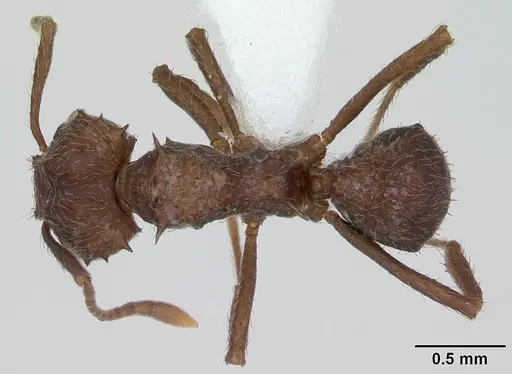
CASENT0173794
View on AntWeb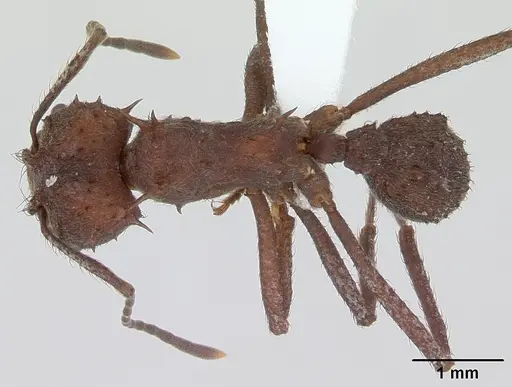
CASENT0904995
View on AntWeb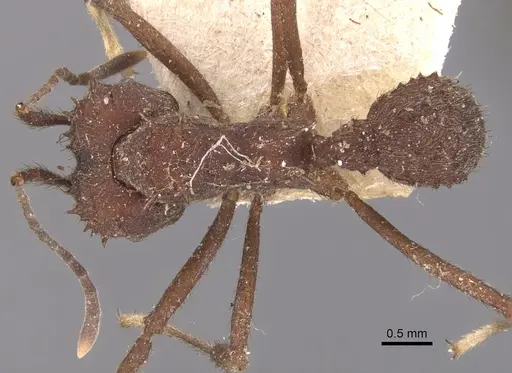
CASENT0909411
View on AntWeb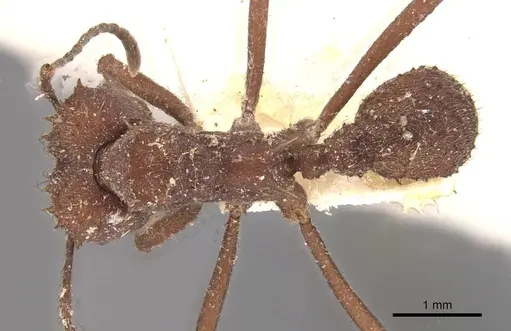
CASENT0912446
View on AntWeb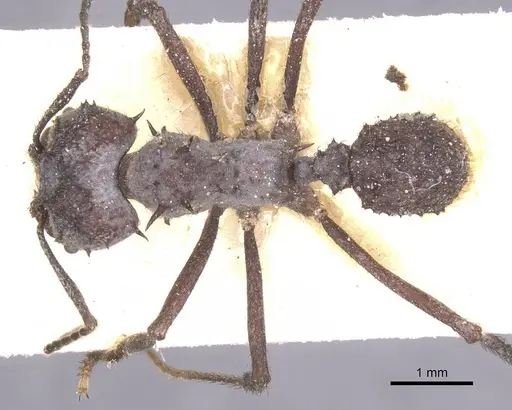
CASENT0912447
View on AntWeb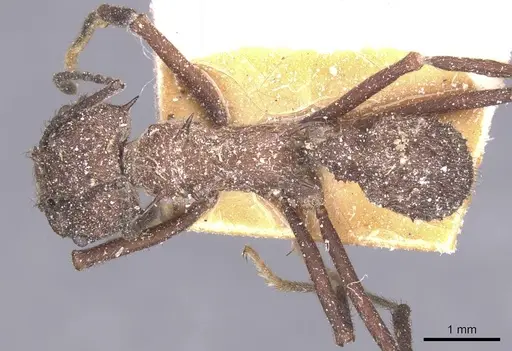
CASENT0912448
View on AntWeb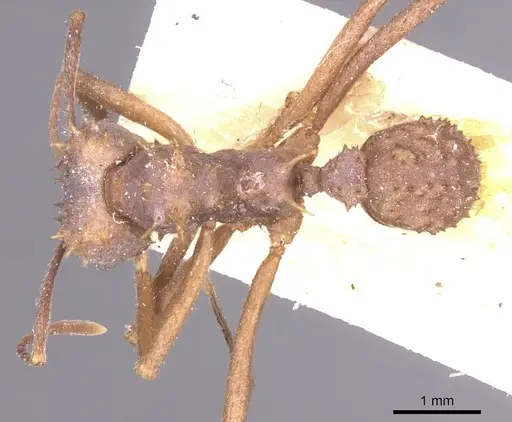
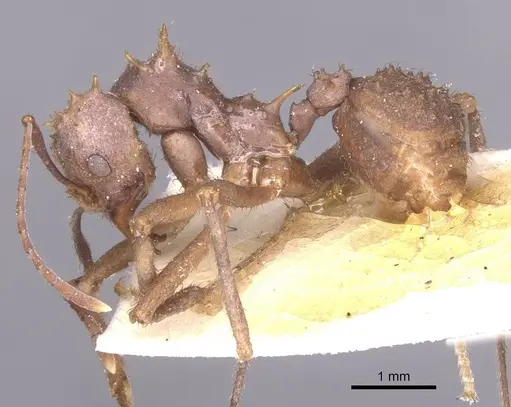
CASENT0912449
View on AntWeb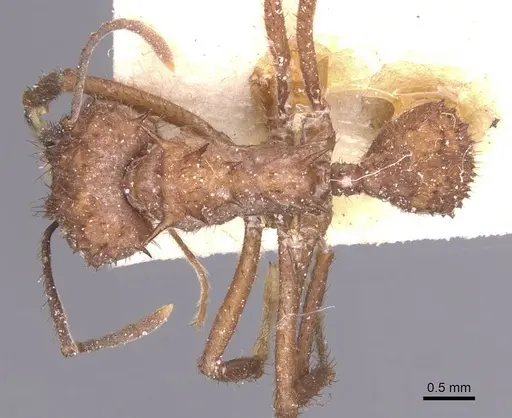
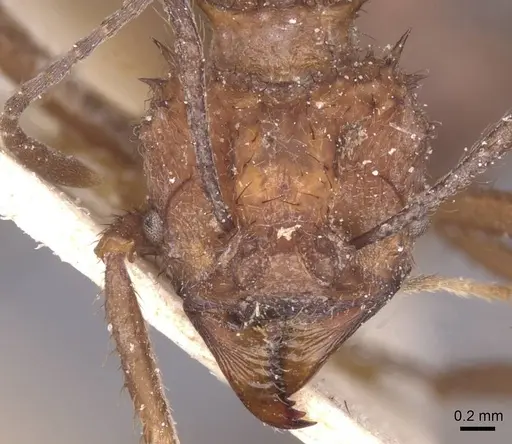
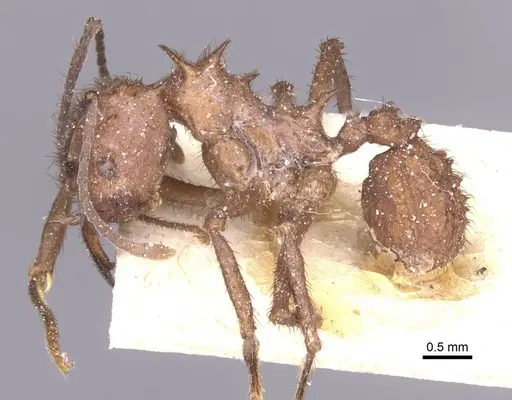
CASENT0912450
View on AntWeb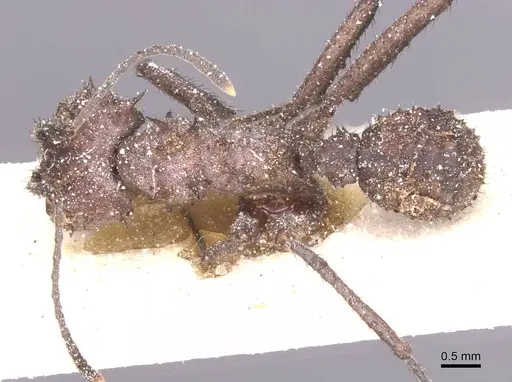
CASENT0912451
View on AntWeb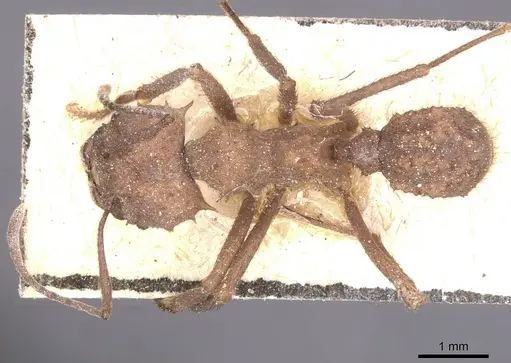
CASENT0917033
View on AntWeb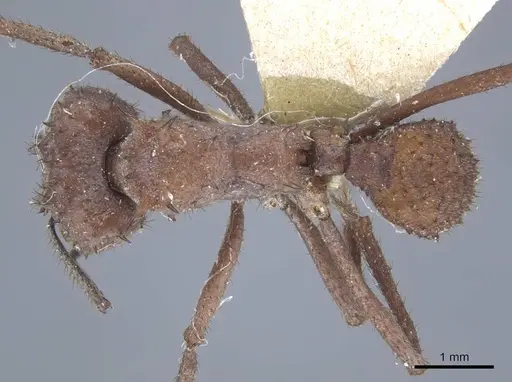
Literature
Loading...Loading products...